
Last updated November 18, 2026
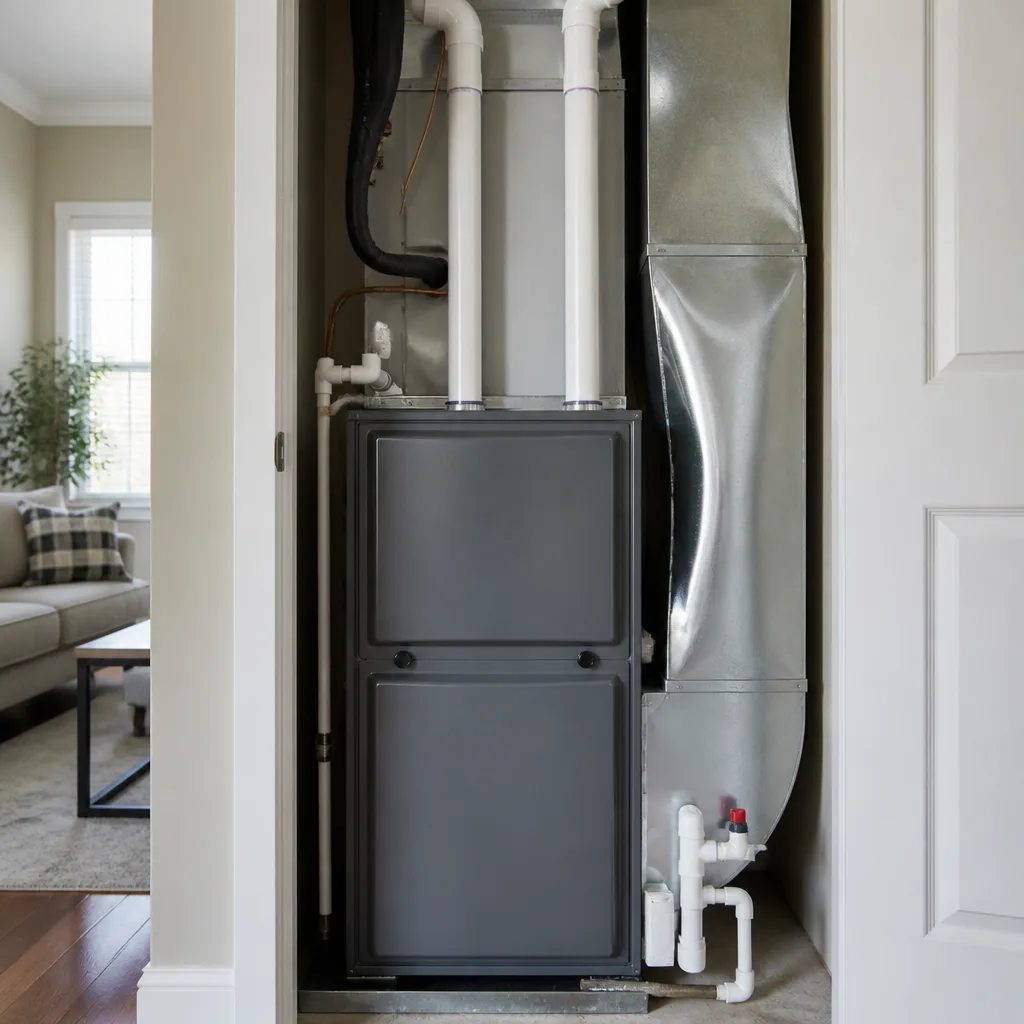 Furnace & heating
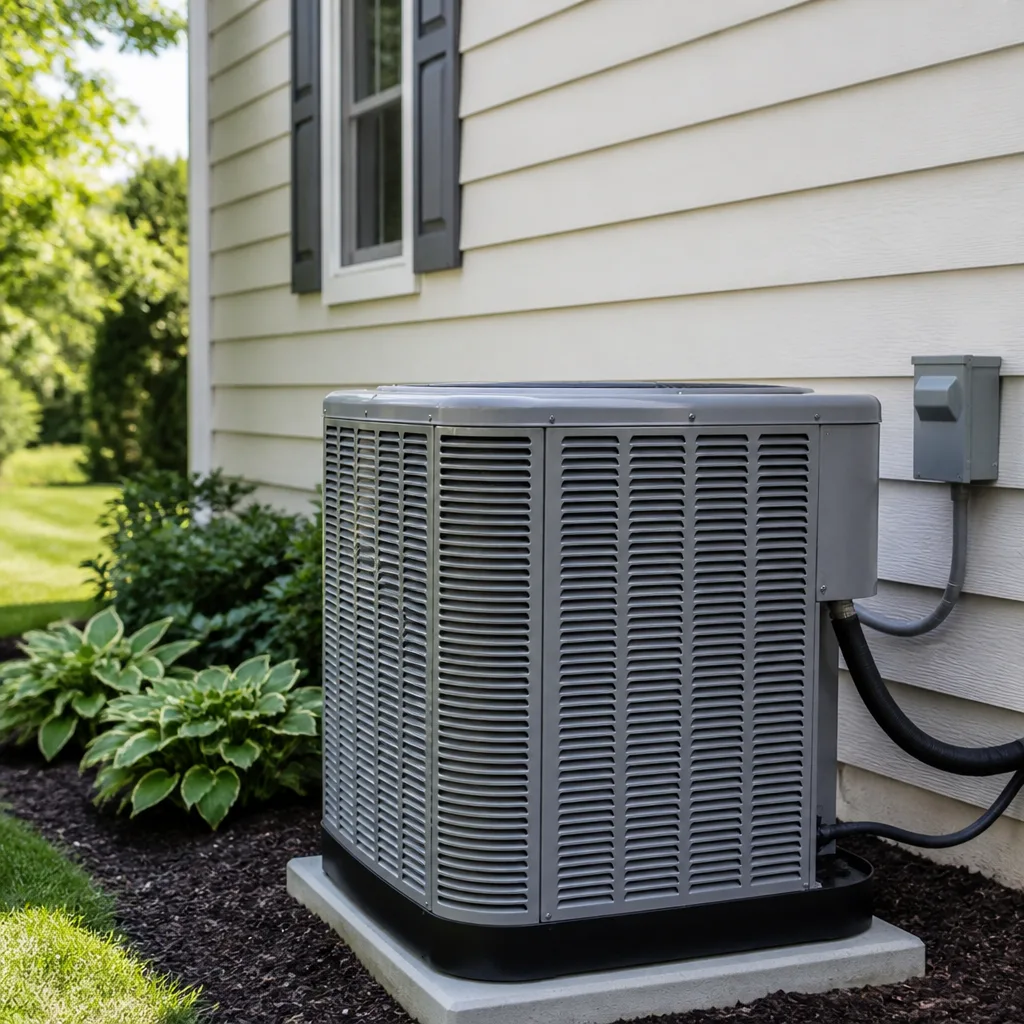 AC repair
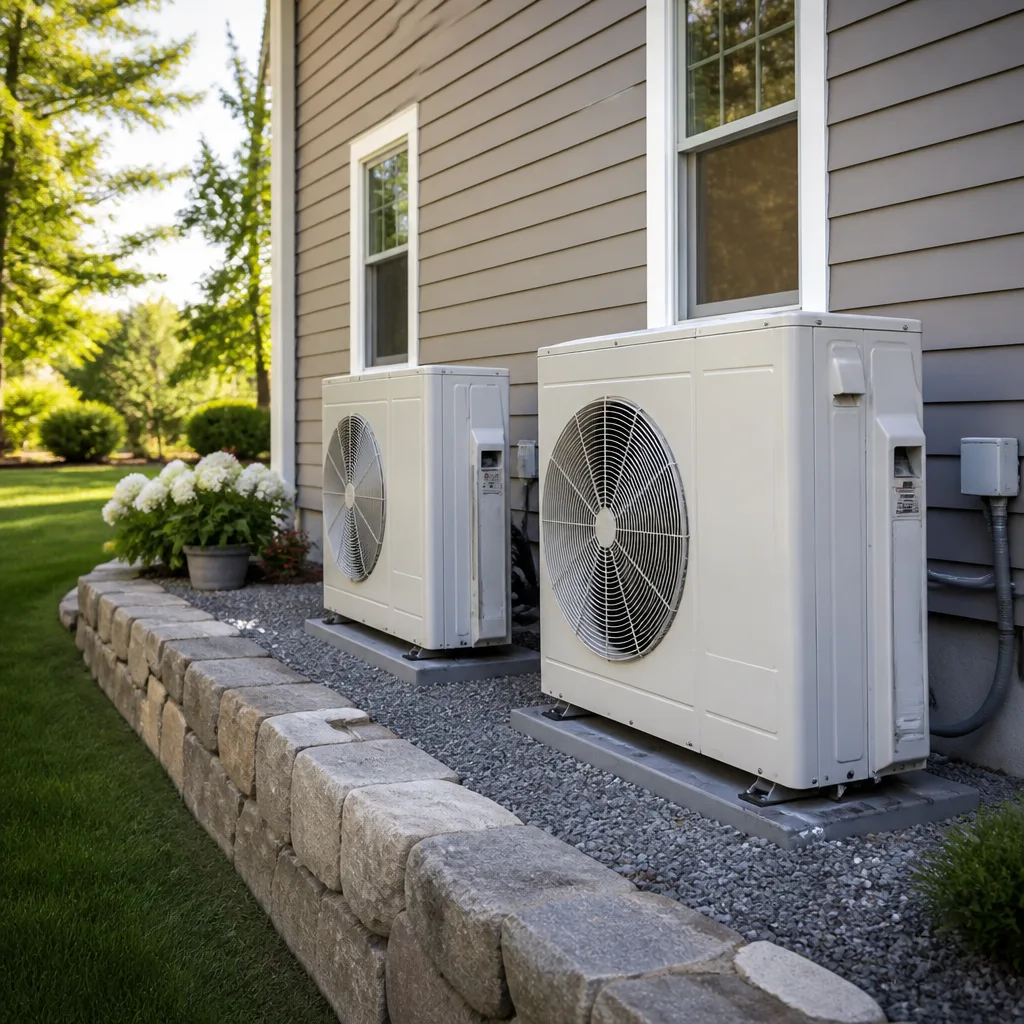 Heat pumps
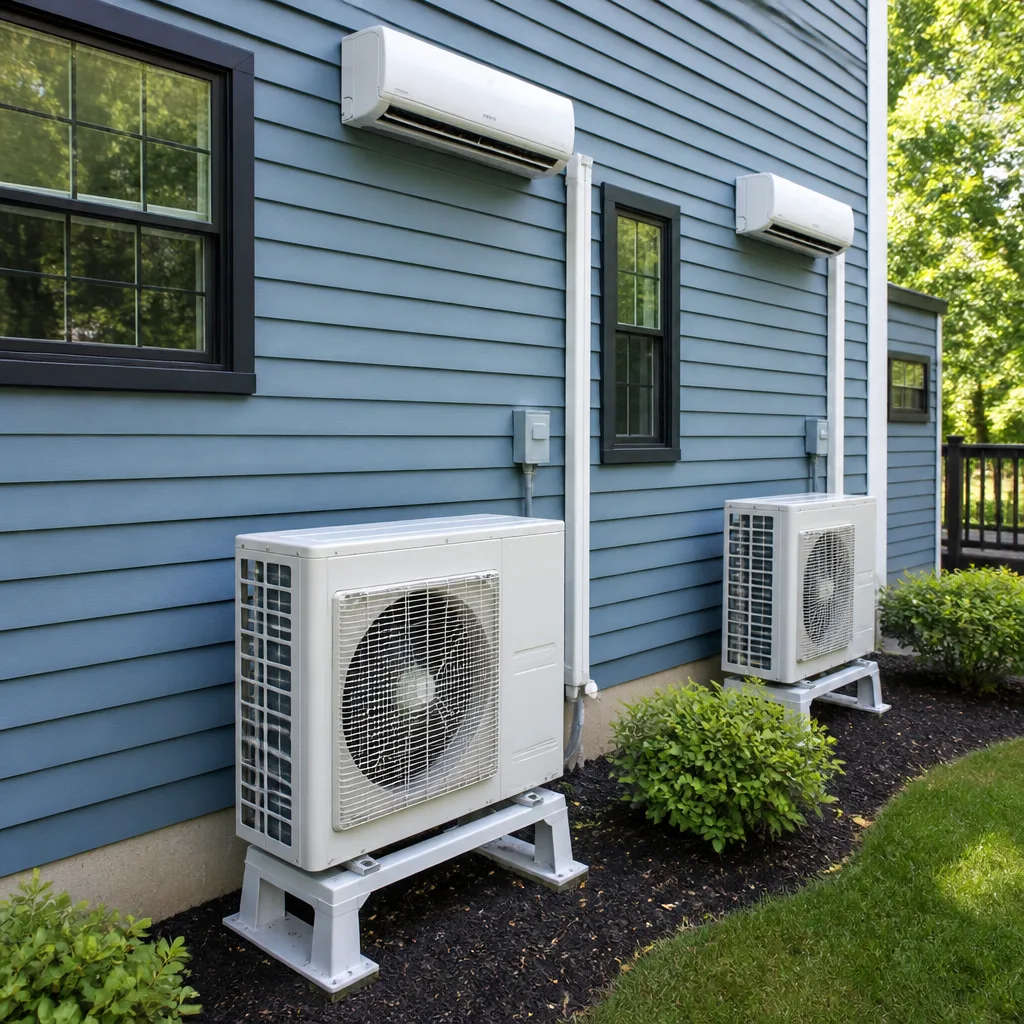 Ductless mini splits
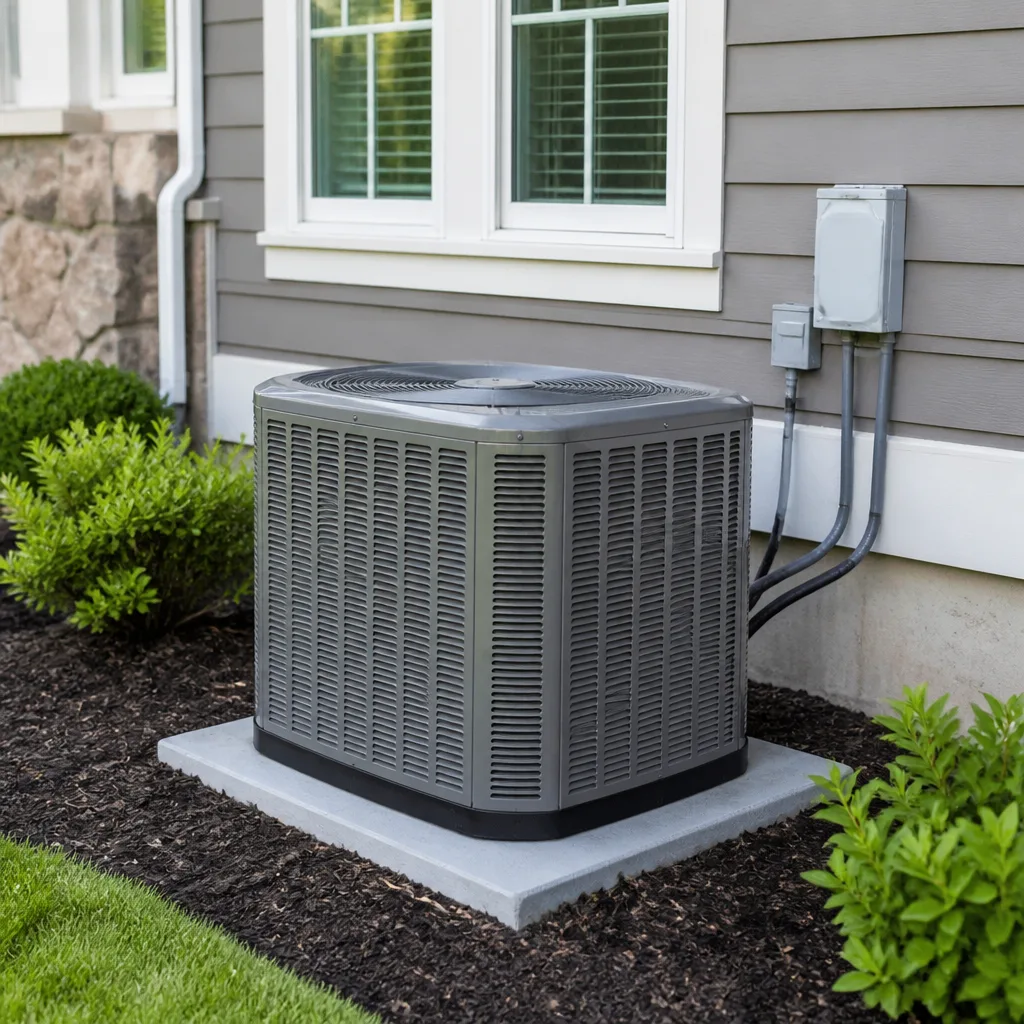 Carrier
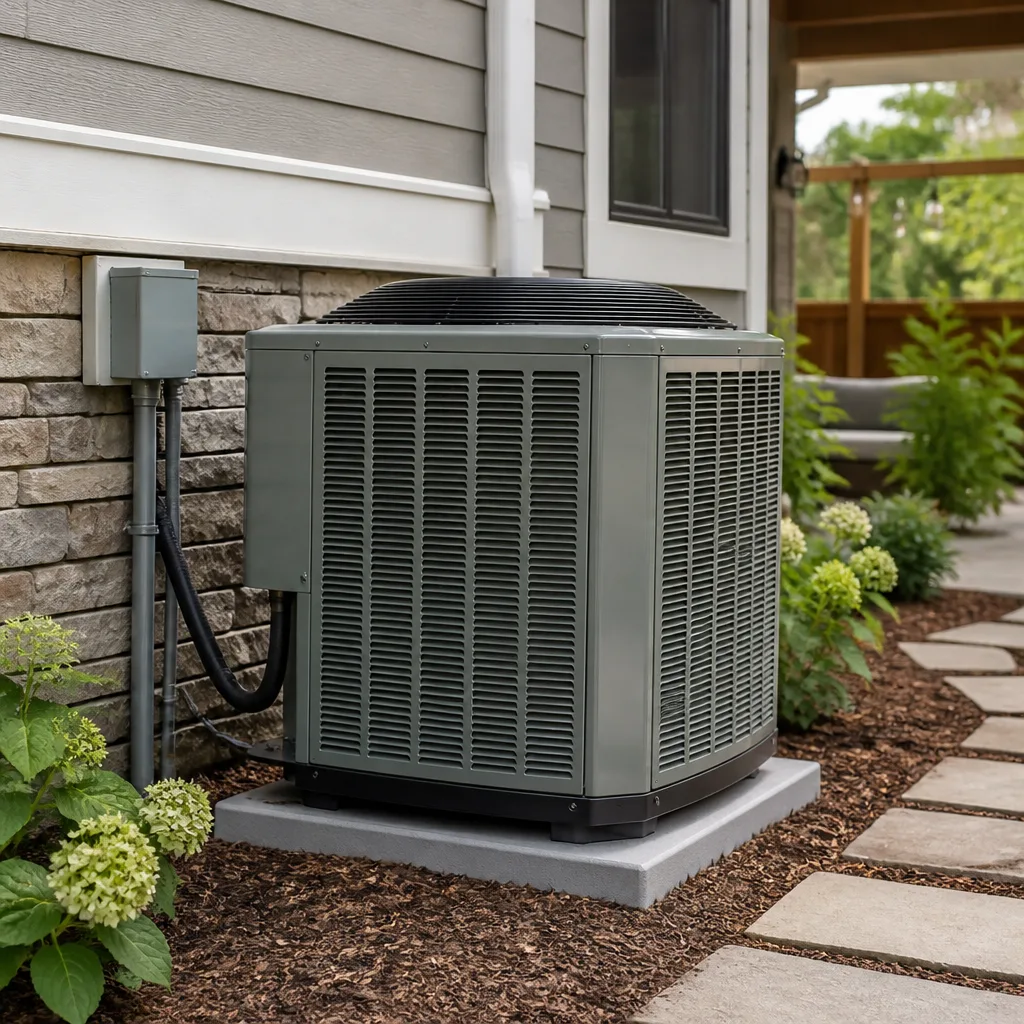 Trane
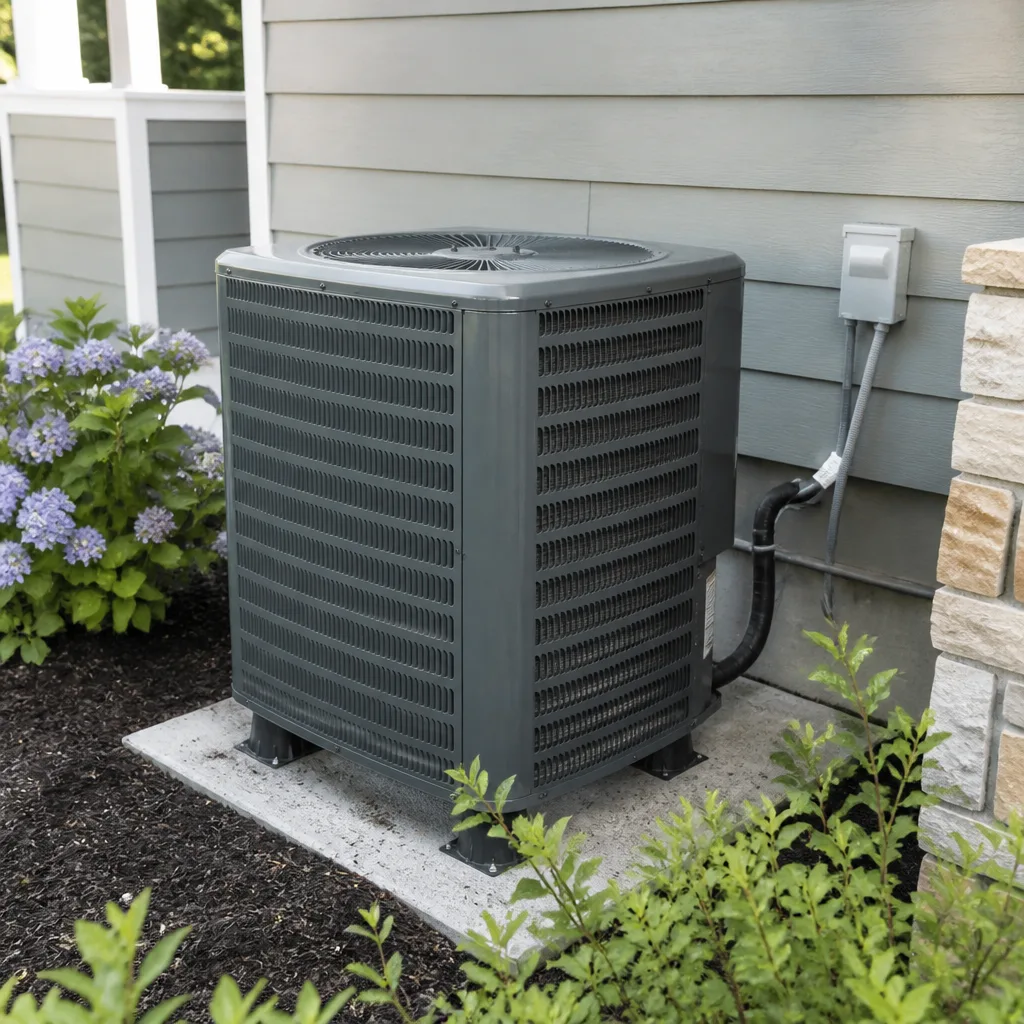 Goodman
Seasonal tune-up and full diagnostic on your Carrier, Trane, or Goodman system - readings shown to you before any repair is proposed
Diagnosis first, numbers second - you approve the repair price before a single part goes in.
Get your free estimateThe Complete Heating & Furnace Guide for Whitney Homeowners
Whitney averages 27 nights per year below freezing. That single number reshapes how you should think about a furnace. A system sized by someone who assumed “it’s Nevada, it doesn’t get that cold” will run at or near full capacity for weeks at a stretch, and that is the fastest way to wear one out. This guide is written for homeowners who plan to stay in their houses and want their heating handled once and correctly. You’ll learn how high-desert load calculations actually work, how gas furnaces and heat pumps compare in real sub-freezing conditions, what Nye County permits require, and how to read a contractor’s written guarantee before you sign it.
Quick Answer
Heating a home in Whitney is a cold-climate job, not a mild-winter one. Correct furnace sizing depends on a room-by-room load calculation that accounts for the area’s high-desert temperature swings, air infiltration in older homes, and heat loss through single-pane windows. An oversized furnace short-cycles and fails sooner; an undersized one never keeps up. Nye County requires permits for installation and replacement, and a proper written guarantee should specify coverage in plain language before work begins.
Styles & brands we work with
- AC repair
- Furnace & heating
- Heat pumps
- Ductless mini splits
- Carrier
- Trane
- Goodman
Table of Contents
- Why Whitney Winters Are Harder on Furnaces Than Most of Nevada
- How High-Desert Load Calculations Differ
- Gas Furnace vs. Heat Pump in Whitney: The Honest Comparison
- What Correct Furnace Sizing Looks Like on Paper
- Nye County Permits and the Property-Sale Problem
- How to Read a Contractor’s Written Guarantee
- A Whitney Heating Maintenance Calendar
- Common Mistakes to Avoid
Why Whitney Winters Are Harder on Furnaces Than Most of Nevada
Whitney sits at elevation in the Las Vegas Valley’s colder eastern edge, and the difference between here and the Strip is not subtle. Summer highs are familiar to anyone in the region, but the winter lows dip below 32°F regularly from November through March, and a stretch of consecutive hard-freeze nights is normal, not exceptional. Meanwhile, daytime highs in the 50s and 60s mean the furnace can be off by noon and running hard again by ten at night.
That daily swing puts stress on equipment that pilot-light-era thinking never addressed. A furnace in Whitney cycles more times per season than one in a milder climate because the temperature crosses the thermostat setpoint twice a day, often on the same unit. Dirt accumulates on the burners faster, the heat exchanger endures more thermal expansion and contraction than its cousins in warmer cities, and blower motors run more total hours. In our experience, heating equipment in Whitney earns its retirement, and it needs service on schedule rather than on failure.
Two local factors make this harder still. First, the high desert is dusty, and dust pulled into the return-air side of a system clogs filters faster than homeowners expect, which restricts airflow and raises the temperature the heat exchanger reaches. Second, older Whitney homes, including a good number of parcels off the US-95 corridor and in the established neighborhoods east of the valley’s newer construction, were frequently built with infiltration rates and single-pane windows that were normal then and are a real heat-loss problem now. Radiant loss through single-pane glass alone can account for a meaningful share of a home’s heating load after dark.
How High-Desert Load Calculations Differ
A load calculation asks one question: how many BTUs per hour does this house lose on the coldest night of the year? The number is not the same here as it is at lower elevation, and a contractor who treats it as a footnote will get the answer wrong. Elevation lowers air density, which changes combustion air requirements and affects how gas equipment is derated. Cold, dry air also means more sensible heat demand and less latent load than a humid climate.
Here is what a Whitney-appropriate calculation must account for:
- Actual winter design temperature for the address, not a regional average pulled from a spreadsheet.
- Air infiltration rate, measured or reasonably estimated, with older homes needing more credit for leakage through window frames, doors, and the top plate of the exterior walls.
- Window performance and orientation, including whether single-pane glass remains in place, because the radiant loss after dark is real and not small.
- Duct location and condition, since a substantial share of homes here run ducts through unconditioned attic space where winter losses are material.
- Insulation values by assembly, ceiling, walls, and floor over crawlspace, with the age of the home driving realistic numbers.
- Occupancy and internal gains, because two people at home all day use a house differently than an empty one.
We run this per room, not per house, because rooms with more exterior wall and glass lose more heat and shouldn’t be averaged against an interior bedroom. A proper calculation takes about an hour and produces a page of numbers a homeowner can keep in the file along with the equipment manual. That page is why we will never quote a replacement over the phone without seeing the house or reading a prior calculation.
Gas Furnace vs. Heat Pump in Whitney: The Honest Comparison
Two system types dominate Whitney heating: gas forced-air furnaces and electric heat pumps. Both can be the right choice, and the honest answer depends on your house, your utility costs, and your tolerance for the cold-weather performance of a heat pump when the outdoor temperature drops into the teens.
- Gas forced-air furnace. Burns fuel to make heat, so output does not depend on outdoor temperature. Furnaces from brands like Trane or Lennox are reliable in sub-freezing weather and produce very warm supply air, which many homeowners prefer. You need natural gas service or a propane tank. Lifespan is typically in the range of 15 to 20 years with proper service.
- Heat pump. Moves heat from outside to inside, so efficiency drops as the outdoor temperature falls. Modern cold-climate units from Goodman or Rheem hold capacity well into the teens, but in a hard cold snap the strip heat element (if installed) kicks on and your electric bill climbs. Lifespan is often shorter than a furnace, and installations need more attention to defrost cycles and refrigerant charge.
- Dual-fuel. A heat pump paired with a gas furnace as the aux heat source gets most of the efficiency of a heat pump in mild weather and the certainty of gas in a deep freeze. It’s more expensive up front and more complex to service, and it’s often the right answer for a Whitney home with gas service that wants lower summer cooling bills.
If your home already has gas, the forced-air furnace is usually the simplest, most reliable solution in our cold months. If you’re replacing an old electric-resistance furnace and want to cut summer cooling costs, a heat pump is worth serious consideration. We’ll walk through both options at the estimate and put the numbers in writing.
What Correct Furnace Sizing Looks Like on Paper
Oversized furnaces are among the most common problems we encounter in Whitney homes, and they fail faster than correctly sized ones. Here is why. An oversized unit satisfies the thermostat too quickly, then shuts off, and the cycle repeats. That short cycling does three things: it prevents the heat exchanger from reaching an efficient steady state, it increases the number of thermal cycles the metal endures, and it leaves the home with uneven temperatures because the blower never runs long enough to mix the air. Over years, those cycles add up.
What a correct sizing package includes on paper:
- The calculated heating load in BTUs, with the input data behind it, from the load calculation described above.
- Equipment model and rated input/output capacities, with the output capacity matched to the calculated load. Sizing to nominal instead of output is a common shortcut that leads to oversizing.
- Duct static pressure check, measured, not assumed, since a duct system that can’t move the required CFM undermines a good furnace just as surely as a wrong size.
- Combustion air and venting review, per manufacturer requirements in the local installation manual, not a generic instruction sheet.
- Filter and airflow plan, with a filter size and MERV rating the equipment can move without restriction.
Ask to see the sizing calculation before you sign. A reputable contractor will gladly share it. If a bid is just a number on a napkin with no load data behind it, you don’t have enough information to make a decision.
Nye County Permits and the Property-Sale Problem
Furnace installation and replacement in Whitney falls under Nye County permitting, because Whitney is in unincorporated Nye County, not the City of Las Vegas. A permit is not busywork. It puts the work on record with the authority having jurisdiction, requires an inspection before the system is signed off, and protects you if a problem ever arises with the installation.
Why this matters at a property sale: when a buyer’s inspector opens the furnace closet and finds a replacement that was installed without a permit, the transaction slows down. Unpermitted mechanical work is a title and disclosure issue, and in some cases the buyer’s lender will require a retroactive permit before proceeding, which means an inspection of work that has already been completed and covered. That’s an expensive surprise at the worst moment.
Working with a licensed installer means three things: the permit gets pulled under the contractor’s license, the inspection happens on schedule, and the paperwork lands in your file alongside the equipment manual. You don’t need to chase any of it. If you bought a home with a recent replacement, do a quick check with Nye County building records. It takes ten minutes and gives you certainty you’d otherwise be guessing at.
How to Read a Contractor’s Written Guarantee
A written guarantee is only as good as the sentences that define it. When a heating contractor hands you a promise on paper, read it the way you’d read a home warranty: carefully, looking for what’s covered, what’s excluded, and how you get the issue resolved if something goes wrong. Certainty does not need exclamation points; it needs specifics.
What to look for in a written heating guarantee:
- Length of coverage in days, not vague language like “guaranteed workmanship.”
- What’s covered, spelled out as categories: labor, parts, diagnostics, return trips. Blanket phrases hide gaps.
- How to start a claim, by phone or in writing, and how quickly the contractor commits to responding.
- Who decides if the work was done right, and what your recourse is if you disagree.
- Any conditions that void the coverage, such as a filter that wasn’t changed or a manufacturer’s warranty term that runs concurrently.
Our 90-Day Done Right Promise is a written, no-hassle guarantee: if it isn’t done right, we make it right, no paperwork to fill out and no arguing. That’s the standard a homeowner should expect from any heating contractor, and we’d rather put ours in writing than describe it verbally. If you want a second opinion on another contractor’s written estimate, bring it in. We’ll read it with you and give you a straight analysis, free.
A Whitney Heating Maintenance Calendar
The heating system in a Whitney home does better with two service visits per year than one, but if you only want one, put it before the cold nights arrive. Here is the calendar we recommend to homeowners in the area, and the reason each step matters in our climate specifically.
- Early fall (September or October): Full heating tune-up. Clean the burners, check the heat exchanger, verify combustion with an analyzer, test the blower, check the flue, and confirm the gas pressure. Do this before the first sub-freezing night so any issue gets caught while you have time to fix it, not on the coldest evening of the year.
- Late fall (November): Replace the filter and set the thermostat schedule. Whitney homes with pets or dust-tracked yards need a filter change every 60 to 90 days, not every 6 months.
- Mid-winter (January): A quick filter and condensation check, especially on high-efficiency condensing units that produce water and can back up in a hard freeze.
- Spring (April): Heating system inspection and shutdown, plus the AC tune-up. If a part is failing, you want it identified before summer, not in July.
A properly tuned furnace runs quieter, uses less gas, and lasts longer. We see plenty of equipment in Whitney that’s been neglected for a decade and still working, but working inefficiently, and the money spent in the meantime adds up quietly. A seasonal tune-up is one of the few HVAC services that reliably pays for itself in fuel savings and avoided emergency calls.
Common Mistakes to Avoid
- Accepting a quote with no load calculation. A furnace is not a commodity you can size off a square-footage rule of thumb. Without the calculation described above, you are guessing, and an oversized unit will fail faster and heat unevenly for years.
- Hiring an unlicensed installer to save money. The savings on an unpermitted Whitney installation can disappear at resale, when a buyer’s inspector flags the work and the lender wants a retroactive permit and inspection. In Nye County, this is not theoretical.
- Ignoring a cracked heat exchanger. A heat exchanger that has developed a crack can leak carbon monoxide into the supply air. If you smell something unusual, hear a metallic pop, or see soot around the burners, turn the system off and call for service immediately. This is not a weekend DIY repair.
- Running a filter too long between changes. The dust load in Whitney homes is heavier than most of the country. A clogged filter restricts airflow, drives up the heat exchanger temperature, and shortens the life of the furnace. Change it on schedule.
- Setting back the thermostat too far at night. Big setbacks save a few dollars but stress the equipment when it has to recover on a 20°F night, and they don’t account for how hard a Whitney furnace works to catch up. A modest setback is the better trade.
- Skipping the annual tune-up after a problem-free winter. One good winter is not a reason to skip the next tune-up. Problems develop quietly; the tune-up is how they get caught.
- Ignoring the manufacturer’s warranty terms. Many warranties require documented annual maintenance to stay in force. Missing a tune-up can void a parts warranty on a furnace that still has years of life left.
See the difference
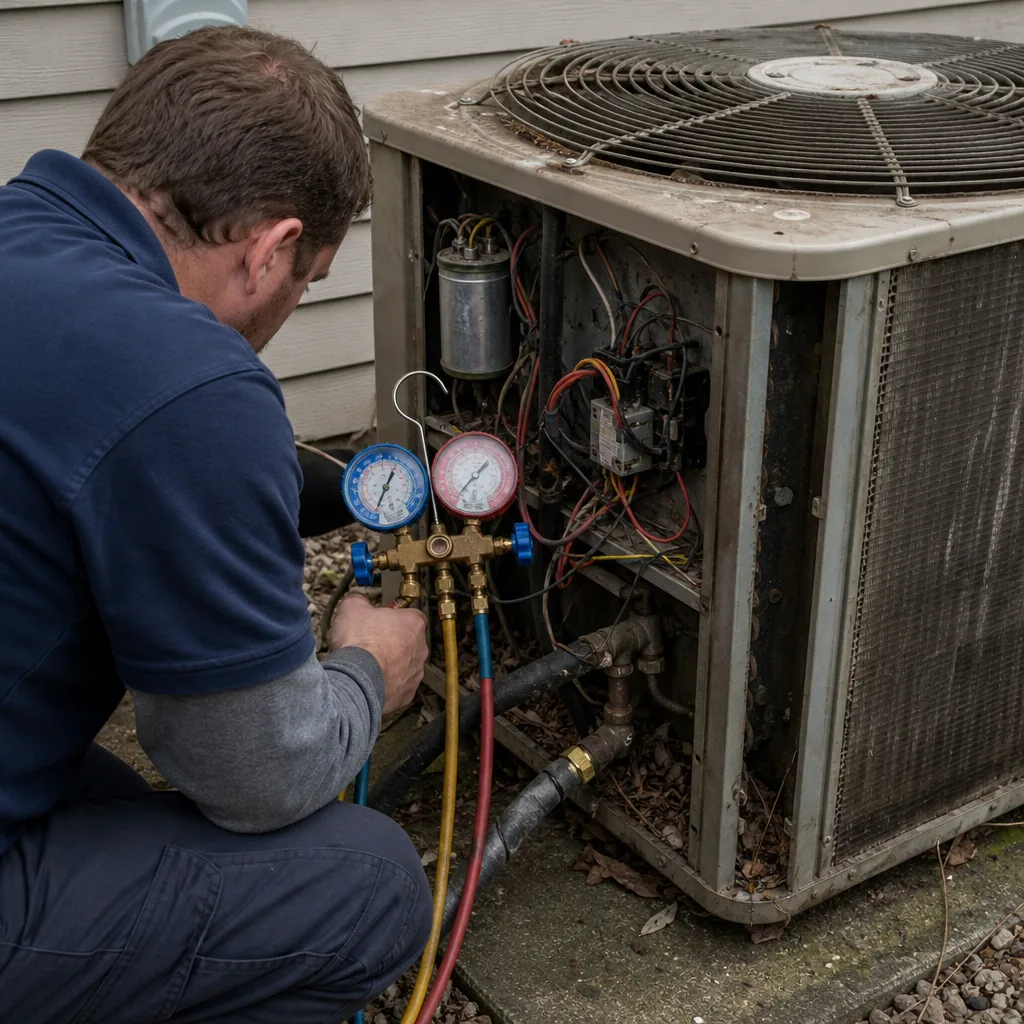 Before
 After
 Before
 After
 Before
 After
When to Call a Professional
Some heating issues are worth a phone call right now. If you smell gas, hear a metallic banging or popping from the furnace, see soot deposits around the burners, notice the blower running continuously without heating, or the system shuts off and won’t restart on a cold night, call immediately. If the thermostat displays an error code, write it down before you call. The same goes for any sign of carbon monoxide (headaches, drowsiness, a yellow rather than blue flame), and if the carbon monoxide alarm sounds, get everyone out of the house first. If your furnace is over 15 years old and calling for service more than once per season, it’s time to talk about replacement, not another repair. Fireside Heating & Air Co. Whitney offers free estimates in Whitney, call (866) 329-8069. A live person answers every call, day or night, and the price we quote is the price you pay.
Frequently Asked Questions
Furnace replacement in Whitney typically runs in a wide range depending on size, efficiency rating, duct condition, and whether the flue needs updating, so the honest number comes from an in-home estimate with a load calculation behind it. We don’t quote replacements over the phone, for the reasons above. Call (866) 329-8069 for an exact quote, estimates are free.
Whitney averages 27 nights per year below freezing, with a hard-freeze stretch in January and February being normal rather than exceptional. That matters for furnace sizing, fuel use, and equipment lifespan. A furnace that’s correctly sized for the local design temperature runs comfortably; an oversized one short-cycles and wears faster. Call (866) 329-8069 if you aren’t sure what size your home needs.
Repair makes sense when the furnace is under 15 years old, the repair cost is modest relative to replacement, and the equipment is otherwise sound. Replace when the unit is 15 to 20 years old, has had two or more repairs in a season, or has developed a heat exchanger issue that’s not economically repairable. Call (866) 329-8069 and we’ll give you a straight answer either way, free.
Yes, furnace installation and replacement in Whitney requires a permit through Nye County, and the work should be inspected before sign-off. An unpermitted installation can affect a future property sale and may require a retroactive permit at additional cost. Call (866) 329-8069 to talk through the permit process on your address.
A modern cold-climate heat pump can heat a Whitney home well into the teens, and paired with gas as dual-fuel it handles hard freezes too. The right answer depends on your existing fuel service and your tolerance for higher winter electric bills versus lower summer cooling bills. Call (866) 329-8069 and we’ll compare the options at the estimate.
The 90-Day Done Right Promise is our written guarantee that if the work isn’t right, we make it right within 90 days, no paperwork and no arguing. It applies to heating installation and service work we perform. Ask any contractor you consider to put their guarantee in writing the same way, and read it carefully before you sign. Call (866) 329-8069 to talk about coverage on a specific job.
The Bottom Line
Whitney’s cold nights are the whole story. A furnace here is not a mild-weather convenience; it’s the equipment that carries your home through a real winter. That means a load calculation that accounts for elevation, infiltration, and single-pane glass; sizing that matches output to load so the unit doesn’t short-cycle; a permit through Nye County so the work is on record when you sell; and a written guarantee you can read in plain English. Skip any of those and you’re paying later for something that should have been right the first time. Done right, or we make it right. That’s how we work in Whitney, and we’d be glad to help.
If you’ve read this far and you’re not sure where your system stands, the easiest first step is a call. Fireside Heating & Air Co. Whitney home is where we keep the whole picture of how we work, and if you want to compare options, our AC Repair & Installation in Whitney guide covers the cooling side, our Heating & Furnace in Whitney page is the direct service line, and the Heat Pump & Mini Split in Whitney page walks through which equipment makes sense in a high-desert winter. Live person answers every call, 24 hours a day. Call (866) 329-8069 for a free estimate. Price quoted is price paid. Standing offers: $50 off any repair over $250, a free second opinion on any written estimate, $89 seasonal tune-up, and a 5% senior and veteran discount, always.
Written by the team at Fireside Heating & Air Co. Whitney.