
Last updated November 18, 2026
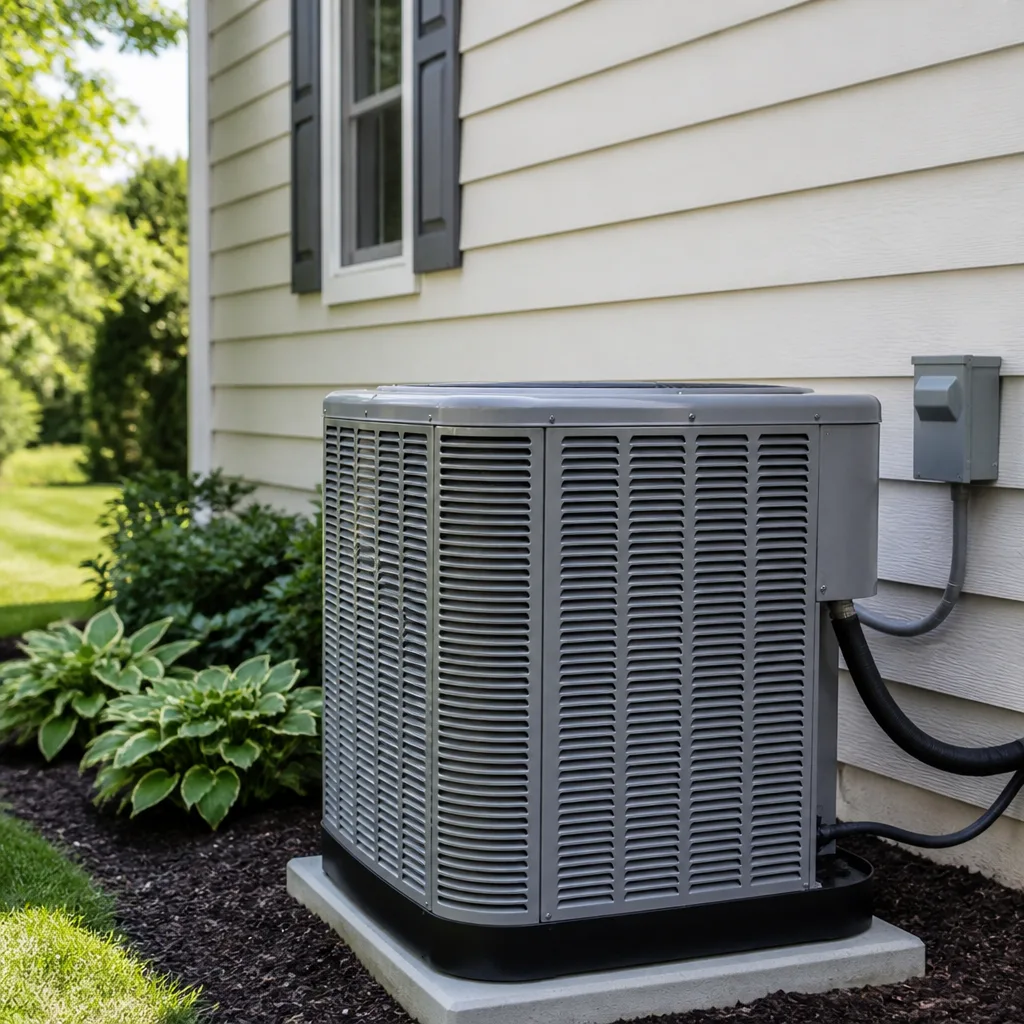 AC repair
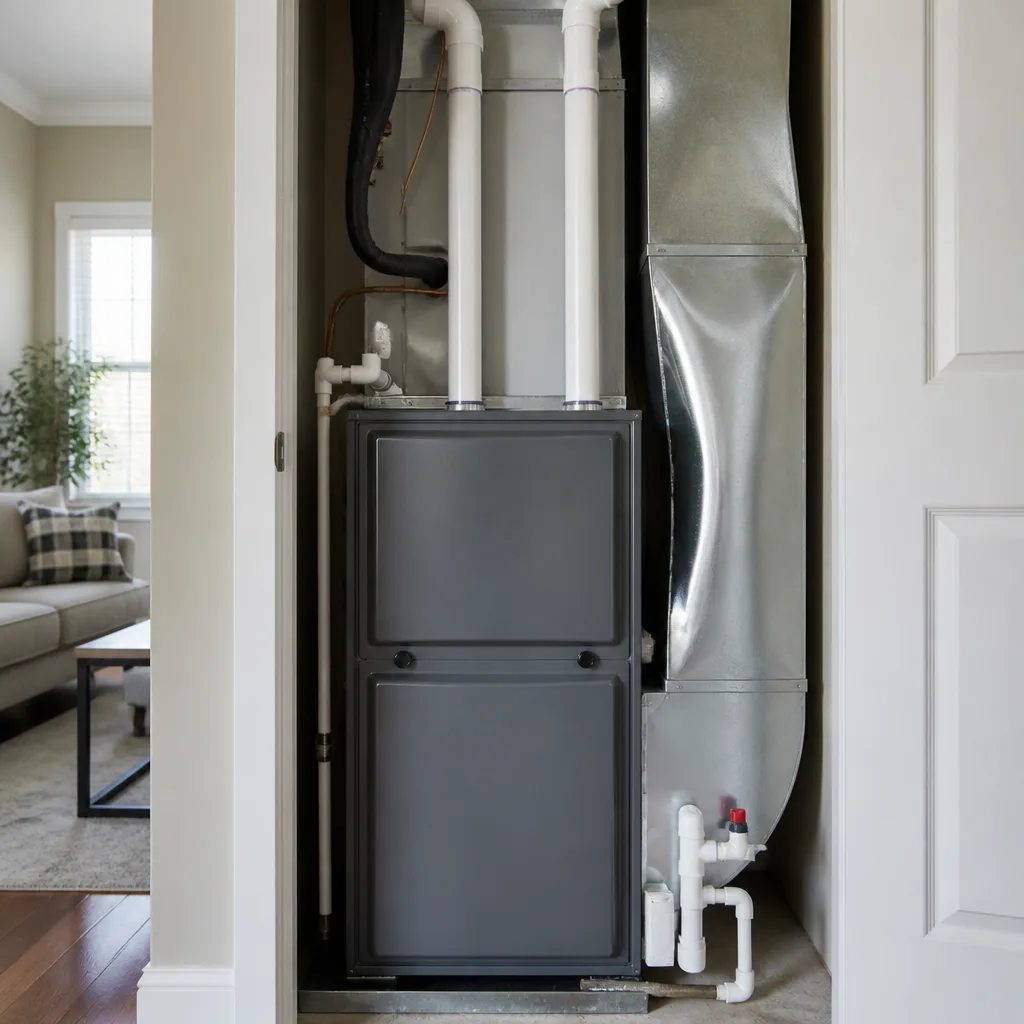 Furnace & heating
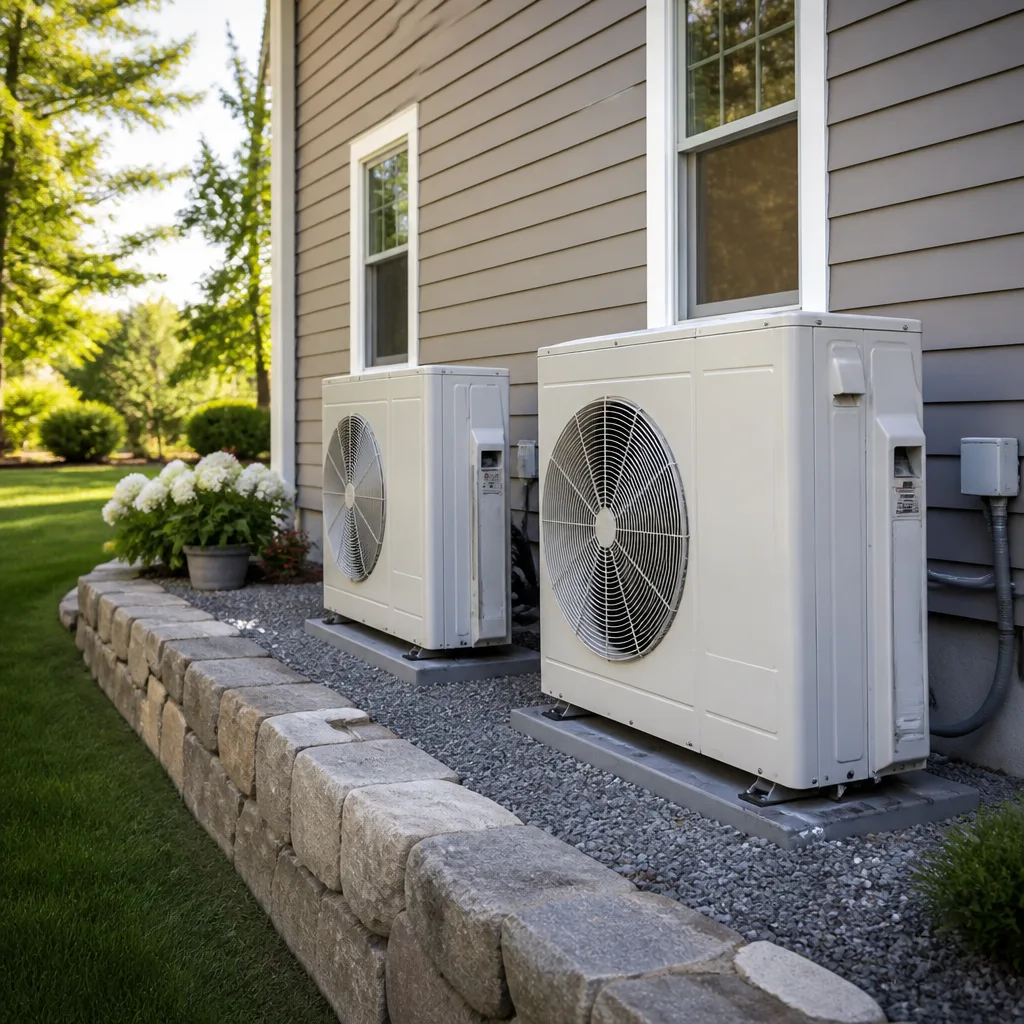 Heat pumps
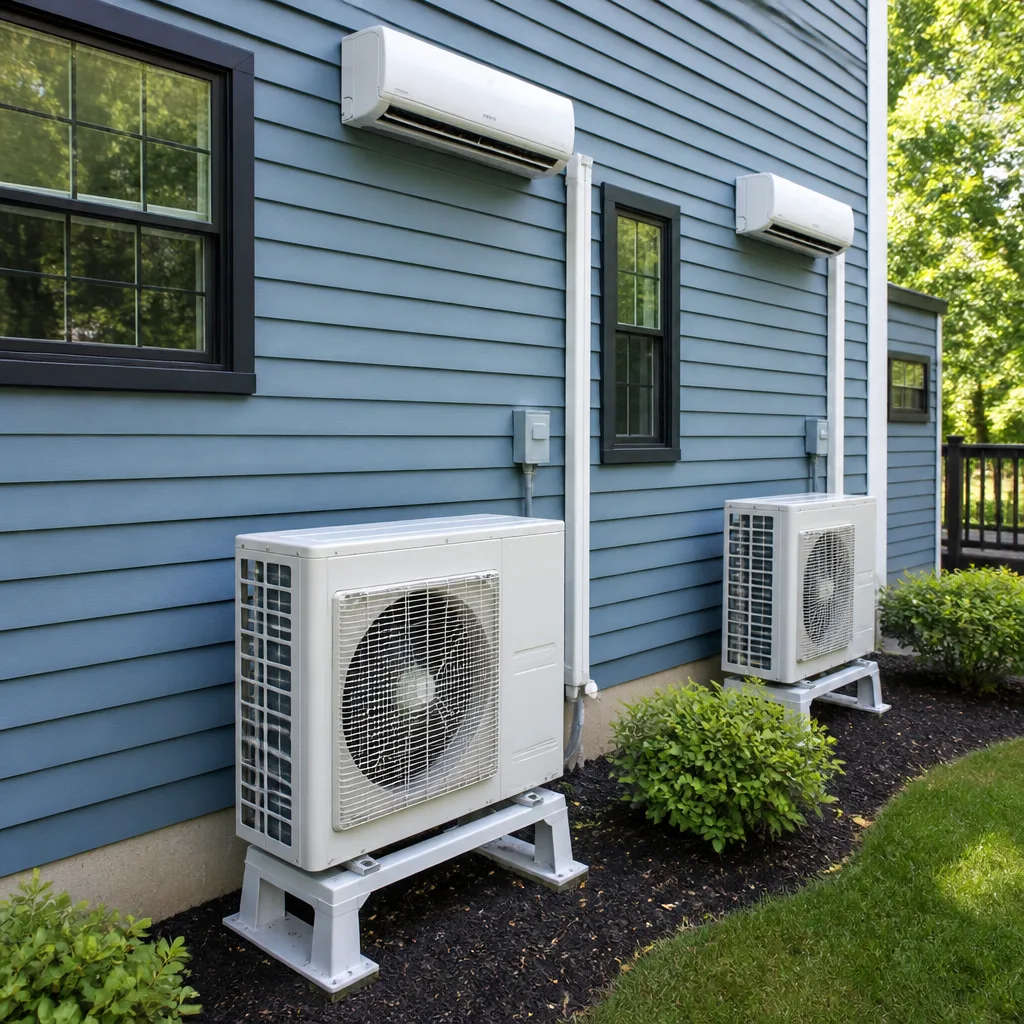 Ductless mini splits
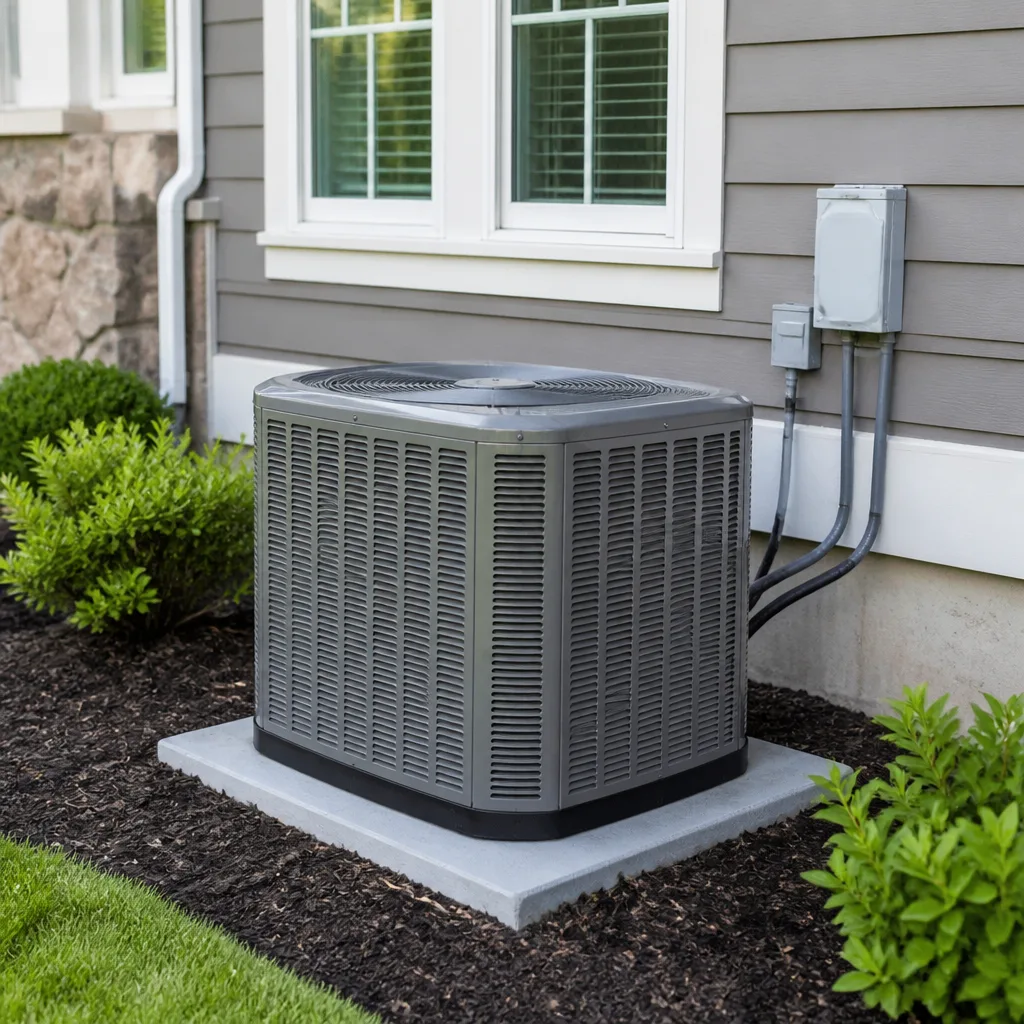 Carrier
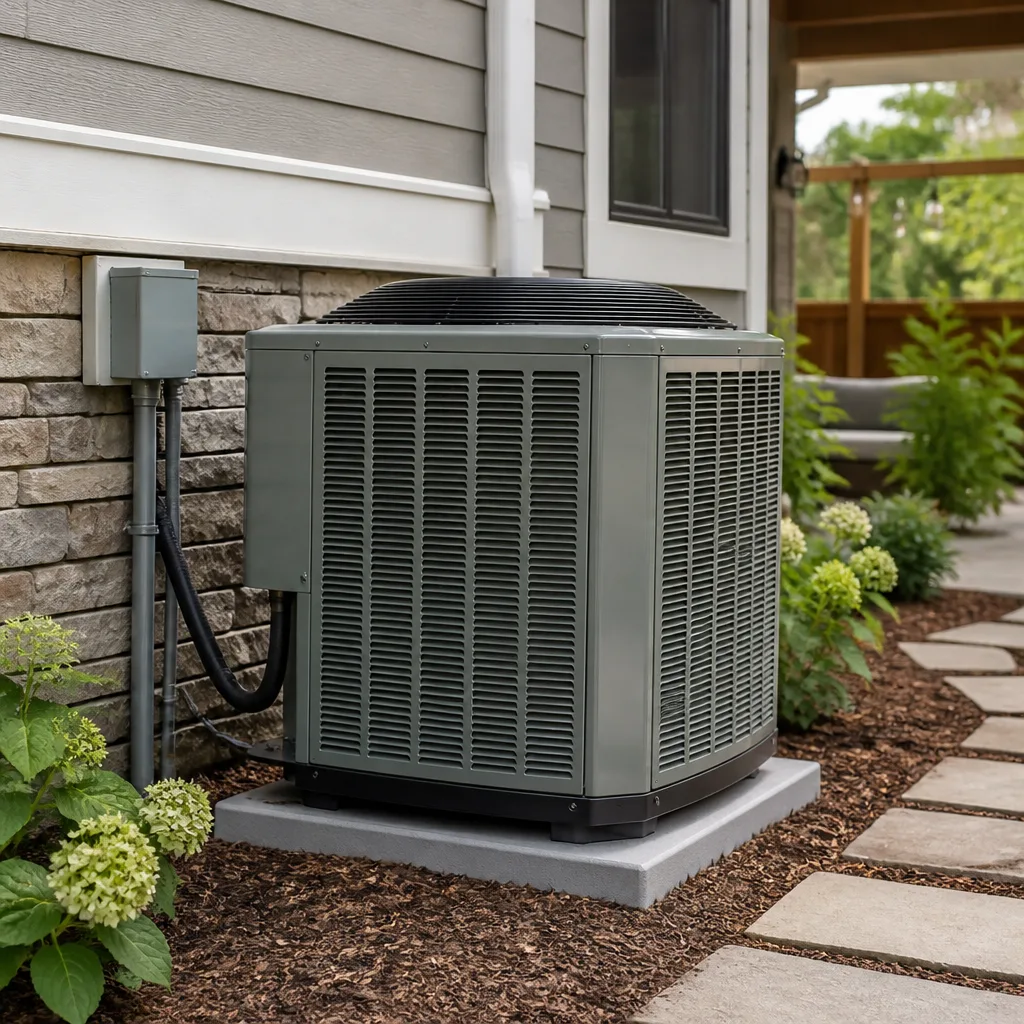 Trane
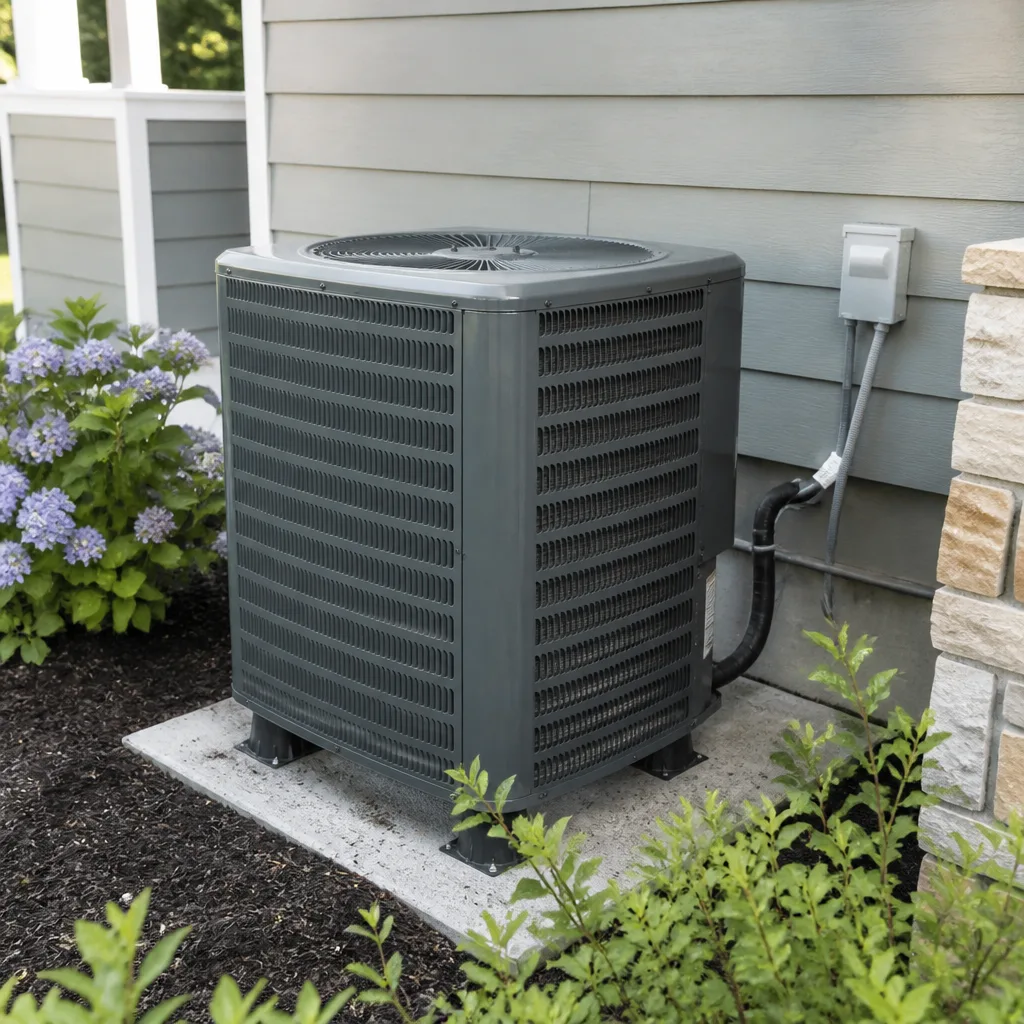 Goodman
Seasonal tune-up and full diagnostic on your Carrier, Trane, or Goodman system - readings shown to you before any repair is proposed
Diagnosis first, numbers second - you approve the repair price before a single part goes in.
Get your free estimateDIY vs Professional AC Repair & Installation: What’s Safe to Do Yourself
Here’s something the recharge-your-AC-yourself video won’t tell you: handling refrigerant without an EPA Section 608 certification is a federal violation, and the fines run up to $44,539 per day. That number isn’t a scare tactic, it’s in the Clean Air Act. Most homeowners in Whitney have never heard it. This guide draws a clear line between the AC work you can safely do on a Saturday afternoon and the work that puts your warranty, your insurance claim, and your safety on the hook. We’ll show you what’s genuinely homeowner territory, what requires a licensed technician, and the questions to ask so every service call teaches you something.
Quick Answer
You can safely change your air filter, adjust your thermostat, flush a clogged condensate drain line, and rinse the outdoor condenser coil. Anything involving refrigerant, electrical components, coil replacement, or a new system installation requires a licensed, EPA-certified technician. The real dividing line isn’t skill, it’s liability: federal refrigerant law, manufacturer warranty terms, and how your homeowner’s insurance treats a fire caused by unlicensed electrical work.
Styles & brands we work with
- AC repair
- Furnace & heating
- Heat pumps
- Ductless mini splits
- Carrier
- Trane
- Goodman
Table of Contents
- The Federal Law That Changes Everything
- Task-by-Task: What’s Safe and What Isn’t
- Your Warranty and the Paperwork That Protects It
- The Insurance Question Nobody Asks
- Why Whitney Heat Makes DIY Riskier
- How to Learn From Every Service Call
- Common Mistakes to Avoid
- When to Call a Professional
The Federal Law That Changes Everything
Under Section 608 of the Clean Air Act, only technicians who hold an EPA Section 608 certification may buy, handle, or dispose of regulated refrigerants. That covers the entire refrigerant circuit on your AC: the compressor, the line set, the evaporator coil, the metering device, and the service valves. Section 608 exists because refrigerants release chlorine or fluorine compounds that damage the ozone layer and contribute to climate change when vented to the atmosphere. The rules tightened further with the phase-down of high-GWP refrigerants like R-410A, and the newer systems coming into Whitney homes often use R-454B or R-32 with different handling requirements.
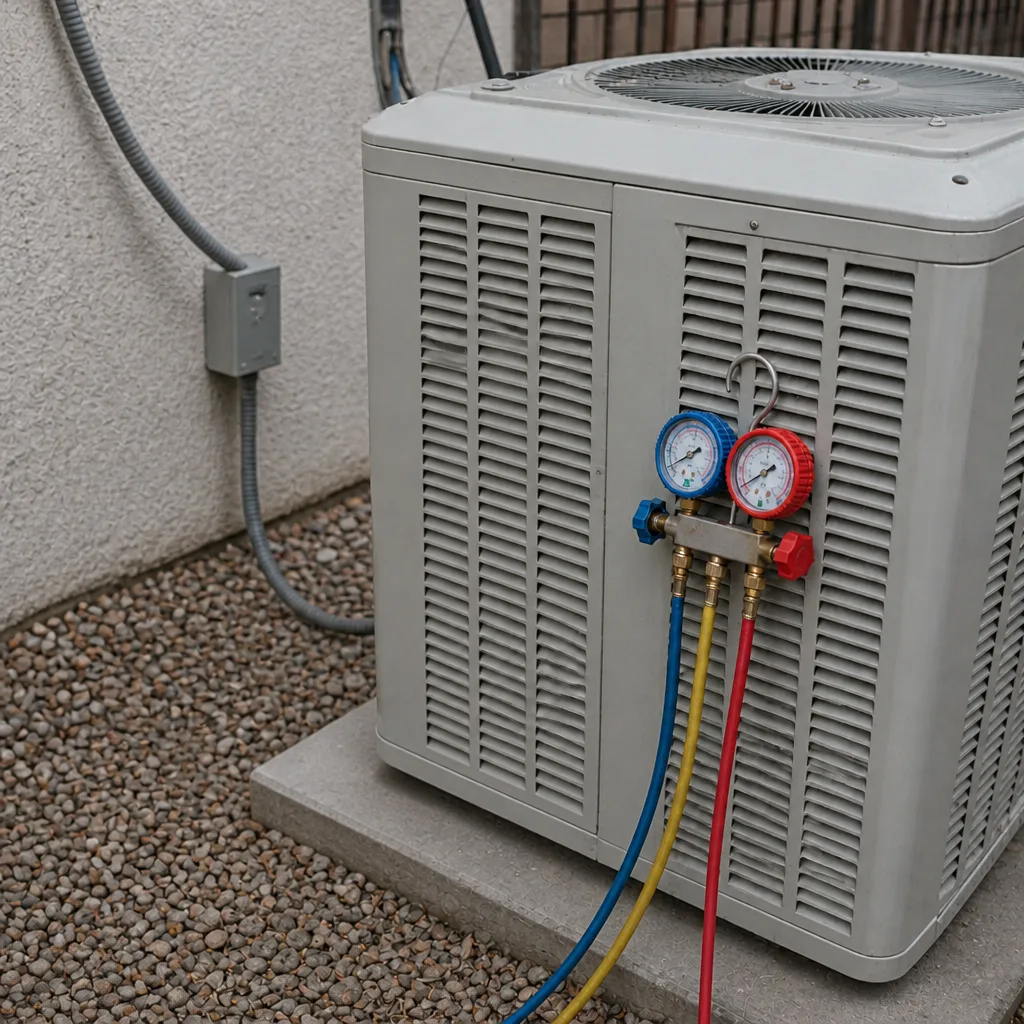
Practically, this means the moment your repair touches the sealed refrigerant circuit, you’re outside the law doing it yourself. Recharging a system isn’t a top-off like adding oil to a car. It requires recovering the existing charge into a certified recovery cylinder, weighing the new charge by ounces, and checking for leaks with an electronic detector. A system that’s low on refrigerant has a leak, and topping it off without finding the leak just delays the failure and vents more gas into the air.
If you’ve already watched the video and bought a manifold gauge set, here’s the honest truth: the federal fine only attaches when the EPA pursues enforcement, but the warranty and safety consequences are immediate. We mention this not to lecture but because we’ve seen Whitney homeowners surprised by a $400 recharge quote they didn’t expect when they called us after a DIY attempt. Better to know the line before you cross it.
Task-by-Task: What’s Safe and What Isn’t
The table below is the practical heart of this guide. Everything in the left column is genuinely homeowner territory, low-risk, and saves you a service call. Everything in the right column is off-limits, either by law, by warranty, or because the work can hurt you. If it’s not on the left list, treat it as a professional’s job.
Safe for homeowners
- Changing the air filter – every 1 to 3 months in Whitney’s dusty spring season, more often if you have pets or are near construction
- Adjusting or programming the thermostat – including basic schedule setup and battery replacement
- Flushing the condensate drain line – a cup of distilled white vinegar down the access tee once a season prevents most clogs
- Cleaning the outdoor condenser coil – a garden hose on low pressure, after shutting off power at the disconnect
- Clearing debris from around the outdoor unit – keeping two feet of clearance for airflow
- Cleaning or straightening the outdoor cabinet fins – gently, with a fin comb
- Checking and resetting tripped breakers – at the panel, never inside the unit itself
- Replacing a thermostat – only if the wiring matches exactly; photograph the terminals before you disconnect anything
Requires a licensed technician
- Any work on the refrigerant circuit – recharge, leak search, compressor, metering device, service valves
- Electrical components – capacitor, contactor, control board, blower motor, compressor windings
- Evaporator or condenser coil replacement
- New system installation or replacement
- Ductwork modifications or sealing – impacts system static pressure and load calculations
- Refrigerant line set repair or replacement – requires brazing and evacuation
- Anything that requires opening the sealed refrigerant system
Your Warranty and the Paperwork That Protects It
Most manufacturer warranties include language along these lines: the warranty is void if the equipment is installed or repaired by anyone other than a licensed HVAC contractor, or if the failure is caused by improper installation, improper service, or use of non-approved parts. That “improper service” phrase is the one that gets homeowners in trouble. A Carrier or American Standard system carries a 5- to 10-year parts warranty on major components, and if a compressor fails at year six and the manufacturer can show the system was serviced outside licensed channels, you’re looking at a $1,200 to $2,200 replacement out of pocket.
What protects you:
- Keep every invoice with the technician’s license number and the date. A folder or a scanned folder in your email works fine.
- Register the equipment with the manufacturer within the required window. Most brands require registration within 60 days of installation for the full warranty term. Without it, you may fall back to a 5-year baseline.
- Ask for documentation when a repair happens. A described repair with the parts listed is stronger than a receipt that says “repaired AC.”
- Photograph the model and serial plate on both the indoor and outdoor units. Keep these on your phone.
The 90-Day Done Right Promise we extend on every job in Whitney is in addition to the manufacturer warranty, not a replacement for it. It means if anything we touched isn’t right, we come back and make it right, in writing, no arguing. That’s a different thing from a warranty, and both have a place.
The Insurance Question Nobody Asks
Here’s the risk most homeowners never model out. If a fire starts in your AC unit, your homeowner’s insurance policy pays the claim based on what caused the fire and whether the work was done properly. Many policies contain exclusions for damage resulting from work performed outside code or without a permit. If the fire investigator traces the cause to an unlicensed capacitor replacement or a homeowner-installed electrical component, your insurer may deny the claim or reduce the payout. In Nevada, HVAC work above a certain scope requires a licensed contractor, and homeowner work on the refrigerant system is already outside federal law.
The honest math: a $180 to $320 capacitor replacement quoted by a licensed tech versus a fire claim that gets denied and leaves you on the hook for the structure, the contents, and the displacement costs. The insurance risk alone makes the electrical column a no-go. We’re not telling you this to scare you into a service call. We’re telling you because no blog post, no YouTube video, and no home-improvement store employee will. A Whitney homeowner we worked with a couple of years back had a nearly-identical case play out with a neighbor’s unit; the neighbor’s insurer eventually covered the structure but not the contents, and the difference was around $40,000. That’s the number to hold in your head the next time you see a how-to video.
Why Whitney Heat Makes DIY Riskier
Whitney summers push outdoor units harder than most of the country. When the afternoon high parks above 105 degrees for weeks and the condenser sits on a west-facing wall that reads 130 in the sun, the system is already running near its design limit. A homeowner-added refrigerant top-off on a system that was actually leaking doesn’t just postpone the repair, it forces the compressor to run longer cycles at higher head pressure, and in Whitney that accelerates compressor wear fast. We see compressors fail in Whitney at 8 to 10 years that would have gone 14 to 16 in a milder climate, and most of those failures started with an unnoticed leak that was topped off rather than found.
Whitney’s dust is the other factor. Spring winds off the desert push fine particulate into condenser coils, and a coil that’s caked with dust loses efficiency and can’t reject heat. The condensate drain line also clogs faster here because the dry air pulls moisture out of the coil at high rates, and the line carries more mineral scale than in humid climates. That’s why we recommend an outdoor coil rinse every six weeks in summer and a condensate flush once a month between June and September. Both are homeowner-safe tasks and both make a real difference to your bill and to how long the system lasts. For anything past that, see our AC Repair & Installation in Whitney page.
How to Learn From Every Service Call
A good technician wants you standing next to him for the first five minutes. You paid for the visit; you should leave it understanding more than you did before. Here is what to ask, every time, and what to watch for:
- Ask him to show you the filter location and the correct size. Write it on the inside of the closet door or the air handler panel. You’ll never buy the wrong size again.
- Ask him to show you the condensate drain access point and how to flush it. Have him watch you put the vinegar in the first time so you know you’re doing it right.
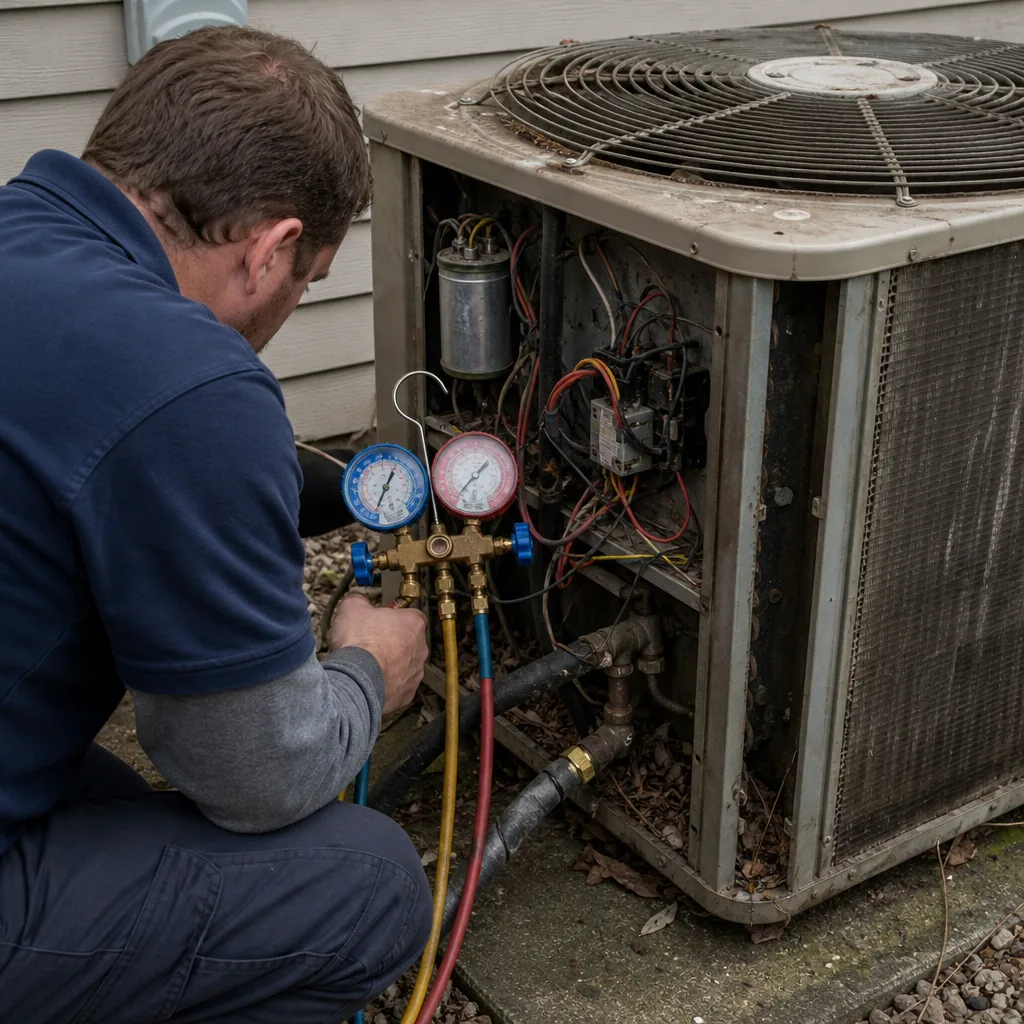
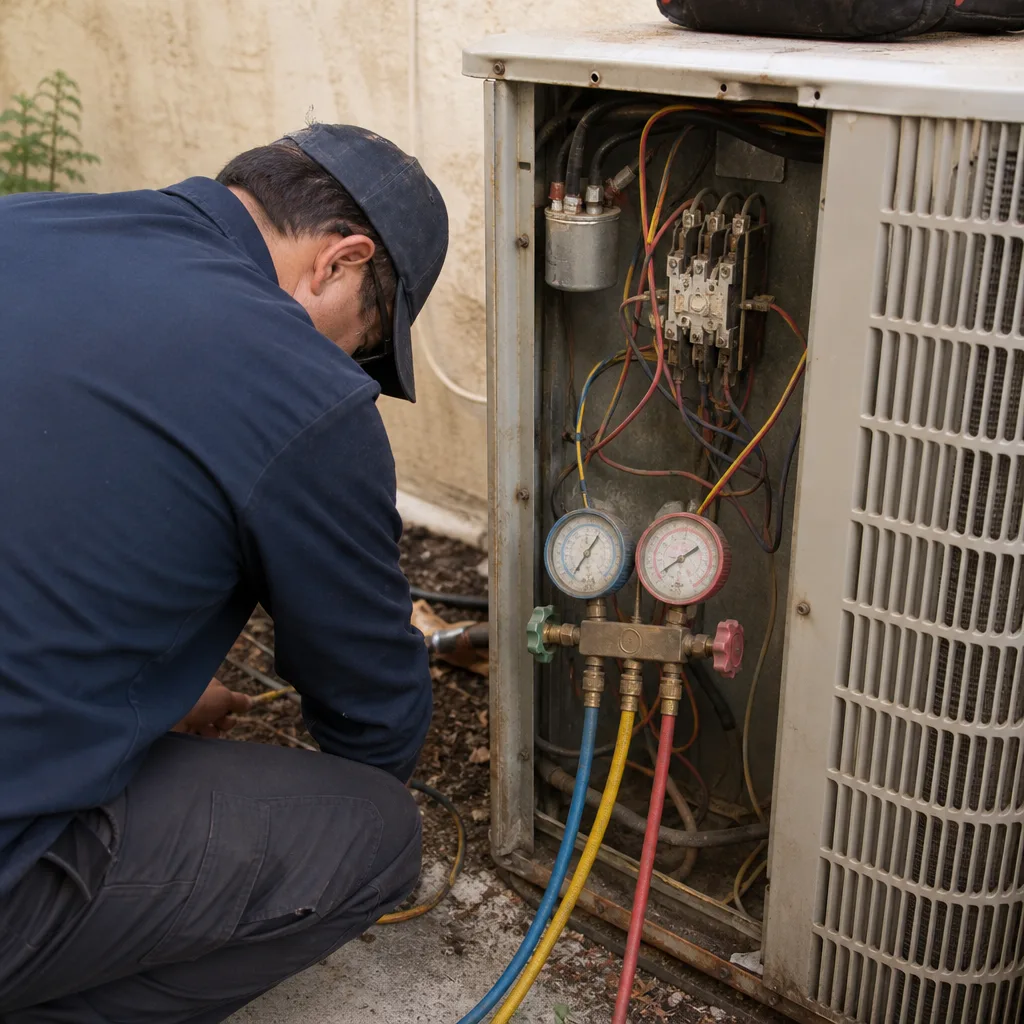
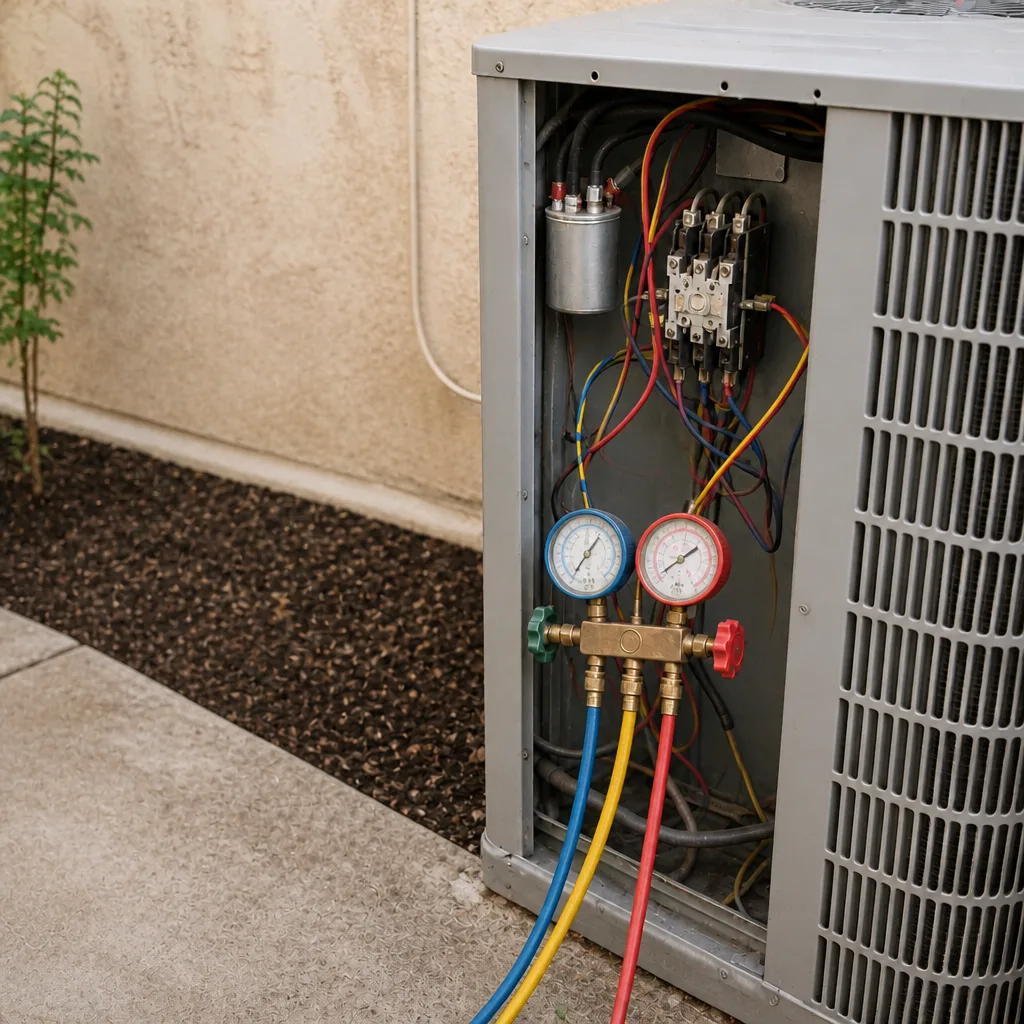
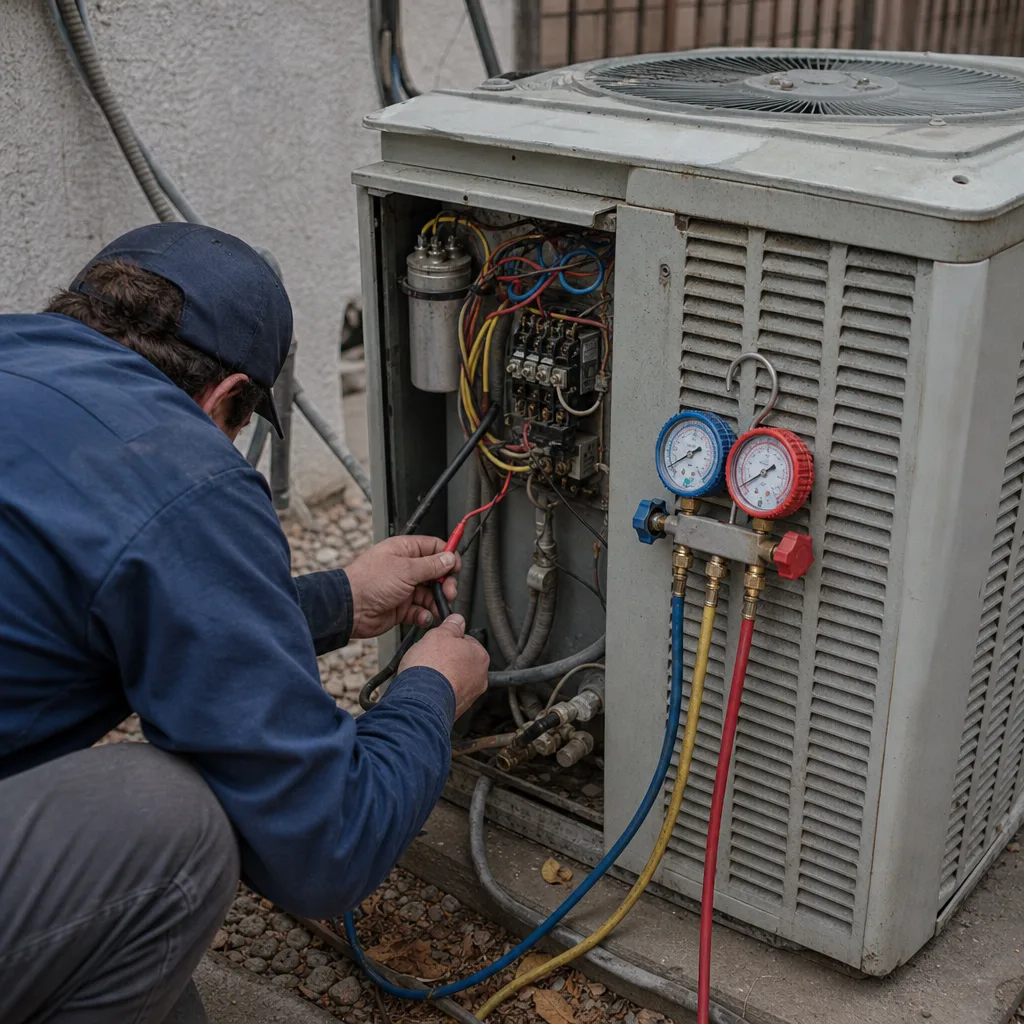
- Ask him to read the gauge pressures aloud and tell you what “normal” looks like for your system. Next time you hear the same numbers, you’ll know the charge is fine.
- Ask what he’s checking with the multimeter on the capacitor, the contactor, and the compressor windings. You’re not going to do the work yourself, but you’ll recognize the pattern when something starts failing.
- Ask him to point out any rust, oil residue, or discoloration. Oil at a fitting means refrigerant has been seeping. Discoloration on the contactor means pitting. These are early warnings you can watch for between visits.
- Ask him to write the serial numbers and the model numbers of both units on the invoice. Keep the invoice. It’s the first thing anyone asks for.
A tech who’s uncomfortable with this isn’t the right tech. A Daikin or Bryant system is a long-lived piece of equipment, and the homeowner who understands it is a homeowner who has fewer emergency calls. Our technicians have up to 8 years of experience and they work in your home the way they’d work in their own mother’s, which includes answering your questions without rushing you out the door. If you’ve got a heating side too, see the Heating & Furnace in Whitney page; and if you’re considering a heat pump or mini-split, the Heat Pump & Mini Split in Whitney page covers the load-calc side in detail.
Common Mistakes to Avoid
- Adding refrigerant without finding the leak. A top-off on a leaking system adds pressure but doesn’t solve the problem, and in Whitney’s heat it shortens compressor life. The leak is the repair; the charge is only the visible symptom.
- Buying a “universal” capacitor or contactor from a big-box store. Capacitance and voltage ratings have to match the original spec. A mismatch can burn up the compressor or the fan motor within days.
- Rinsing the coil while the unit is powered. Always shut off the disconnect first, even if you’re only using a garden hose. Water and electricity don’t need an introduction.
- Skipping the filter for “one more month.” Whitney dust loads filters fast. A clogged filter stresses the blower motor and freezes the evaporator coil, and that’s a repair call, not a filter change.
- Hiring a “handyman” to install a new system. Handymen aren’t licensed for refrigerant or HVAC electrical work, and the installation won’t be registered with the manufacturer. That voids the warranty on day one.
- Losing the invoice with the license number. When the warranty claim happens five years from now, that invoice is the only documentation that matters. Keep it and photograph it.
- Sealing up the outdoor unit with a cover for the “off-season.” In Whitney, the cooling season runs long, and a cover traps heat. Airflow is the whole point.
When to Call a Professional
Call us when the system is blowing warm, when you hear a new noise, when the breaker trips repeatedly, when there’s water pooling around the indoor unit, or when the unit is more than 12 years old and starting to need repairs. Call us if the thermostat shows a fault code, if the outdoor unit won’t come on, if the refrigerant lines have frost or oil on them, or if you’re not sure whether something is safe. Replacing a system is never a same-day decision, but a repair usually is, and we don’t charge overtime for emergencies because heat in Whitney isn’t a business-hours problem. Fireside Heating & Air Co. Whitney offers free estimates in Whitney, and we’ll give you a written second opinion on any estimate you already have from another company. Call (866) 329-8069 and a live person will pick up, day or night. For system replacement, see our Fireside Heating & Air Co. Whitney home page.
See the difference
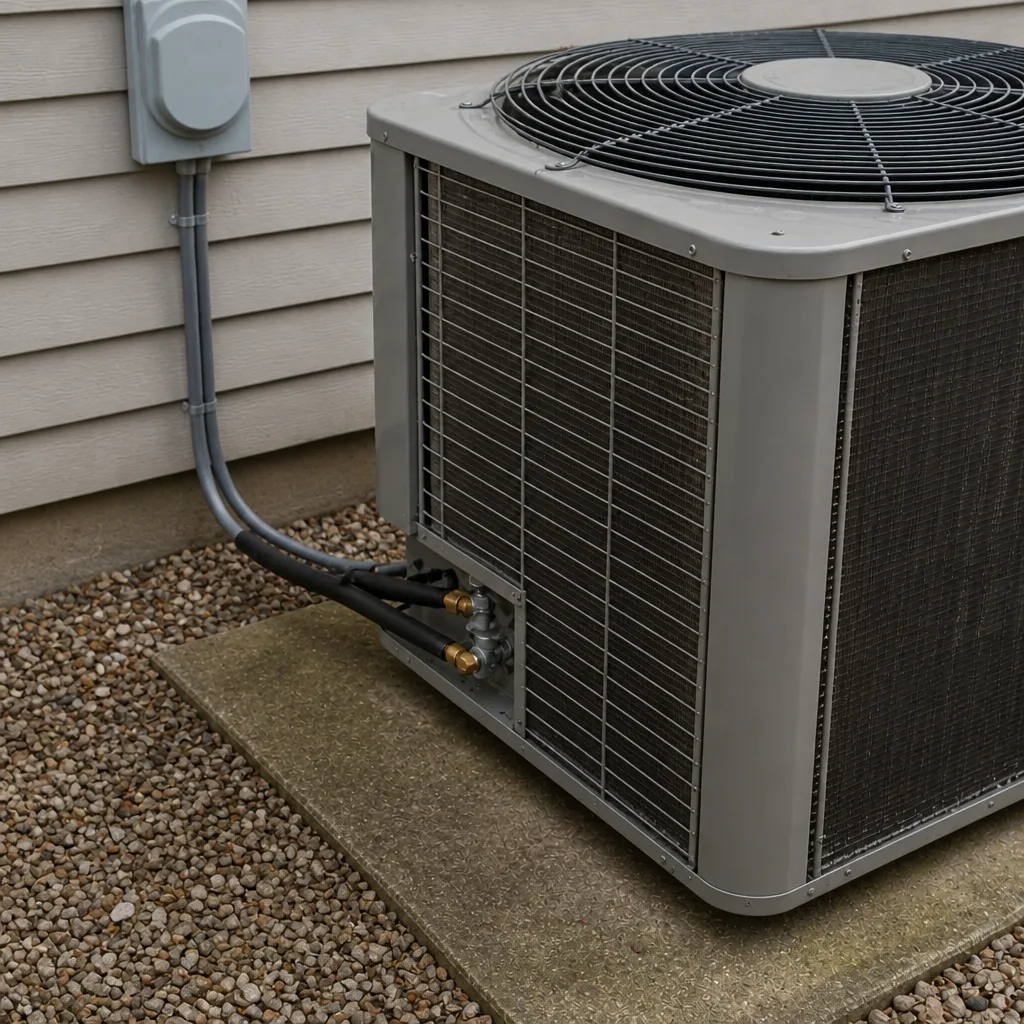
 Before
 After
 Before
 After
 Before
 After
Frequently Asked Questions
No. Under EPA Section 608, only certified technicians may handle regulated refrigerants, and fines run up to $44,539 per day per violation. Even if enforcement isn’t immediate, you’d be outside federal law the moment you connected gauges to the system. Call (866) 329-8069 and we’ll send a certified tech; the diagnostic is part of the quote.
No. Filter changes are routine homeowner maintenance and are expected by every manufacturer. What voids a warranty is unlicensed repair work on the equipment, undocumented service, or installation outside the manufacturer’s specifications. Keep the filter receipts if you want a paper trail, but this one is safe.
Adding refrigerant without finding the leak. We see it most often in May and June when a homeowner tops off the system ahead of the first big heat wave and the leak keeps venting the new charge. A leak search costs less than the second recharge every time.
No, and it’s the fastest way to void a warranty. Installation requires a load calculation, refrigerant line sizing, evacuation to a micron level before charging, electrical work to code, and manufacturer registration within 60 days. Doing it yourself also forfeits the manufacturer’s parts warranty, which on a Carrier or American Standard system is the largest cost of a compressor failure. We handle the paperwork, the registration, and the permit side for you.
Stop resetting it. A breaker that trips repeatedly means there’s a fault on the circuit, and each reset sends current through a possibly damaged component. Turn the thermostat off and call us at (866) 329-8069; a tripping breaker can also indicate a failing compressor or a shorted contactor, both of which need a multimeter and a licensed tech.
Yes. Bring us any written estimate from another contractor and we’ll review it line by line, without charge, no strings. Our written quote will show the parts, the labor, and the price, and the price we quote is the price you pay. Senior and veteran homeowners get an extra 5 percent off, always, not as a promotion.
The Bottom Line
The DIY-versus-pro line is clearer than most homeowners assume. Filter changes, thermostat work, condensate flushes, and outdoor coil cleaning are genuinely yours to handle, and doing them well in Whitney’s heat extends the life of your system. Anything that touches refrigerant, electrical parts, coils, or installation belongs to a licensed, EPA-certified technician, both by federal law and by the warranty terms that protect your equipment. The 608 rule, the documentation you keep, and the insurance exposure you avoid are the real stakes, not the skill. We’d rather you call us for the work that matters and keep the rest for yourself.
Fireside Heating & Air Co. Whitney answers the phone with a live person every hour of every day, and we quote a price we stand behind. Call (866) 329-8069 for a free estimate. $50 off any repair over $250, $89 seasonal tune-up, and a free second opinion on any written estimate are standing offers, always. Nine major brands serviced, background-checked uniformed technicians, shoe covers before you ask, and a 90-Day Done Right Promise on every job.
Written by the team at Fireside Heating & Air Co. Whitney.