
Last updated November 18, 2026
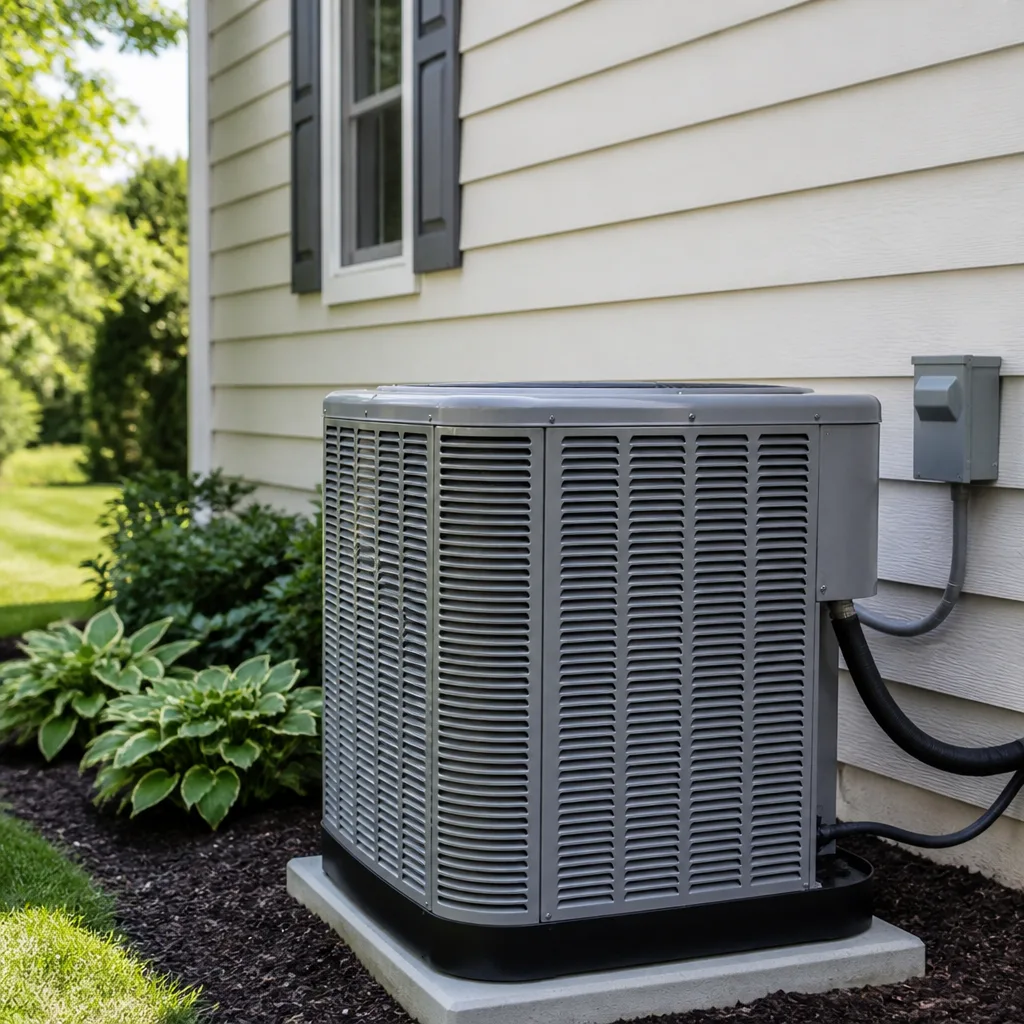 AC repair
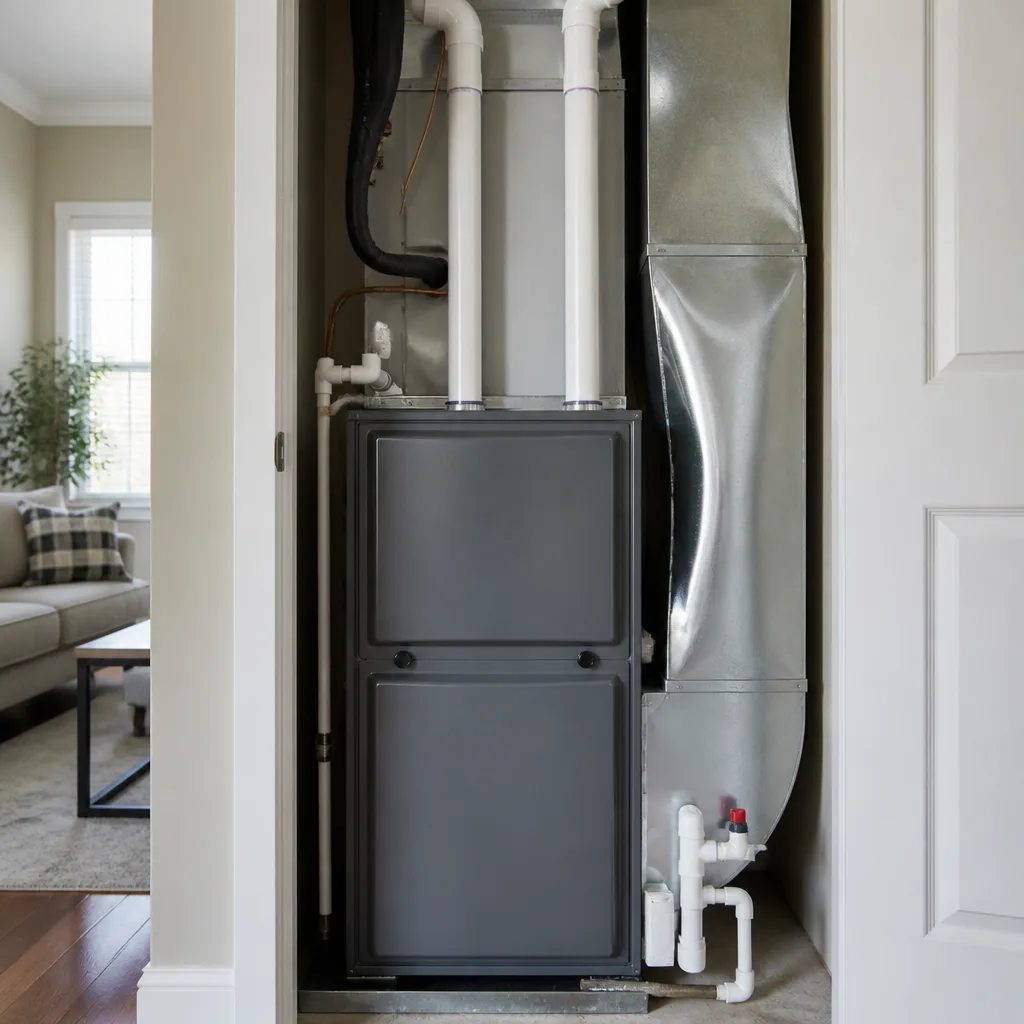 Furnace & heating
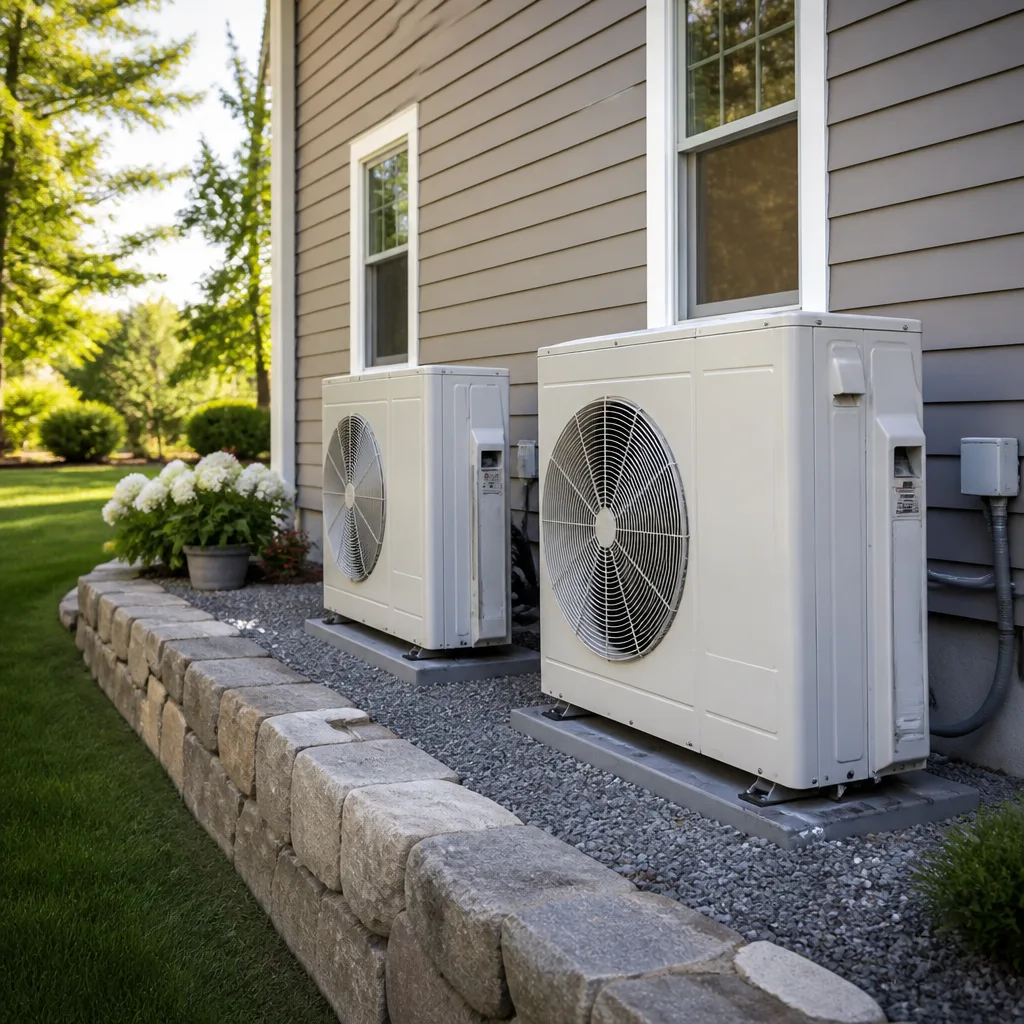 Heat pumps
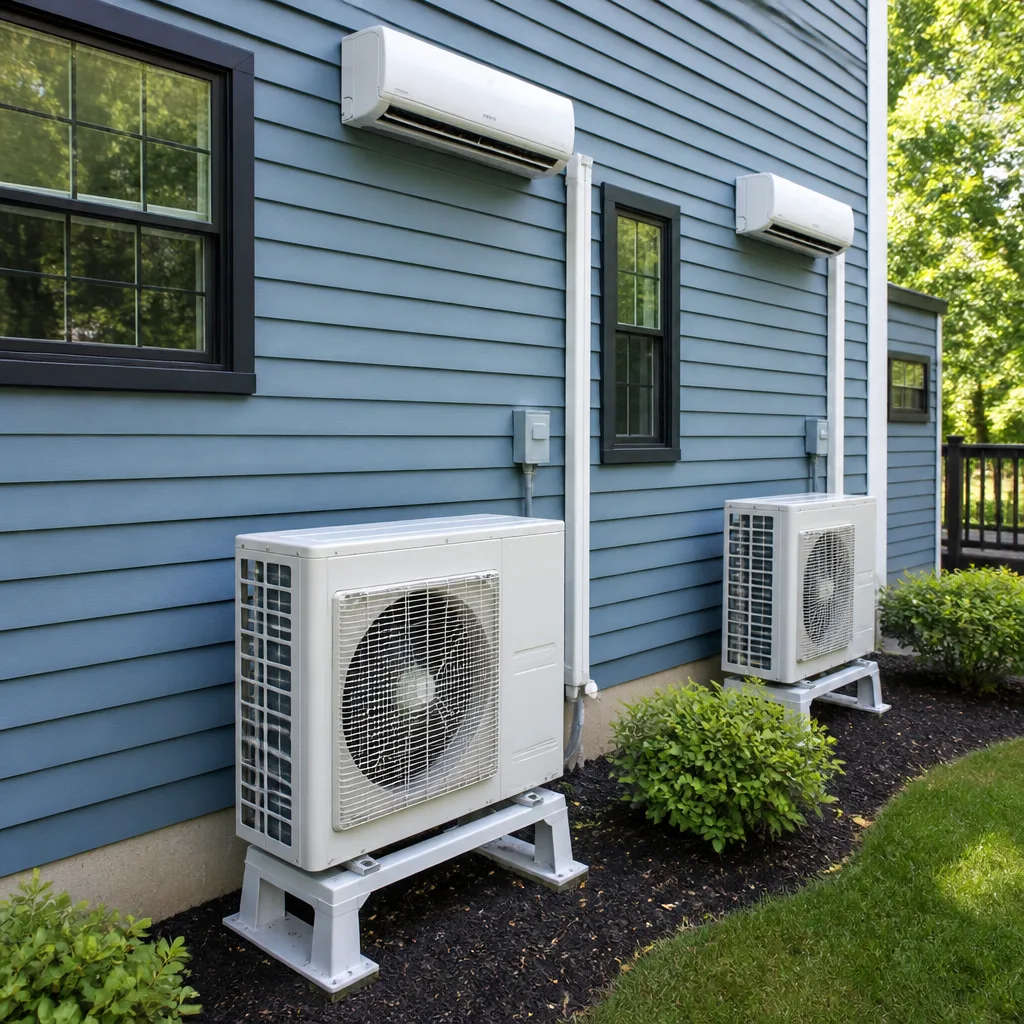 Ductless mini splits
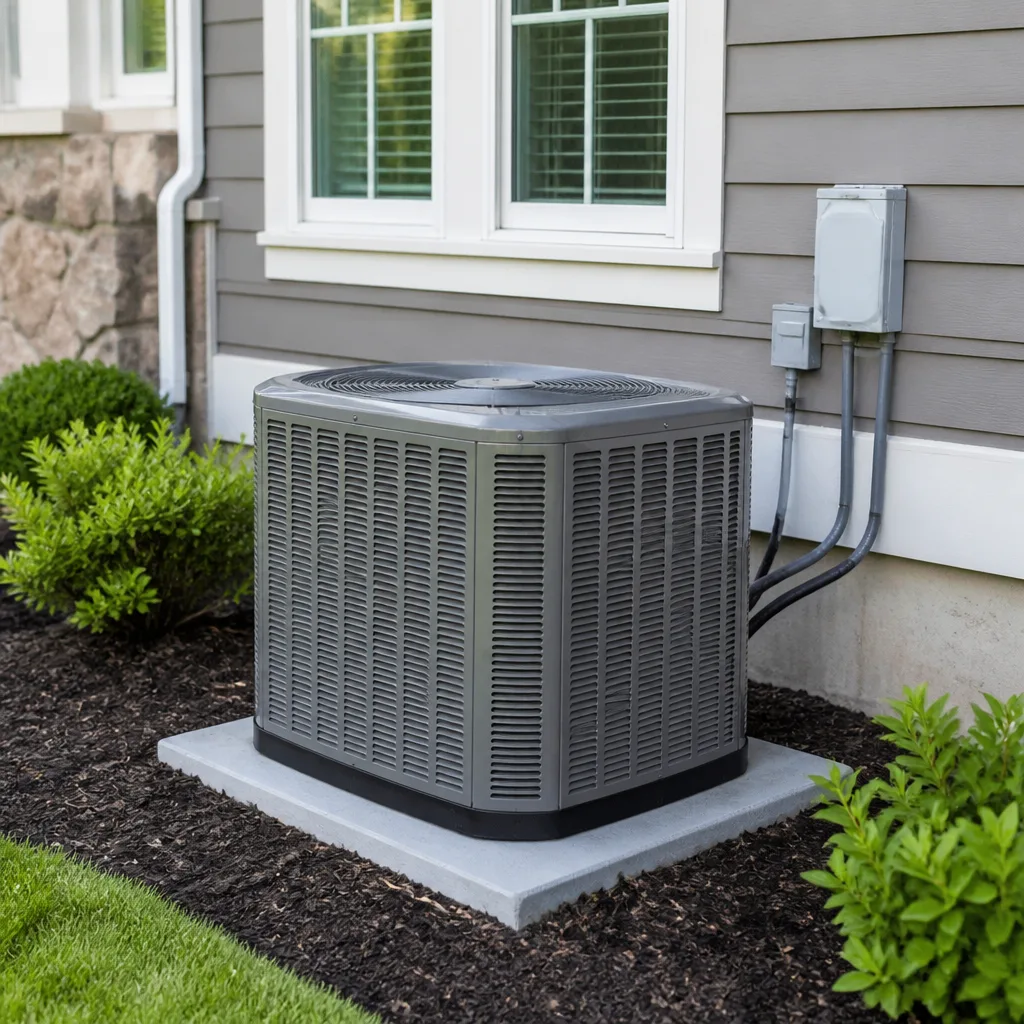 Carrier
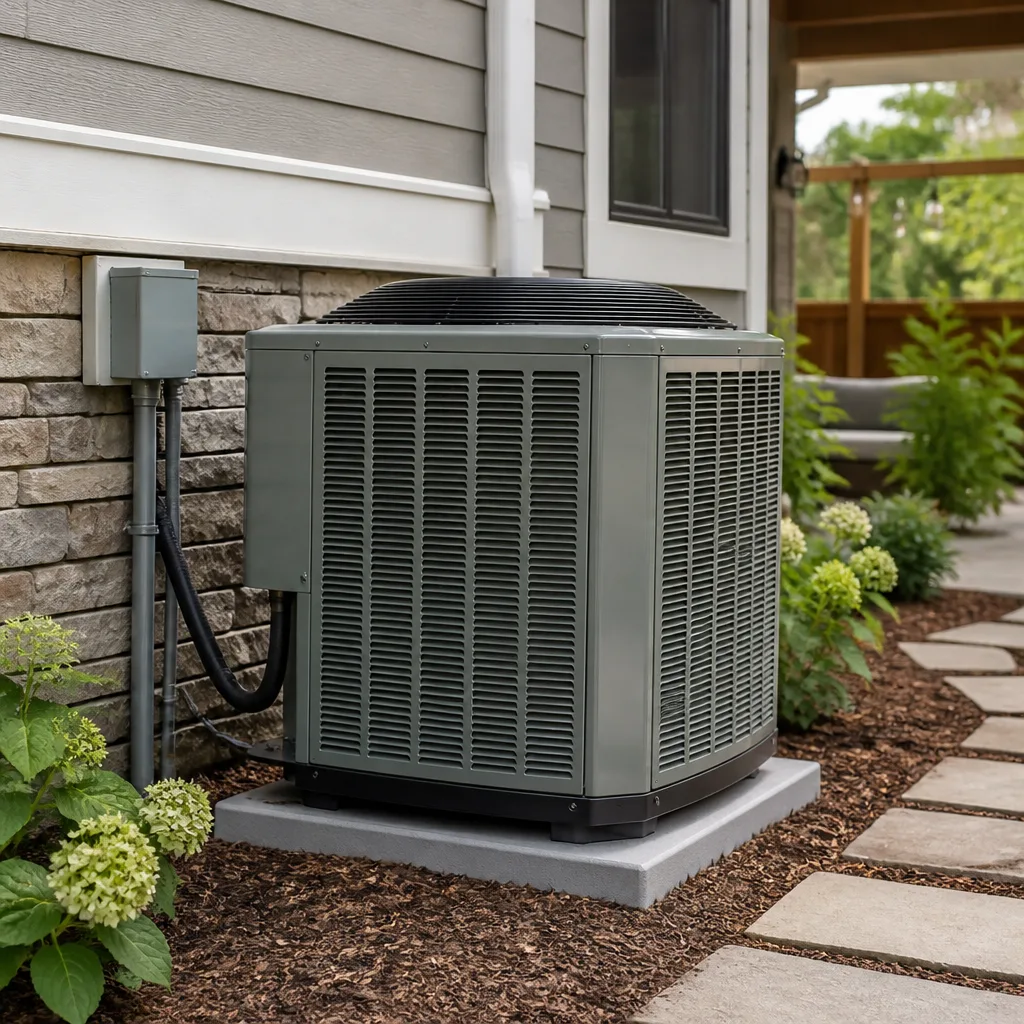 Trane
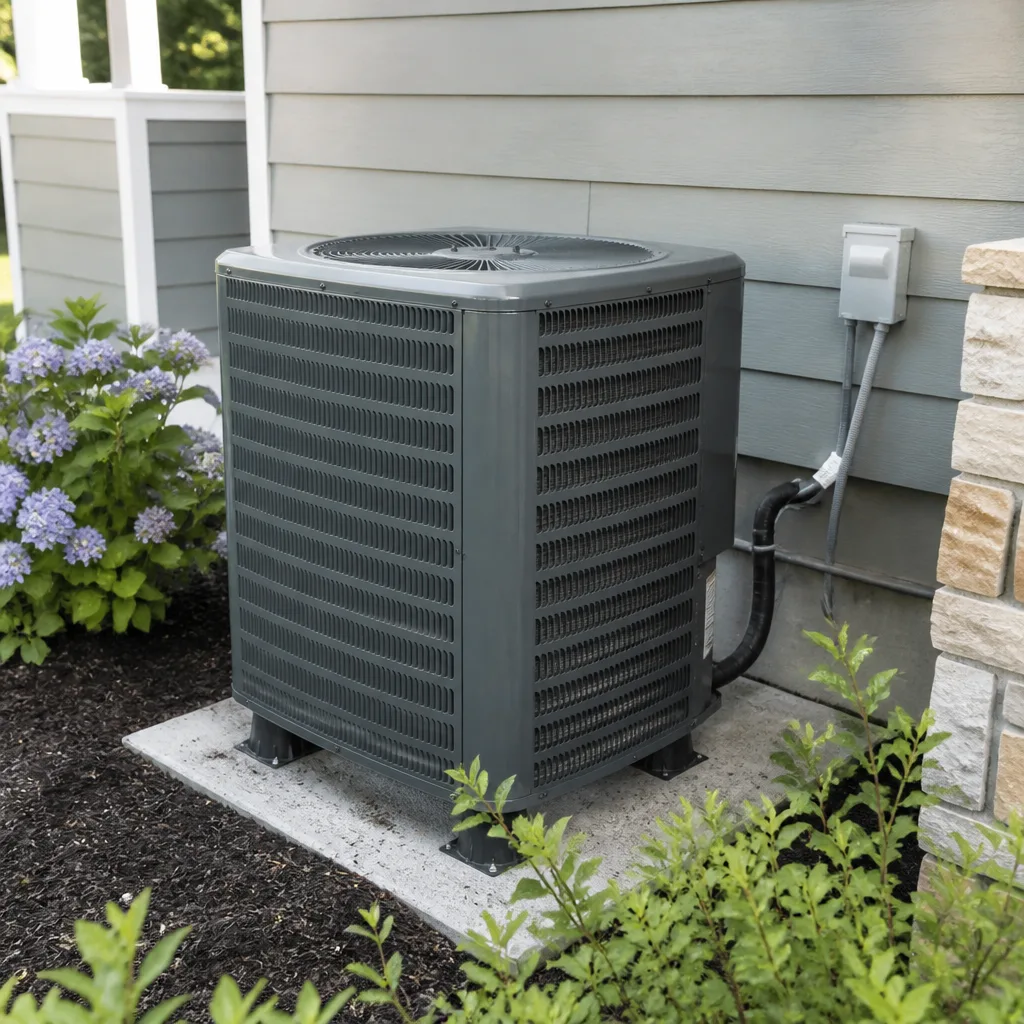 Goodman
Seasonal tune-up and full diagnostic on your Carrier, Trane, or Goodman system - readings shown to you before any repair is proposed
Diagnosis first, numbers second - you approve the repair price before a single part goes in.
Get your free estimateDIY vs Professional Emergency & Commercial HVAC: What’s Safe to Do Yourself
Picture a facilities manager in the middle of a July heatwave. The rooftop unit feeding a suite of tenants has tripped, and the building is getting hot fast. He finds a safety switch, bypasses it, and gets the compressor running again. The tenants are comfortable within the hour. Six months later a warranty claim comes back denied, an insurer asks pointed questions about who touched what, and the repair bill lands on the building owner instead of the manufacturer. We’ve watched this exact story play out across the Whitney area. This guide is about where the line sits between a homeowner’s toolbox and a licensed contractor’s scope, and why that line matters more on a commercial job than most people realize.
Quick Answer
On commercial HVAC equipment, safe do-it-yourself work is limited to thermostat settings, filter changes, and resetting a tripped non-safety breaker. Anything involving refrigerant, gas, electrical panels, safety switches, compressors, or controls crosses into licensed-contractor territory under Nevada code and can void warranties or complicate insurance claims. When in doubt, stop, document what you see, and call a technician.
Styles & brands we work with
- AC repair
- Furnace & heating
- Heat pumps
- Ductless mini splits
- Carrier
- Trane
- Goodman
Table of Contents
- What can you safely do yourself on a commercial HVAC system?
- Where does DIY stop and licensed work begin in Nevada?
- How does touching equipment yourself affect the repair bill and diagnosis?
- What should you document during a commercial HVAC failure?
- Why liability, not skill, is the real dividing line for businesses
- Why a standing service agreement makes the boundaries clear
- How the rules differ for homes in Whitney
- Common mistakes to avoid
What can you safely do yourself on a commercial HVAC system?
There is a short list of tasks a building owner or property manager can handle without a technician, and it’s shorter than most people assume. These are the moves that stay clear of refrigerant circuits, gas trains, electrical panels, and safety controls. If a task appears on this list, you’re within safe territory. If it doesn’t, treat it as a phone call.
Here’s what we consider the safe zone:
- Thermostat adjustments. Changing setpoints, switching between heat and cool, replacing batteries, and reprogramming schedules are fine.
- Filter changes. Swapping filters on accessible units is safe, and it’s the single most valuable maintenance task a building owner can do on their own.
- Resetting a tripped breaker. If a breaker has tripped once with no sign of damage, resetting it is acceptable. If it trips again immediately, stop and call.
- Visual checks. Looking for ice on coils, water on the floor, error codes on a thermostat, or a fan that isn’t spinning is safe and useful.
- Turning the system off. If something sounds wrong, shutting the system down at the thermostat is always the right move.
Notice what’s not on that list. There’s no refrigerant handling, no electrical diagnostics beyond a breaker reset, no gas work, no compressor work, and no bypassing of any safety device. Those are the actions that turn a routine failure into a warranty fight. For a fuller picture of what professional service actually covers, see our Fireside Heating & Air Co. Whitney home page.
One more thing about filters. In a commercial setting with heavy foot traffic, filters load up faster than most people expect. We’ve seen retail suites in the Whitney area where quarterly changes weren’t enough during a dusty spring. If you’re changing filters on a schedule that was set years ago and never revisited, that schedule is worth a second look.
Where does DIY stop and licensed work begin in Nevada?
Nevada takes HVAC licensing seriously, and for good reason. Refrigerant handling, electrical work inside an equipment panel, and gas connections all require licensure because each one carries a real risk of injury or property damage when done wrong. The line isn’t about whether you’re handy. It’s about what the law and the equipment manufacturer both require.
Here are the specific actions that move a job into licensed-contractor territory:
- Adding or recovering refrigerant. This requires EPA certification in addition to the contractor license. Handling refrigerant without it is both a safety issue and a legal one.
- Opening an electrical panel or control box. Line-voltage work inside equipment panels is licensed electrical scope.
- Bypassing a safety switch. High-pressure switches, low-pressure switches, and flame sensors exist because the equipment is trying to tell you something. Bypassing them is where the story in our opening happens.
- Gas valve work, ignition component replacement, or anything on the gas train of a rooftop unit. This is one of the clearest “call a technician” categories we know of.
- Compressor replacement, control board replacement, and variable-frequency drive work. All of these require diagnostic tools and manufacturer-specific knowledge.
- Anything that touches the refrigerant circuit or the sealed system. Once you open the sealed system, you’re changing the warranty picture for the equipment permanently.
If you’re running a home system rather than a commercial one, the same logic applies, and our AC Repair & Installation in Whitney and Heating & Furnace in Whitney pages cover the residential version of these boundaries. Heat pump and mini-split systems add a layer of complexity because the refrigerant circuits are usually smaller and more sensitive to moisture intrusion, which our Heat Pump & Mini Split in Whitney page walks through.
How does touching equipment yourself affect the repair bill and diagnosis?
This is the part of the conversation that surprises people. When a tenant or manager opens a panel and moves wires around before we arrive, the diagnosis gets harder, and harder diagnoses cost more. It isn’t a penalty. It’s just how troubleshooting works: the technician now has two possible failure points to rule out instead of one.
The practical effects usually look like this:
- Longer diagnostic time. What might have been a 30-minute diagnosis becomes an hour because the technician has to check the original fault and whatever was changed.
- New faults introduced. A wire that was snug becomes a loose connection. A thermostat wire that was routed correctly gets rerouted wrong. These are small things that turn one problem into two.
- Warranty questions. If the manufacturer sees signs of tampering inside a sealed system, a warranty claim can be denied and the parts cost shifts to the building owner.
- Insurance exposure. A commercial insurer reviewing a water-damage or fire claim will ask whether any non-licensed work occurred. If the answer is yes, that conversation gets longer and more expensive.
We’re not asking anyone to sit on their hands during a failure. We are asking that the hands stay outside the panels. Thermostat work, filter swaps, and shutting the system down are all things you can do while waiting for a technician. Those actions help the diagnosis rather than complicating it. Our technicians have up to 8 years of experience and are trained on Lennox, Rheem, and York equipment, among others, so the diagnosis usually lands fast when we have a clean picture of what happened.
What should you document during a commercial HVAC failure?
If you do nothing else from this guide, do this. When a commercial system fails, the documentation you create in the first hour is what supports an insurance claim or a warranty claim later. Most of what we’re able to help with on the claims side comes down to whether the building owner can answer plain factual questions about what happened, when, and what was operating.
Here’s the documentation checklist we recommend for any failure event:
- Photograph the thermostat or control display. Note the setpoint, the actual reading, and any error code on screen. Timestamp the photo.
- Write down the time the failure was first noticed. Not the time the technician arrived. The time someone first realized something was wrong.
- Record what was operating. Was the fan running? Was the compressor running? Was there ice on the coil? Was there water on the floor? Are there tenants in the space?
- Note what you did before calling. Ate a filter changed? A breaker reset? A thermostat adjusted? This is not incriminating; it’s helpful, and a technician who knows what has already been tried can move faster.
- Keep the service ticket. If a technician diagnoses a failed part, the written diagnosis is the document that supports a warranty claim. Photograph or scan it and keep it in the building’s records.
- Record any tenant complaints. In a commercial setting, tenant complaints about temperature are the paper trail that establishes an ongoing problem versus a one-time event.
We’ve helped commercial clients in the Whitney area build these records into a simple folder structure so that when a claim gets filed, nobody is reconstructing the night from memory. It takes about ten minutes during a failure and saves hours later. For residential documentation, the process is the same idea at smaller scale, and our Heating & Furnace in Whitney page notes the records homeowners should keep for warranty support.
Why liability, not skill, is the real dividing line for businesses
We’ve met plenty of building owners who could genuinely fix a rooftop unit if the law allowed it. Skill isn’t the question. Liability is. A commercial property has tenants, insurers, lenders, and sometimes a warranty administrator all attached to the equipment, and any one of them can end up asking what happened during a failure. The safest posture is one where every action taken on the equipment is traceable to a licensed professional.
Consider how the layers stack:
- Insurance. Commercial property policies often include conditions about who is permitted to service mechanical equipment. Touch the equipment yourself and a claim can be contested.
- Warranty. Manufacturer warranties on commercial equipment are specific about installation and service by licensed contractors. Bypassing a safety switch is one of the clearest warranty-voiding events we see.
- Tenant safety. If a bypass leads to a compressor failure, a refrigerant leak, or a fire, the tenant has a legitimate question about whether the building was maintained safely.
- Liability transfer. When a licensed technician performs the work, the work is covered by the contractor’s insurance. When a facilities manager performs it, the work is uncovered.
That last point is the one we return to most often with commercial clients. The cost of a service call is small compared to the cost of a contested claim. We’re not trying to scare anyone into a service contract. We’re asking building owners to think about what happens after the failure, not just during it.
Why a standing service agreement makes the boundaries clear
A standing service agreement is the simplest way to remove ambiguity before an emergency. It lays out who handles what, sets a predictable schedule for seasonal maintenance, and gives the building’s team a name and number to call when something goes wrong rather than a scramble at 2 a.m. The value isn’t the discount. It’s knowing in advance which decisions are yours to make and which ones wait for a technician.
What we put in writing for commercial clients includes:
- A seasonal service schedule tuned to the building’s equipment and occupancy. Rooftop units in Whitney see heavy summer load and a spring pollen season that fills filters faster than a generic schedule accounts for.
- A clear definition of what the building’s team does between visits. Filter changes, thermostat settings, and breaker resets all live on the building’s side. Everything under the panels lives on ours.
- A written response priority so a no-cool call in July doesn’t compete with a routine tune-up for the same technician’s calendar.
- Documentation on every visit. What was checked, what was found, and what was recommended. That paper trail is what supports warranty claims and insurance conversations.
Every job we do is backed by our 90-Day Done Right Promise, in writing, no arguing. For commercial clients that means the same thing it means for homeowners: if the work isn’t right, we make it right, and the paperwork is on our side of the table. Standing offers that apply year-round include $50 Off Any Repair Over $250, a Free Second Opinion on Any Written Estimate, an $89 Seasonal Tune-Up, and a permanent Senior & Veteran 5% discount.
The other reason we push for agreements on commercial equipment specifically: it removes the temptation to improvise during an emergency. When a manager has a written protocol, the protocol makes the decision for them. That’s a better outcome than any bypass, every time.
How the rules differ for homes in Whitney
Homeowners in Whitney live under the same licensing rules as commercial property managers, but the practical picture is different. A homeowner who bypasses a safety switch on their own furnace carries the same warranty and safety exposure as a building owner, but without an insurer and possibly without a tenant. That doesn’t make the risk smaller. It just makes it quieter, and quieter risks tend to get discovered later.
The residential breakdown, in plain terms:
- Safe for a homeowner: changing filters, adjusting the thermostat, resetting a tripped breaker once, shutting the system off, and calling a technician.
- Not safe for a homeowner: anything involving refrigerant, gas connections, the furnace heat exchanger, electrical panels, or safety devices.
- Also not safe: opening the outdoor unit’s electrical panel to “check the capacitor,” which is one of the most common things we hear about and one of the most dangerous.
Desert heat in Whitney is hard on residential systems. Our summers push condensers to the edge, and the failure calls we handle most in July and August are capacitors and contactors that give out under sustained load. Capacitors hold a charge even after power is off, and a homeowner poking at one is a genuine safety concern. Leave that panel closed. Our AC Repair & Installation in Whitney team handles those calls year-round, and most run same-day during the summer.
Common Mistakes to Avoid
- Bypassing a safety switch to get the system running. The switch exists because something failed. Bypassing it turns a repair into a warranty claim and, in the worst cases, a fire investigation.
- Ignoring error codes on a commercial thermostat. That code is diagnostic information the technician needs. Photograph it before anything else, then call.
- Resetting a breaker more than once. A breaker that trips again after one reset is telling you there’s a fault. Repeated resets can damage the compressor, which is the most expensive part of the system.
- Pulling the access panel on a rooftop unit to “take a look.” Rooftop units combine line-voltage electricity, refrigerant lines, and in gas units, a gas train. There is no safe version of a quick look inside.
- Not writing anything down during a failure. When the insurance or warranty conversation comes up months later, memory is not a good witness. Timestamps and photos are.
- Assuming a filter schedule set years ago still holds. Whitney’s dusty spring and heavy summer load can fill commercial filters faster than the original schedule anticipated. Revisit the schedule every year.
- Calling a technician after touching the equipment without mentioning it. Tell the technician what was already tried. It shortens the diagnosis and prevents second-guessing.
See the difference
 Before
 After
 Before
 After
 Before
 After
When to Call a Professional
Call when the system needs refrigerant, when a safety device has tripped, when anything under an equipment panel needs to be opened, when a breaker trips more than once, when there’s a gas smell anywhere near the equipment, when a compressor or fan motor has failed, or when the building is hot or cold and the thermostat is doing what it’s told. Any of those scenarios is a licensed-technician job, and the sooner someone qualified is on-site, the cheaper the repair tends to be. Fireside Heating & Air Co. Whitney offers free estimates in Whitney and answers the phone with a live person 24 hours a day, so a 2 a.m. no-cool call isn’t going to a voicemail tree. Call (866) 329-8069 and we’ll be there when we say.
Frequently Asked Questions
Yes, one reset is fine if the breaker has tripped with no sign of damage and the system restarts normally. If it trips again immediately, stop resetting it and call a technician, because repeated resets can damage the compressor.
Most commercial manufacturer warranties require service by a licensed contractor, and signs of tampering inside a sealed system or a bypassed safety switch can void the claim. Our technicians are trained on Lennox, Rheem, and York equipment among others, and every job we do is backed by our 90-Day Done Right Promise in writing.
Because the diagnosis now has to rule out the original fault and whatever was changed, which takes longer and sometimes uncovers a second problem. It isn’t a penalty; it’s the extra time the diagnosis requires.
Photograph the thermostat and any error codes, note the time the failure was first noticed, record what was still operating, and note what you tried before calling. Then shut the system down if anything sounds wrong and call us. Call (866) 329-8069 for an exact quote on the repair once we’ve looked at it; estimates are free.
The legal line is the same, but the practical risk is different because a homeowner carries the warranty and safety exposure without a tenant or insurer involved. Filters, thermostat settings, and a single breaker reset are safe. Anything under a panel is not.
We recommend one because it removes ambiguity before an emergency rather than during it. The agreement sets the seasonal schedule, defines which tasks the building’s team handles, and gives you a documented paper trail on every visit.
The Bottom Line
Safe do-it-yourself work on commercial HVAC comes down to a short list: thermostat adjustments, filter changes, one breaker reset, visual checks, and shutting the system down when something sounds wrong. Everything else crosses into licensed-contractor scope and carries real consequences for insurance, warranty, and tenant safety. The best time to decide which actions are yours is before a failure, not during one. If you’re a building owner or property manager in the Whitney area and you want that conversation to happen on a calm day rather than a hot one, call (866) 329-8069 for a free estimate. A square deal: the price quoted is the price paid, and we stand behind it, in writing, for 90 days, no arguing.
Written by the team at Fireside Heating & Air Co. Whitney.