
Last updated November 18, 2026
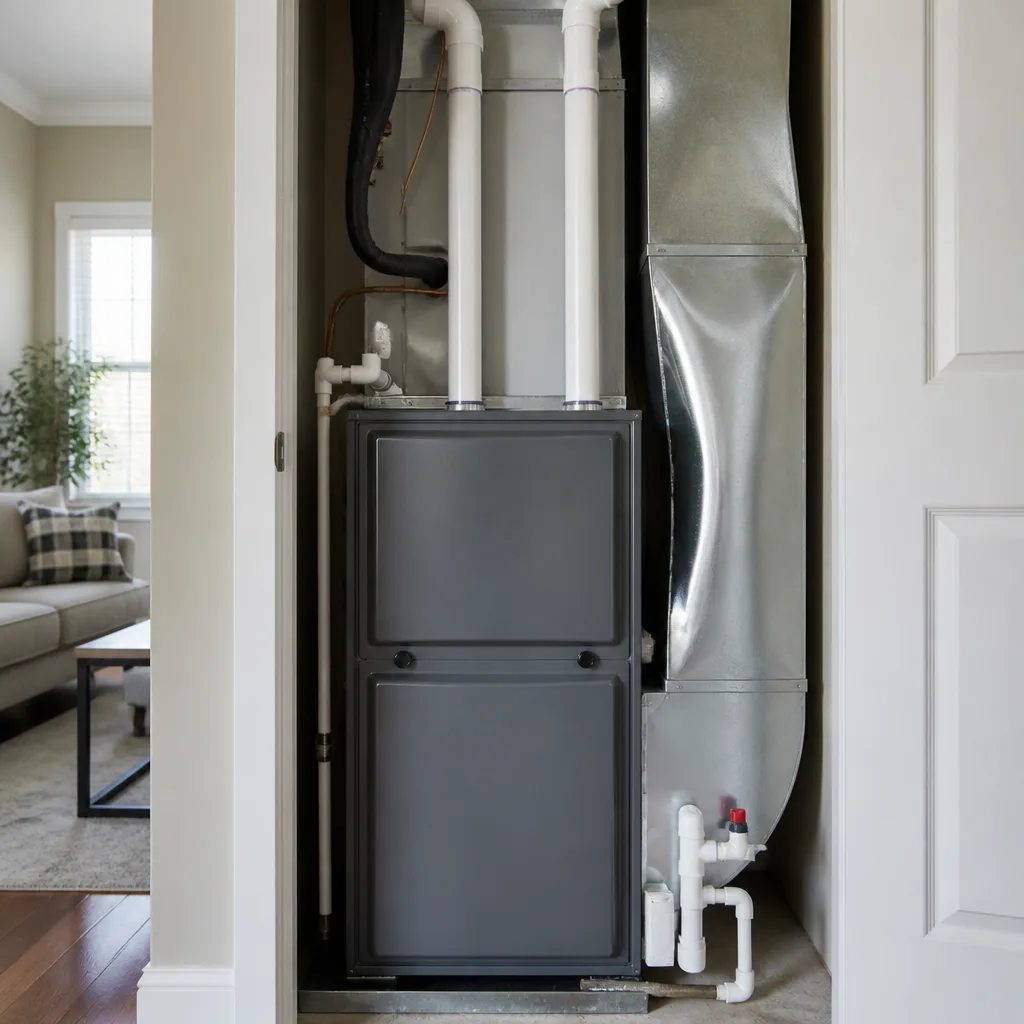 Furnace & heating
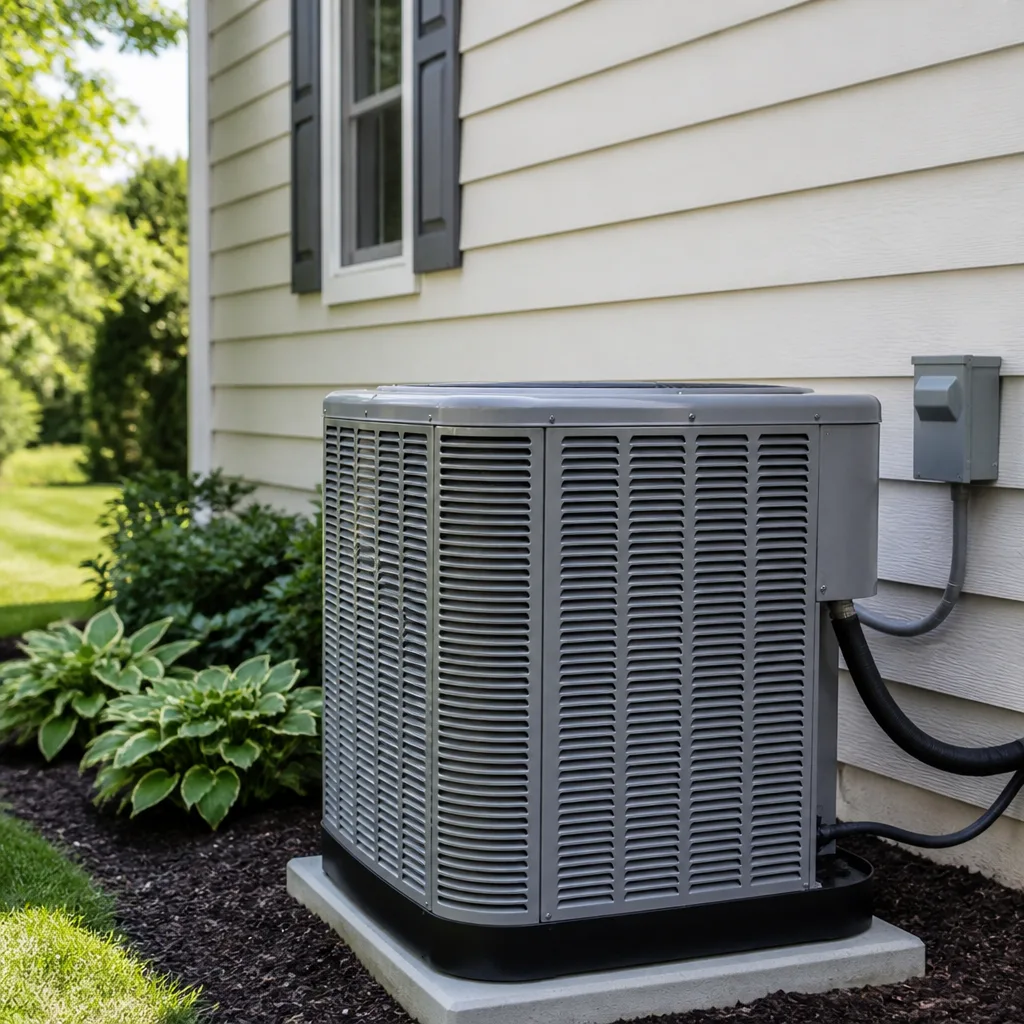 AC repair
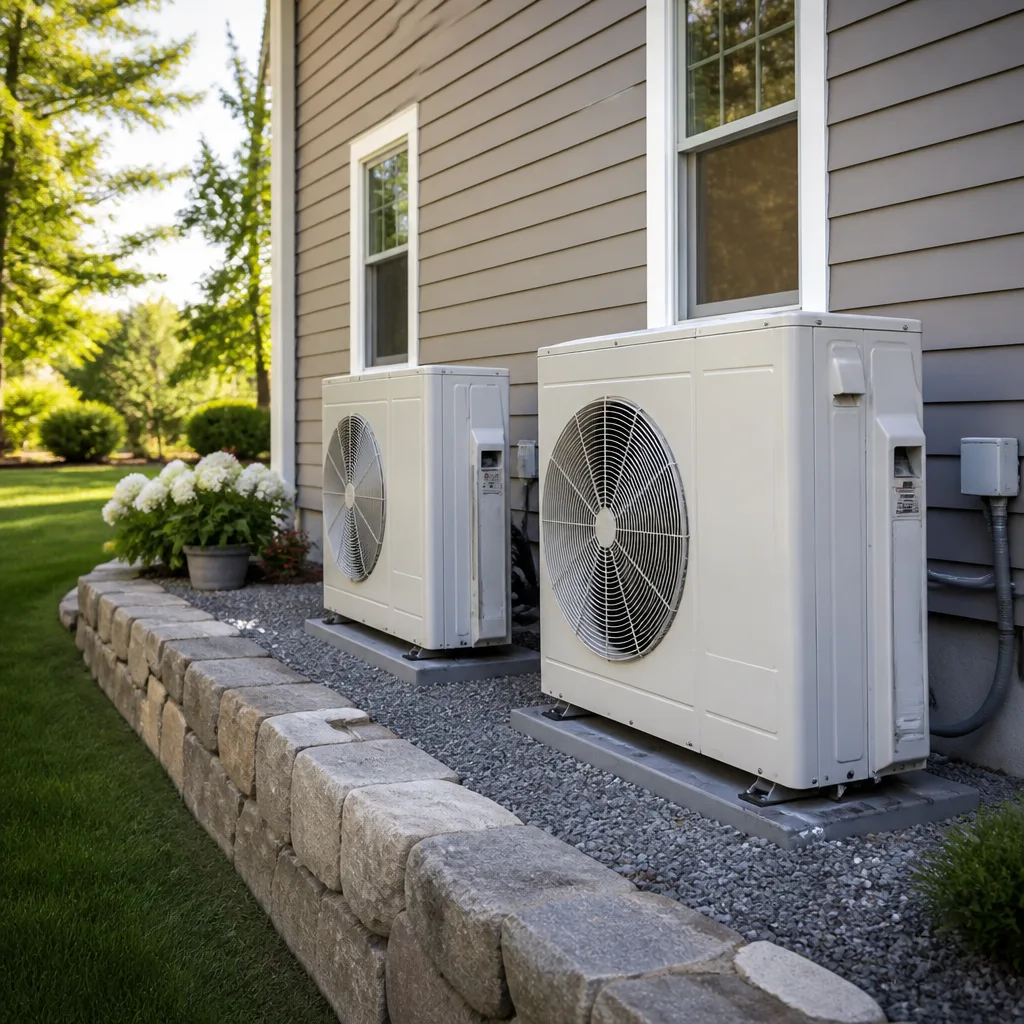 Heat pumps
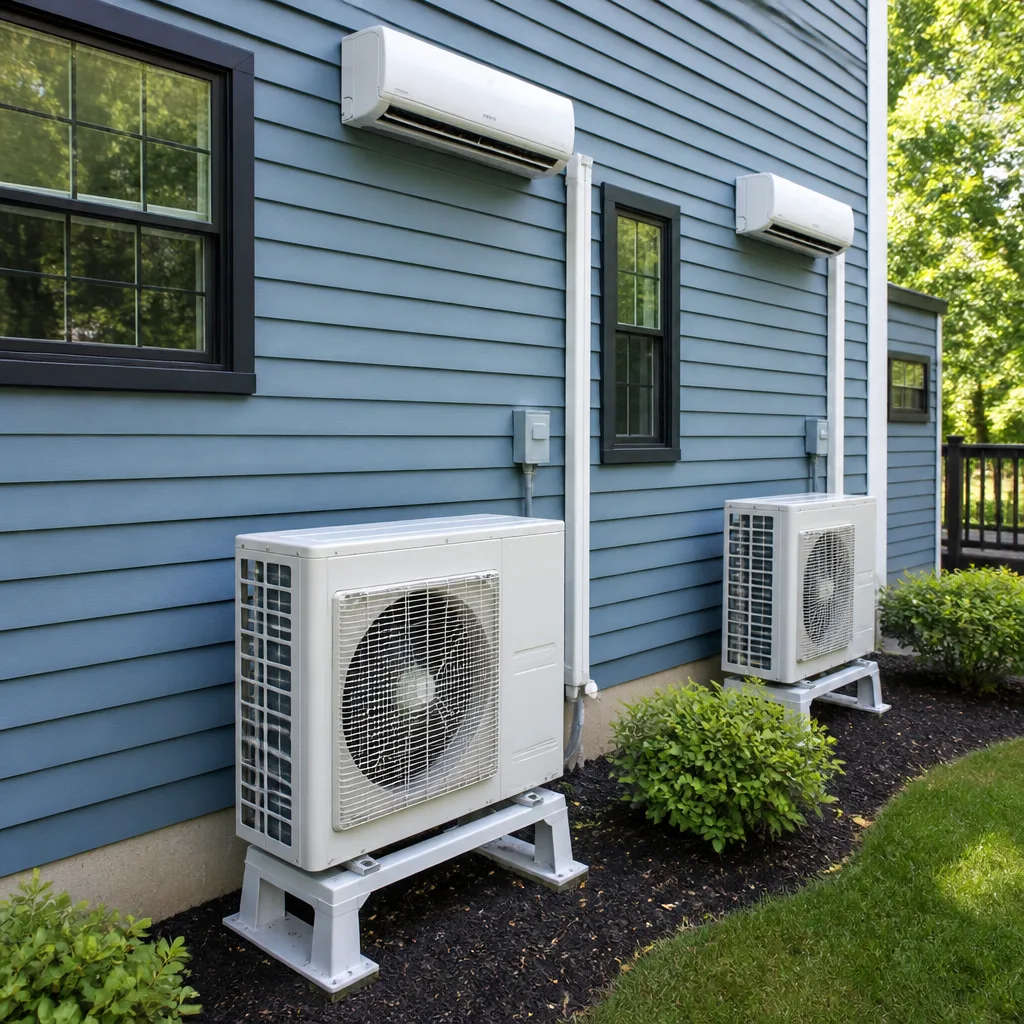 Ductless mini splits
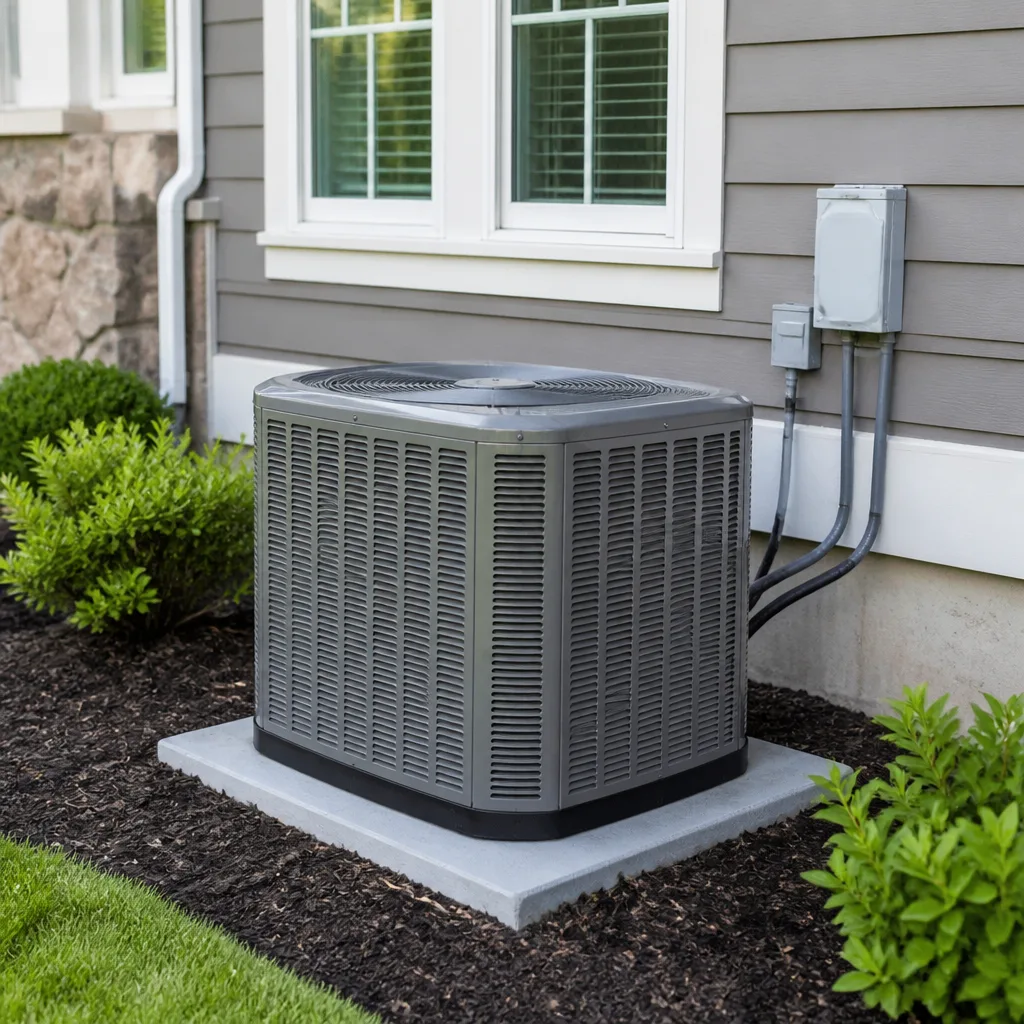 Carrier
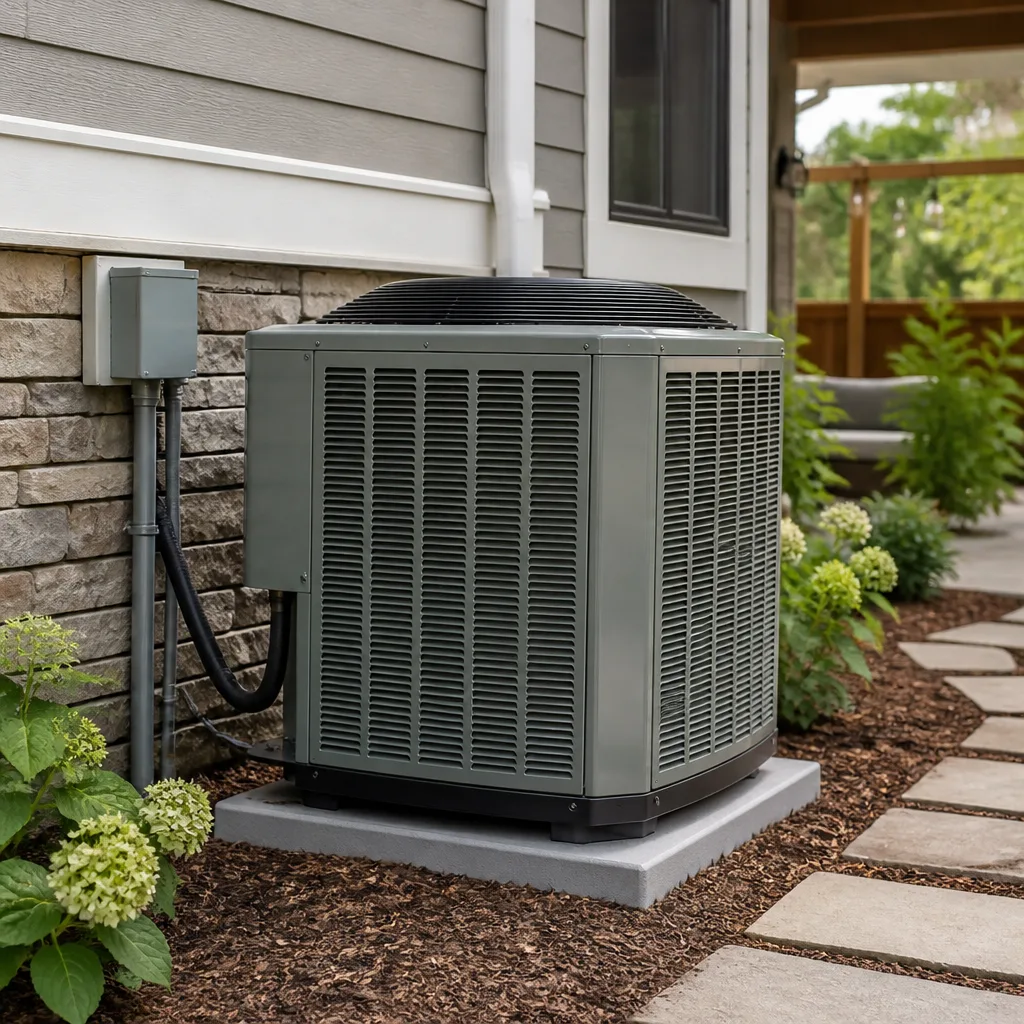 Trane
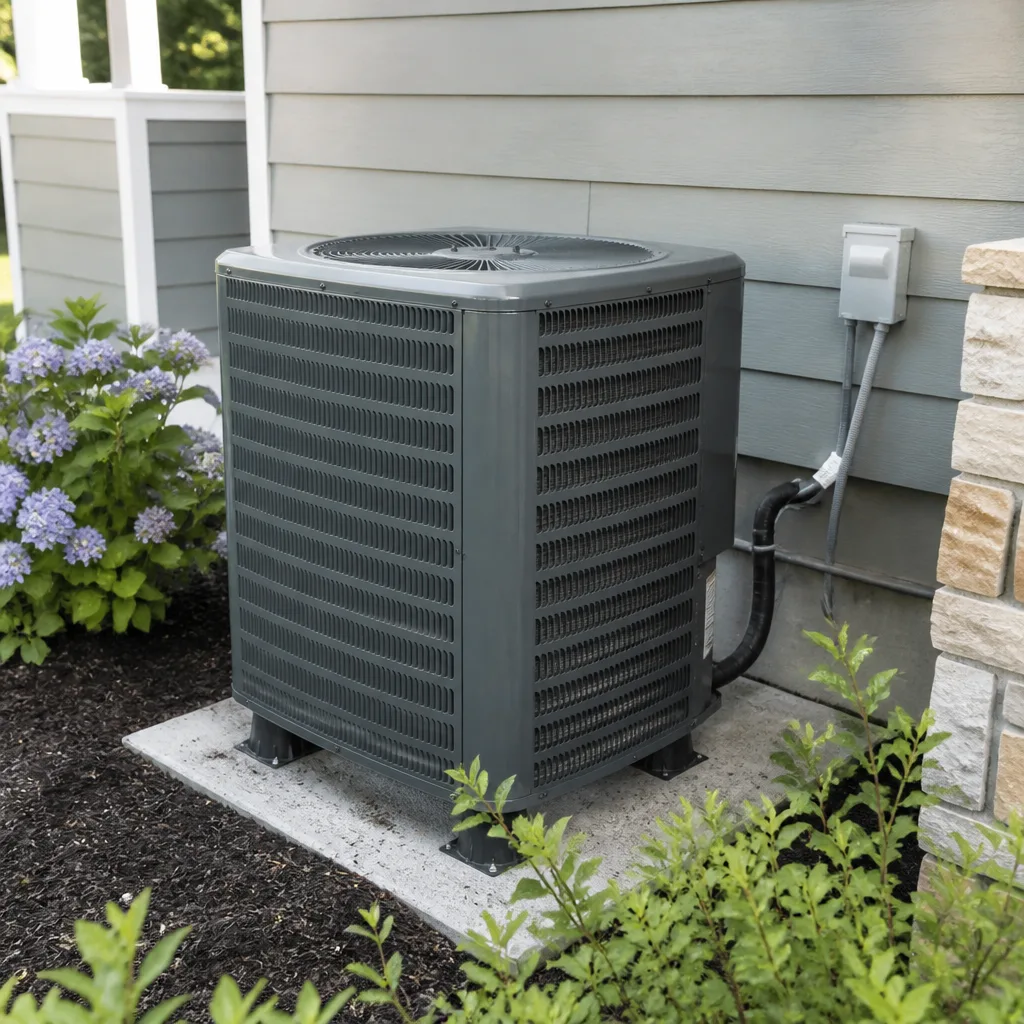 Goodman
Seasonal tune-up and full diagnostic on your Carrier, Trane, or Goodman system - readings shown to you before any repair is proposed
Diagnosis first, numbers second - you approve the repair price before a single part goes in.
Get your free estimateDIY vs Professional Heating & Furnace: What’s Safe to Do Yourself
Carbon monoxide from furnace problems is linked to roughly 400 deaths in the United States every year, and a large share of those cases trace back to a system that was repaired, modified, or installed by someone working without combustion analysis equipment. That equipment is not sold at a hardware store. This is the hard line that separates furnace work from the air conditioning work homeowners routinely handle themselves. In this guide we walk through exactly what you can safely do to your own heating system, what you should never touch, and why the difference between the two comes down to what you cannot see or smell until it is too late. We’ve seen plenty of homes across Whitney where the furnace sat unserviced for a decade and the owner assumed that meant it was fine.
Quick Answer
You can safely replace your furnace filter, swap a thermostat, clear a condensate drain line on a high-efficiency unit, and clean an accessible flame sensor. You cannot safely work on gas lines, the burner assembly, the heat exchanger, or the flue. Furnace work carries a carbon monoxide risk that electrical work does not, and the tools that detect a combustion problem – a combustion analyzer and a CO meter – are not available to the general public. Any task past filter-and-thermostat level belongs to a licensed technician.
Styles & brands we work with
- AC repair
- Furnace & heating
- Heat pumps
- Ductless mini splits
- Carrier
- Trane
- Goodman
Table of Contents
- Why Furnace DIY Has a Harder Ceiling Than AC DIY
- The Tasks You Can Safely Do Yourself
- The Tasks That Need a Licensed Technician
- Nevada Licensing: What You Risk Hiring Unlicensed
- A Furnace Reset That’s Safe vs a Lockout You Should Never Bypass
- What to Ask After Every Service Call
- Common Mistakes to Avoid
- When to Call a Professional
- Frequently Asked Questions
Why Furnace DIY Has a Harder Ceiling Than AC DIY
Air conditioning is an electrical and refrigerant system. The dangers are real – line voltage, refrigerant burns, capacitor discharge – but they are dangers you can see or feel coming. A furnace is a combustion appliance, and combustion produces carbon monoxide, an odorless gas that gives you no warning at all. A cracked heat exchanger, a misadjusted burner, or a partially blocked flue can leak CO into the living space for months while the furnace appears to run perfectly, and you will not know it until someone in the house gets headaches, nausea, or worse.
Nevada summers push our AC systems hard, but Whitney winters are cold enough that a furnace running day and night is what people actually depend on through December and January, especially in the higher-elevation pockets of the valley. That long, steady run cycle is exactly the condition that exposes a developing heat exchanger crack. In our experience, the worst cases we find are on systems that got the filter changed religiously but never a combustion analysis.
Here is the core distinction: with AC work, a mistake usually shows up fast – the unit doesn’t cool, a breaker trips, something visibly fails. With furnace work, a mistake can run quietly all season. That is why the safe list for furnaces is shorter than the safe list for air conditioners. It is not about fairness or distrusting homeowners. It is about the shape of the risk. The idea that DIY furnace repair is a simple money-saving shortcut is one of the myths we’d like to retire.
The Tasks You Can Safely Do Yourself
These four tasks are routine, low-risk, and genuinely useful. You don’t need a technician for any of them, and doing them well extends the life of your system. If you want the broader schedule of what to do and when, our guide to heating & furnace service in Whitney covers it end to end.
1. Replacing the Filter
Change it every one to three months depending on the filter thickness and how much dust the house generates. A clogged filter is the single most common cause of a furnace working harder than it should. Check it before it looks gray. Whitney sees more dust in spring than most people expect, so plan on a monthly look from March through June.
2. Replacing a Thermostat
Programmable and smart thermostats are a safe swap for most homeowners, provided you kill power at the breaker first and match the wiring correctly. Take a photo of the old wiring before you disconnect anything. If the old thermostat has a common wire and the new one needs one, that’s a project – leave it to a technician rather than improvising.
3. Clearing a Condensate Drain
High-efficiency furnaces produce water, and that water drains out through a PVC line that clogs with mineral scale and slime. A clog triggers a safety shutdown on most modern units. Look for the drain line near the base of the furnace, check the small trap for buildup, and clear it with warm water. No tools beyond a rag and maybe a stiff wire.
4. Cleaning an Accessible Flame Sensor
The flame sensor is a thin rod near the burner that confirms the flame is lit. When it gets coated with carbon or dust, the furnace shuts down on a safety lockout even though nothing is actually broken. On units where the sensor is reachable through an access panel, gently wiping it with a soft cloth and light steel wool can restore ignition. If you have to remove more than one panel or the sensor sits behind the burner shroud, stop – that belongs to a technician.
The Tasks That Need a Licensed Technician
The dangerous work is not just regulated; it’s dangerous in a way that doesn’t announce itself. Each of these requires either a license, a specialized tool, or both.
- Any gas line work. Gas piping repairs and connections require a licensed technician and, in many cases, a permit. A poorly sealed gas joint leaks, and gas has an odorant added so you can smell it – but a slow CO leak from combustion does not have that warning.
- Heat exchanger inspection. The heat exchanger is the metal wall that keeps exhaust gases separate from the air you breathe. You cannot inspect it properly without removing the burner assembly and using a combustion analyzer, a visual scope, or a chemical test. A homeowner looking at the outside of a heat exchanger box sees nothing. A cracked exchanger is the most serious failure a furnace can have.
- Flue and vent modification. Any change to the exhaust venting affects draft and combustion. A flue that drafts wrong pushes carbon monoxide into the home. This always belongs to a licensed technician.
- Burner assembly work. Burner cleaning, gas valve adjustment, and manifold pressure checks require a combustion analyzer to confirm the unit is burning clean. You can’t verify the fix without it.
For an explanation of how a properly inspected furnace works and what a service call covers, see our page on Fireside Heating & Air Co. Whitney home, which lays out every service line we handle.
Nevada Licensing: What You Risk Hiring Unlicensed
Nevada requires a contractor’s license for any work on gas appliances, including furnace repair, replacement, and installation. That license carries insurance and bonding requirements, and it exists partly because gas work is not a place to learn on the job. When you hire a licensed contractor, you’re covered if something goes wrong. When you hire an unlicensed technician, you carry the risk yourself.
The legal exposure matters in three ways. First, a permit is often required for gas appliance work, and an unpermitted repair can complicate a home sale or an insurance claim later. Second, if an unlicensed tech damages your furnace or, worse, causes a CO incident, your homeowner’s policy may decline the claim because the work was not done by a licensed contractor. Third, and this is the one homeowners rarely think about, a warranty on a Carrier, Trane, or American Standard furnace can be voided by work performed by someone not licensed for gas appliances.
We’ve been called out to Whitney homes after a “cheap” repair where the technician had no license and no combustion equipment. The owner paid twice – once for the bad repair and once to make it right. Ask for the license number before anyone touches gas in your home. It takes thirty seconds on the Nevada State Contractors Board website.
A Furnace Reset That’s Safe vs a Lockout You Should Never Bypass
Every modern furnace goes through an ignition sequence when the thermostat calls for heat. If it fails to prove flame after a few tries, it locks out as a safety measure. There’s a difference between a reset that is safe to do yourself and a lockout you must never work around.
The safe reset: the furnace has been off (maybe after a power blip, a filter change, or a thermostat adjustment), and you want to restart it. Turn the thermostat off, wait thirty seconds, and turn it back on. If the burner lights and runs normally, you’re done.
The unsafe situation: the furnace locks out repeatedly, or you’ve reset it three times in a day and it keeps quitting. That’s not a glitch. That’s a safety switch telling you that a sensor has detected a real problem – a flame that won’t prove, a pressure switch that won’t close, a high-limit switch that’s tripping because the unit is overheating. Bypassing that switch or forcing the furnace into a run cycle removes the safety that keeps carbon monoxide out of your house.
If your furnace is locking out, do not keep resetting it. Call a technician. A repeated lockout is a signal, not an inconvenience. Our heat pump & mini split service in Whitney page explains how some of these units differ and why their safety lockouts behave the same way.
What to Ask After Every Service Call
You don’t have to understand HVAC to build real knowledge of your own system. You just have to ask a few specific questions after every service and write down the answers. Over a few seasons, you’ll know more about your furnace than most homeowners ever will, without ever touching the dangerous parts.
- “What did you find, and what did you fix?” Get it in plain language, not jargon.
- “What were the combustion readings?” A good technician will have CO, O2, and flue temperature numbers. Ask for them. Write them down.
- “Did you check the heat exchanger?” They should say yes, and they should tell you how they checked it.
- “What’s the filter size and how often should I change it?” This is the one task you’ll do most often.
- “How many more seasons should I expect from this system?” You’re building a decision timeline, not asking for a sales pitch.
- “What should I watch for before next winter?” This is your early-warning list.
- “Can I get this in writing?” A written record is what the 90-Day Done Right Promise runs on, and it’s what your next technician will read.
These questions are how a homeowner becomes a smart client – the person the technician takes seriously because they clearly track their own system. If you’re considering a replacement, the same instinct applies and the stakes go up. Our guide to AC repair & installation in Whitney explains how to tell when any major system is truly at the end of its service life.
Common Mistakes to Avoid
- Bypassing a safety switch to “test” the furnace. That’s exactly how a CO leak becomes a real medical emergency. If the safety switch trips, the correct move is to call.
- Resetting the furnace repeatedly instead of diagnosing the lockout. A lockout is information. Resetting it doesn’t fix the problem, it just resets the countdown.
- Running the furnace on a dirty filter for a full season. A clogged filter drives up internal temperatures, strains the blower, and on some units trips the high-limit switch that leads to a lockout.
- Hiring a “technician” who shows up without a combustion analyzer. If they came for a furnace service and never pulled out a CO meter or combustion tool, the inspection isn’t complete. This is common in Whitney during the fall rush when fly-by-night operators appear.
- Doing gas line work yourself because YouTube made it look easy. Gas piping requires a permit, a license, and leak testing a homeowner can’t do safely. This isn’t worth the savings, ever.
- Skipping the heat exchanger inspection to save the diagnostic fee. The diagnostic fee is one hour of a technician’s time. A missed crack is a health emergency.
- Not checking whether a repair voids the manufacturer warranty. Manufacturers like Daikin and Bryant have strict warranty terms around unlicensed work. If your furnace is still under warranty, an unlicensed repair can cost you more than the repair itself.
When to Call a Professional
Call a licensed technician when any of the following is true: you smell gas; you smell something acrid or like burning; your carbon monoxide alarm sounds; the furnace is locked out more than once; the flame is yellow rather than blue; you see soot on or around the burner; you see moisture or rust on the heat exchanger housing; the furnace cycles on and off rapidly; or you can’t remember the last time anyone looked at the heat exchanger.
Do not wait on any of these. The call is cheaper than the alternative, and a real combustion diagnosis takes a technician less than an hour with the right equipment. Fireside Heating & Air Co. Whitney offers free estimates in Whitney – call (866) 329-8069. Every job is backed by the 90-Day Done Right Promise, and the phones are answered by a live person, day or night.
Frequently Asked Questions
Yes – changing the furnace filter is one of the safest DIY tasks on the entire system. Turn the unit off at the thermostat, pull the filter, note the size printed on the frame, and slide a new one in with the airflow arrow pointing toward the blower. Change it every one to three months, and never run the furnace without a filter in place.
Sometimes. If the flame sensor is reachable through a single easily removed access panel and doesn’t sit behind the burner shroud, gently wiping it with a soft cloth and light steel wool can restore ignition. If you have to pull more than one panel or the sensor is buried, stop – that’s a technician’s job. Call (866) 329-8069 for a same-day visit in Whitney.
A repeated lockout means a safety switch is detecting a real problem – a flame that won’t prove, a pressure switch that won’t confirm draft, or a heat limit that’s tripping. Do not bypass any switch. A reset that fails repeatedly is the furnace telling you it needs a technician with a combustion analyzer, not another reset. Call (866) 329-8069 and we’ll get someone out.
Because you can’t see the parts that matter. A heat exchanger crack is often invisible from the outside of the assembly and only shows up under a combustion analyzer, a scope, or a chemical test. Without those tools, you’re guessing. A missed crack is the leading path to carbon monoxide in a home, and that’s a risk no homeowner should take on to save a service call.
Yes. Nevada requires a contractor’s license for gas appliance repair, replacement, and installation, and permits are often required for gas line work. Hiring unlicensed risks your homeowner’s insurance claim and can void a manufacturer warranty on your furnace. Ask for the license number before anyone touches gas in your home.
Get one. A written estimate should itemize what’s being replaced and why. Fireside offers a free second opinion on any written estimate – call (866) 329-8069. We’ve been called out on more than a few furnace quotes in Whitney that recommended a full replacement for a unit that needed a flame sensor or a clogged drain line cleared. Straight talk about repair versus replace is the whole point.
The Bottom Line
The safe list for furnace DIY is short, and it’s short for one reason: combustion. You can change your filter, swap a thermostat, clear a condensate drain, and clean a flame sensor. You cannot safely touch gas lines, the burner assembly, the flue, or the heat exchanger, and no amount of YouTube confidence changes the fact that combustion problems don’t announce themselves. Every repeated lockout, every yellow flame, every soot mark is a signal to call a licensed technician with a combustion analyzer. Whitney winters are cold enough that waiting is not an option. Fireside Heating & Air Co. Whitney stands behind the work in writing for 90 days – call (866) 329-8069 for a free estimate.
Written by the team at Fireside Heating & Air Co. Whitney.
See the difference
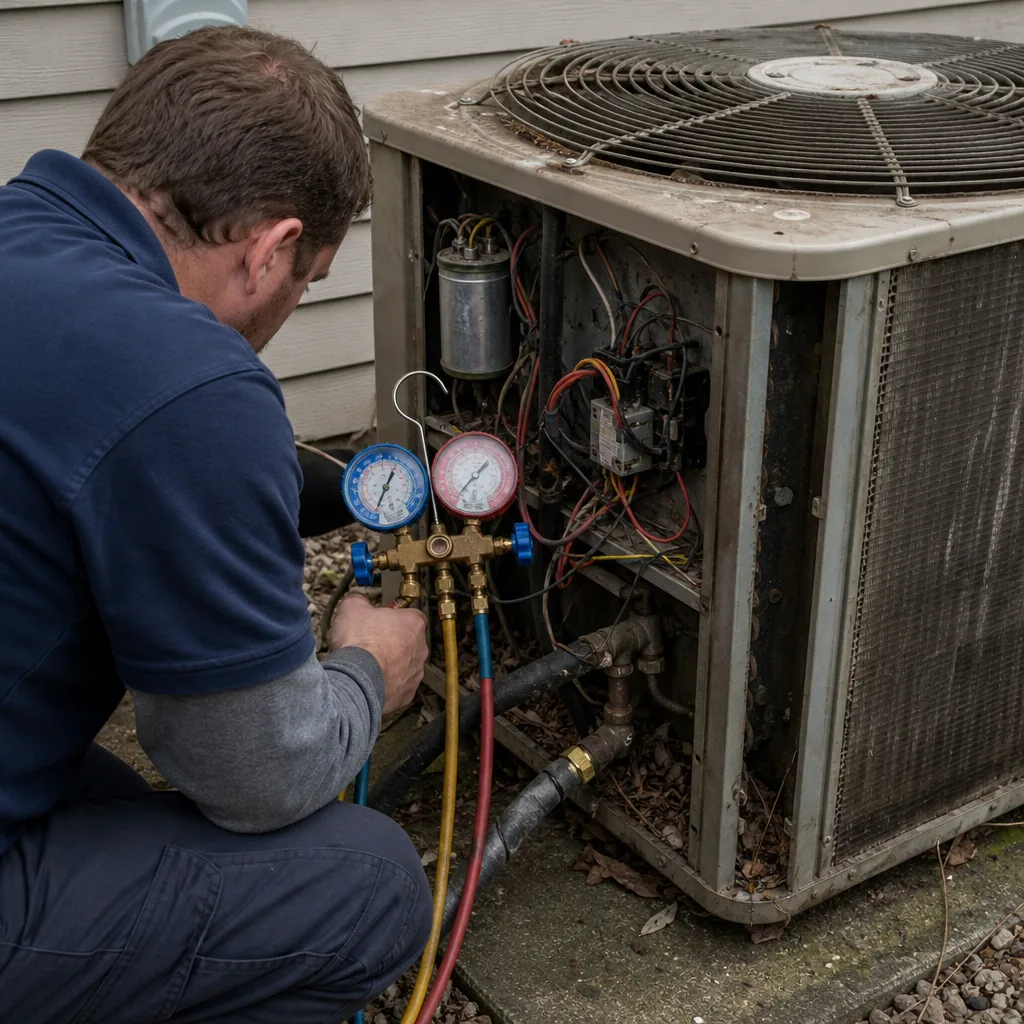 Before
 After
 Before
 After
 Before
 After