
Last updated November 18, 2026
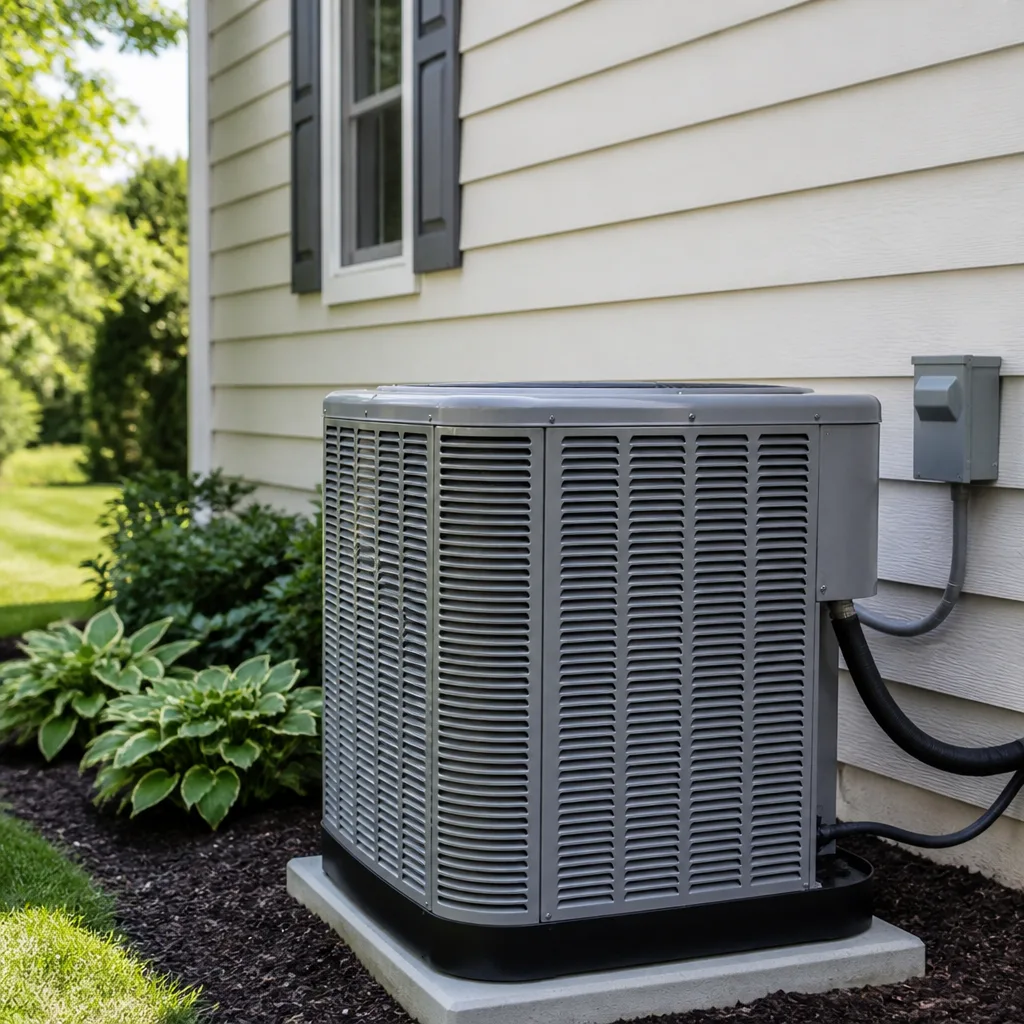 AC repair
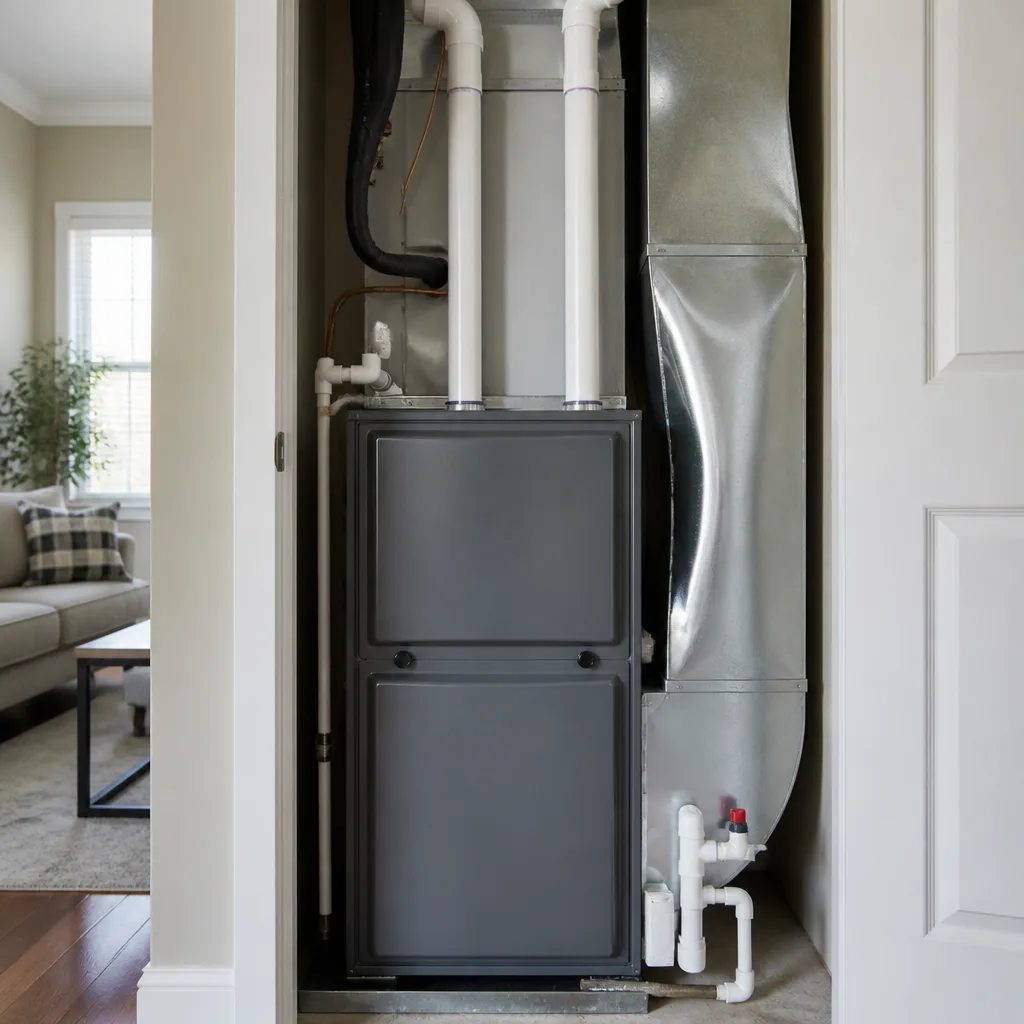 Furnace & heating
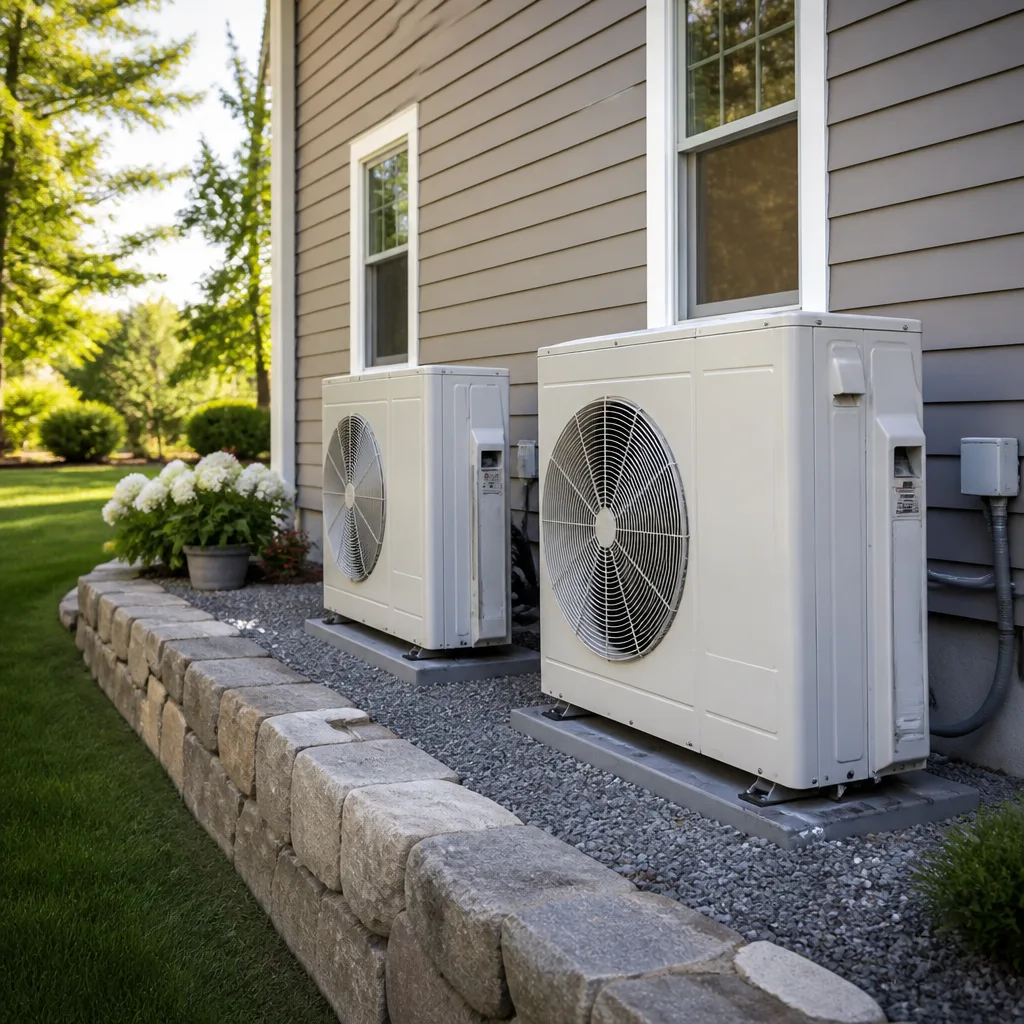 Heat pumps
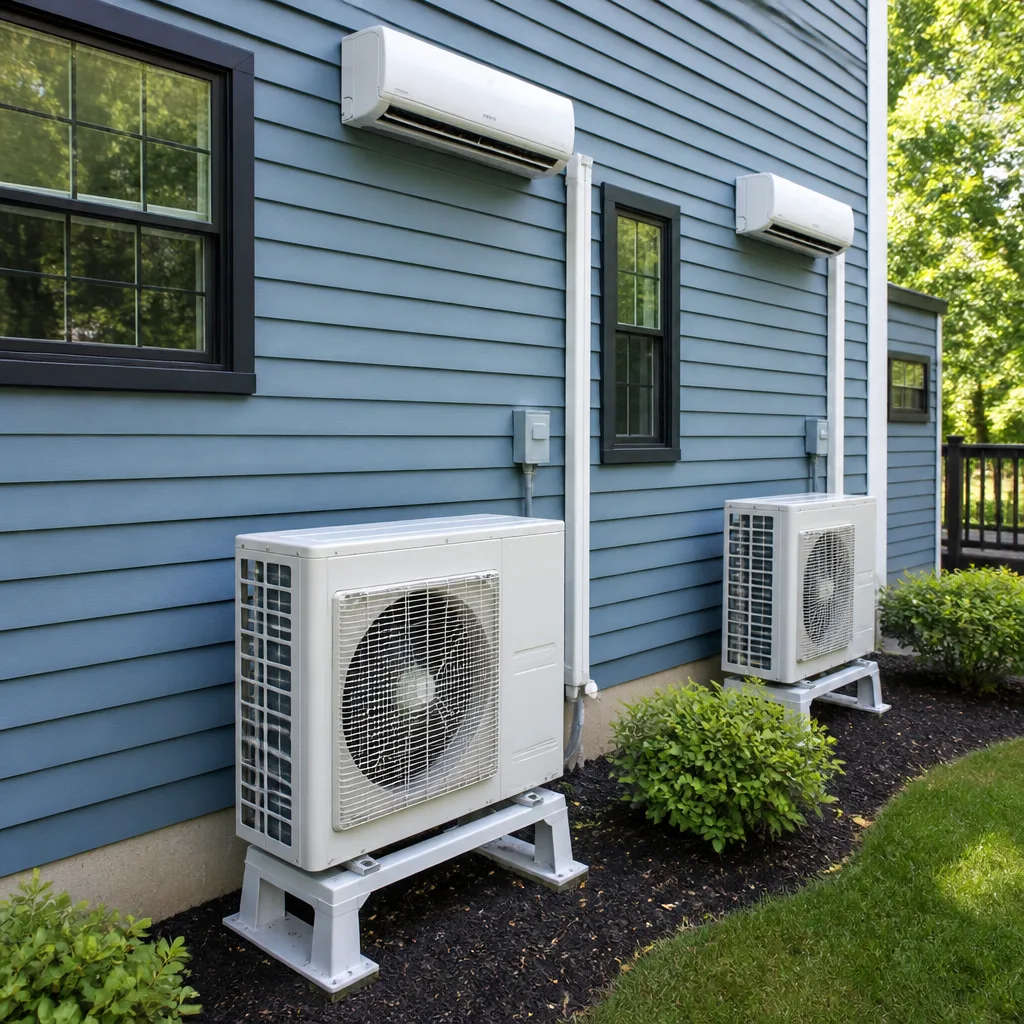 Ductless mini splits
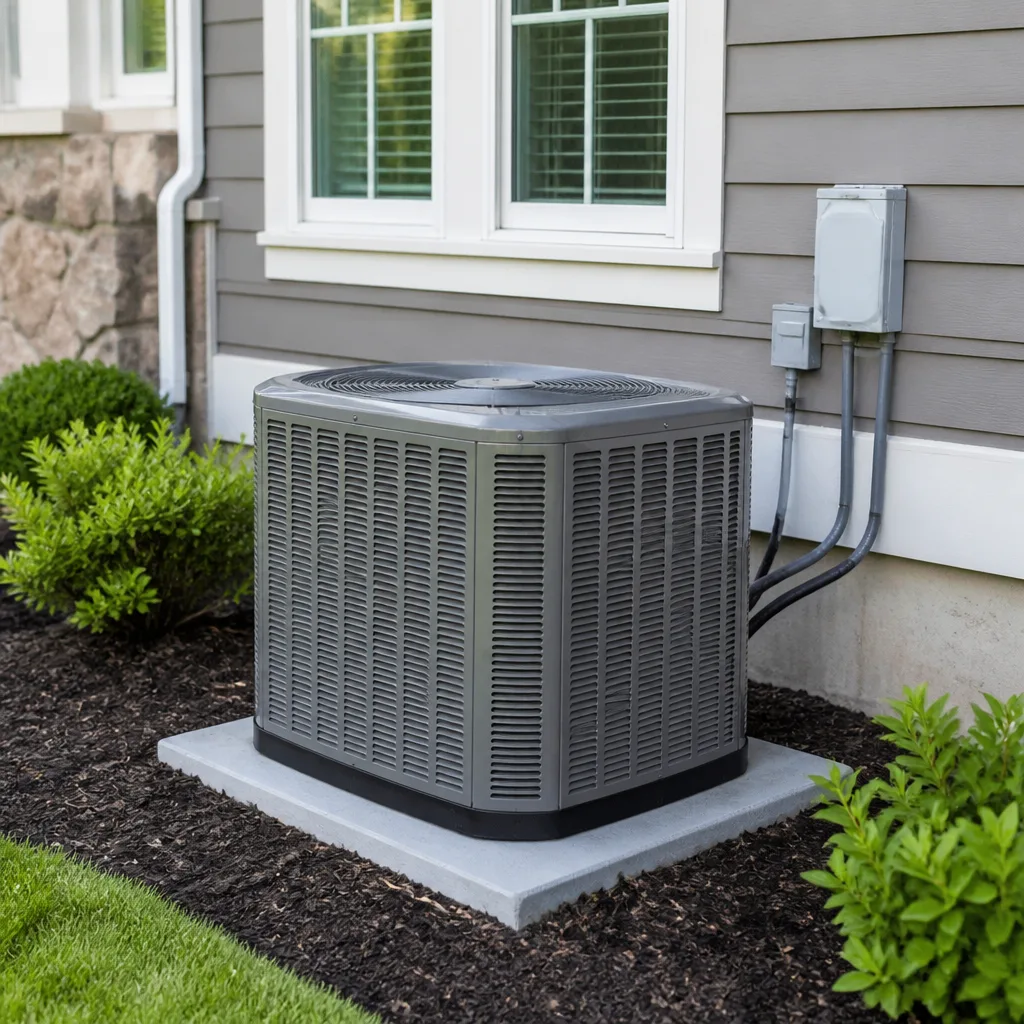 Carrier
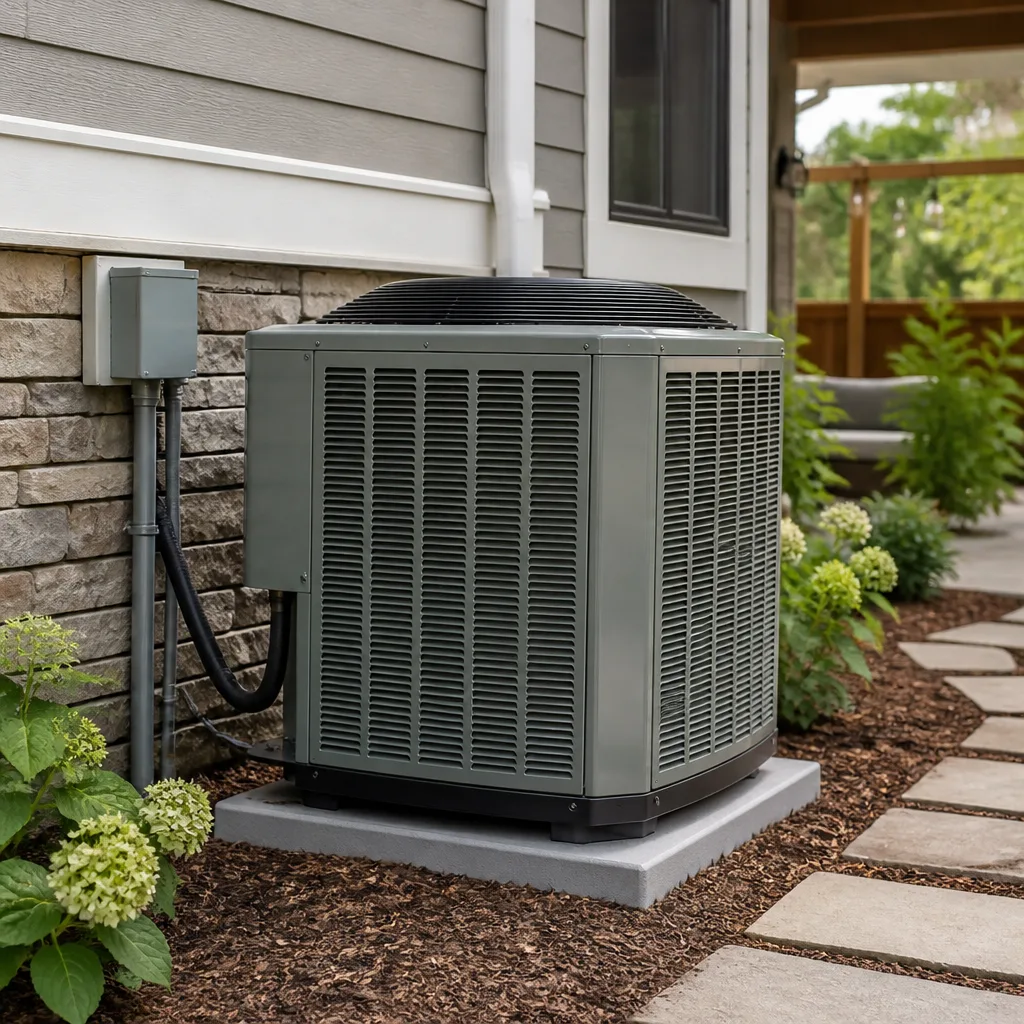 Trane
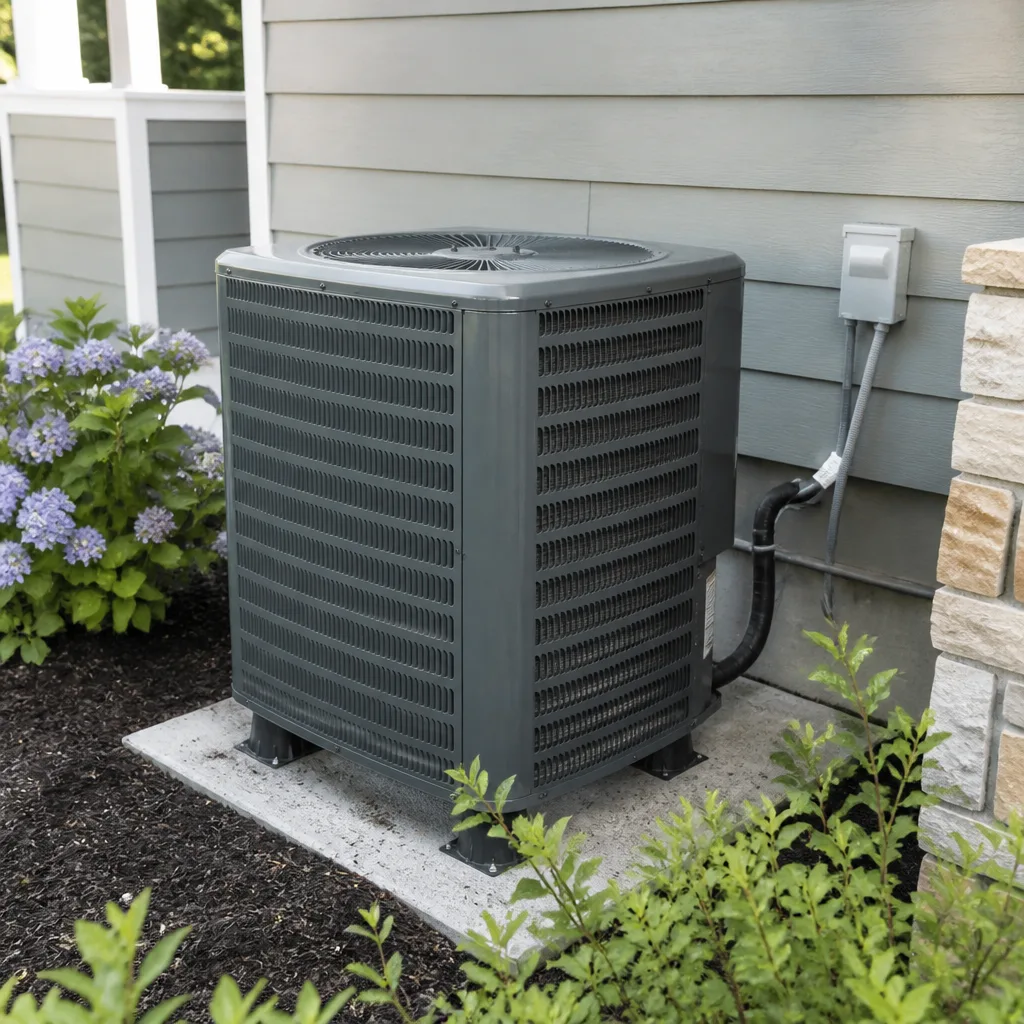 Goodman
Seasonal tune-up and full diagnostic on your Carrier, Trane, or Goodman system - readings shown to you before any repair is proposed
Diagnosis first, numbers second - you approve the repair price before a single part goes in.
Get your free estimateDIY vs Professional Air Quality & Ventilation: What’s Safe to Do Yourself
Here’s the part of home ventilation that surprises most homeowners: sealing a draft can make your air worse. We’ve walked into Whitney homes where a diligently sealed bedroom window left the gas water heater flue short on combustion air, and the fix cost far more than the draft ever did. The question was never whether you’re handy. It’s which jobs, done wrong, create a problem bigger than the one you started with. This guide lays out what you can safely handle yourself, what quietly crosses the line into pressure-balance and combustion-safety territory, and how to describe your work when you do call a technician.
Quick Answer
Filter changes, vent register cleaning, and visual dryer duct checks are genuinely safe for most homeowners to do themselves. Anything that changes how air moves through the whole house – sealing crawlspace vents, blocking return air paths, adjusting combustion appliance venting – should go to a licensed technician, because these jobs affect pressure balance and carbon monoxide safety. If you’re unsure which category a task falls into, stop and call.
Styles & brands we work with
- AC repair
- Furnace & heating
- Heat pumps
- Ductless mini splits
- Carrier
- Trane
- Goodman
Table of Contents
- The Jobs That Are Genuinely Safe to Do Yourself
- The Jobs That Look Simple but Move Whole-House Pressure
- Why CO and Combustion Checks Belong to a Licensed Technician
- The Real Cost of Testing Your Own Ducts
- What Whitney’s Desert Climate Does to Ventilation
- How to Describe What You’ve Already Done When You Call
- Common Mistakes to Avoid
- When to Call a Professional
- Frequently Asked Questions
The Jobs That Are Genuinely Safe to Do Yourself
Several air quality tasks carry almost no risk and reward you with real improvement. If a task only touches one component and doesn’t change how air enters, leaves, or moves through the house, it’s usually in this group. Our technicians have up to 8 years of experience and will tell you plainly which jobs they’d happily hand off to a careful homeowner.
- Filter swaps. Change the return-air filter every 30 to 90 days, or monthly during heavy cooling season in Whitney. Match the size printed on the old filter and use a MERV 8 to MERV 11 rating. Higher MERV sounds better but can choke airflow on older systems.
- Vent register cleaning. Pop the grilles off supply and return registers, vacuum the fins with a brush attachment, and wipe the slats. Dust buildup on registers is a genuine contributor to that “house smells stale” complaint.
- Dryer duct visual checks. Unhook the duct from the back of the dryer, shine a flashlight inside, and look for lint buildup and crushed sections. Vacuum what you can reach. This is one of the highest-value five-minute jobs in the house.
- Exterior vent inspections. Walk the outside of the house and confirm vent hoods, dryer terminations, and fresh-air intakes aren’t blocked by landscaping, nests, or debris. A clogged exterior termination defeats the whole system.
None of these change pressure, touch gas appliances, or move the system’s balance. They’re the safe floor of home ventilation work. For the foundation these sit on, our Fireside Heating & Air Co. Whitney home page covers the full picture of what we handle.
The Jobs That Look Simple but Move Whole-House Pressure
This is where homeowners get into trouble. A house is a pressure system. Air leaves and air enters in balance, and every gap, vent, and duct you change shifts where that air comes from and where it goes. A task that looks like a quick weekend seal can quietly change the pressure inside the rooms where your gas appliances live.
Consider crawlspace vents. Plenty of advice online tells you to seal them to stop cold floors and critter entry. But in a Whitney home with a naturally vented crawlspace, those vents are often the only makeup air source for the furnace and water heater. Seal them and the appliance exhaust has nowhere to pull from except back down your chimney. That’s called backdrafting, and it pulls combustion gases into the living space.
- Sealing crawlspace vents without a pressure and combustion analysis first.
- Blocking return air paths to reduce noise or “improve flow” to one room, which starves the blower and can depressurize the house.
- Adding door sweeps and window weatherstripping across the whole house in one weekend, which tightens the envelope faster than the ventilation can compensate.
- Capping a barometric damper or adjusting an appliance flue because it “felt drafty.”
These jobs cross the line because they change something the system was designed around. Our Heat Pump & Mini Split in Whitney team sees pressure problems behind a surprising share of comfort complaints that started as a weekend project.
Why CO and Combustion Checks Belong to a Licensed Technician
No amount of YouTube confidence substitutes for a combustion analyzer and a trained eye. Carbon monoxide is colorless, odorless, and the symptoms of low-level exposure (headache, fatigue, nausea) feel exactly like the flu. A homeowner can’t smell the problem and can’t see it. A technician can measure it.
A proper combustion safety check does several things you can’t replicate at home:
- Measures flue draft and combustion gas concentrations directly at the appliance.
- Runs a worst-case depressurization test – the house with all exhaust fans on and doors closed.
- Confirms the appliance isn’t spilling exhaust into the space.
- Checks the heat exchanger for cracks that bleed CO into conditioned air.
- Tests CO alarms and confirms placement in the right rooms.
Any change you make to a home’s air balance can invalidate the very conditions the appliance was tested under. If you’ve sealed anything, blocked anything, or added exhaust fans, the combustion check needs to be redone. We say this plainly because it’s the one area where “I’ll just try it myself” has genuinely cost lives.
The Real Cost of Testing Your Own Ducts
The most common question we get is whether a homeowner can do their own duct leakage test. The honest answer is: yes, but you won’t want to once we walk through the tools and time.
- A duct blaster (duct leakage tester) – the calibrated fan and pressure gauge rig. Rentals in the Whitney area typically run $80 to $150 per day when a rental yard even has one.
- A digital manometer – for measuring pressure differentials, roughly $40 to $90 to buy.
- A smoke pencil or thermal fogger – for locating leaks visually, $25 to $60.
- Access and time – connecting the blaster to the air handler and reading sealed-leakage figures takes most first-timers two to four hours, plus the return trip to restore the system.
Total outlay: $150 to $300 for a test you probably run once, plus a half a day of your weekend. A professional duct leakage test with a written report typically costs less than a competent rental day and gives you documented results you can act on. That math is why we tell homeowners to save their money for the fix, not the test. For the broader question of how duct and ventilation work ties into cooling performance, our AC Repair & Installation in Whitney team handles the audit side of the visit.
What Whitney’s Desert Climate Does to Ventilation
Whitney sits in the Las Vegas Valley, and the desert changes the ventilation calendar in ways coastal guides never mention. Summer surface temperatures push past 110 degrees, which spikes the pressure differential between a 140-degree attic and 78-degree rooms. That pressure gap is what pushes hot attic air and any duct leakage into the living space.
We see specific patterns here:
- Filter loading runs faster. Spring pollen plus fine desert dust and summer construction activity mean filters clog in Whitney at roughly twice the rate of a humid-climate home. If you’re on a quarterly filter change, bump it to every 45 to 60 days from May through September.
- Duct leakage is amplified. Every small leak in an attic duct run loses far more cooling to the desert heat than the same leak would in a milder climate. It also pulls attic dust and insulation fibers into the supply stream.
- Return air imbalance is more visible. Whitney homes with west-facing rooms often run a 5- to 8-degree gap from the rest of the house when return paths are blocked or undersized.
- Dry air affects perceived ventilation quality. Desert humidity sits low enough that “stale” air feels stale faster, which is why filtration and filter quality matter more here.
Brands like Daikin and Bryant both offer filtration and fresh-air accessories sized for desert conditions. When we quote a ventilation upgrade in Whitney, the desert load is always part of the calculation.
How to Describe What You’ve Already Done When You Call
The single best way to get your money’s worth from a service call is to arrive at it with a clear list of what you’ve touched. A technician who duplicates your work or misses context wastes your time and theirs. Here’s what to tell us:
- Every filter change date and size. “I changed the return filter every 45 days this summer, 16x25x1 MERV 11.”
- Any sealing or blocking. “I sealed the two crawlspace vents on the north side last fall” tells us more than you’d think.
- Any register removal. “I pulled the return grille in the hallway and vacuumed it.”
- Any appliance or flue adjustments. “I capped a barometric damper on the water heater.” That one gets us out faster.
- Any symptoms that changed after your work. “The bedroom felt warmer after I sealed the window, not cooler.” That’s the pattern that tells us pressure is the issue.
You don’t need to be technical. Tell us what you did, when, and what changed. Our technicians are trained across nine major brands including Carrier, Trane, and York, and they’ll know where to look once they hear your list. If you started with our Heating & Furnace in Whitney page and did some of the sealing work yourself, bring that note in.
Common Mistakes to Avoid
- Sealing every gap on the same weekend. Your house was designed with a specific amount of leakage. Seal it all at once and the appliance exhaust can backdraft. Take it in stages and watch for new symptoms.
- Upgrading to a MERV 13 filter “for air quality.” On older Whitney systems the higher MERV chokes airflow and the blower runs harder, cutting effective filter life. Match the filter to the equipment.
- Blocking a return grille to quiet a noisy room. This is the most common pressure mistake we see, and it usually shows up later as a frozen coil or an overheated furnace.
- Trusting a YouTube video over the CO alarm. If the alarm goes off after your weekend project, leave the house and call. Don’t stand in the garage deciding whether it’s a false alarm.
- Cleaning the duct from outside. Running a shop vac into a duct from the exterior termination just stirs dust back through the system. Duct cleaning is a whole-house job.
- Assuming a dryer duct is clear because it’s new. Whitney’s dry, dusty climate still builds lint in the horizontal runs. A visual check twice a year is what keeps it clear.
- Buying a cheap CO meter and calling it a day. Cheap meters drift. Stick with a UL-listed alarm and replace it on the manufacturer’s schedule.
When to Call a Professional
Call us when the task crosses from a single component into whole-house air balance, combustion safety, or duct and filtration design. Specific situations that warrant a call: any sealing that changes how much air enters or leaves the house, any adjustment near a gas appliance or its flue, any CO alarm activation, any question about duct leakage or fresh-air ventilation, and any time you’re unsure whether a job is safe. Fireside Heating & Air Co. Whitney offers free estimates in Whitney – call (866) 329-8069. We answer the phone live, around the clock, and our technicians are background-checked and trained across nine major brands including American Standard and Bryant. The visit is a square deal: the price quoted is the price paid.
Frequently Asked Questions
You can clean the visible vent registers and grilles yourself with a vacuum and brush, but whole-house duct cleaning isn’t a safe DIY job. Proper duct cleaning requires a negative-pressure system and agitation tools that keep contaminants from being pushed back into the air you breathe, and it needs a visual inspection of the duct interior that most homeowners can’t reach. Call us for a duct assessment if you’re seeing visible dust puffing from registers.
It’s usually not safe to seal crawlspace vents without a pressure and combustion safety analysis first. In many Whitney homes those vents provide the makeup air your furnace and water heater need. Seal them and the appliances can backdraft combustion gases into the living space. This is a job for a licensed technician, not a weekend project.
Every 45 to 60 days from May through September in Whitney, and every 60 to 90 days the rest of the year. Desert dust and spring pollen load filters faster here than in most climates. If you have pets or run the system constantly, change monthly in summer.
Yes, at least once a year, and any time you’ve changed your home’s air sealing, added an exhaust fan, or replaced a gas appliance. Combustion conditions change as equipment ages and as the building envelope tightens. A CO alarm protects you in emergencies; a combustion safety check finds the problem before the alarm does.
You can, but the tools and time usually cost more than a professional test. A duct blaster rental in the Whitney area runs $80 to $150 per day before you add a manometer and smoke pencil, and first-time testing typically takes two to four hours. A professional duct leakage test with a written report usually costs less and gives you documented results.
Start with better filtration sized correctly for your system and a proper duct leakage test. From there, fresh-air ventilation tied to your HVAC and a whole-home dehumidifier or humidifier (depending on the season) round out the package. We’ll quote a fixed price on any of it during a free estimate.
The Bottom Line
The tasks that are safe DIY are the ones that touch one component and don’t change the house’s pressure balance. Filters, register cleaning, and visual duct checks fit that bill and are worth doing. The tasks that look simple but cross the line – sealing crawlspace vents, blocking return paths, adjusting anything near a gas appliance – are the ones where “I’ll try it myself” can turn a drafty room into a CO problem. When in doubt, call. Fireside Heating & Air Co. Whitney has been doing this work for over 42 years, and every job is backed by our 90-Day Done Right Promise. If it isn’t done right, we make it right, in writing, no arguing. Call (866) 329-8069 for a free estimate.
Written by the team at Fireside Heating & Air Co. Whitney.
See the difference
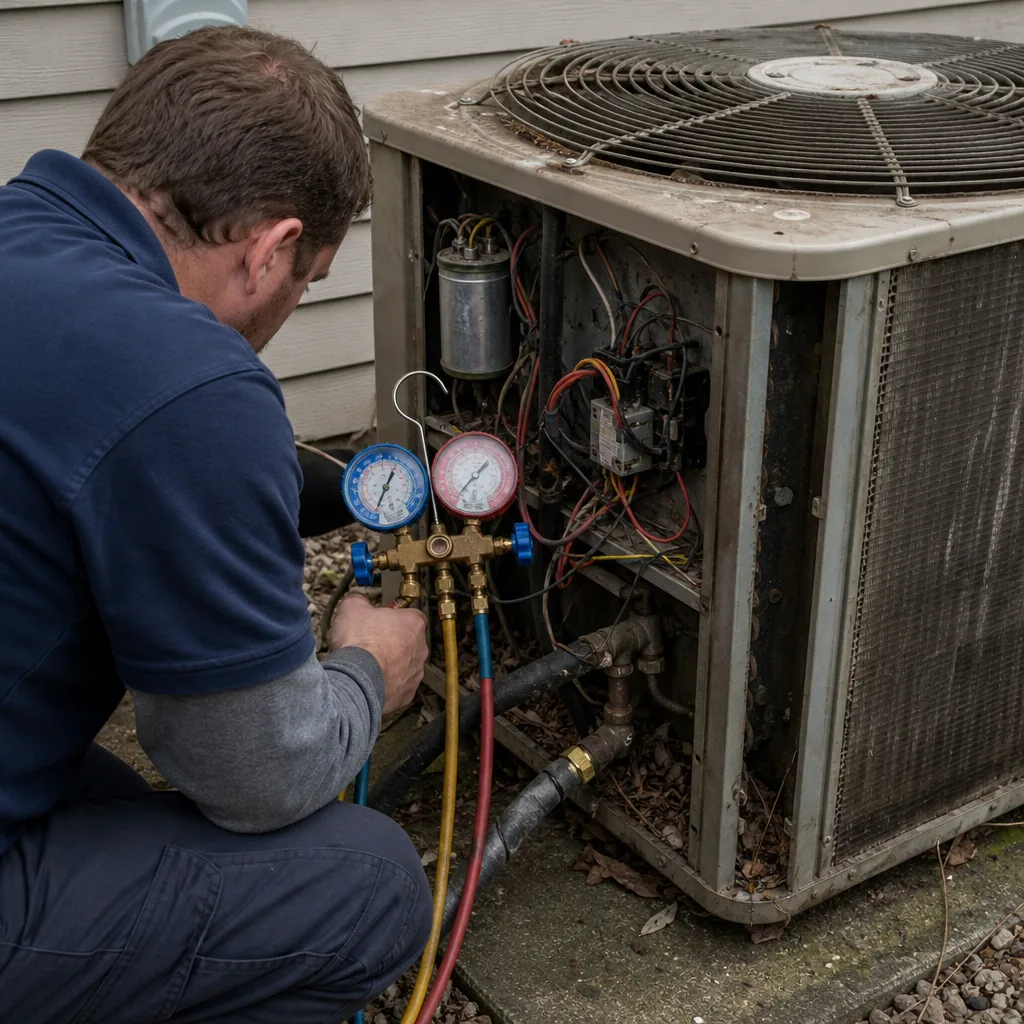 Before
 After
 Before
 After
 Before
 After