
Last updated November 18, 2026
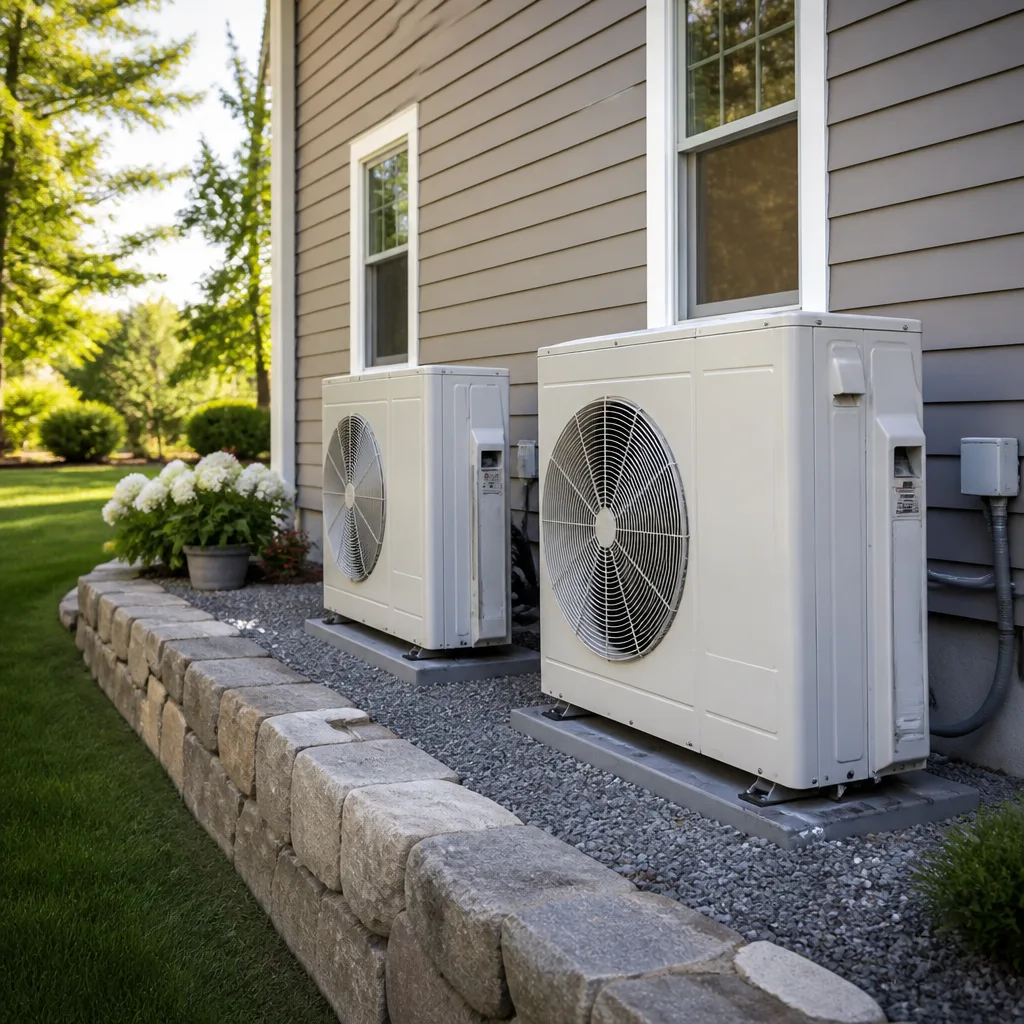 Heat pumps
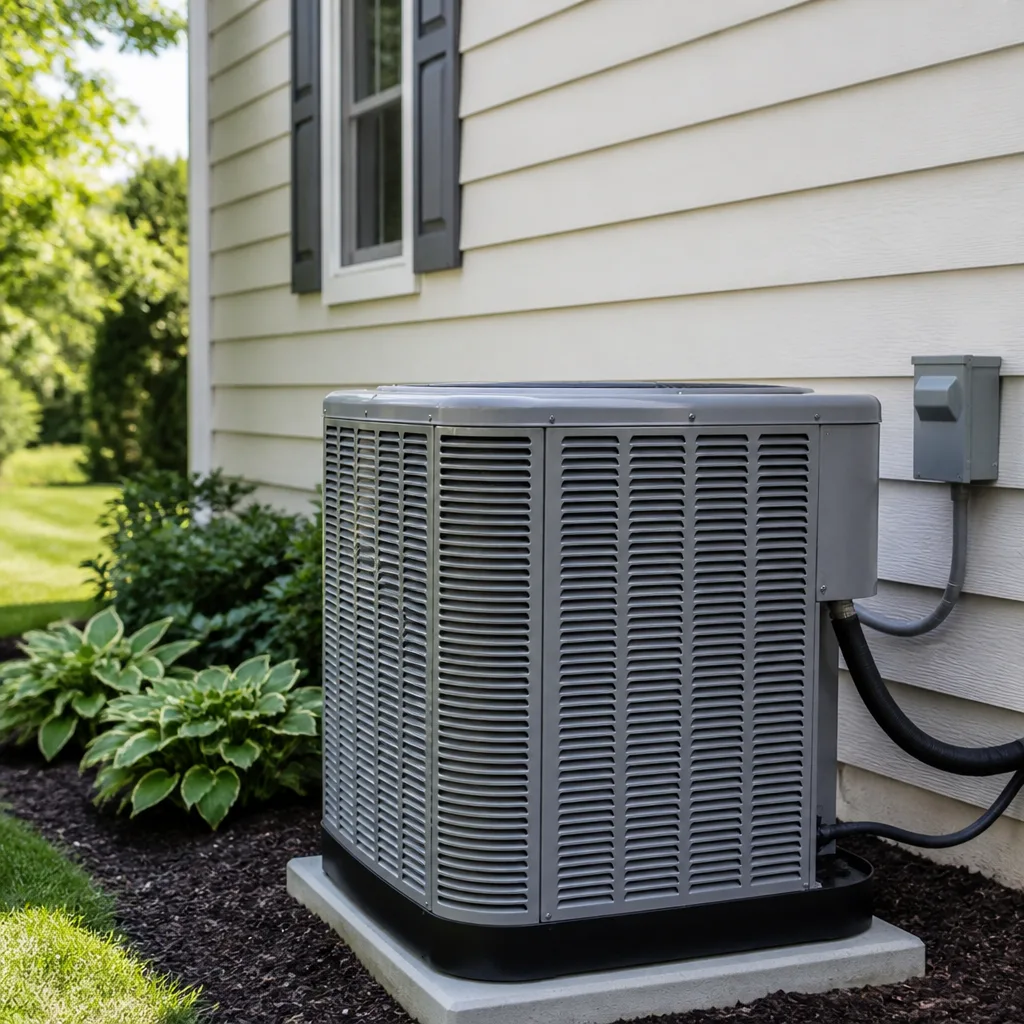 AC repair
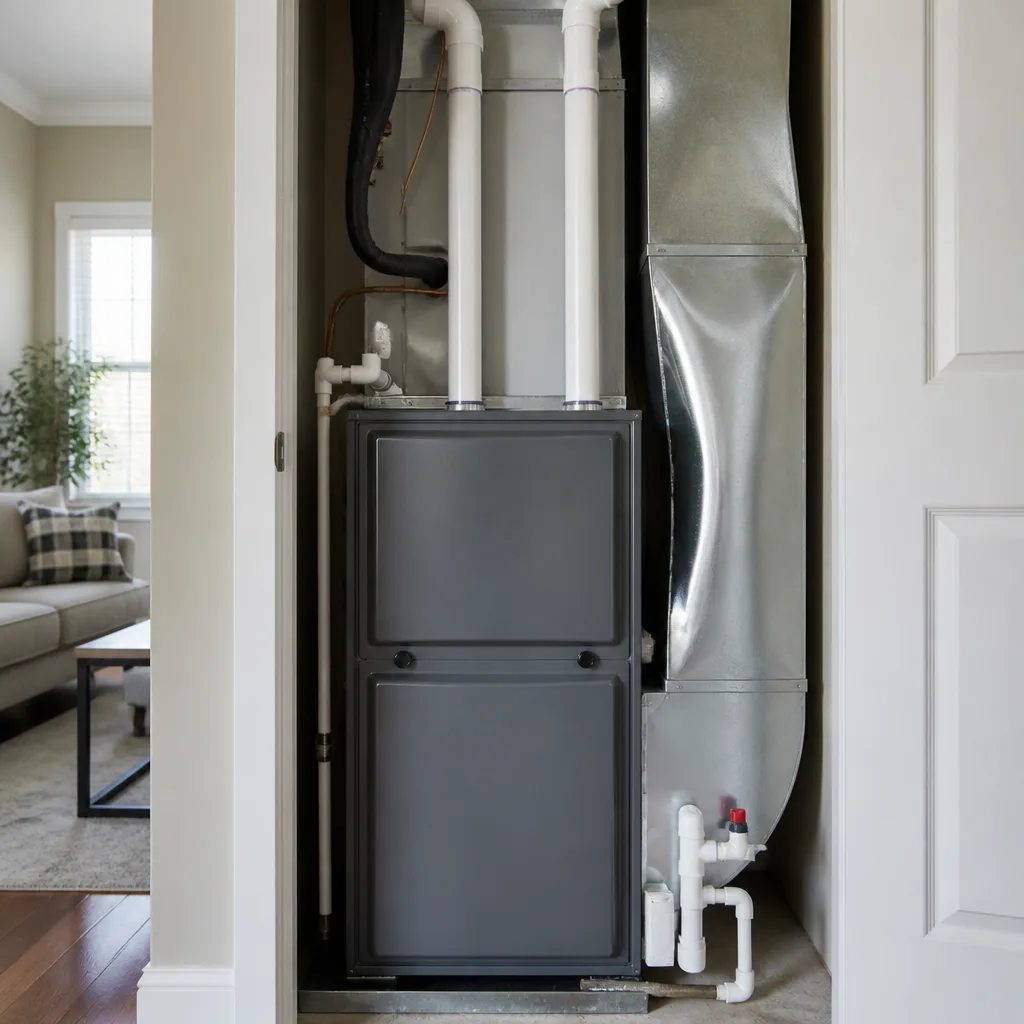 Furnace & heating
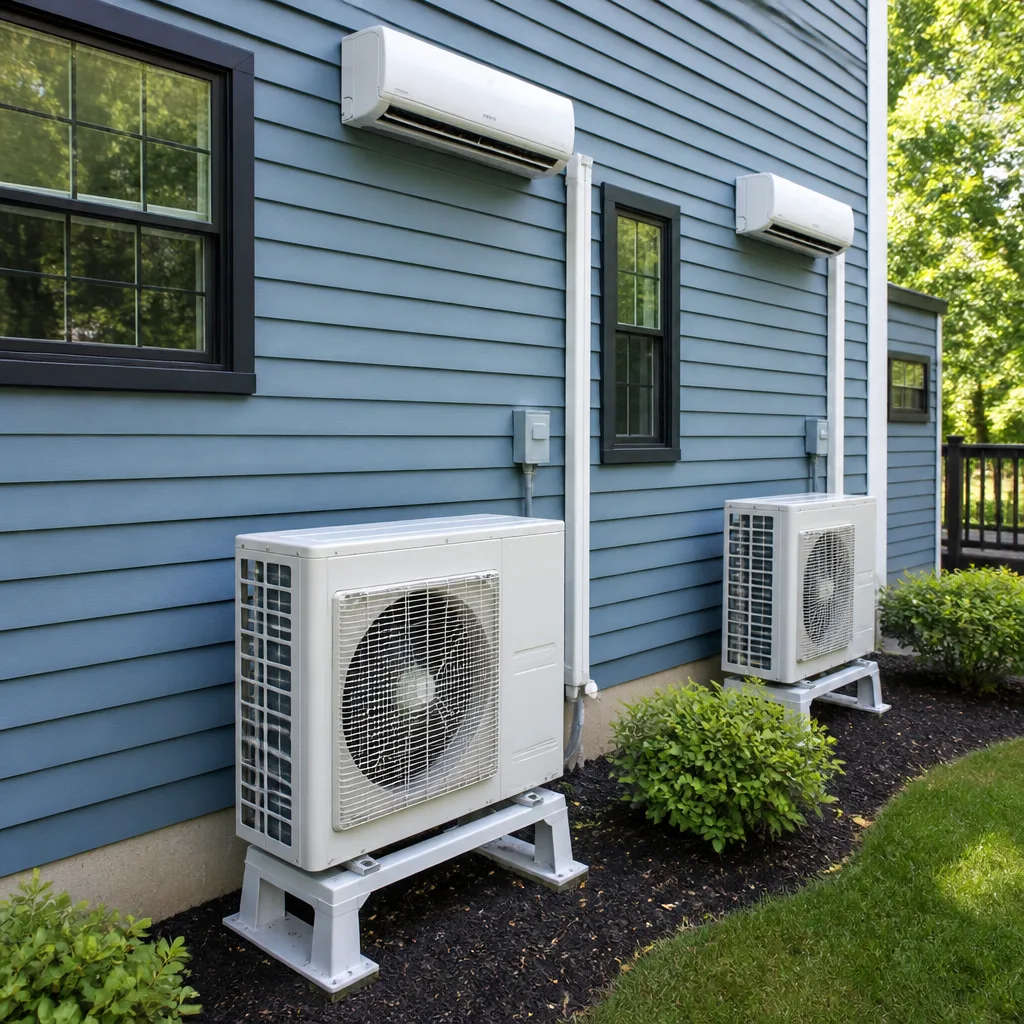 Ductless mini splits
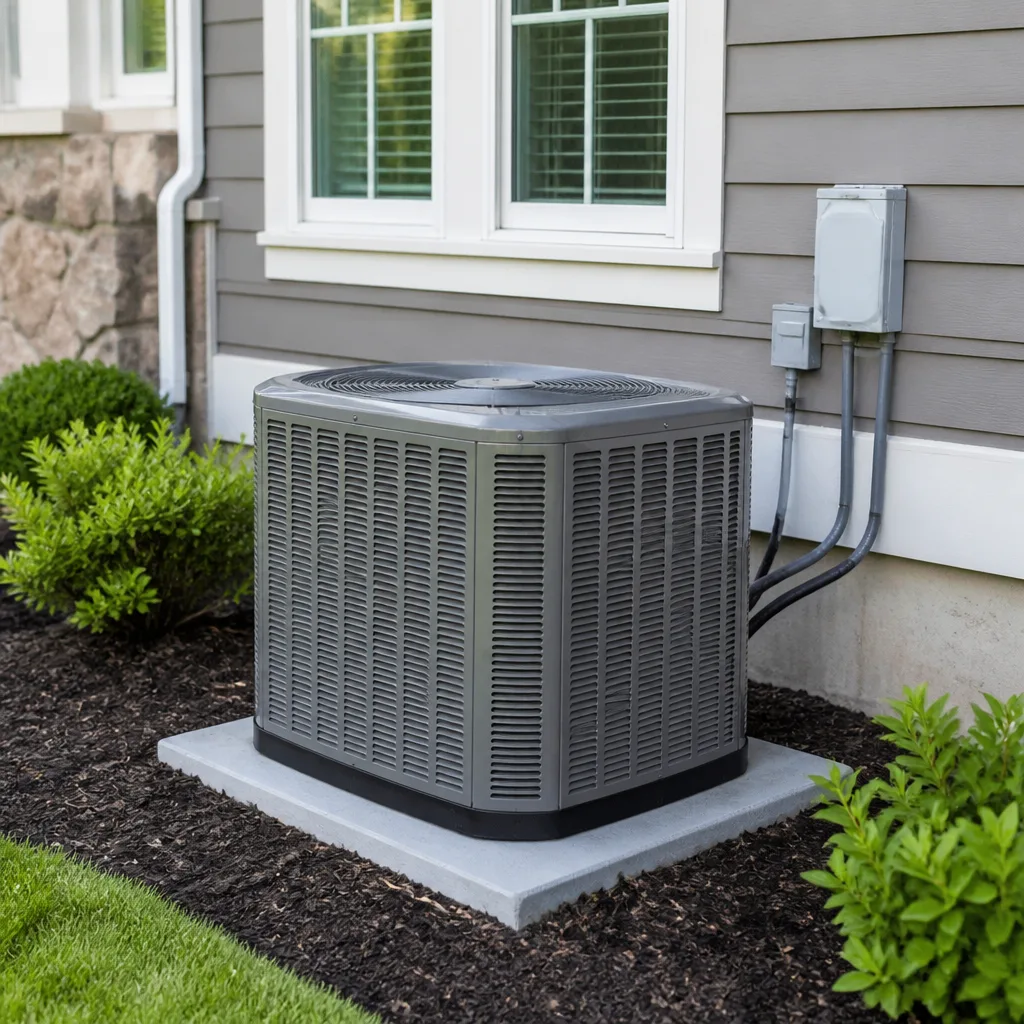 Carrier
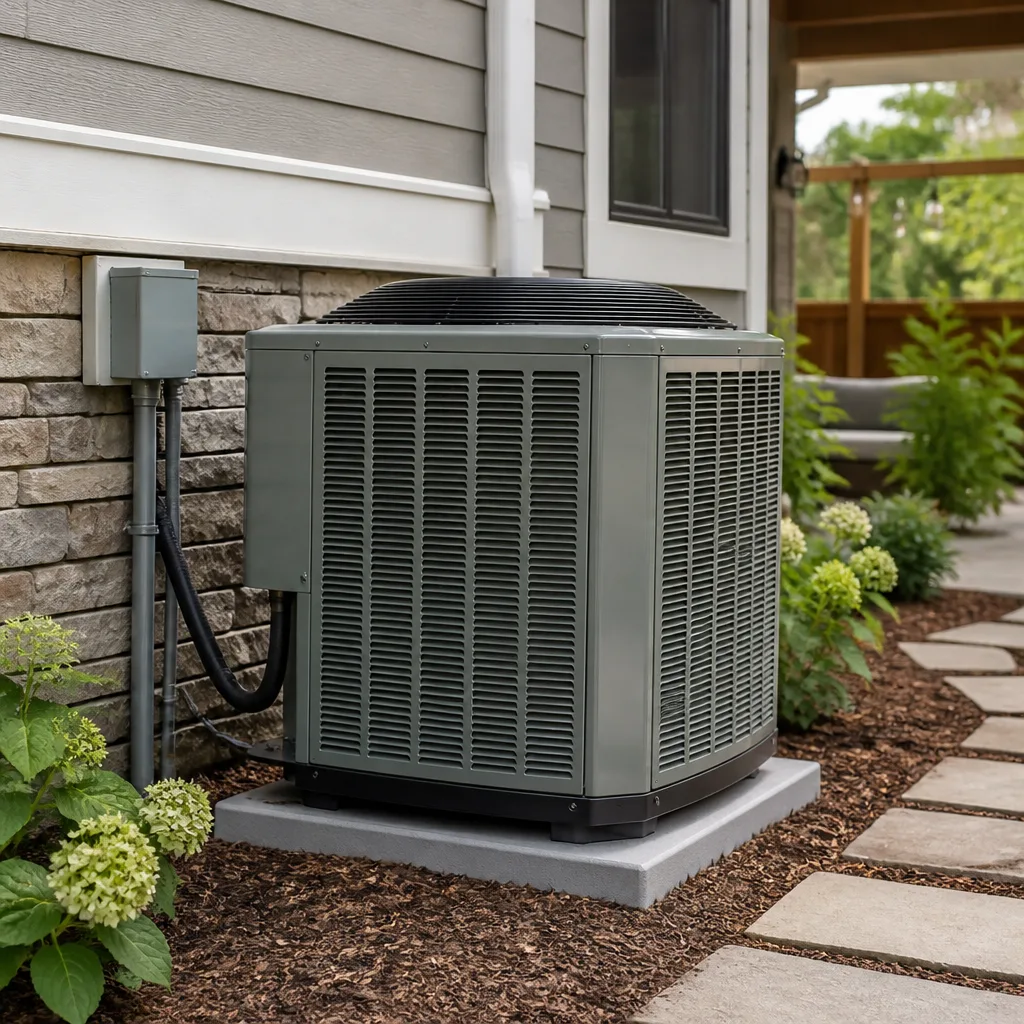 Trane
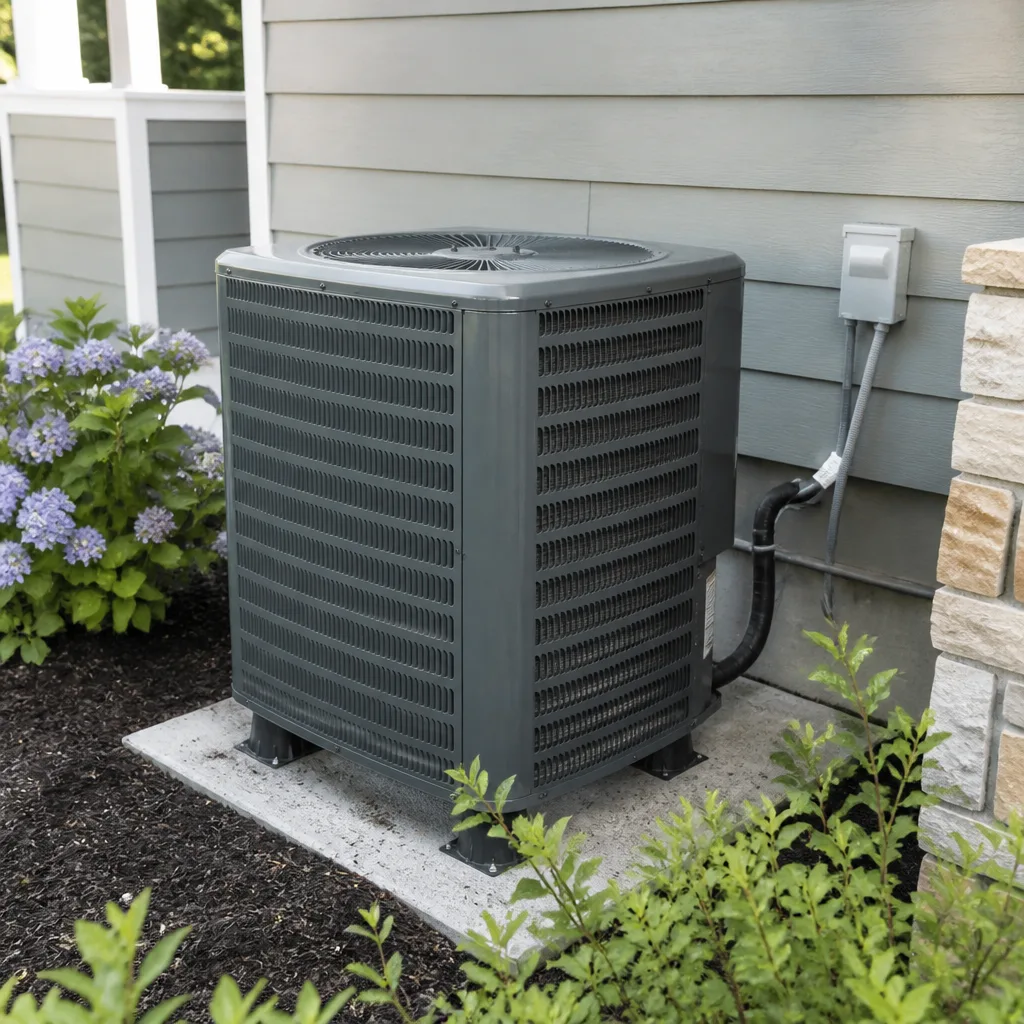 Goodman
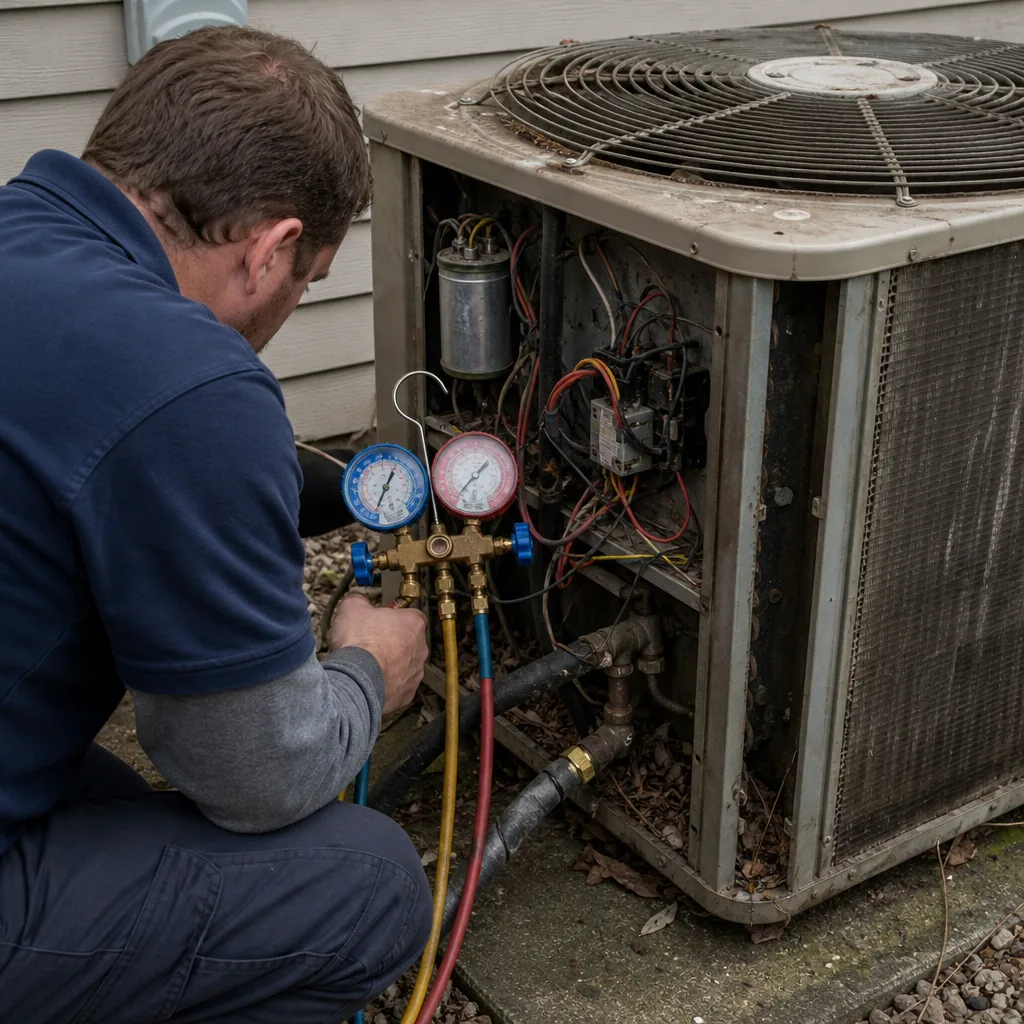
Seasonal tune-up and full diagnostic on your Carrier, Trane, or Goodman system - readings shown to you before any repair is proposed
Diagnosis first, numbers second - you approve the repair price before a single part goes in.
Get your free estimateThe Complete Heat Pump & Mini Split Guide for Whitney Homeowners
Heat pumps lose heating capacity as the outdoor temperature drops, and most published efficiency ratings are measured at 47°F. Whitney’s January nights regularly fall near 18°F. That gap between the lab number and the real number is the single most important thing to understand before you sign a heat pump contract, because it decides whether a system carries your home on a cold night or leans on a backup. This guide covers what ratings actually mean, how elevation changes installation work, what a realistic budget looks like, and how to protect yourself after the crew leaves. It’s written for Whitney homes and Whitney conditions, not repurposed from a coastal template.
Quick Answer
A heat pump or mini split can heat and cool a Whitney home efficiently, but only when it’s sized for high-desert temperature swing and low humidity rather than a mild-climate default. Demand a cold-climate model with a published low-ambient capacity figure, verify the installer accounts for altitude, and budget roughly $4,000 to $7,500 for a single-zone mini split or $14,000 to $26,000 for a whole-home multi-zone system. Cold-climate equipment and a written commissioning promise matter more here than a low bid.
Styles & brands we work with
- AC repair
- Furnace & heating
- Heat pumps
- Ductless mini splits
- Carrier
- Trane
- Goodman
Table of Contents
- Why Whitney’s High-Desert Climate Changes the Math
- Cold-Climate Ratings: What Numbers to Demand
- The Elevation Factor Most Contractors Miss
- What Heat Pumps and Mini Splits Cost in Whitney
- The Hybrid Heat Pump Plus Furnace Solution
- What the 90-Day Done Right Promise Covers
- Common Mistakes to Avoid
- When to Call a Professional
Why Whitney’s High-Desert Climate Changes the Math
Whitney sits in a high-desert pocket where a summer afternoon can hit triple digits and a January morning can drop near 18°F, often within a few months of each other. That spread is hard on equipment, but the low humidity works in your favor. Moisture in the air is what makes a heat pump work hardest to move heat in cold weather, and Whitney’s dry air means the same compressor can do more with less. In practice, a well-chosen heat pump here performs closer to its best case than it would in a humid climate at the same temperature.
What the desert does demand is attention to the swing. A system sized only for the hottest July afternoon can be oversized for the mild months, cycling on and off and never running long enough to dehumidify or to settle into its efficient range. A system sized only for cooling will fall short on the coldest nights. The right approach is a full load calculation that weighs both seasons, using the actual design temperatures for this part of the valley rather than a regional average pulled from a textbook.
We’ve seen spring failures in this part of the valley that trace straight back to a system that was never balanced for the swing. Coils strain, refrigerant pressures run off, and the homeowner assumes the equipment was bad when the setup was the problem. Getting the sizing right the first time is cheaper than fixing it twice. If you want the broader picture on matching equipment to this climate, our Fireside Heating & Air Co. Whitney home page is a good place to start.
Cold-Climate Ratings: What Numbers to Demand
Every heat pump carries an HSPF2 rating, which estimates heating efficiency over a season. It’s a useful starting number, but it’s measured under moderate conditions. The figure that actually matters in Whitney is the low-ambient capacity, the number published at a specific cold outdoor temperature, usually 17°F or 5°F. That tells you how much heat the unit still produces when the mercury drops. Ask to see it in writing before you sign.
Here’s what to demand from any contractor quoting a heat pump in Whitney:
- A low-ambient capacity figure at 17°F or colder, not just an HSPF2 headline number. If the contractor can’t produce it, they haven’t done the cold-weather homework.
- An HSPF2 rating appropriate for the model actually being installed, quoted from the manufacturer’s spec sheet for your unit, not a family average.
- A stated balance point – the outdoor temperature at which the heat pump can no longer meet the home’s heat load – and a plan for what happens below it.
- A commissioning report after install showing refrigerant charge verified, airflow measured, and thermostat calibrated.
- A written backup plan if the system has a supplemental heat source, so you know when it engages and what it costs to run.
Cold-climate models from Daikin, Bryant, and American Standard all publish these numbers. The brand matters less than whether the contractor puts the spec in front of you and stands behind it. A contractor who talks only in efficiency ratings and never in low-ambient capacity is selling you a coastal system for a high-desert home.
The Elevation Factor Most Contractors Miss
Altitude changes how a heat pump behaves. Thinner air at elevation moves less heat per cubic foot, which means airflow calculations that were correct at sea level run lean up here. Refrigerant charge and airflow have to be adjusted to match the actual conditions, and a technician who works from a sea-level chart without correcting for elevation will leave the system either overcharged or starved, and neither one shows up until a hot afternoon or a cold night.
What a careful installer does differently at this elevation:
- Recalculates airflow using the actual altitude, not a standard table.
- Weighs in refrigerant charge rather than relying on pressure alone, then verifies against superheat or subcooling targets adjusted for the site.
- Checks static pressure on the duct system to confirm it can actually deliver the rated airflow.
- Tests the system through a full heating and cooling cycle before calling the job done, not just a quick start-up check.
This is where experience on this specific terrain separates a real installer from a clipboard. Our technicians work on the nine major brands, including Carrier, Trane, and Lennox, and they adjust for the site rather than copying settings from a manual. It’s also a reason to ask specifically how a contractor handles elevation before you hire. A sea-level technician rarely thinks to.
What Heat Pumps and Mini Splits Cost in Whitney
Pricing here runs higher than you’ll see quoted for mild coastal markets, mostly because cold-climate equipment and careful commissioning cost more than standard gear. The ranges below reflect what we’ve seen across Whitney homes of average size and layout. They are not a bid – every house is different – but they give you a realistic anchor before you start collecting quotes.
| System type | Typical installed range |
|---|---|
| Single-zone mini split (one room, cold-climate) | $4,000 – $7,500 |
| Dual-zone mini split | $7,000 – $11,000 |
| Whole-home multi-zone heat pump (ducted) | $14,000 – $26,000 |
| Hybrid heat pump plus gas furnace | $11,000 – $20,000 |
| Electrical panel upgrade (if needed) | $2,000 – $5,500 |
| Duct modification for multi-zone | $1,500 – $6,000 |
What drives the variation is mostly things you can see: how many rooms you’re conditioning, whether the ductwork can carry the airflow, whether the electrical service is ready for a new high-efficiency system, and how far the outdoor unit sits from the rooms it serves. A single-zone mini split for a converted garage or a bedroom addition is a different job than a whole-home system replacing an old furnace-and-coil. If you’re weighing a full replacement, our AC Repair & Installation in Whitney page covers how we build a written fixed price.
The Hybrid Heat Pump Plus Furnace Solution
Some Whitney homeowners love the idea of a heat pump but worry about the coldest week of January. That worry is reasonable, and the honest answer is a hybrid system. A hybrid pairs an electric heat pump for most of the year with a gas furnace as the backup for the coldest nights. The heat pump handles heating and cooling through the mild and moderate months at high efficiency, and the furnace steps in only when the outdoor temperature drops past the heat pump’s balance point.
For a Whitney home, the hybrid setup has a few clear advantages:
- You keep a gas backup for the 18°F nights without giving up the efficient heat pump most of the year.
- The system runs economically across a wider temperature range than either a heat pump alone or a furnace alone.
- If you already have a furnace that’s in decent shape, the conversion can often reuse it, which keeps the total cost down.
- You’re not betting your winter comfort on a single technology.
The trade-off is more equipment and a slightly more involved installation, but for homeowners who want the efficiency of a heat pump without the all-electric gamble, the hybrid is a practical fit. If you’re staying in the same house for the long haul, it’s worth a serious look. Our Heating & Furnace in Whitney page explains how the furnace side of a hybrid is sized and serviced.
What the 90-Day Done Right Promise Covers
A heat pump install isn’t finished when the crew drives away. It’s finished when the system has run through a full heating and cooling season in your home and proven it holds. That’s why we back every install with the 90-Day Done Right Promise, a written guarantee that if anything isn’t right, we make it right. On a heat pump it covers the specific things that only show up after real use.
- Refrigerant charge verification – we confirm the charge is correct for your altitude and the actual line set, and correct it if the first season reveals a drift.
- Airflow balancing – we check that every room gets the airflow it was designed for, and adjust dampers or duct work if one room runs warm or cold.
- Thermostat calibration and programming – we confirm the controls are set for how you actually live, including any balance-point or backup-heat settings on a hybrid system.
- Any call-back within the window – if something isn’t performing as promised, we come back and fix it, no arguing and no paperwork.
That follow-up window matters more on a heat pump than on a straight gas furnace because a heat pump has more moving parts and more ways to be slightly off after install. A furnace that lights and runs is largely done. A heat pump needs its charge, airflow, and controls to line up to perform. The 90-Day Done Right Promise gives that alignment time to prove itself, and gives you a written reason to call us if it doesn’t.
Common Mistakes to Avoid
- Buying on HSPF2 alone. A high seasonal number can hide weak cold-weather performance. Demand the low-ambient capacity figure at 17°F before you sign.
- Letting a contractor skip the load calculation. A system sized by rule of thumb will cycle short in mild months and fall short on the coldest nights. Insist on a full Manual J or equivalent.
- Ignoring elevation. A sea-level installation leaves the system overcharged or starved. Ask how the contractor adjusts refrigerant and airflow for altitude.
- Choosing an oversized system for cooling. Here the swing punishes oversizing. A slightly smaller, well-balanced system outperforms a bigger one that never settles in.
- Assuming the electrical panel is ready. Many Whitney homes need a panel upgrade before a new heat pump goes in. Get that scoped in the quote, not surprised later.
- Skipping the commissioning report. No charge verification, no airflow numbers, no calibration means no proof the install was done right. Ask for the report.
- Hiring on price alone. The cheapest bid rarely covers cold-climate equipment and careful setup. A low number usually means something was left out of the job.
When to Call a Professional
Heat pumps and mini splits involve refrigerant under pressure, high-voltage electrical connections, and a system that has to be sized and commissioned as a whole. This is not a component to diagnose alone, and the refrigerant side in particular is a job for a trained, licensed technician. Call a professional when your existing system is struggling to heat on cold nights, when a mini split is icing up or short-cycling, when you’re getting quotes for a new install and want a second opinion on the numbers, or when your unit’s refrigerant charge or electrical work is in question. Fireside Heating & Air Co. Whitney offers free estimates in Whitney, and we’ll give you a straight answer about repair versus replace. Call (866) 329-8069.
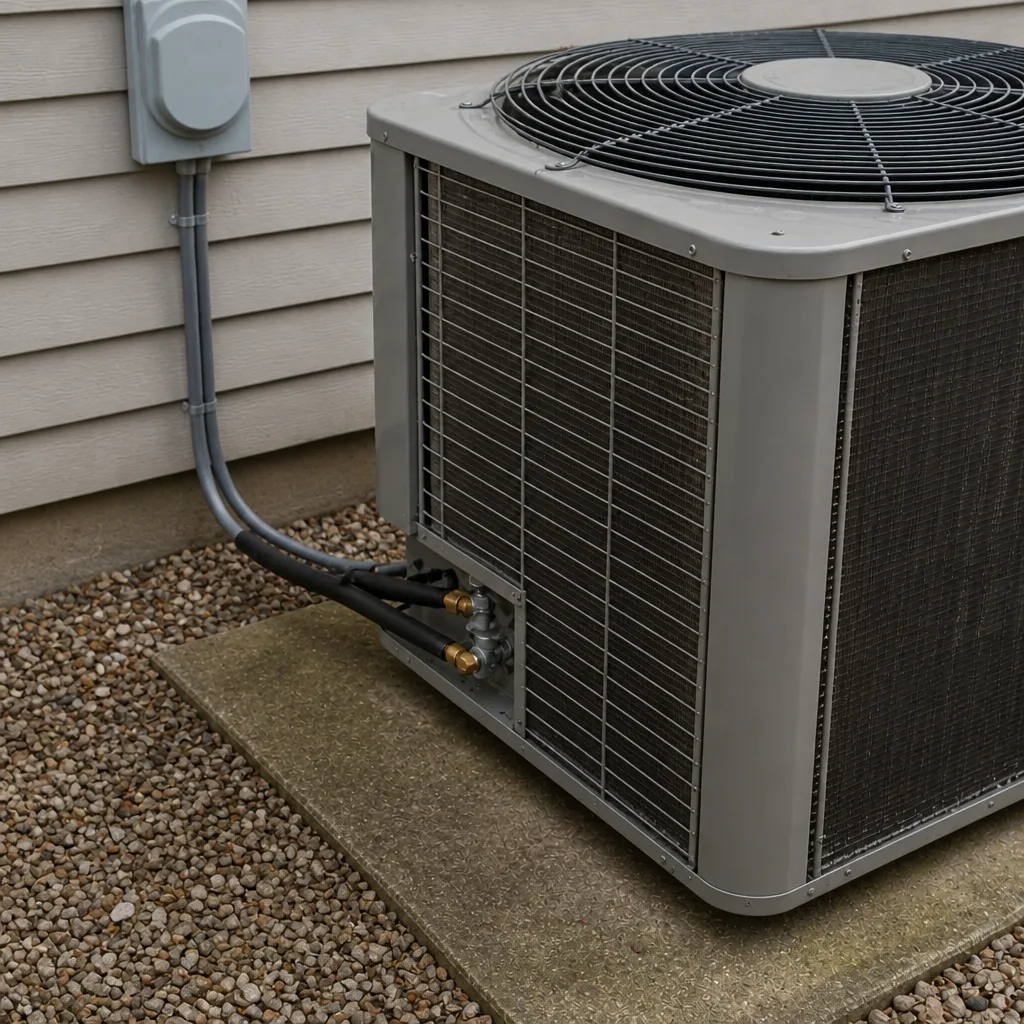
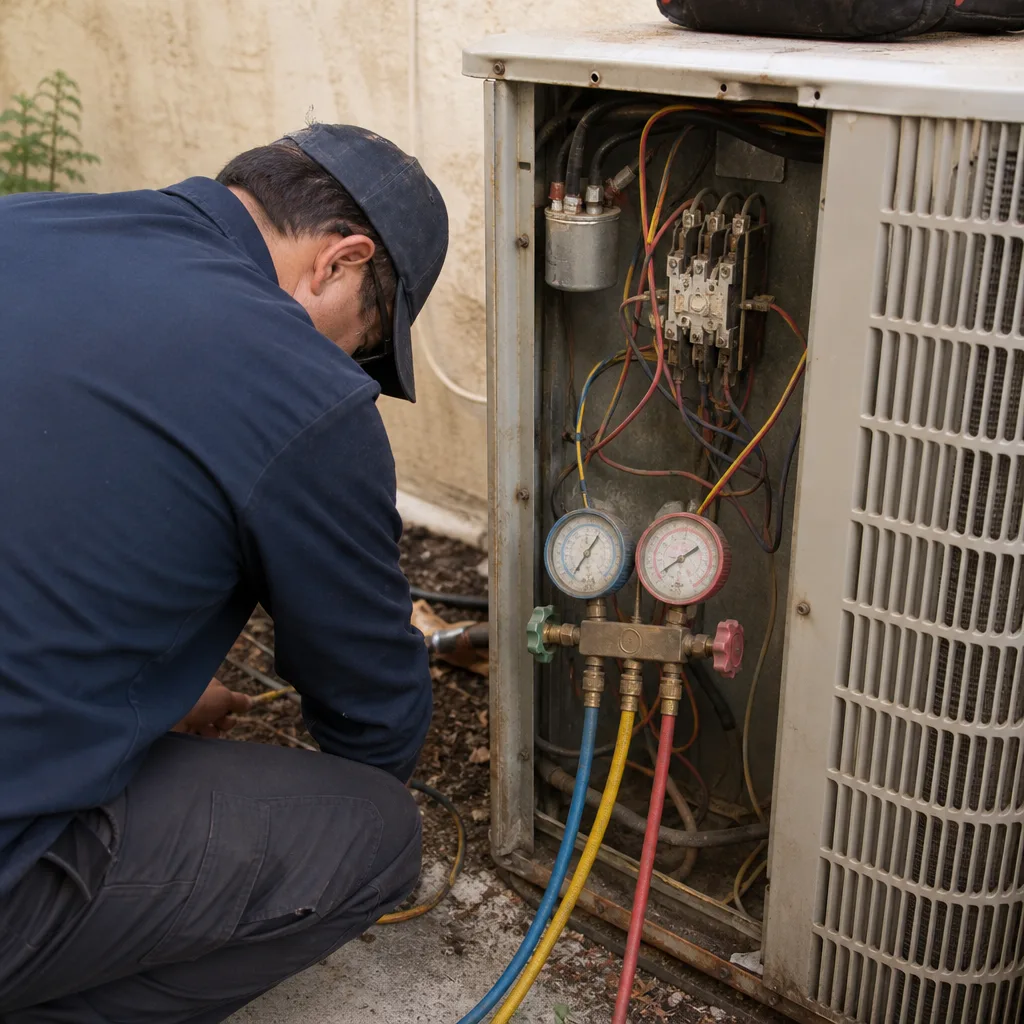
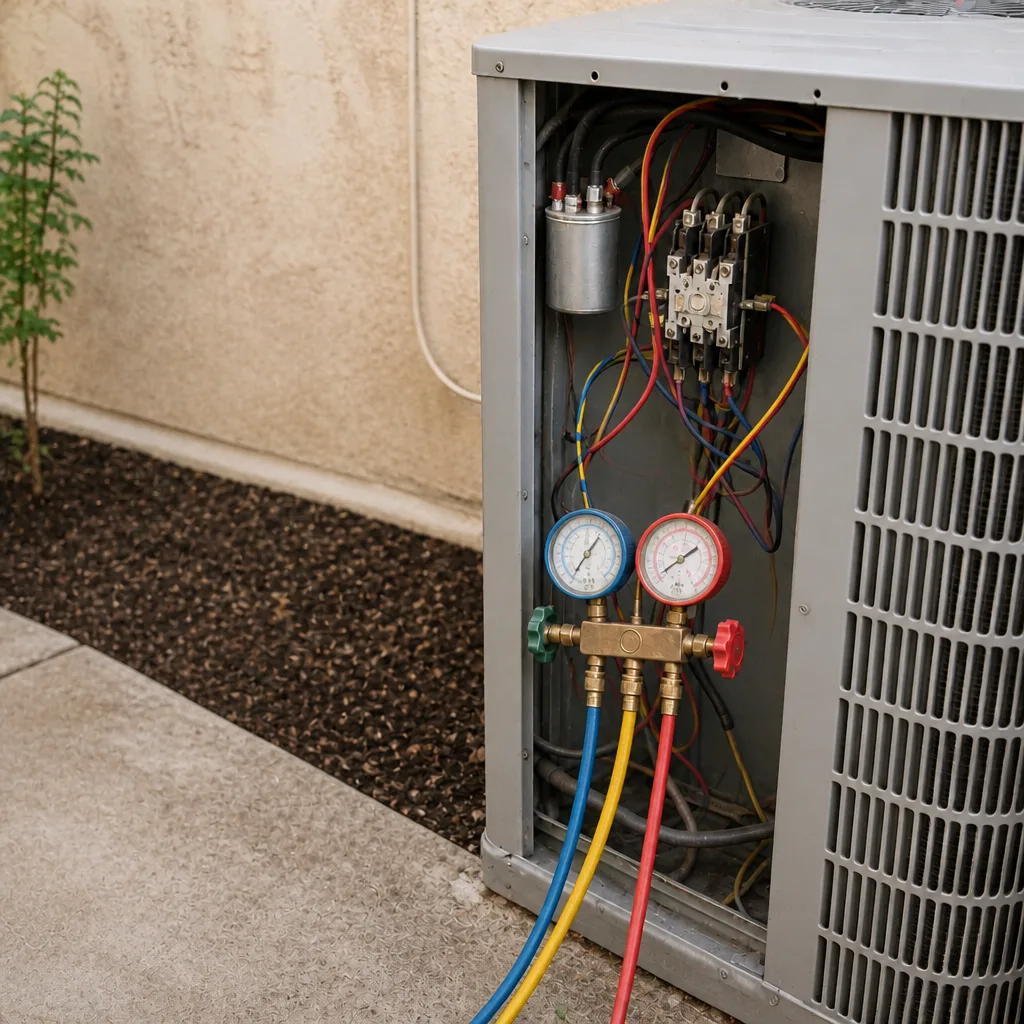
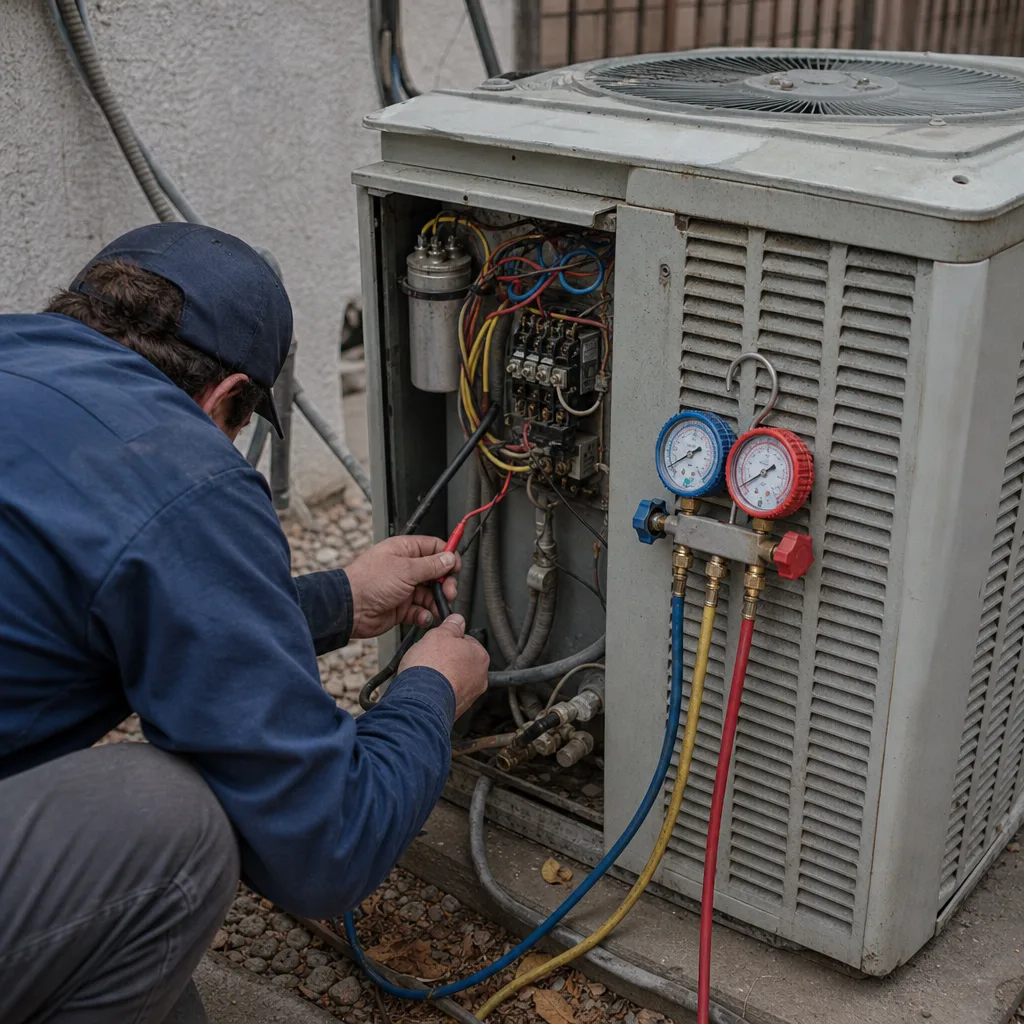
See the difference
 Before
 After
 Before
 After
 Before
 After
Frequently Asked Questions
Yes, if it’s a cold-climate model with a published low-ambient capacity that meets your home’s heat load at Whitney’s design temperature, and if it’s sized correctly. Many homes do fine on a heat pump alone. Homes with higher heat loads or homeowners who want a guarantee on the coldest nights often choose a hybrid heat pump plus furnace. The key is the low-ambient spec and an honest load calculation.
A mini split is a ductless system, usually one outdoor unit serving one or a few indoor heads, and it’s ideal for a single room, an addition, or a space without ducts. A whole-home heat pump is ducted and conditions the entire house from a central air handler. In Whitney, mini splits are popular for converted garages and additions, while whole-home heat pumps replace older furnace-and-coil systems.
A single-zone mini split is typically a one-day job. A whole-home multi-zone heat pump takes two to four days depending on ductwork, electrical work, and the size of the home. We schedule a firm date and don’t promise same-day on a full install, because load calculation and correct commissioning take time.
Federal and utility rebates for high-efficiency heat pumps do exist, and the amounts change. We’ll walk you through what’s currently available and handle the rebate paperwork as part of your quote. Call (866) 329-8069 for an exact figure on your home, and estimates are free.
Icing usually means low refrigerant, restricted airflow, or a defrost cycle that isn’t working right. In Whitney’s cold nights, a system that’s slightly undercharged or has a blocked filter can ice up fast. It needs a technician to diagnose, not a homeowner to reset. Call us and we’ll find the cause.
If the system is under ten years old, well-maintained, and the repair is a single component, repair usually wins. If it’s older, needs a major part like a compressor, or has a history of repeated failures, replacement is often the better spend. We’ll give you both numbers in writing and let you decide. Call (866) 329-8069 for a free second opinion on any written estimate.
The Bottom Line
Whitney’s high-desert climate is friendlier to heat pumps than most people expect, but only when the system is built for the swing and the elevation. Demand the low-ambient capacity figure at 17°F, verify your installer adjusts for altitude, budget from the ranges above rather than a coastal quote, and consider a hybrid if the coldest nights make you nervous. And make sure whoever installs your system stands behind the commissioning. A heat pump is one of the few home investments you can genuinely stop thinking about once it’s done right. For the full range of what we handle, see our Heat Pump & Mini Split in Whitney page.
Fireside Heating & Air Co. is here when you’re ready. We answer the phone with a live person around the clock, quote a price we stand behind, and back every job with the 90-Day Done Right Promise. Call (866) 329-8069 for a free estimate and a straight talk about what your Whitney home actually needs.
Written by the team at Fireside Heating & Air Co. Whitney.