
Last updated November 18, 2026
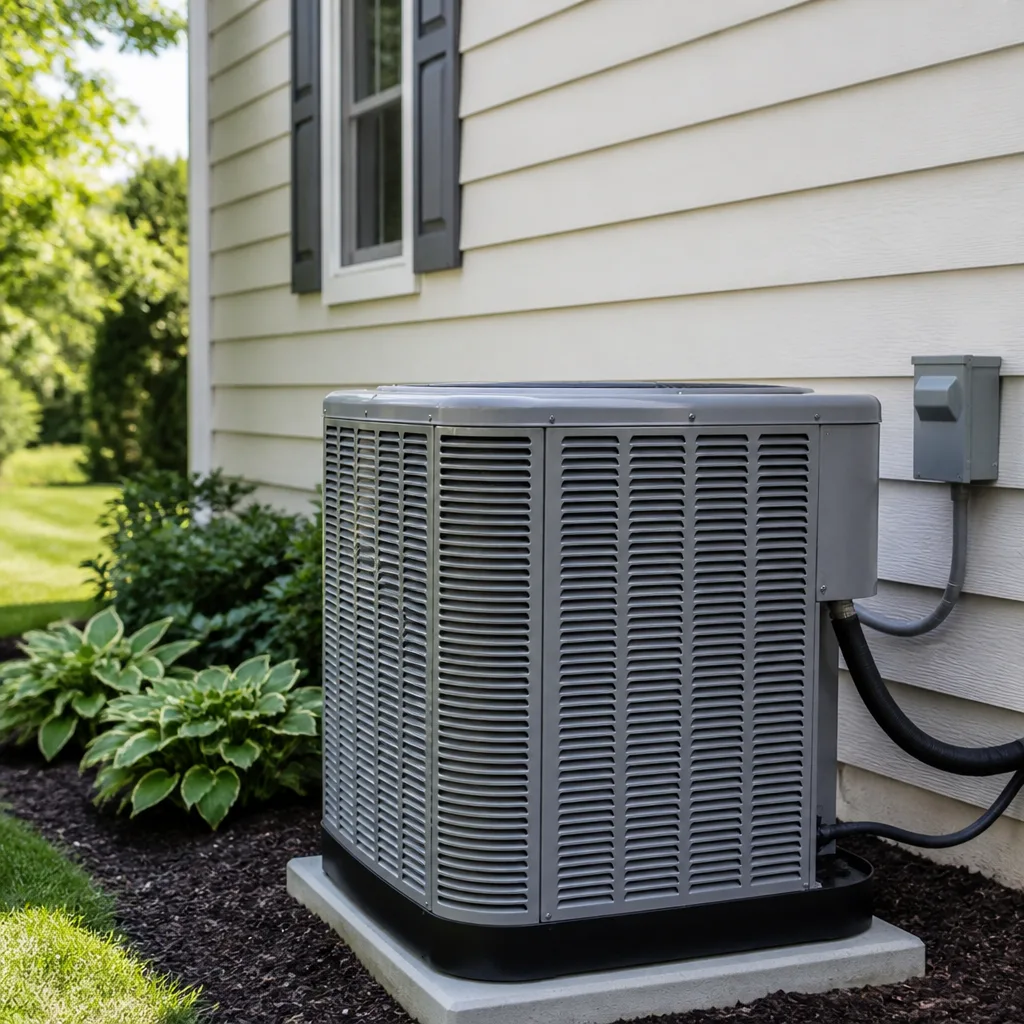 AC repair
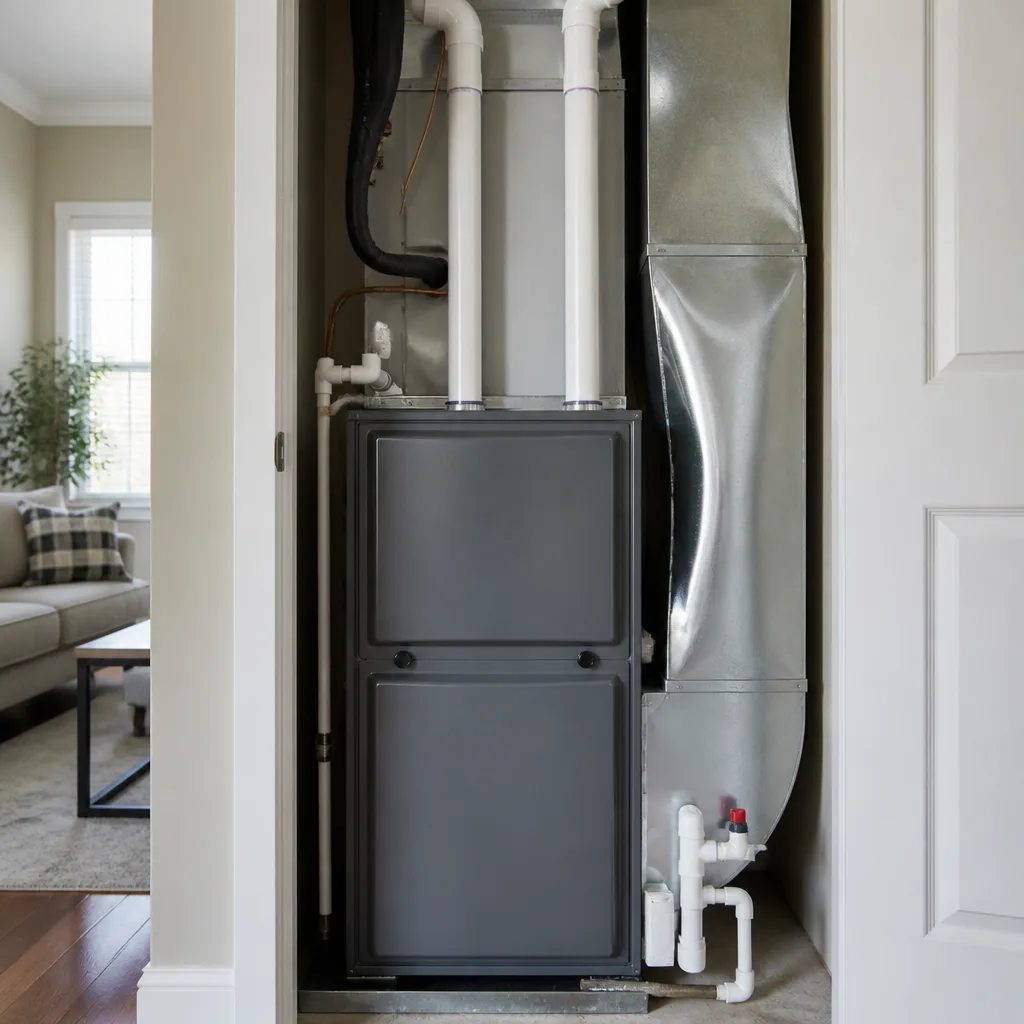 Furnace & heating
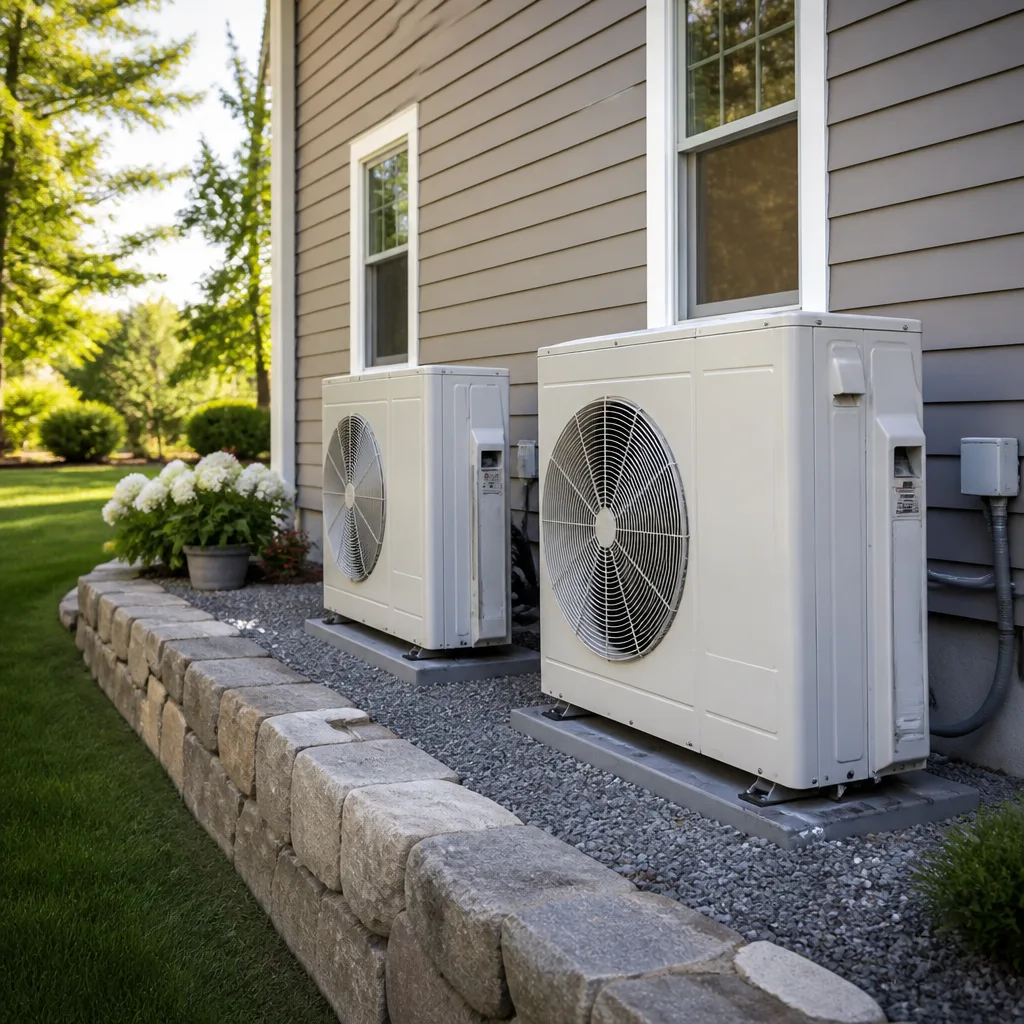 Heat pumps
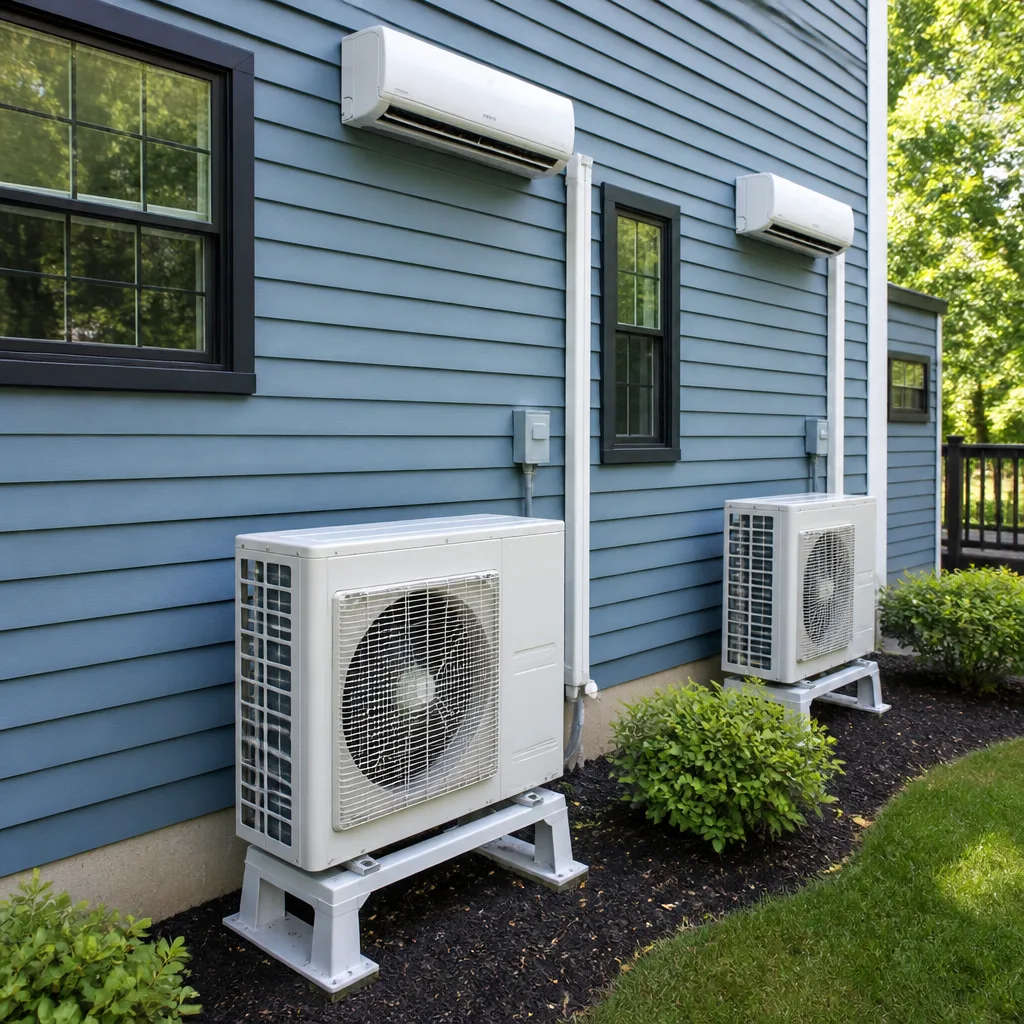 Ductless mini splits
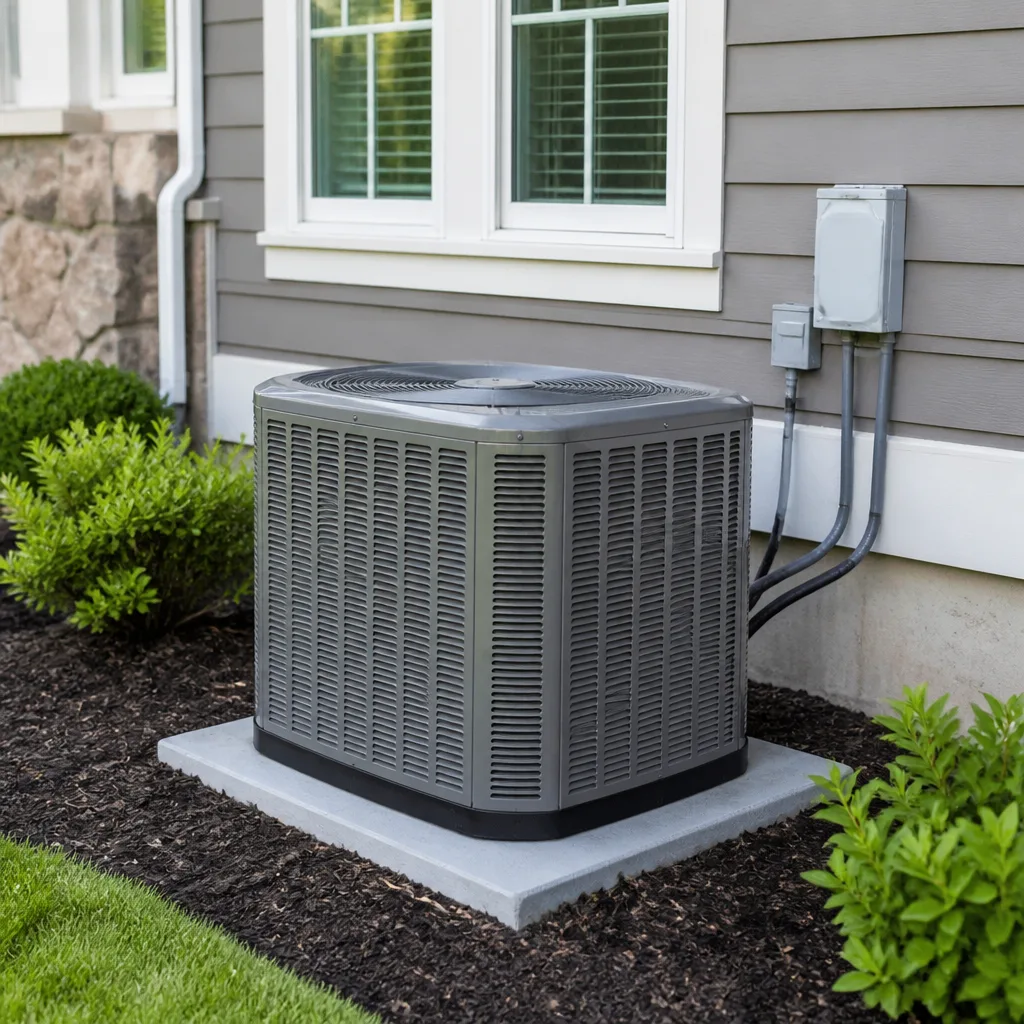 Carrier
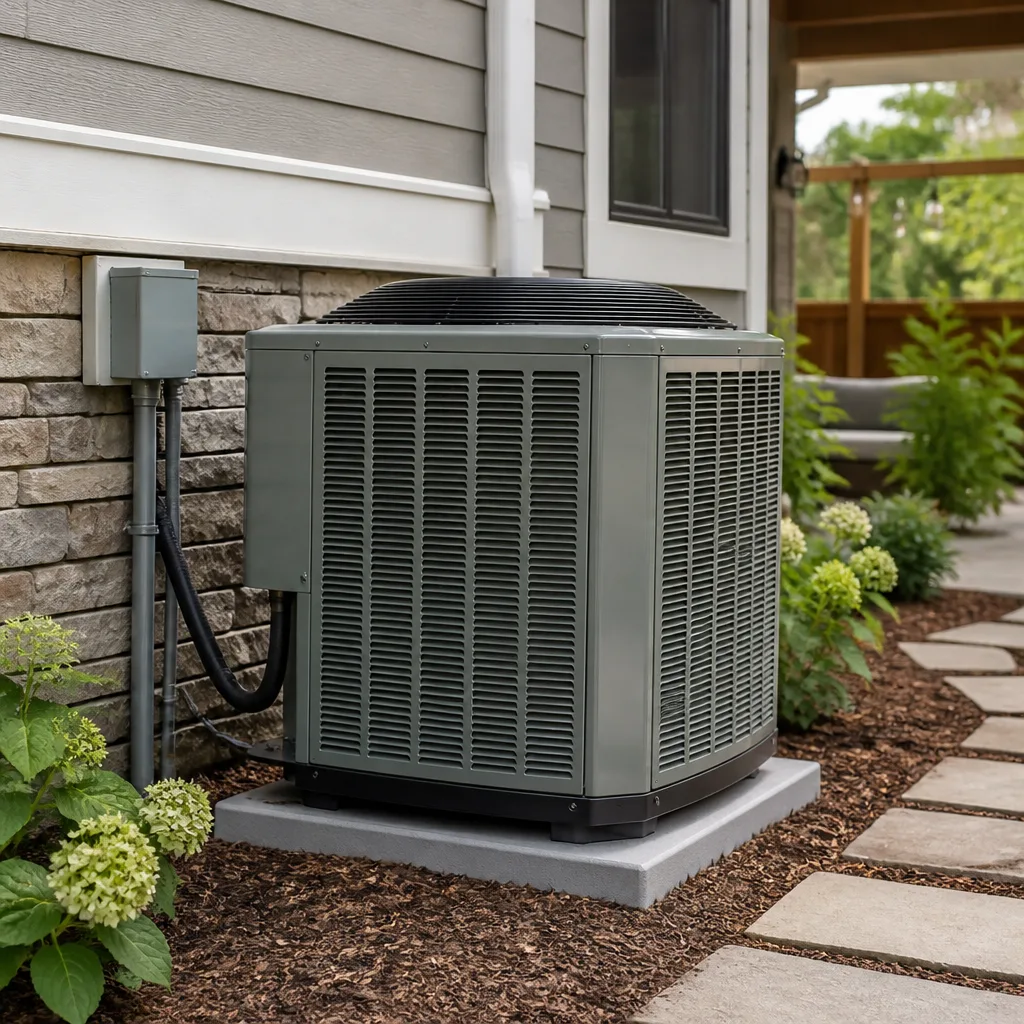 Trane
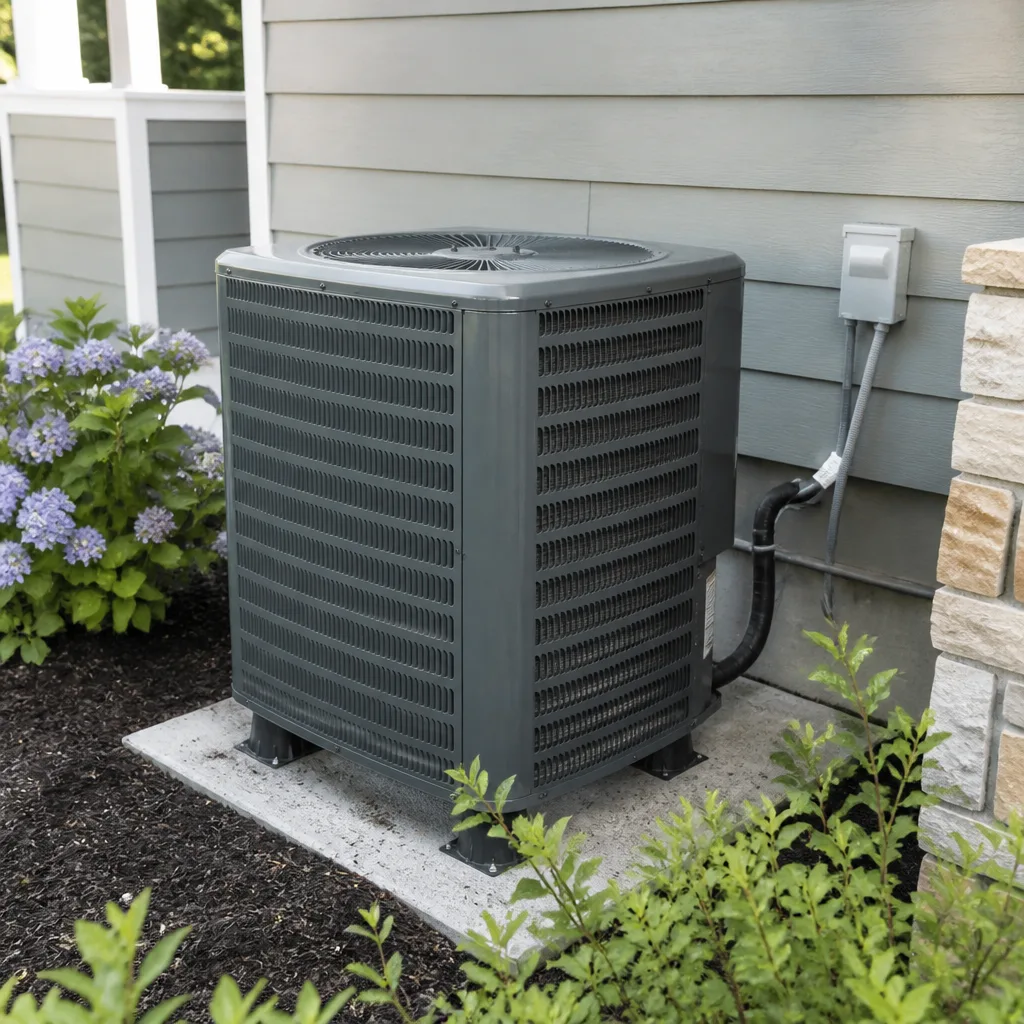 Goodman
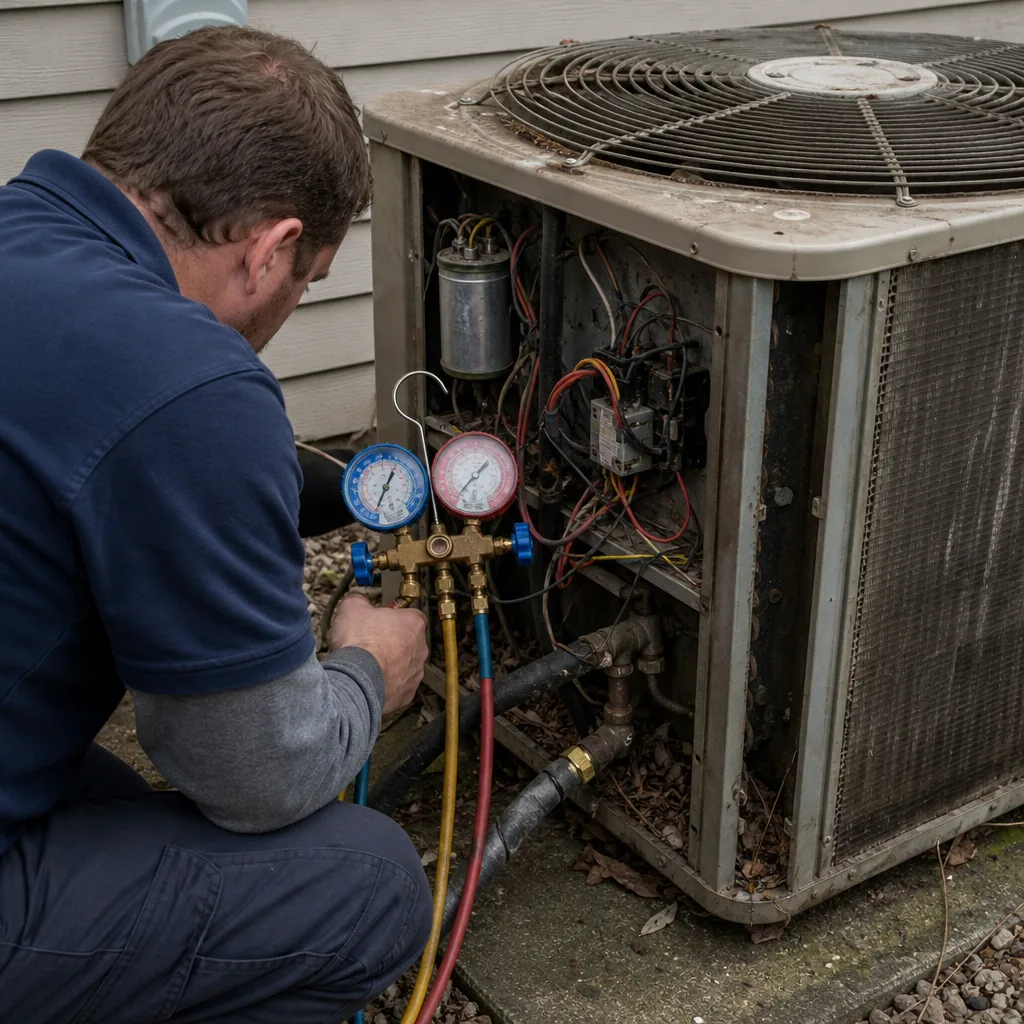
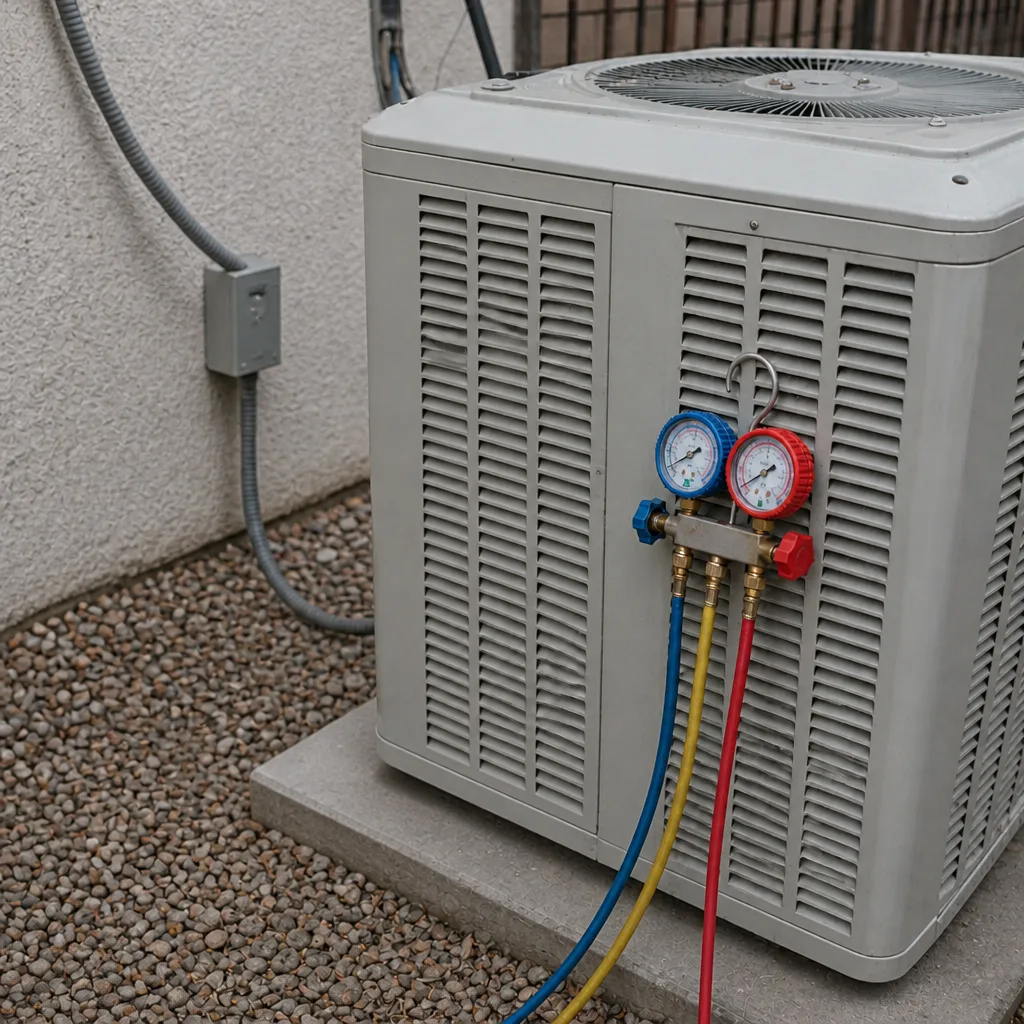
Seasonal tune-up and full diagnostic on your Carrier, Trane, or Goodman system - readings shown to you before any repair is proposed
Diagnosis first, numbers second - you approve the repair price before a single part goes in.
Get your free estimateChoosing the Right HVAC Brand: A Buyer’s Guide for Whitney
Most homeowners shop for an air conditioner the way they shop for a refrigerator. They read the sticker, they ask which name is best, and they assume the label tells the story. Here’s the problem: a top-tier brand installed by an uncertified contractor in Whitney can void the extended warranty before the first summer is over. That warranty is worth more than the name on the cabinet. In a market where the equipment runs hard for most of the year, the brand matters far less than whether the installing contractor is certified to honor it and whether the parts that fail are sitting on a shelf an hour away. This guide covers what actually decides a good equipment decision in Whitney.
Quick Answer
For Whitney homeowners, brand choice matters less than two things: whether the installing contractor is an authorized, certified dealer for that brand, and whether common failure parts are stocked locally in the Las Vegas corridor rather than shipped in over three to five days. A mid-tier brand installed correctly and backed by a certified dealer will serve a Whitney home better over fifteen years than a premium brand installed carelessly. Verify the dealer, check the parts supply, then talk about the label.
Styles & brands we work with
- AC repair
- Furnace & heating
- Heat pumps
- Ductless mini splits
- Carrier
- Trane
- Goodman
Table of Contents
- How Do You Verify a Contractor Is an Authorized Dealer?
- Which Brands Have Local Parts Distribution in the Whitney Corridor?
- Why SEER2 Ratings Work Differently in Whitney’s Long Cooling Season
- Mid-Tier Installed Right vs. Premium Installed Carelessly
- What Voids a Manufacturer Warranty in Whitney
- Equipment Attributes That Hold Up Under Desert Conditions
- What We Recommend After Thousands of Whitney Service Calls
How Do You Verify a Contractor Is an Authorized Dealer?
Every major manufacturer publishes a dealer locator on its own website. Carrier, Trane, Lennox, Goodman, and the rest all maintain a “find a dealer” tool. Before you sign anything, ask the contractor which brand they’re proposing and whether they’re an authorized dealer for that brand. Then look it up yourself on the manufacturer’s site. If the company doesn’t appear as a listed dealer in your ZIP code, that’s your answer.
This matters for a specific reason. Extended warranties – the ten-year parts coverage many manufacturers offer – are typically contingent on installation by a qualified, certified dealer. When a warranty claim comes in, the manufacturer checks. If the installing company wasn’t authorized, the extended coverage is void. You’re left with the base warranty, which is usually far shorter and covers much less.
Here’s the verification sequence we suggest to Whitney homeowners:
- Ask the contractor for the exact brand and model number in writing, on the estimate.
- Ask directly: “Are you an authorized dealer for this brand in Nevada?” Get a yes or no.
- Go to that manufacturer’s website and use the dealer locator with your ZIP code.
- Confirm the contractor’s business name appears as a listed dealer.
- Ask whether they can register the warranty in your name at time of install – a certified dealer can.
If a contractor hesitates on any of those steps, that’s a signal. In Whitney, where summer heat puts every system through a genuine stress test, the warranty is not paperwork – it’s the thing you’ll rely on in year seven when the compressor fails.
Which Brands Have Local Parts Distribution in the Whitney Corridor?
This is the part of the buyer’s guide most homeowners never hear, and it’s the one that decides how long you’re without cooling. When a common component fails – a capacitor, a contactor, a control board, a blower motor – the repair either happens the same day or it doesn’t, and the difference is usually whether the part is sitting in a local warehouse in the Las Vegas area.
In our experience servicing equipment across Whitney and the surrounding valley, the brands with strong local parts distribution in this corridor include Carrier, Trane, Lennox, Goodman, and a few others. That means a local supply house carries the parts, and a same-day or next-day repair is realistic for most common failures.
- Locally stocked in the Las Vegas corridor: Carrier, Trane, Lennox, Goodman, and most of the other major residential names. Common failure parts are typically available same day or next day.
- Two to five day shipping on some components: smaller or less common brands, certain imported systems, and some builder-grade equipment where the local supply chain is thin.
- The honest reality: in a 110-degree Whitney July, a three-day wait on a control board is a serious problem – especially for older homeowners or anyone with health concerns.
Ask the contractor a pointed question: “If my blower motor fails in August, how long until you have the part?” A straight answer here tells you more than any brochure.
Why SEER2 Ratings Work Differently in Whitney’s Long Cooling Season
SEER2 is the current efficiency standard, and the number compares cooling output to energy input over a standardized test. Manufacturers market SEER2 ratings using national average run profiles – a system that runs maybe 1,500 to 2,000 hours a year in a mixed climate. In Whitney, the cooling season effectively runs from April into October, and equipment here can log 3,000 hours or more of cooling operation annually.
That changes the math. A SEER2 rating in the 14 to 15 range on a national-average climate might save a homeowner modestly. In Whitney, the same equipment runs roughly twice as many hours, so the efficiency difference has roughly twice the impact on your power bill over a fifteen-year life. That doesn’t mean you need the highest SEER2 equipment on the market. It does mean the mid-to-upper efficiency tier is usually the smarter buy here than it would be in, say, Ohio or the Pacific Northwest.
- Lower-efficiency equipment (SEER2 near the minimum) can still work in Whitney, but the payback on moving up is quicker here than the national numbers suggest.
- Mid-range efficiency is where most Whitney homeowners land – it’s the sweet spot between install cost and long-term savings in a heavy-use climate.
- Top-efficiency equipment makes sense for some homes, especially those with high sun exposure or large square footage, but the premium isn’t always worth it.
The right number depends on the home – a load calculation, not a guess. Don’t accept a quote based on square footage alone.
Mid-Tier Installed Right vs. Premium Installed Carelessly
We’ve been called to fix installation problems across Whitney for decades, and the pattern is consistent: a premium brand installed with a rushed brazing job, an undersized return, or a refrigerant charge that wasn’t verified will fail years before its time. A mid-tier brand installed with care – correct load calculation, proper duct sizing, verified refrigerant charge, sealed lines, clean work – often runs fifteen years with routine service.
The installer determines the outcome. The brand is the tool; the tradesman is the hand. That’s not a knock on premium brands. Carrier and Trane build good equipment. But a good machine in careless hands is a bad machine.
What “installed right” actually looks like:
- Room-by-room load calculation (Manual J or equivalent), not a rule of thumb.
- Duct inspection and sizing review – undersized ducts are the single most common Whitney installation flaw we find.
- Refrigerant lines properly brazed with nitrogen flowing, then pressure-tested and evacuated to spec.
- Charge verified by superheat or subcooling – not “close enough.”
- Written record of the startup readings, handed to you at the end of the job.
If a contractor can’t walk you through those five steps, the brand name on their quote won’t save you.
What Voids a Manufacturer Warranty in Whitney
Manufacturer warranties have specific conditions, and Whitney homeowners get surprised by them more often than they should. The most common voids: installation by an uncertified dealer, missing or falsified startup records, and installation that doesn’t follow the manufacturer’s specifications.
- Uncertified installer: the extended parts warranty is void in most cases.
- No startup documentation: many manufacturers will deny a claim without it.
- Mismatched system components: a brand-new outdoor unit paired with an incompatible indoor coil can void the coverage and shorten the equipment’s life.
- Unpermitted electrical work: if the disconnect or breaker wasn’t done to code, the manufacturer may decline coverage on electrical failures.
- Improper refrigerant handling: charge errors, missing leak checks, or non-compliant recovery.
The warranty is a contract. Read it, or have the installer walk you through it. If they can’t, that’s a sign.
Equipment Attributes That Hold Up Under Desert Conditions
Whitney sits in the Mojave, and equipment here faces what we call a hard-knock life – long cooling hours, huge diurnal temperature swings in spring and fall, blowing dust during monsoon season, and persistent low humidity. A machine rated well for a coastal climate can struggle here.
Attributes that consistently hold up in Whitney service:
- Coils with factory-applied protective coating. Dust and airborne debris shorten unprotected coil life out here.
- Scroll compressors over reciprocating designs. They handle the load cycling better and typically last longer in heavy-use conditions.
- Variable-speed blower motors. They cost more upfront, but they’re quieter, more efficient, and gentler on ductwork.
- Sealed, fully-brazed refrigerant circuits. Cheap connections and loose fittings leak – and leaks are the number one cause of premature compressor failure we see in Whitney.
- Two-stage or variable-capacity compressors for homes with long run hours. They run longer at lower capacity, which is easier on the equipment and more comfortable.
- Good outdoor cabinet construction. Wind and dust are hard on sheet metal and fan blades.
None of these are brand-specific. Every major manufacturer makes units with these attributes and units without them. The attribute matters more than the badge.
What We Recommend After Thousands of Whitney Service Calls
We’ve serviced every major residential brand across the Whitney area for decades – Carrier, Trane, Lennox, Goodman, Rheem, York, Daikin, Bryant, and American Standard. We’re trained to work on all of them, and we don’t push one brand over another. What we do push: the right equipment for the home, installed by a certified dealer, with parts available locally.
When homeowners ask us which brand to buy, our answer is usually this:
- Pick a contractor you trust first. Ask about certifications, warranty handling, and local parts availability.
- Let that contractor do a load calculation. The right size and configuration matters more than the label.
- Choose equipment in the mid-to-upper efficiency range – the sweet spot for Whitney’s long cooling season.
- Verify the installation will be documented in writing, with startup readings handed to you.
- Register the warranty in your name, in writing, before the first invoice is paid.
That sequence, honestly followed, will serve you better than any brand ranking. Our technicians have up to eight years of experience each and work under a written 90-Day Done Right Promise on every job – if something isn’t done right, we make it right. That’s not a brand decision. It’s a company decision. And in our book, that’s the one that matters. You can read more about our Fireside Heating & Air Co. Whitney home and how we work.
Common Mistakes to Avoid
- Buying on the brand name alone. A premium label without a certified installer behind it is a paper warranty and a headache in year five. In Whitney, where the equipment runs hard, that shortcut shows up fast.
- Not verifying dealer status on the manufacturer’s site. Ask the contractor, then confirm it yourself. A five-minute lookup can save you thousands in denied warranty claims.
- Skipping the load calculation. Many Whitney homes have undersized ductwork from a previous install, and a bigger unit on undersized ducts cools worse than a smaller one sized correctly.
- Accepting a quote over the phone. A real estimate requires looking at the home – return air, duct condition, electrical, and attic access. Phone quotes are guesswork.
- Ignoring local parts availability. A three-day wait on a control board during a Whitney July is not the place to save a few hundred dollars on equipment.
- Not registering the warranty. Many extended warranties require registration in your name within a specific window. Do it, or have the installer hand you proof.
- Letting a contractor talk you out of the second opinion. If the quote feels off, get a second look. Our standing offer is a free second opinion on any written estimate – and we mean any, from any company, in Whitney.
See the difference
 Before
 After
 Before
 After
 Before
 After
When to Call a Professional
Some decisions – equipment selection, sizing, installation – should never be made over the phone or off a spec sheet. If you’re choosing a replacement system, if a contractor quoted you something that didn’t include a load calculation, if a warranty claim was denied, if a brand-new install is already failing, or if a company is telling you they’re an authorized dealer and something feels off – that’s the moment to bring in a trained professional. Fireside Heating & Air Co. Whitney offers free estimates in Whitney – call (866) 329-8069. A live person answers every call, day or night, and the price we quote is the price you pay. If we walk your home and tell you your ducts are the problem, you’ll get straight talk, not an upsell.
Frequently Asked Questions
There’s no single best brand for Whitney. The right question is which brand your installer is an authorized dealer for, and whether that brand’s parts are stocked locally in the Las Vegas corridor. Carrier, Trane, Lennox, and Goodman all have strong local dealer and parts networks in this market. Confirm dealer status on the manufacturer’s own website before signing.
Ask the contractor directly which brand they’re proposing and whether they’re an authorized dealer, then verify it yourself using the manufacturer’s online dealer locator with your ZIP code. Your contractor’s business name should appear in the results. If it doesn’t, the extended warranty on that equipment is likely void. Call (866) 329-8069 if you want a second opinion on any written estimate – ours is free.
In most cases, yes. Manufacturer extended warranties typically require installation by a certified or authorized dealer, and they frequently require startup documentation submitted by that dealer. A premium brand without proper installation paperwork can lose years of coverage. The label on the cabinet doesn’t override the warranty contract.
Manufacturers compute SEER2 savings based on national average run hours – roughly 1,500 to 2,000 cooling hours a year. Whitney systems often run 3,000 or more hours because the cooling season lasts from April into October. That means the efficiency difference between tiers translates to roughly twice the savings impact here. Mid-to-upper efficiency equipment is usually the smart buy in Whitney, and it’s worth getting an exact quote before you decide.
Rebate programs change regularly through NV Energy and federal tax credits, and they vary by equipment tier and efficiency rating. Ask any contractor to confirm what’s currently active before you sign. We’ll walk you through what applies to your specific equipment at the estimate. Call (866) 329-8069 for current details.
If the system is under ten years old and the repair is under a third of replacement cost, repair usually wins. Past twelve to fifteen years in Whitney heat, with a repair over $2,500 or repeated failures, replacement is typically the better long-term decision. Get a written quote on both, then decide. We’ll give you honest numbers either way – no pressure, no upsell.
The Bottom Line
In Whitney, the best HVAC brand is the one your contractor is certified to install, can honor the warranty on, and can get parts for locally. Carrier, Trane, Lennox, and Goodman all have strong dealer networks here – but so do several others. Do the verification, demand a load calculation, register the warranty, and pick a contractor you trust before you pick a label. A good installer makes a mid-tier brand last fifteen years. A careless installer wastes a premium one in five. That’s the decision that matters – and it’s not on the box.
If you’re weighing a replacement, have a quote in hand, or want a straight second look at what another contractor proposed, call Fireside Heating & Air Co. Whitney at (866) 329-8069 for a free estimate. The phone is answered by a live person around the clock, the price quoted is the price paid, and every job is backed by our written 90-Day Done Right Promise. You can also read up on our AC Repair & Installation in Whitney, Heating & Furnace in Whitney, and Heat Pump & Mini Split in Whitney services before you call.
Written by the team at Fireside Heating & Air Co. Whitney.