
Last updated November 18, 2026
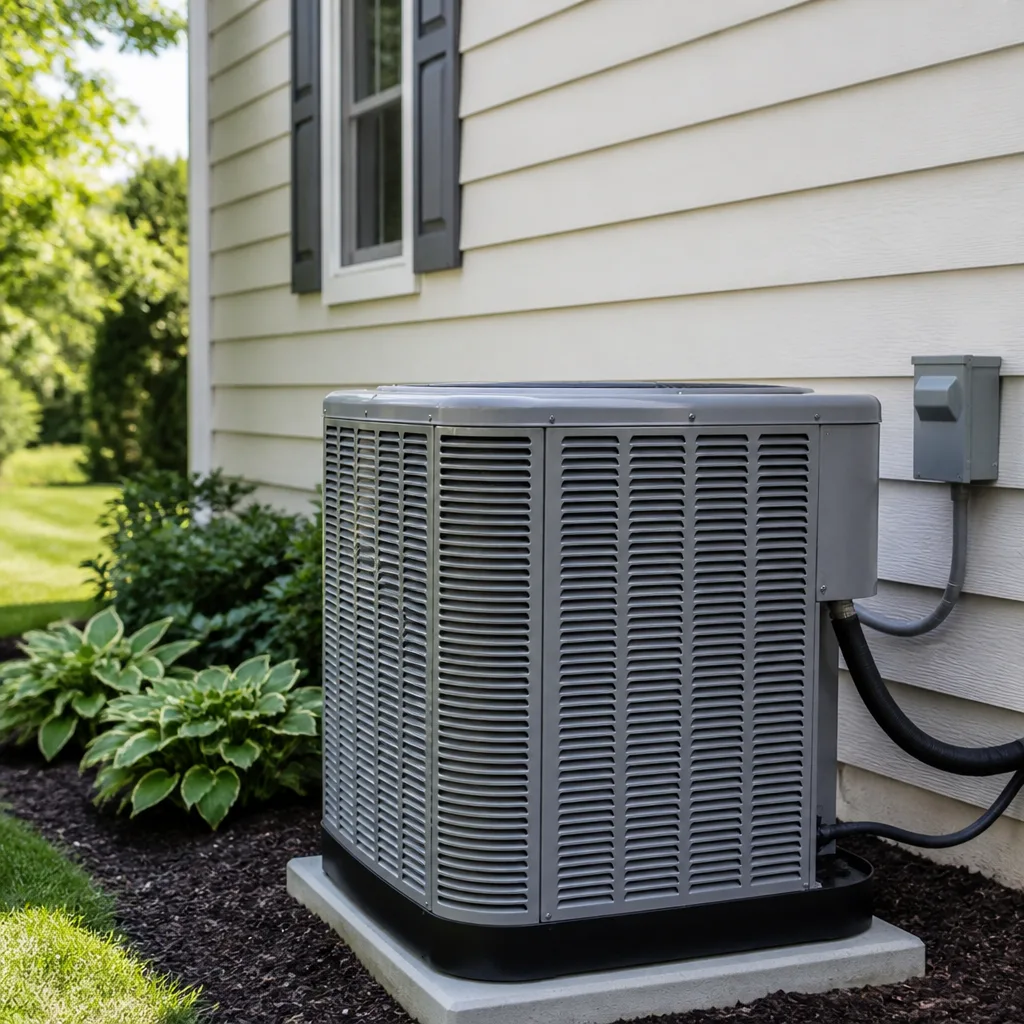 AC repair
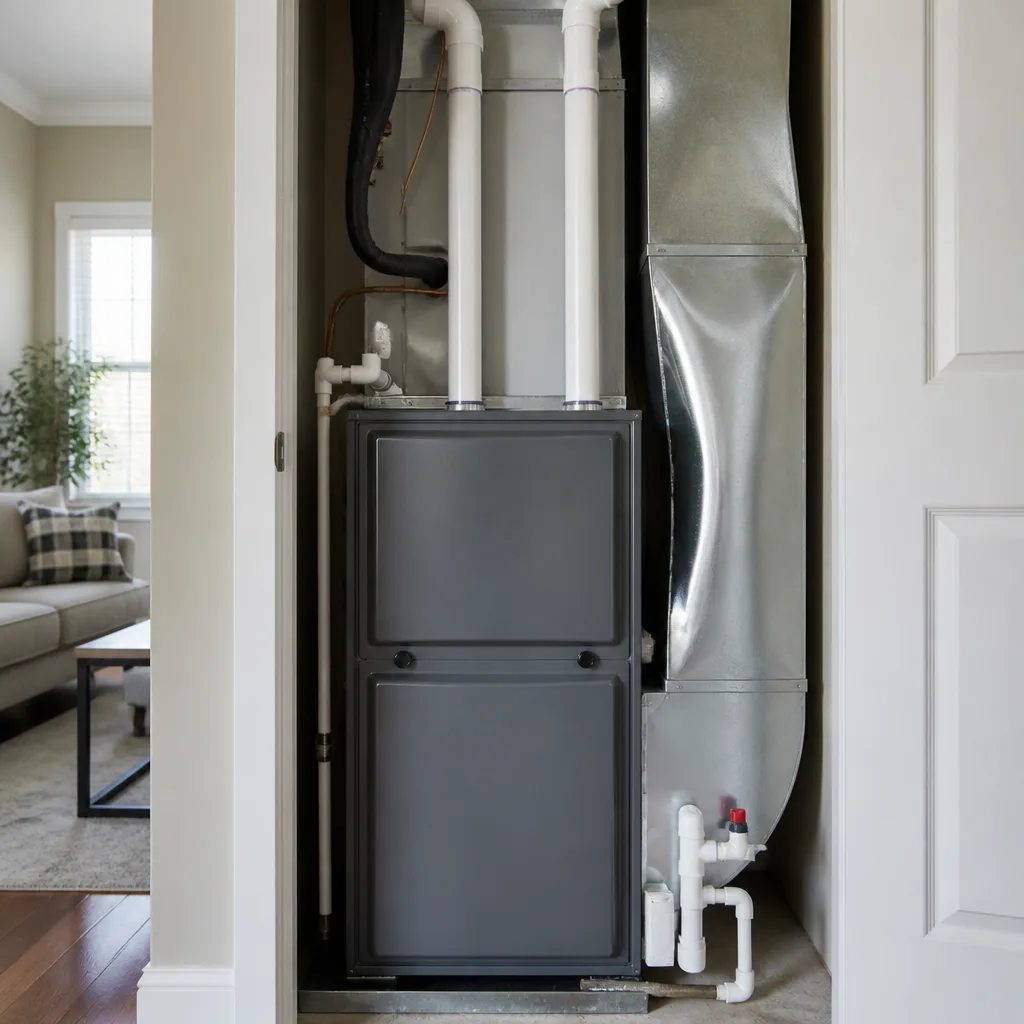 Furnace & heating
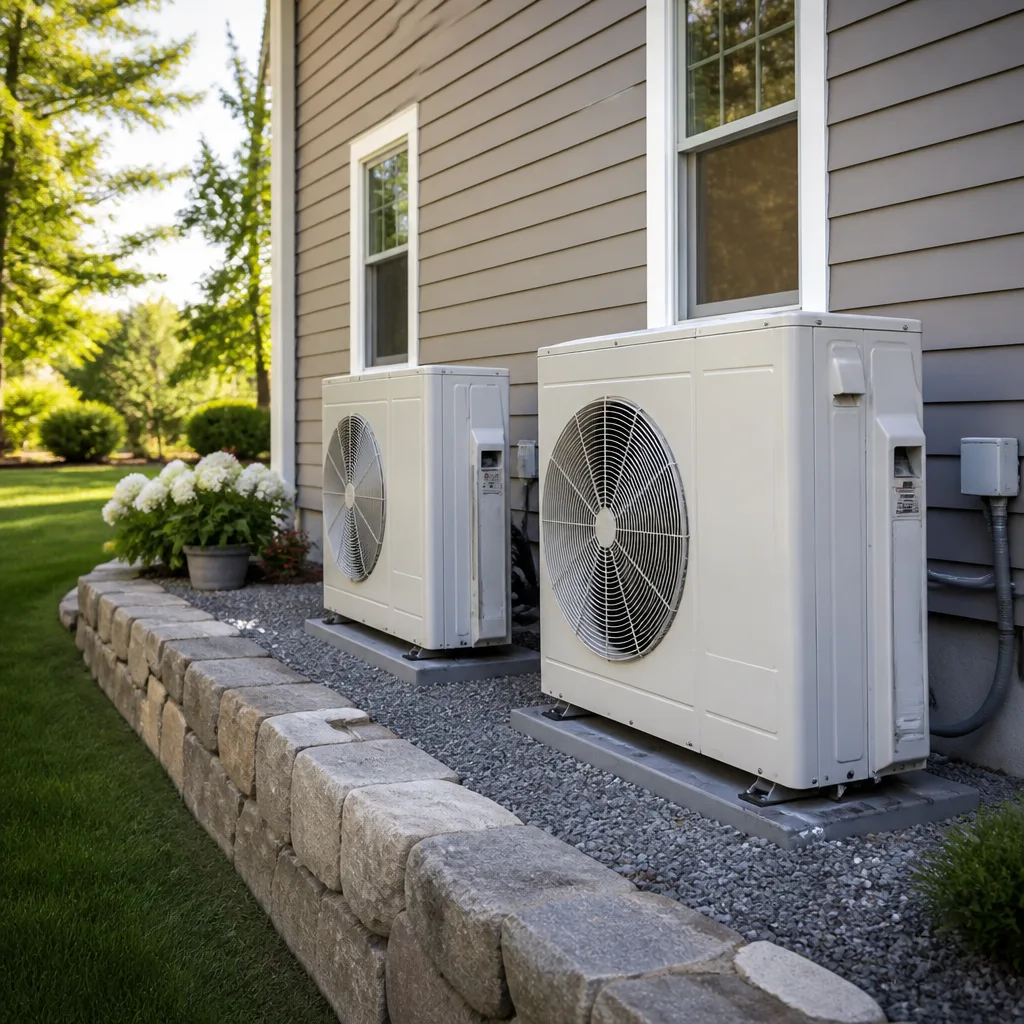 Heat pumps
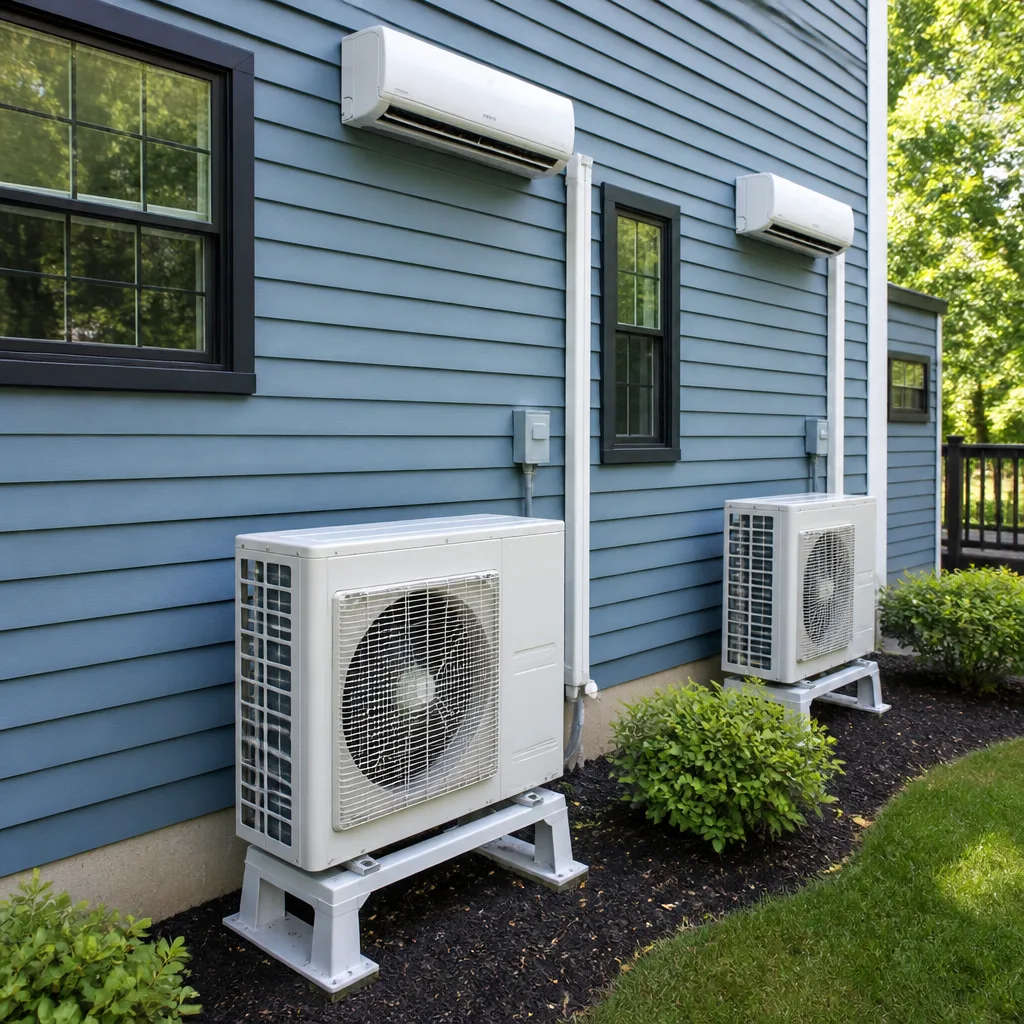 Ductless mini splits
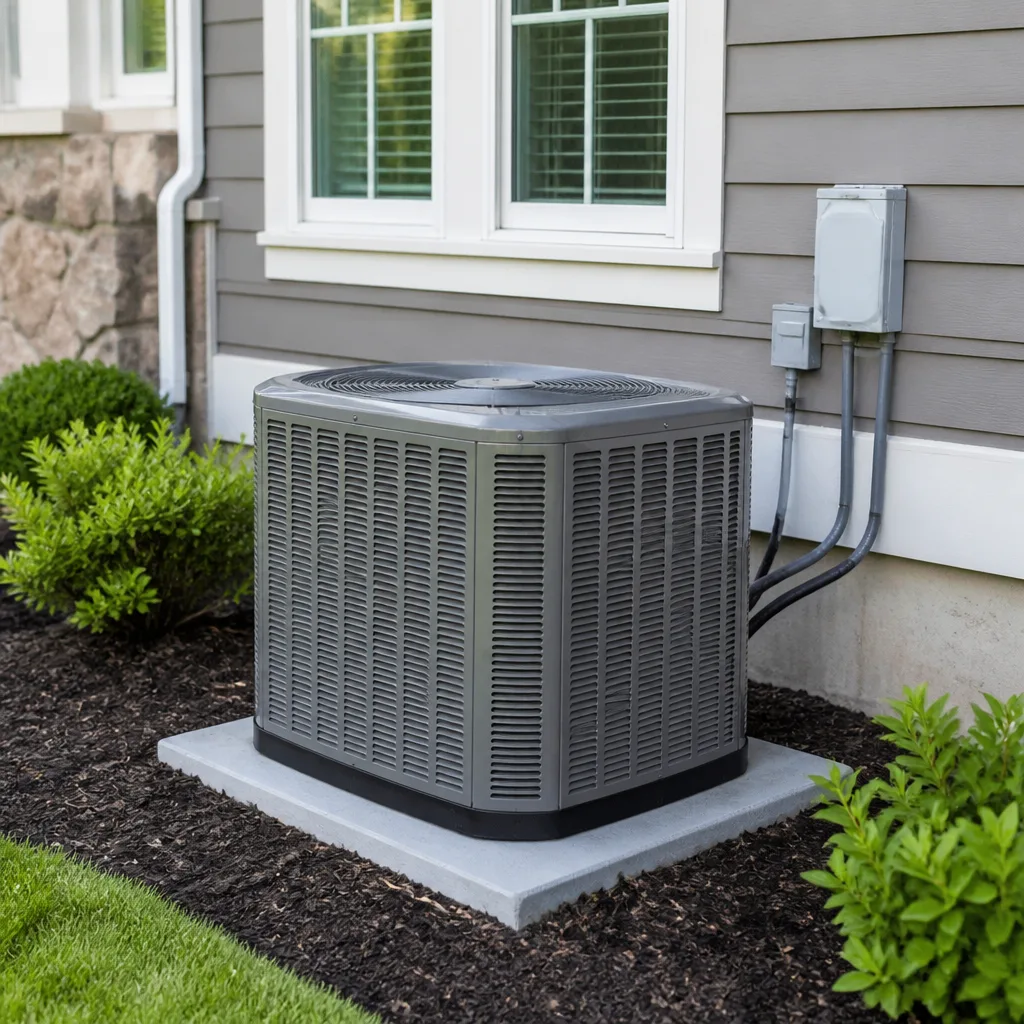 Carrier
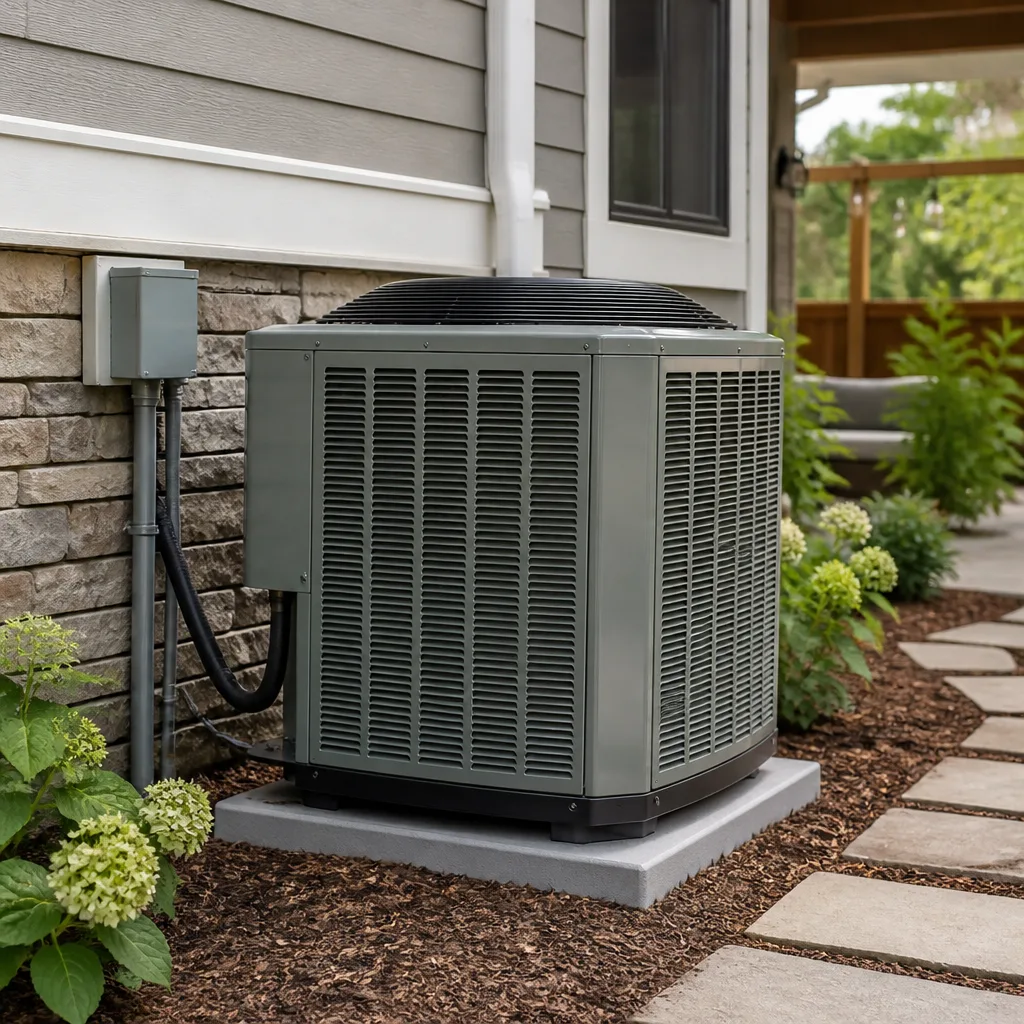 Trane
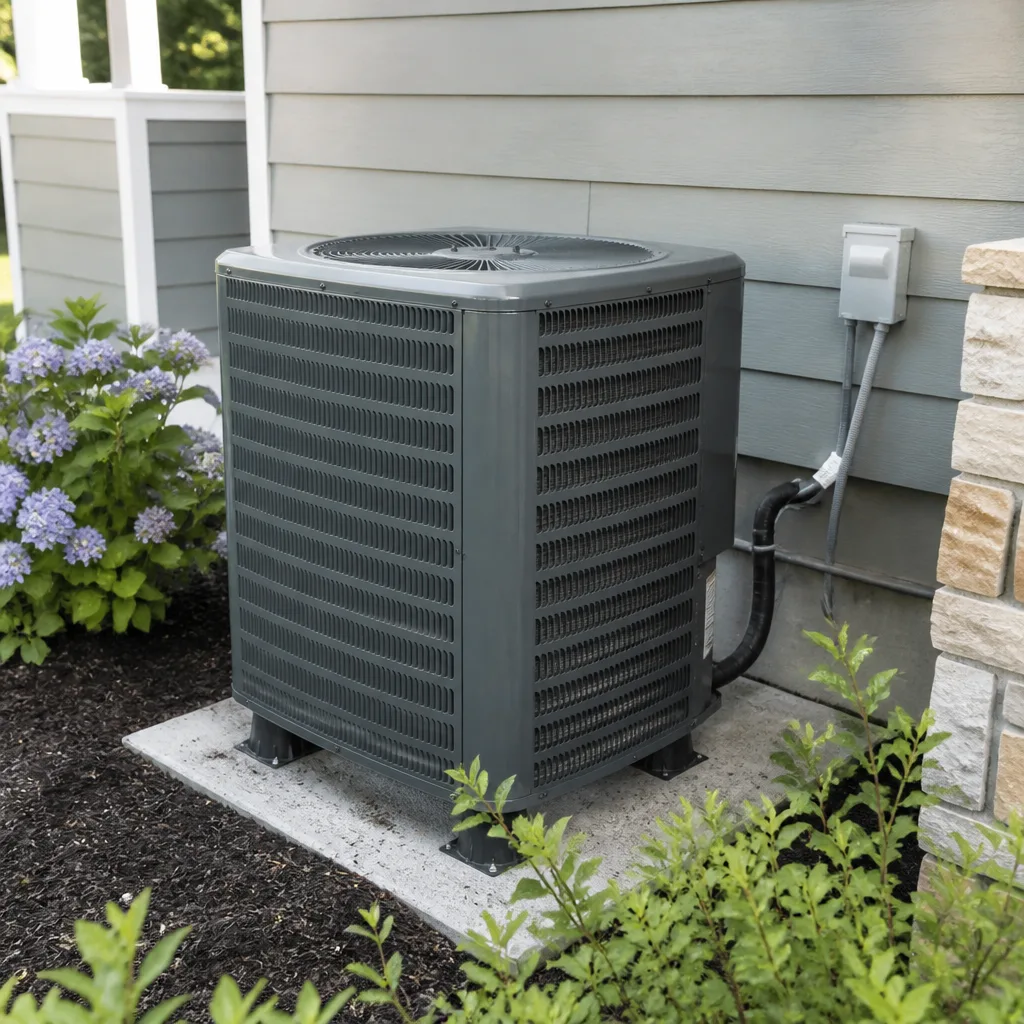 Goodman
Seasonal tune-up and full diagnostic on your Carrier, Trane, or Goodman system - readings shown to you before any repair is proposed
Diagnosis first, numbers second - you approve the repair price before a single part goes in.
Get your free estimateThe Complete AC Repair & Installation Guide for Whitney Homeowners
Most AC installation guides are written for sea-level humidity and flat-valley heat. Whitney sits above 4,400 feet, and a system sized for Henderson will be short-cycling and eating compressors by year three. The high desert up here does not cool the way Las Vegas does: mornings can start in the fifties, afternoons push past 100, and that swing happens over and over through a single summer week. This guide explains how that affects repair, sizing, refrigerant charge, and warranty coverage in Whitney, and what to verify before you let anyone touch your system.
Quick Answer
AC repair in Whitney typically runs $180 to $650 for common fixes like capacitors, contactors, refrigerant leaks, and blower issues, while a full replacement usually lands between $6,500 and $13,000 depending on tonnage, ductwork, and whether you move to a heat pump. Every Whitney installation requires a Manual J load calculation and an elevation-adjusted refrigerant charge, not a reused Henderson spec sheet. Getting those two things right is the difference between a system that lasts fifteen years and one that fails before its fifth summer.
Styles & brands we work with
- AC repair
- Furnace & heating
- Heat pumps
- Ductless mini splits
- Carrier
- Trane
- Goodman
Table of Contents
- Why Whitney’s Elevation Changes Everything About Your AC
- Manual J and Whitney’s Morning-to-Afternoon Swing
- What AC Repair and Installation Cost in Whitney
- Written Warranties vs. Verbal Promises
- Why the Cheapest Bid Usually Costs More
- Nye County Permits and Inspections
- Brands, Parts, and Getting Service on Time
- What Seasonal Maintenance Actually Prevents
Why Whitney’s Elevation Changes Everything About Your AC
Refrigerant charge calculations are written on a standard assumption of pressure at or near sea level. Whitney sits at roughly 4,400 feet, where air density is meaningfully lower. That matters because a technician who charges a system by standard Nevada specs alone, without correcting for elevation, will usually end up with an overcharged or undercharged unit. It may cool fine for a month. Then the compressor starts working harder than it should, and by year three you’re looking at a repair that costs more than the install did.
In our experience installing and servicing systems across Whitney, we see this pattern most often after a home changes hands and a valley contractor does the swap. The old unit was dialed in for the previous house or the previous contractor’s habits, and the new one gets charged by the book without the altitude correction. The homeowner never gets told. They find out when the compressor fails.
What a proper Whitney installation should include:
- A verified altitude reading for the specific address, not the zip code
- Subcooling and superheat measured and adjusted for that elevation
- A documented charge weight noted on the service ticket, so the next technician knows what was done
- Line-set pressure testing after adjustment, not before
None of that is glamorous. But it’s the reason a system installed correctly in Whitney tends to hit its rated lifespan, and one installed on a Henderson spec sheet does not.
Manual J and Whitney’s Morning-to-Afternoon Swing
Whitney’s daily temperature swing is the single most overlooked variable in local sizing. A summer day can start near 55 degrees and climb past 100 by mid-afternoon. That swing means a Whitney house is not fighting a steady, unbroken heat load the way a Phoenix or Las Vegas house does when it bakes overnight. Instead, the system spends the morning coasting and then works hard through the late afternoon peak.
A Manual J load calculation accounts for that swing, along with window orientation, insulation, attic ventilation, and the sun angles that hit north Whitney homes differently than ones closer to the foothills. A contractor who skips Manual J and sizes by square footage alone will almost always oversize. An oversized system cools too fast, shuts off before it dehumidifies or stabilizes, restarts, and repeats. That short-cycling is what wears compressors down.
Here is what a Whitney-appropriate sizing process looks like, in order:
- Manual J calculation using actual window area, wall R-values, and attic insulation
- Manual S selection matching equipment capacity to that calculated load
- Manual D duct design verifying the ducts you have can move the air the new system needs
- Elevation-adjusted refrigerant charge at startup, documented in writing
When we size a Whitney home, we run through all four before a single box gets ordered. Skipping step one or three is what leads to a system that never quite feels right, and nobody can tell you why.
What AC Repair and Installation Cost in Whitney
Whitney’s low-density rural market runs slightly higher than Clark County for the same work, mostly because parts runs and travel times are longer and fewer contractors serve the area. Here are typical ranges we see for Whitney jobs. Actual pricing depends on system age, access, and what’s actually wrong, which is why we quote upfront before any work begins.
| Service | Typical Whitney Range |
|---|---|
| Diagnostic visit | $79 – $125 |
| Capacitor or contactor replacement | $180 – $320 |
| Refrigerant leak repair and recharge | $350 – $750 |
| Blower motor replacement | $450 – $850 |
| Compressor replacement | $1,400 – $2,600 |
| Evaporator or condenser coil replacement | $1,200 – $2,400 |
| Full AC replacement (standard split) | $6,500 – $11,500 |
| Full AC replacement (heat pump upgrade) | $8,500 – $13,000 |
| Seasonal tune-up | $89 flat |
Any repair over $250 currently qualifies for $50 off, and a second opinion on any written estimate is free. If you’ve been handed a bid from another contractor and something in it doesn’t sit right, we’ll review it with you at no charge. For a detailed look at what specific repairs involve, see our AC Repair & Installation in Whitney page.
Written Warranties vs. Verbal Promises
A verbal promise is not a warranty. It’s a sentence. When a contractor tells you “if anything goes wrong, just call me,” what they’ve actually given you is a mood, not an obligation. A written warranty names what’s covered, for how long, and who pays for what when. Without those three things on paper, the second visit is negotiable, and you’ll be the one negotiating.
The benchmark we hold ourselves to is the 90-Day Done Right Promise. It’s a written guarantee that covers our work for ninety days. If something we touched fails or we didn’t get it right, we come back and fix it. No arguing, no paperwork, no back-and-forth about whether the failure was our fault or bad luck. That’s the standard. When you’re comparing contractors, hold everyone to it.
Here’s what to verify in writing before anyone starts work:
- What exactly is covered (labor only, parts, both, or a specific list)
- How long the coverage runs and what triggers it
- Who performs the callback, and whether there’s a charge
- Whether the manufacturer warranty is separate and how long it runs on the parts they install
- What voids the warranty (self-repair, another contractor’s work, missed maintenance)
If a contractor can’t show you their written warranty before you sign, don’t sign. Our Fireside Heating & Air Co. Whitney home page lays out how we handle this on every job.
Why the Cheapest Bid Usually Costs More
In a market as small as Whitney, the cheapest bid is often the most expensive choice over five years. Here’s the math problem: a low-bottom bid often means a contractor who lives an hour away, covers too much territory to be reachable on a Friday afternoon, and has no real incentive to come back. That callback you’re waiting on in August? They’re on the other side of the valley on a bigger job.
We’ve walked into plenty of Whitney homes where the previous contractor’s “warranty” was unreachable by year two. The homeowner pays for the cheap install and then pays again for a real one, and the total exceeds what a solid install would have cost the first time. The gap usually isn’t in the equipment. It’s in what wasn’t done at install (no Manual J, no elevation charge, no duct verification) and in who answers the phone when the system fails in July.
Questions that separate a real bid from a race to the bottom:
- Who answers the phone at 2 a.m. when the AC dies in a heat wave?
- Is there a live person, or a voicemail tree?
- Will they put the elevation adjustment and load calculation in writing?
- What’s their written warranty, and what have they done when a callback was needed?
Cheap isn’t a price. It’s a bet that nothing goes wrong. In Whitney, something usually does.
Nye County Permits and Inspections
Most residential AC replacements in Whitney require a mechanical permit through Nye County before work begins. A like-for-like swap sometimes falls under a simpler path, but any change to the system type, capacity, or electrical work generally triggers the full permit and inspection. The permit is not optional, and it’s not the homeowner’s job to chase it. It’s the contractor’s, and they should be pulling it in their own name.
Before anyone touches your system, verify these four things:
- Permit pulled in the contractor’s name. Not “we’ll pull it later.” Pulled, before work starts.
- State license number listed on the bid and verifiable with the state contractor board.
- Written scope of work naming equipment model numbers, refrigerant type, and startup verification.
- Signed warranty document matching the 90-day benchmark above.
A final inspection should follow installation, and the inspector should be able to see the elevation-adjusted charge documentation and the equipment nameplate. If a contractor suggests skipping the permit to save time or money, that’s your signal to walk. The permit protects you, not them, and it’s the difference between a house you can sell cleanly and one with a surprise on the disclosure.
Brands, Parts, and Getting Service on Time
Whitney sits far enough from the valley that parts availability matters more than it does in Henderson. When a capacitor fails in August, a technician who carries the common ones on the truck can finish the job that afternoon. One who has to drive to a supply house for the part is looking at a return visit tomorrow. It’s a small difference on paper and a big one when you’re sitting in a hot house.
We’re trained to service nine major brands, and the ones most common in Whitney homes are Trane, Lennox, Goodman, and Rheem. That range means we’re rarely waiting on a manufacturer-specific part we can’t source or substitute, and we don’t hand you off to a subcontractor because we can’t work on your brand. For systems that are aging out, our Heat Pump & Mini Split in Whitney page covers the replacement path, which is often the better long-term move than chasing a compressor on a fifteen-year-old unit.
What to ask before any repair visit:
- Do you stock common parts, or will this be a two-visit job?
- Is the diagnostic fee applied to the repair if I proceed today?
- What’s the expected time for the part to arrive if it’s not on the truck?
Straight answers to those three questions tell you more about a contractor than any marketing claim will.
What Seasonal Maintenance Actually Prevents
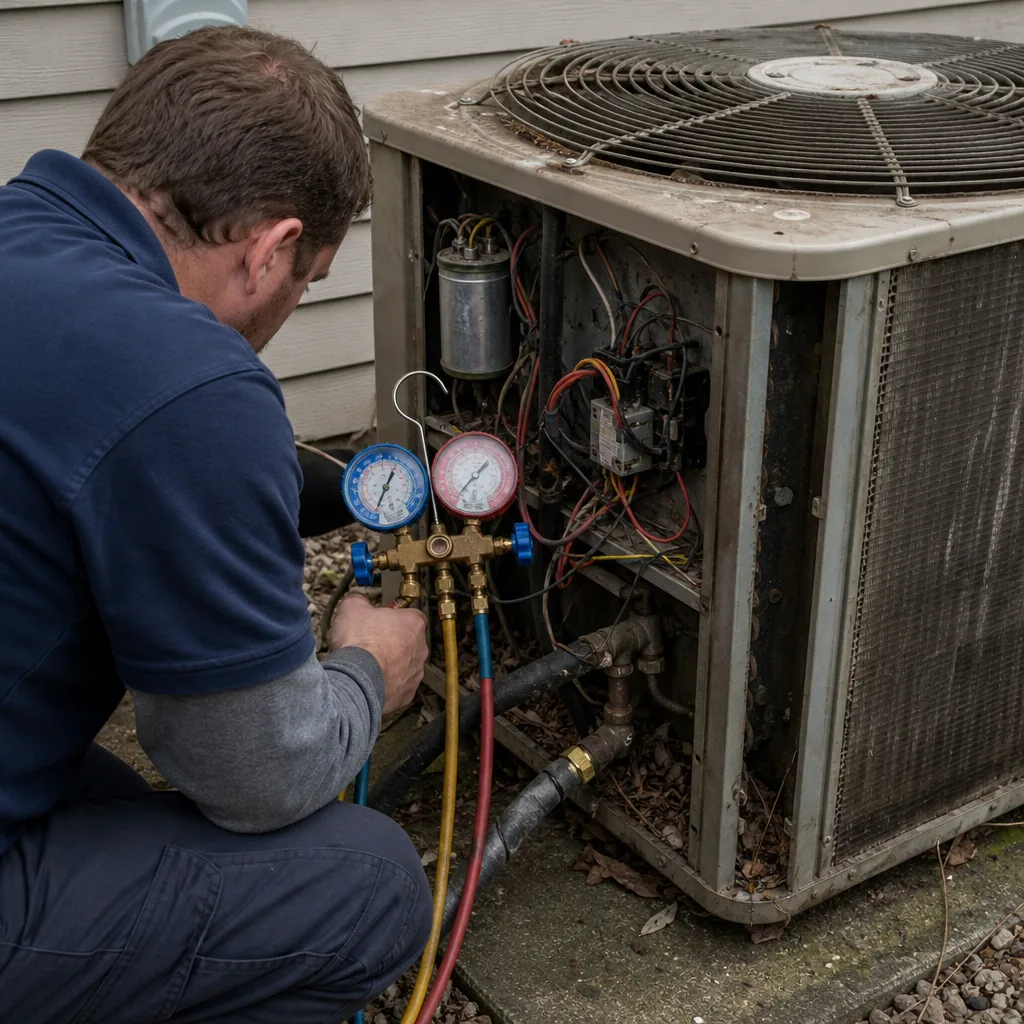
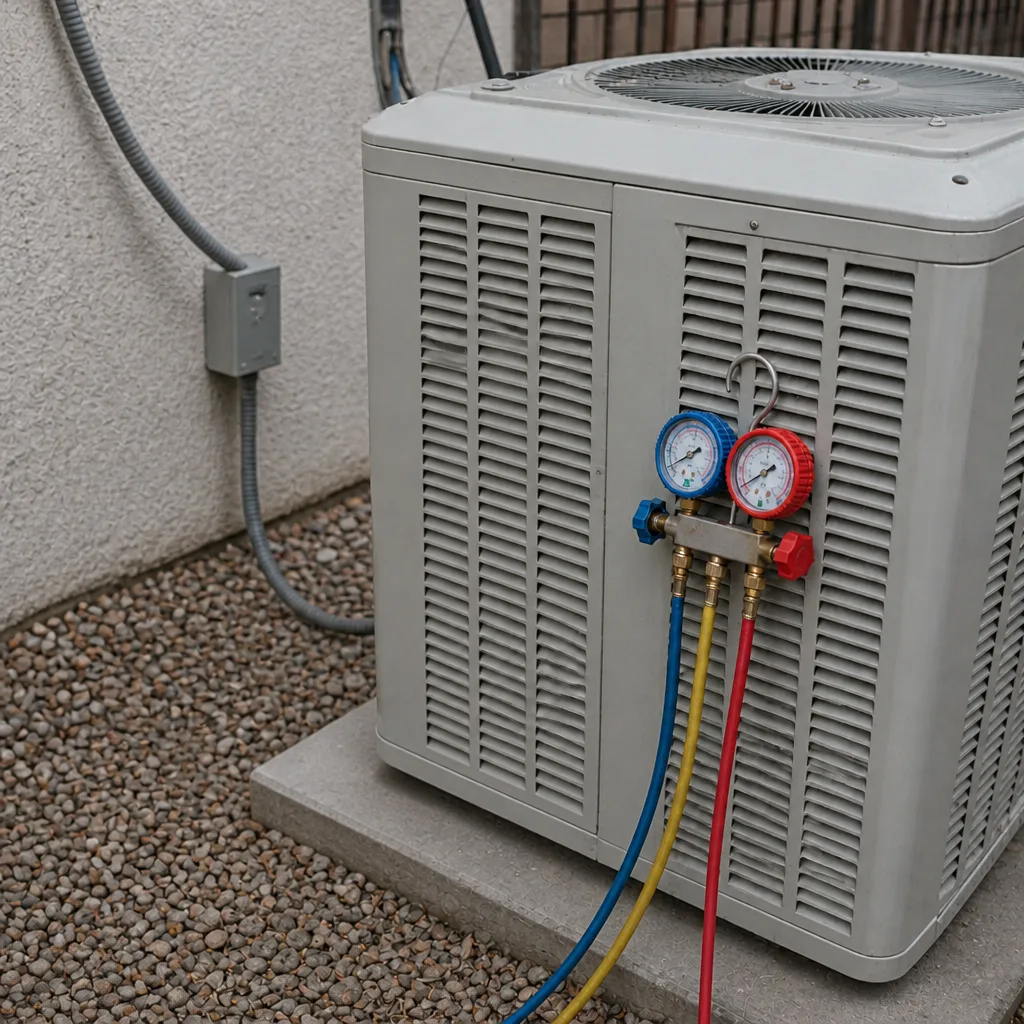
An $89 seasonal tune-up is the highest-return thing you can do for an AC system in Whitney, and it’s not close. Most of the failures we see in this climate trace back to something that would have been caught in a twenty-minute check: a capacitor drifting out of spec, a contactor pitted past the point of reliable closing, a condenser coil packed with the fine desert dust that builds up here faster than in the valley. None of those are dramatic. All of them become emergencies in July.
What a real tune-up includes, at minimum:
- Capacitor and contactor testing, with readings written down
- Condenser coil cleaning (in Whitney, this is often the whole job)
- Refrigerant pressure and superheat/subcooling check, elevation-adjusted
- Blower motor amp draw and airflow verification
- Condensate drain clearing and float switch test
- Written report of what was found, not just “everything looks good”
We run tune-ups in spring for cooling and fall for heating, and we leave a written report either way. If something’s on the edge, you get told, in writing, with a price. You decide what to do and when. For the heating side of the same house, our Heating & Furnace in Whitney page covers what the shoulder-season check should include.
Common Mistakes to Avoid
- Replacing the AC without replacing a failing air handler. In Whitney’s dry heat, the air handler and coil take more of a beating than the condenser. Swapping only the outdoor unit on a fifteen-year-old indoor coil often leads to a refrigerant mismatch and a system that never runs right.
- Sizing by square footage. Whitney’s morning-to-afternoon swing makes square-footage sizing particularly wrong here. A Manual J calculation is not optional, and a contractor who skips it is guessing.
- Accepting a verbal warranty. If the callback promise isn’t written down with a timeframe and a clear list of what’s covered, it isn’t a warranty. It’s a conversation.
- Choosing the low bid in a rural market without checking reachability. Whitney is small enough that a contractor an hour away is a real risk on a Friday afternoon. Ask who answers the phone at 2 a.m. before you sign.
- Skipping the Nye County permit to save a week. Unpermitted work is a problem at resale and a problem if the install fails. Pull the permit.
- Ignoring the condenser coil until it’s packed. Whitney dust accumulates faster than most homeowners expect. Annual cleaning is genuinely preventive here, not dealer upsell.
- Setting the thermostat back too aggressively in the morning. With the temperature swing, a big setback means the system runs full-tilt to recover at exactly the hottest part of the day, right when efficiency is worst. A modest setback works better than a dramatic one.
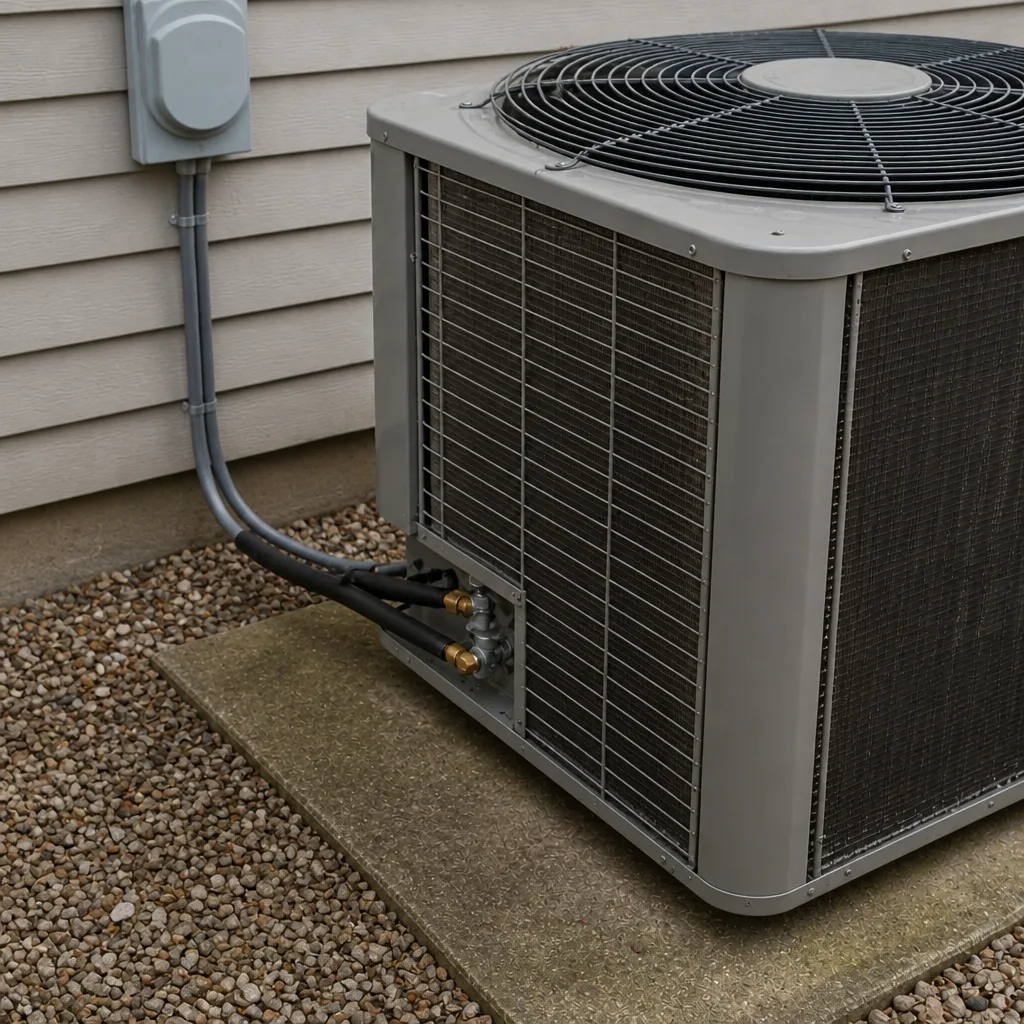
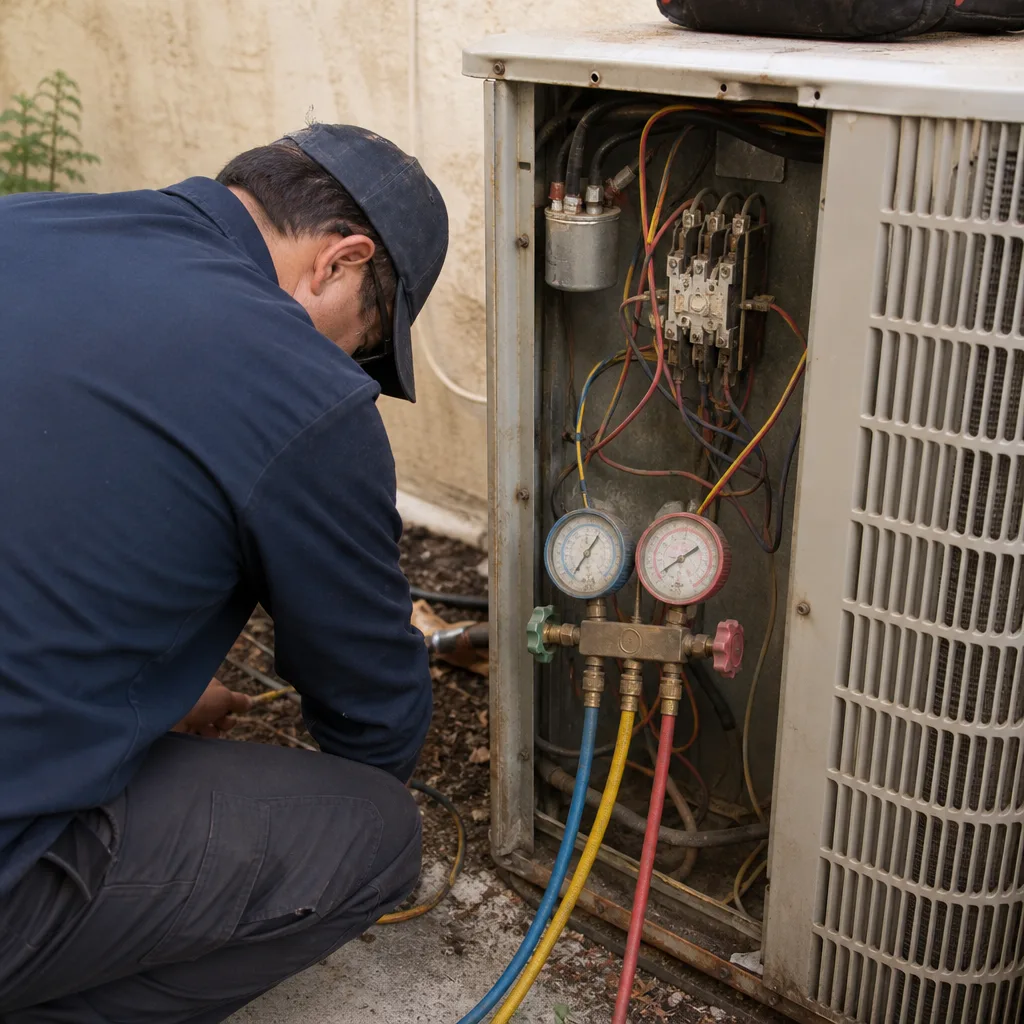
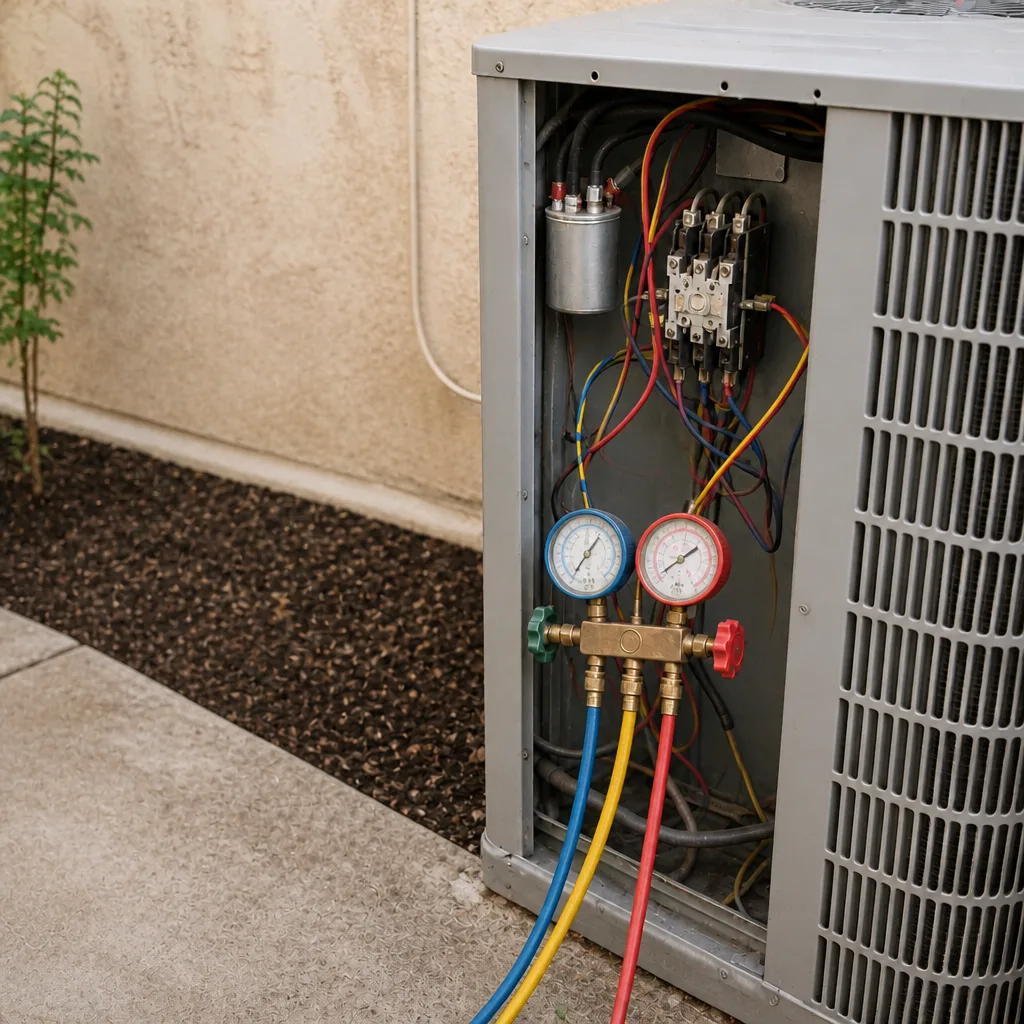
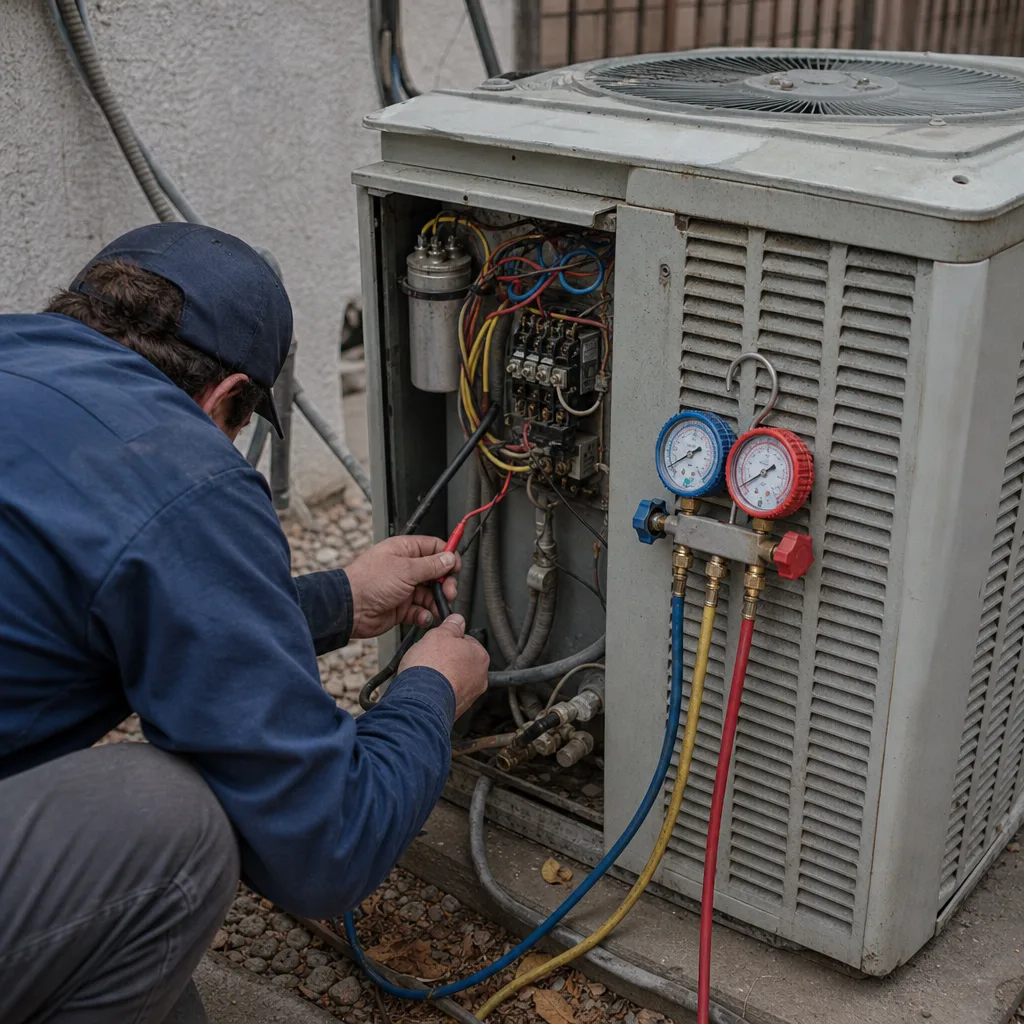
See the difference
 Before
 After
 Before
 After
 Before
 After
When to Call a Professional
Call us when the system won’t cool at all, when it runs but never satisfies the thermostat, when you hear the outdoor unit short-cycling every few minutes, or when the breaker trips after the condenser kicks on. Any of those can mean a failing compressor, a refrigerant leak, or an electrical fault that will get worse. Don’t put a bigger breaker on the circuit to “fix” the tripping, and don’t top off refrigerant without a leak search. Those shortcuts cost more than a proper diagnosis.
Fireside Heating & Air Co. Whitney offers free estimates in Whitney. Call (866) 329-8069 and a live person answers, day or night, including the 2 a.m. call when the house is heating up and you need a real answer, not a voicemail tree. With upfront pricing on every job, the price quoted is the price paid.
Frequently Asked Questions
Most repairs in Whitney run $180 to $650, covering common failures like capacitors, contactors, blower motors, and refrigerant leaks. Compressor and coil replacements push higher, into the $1,200 to $2,600 range. Repairs over $250 currently qualify for $50 off. Call (866) 329-8069 for an exact quote, and the diagnostic visit will be applied to the repair if you proceed.
You need a Manual J calculation. Whitney’s 4,400-foot elevation and wide daily temperature swing make square-footage sizing unreliable here, and the resulting oversizing short-cycles the compressor and shortens system life. A proper Whitney install uses Manual J for load, Manual S for equipment selection, and Manual D for duct verification.
Because refrigerant pressure calculations assume sea-level air density, and Whitney sits roughly 2,400 feet higher than Las Vegas. A system charged to standard Nevada specs without elevation correction is usually overcharged, which raises compressor wear. Whitney installations should document subcooling, superheat, and the actual charge weight on the service ticket.
If the system is under ten years old and the repair is under about 30% of replacement cost, repair usually makes sense. Past twelve to fifteen years, or if the compressor or coil is failing, replacement is often the better move. The 90-day warranty on a repair is a strong indicator of confidence; a contractor who won’t stand behind a repair in writing usually knows it may not hold.
In most cases, yes. We answer the phone around the clock with a live person, and same-day repair is the standard for cooling emergencies in Whitney. Call (866) 329-8069 and you’ll get a real answer on availability, not a callback loop.
Most residential AC replacements in Whitney require a mechanical permit through Nye County, pulled in the contractor’s name before work begins. Like-for-like swaps sometimes fall under a simpler path, but any capacity, system-type, or electrical change generally requires the permit and a final inspection. Verify the permit is pulled and the license is verifiable before anyone starts.
The Bottom Line
Whitney is not Las Vegas with a higher zip code. The elevation demands an elevation-adjusted refrigerant charge. The daily temperature swing demands a real Manual J calculation. The small market demands a contractor who answers the phone at 2 a.m. and is still around next July. Get those three things right, ask for the warranty in writing, and verify the Nye County permit before work begins, and the system you install will outlast the one a cheaper bid would have left you with. Fireside Heating & Air Co. has been doing this work long enough to know where the shortcuts hide, and our technicians bring up to 8 years of experience to every job. Call (866) 329-8069 for a free estimate.
Written by the team at Fireside Heating & Air Co. Whitney.