
Last updated November 18, 2026
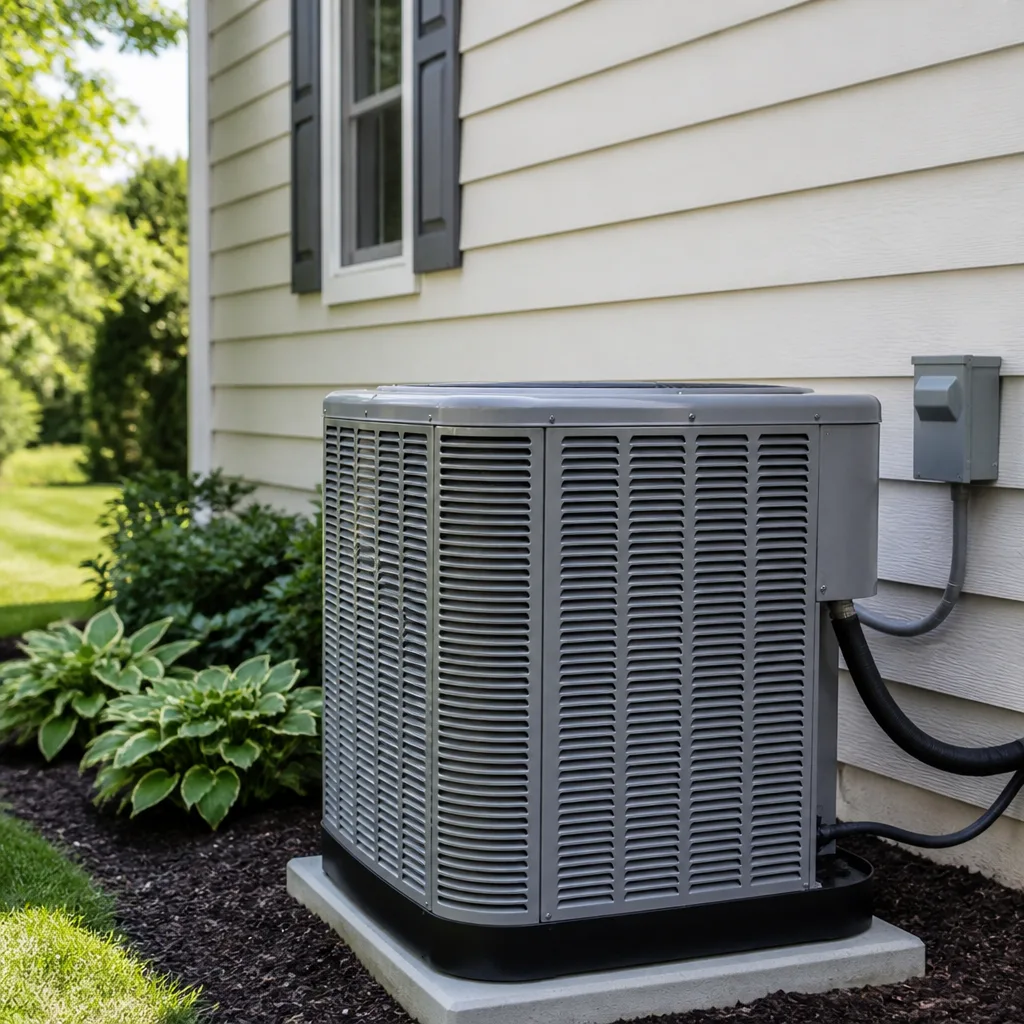 AC repair
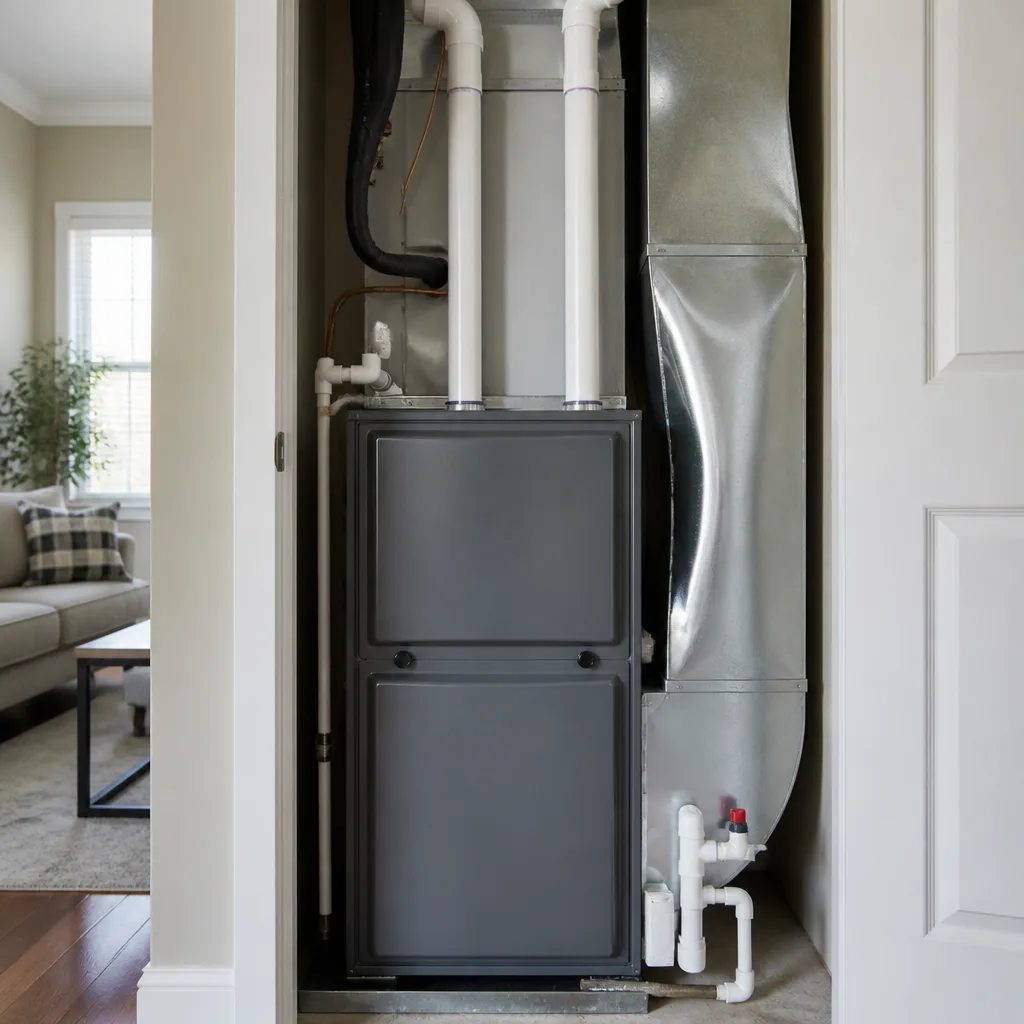 Furnace & heating
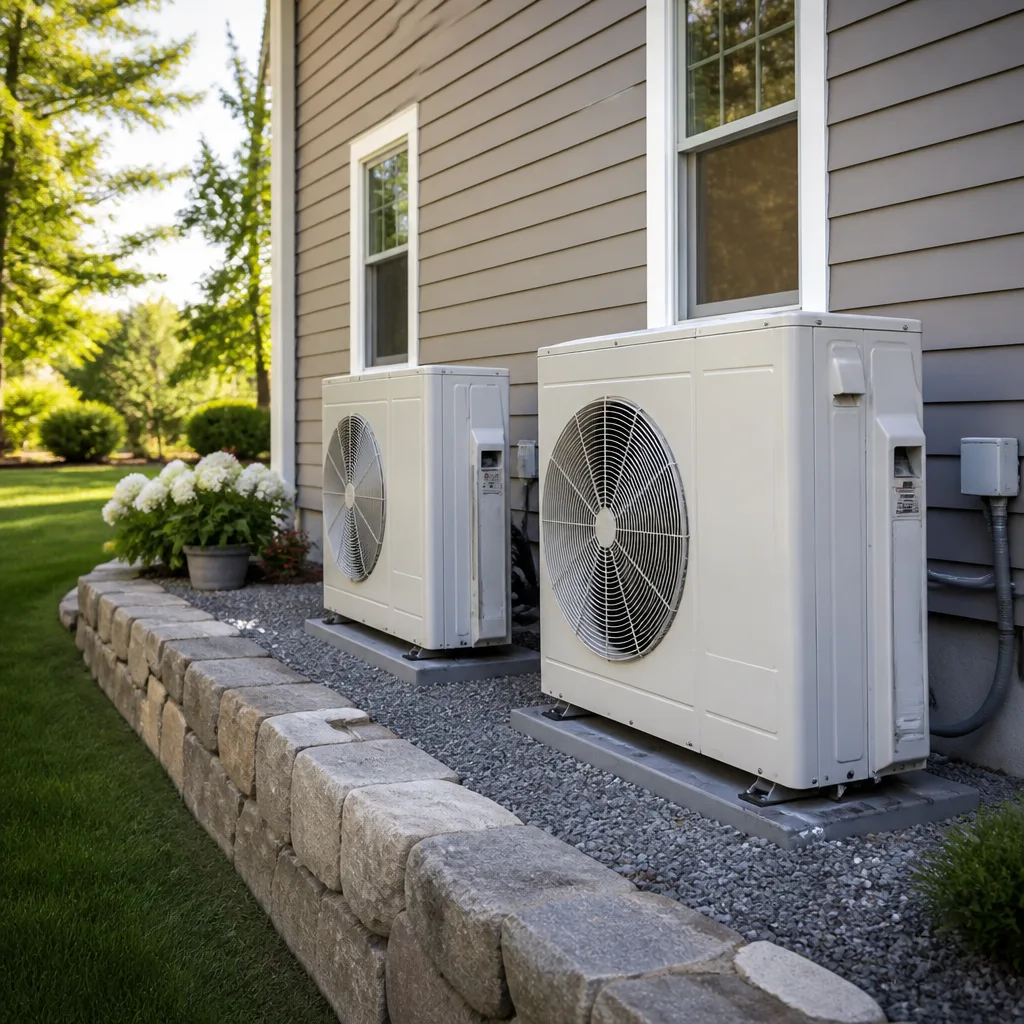 Heat pumps
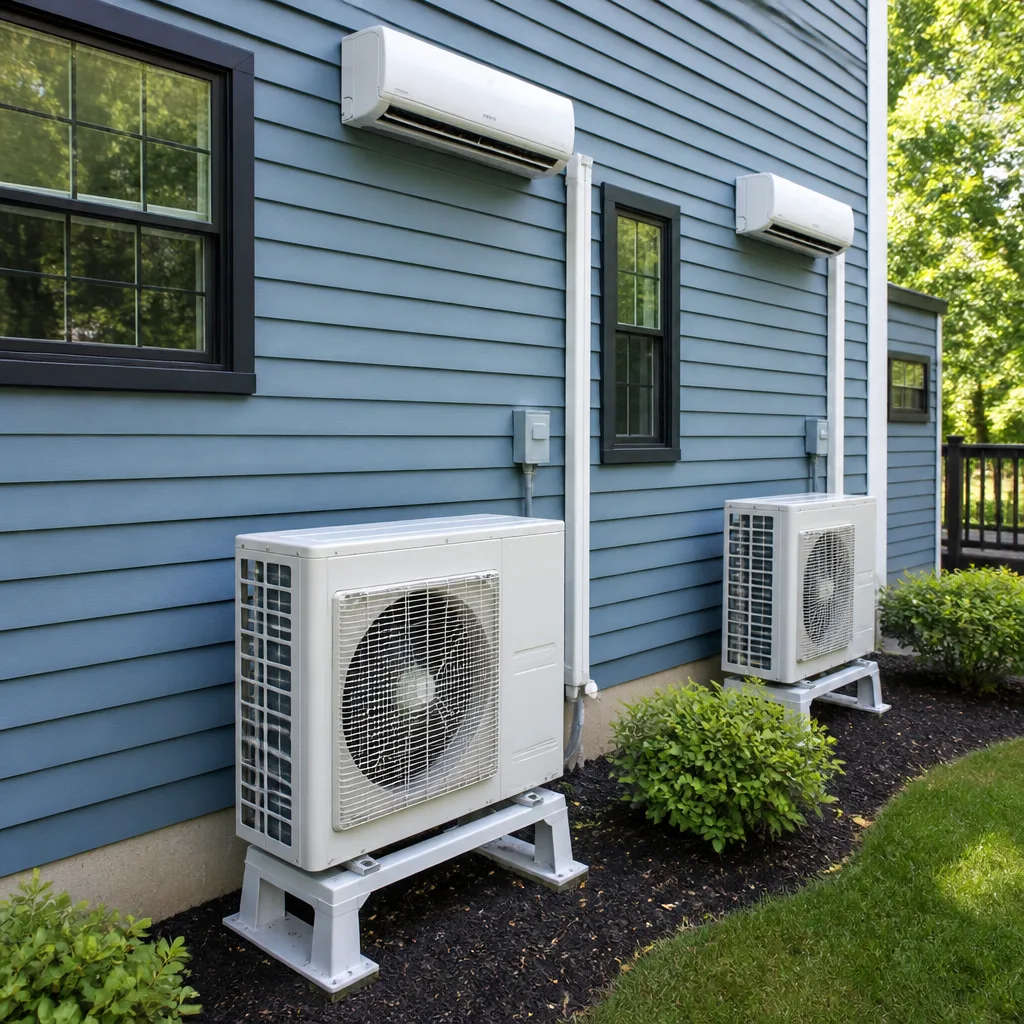 Ductless mini splits
 Carrier
 Trane
 Goodman
Seasonal tune-up and full diagnostic on your Carrier, Trane, or Goodman system - readings shown to you before any repair is proposed
Diagnosis first, numbers second - you approve the repair price before a single part goes in.
Get your free estimateThe Complete Air Quality & Ventilation Guide for Whitney Homeowners
Weatherizing a Whitney home to cut heating bills is the right move. Sealing the envelope without addressing ventilation is how you turn a drafty house into one where carbon dioxide, combustion byproducts, and fine dust concentrate to levels your lungs eventually notice. Whitney sits in a high desert basin where dust storms roll through in spring, wood smoke settles into cold winter inversions, and homes are built tight against the summer heat. The standard ventilation advice written for humid coastal climates can make those problems worse. This guide covers the air Whitney residents actually breathe: what’s in it, how to filter it, how to ventilate it, and when to call for help.
Quick Answer
Air quality in a Whitney home is shaped by three things national guides rarely address: fine dust (PM2.5) from high desert wind events, wood smoke trapped during winter inversions, and Nevada’s radon potential from local geology. Each requires a different fix. Mechanical ventilation per ASHRAE 62.2, correctly sized filtration matched to your HVAC airflow, and combustion safety checks on any gas or wood appliance are the foundation of a workable plan for Whitney.
Styles & brands we work with
- AC repair
- Furnace & heating
- Heat pumps
- Ductless mini splits
- Carrier
- Trane
- Goodman
Table of Contents
- What’s Actually in Whitney’s Air?
- ASHRAE 62.2 in Plain Language: Why Sealed Homes Need It
- Mechanical Ventilation Options at Different Budgets
- The Humidity Paradox: Dry Winters, Humid Summers
- Air Filtration: MERV Ratings and the Pressure Drop Tradeoff
- Carbon Monoxide and Combustion Safety
- Common Mistakes to Avoid
- When to Call a Professional
What’s Actually in Whitney’s Air?
Whitney’s air quality problems come from geography, not industry. The Las Vegas Valley and the surrounding high desert basin trap pollutants in ways that flat, humid regions don’t. If you’ve lived here twenty years, you already know the dust storms that turn the sky brown in March and April. What you might not have connected is how much of that dust ends up inside your return air and filter.
Three distinct pollutants drive the air quality profile in Whitney:
- PM2.5 from dust events. Fine particulate under 2.5 microns. Desert wind events lift it, and it slips past standard fiberglass filters. It’s small enough to reach the deepest parts of your lungs.
- Wood smoke during winter inversions. Cold air settles into the basin and traps smoke from fireplaces and wood stoves close to the ground. On still January mornings, outdoor particulate in some Whitney neighborhoods runs several times higher than on a windy day.
- Radon potential from Nevada geology. Parts of Nevada have uranium-rich soils that produce radon gas, which seeps up through foundation cracks. Radon is invisible and odorless. The only way to know your home’s level is a test kit, and every Whitney homeowner should run one at least once.
Each pollutant needs a different mitigation. A HEPA-style filter helps with dust and smoke. Radon needs sub-slab depressurization, which is a separate trade. And neither works well if your home has no mechanical ventilation to exchange stale indoor air. We’ve seen Whitney homeowners spend money on a whole-home air purifier and still feel worse in winter because the purifier didn’t address combustion gases or CO2 buildup.
ASHRAE 62.2 in Plain Language: Why Sealed Homes Need It
ASHRAE 62.2 is the residential ventilation standard that most building codes in the U.S. reference. In plain terms, it says: a home needs a certain amount of continuous fresh-air exchange, usually measured in cubic feet per minute, based on square footage and occupancy. For a typical Whitney home of 1,800 to 2,400 square feet, that works out to roughly 45 to 75 CFM of continuous mechanical ventilation.
Here’s why this matters more in a recently weatherized Nevada home than in an older leaky one. A 1970s Whitney house built before modern sealing practices might leak 30 to 50 percent of its air every hour through gaps around windows, outlets, and framing. That leakiness is bad for your heating bill, but it does provide accidental ventilation. When you air-seal that same home, add weatherstripping, and upgrade the windows, the leak rate can drop to 10 percent or less. Now the same house that was breathing through its cracks is holding onto CO2, moisture, and everything off-gassing from paint, carpet, and furniture.
This is why the order matters:
- Air-seal and insulate to reduce energy loss. Do this first.
- Test the home’s air exchange rate (a blower door test gives you this number).
- Add mechanical ventilation sized to the resulting tightness and square footage.
- Verify the system is actually delivering the airflow it’s rated for.
Skip step three, and you’ve traded a drafty house for a stuffy one. In our experience running calls across Whitney, the homes that report headaches, morning grogginess, and stale air are almost always the ones that were weatherized in the last five years without any ventilation added.
Mechanical Ventilation Options at Different Budgets
There’s no single right answer for ventilating a Whitney home, but there’s a right answer for your budget and your house. Four options cover most situations, from a few hundred dollars to a full system install.
- Bathroom and range exhaust only (budget tier, $300-$900 installed). If your home already has working exhaust fans in the bathrooms and a vented range hood, you have a partial solution. Run the bath fan 20 to 30 minutes after showers and always run the range hood when cooking. The limit: this is intermittent ventilation, not continuous, and it won’t help overnight CO2 buildup in bedrooms.
- Continuous exhaust fan with a controller (mid tier, $900-$1,800 installed). A single energy-efficient fan sized to ASHRAE 62.2 runs continuously at low speed from a central location, like a hallway ceiling or utility closet. The controller ramps it up when humidity rises. This is the workhorse option for most Whitney homes and does the most good per dollar.
- Energy Recovery Ventilator (ERV) (upper tier, $2,200-$4,500 installed). An ERV brings in fresh outdoor air and exhausts stale indoor air through a core that transfers heat (and some moisture) between the two streams. In Whitney’s climate, this matters: you don’t want to dump your furnace’s hard work out the roof in January or your AC’s in July. ERVs are the right choice for a tight, weatherized home where the continuous ventilation load is significant.
- Heat Recovery Ventilator (HRV) (upper tier, $2,000-$4,200 installed). Similar to an ERV but transfers heat only, not moisture. In a Whitney home that already runs dry in winter, an HRV paired with a humidification strategy is a reasonable option. In summer humidity, an ERV usually wins.
If you’re also considering a ductless system that can work with your ventilation plan, our team handles heat pump and mini split work in Whitney and can size ventilation alongside it so the two systems don’t fight each other.
The Humidity Paradox: Dry Winters, Humid Summers
Whitney homes swing between two opposite moisture problems, and a single air quality strategy has to serve both. Winter indoor relative humidity often drops into the teens and twenties. Wood floors gap, skin cracks, and static electricity turns every doorknob into a small insult. Summer monsoon season pushes indoor humidity up into the fifties and sixties, which is where mold and dust mites get a foothold.
Standard advice written for a humid coastal climate tells you to ventilate heavily and dry the air. In January in Whitney, that advice makes your house worse. The right seasonal playbook:
- Winter (dry): Use a whole-home humidifier or room humidifiers to hold indoor RH between 30 and 40 percent. That’s comfortable for people and safe for wood. Run ventilation at the ASHRAE 62.2 minimum, not more, so you’re not throwing away moisture.
- Summer (humid, especially July-September): Run the AC to dehumidify, keep ventilation at minimum unless cooking or bathing, and check that your bath fans vent outdoors (not into the attic). Hold indoor RH below 55 percent to keep mold risk low.
- Shoulder seasons (spring, fall): Open the house on days with low dust and low wind. Whitney’s spring dust events can make outdoor air worse than indoor, so check the air quality index before you open the windows for the afternoon.
The filtration and mold strategy has to shift with the season, and the systems that do both well are sized for the swing. That’s the part most one-size-fits-all advice misses. We’ve walked into Whitney homes with a whole-home humidifier on max in summer and a dehumidifier running in winter, both because the homeowner was following coastal guidance.
Air Filtration: MERV Ratings and the Pressure Drop Tradeoff
MERV (Minimum Efficiency Reporting Value) rates a filter’s ability to catch particles between 0.3 and 10 microns. Higher MERV catches more, but it also restricts airflow, and airflow is the thing your HVAC system lives on. The highest-rated filter isn’t always the best choice, and in a lot of Whitney homes, it’s actively the wrong one.
Here’s the honest tradeoff:
- MERV 8: Catches most dust and pollen. Minimal pressure drop. Fine for a standard 1-inch filter slot. This is where most Whitney homes should start unless they have a documented need for more.
- MERV 11-13: Catches fine dust (PM2.5) and smoke particles. Meaningful restriction, so it needs a deeper filter media (4-inch or 5-inch thick) or a system rated for the higher static pressure. If your filter slot is 1 inch, you can often install a media cabinet that takes a 4-inch MERV 13 filter without choking the system.
- MERV 16+ and HEPA: Hospital-grade filtration. Restricts airflow heavily, and usually requires a separate bypass or dedicated air purifier. Putting one of these in a standard return grille will starve your blower and can freeze a coil in summer.
The thing to check before you upgrade filters is the static pressure of your system. A system rated for 0.5 inches of water column can’t handle a filter that adds 0.4 inches of restriction. When the airflow drops, the coil runs cold in summer, the heat exchanger runs hot in winter, and both shorten the life of equipment. In Whitney, the dust load is high, and a MERV 13 with a proper media cabinet and a blower rated for the restriction is the sweet spot for most homes. If you’re pairing filtration with a system upgrade, our AC repair and installation team in Whitney can check the static pressure and recommend a filter setup that fits the equipment.
Carbon Monoxide and Combustion Safety
Any Whitney home with a gas furnace, gas water heater, gas range, or wood-burning fireplace has a combustion appliance zone. That’s a plain phrase for a serious thing: the area (or areas) where a fuel-burning appliance lives, and where the air it needs for combustion must come from. If that zone can’t get enough fresh air, the appliance pulls exhaust back into the home instead of up the flue. That’s called backdrafting, and it’s how carbon monoxide ends up in a house with no obvious warning.
What proper combustion safety looks like in a Whitney home:
- Every fuel-burning appliance has a clear source of combustion air. In a tight, weatherized home, that often means a dedicated combustion air duct or a louvered door to the utility space.
- Every appliance is vented correctly, and the flue is inspected annually. A cracked heat exchanger or a blocked flue is a carbon monoxide source, and neither is visible from outside.
- Every home has working carbon monoxide alarms on every floor and outside each sleeping area. Test them monthly.
- The furnace gets an annual combustion analysis with a digital analyzer that checks CO in the flue gas. This is more than a visual inspection, and it’s what catches problems before they become dangerous.
- Never run a generator, a propane heater, or a charcoal grill in an enclosed space, including the garage.
If your CO alarm goes off, get everyone out of the house and call 911 before you call anyone else. Do not try to diagnose it yourself. Once the house is clear, we can send a technician to find the source. Our team handles furnace combustion analysis and venting as part of a heating and furnace service call in Whitney, and the same visit can check your water heater venting and combustion air.
Common Mistakes to Avoid
- Weatherizing without adding ventilation. Sealing and insulating tightens the house without giving it a way to exchange air. Add mechanical ventilation before or during the sealing project, not three years later after the family notices the stuffy air.
- Putting a MERV 16 filter in a 1-inch slot. The filter catches more dust but starves the blower. You’ll trade dust for a frozen coil in July and a short-lived blower motor.
- Venting a bath fan or range hood into the attic. This is surprisingly common in older Whitney homes. It pushes moisture and grease into attic space where mold and rot love to grow. Every exhaust fan should vent to the outdoors.
- Skipping the radon test. Nevada has radon. It’s a $20 test kit and worth doing once, especially if you have a basement or a slab-on-grade foundation with a crawl space.
- Running a whole-home humidifier in summer. It’s the coastal-advice trap. If your indoor humidity is over 55 percent, a humidifier makes mold worse, not better. Hold it for winter.
- Ignoring combustion air in a tight home. A weatherized house with a sealed utility closet and a gas furnace is a backdraft waiting to happen. Confirm the furnace and water heater have adequate combustion air after any envelope work.
- Assuming a HEPA air purifier is a substitute for ventilation. A purifier cleans air that’s already in the house. It does nothing for CO2 buildup or combustion gases. Ventilation and filtration are separate jobs.
When to Call a Professional
Some of this guide is homeowner-checkable. Some of it isn’t. Call a professional for anything involving combustion appliances, gas lines, the furnace heat exchanger, or electrical connections on ventilation equipment. Those are the areas where a mistake is genuinely dangerous, not just inconvenient.
Call us if you’ve recently weatherized your Whitney home and notice stale air, morning headaches, condensation on windows in winter, or that the house just feels closed-in. Call if you’re considering an ERV or HRV and want a load calculation that sizes it right. Call if your CO alarm has gone off, if you smell gas, or if any gas appliance has visible soot or a yellow flame where you’d expect blue. Call if you want a filtration setup checked for static pressure before you spend money on a filter upgrade.
Fireside Heating & Air Co. Whitney offers free estimates in Whitney. Call (866) 329-8069 and a live person will pick up, day or night. We’ll send a background-checked technician who can run the tests, explain what they found in plain language, and quote a price we stand behind.
See the difference
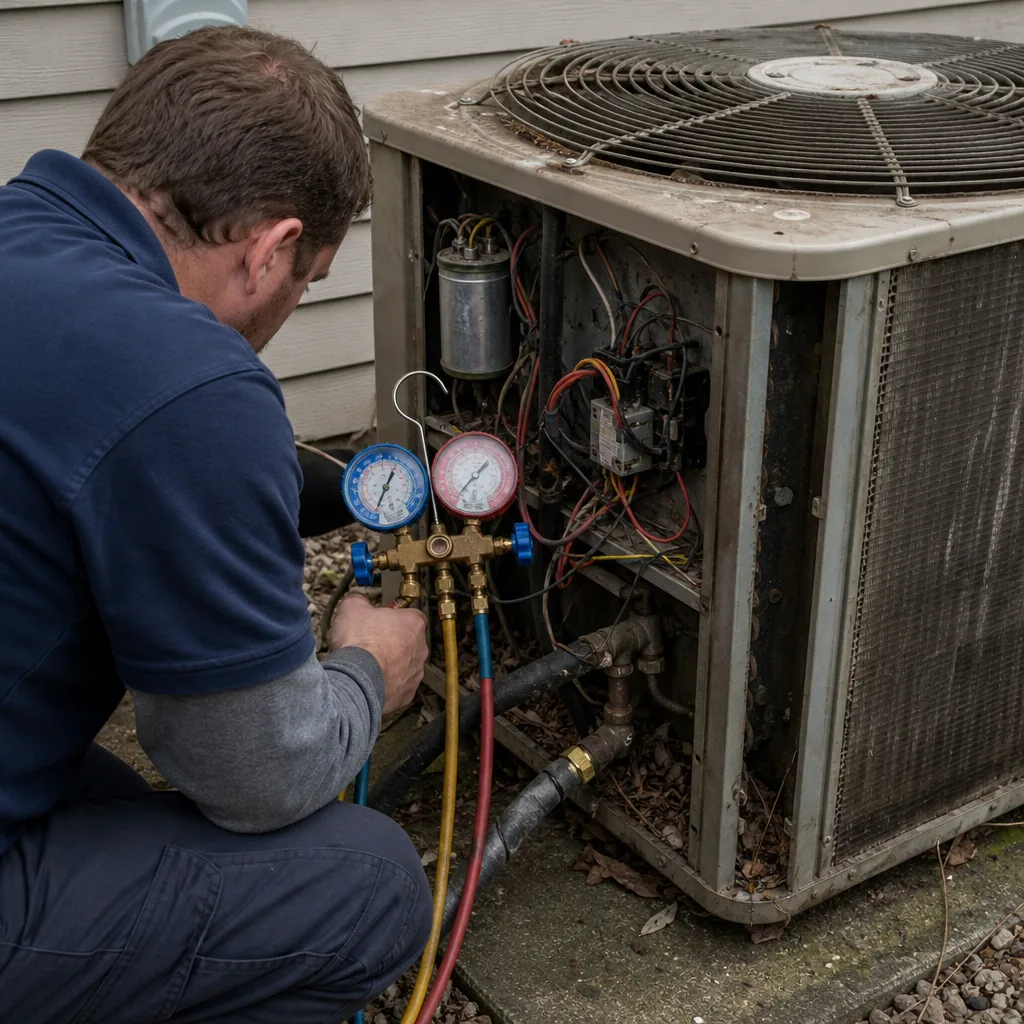 Before
 After
 Before
 After
 Before
 After
Frequently Asked Questions
Fine dust (PM2.5) from high desert wind events is the most common issue in Whitney, followed closely by wood smoke trapped during cold winter inversions. Both are small particulates that slip through standard filters and require MERV 11 or higher media, matched to your system’s airflow. Radon from local geology is a separate concern that requires a specific test and, if elevated, a sub-slab depressurization system. Call (866) 329-8069 for a filter and ventilation assessment.
Yes. Air-sealing reduces the accidental ventilation your home used to get through cracks and gaps. Once that leakiness is gone, indoor CO2, moisture, and VOC levels rise unless you add continuous mechanical ventilation sized to ASHRAE 62.2. Most Whitney homes of 1,800 to 2,400 square feet need 45 to 75 CFM of continuous mechanical ventilation after weatherizing. Call us for a blower door test and a correctly sized system.
MERV 8 to MERV 13 is the right range for most Whitney homes, but the exact choice depends on your system’s static pressure rating. A 1-inch filter slot can’t handle MERV 13 without restricting airflow. The right setup is usually a 4-inch media cabinet with MERV 11 or 13 media. Call (866) 329-8069 to have us check your static pressure before you buy a filter.
An ERV is usually the better fit in Whitney because it manages both heat and moisture, which matters in summer when monsoon humidity pushes indoor RH up. An HRV transfers heat only, which is fine in winter but doesn’t handle summer humidity as well. The decision depends on your home’s tightness, square footage, and whether you already have a humidification strategy. Call us for a load calculation and a straight answer.
You can’t reliably know without testing. A digital combustion analyzer reads the flue gas and catches backdrafting, high CO, and combustion air shortfalls that a visual inspection misses. Warning signs to take seriously: soot on the furnace, a yellow flame where you expect blue, condensation on windows in winter, or a CO alarm going off. Call 911 first if anyone has symptoms, then call (866) 329-8069 for a combustion analysis.
Every 60 to 90 days is a reasonable baseline, and 30 to 45 days during spring dust season or if you have pets. Whitney’s dust load is higher than most of the country, so don’t go by the 6-month schedule printed on some filter packaging. If you can’t remember the last change, that’s usually the sign it’s overdue. Call us for a maintenance visit if you want the filter and the whole system checked in one call.
The Bottom Line
Whitney homes need a different air quality plan than coastal guides describe. Start with the specific pollutants in this basin: fine dust, wood smoke in winter inversions, and radon from Nevada geology. Weatherize for energy, but add mechanical ventilation sized to ASHRAE 62.2 so the sealed house doesn’t trap what it can’t release. Use filtration honestly, matched to your system’s static pressure rather than buying the highest MERV number on the shelf. Treat combustion safety as non-negotiable if you have any gas or wood appliances. And check your humidity seasonally, because the right strategy in January is the wrong one in August. If any of that feels like more than you want to manage alone, that’s what we’re here for.
Our technicians have up to 8 years of experience, are trained on Goodman, Rheem, York, and Daikin equipment, and every job is backed by our 90-Day Done Right Promise: if it isn’t done right, we make it right, in writing, no arguing. If you want a straight answer about your Whitney home’s air, fresh air, filtration, or combustion safety, call (866) 329-8069 for a free estimate. A live person answers, day or night. You can also start at Fireside Heating & Air Co. Whitney home for a look at everything we handle.
Written by the team at Fireside Heating & Air Co. Whitney.