
Last updated November 18, 2026
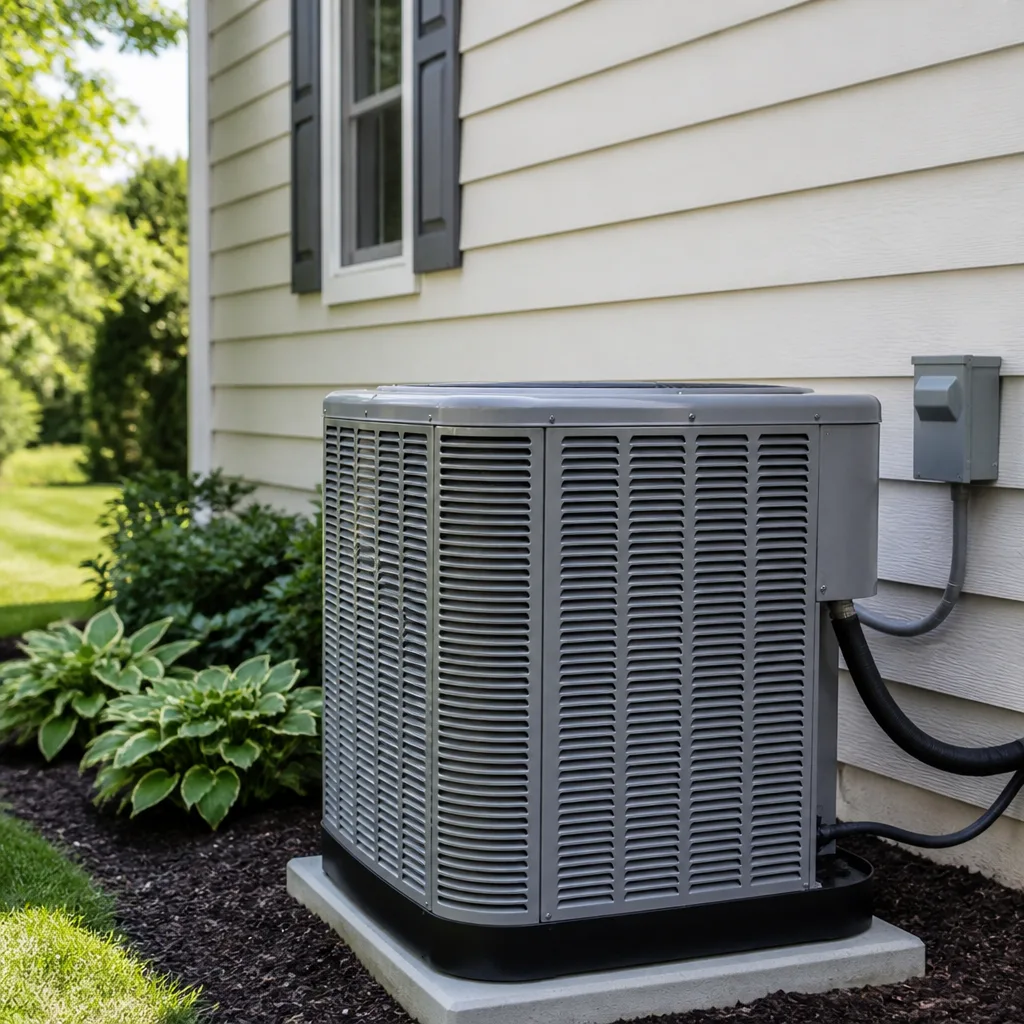 AC repair
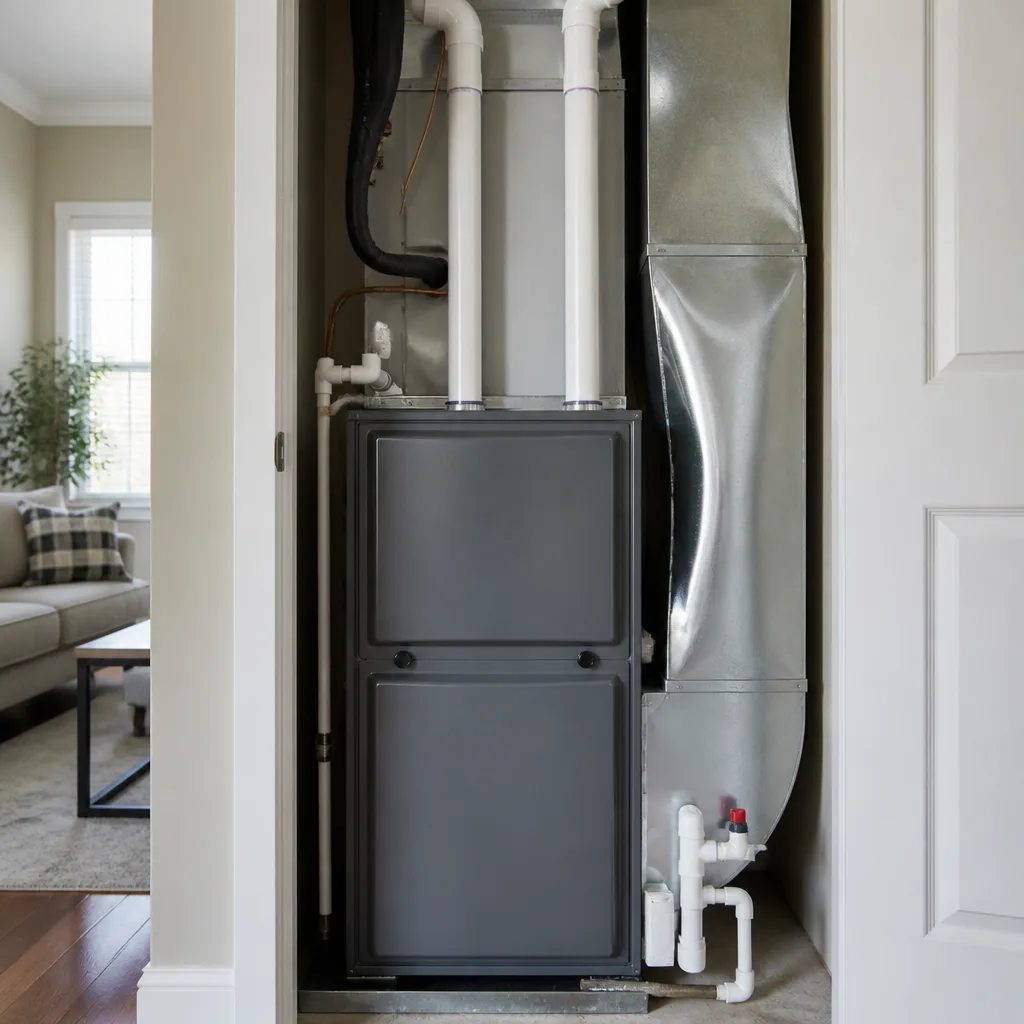 Furnace & heating
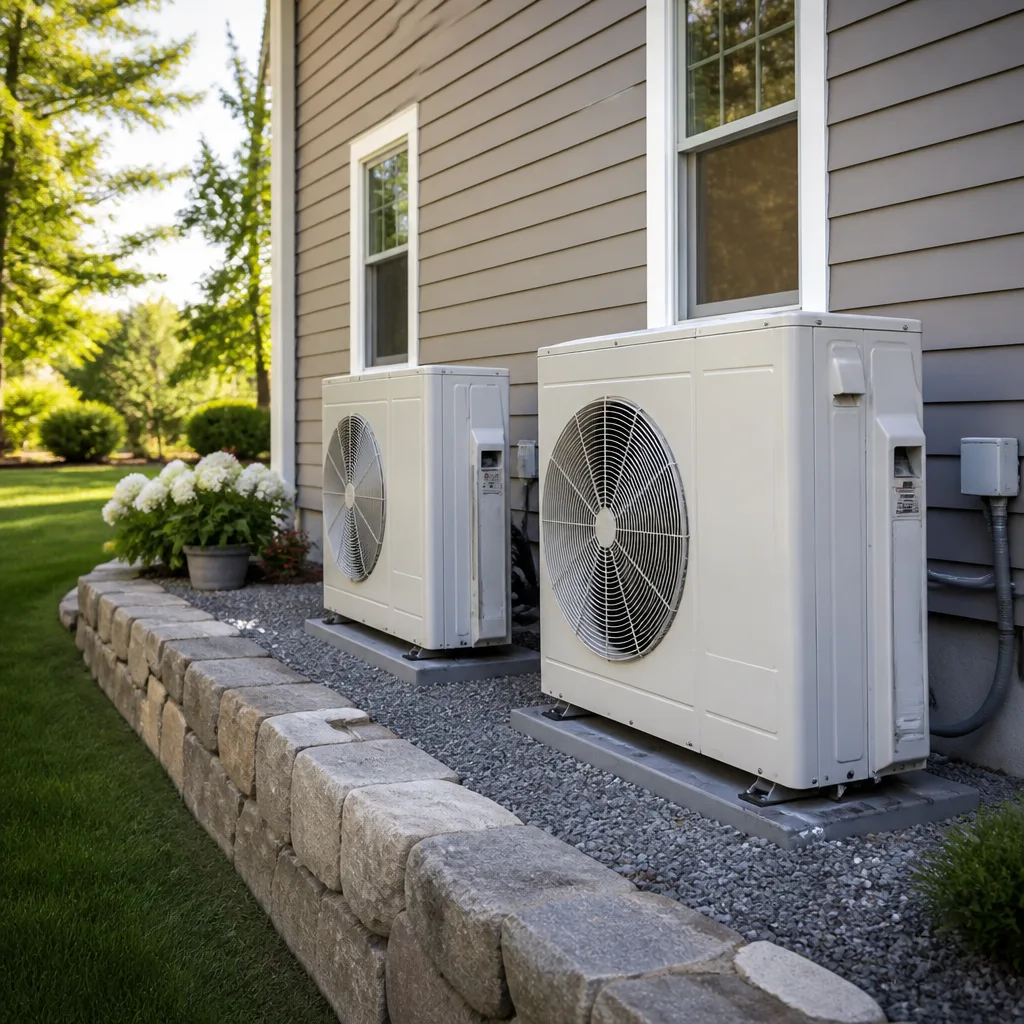 Heat pumps
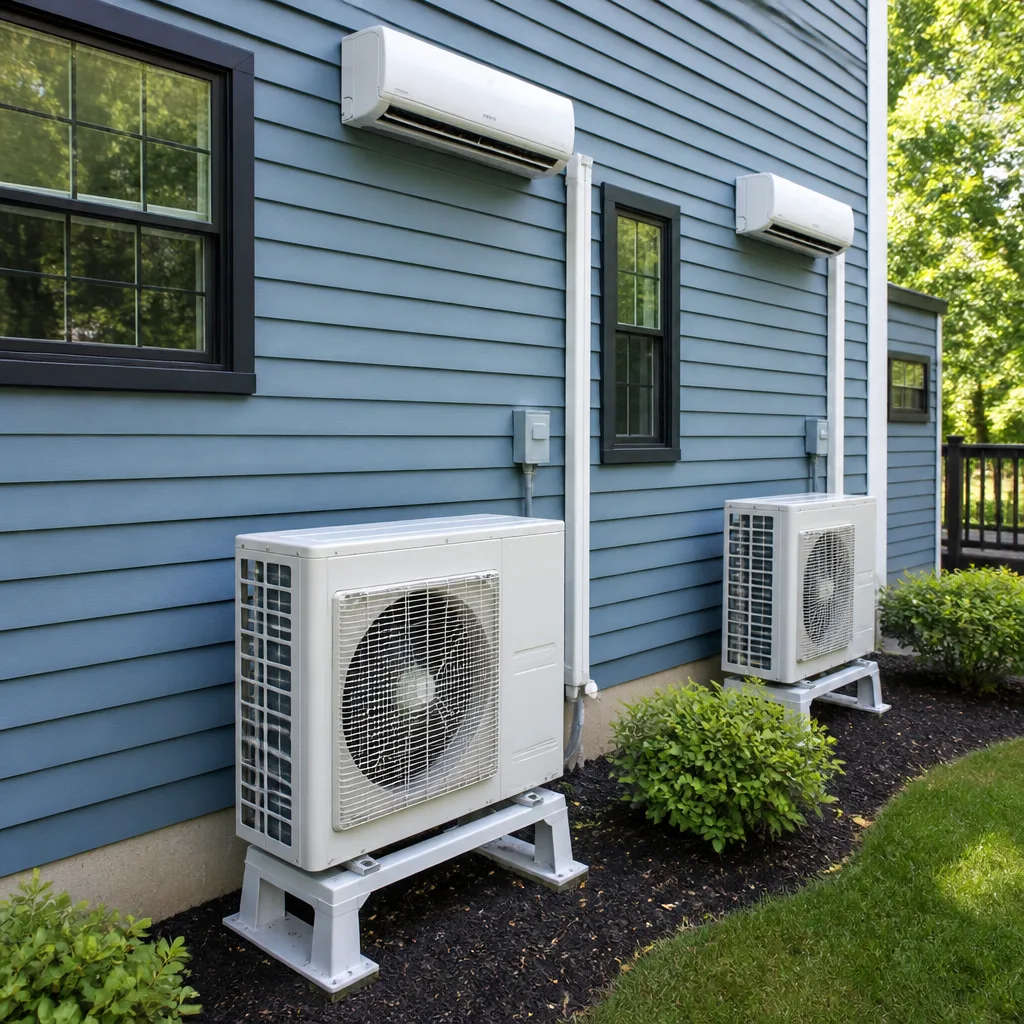 Ductless mini splits
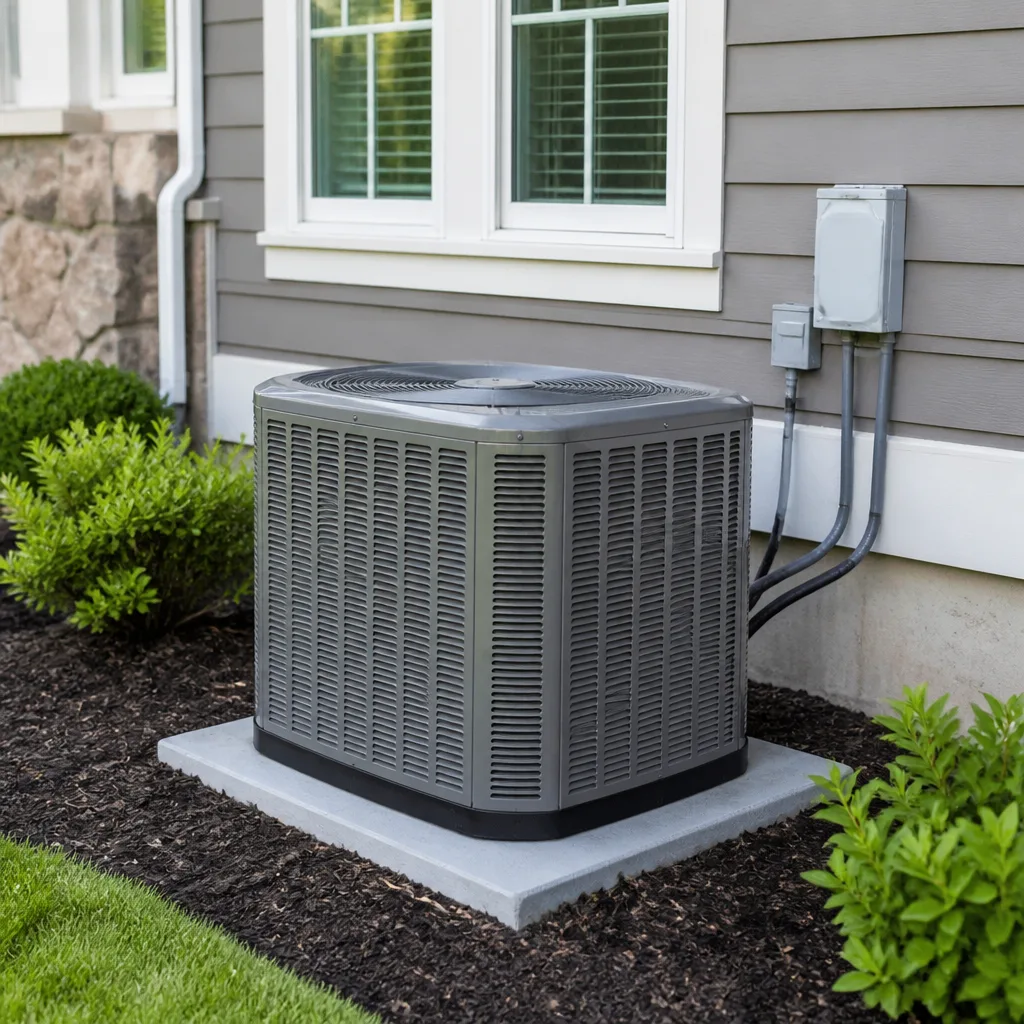 Carrier
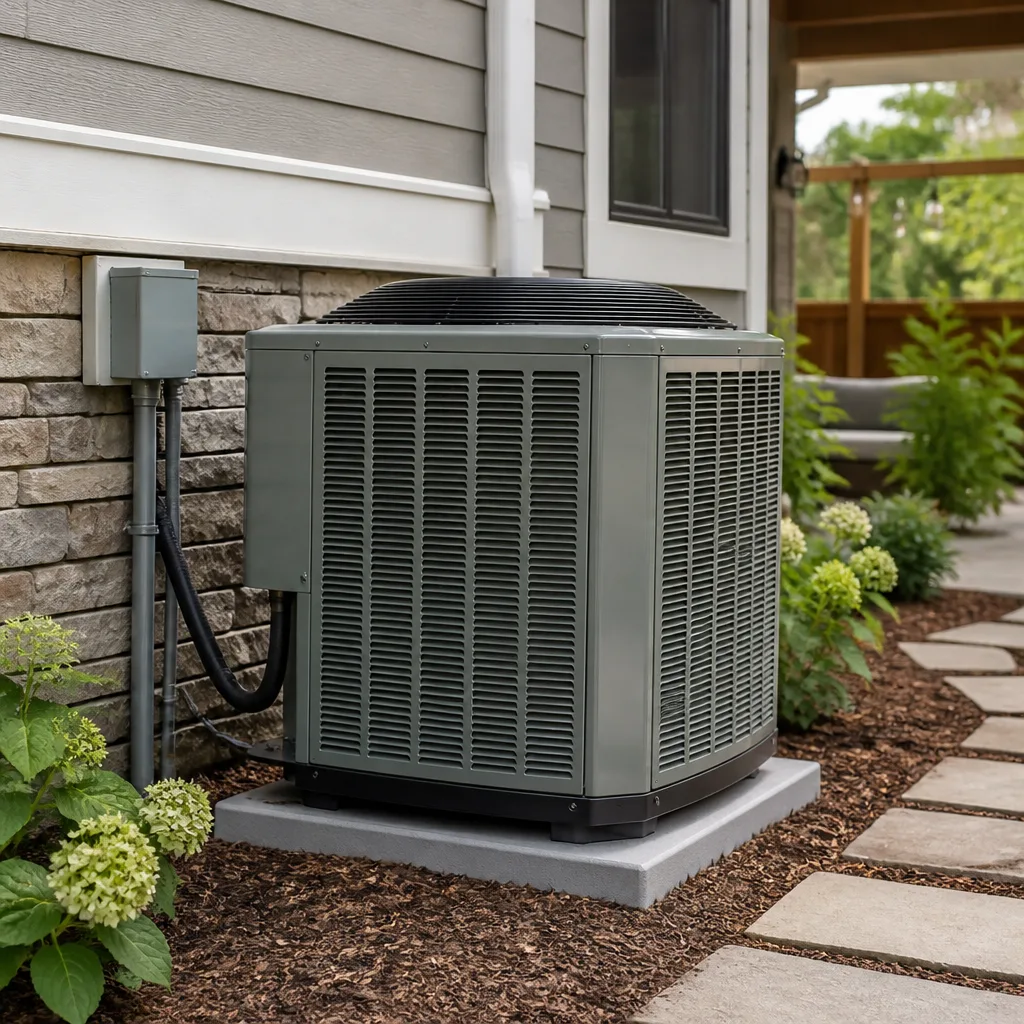 Trane
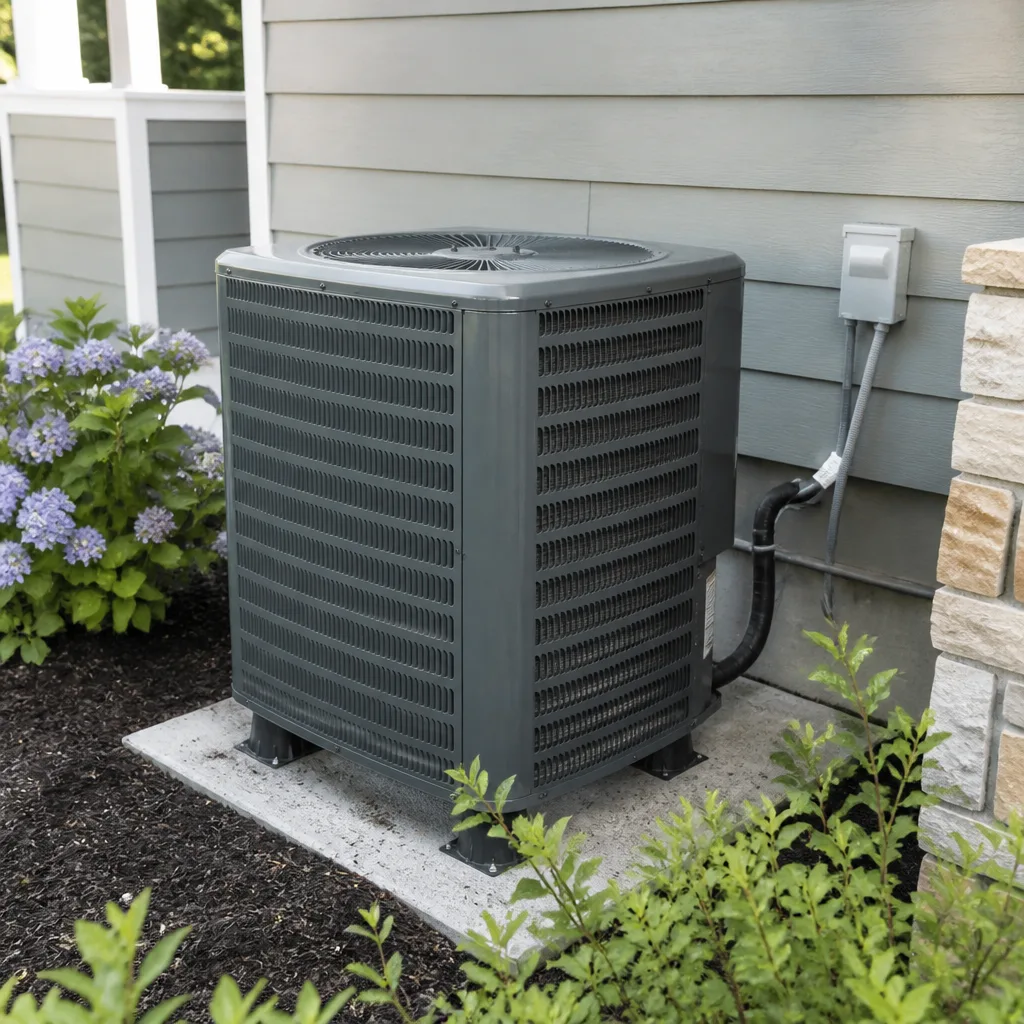 Goodman
Seasonal tune-up and full diagnostic on your Carrier, Trane, or Goodman system - readings shown to you before any repair is proposed
Diagnosis first, numbers second - you approve the repair price before a single part goes in.
Get your free estimateAir Quality & Ventilation Warning Signs Every Homeowner Should Know
If everyone in the house sleeps better when a window is cracked open in January, that’s not a preference. That’s a ventilation system telling you something. Most ventilation and air quality problems don’t arrive with a bang. They build slowly, a little at a time, until the family has quietly adjusted its habits around them – sleeping with the window open in winter, running the bathroom fan for twenty minutes, keeping the guest room door shut because it smells a little off. By the time an equipment problem announces itself, the behavioral clues have usually been there for months. This guide walks through those subtle signs, explains why Whitney homes see some of them more than others, and shows you what to watch, what to schedule, and what to call about today.
Quick Answer
The warning signs of poor home ventilation and air quality are chronic morning headaches, condensation on cold interior windows, a musty smell that lives in only one zone of the house, dry throat and eyes in winter, static shocks at high-desert humidity levels, and stale air that clears only when a window opens. Taken together, these point to a system that isn’t moving and conditioning air the way it should – and they need a professional look before they turn into bigger problems.
Styles & brands we work with
- AC repair
- Furnace & heating
- Heat pumps
- Ductless mini splits
- Carrier
- Trane
- Goodman
Table of Contents
- The Behavioral Clues That Come Before the Equipment Clues
- Humidity Warning Sign vs. Ventilation Warning Sign: They Look Alike
- Why Whitney Homes See Specific Warning Signs Others Don’t
- A Room-by-Room Walk-Through: What to Check and When
- Call Today, Schedule Soon, or Watch and Document
- What to Tell Your Technician When You Call
- The Equipment Signs That Confirm What Your Body Already Knew
The Behavioral Clues That Come Before the Equipment Clues
Most homeowners wait for a visible sign before they call. A filter that looks like a rug. A duct that’s dripping. But in our experience, the equipment is usually the last thing to complain. The people living in the house complain first – they just don’t recognize it as a ventilation issue.
Here are the behavioral signals we ask about before we ever open a panel:
- Morning headaches that clear after leaving the house. If three out of four people in the home wake up with a dull headache that fades by 9 a.m., the bedroom isn’t exchanging air overnight. That’s a ventilation issue, not a mattress issue.
- Condensation on cold windows in the morning. A little fog on a single-pane window in Whitney is normal in January. Water that runs down the glass, or beads on the sill, means the indoor humidity is higher than the house can move out.
- A musty smell that lives in only one zone. Whole-house smell means a whole-house problem. One-zone smell usually means one-zone airflow: a return that’s been blocked or a room that never had adequate supply.
- Sleeping with a window cracked in winter. People don’t open windows in a Whitney January because they like cold air. They open them because the room feels stuffy without it.
- Habitual fan use after showers or cooking. If the bathroom fan needs twenty minutes after every shower, or the range hood runs long after dinner, the household has already adapted to slower moisture removal.
None of these are emergencies on their own. But when two or three show up together, they point to a system that isn’t doing its job – and that’s when a professional look saves real money. If you’re already noticing two or more of these, our team can start with a free second opinion on any written estimate, so no one is guessing at a price.
Humidity Warning Sign vs. Ventilation Warning Sign: They Look Alike
This is where a lot of homeowners get led down the wrong road, sometimes by well-meaning advice and sometimes by a quick sale. A humidity problem and a ventilation problem produce similar symptoms, and they need different fixes. Getting the diagnosis wrong means paying for the wrong answer.
A humidity problem is about how much moisture is in the air. Signs include condensation on windows, damp drywall near bathrooms and kitchens, a closet that smells musty, or a whole house that feels clammy. In Whitney‘s dry climate, humidity problems are most often local – a bathroom without a working exhaust fan, a laundry room with a dryer venting into the garage instead of outdoors.
A ventilation problem is about airflow. Signs include stale air in specific rooms, a return grille that whistles or does nothing when you hold a tissue to it, uneven temperatures floor-to-ceiling, and a house that only feels fresh when a window is open. Hot and cold spots across rooms usually point here.
The two can overlap. A house that’s poorly ventilated also tends to hold moisture in the rooms that generate it. But if a technician treats a ventilation problem as a humidity problem, you’ll get a dehumidifier you didn’t need. If they treat a humidity problem as a ventilation problem, you’ll get a fan that doesn’t move enough air. Our technicians are trained to diagnose both, and the flow test is simple: if a room feels better with the door open, the problem is airflow, not moisture. If it feels better after the shower fog clears, it’s moisture.
Why Whitney Homes See Specific Warning Signs Others Don’t
Whitney sits in the high desert, and that changes the warning-sign list. Homes here run into air quality problems that a coastal or humid-climate house rarely sees, and they show up in specific ways.
Fine particulate infiltration. Whitney’s dust is real – from wind events, from nearby construction, from the dry lakebed areas north and east of town. Fine particulate rides in on the return air and settles in the ducts and the filter. The warning sign isn’t a smoky smell; it’s a filter that looks dark gray after a month, or a windowsill with a film that comes back a week after you wipe it. If you’re changing a 1-inch filter monthly in Whitney and it’s still loaded, that’s a sign the system is pulling more dust than it can handle, and a higher-MERV upgrade or a filtration add-on usually solves it.
Static buildup and dry throat symptoms. Winter indoor humidity in Whitney often sits in the 15 to 25 percent range. At those levels, carpet shocks, doorknob zaps, and dry eyes and throat on waking are all normal. But “normal for Whitney” doesn’t mean “fine to ignore.” A properly balanced system with a humidifier tied in keeps indoor humidity in the 30 to 40 percent comfort range and cuts the shocks and the throat irritation in half.
Sealed-tight new construction and recent remodels. Homes built or re-sealed in the last fifteen years, common in the newer pockets around Whitney Ranch and the neighborhoods west of Boulder Highway, are far tighter than the 1970s and 1980s builds nearby. Tighter homes hold heat well and trap stale air just as effectively. If you’ve recently replaced windows or had insulation work done, your ventilation needs tend to go up, not down.
For more on how Whitney homes handle the heat and cold that drive these problems, our Fireside Heating & Air Co. Whitney home page covers the climate basics that matter for every system.
A Room-by-Room Walk-Through: What to Check and When
Ten minutes with a flashlight and a tissue will tell you more about your home’s ventilation than an hour of reading. Work through the house in this order:
- Bedrooms, first thing in the morning. Look for window condensation. Hold a tissue against the supply grille when the system runs – it should flutter steadily, not hang flat. Notice how the room feels when you walk in from the hallway.
- Bathrooms, after a shower. Run the exhaust fan for ten minutes. If the mirror is still fogged, the fan isn’t moving air. Check that the fan actually vents outdoors – a fan that vents into the attic is a moisture problem waiting to happen.
- Kitchen, after cooking. The range hood should clear visible steam in under a minute on high. If cooking smoke lingers for five minutes, the hood isn’t doing its job.
- Laundry room. Confirm the dryer vents outdoors, not into the garage or a crawl space. In Whitney, that’s a fire-risk issue as much as an air quality issue.
- Return grilles throughout. They should pull air – a tissue pressed against them should hold. A return that’s been blocked by furniture or carpet for years is common and easy to fix.
- The air handler and filter. Confirm filter size, note the brand if you can (Trane, Lennox, Goodman, and Rheem systems all use standard sizes but different recommended MERV ranges), and note how long the current filter has been in.
Write down what you find, room by room. This walk-through doubles as the exact list a technician will ask you for.
Call Today, Schedule Soon, or Watch and Document
Not every warning sign is urgent, and treating them all the same either scares people or gets them to ignore the one that mattered. Here’s how we sort them:
Call Today
- Any smell of gas, or a “rotten egg” odor near the furnace or water heater.
- Soot streaks around vents, or a burner flame that’s yellow instead of blue.
- Symptoms that clear when family members leave the house and return when they come back – especially headaches, dizziness, or nausea.
- Backdrafting: with a bathroom fan running, hold a tissue near the water heater flue. If the tissue is pulled toward the room instead of up the flue, exhaust gases are coming inside. That’s a call-now situation.
Schedule Soon
- Condensation that runs down the inside of windows every morning.
- A musty smell that’s been there for weeks in one zone.
- Two or more of the behavioral clues from the top of this guide occurring together.
- A return grille that’s pulling almost no air.
Watch and Document
- Static shocks in winter, dry throat on waking, or a single cold room.
- A filter that loads up faster than it used to (track the date you change it).
- Morning headaches that happen once a week rather than daily.
When a “watch and document” item shows up alongside a “schedule soon” one, move it up a tier. Related work often solves both, and your Heating & Furnace in Whitney visit is a good time to have it looked at.
What to Tell Your Technician When You Call
The single best thing you can do to shorten a diagnosis is to arrive at the call with the right details. Here’s the list we wish every homeowner had ready – it cuts diagnosis time roughly in half in our experience.
- When the symptom started. Not the date – the season, the week, the event. “It started after we replaced the windows” tells a technician something a hundred check-tests can’t.
- Which rooms. Name them. “Master bedroom and the hallway” is useful. “Downstairs” is not.
- What time of day it’s worst. Morning means overnight air exchange. Evening means cooking and showering. All day means a system issue.
- Who’s affected. Adults only, children, everyone – allergies and symptoms vary by person, and who’s affected helps narrow it down.
- Recent changes. New windows, insulation, a remodel, a new furnace, a filter change, a new pet. All of these change the air-exchange math.
- What you’ve already tried. A fan, a dehumidifier, opening windows. If you’ve tried it and it didn’t work, that’s a diagnostic clue in itself.
We ask these questions on the phone at every call, day or night, because the answers change what we bring to the job. A live person answers every call, 24 hours a day, seven days a week – no voicemail tree, no callback window.
The Equipment Signs That Confirm What Your Body Already Knew
By the time these show up, the behavioral clues have usually been there for months. If you want to spot-check the system before calling in, these are the signs worth knowing:
- The filter loads up fast. A 1-inch filter that’s dark gray within a month in Whitney means the system is pulling high dust. Higher-MERV filtration or a return-side upgrade usually solves it.
- Static and dust in winter. A whole-house humidifier tied into the system keeps indoor humidity in the comfort range and cuts both.
- Uneven temperatures and slow airflow. Usually a duct sizing or static pressure issue. Not something a homeowner should attempt to diagnose alone, but worth writing down.
- Short cycling. A system that runs in short bursts isn’t moving a full cycle of air through the house. That’s a professional problem, not a filter problem.
- A thermostat that shows fan “on” constantly but the house still feels stale. The fan is running, but the ductwork is losing the air before it reaches the rooms.
If your air quality concerns overlap with a heating or cooling problem, our AC Repair & Installation in Whitney and Heat Pump & Mini Split in Whitney pages cover how the same system handles both jobs in the desert climate.
Common Mistakes to Avoid
- Assuming a musty smell is a “character” of the house. It’s not. Musty in one zone means moisture is collecting somewhere in that zone, and the fix is usually a fan, a return, or both.
- Upgrading to a higher-MERV filter without confirming the system can move air through it. A filter that’s too restrictive on a Whitney system can starve the blower. Confirm the MERV with the system specs or a technician before swapping.
- Running the bathroom fan for twenty minutes after a shower. If you’re doing that, the fan is already failing you. Fix the fan, not the routine.
- Venting the dryer into the garage or attic. Common in older Whitney homes. It puts moisture and lint into a space that can’t handle either.
- Treating a dry throat with a humidifier alone. A standalone humidifier helps one room, but a properly balanced system addresses the whole house at once.
- Ignoring the water heater flue during a bathroom fan test. Backdrafting is genuinely dangerous. This is not a check to skip; it’s a call-now symptom.
- Waiting for a “real” symptom before scheduling. Two behavioral clues from this guide are enough to warrant a look, and the cost of looking is much lower than the cost of waiting.
See the difference
 Before
 After
 Before
 After
 Before
 After
When to Call a Professional
Air quality and ventilation issues live in ductwork, exhaust flues, return sizing, and equipment that most homeowners shouldn’t open up themselves. Gas-fired equipment, backdrafting flues, and electrical components of the air handler are genuinely dangerous, and a trained technician is the right person to sort them out. If you’re seeing any of the following, it’s time to call:
- Backdrafting at the water heater flue (tissue test fails).
- Soot, yellow flame, or gas odor anywhere near combustion equipment.
- Morning headaches that clear when family members leave the house.
- Two or more behavioral clues that have persisted for more than two weeks.
- A filter that loads up faster than it used to, without an obvious cause.
Fireside Heating & Air Co. Whitney offers free estimates in Whitney – call (866) 329-8069. We’ve been doing this work in and around Whitney for over 42 years, and every job is backed by our 90-Day Done Right Promise: if it isn’t done right, we make it right, in writing, no arguing.
Frequently Asked Questions
The earliest signs are behavioral: chronic morning headaches that clear after leaving the house, condensation on cold interior windows, a musty smell that lives in only one zone, dry throat or eyes on waking, and sleeping with a window cracked in winter. Equipment problems usually follow, not lead, these signs.
Yes, when they cluster. If family members wake with dull headaches that fade after leaving the house, the bedroom isn’t exchanging air overnight. Combined with window condensation, it’s a strong sign of a ventilation issue rather than an unrelated one.
Whitney’s high-desert winter indoor humidity commonly runs 15 to 25 percent, and at those levels dry eyes, dry throat, static shocks, and dry skin are the norm. A balanced system with a whole-house humidifier keeps indoor humidity in the 30 to 40 percent range and cuts most of these symptoms.
Once a season is plenty, and always after any change in the home’s exhaust setup (a new bathroom fan, a new range hood, a remodel). Hold a tissue near the flue while a bathroom fan runs. If the tissue is pulled toward the room instead of up the flue, that’s a call-now situation.
Usually yes, and the test is simple: if a room feels better with the door open, it’s an airflow problem. If it feels better after the shower fog clears, it’s a moisture problem. When both are true, you have both problems, and a technician should sort out which fix comes first.
Most of the time, we can get a technician out the same week for a standard assessment. If you’re seeing backdrafting, gas odor, or soot, call today. Call (866) 329-8069 for an exact quote – estimates are free.
The Bottom Line
The ventilation warning signs that matter most aren’t the ones that announce themselves – they’re the ones your family has quietly adjusted to. Morning headaches, winter static, a musty guest room, window condensation, a window cracked open in January. Whitney homes see specific versions of these because of the high-desert climate: fine particulate infiltration, low winter humidity, and tight modern construction. When you see two or more behavioral clues together, schedule a look. When you see backdrafting, gas odor, or symptoms that clear when family members leave the house, call today. Our team has been serving Whitney for over 42 years, and every job is backed by the 90-Day Done Right Promise. Call (866) 329-8069 for a free estimate – a live person answers, day or night.
Written by the team at Fireside Heating & Air Co. Whitney.