
Last updated November 18, 2026
 AC repair
 Furnace & heating
 Heat pumps
 Ductless mini splits
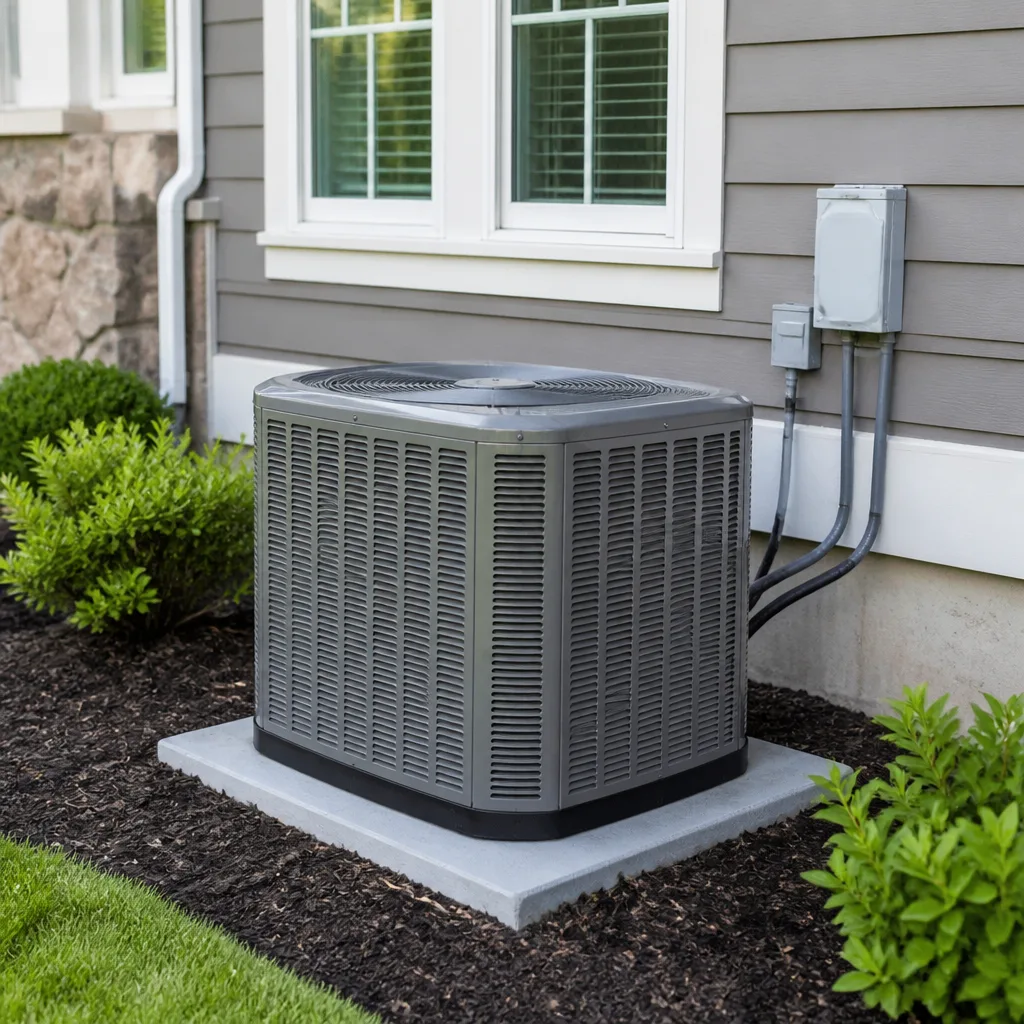 Carrier
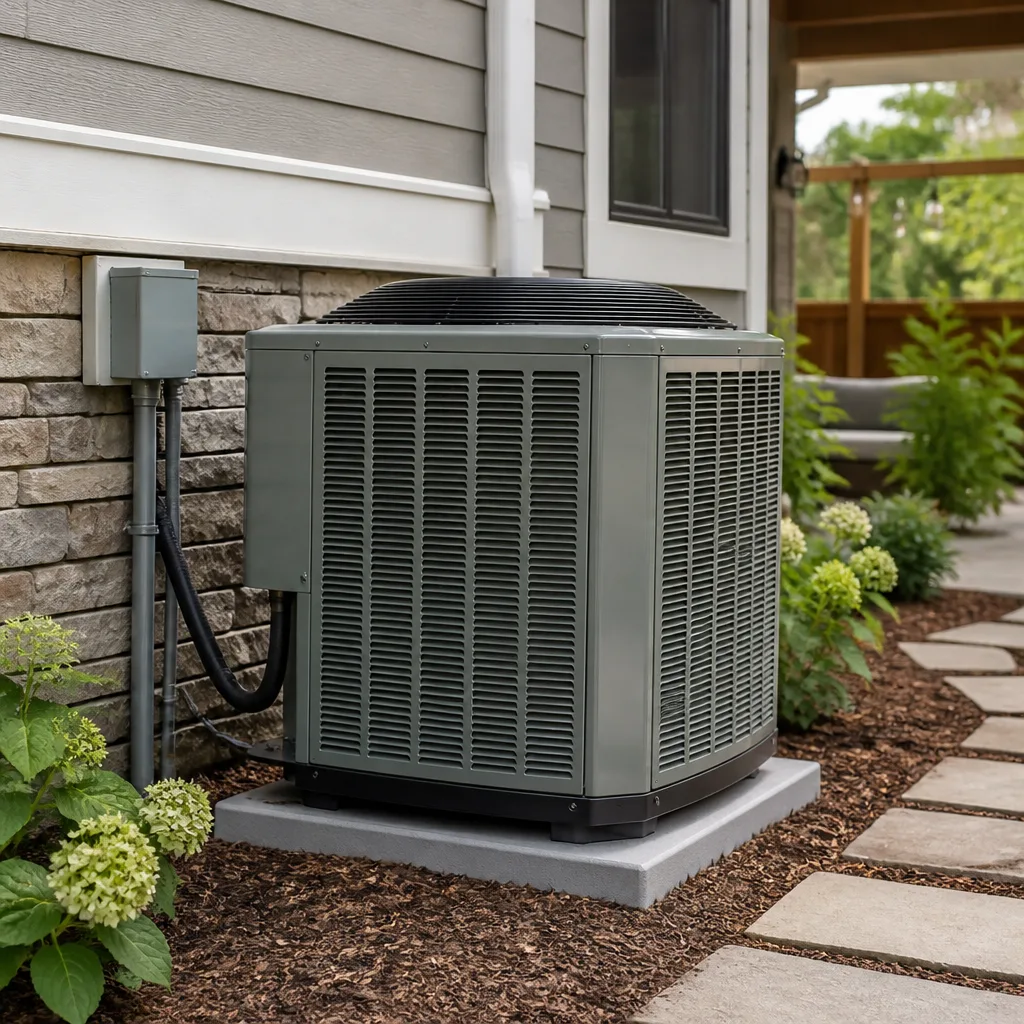 Trane
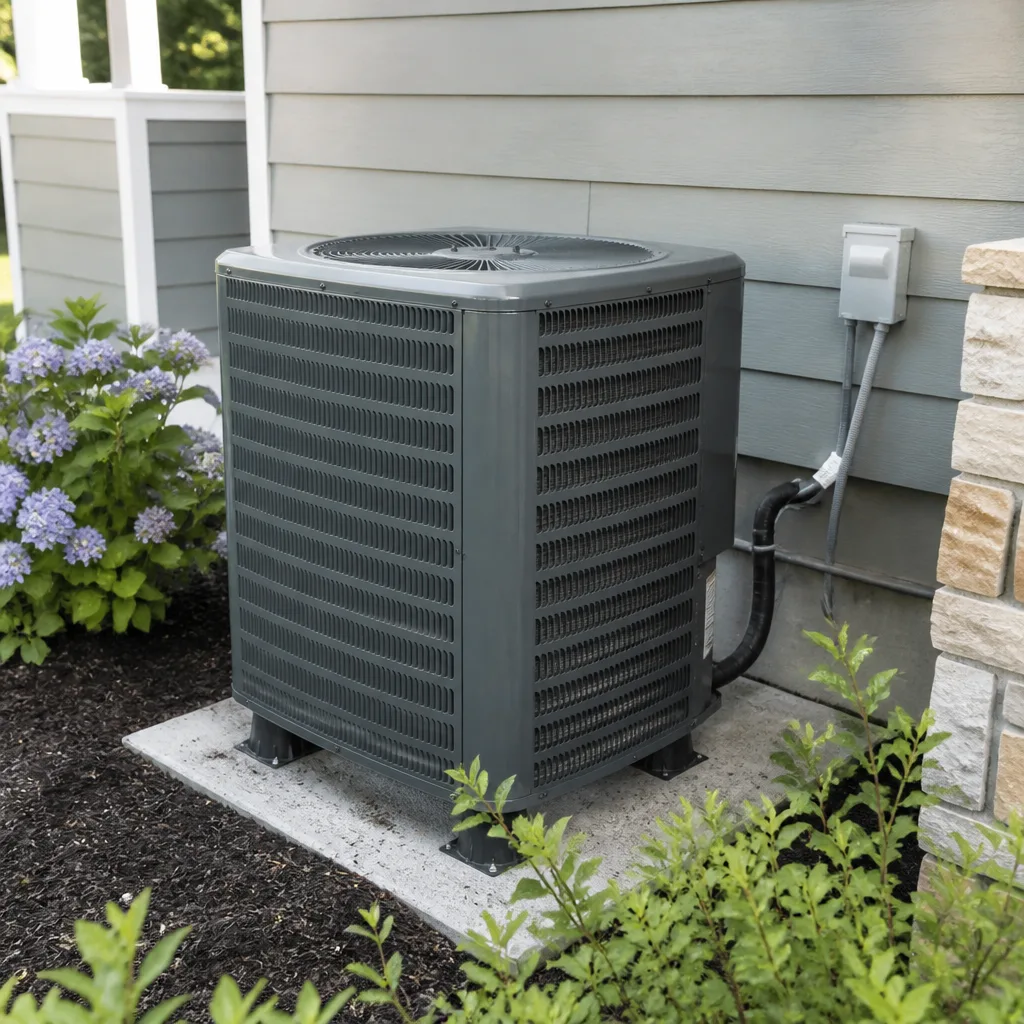 Goodman
Seasonal tune-up and full diagnostic on your Carrier, Trane, or Goodman system - readings shown to you before any repair is proposed
Diagnosis first, numbers second - you approve the repair price before a single part goes in.
Get your free estimateAir Quality & Ventilation Troubleshooting: Common Problems and How to Fix Them
When a home suddenly smells musty, most homeowners replace the air filter. When the smell comes back in two weeks, they buy a more expensive filter. The filter didn’t cause the smell, and it won’t fix it. The source is upstream, and finding it takes ten minutes with a flashlight. That’s the work this guide walks through: symptom to source to solution, in order. You’ll learn how to trace the five most common air quality complaints to their physical cause, run a duct inspection you can legitimately do yourself, and recognize the difference between a filtration problem and a ventilation problem, so you can decide what actually needs fixing in your Whitney home.
Quick Answer
Most home air quality problems come from a physical source you can locate: a bypass leak, a dirty evaporator coil, an imbalanced return, or a bath fan venting into the attic instead of outdoors. Trace the symptom first, then run the grille, airflow, and access-panel checks in this guide. If those checks point to duct leaks, a failing blower, or a refrigerant or combustion issue, that’s when a professional evaluation is worth the money.
Styles & brands we work with
- AC repair
- Furnace & heating
- Heat pumps
- Ductless mini splits
- Carrier
- Trane
- Goodman
Table of Contents
- Building a symptom-to-source diagnostic map
- Musty smell that keeps coming back
- Dusty surfaces despite regular cleaning
- Dry air, static shocks, and nosebleeds
- Stuffy rooms that ignore the thermostat
- Intermittent chemical or burning odors
- The duct inspection you can do yourself
- Whitney’s desert dust and attic bypasses
- Filtration vs. ventilation: why the fix is different
- How to spot an IAQ upsell from a real fix
Building a Symptom-to-Source Diagnostic Map
Air quality complaints fall into five buckets: musty smell, visible dust, dry air, stuffy rooms, and intermittent odors. Each one has a short list of likely physical causes, and the causes rarely overlap between buckets. That’s the whole value of the map. A musty smell almost never comes from dry air, and a stuffy room almost never comes from a dirty filter.
Before you call anyone, write down three things for each symptom you notice:
- When it happens. Only when the system runs? Only in the morning? Only after rain? After cooking?
- Where it happens. Which rooms? Does it get worse near a specific supply or return grille?
- Whether it changes with the thermostat. If you turn the fan to “on” and let it run for twenty minutes, does the symptom get worse, better, or stay the same?
Those three data points eliminate most of the guessing. A smell that shows up only when the fan runs is coming through the duct system. A smell that’s constant regardless of the fan is coming from the room itself. We’ve walked into Whitney homes where a homeowner had replaced three $40 filters chasing a smell that was actually a bathroom exhaust fan venting straight into the attic. Ten minutes of tracing saved a hundred dollars in filters.
Musty Smell That Keeps Coming Back
A musty smell that returns after a filter change has one of three sources: standing moisture in the system, biological growth on the evaporator coil, or a leaking duct run in an unconditioned space. Filters trap particles; they don’t dry anything out. A wet filter will actually make the smell worse because it becomes a growth surface itself.
Run the fan with the filter removed and hold a flashlight at the supply grille. If you see visible moisture or a dark fuzzy growth on the inside of the register, that’s moisture in the system and needs a professional inspection.
Then check the drain pan. In Whitney, the cooling season runs long, and a slow-clogging condensate drain is one of the most common sources of a recurring musty smell. The pan should be dry at the top edge with water draining freely through the trap. If the pan holds water, the drain line is restricted, and the moisture feeds growth on the coil and in the plenum.
A duct leak in an attic or crawl space is the third cause, and it’s the one that gets missed. In the desert, a supply duct that leaks into the attic pulls in hot dusty air and can pull in moisture from cooler evening air, then dumps it into the house. If the smell is worse in the first ten minutes after the system starts, suspect the duct run. For systems in older homes, our team at Fireside Heating & Air Co. Whitney home sees this constantly.
Dusty Surfaces Despite Regular Cleaning
Visible dust after cleaning comes from one of four places: a filter slot that doesn’t seal (air bypasses the filter entirely), a return duct that draws from a space that isn’t the living area (attic air pulled straight into the return), a filter with a MERV rating too low for the particle size you’re seeing, or a blower cabinet that hasn’t been cleaned in years and is blowing settled dust off its own interior.
Start with the filter slot. Pull the filter out and look at the frame. On most furnaces and air handlers, there’s a small lip the filter slides behind. If yours doesn’t have one, or if the filter sits loosely in a wider opening, unfiltered air is going around the edges. A properly seated filter seals at the edges. If yours doesn’t, most hardware stores stock filter frames or weatherstripping tape that closes the gap. This alone solves the problem in roughly a third of the homes we look at, and it costs about $10.
Then check the return grilles. A return is a large grille with no moving parts that pulls air back to the system. Put a tissue against it while the fan runs. If the tissue pulls flat and holds, the return is working. If it barely moves, the return is restricted or undersized, and the fan will pull air in from where it can – usually through cracks in the return duct or the cabinet.
If both check out, the filter may simply be too coarse. A MERV 8 pleated filter captures the bulk of dust that settles on surfaces. A fiberglass filter won’t. For homes running Carrier, Trane, or American Standard equipment, the manufacturer’s filter recommendations are printed on the door of the blower compartment or in the manual.
Dry Air, Static Shocks, and Nosebleeds
Dry indoor air in a Whitney home is usually not a heating problem. It’s a leak problem. Relative humidity in Southern Nevada drops sharply in winter, and a home with duct leaks, attic bypasses, and an unsealed envelope will pull dry outdoor air in continuously. A humidifier can mask the symptom, but it doesn’t address the cause, and it can cause its own problems if it’s sized wrong or not maintained.
The two measurements that matter are relative humidity and air leakage. A $15 hygrometer from any hardware store gives you relative humidity at a spot in the house. Anything under 30% in winter is dry enough to cause static shocks and nosebleeds. Anything under 25% for extended periods is worth investigating.
Next, check your humidifier’s output. If you don’t have one and the home runs above 30% relative humidity naturally, the problem isn’t air dry enough – it’s a local symptom in one room, and the fix is a small room humidifier, not a whole-home system. If the home runs under 25% with the system running, the leak is drawing dry outside air faster than the system can normalize it.
In that case, a whole-home steam or bypass humidifier can help, but it needs to be sized to the home’s cubic footage and paired with an envelope check. A humidifier added to a home with leaking ducts will just waste water into the attic. For furnace systems in Whitney, our team at Heating & Furnace in Whitney usually recommends the humidifier and the leak inspection in the same visit.
Stuffy Rooms That Ignore the Thermostat
A room that feels stale while a room across the hall feels fine almost always has a ventilation or airflow cause. There are four common ones:
- Under-supplied space. The supply duct to that room is too small or has a closed damper. A tissue held to the register barely moves.
- Undercut door. A closed door with less than an inch of clearance under it traps return air in the room, and the supply stops moving because the pressure builds.
- Return path blocked. A central return in the hallway doesn’t reach the far bedroom. The room has no return path.
- No fresh air introduction. Modern homes in Whitney are tighter than older ones. A sealed home without mechanical ventilation holds CO2 and VOC levels higher than the occupants realize.
The tissue test separates the first three from the fourth. Hold a tissue against the room’s supply register while the fan runs. If the tissue moves flat against the grille and holds, the room is getting air. If not, the room is under-supplied. Then tape a tissue across the gap under the closed door. If it holds still, the room has no return path, and that’s the fix – a door undercut, a transfer grille, or a return added to the room.
If both tests show airflow is fine and the room is still stuffy, the problem is ventilation. That’s where an energy recovery ventilator or a small fresh air duct may genuinely help. Skip to the section on filtration vs. ventilation below before agreeing to either one. For homes with ductless systems, Heat Pump & Mini Split in Whitney covers how heads handle airflow in rooms without ducts.
Intermittent Chemical or Burning Odors
Any burning or chemical odor that appears only when the system runs needs to be taken seriously, and this is the one symptom we tell homeowners not to troubleshoot first. A new furnace has a light “burn-off” smell for the first few heating cycles. After that, a burning smell is a sign of overheating components, a failing blower motor, blocked airflow, or a combustion issue.
Turn the system off at the thermostat and call. If the smell has a gas-adjacent quality – sulfur, rotten eggs, or a sharp chemical edge – leave the home and call your gas utility first, then call us.
Some intermittent chemical odors are not emergencies. A faint plastic smell when the heat comes on after a long cooling season is usually dust burning off the heat exchanger, and it fades within a day. A chemical smell from a new piece of furniture, paint, or carpet that shows up when the fan runs is VOCs being circulated by the system. That’s a ventilation problem, not a system problem.
If the smell appears in the same room at the same time of day with no link to the fan, look at that room’s own sources first. A bathroom without a working exhaust fan, a laundry room with a dryer venting poorly, or a kitchen with a recirculating hood rather than a vented one will all create local VOC load that circulates through the home. Fixing the local source is always cheaper than adding air purification equipment.
The Duct Inspection You Can Do Yourself
A basic duct inspection is safe for a homeowner and takes about twenty minutes. It doesn’t require opening the ductwork or touching electrical components. Here’s the sequence:
- Supply grille check. Remove each supply grille cover (they lift off or have two screws) and look at the inside of the boot and the first six inches of duct. You’re looking for visible dust buildup, moisture, or a smell. Reinstall the grille.
- Return grille check. Same process. A return grille with heavy dust means the filter has been bypassing or is undersized.
- Tissue airflow test. Hold a single-ply tissue against each supply register with the fan on high. It should pull flat and flutter. A register that barely moves a tissue is under-supplied.
- Access panel inspection. Many homes have removable panels on the air handler and the main trunk line. These are typically held with screws or tabs. Turn the system off at the breaker and lift the panel carefully. Look at the inside of the plenum and the first few feet of duct with a flashlight. Look for gaps at seams, disconnected flex duct, crushed sections, and visible moisture. Do not touch wiring, the blower wheel, or anything connected to refrigerant lines. Reinstall the panel.
- Filter slot inspection. Confirm the filter sits snug at all four edges with no visible gap.
If those five checks show working airflow, a snug filter, and no visible leaks or moisture, the ducts are probably fine and the problem is elsewhere. If you find disconnected flex runs, crushed sections, or heavy buildup, that’s when a professional duct evaluation is worth the money. Do not attempt to remove duct sections yourself – flex duct that’s been running is brittle and reattaching it properly requires sealing tape and mastic, not duct tape.
Whitney’s Desert Dust and Attic Bypasses
Whitney sits in a desert basin, and the local dust is fine, alkaline, and relentless. It doesn’t just get in through windows. It gets in through the attic. In older Whitney homes – many of the ones built in the 1980s and 1990s – the attic is the largest leak in the house, and the ducts run through it. Every electrical penetration, every plumbing pipe, every recessed light can, every top plate seam, and every attic hatch is a hole that pulls dusty attic air into the living space whenever the house is under negative pressure from the return system.
You can see the problem yourself. On a bright day, go into the attic with a flashlight and look at the top of the insulation in front of the air handler or furnace. If you see dark streaks radiating out from penetrations or streaking across the insulation toward the unit, you’re seeing the filter effect – dust trapped behind the air leaks. Streaking means the house is pulling air through those holes.
A basic sealing audit is exactly that process. A homeowner can legitimately seal the largest holes with foil tape or fire-rated caulk: the attic hatch edges, top plates, and electrical penetration covers. Anything involving the combustion appliance, the flue, or the gas line needs a professional. Our team at Fireside Heating & Air Co. Whitney home handles the sealing around the air handler and duct connections, and this is one of the most common Whitney air quality fixes we perform.
Filtration vs. Ventilation: Why the Fix Is Different
Homeowners frequently conflate these, and the solutions are not interchangeable. The distinction matters because the wrong fix won’t work and the right fix usually does.
Filtration problems are particles you can see or measure. Dust on surfaces, visible debris in the filter, airborne pollen counts, and pet dander. The fix is a better filter, a sealed filter slot, a duct cleaning if the ducts have heavy buildup, or a whole-home air cleaner installed at the air handler. These solutions target particles.
Ventilation problems are things you feel but can’t see. CO2, VOCs from paint and furniture and cleaning products, humidity imbalance, and stale air in tight rooms. The fix is introducing or exchanging fresh air – a small dampered fresh air duct, an ERV, or a bath fan upgrade – plus source control for the VOCs. A HEPA filter does nothing for CO2. An ERV does nothing for dust. Buying one to solve the other is how a homeowner ends up disappointed.
Here’s the test: if you can see the problem on a surface, it’s filtration. If you only notice it as a feeling, a smell, or a measurement on a meter, it’s ventilation. Most homes have a little of both, which is why a professional assessment is worth doing before buying any equipment. A Carrier or Lennox whole-home air cleaner installed on a system that also needs a fresh air duct will only solve half the problem.
How to Spot an IAQ Upsell From a Real Fix
Indoor air quality products are easy to sell because they target an anxiety most homeowners already have. That doesn’t make them fraudulent, but it makes them easy to oversell. The framework below is what we use with our own customers in Whitney before recommending any equipment.
Ask three questions. If the answer to any one is “no,” the product isn’t addressing your diagnosed problem.
- Was the problem actually diagnosed? A real recommendation follows a measurement, a site inspection, or a specific symptom that traces to a physical source. “Every home needs a UV lamp” is not a diagnosis.
- Does the product solve that specific cause? A UV lamp is a disinfection device. It doesn’t filter dust and it doesn’t fix humidity. A whole-home air purifier is a filtration device. It doesn’t fix CO2. An ERV is a ventilation device. It doesn’t filter particles. If the product and the problem don’t match, walk away.
- Was a cheaper alternative offered? A filter slot seal, a door undercut, a bath fan upgrade, or a source-control change solves a meaningful share of home air quality complaints for under $200. Any honest technician will offer the cheap fix first.
A good rule of thumb: if you’re being asked to make a decision on IAQ equipment the same day a technician is at your home and you didn’t request the assessment, you’re being sold, not diagnosed. Call us for a free second opinion on any written estimate before you sign. Our technicians have up to 8 years of experience, and we’re trained to service American Standard, Carrier, Trane, and Lennox systems along with the rest of the nine major residential brands.
Common Mistakes to Avoid
- Chasing a smell with a more expensive filter. Filters capture particles. They don’t stop moisture, growth, or duct leaks. A recurring musty smell is a moisture or leak problem, and the next filter at triple the price still won’t fix it.
- Buying a MERV 13 filter for a system that wasn’t designed for it. A high-efficiency filter on a system with undersized return ducts will choke airflow, ice the coil, and cost more to run. Whitney homes with older ductwork frequently can’t support MERV 13, and 8 is often the better choice.
- Sealing the attic hatch with spray foam without a fire-rated product. Attic hatch edges near the air handler must use fire-rated caulk. Standard spray foam in a desert attic has a way of shrinking and cracking within a couple of years, and it’s the wrong product for that location.
- Adding a humidifier before checking for leaks. A whole-home humidifier added to a home with leaking ducts will waste water into the attic and grow mold there. Fix the leaks first, then size the humidifier.
- Assuming the thermostat controls airflow. The thermostat tells the system what temperature to reach. It doesn’t fix a room with no return path or a supply register that’s closed at the damper. Those are duct problems, and the thermostat can’t solve them no matter what temperature you set.
- Running a bath fan without confirming it vents outdoors. In some older Whitney homes, the bath fan terminates in the attic instead of through the roof. That’s the source of a large share of musty smells we find. Look up in the attic and confirm the duct runs to a roof or wall penetration.
- Trusting an air quality “score” from a handheld device. Most consumer air quality monitors are accurate to one data point and misinterpreted to four. A specific CO2 reading, a humidity reading, and a visual inspection tell you more than a composite score ever will.
See the difference
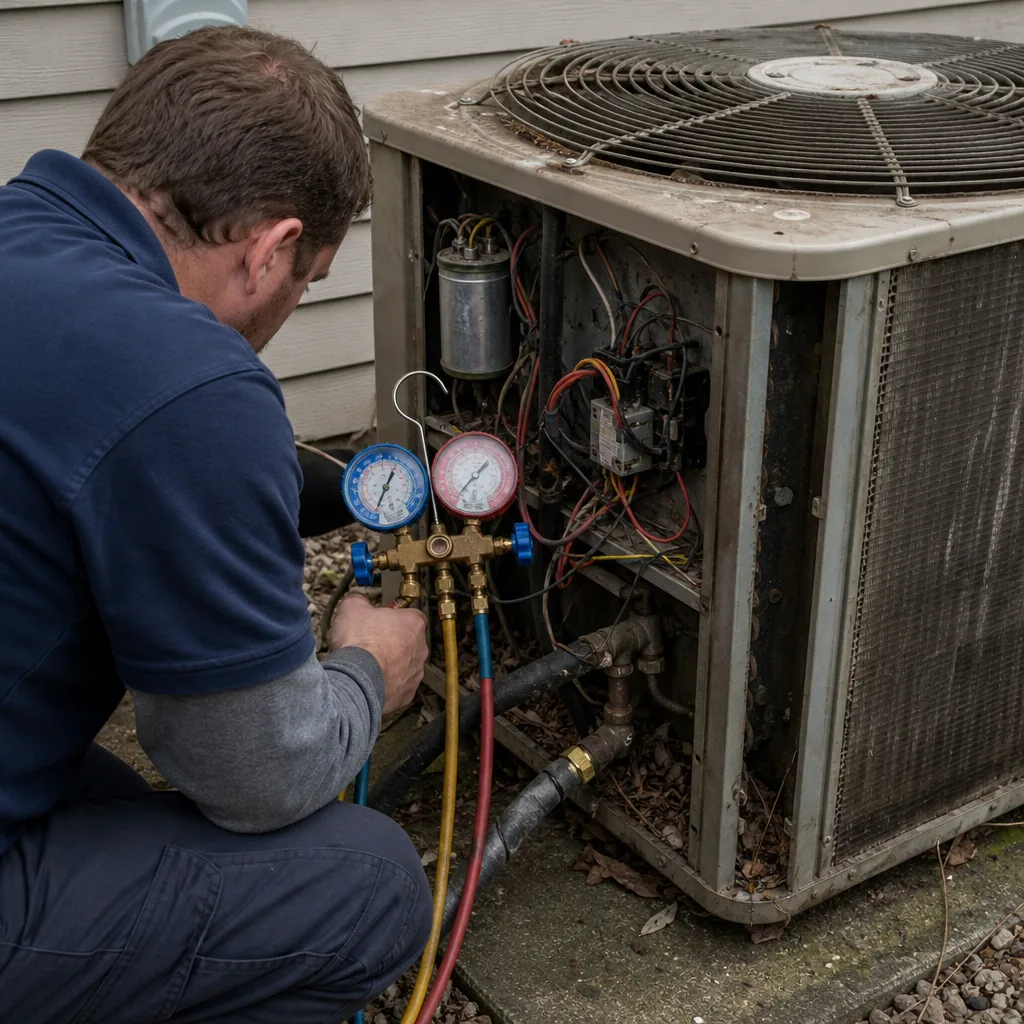 Before
 After
 Before
 After
 Before
 After
When to Call a Professional
Most air quality problems can be traced for free. These are the ones that shouldn’t be. Any burning or gas-adjacent odor needs the system off and a technician on the phone. Any moisture inside the air handler, wet insulation near the coil, or visible growth inside the ductwork needs a professional inspection, because the source may be the coil or the drain pan. Any duct leak near a combustion appliance, gas line, or electrical junction needs a pro. A suspected blower motor failure, refrigerant leak, or combustion issue needs a pro. And any situation where a sealing audit reveals problems beyond the simple foil-tape-and-caulk fixes needs a pro, because the wrong seal in the wrong place can make a home worse.
Fireside Heating & Air Co. Whitney offers free estimates in Whitney. Call (866) 329-8069, and a live person will answer the phone, day or night.
Frequently Asked Questions
A smell that appears only when the AC runs is coming through the duct system, usually from moisture in the air handler, growth on the evaporator coil, a clogged condensate drain, or a duct leak pulling in attic air. Run the fan with the filter removed and hold a flashlight at a supply grille. Visible moisture or dark fuzzy growth on the register means the source is in the system and needs professional inspection. Call (866) 329-8069 for an exact quote – estimates are free.
Only if the filter slot actually seals at the edges. A MERV 13 filter that sits loosely in a wider opening lets most of the air bypass it, and the higher rating does nothing. Check for a snug fit at all four edges first. If the slot seals, a MERV 8 to 11 filter handles the bulk of visible dust, and anything above that needs to be matched to the system’s airflow capacity. For a specific recommendation on your Whitney home, call (866) 329-8069.
Filtration problems are particles you can see or measure – dust on surfaces, visible debris in the filter, or fine grit on window sills. Ventilation problems are things you feel or smell without seeing them – stuffy rooms, lingering chemical odors, or humidity imbalance. If you can see it on a surface, it’s filtration. If you only notice it as a feeling or a smell, it’s ventilation. Call (866) 329-8069 for a free estimate on a proper assessment before buying any equipment.
Most of it comes through attic bypasses and duct leaks, not through your windows. Whitney’s desert dust is fine enough to travel through every electrical penetration, plumbing hole, and top plate seam in an older attic, and the return system pulls it into the house. On a bright day, look at the insulation in front of your air handler. Dark streaks radiating from penetrations mean the house is pulling air through those holes. Call (866) 329-8069 to schedule a sealing audit, and estimates are free.
A UV lamp is a disinfection device; it doesn’t filter dust, fix humidity, or solve a ventilation problem. It’s worth considering when a specific biological growth problem has been diagnosed on the coil or in the drain pan and cleaning alone hasn’t solved it. It’s not worth it as a general “every home should have one” add-on. Call (866) 329-8069 for a straight-talk second opinion on any written estimate you’ve been given.
Every 60 to 90 days is the standard for a 1-inch pleated filter in a Whitney home, shorter during the heavy cooling season or if you have pets. Thicker 4- to 5-inch media filters often last 6 to 12 months because they have more surface area. Check the filter monthly for the first year to learn your home’s rhythm. For filter and system recommendations on American Standard, Carrier, Trane, or Lennox equipment, call (866) 329-8069.
The Bottom Line
Most air quality problems in a Whitney home have a physical cause you can find before you spend a dollar on equipment. Start with the symptom, trace it to the source, and run the free checks first: the filter slot, the tissue airflow test, the return path, and the attic leak streaks. The fix is usually cheaper than the guess – a $10 seal, a filter upgrade, a door undercut, or a bath fan that vents outdoors. When the source turns out to be inside the system, or the smell has a burning or gas-adjacent quality, call us. A square deal, done right, is what we’ve built forty-two years of Whitney service on.
Written by the team at Fireside Heating & Air Co. Whitney.