
Last updated November 18, 2026
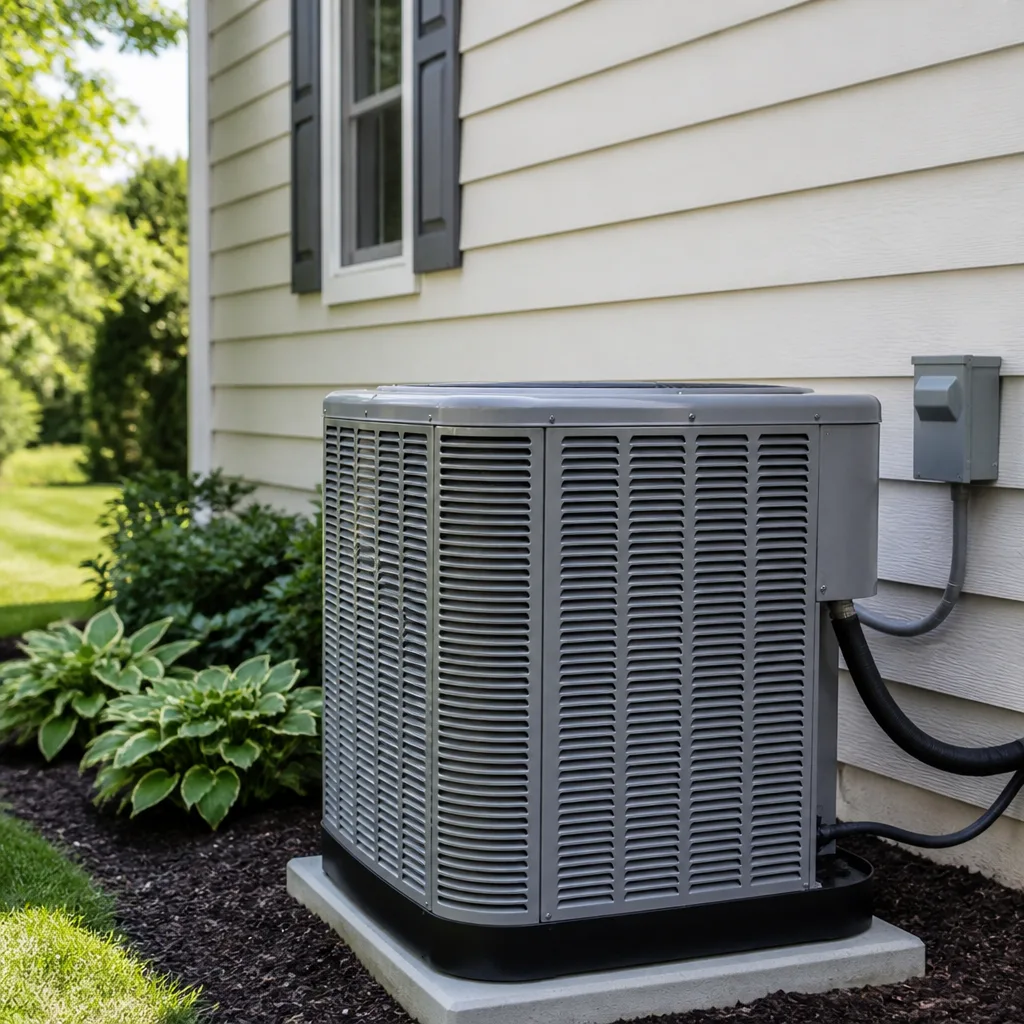 AC repair
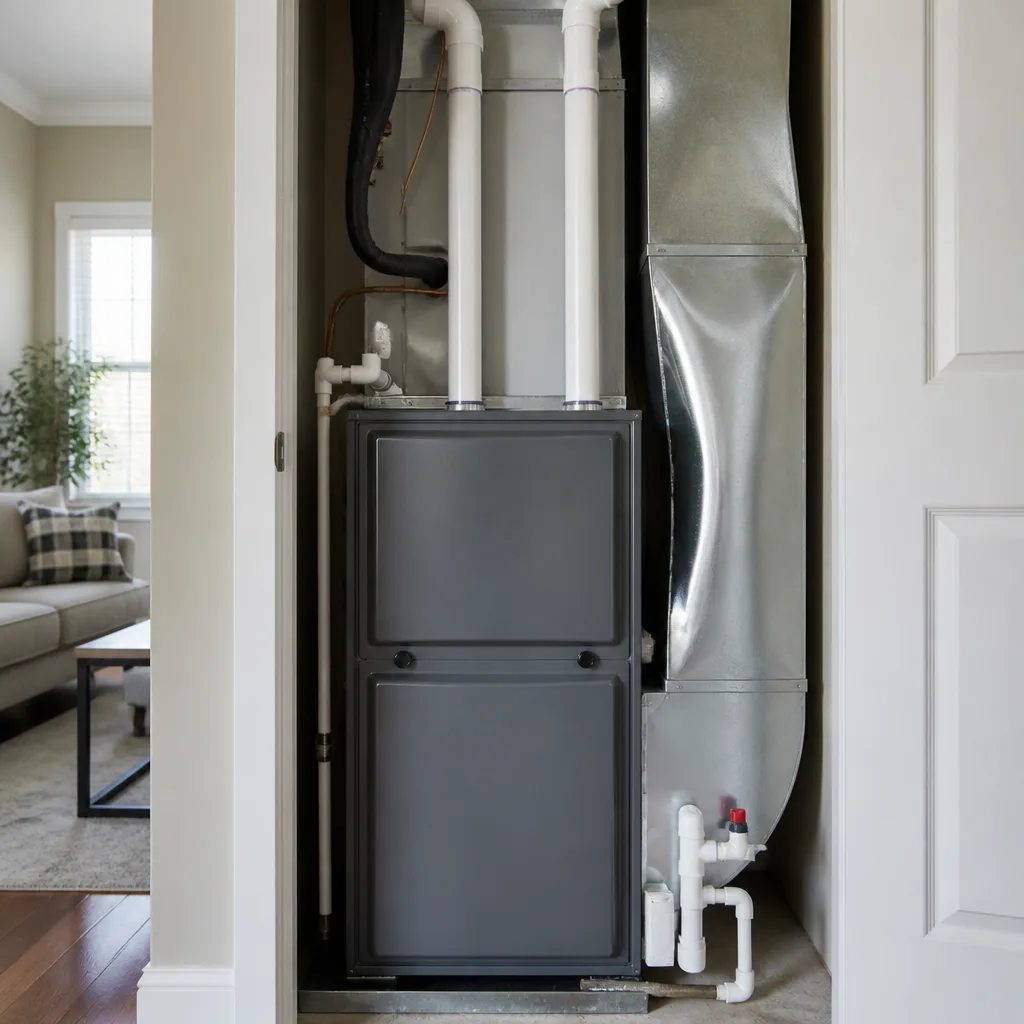 Furnace & heating
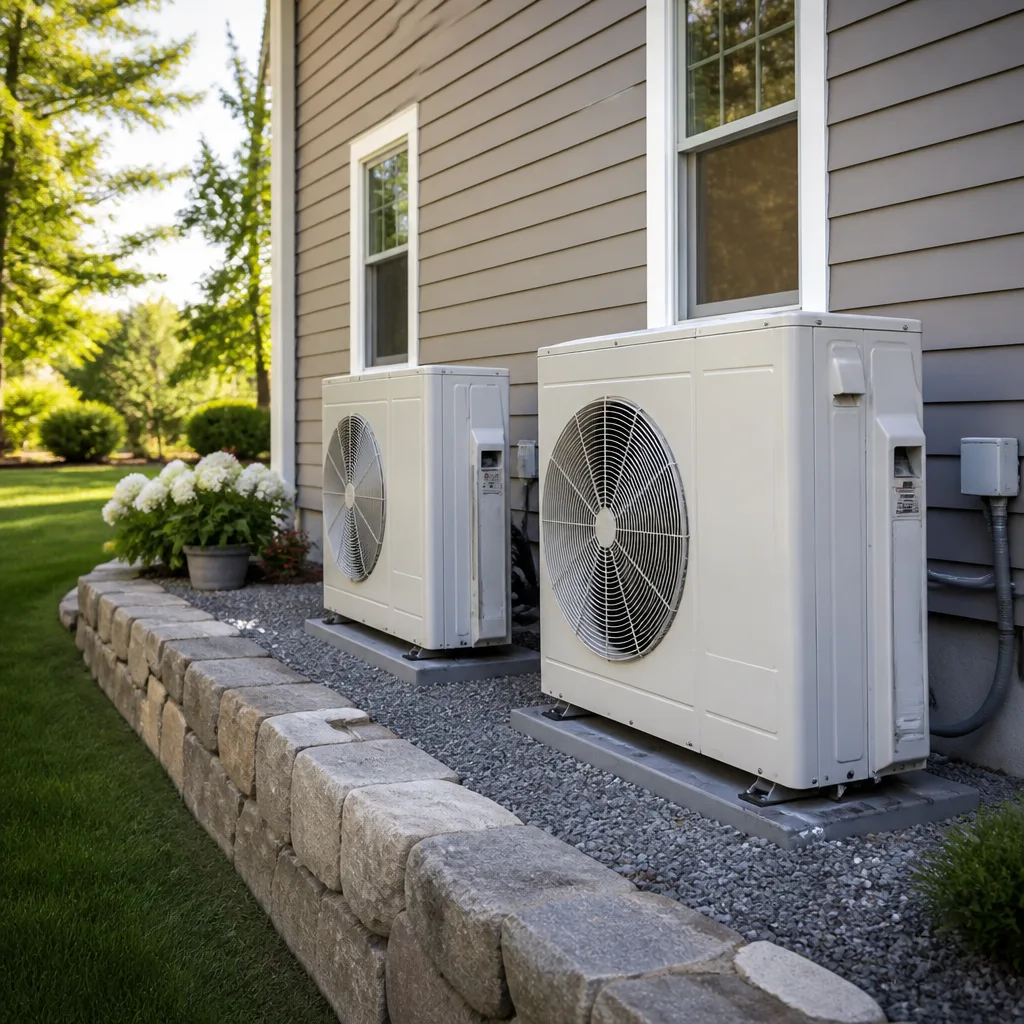 Heat pumps
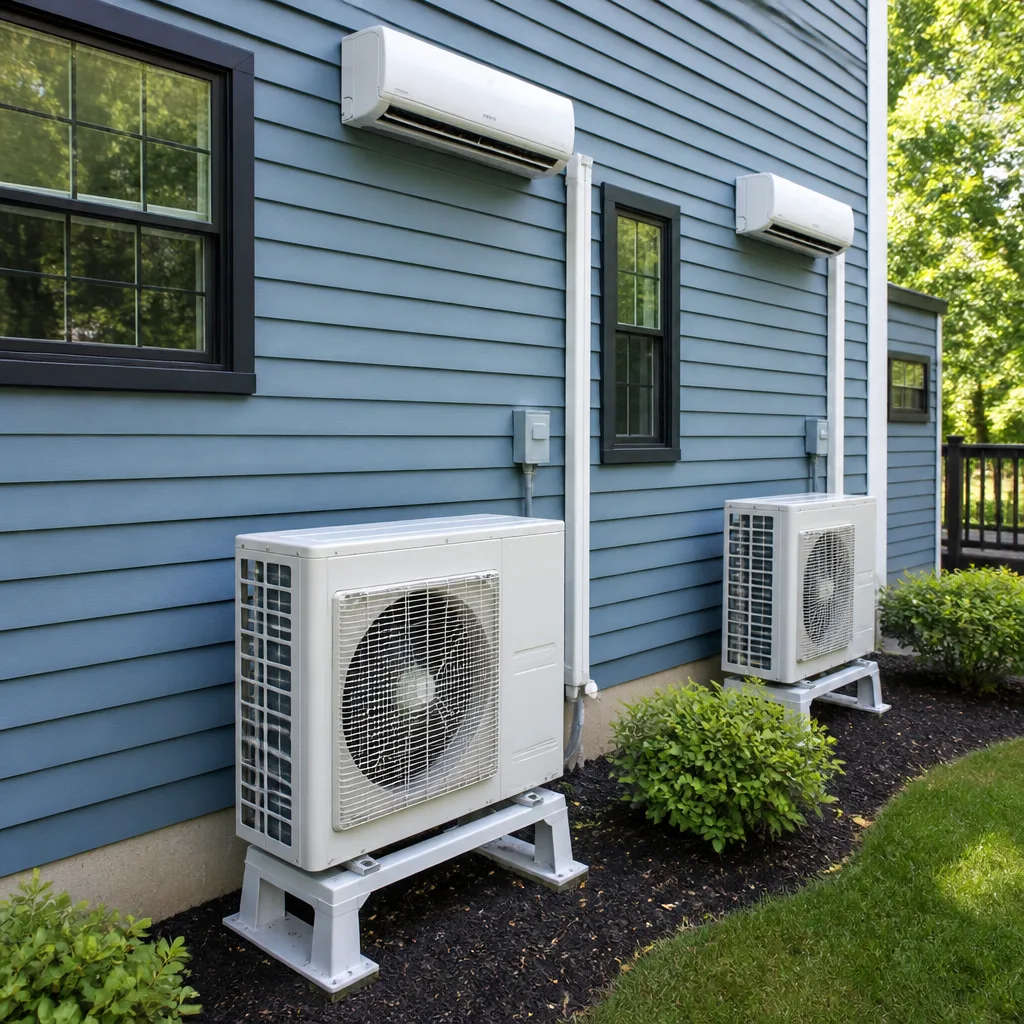 Ductless mini splits
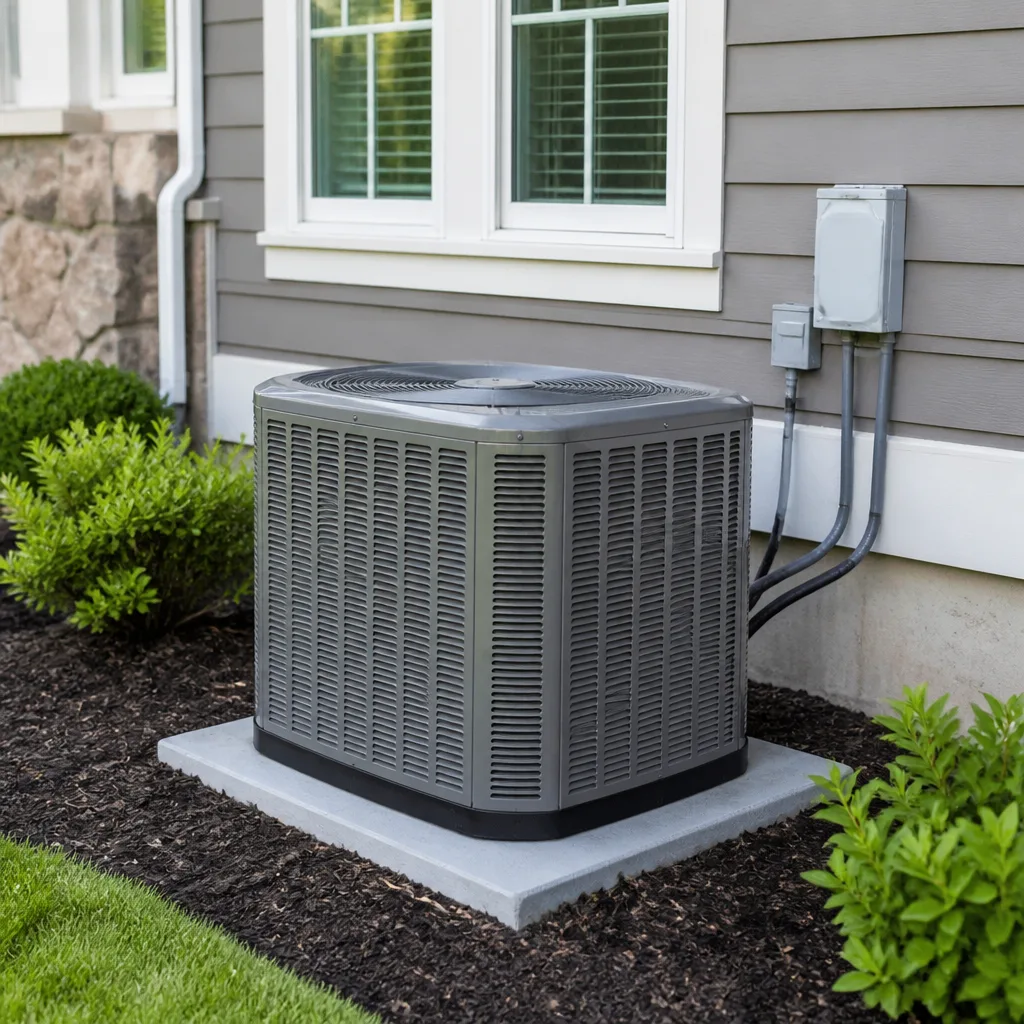 Carrier
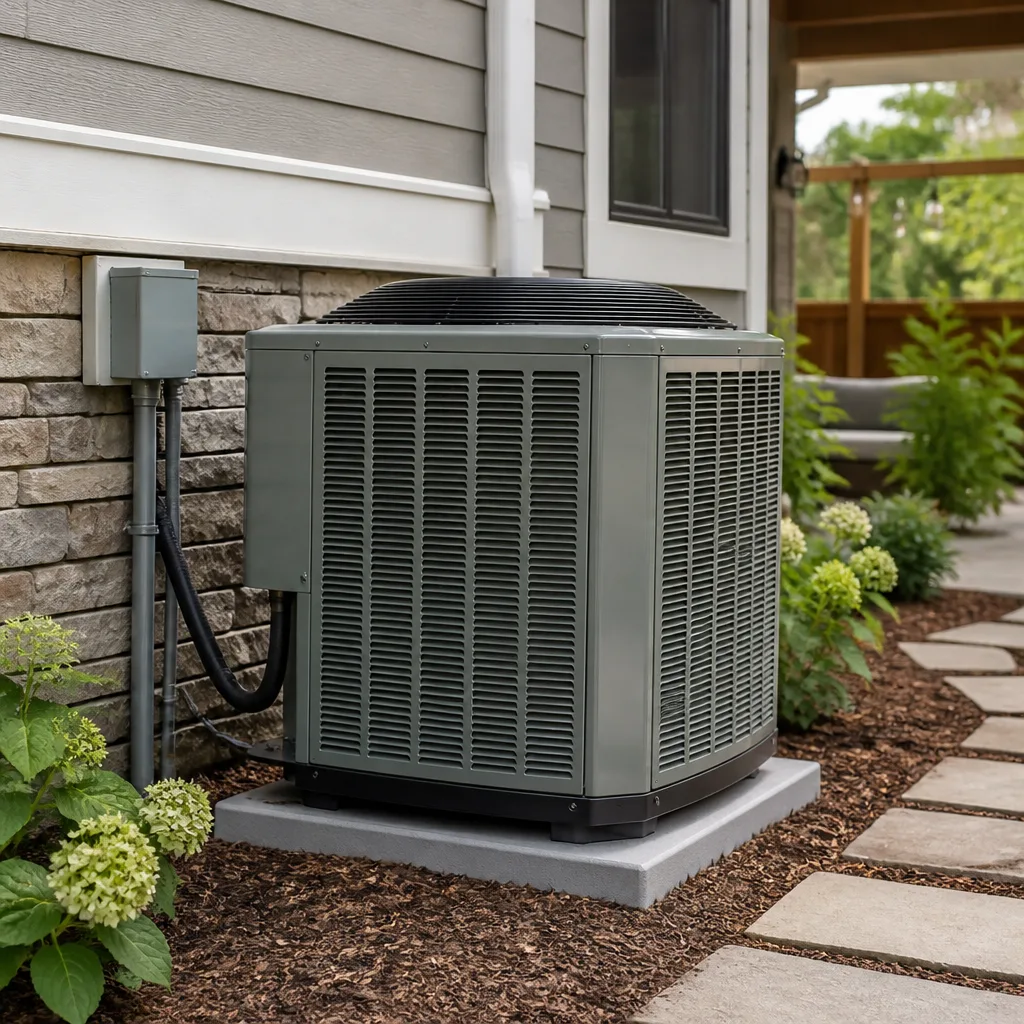 Trane
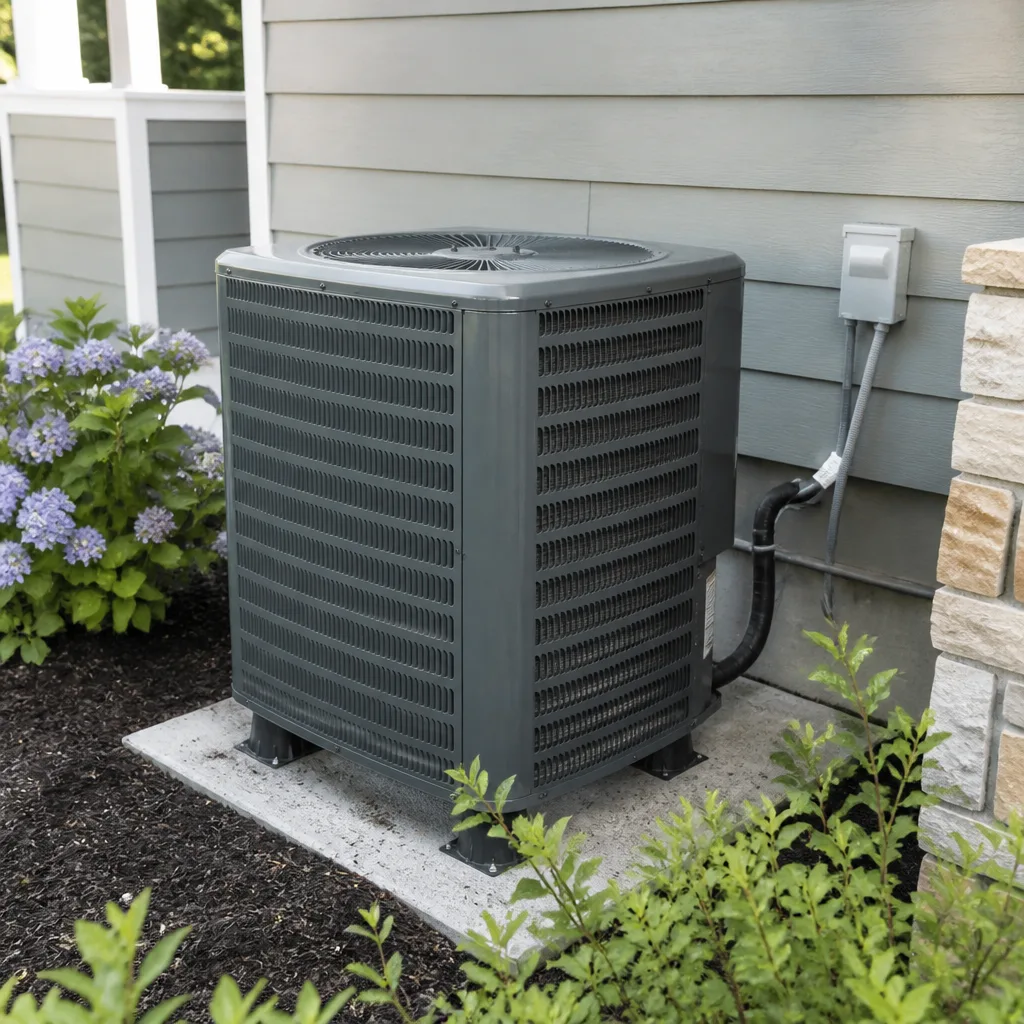 Goodman
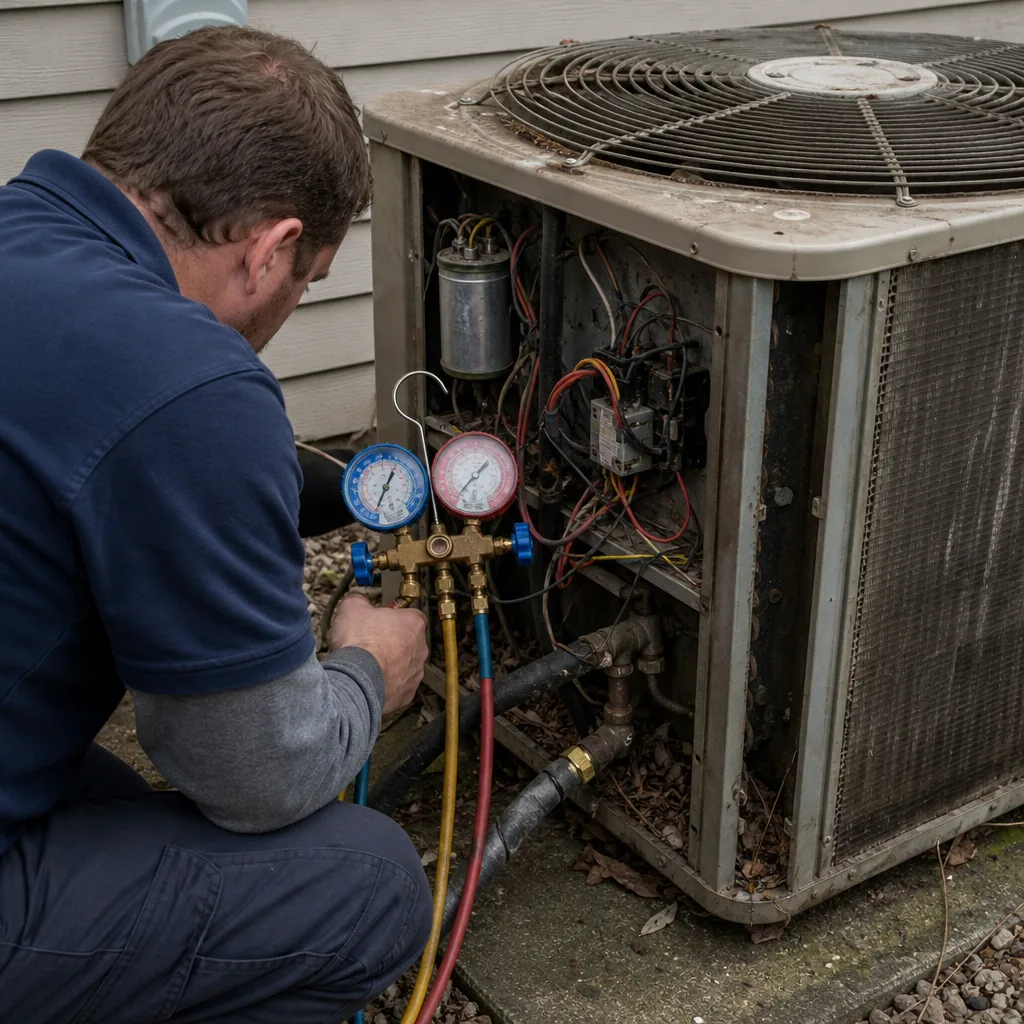
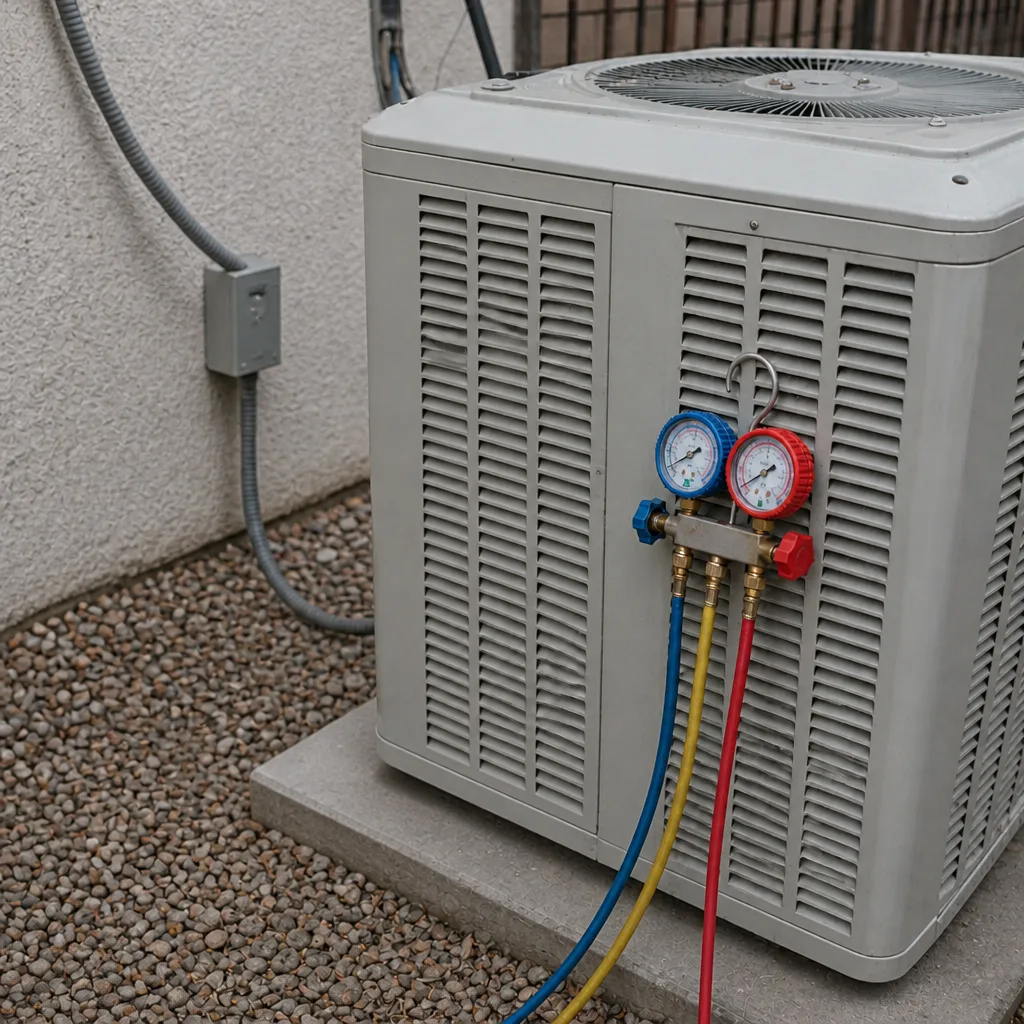
Seasonal tune-up and full diagnostic on your Carrier, Trane, or Goodman system - readings shown to you before any repair is proposed
Diagnosis first, numbers second - you approve the repair price before a single part goes in.
Get your free estimateThe Complete Guide to HVAC in Whitney
Whitney averages more than 110°F days every year, but the neighborhood sits a little higher than central Las Vegas, and that small difference in elevation changes how your system cycles, how hard it works, and why it fails. Two houses a few zip codes apart can have the same tonnage on the tag and behave nothing alike. This guide is written for the homes, soil, and temperature swings Whitney homeowners actually live with. You’ll learn how elevation affects sizing, why slab-on-grade ductwork loses efficiency faster here, how to read a load calculation, and where the sharp line sits between repair and replace.
Quick Answer
HVAC in Whitney is really about matching equipment to a specific address, not a generic Nevada zip code. The valley-edge elevation, slab-on-grade construction, and a winter-to-summer swing from roughly 50°F to 114°F mean a system sized for central Las Vegas can be oversized or improperly balanced for a Whitney home. The right approach is a room-by-room load calculation, ductwork that’s actually tested, and a contractor who services the major brands and stands behind the work in writing.
Styles & brands we work with
- AC repair
- Furnace & heating
- Heat pumps
- Ductless mini splits
- Carrier
- Trane
- Goodman
Table of Contents
- How Whitney’s elevation changes equipment sizing
- Why slab-on-grade ductwork loses efficiency faster in Whitney
- Matching a system to Whitney’s 50°F-to-114°F swing
- What 42 years of local service reveals about failures
- How to read a load calculation report
- Repair or replace: how to decide
- A maintenance schedule that fits Whitney
- What HVAC work costs in Whitney
How Whitney’s elevation changes equipment sizing
Whitney sits on the eastern edge of the Las Vegas Valley, a bit higher than the Strip corridor. That elevation matters more than most homeowners realize. Higher elevation means slightly thinner air, and air conditioners move a fixed volume of air to reject heat. When the air is thinner, the equipment has to work a little harder to hit the same indoor temperature, and the difference shows up on the hottest afternoons in July and August.
The practical consequence is that a system sized for a central Las Vegas address can come out marginally oversized or marginally undersized for a Whitney home, depending on the house. Oversizing is the more common and more damaging error. An oversized unit cools the house quickly, then shuts off before it has run long enough to pull humidity out of the air and to circulate it evenly through the rooms. The result is a house that feels cold and clammy in spots and warm in others, with a compressor that short-cycles and wears out early.
What we look at when sizing for a Whitney address:
- Actual square footage and ceiling height of conditioned space, room by room, not from a tax record.
- Window orientation and glazing, because west- and south-facing glass loads the system differently in the afternoon.
- Attic insulation and radiant barrier, which make a real difference under a Whitney summer sun.
- Duct location and condition, since ducts in a hot attic or under a slab lose capacity before the air reaches a room.
- Elevation-adjusted capacity, so the tonnage on the tag reflects what the equipment will actually deliver here.
If a contractor quotes you a size without measuring your house, that’s your signal to get a second opinion. Our team at Fireside Heating & Air Co. Whitney home sizes every job to the address, and we offer a free second opinion on any written estimate.
Why slab-on-grade ductwork loses efficiency faster in Whitney
A lot of Whitney homes are built slab-on-grade, with ductwork running through the attic or under the slab rather than in an elevated crawlspace. That construction is common and perfectly sound, but it changes how ductwork ages. In a crawlspace, ducts sit in relatively stable, moderate air. In a Whitney attic in July, the air around those ducts can climb well past 130°F, and under-slab ducts sit in soil that holds heat through the evening.
That means duct leakage and poor insulation cost you more here than they would in a cooler climate or a crawlspace home. Every degree the ducts lose on the way to a room is a degree the equipment has to make up. By the time a system is ten or fifteen years old in Whitney, small duct leaks that would be a minor nuisance elsewhere can add a meaningful amount to the summer bill and leave back bedrooms noticeably warmer than the front of the house.
Signs your Whitney ductwork is costing you:
- One or two rooms that never keep up, usually the ones farthest from the air handler.
- Dusty air right after the system starts, which can mean leaks pulling attic air in.
- Higher summer bills year over year with no change in how you run the house.
- Whistling or rattling at vents, a sign of pressure problems in the duct run.
A duct test and a look at the accessible runs tells you quickly whether sealing or re-insulating will pay for itself. We handle that as part of AC Repair & Installation in Whitney, and it’s often the cheapest efficiency gain available in an older Whitney home.
Matching a system to Whitney’s 50°F-to-114°F swing
Whitney’s climate isn’t just hot. It swings. Winter mornings can sit near 50°F, and summer afternoons push past 114°F. A system that merely “works” in one season can be badly matched across both. A heat pump or furnace that’s oversized for the winter load will short-cycle on mild days, and an air conditioner sized only for peak summer will run awkwardly the rest of the year.
The right match comes from a load calculation that accounts for both heating and cooling design temperatures for your address. Some Whitney homes do well with a heat pump that handles both seasons efficiently. Others, especially with existing gas service, are better served by a furnace paired with an air conditioner. The decision should follow the load numbers, not a sales pitch.
What a correctly matched system feels like in a Whitney home:
- Even temperatures room to room, with no room that’s always a few degrees off.
- Longer, gentler run cycles instead of constant on-off cycling.
- Comfortable humidity in summer, not a cold, clammy feel.
- Steady performance on the mild spring and fall days between the extremes.
If you’re weighing a heat pump against a traditional split system, Heat Pump & Mini Split in Whitney walks through how each behaves across that temperature range. And for the heating side, Heating & Furnace in Whitney covers what to expect when the cooler months arrive.
What 42 years of local service reveals about failures
After decades of work in this valley, certain failures show up again and again, and some are uniquely regional. In Whitney, we see the following patterns:
- Capacitor and contactor failures spike in the first real heat wave. The sudden load after a mild spring stresses aging electrical components, and the system that ran fine in April quits on the first 110°F day.
- Condensate drain clogs arrive with the monsoon humidity. When humidity climbs in late summer, drain lines that stayed clear all spring start backing up and tripping the safety switch.
- Duct leaks in attic runs worsen faster here because the attic heat accelerates the wear on insulation and seals.
- Refrigerant charge drifts as systems age, and a slight undercharge that’s invisible in mild weather becomes a real capacity loss at peak.
Other failures are universal. A blower motor wears out everywhere, and a compressor eventually ages out in any climate. Knowing which is which helps you decide whether a repair is a regional wear item or a genuine end-of-life signal. Our technicians have up to 8 years of experience and are trained on the major brands, including Carrier, Trane, Lennox, and Goodman, so the diagnosis isn’t guesswork. Every job is backed by our 90-Day Done Right Promise: if it isn’t done right, we make it right, in writing.
How to read a load calculation report
A load calculation is the foundation of any correctly sized system, and you should be able to read it well enough to confirm it was done for your specific address. If a contractor hands you a report that lists a generic Nevada zip code or looks identical to your neighbor’s, it wasn’t done for your house.
Here’s how to check a report before you sign:
- Confirm your address and square footage. The conditioned area should match a real measurement, not a rounded guess.
- Look for room-by-room figures. A proper report breaks the house into rooms and shows the heating and cooling load for each.
- Check the design temperatures. They should reflect Whitney’s climate, not a statewide average.
- Review the window and insulation inputs. Orientation, glazing type, attic insulation, and radiant barrier should all be listed.
- Match the equipment to the load. The selected tonnage should sit close to the calculated cooling load, adjusted for elevation.
If any of those are missing, ask. A contractor who did the work can explain it in plain terms. One who didn’t will change the subject. That’s exactly why we offer a free second opinion on any written estimate: a square deal starts with numbers you can read.
Repair or replace: how to decide
The repair-or-replace question is the one homeowners ask most, and the honest answer depends on age, repair history, and efficiency. A system that’s ten years old with one failed capacitor is a repair, without question. A system that’s fifteen years old and facing a compressor replacement is a different conversation, because the money you’d spend on that repair buys a meaningful share of a new system with a written guarantee behind it.
Here’s the straight-talk framework we use:
- Under ten years old, single component failure: repair it. The system has life left.
- Over fifteen years old, major component failure: weigh the repair cost against a replacement and get a fixed written price on both.
- Two or more major repairs in three years: the system is telling you something. Replacement usually wins on total cost.
- Comfort that’s never been right since install: a sizing or duct problem, not a repair. Fix the cause, not the symptom.
We quote upfront, and the price quoted is the price paid. No surprises when the work is finished.
A maintenance schedule that fits Whitney
Whitney’s climate puts specific demands on a maintenance schedule. The goal is to catch the failures that spike before the first heat wave and the drain problems that arrive with monsoon humidity. We recommend a tune-up twice a year: once in spring before the cooling season, and once in fall before heating.
A tune-up should include:
- Cleaning or replacing the filter and checking airflow through the system.
- Testing electrical components, including capacitors and contactors, for wear.
- Checking refrigerant charge and looking for leaks.
- Clearing and testing the condensate drain line.
- Inspecting accessible ductwork and seals for leaks.
- A written report of what was actually found, not just a receipt.
Our $89 Seasonal Tune-Up covers the essentials, and you get a written report of what we found. We also offer $50 Off Any Repair Over $250 and a standing Senior and Veteran 5% discount.
What HVAC work costs in Whitney
Prices in Whitney track a little above statewide averages because of the cooling load and the elevation-adjusted sizing. Here’s a rough range for common work, quoted upfront before any job begins:
- Seasonal tune-up: flat rate, with a written report of findings.
- Common repairs (capacitor, contactor, drain clearing): repair pricing, with $50 off any repair over $250.
- System replacement: a fixed written price that includes the load calculation, the set install date, and the equipment matched to your address.
- Duct sealing and re-insulation: priced by the accessible run and the scope of the work.
Call (866) 329-8069 for an exact quote. Estimates are free, and a live person answers the phone day or night.
Common Mistakes to Avoid
- Sizing from the old unit’s tag. Replacing a system with the same tonnage assumes the original was right. In Whitney’s elevation, it often wasn’t. Get a real load calculation.
- Skipping the duct inspection on replacement. Putting a new system on leaking slab-on-grade or attic ductwork throws away efficiency you just paid for. Test the ducts first.
- Waiting for the first 110°F day to call. The first heat wave is when capacitors and contactors fail and when every contractor is booked. A spring tune-up catches them before they strand you.
- Ignoring one warm back bedroom. A single room that never keeps up usually signals a duct leak or balance problem, not a weak system. Fix the cause.
- Choosing on price alone. The lowest bid often skips the load calculation and the duct test. You want the bid you never have to revisit.
- Letting a monsoon-season drain clog run. A backed-up condensate line can trip the safety switch and shut the system down in the middle of summer humidity. Clear it before the season.
- Accepting a report with no address on it. A load calculation that lists a generic Nevada zip code wasn’t done for your house. Ask for the real one.
See the difference
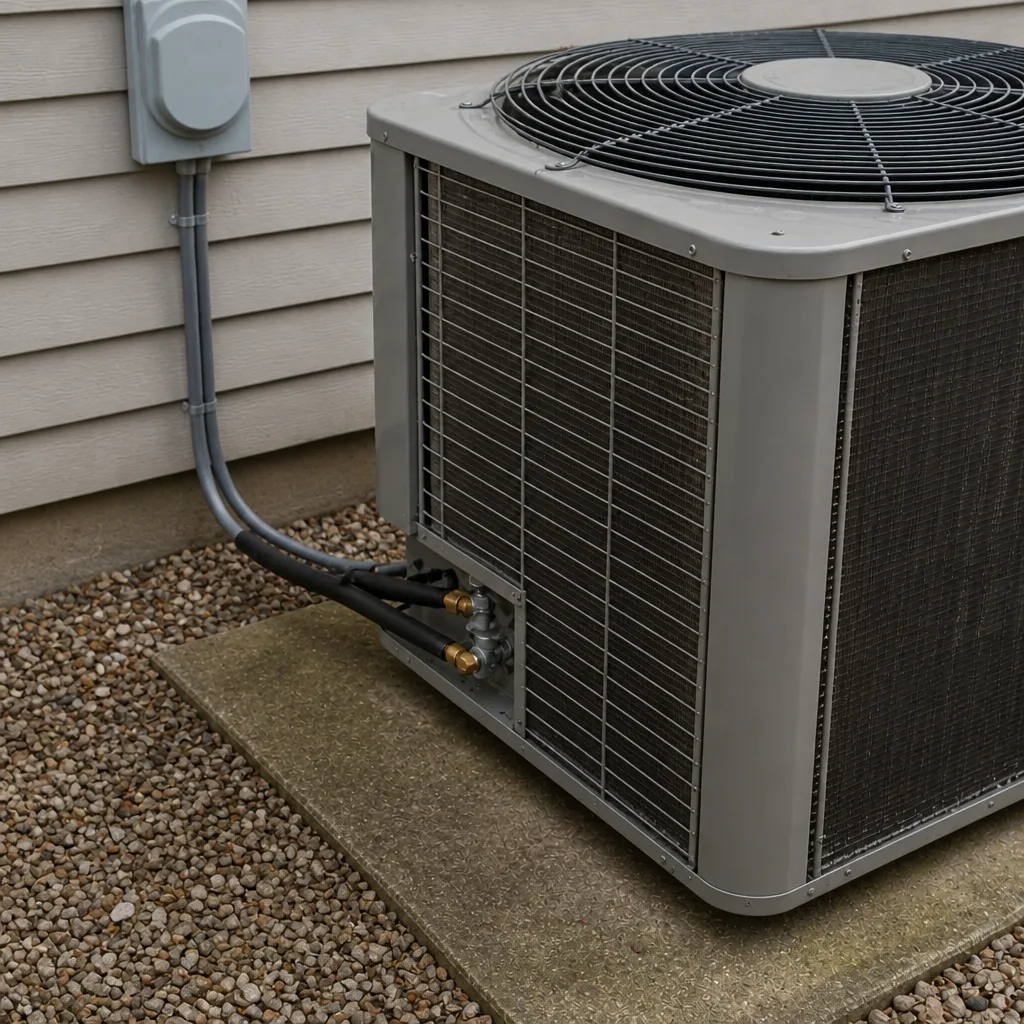
 Before
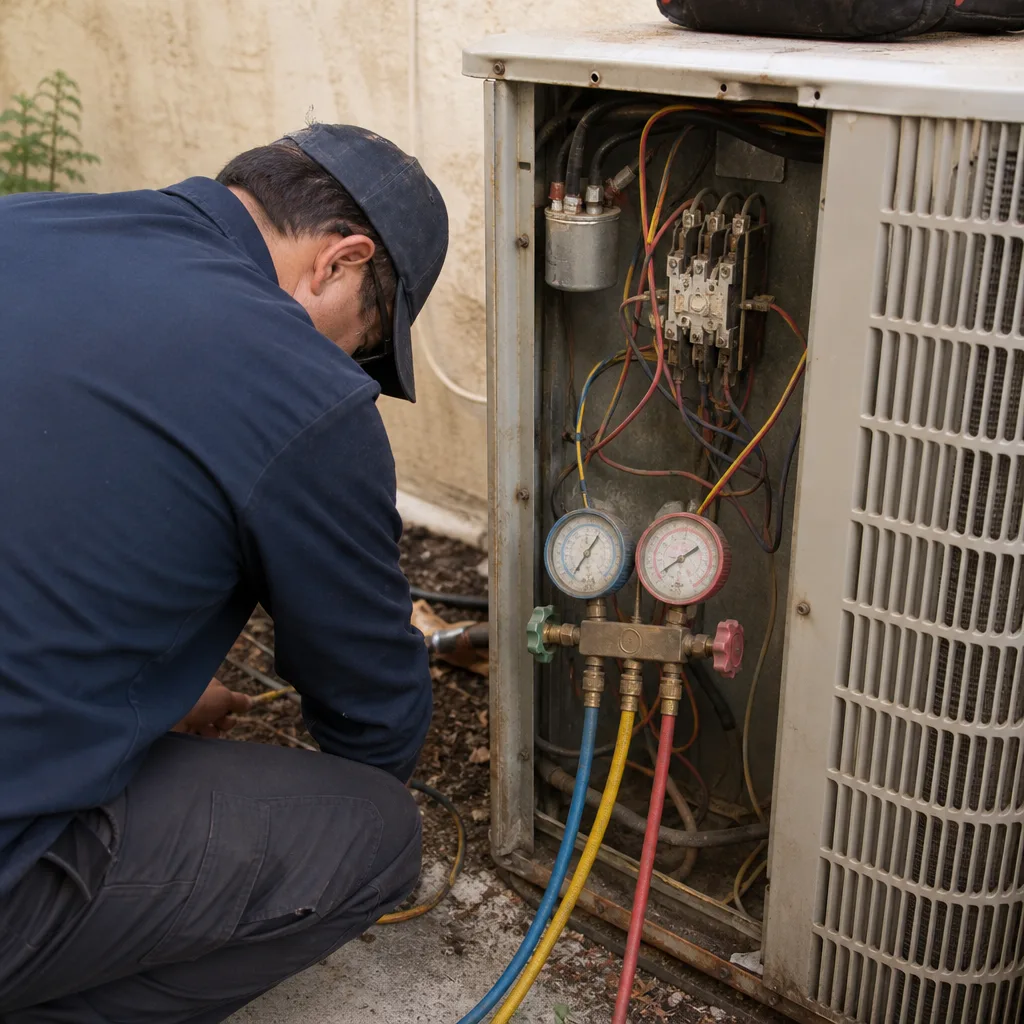
 After
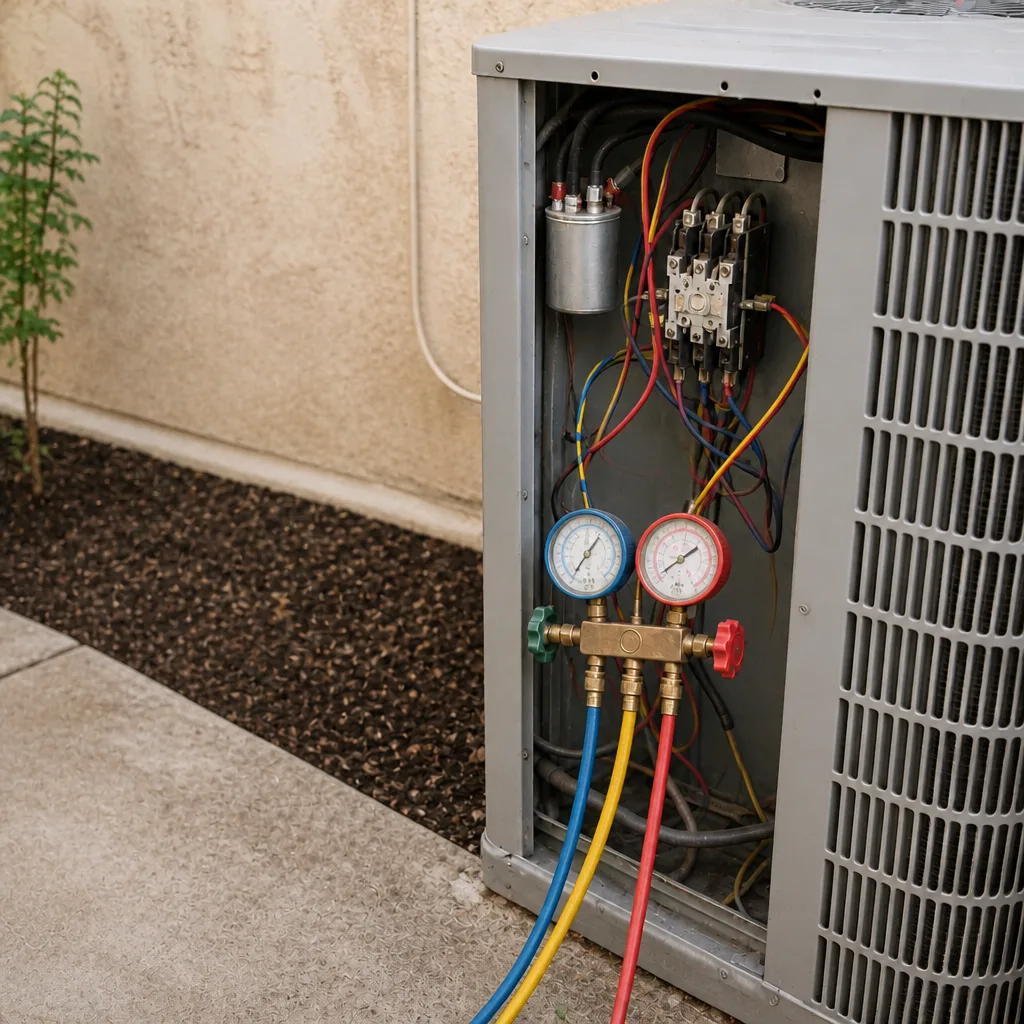
 Before
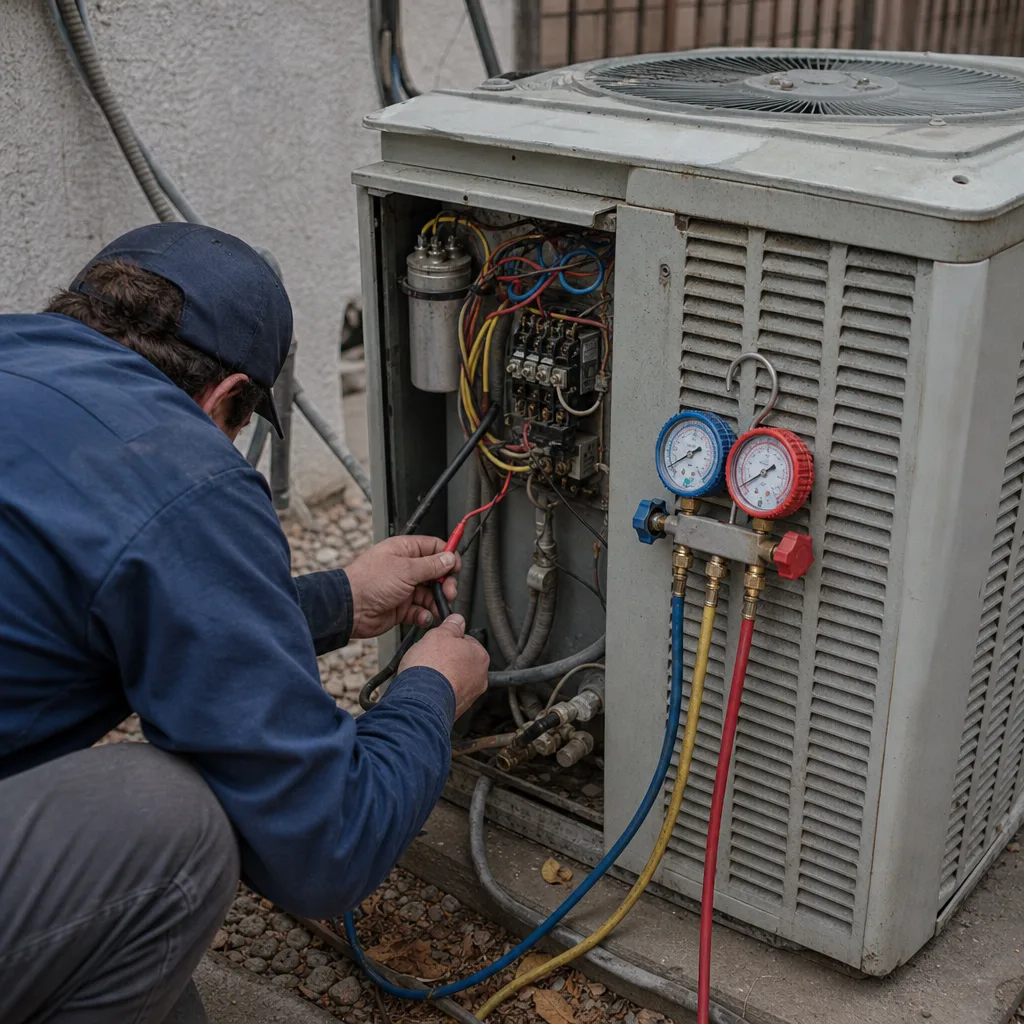
 After
 Before
 After
When to Call a Professional
Some jobs are yours to handle, and some should go to a trained technician. Filter changes and thermostat batteries are homeowner work. Refrigerant handling, electrical components inside the cabinet, and anything involving the compressor require training and tools you don’t have, and they carry real risk. If you smell gas near a furnace, hear a repeated clicking at the outdoor unit, see ice on the refrigerant lines in summer, or notice water pooling near the air handler, stop and call. Fireside Heating & Air Co. Whitney offers free estimates in Whitney: call (866) 329-8069. A live person answers, any hour, any day.
Frequently Asked Questions
A system replacement in Whitney is priced by a fixed written quote that follows a room-by-room load calculation, so the number reflects your address rather than a generic statewide figure. The elevation and cooling load here push sizing decisions that change the price. Call (866) 329-8069 for a free estimate and a written fixed price.
Whitney sits a little higher than the central Las Vegas corridor, and that elevation means slightly thinner air that changes how much capacity your equipment actually delivers. Windows, insulation, and duct location differ house to house too, so two homes with the same square footage can need different tonnage. The only reliable answer is a load calculation for your specific address.
Twice a year, once in spring before cooling season and once in fall before heating, is the right schedule for Whitney’s 50°F-to-114°F swing. The spring visit catches the capacitor and contactor failures that spike in the first heat wave, and the fall visit preps the heating side. Our $89 Seasonal Tune-Up includes a written report of what we found.
Repair if the system is under ten years old and a single component failed. Weigh replacement seriously if it’s over fifteen years old and facing a major component failure, or if you’ve had two or more major repairs in three years. Call (866) 329-8069 and we’ll quote both options in writing so you can compare.
Yes. A failed system in Whitney’s summer heat is a health risk, so we prioritize no-cooling calls and answer the phone around the clock. A live person picks up day or night, weekends and holidays included. Call (866) 329-8069 for same-day availability and an upfront price.
We’re trained on the major residential brands, including Carrier, Trane, Lennox, Goodman, Rheem, York, Daikin, Bryant, and American Standard. That means parts and diagnostic know-how for the equipment most Whitney homes already have. Call (866) 329-8069 to confirm your model.
The Bottom Line
HVAC in Whitney comes down to sizing for the address, not the zip code. The valley-edge elevation, slab-on-grade construction, and the 50°F-to-114°F swing all shape what your home actually needs. A room-by-room load calculation, tested ductwork, and a maintenance schedule timed to the heat wave and the monsoon are the three things that keep a system running well. Get those right and the rest is straightforward. Get them wrong and you’ll pay for it in comfort and in bills. We’re here to get them right, with a fixed price, a written guarantee, and a live person on the phone.
Ready to talk about your system? Call Fireside Heating & Air Co. Whitney at (866) 329-8069 for a free estimate. Our technicians have up to 8 years of experience, we service all nine major brands, and every job is backed by our 90-Day Done Right Promise. A live person answers every call, day or night. We’ll be there when we say.
Written by the team at Fireside Heating & Air Co. Whitney.