
Last updated November 18, 2026
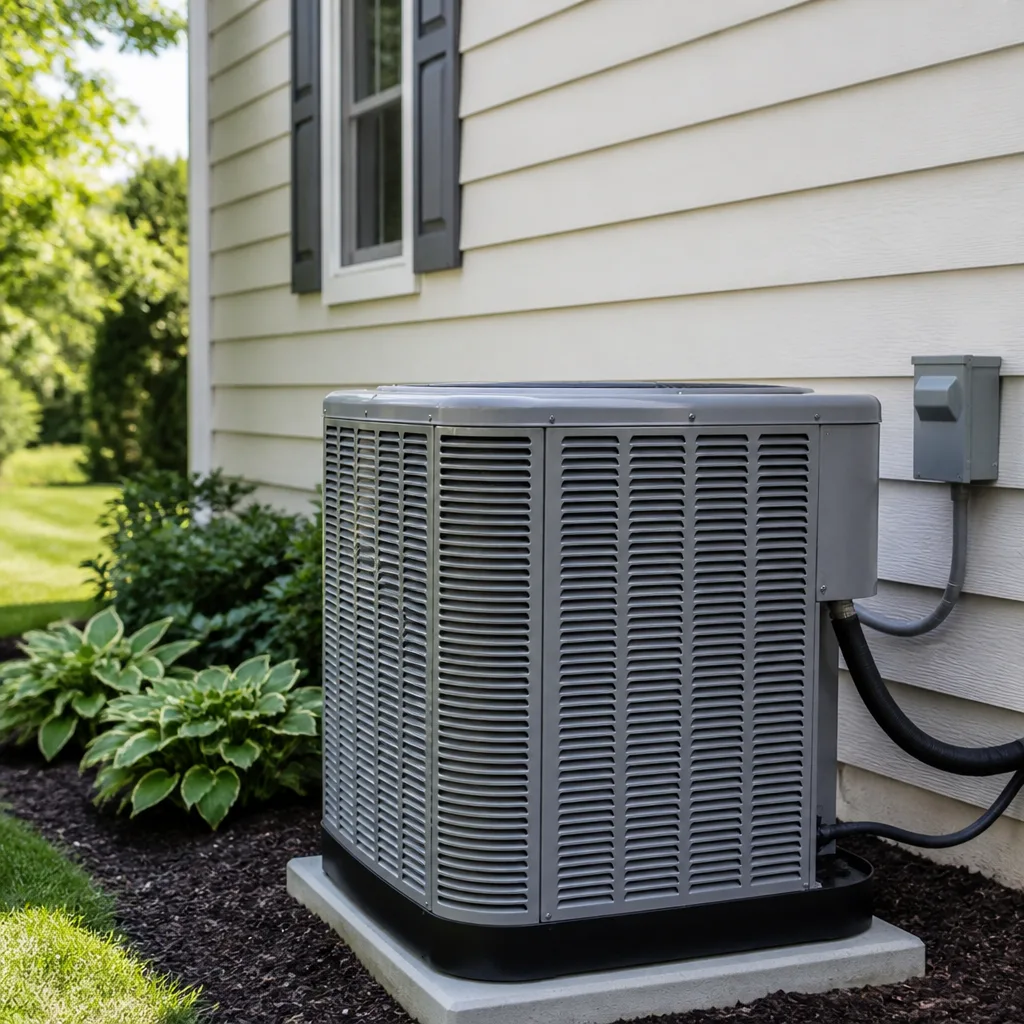 AC repair
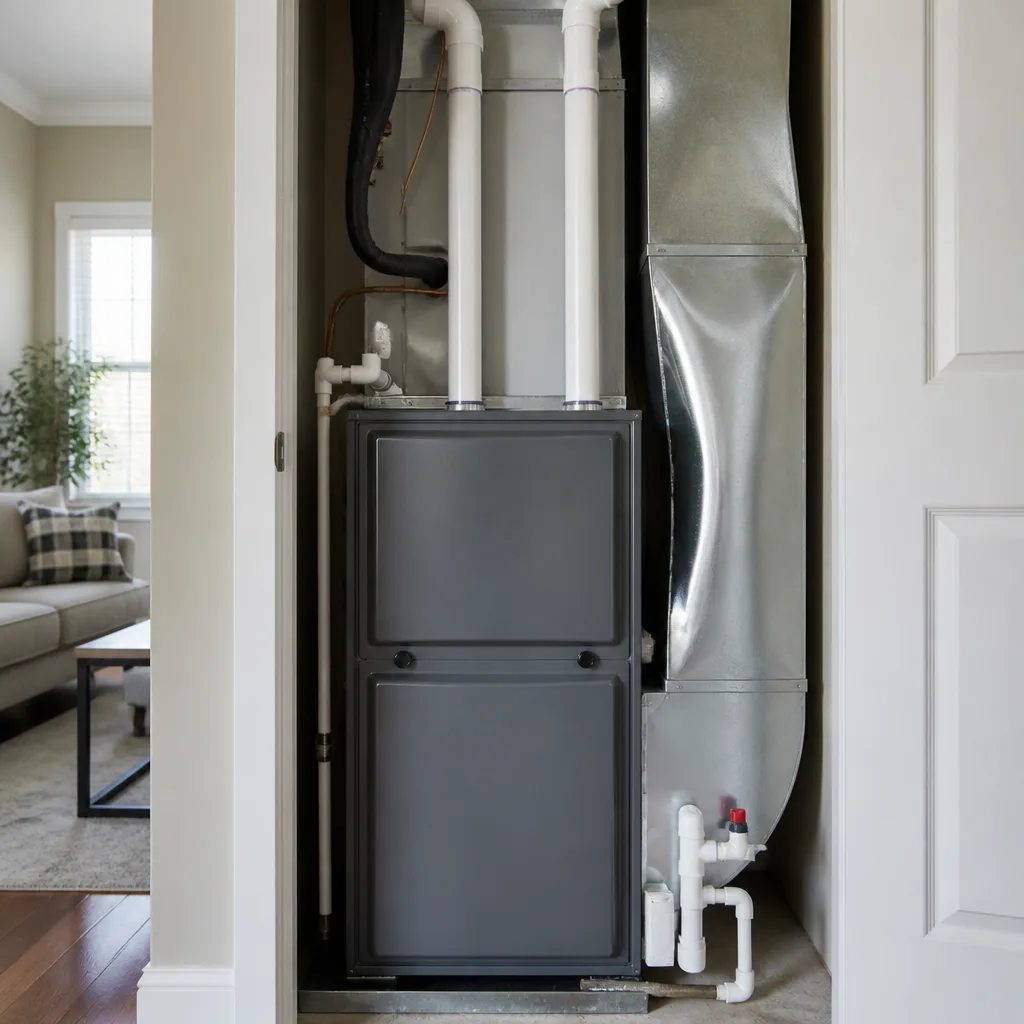 Furnace & heating
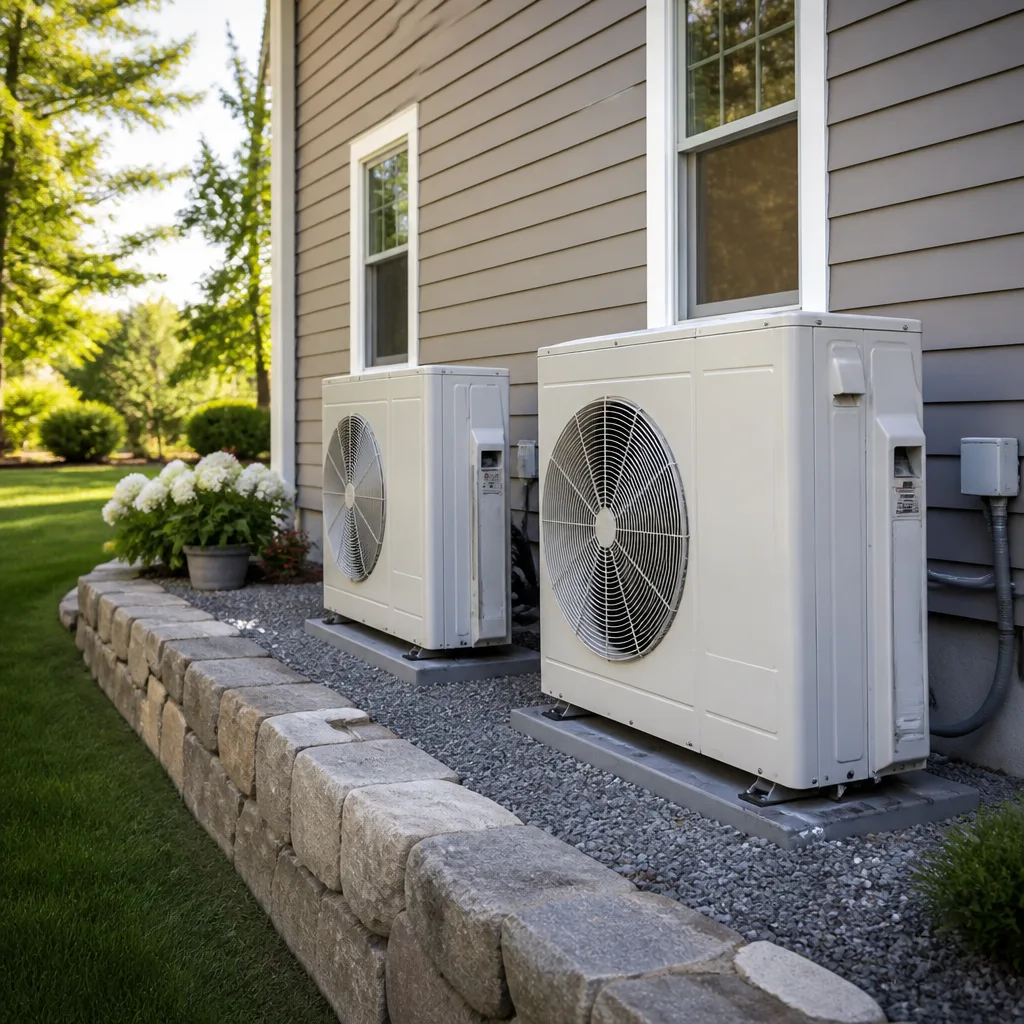 Heat pumps
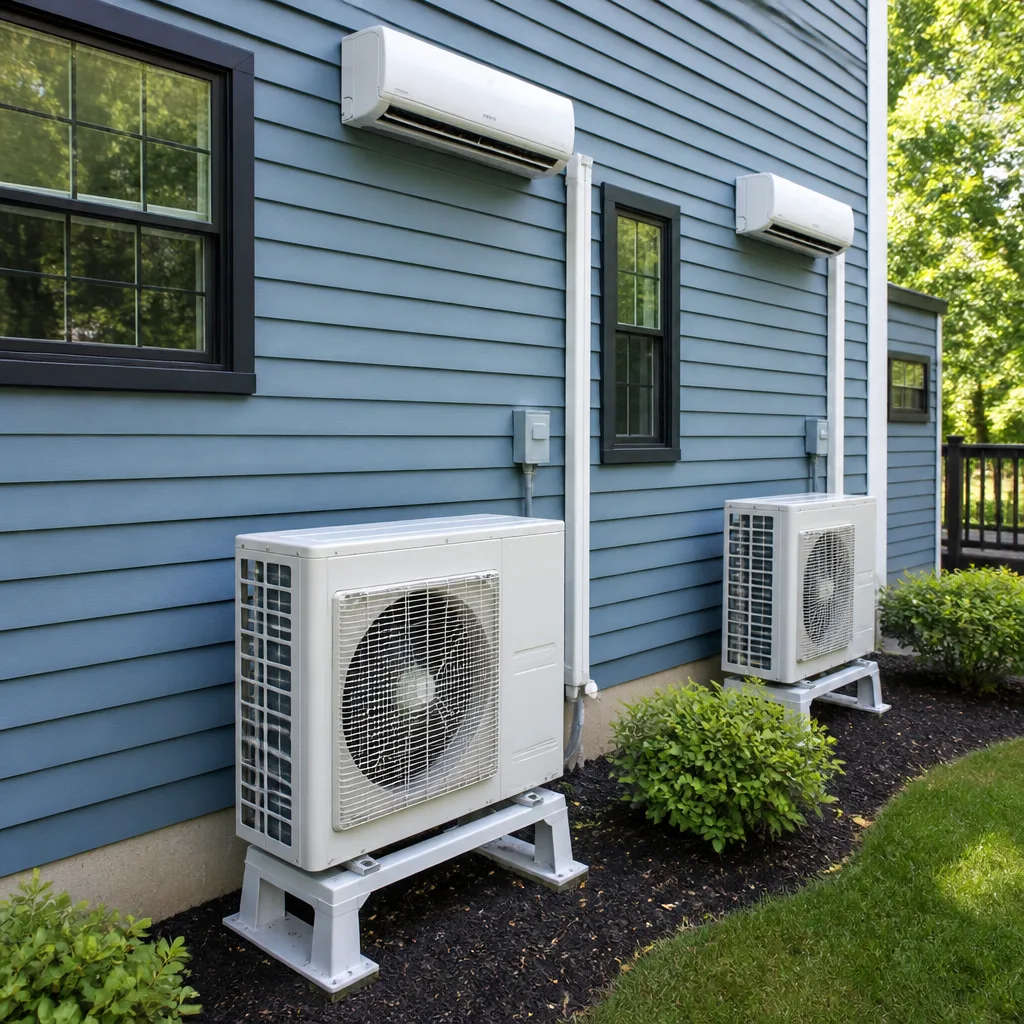 Ductless mini splits
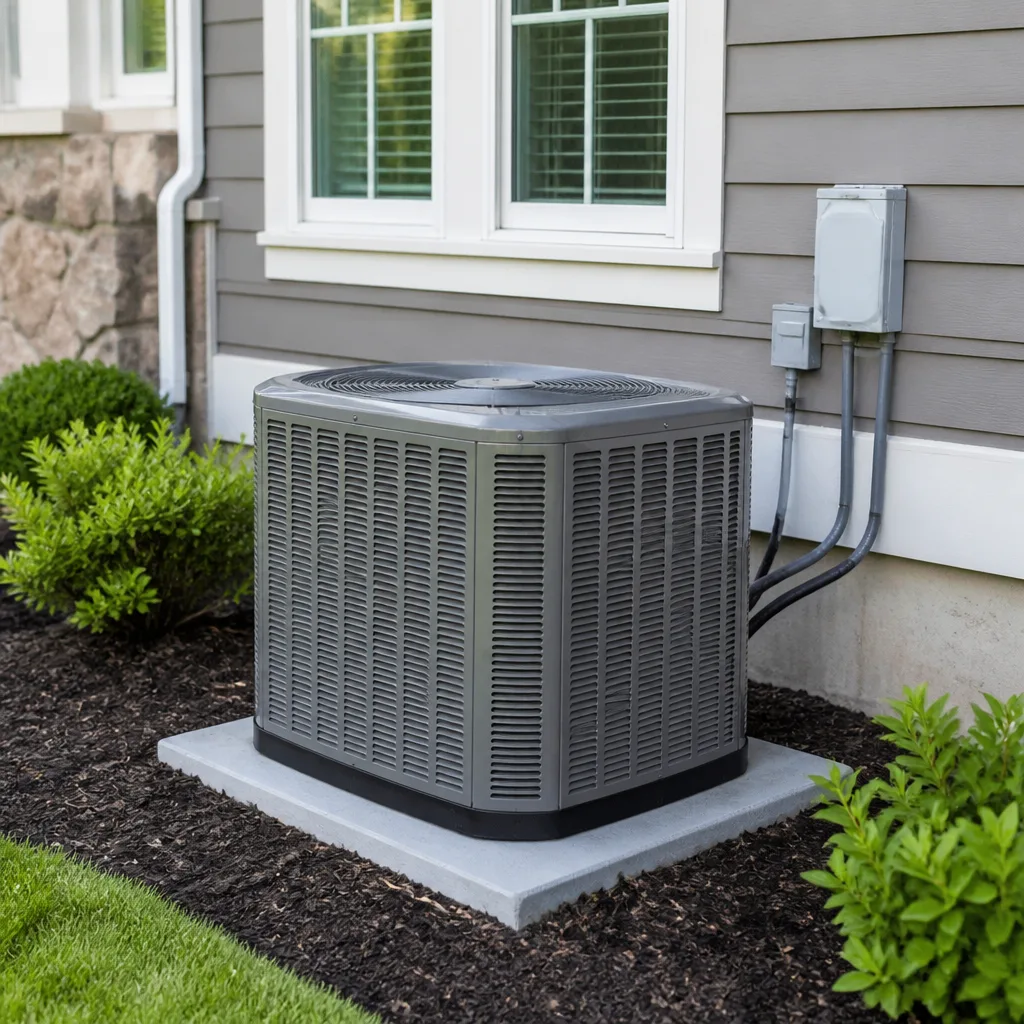 Carrier
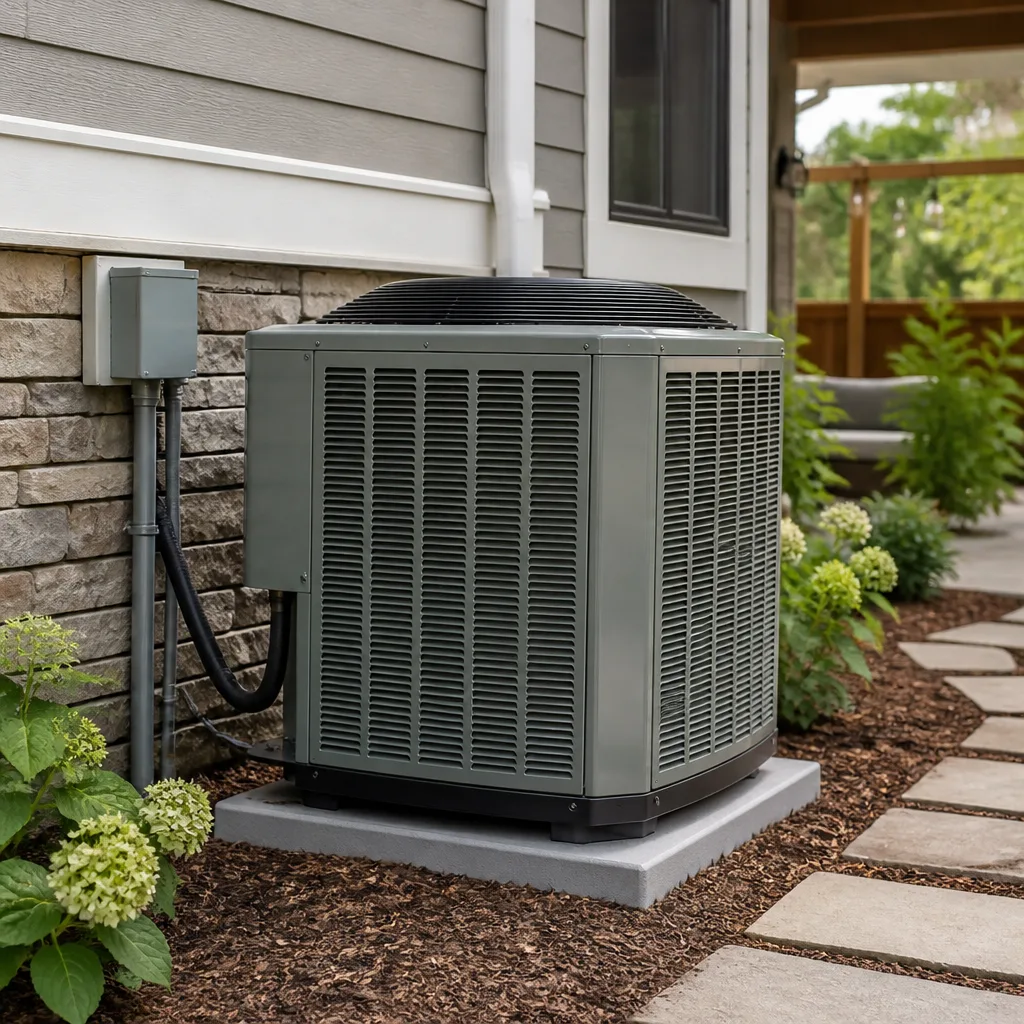 Trane
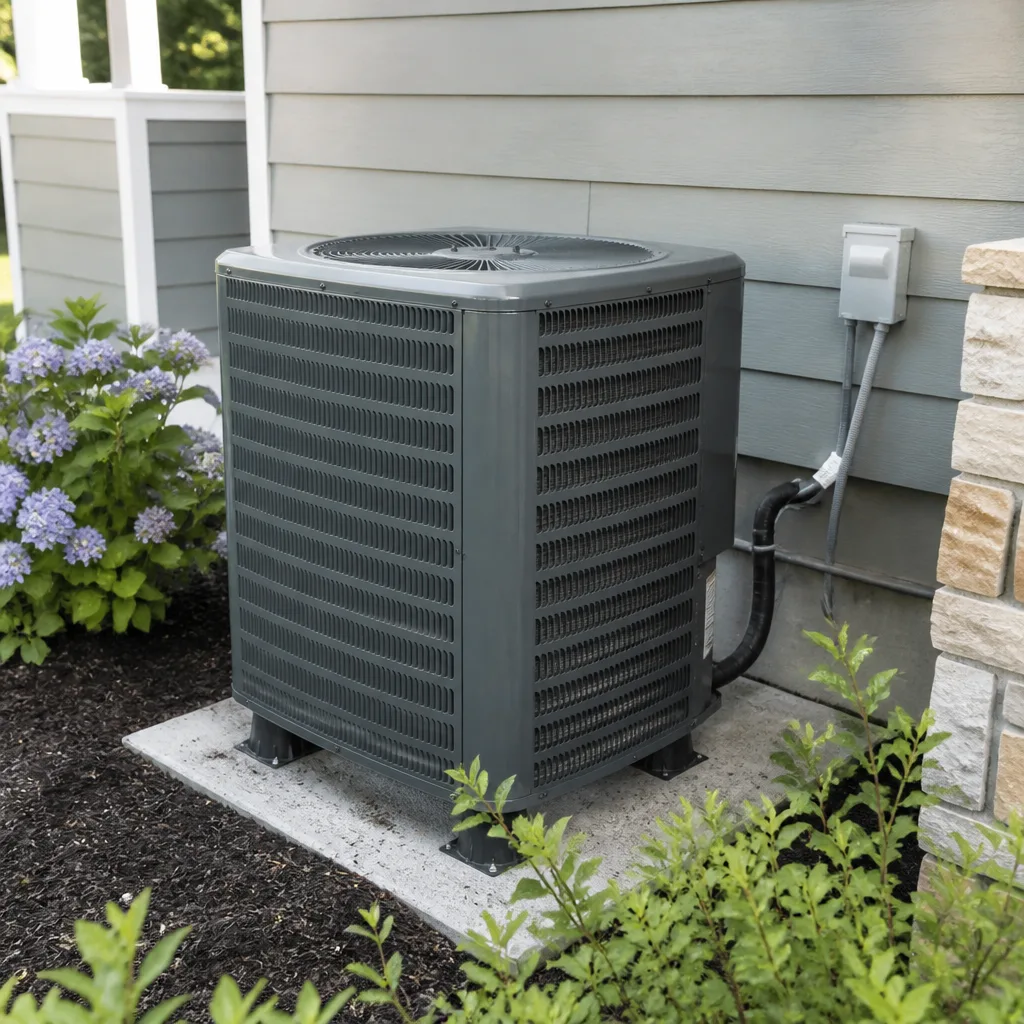 Goodman
Seasonal tune-up and full diagnostic on your Carrier, Trane, or Goodman system - readings shown to you before any repair is proposed
Diagnosis first, numbers second - you approve the repair price before a single part goes in.
Get your free estimateAir Quality & Ventilation Maintenance Schedule: What to Do and When
The EPA estimates indoor air can be 2 to 5 times more polluted than outdoor air. Yet most homeowners follow a filter-change reminder stuck to the fridge back in 2019. That gap matters here in Whitney, where wind carries fine alkali dust across the valley and a tightly sealed house holds onto everything it catches. A calendar built around the manufacturer’s default doesn’t account for any of that. This guide lays out a maintenance schedule tuned to Whitney’s actual dust cycles and the way people really live in their homes. You’ll get the tasks, the timing, the hard deadlines, and the ones you can slide.
Quick Answer
Change or clean your air filter every 30 to 60 days in Whitney instead of the 90 days most filters recommend, because local dust loads run heavier than the default schedule assumes. Clean an ERV or HRV core twice a year (spring and fall), test CO detectors monthly and replace their batteries twice a year, and check exhaust fan backdrafting once a year during a full walkthrough. The rest of the schedule can flex around these hard deadlines without harm.
Styles & brands we work with
- AC repair
- Furnace & heating
- Heat pumps
- Ductless mini splits
- Carrier
- Trane
- Goodman
Table of Contents
- Why Whitney’s Dust and Wind Demand a Different Cadence
- Protecting the Equipment vs. Protecting the People
- Tasks With Hard Deadlines and Tasks With Flexible Windows
- The Monthly Schedule: What Actually Needs Doing
- The Seasonal Schedule: Spring, Summer, Fall, Winter
- The Annual Walkthrough Item Most Homeowners Skip
- How to Log Maintenance So Patterns Show Up
- What Belongs to a Technician, Not a To-Do List
Why Whitney’s Dust and Wind Demand a Different Cadence
Whitney sits in high desert, and the wind that rolls through the valley most of the year carries alkali dust that behaves differently than the leaf-and-pollen mix most maintenance schedules were written for. Alkali dust is fine and slightly alkaline, and it packs into pleated filters faster than the coarse debris back East. It also sticks to evaporator coils and blower wheels over time, forming a thin paste when it meets condensation. Filters that look “mostly clean” in a Whitney home can be near the end of their useful life, because the visible top layer doesn’t tell you what’s loaded into the pleats.
Wind events shift the schedule too. A single spring windstorm can push a month’s worth of dust into your return grille in an afternoon. Rather than run the same cadence year-round, we tell Whitney homeowners to check filters after any multi-day wind event and to lean on 30-day changes through spring and early summer. Manufacturer defaults assume average conditions. Average conditions don’t exist in the high desert. Your equipment, whether it’s a Carrier or a Bryant or an American Standard system, was built for a range of environments, but the filter is the part that takes the beating, and that part is yours to manage.
If you want the equipment side handled by someone who knows the local dust profile, our Fireside Heating & Air Co. Whitney home page gives you the lay of the land for how we approach every job in this valley.
Protecting the Equipment vs. Protecting the People
Most maintenance schedules you’ll find online are built around warranties. They tell you what the manufacturer requires so the equipment stays covered, and that’s not nothing. But an equipment schedule and a health schedule are not the same list. Some tasks protect the machine. Others protect the people breathing the air. When you sort tasks into those two buckets, you can decide where to spend your effort when time is short.
- Equipment-side tasks: filter changes, coil cleaning, blower wheel inspection, condensate drain flushing, belt checks on older furnaces. These keep efficiency up and prevent breakdowns.
- People-side tasks: CO detector testing and battery replacement, ERV core cleaning, exhaust fan verification, mold and moisture checks in bathrooms and laundry areas. These protect lungs and lives directly.
- Overlap tasks: duct inspection and sealing, return grille cleaning, whole-house humidification checks. These serve both, which is why they tend to be where the biggest wins live.
Here in Whitney, where we’ve seen homes weatherized tight in the last decade, the people-side tasks matter more than they used to. A house that seals well holds onto pollutants as effectively as it holds onto heat. That’s a good thing for your energy bill and a bad thing for your air if the ventilation side isn’t kept up. If you have a heat pump or mini-split doing your heating and cooling, the heat pump and mini split service in Whitney page covers the ventilation side of those systems in more detail, since they move air differently than a standard forced-air furnace.
Tasks With Hard Deadlines and Tasks With Flexible Windows
Some maintenance tasks will hurt you if you miss them, and others just make things a little less efficient if they slide a few weeks. Knowing which is which lets you stop stressing about the whole list and focus on the ones that actually matter on a calendar. Here’s how we sort them for Whitney homes.
Hard deadlines (do not skip, do not slide)
- CO detector testing – monthly. Press the test button on every carbon monoxide detector once a month. Replace batteries twice a year regardless of whether the low-battery chirp fired. A furnace heat exchanger issue, a backdrafting water heater, or a blocked flue can put CO into a sealed home, and the detector is the only thing standing between that and a real emergency.
- ERV/HRV core cleaning – every six months. Energy recovery ventilator cores clog with dust faster in Whitney than in most climates. A clogged core stops exchanging fresh air, which defeats the whole point of having the unit. Clean it in spring and fall.
- Furnace filter – before first heating startup each fall. Never start a heating season on last season’s filter. Do it before you turn the heat on, not two weeks after.
- Condensate drain flush – before cooling season. A clogged drain overflows and can cause water damage. Flush it in late spring before the AC runs hard.
Flexible windows (weeks, not days)
Coil cleaning, duct inspection, blower wheel checks, and whole-house humidifier service can flex by a few weeks without consequence. Return grille cleaning too, unless you’ve just been through a windstorm. Filter changes sit in a middle category – the 30-day target for Whitney is a target, not a law, but stretching to 90 days in a dusty June is asking for trouble.
The Monthly Schedule: What Actually Needs Doing
Monthly maintenance is small and fast if you build it as a routine. Fifteen minutes once a month covers everything on this list. The point isn’t perfection. It’s catching the small things before they turn into service calls.
- Test CO detectors. Press and hold the test button on each one until it alarms. If it doesn’t alarm, replace the unit.
- Check the filter. Hold it up to a light source. If you can’t see light through the pleats, it’s done. Whitney dust is deceptive – the visible face often looks fine.
- Wipe return grilles. A quick pass with a damp cloth keeps dust from building up and pushing through the grille into the room.
- Check humidity. In winter, indoor humidity should stay between 30 and 50 percent. Above that, you’re inviting mold in the walls. Below that, you’ll feel it in your sinuses.
- Listen to the system. A new rattle, a hum that wasn’t there last month, or a short cycle is worth noting in your log even if it’s not yet worth a call.
If you go the DIY route on filters, buy a couple of spares and store them where you’ll actually see them. The reminder on the fridge from 2019 is a joke for a reason. If you’d rather have a technician handle the full monthly and seasonal routine plus a written report of what was found, our AC repair and installation service in Whitney page describes how a maintenance visit fits with repairs, and a tune-up is one of the standing offers – $89 for a seasonal visit. Technicians aren’t paid on what they sell, so what shows up on the report is what’s actually there.
The Seasonal Schedule: Spring, Summer, Fall, Winter
Seasonal maintenance is where most of the meaningful work happens. Here’s the Whitney-tuned version, in order of the calendar.
Spring (March through May)
- Clean the ERV/HRV core and replace its filters.
- Change the HVAC filter and plan to change it more often through the dusty months ahead.
- Flush the condensate drain before cooling season starts.
- Inspect outdoor unit for debris – cottonwood fluff and tumbleweed collect on coils here.
- Schedule a cooling tune-up before the first hot week, not after.
Summer (June through August)
- Check filters after any multi-day wind event.
- Keep outdoor unit clear of debris and shade where possible.
- Watch for condensation leaks around the air handler and check drain pans.
- Test CO detectors again mid-season.
Fall (September through November)
- Clean ERV/HRV core again.
- Change the furnace filter before first heat.
- Schedule a heating tune-up. Our heating and furnace service in Whitney page covers what we check on a fall visit.
- Replace CO detector batteries – the fall change is the one most people skip.
- Inspect the flue and venting on any gas appliance.
Winter (December through February)
- Monitor humidity and run a humidifier if dry.
- Check the furnace filter every 30 to 45 days – winter dust is lighter but constant.
- Keep vents clear of furniture and rugs.
- Do the annual backdrafting walkthrough if you haven’t done it in fall.
If your system is a Daikin or a York and you’ve got questions about the specific maintenance intervals, we service nine major brands including those, so a technician on-site will know your model’s quirks without having to look them up.
The Annual Walkthrough Item Most Homeowners Skip
Here’s the one that quietly causes problems in tightly weatherized Whitney homes: checking exhaust fan backdrafting. When a house is sealed well – new windows, new weatherstripping, spray foam in the attic – the bathroom and kitchen exhaust fans have to push air out against a house that’s now resisting incoming air. If your home is tight, the fan may not actually be exhausting anything. It just spins, makes noise, and the moist air hangs in the bathroom or recirculates through the house. Worse, a sealed house under negative pressure can pull flue gases backward down a water heater or furnace vent, which is a CO hazard.
You can check this yourself with a simple test, though the diagnosis belongs to a technician if you find anything off. Turn on every exhaust fan in the house. Go to a bathroom and hold a piece of toilet paper near the grille. If the paper sticks and stays, the fan is moving air. If it flutters or falls, the fan is underperforming or backdrafting. Then light a candle near a gas appliance flue – if the flame pulls toward the room instead of up the flue, that’s a red flag. Call a professional. Don’t try to fix a flue issue yourself.
We’ve seen Whitney homes where a single bathroom fan was doing all the ventilation work in a sealed house, and the moisture problem was showing up as peeling paint two rooms away. If you find anything concerning on the walkthrough, our Fireside Heating & Air Co. Whitney home page is where to start, or call us directly. A free second opinion on any written estimate means you can get our take against another contractor’s without spending a dime.
How to Log Maintenance So Patterns Show Up
A maintenance log is only useful if it turns into a pattern a technician can read. A checkbox on a fridge magnet doesn’t do that. A simple notebook does, if you write the right things. Here’s the format we tell Whitney homeowners to use.
- Date and task. “10/14/25 – filter change, furnace. Filter visibly loaded with dark grit.”
- Observations, not just completions. “Filter dirtier than last time.” “New rattle at startup, gone within 30 seconds.” “CO detector test passed all three units.”
- Weather notes when relevant. “Change was 12 days after the wind event on 10/2.” Over a year, you’ll see your real cadence instead of the one the manufacturer guessed at.
- Parts and model numbers. Filter size, brand. Makes it trivial to reorder the right one.
When a technician comes out, hand them the log. A good one will look for patterns: filters loading faster than expected, a CO detector that’s been replaced twice, a specific month where the drain clogs. That’s the difference between a maintenance visit and a real inspection. And if a pattern suggests a bigger issue – an aging heat exchanger, a failing blower – the conversation is grounded in evidence rather than guesswork. That’s the kind of straight talk about repair versus replace we try to bring to every visit.
What Belongs to a Technician, Not a To-Do List
Some of this work is not a homeowner task. Gas lines, flues, heat exchangers, electrical connections, and refrigerant circuits belong to a trained professional. That’s not a sales pitch – it’s a safety line. Carbon monoxide, refrigerant leaks, and electrical faults are genuine hazards and no maintenance schedule is worth an injury or worse.
The list of tasks to hand off:
- Heat exchanger inspection. Cracks and corrosion are invisible to the eye on most units and can leak CO into the airstream. This is a yearly item on any gas furnace.
- Flue and venting inspection. Every gas appliance vent needs to be inspected for blockage, corrosion, and proper draft.
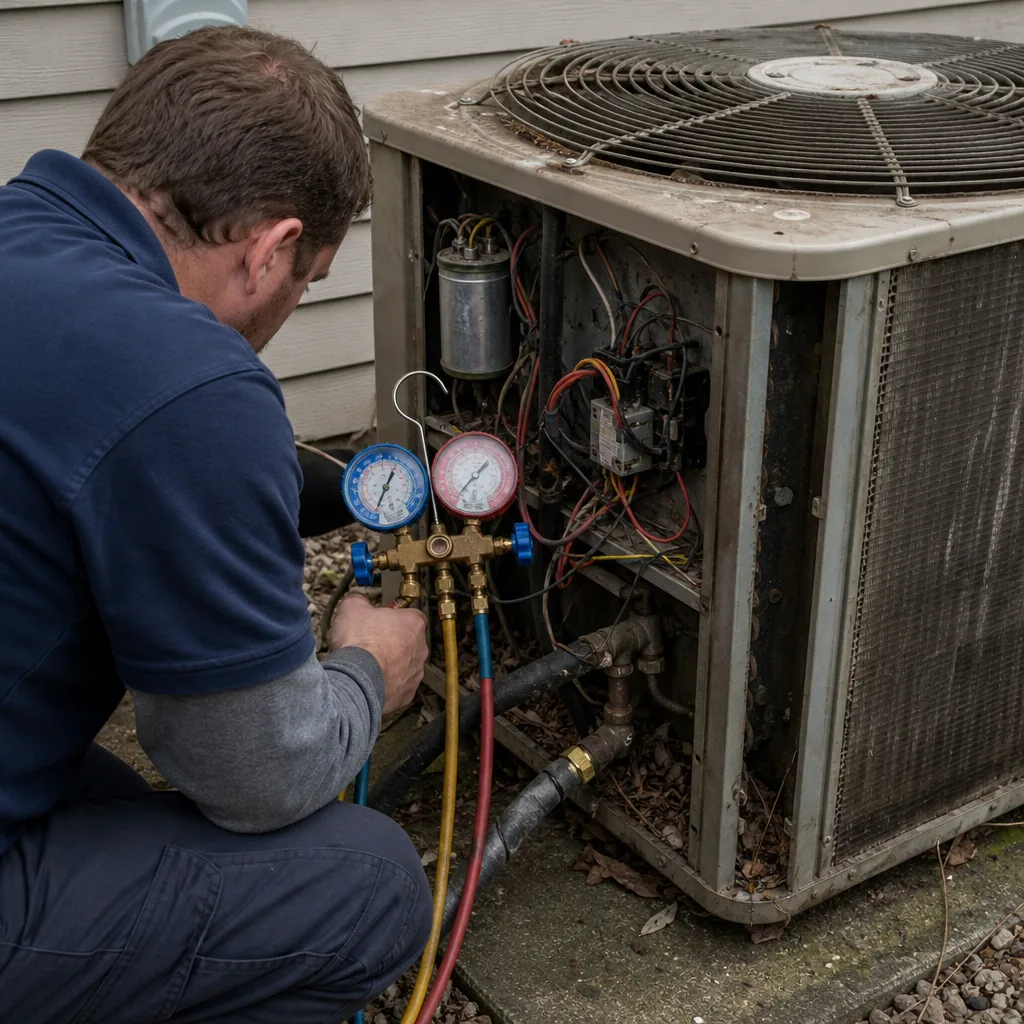
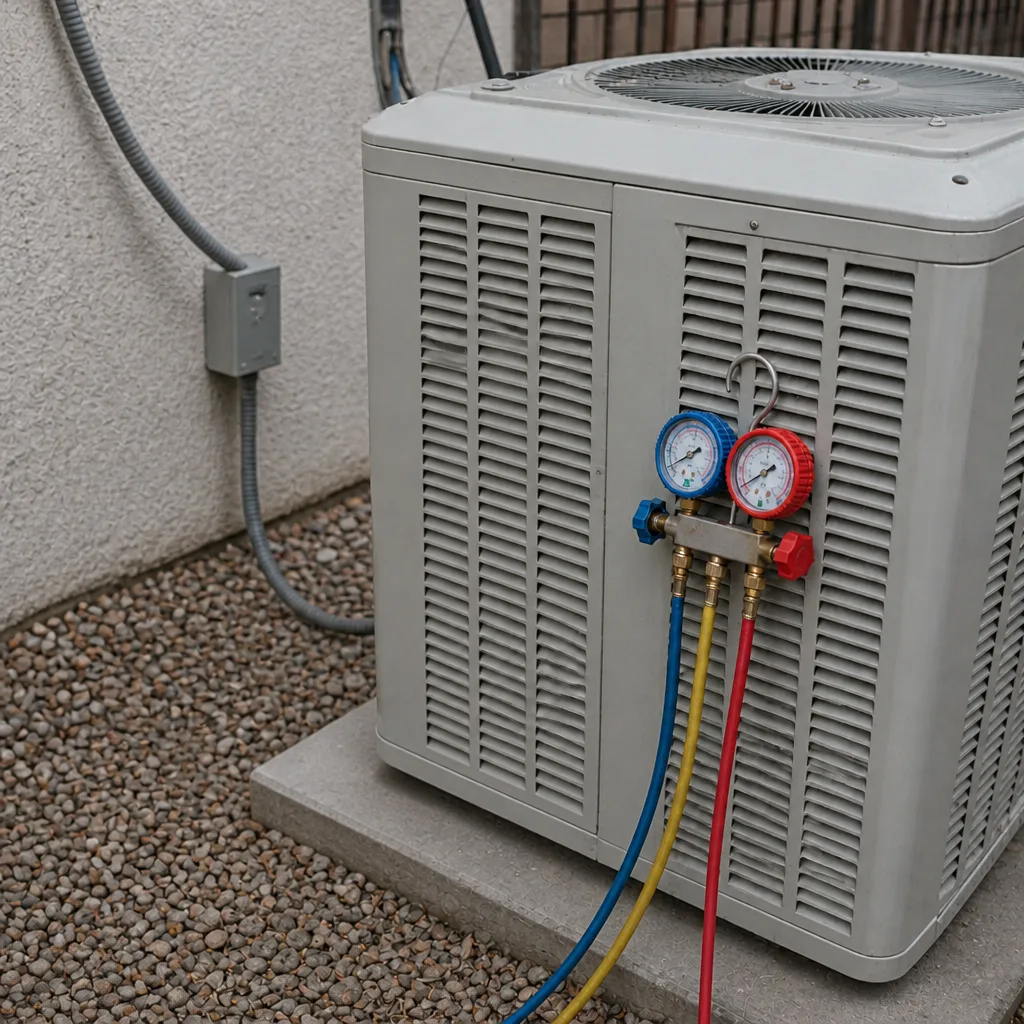
- Refrigerant charge check. Low charge hurts efficiency and strains the compressor. It also requires gauges and knowledge of the system.
- Electrical connections and capacitor checks. Loose connections arc and overheat. Capacitors fail and take the compressor with them.
- Blower wheel cleaning. A loaded blower wheel robs airflow. It needs to come out to be cleaned right.
- Duct inspection and sealing. Leaky ducts in an attic pull Whitney dust straight into the supply air.
If you’ve been putting off a tune-up, our seasonal visit is $89 and includes the full checklist plus a written report. We’ll tell you what we find, even if it’s nothing. And if you’re a senior or a veteran, the 5 percent discount applies, always.
Common Mistakes to Avoid
- Trusting the fridge reminder. A magnet from 2019 is not a maintenance schedule. Build one that matches Whitney’s dust, not the default card that came with the equipment.
- Running filters to the manufacturer’s 90 days in a dusty month. In Whitney, the same filter may need changing at 30 days. Holding to the default schedule past the point of loading is asking for coil and blower problems.
- Skipping the ERV core because the unit “still runs.” A clogged core still spins. It just stops doing the air exchange part. Twice a year, spring and fall, is the standing rule.
- Weaponizing CO detectors as a checkbox. Test monthly. Replace batteries twice a year. If the detector is ten years old, replace the whole unit – sensors degrade and stop working without warning.
- Ignoring the backdrafting walkthrough. Tight homes don’t ventilate themselves. Once a year, test the exhaust fans and the flue draft. If something’s off, call us before you do anything else.
- No log. A schedule without a written record is just a series of guesses. Write it down so a technician can spot patterns.
- Doing gas, flue, or electrical work yourself. These are the wrong tasks to learn on. There’s no DIY shortcut worth a CO exposure or a house fire.
See the difference
 Before
 After
 Before
 After
 Before
 After
When to Call a Professional
Some situations don’t wait for the calendar. Call a professional if your CO detector alarms at all, if you smell gas, if you notice soot or scorching near a furnace or water heater, if the exhaust fan test in this guide fails, or if a filter is loading faster than 30 days and something still smells off in the house. Any new rattle, hum, or short cycle on the HVAC system is worth a call if it doesn’t resolve within a week. If you’re in Whitney and want a second opinion on a written estimate you’ve already received, Fireside Heating & Air Co. Whitney offers free estimates in Whitney – call (866) 329-8069. Lines are answered by a live person around the clock, including the middle of the night, and every job is backed by the 90-Day Done Right Promise in writing.
Frequently Asked Questions
Every 30 to 60 days in Whitney, and toward the 30-day end of that range during spring and summer wind events. The high-desert alkali dust loads filters faster than the manufacturer’s default assumes, and a filter that looks clean on the surface can be loaded through the pleats. When in doubt, hold it up to a light – if you can’t see through it, replace it. Call (866) 329-8069 for help if filters are loading faster than usual.
An ERV (energy recovery ventilator) exchanges both heat and moisture between incoming and outgoing air; an HRV (heat recovery ventilator) exchanges heat only. In Whitney’s dry climate, ERVs are the more common choice because they keep some winter humidity in the house. Both need their cores cleaned every six months, spring and fall. A clogged core still spins but stops exchanging air, so you lose the ventilation without any obvious sign.
Once a month, and replace the batteries twice a year. Press the test button and hold until it alarms. If it doesn’t alarm, replace the unit. CO detectors also have a lifespan – most sensors degrade after about ten years and start failing silently. Replace the whole unit on that schedule regardless of how it tests.
Yes. A tightly sealed Whitney home holds onto pollutants the way it holds onto heat. Add the annual exhaust fan backdrafting check to your list, lean on the ERV/HRV more, and pay closer attention to indoor humidity and any moisture buildup in bathrooms or laundry areas. A sealed house needs planned ventilation, not just a good filter.
You can do the basic toilet-paper and candle tests at the grilles and flue, and you should – they’re a quick annual habit. But the diagnosis and repair of any issue they turn up belongs to a technician. Flue draft problems, backdrafting on gas appliances, and anything electrical or refrigerant-related are not DIY tasks. If a test fails, stop and call (866) 329-8069.
Roughly, yes, but the filter cleaning cadence is shorter. Mini-split filters need cleaning every two to four weeks in Whitney’s dust, and the outdoor coil needs a spring cleaning. Heat pumps need the same ERV upkeep and CO testing as any forced-air system if there’s gas in the house. Schedule a seasonal visit for a full checklist – the $89 tune-up covers it, and technicians aren’t paid on what they sell.
The Bottom Line
A maintenance schedule that fits Whitney is built around three things: 30-to-60-day filters instead of 90, twice-a-year ERV core cleaning, and a monthly-to-annual CO detector habit that never slides. Everything else can flex. Sort your tasks into equipment-side and people-side, keep a written log so patterns show up, and do the annual backdrafting walkthrough even if you skip nothing else. Hand the gas, flue, and electrical work to a professional – no maintenance task is worth a CO exposure. If you’d like us to build a written schedule around your specific home, call (866) 329-8069 for a free estimate.
Written by the team at Fireside Heating & Air Co. Whitney.