
Last updated November 18, 2026
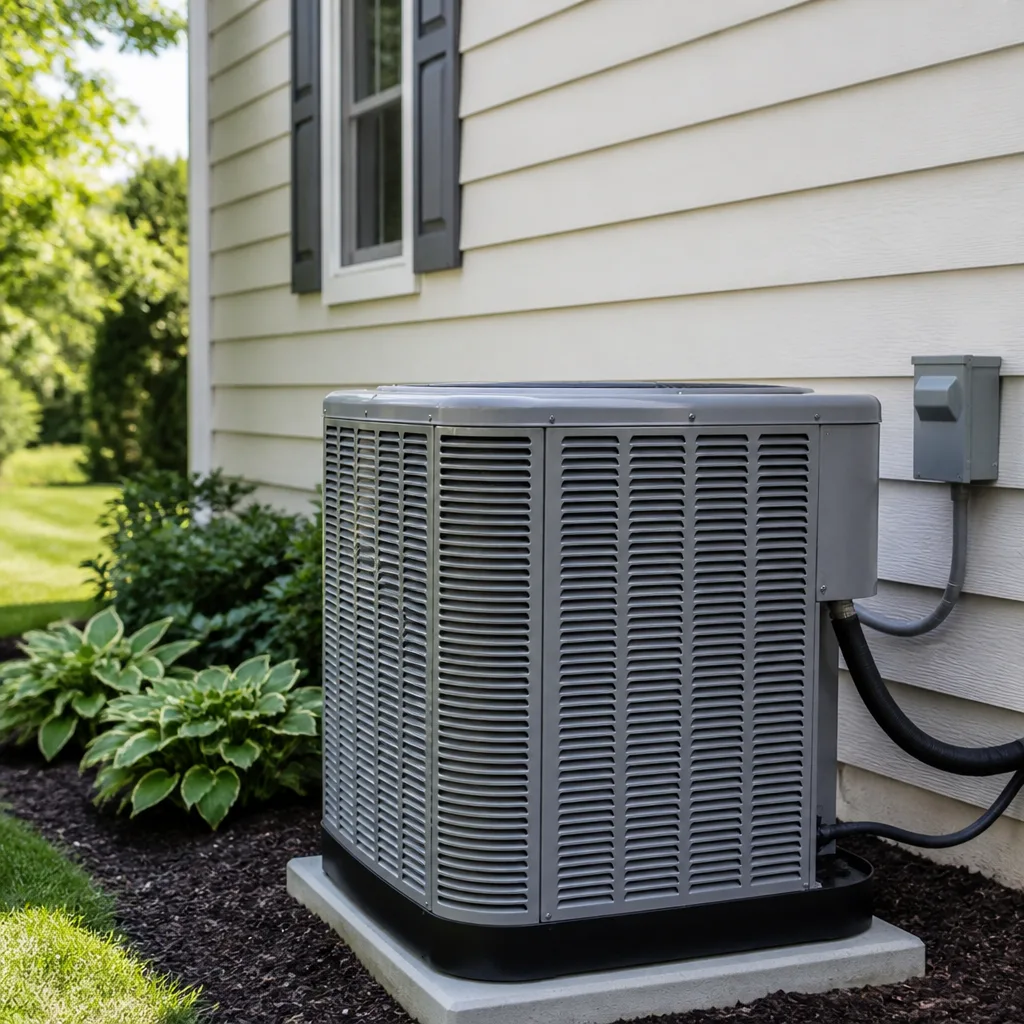 AC repair
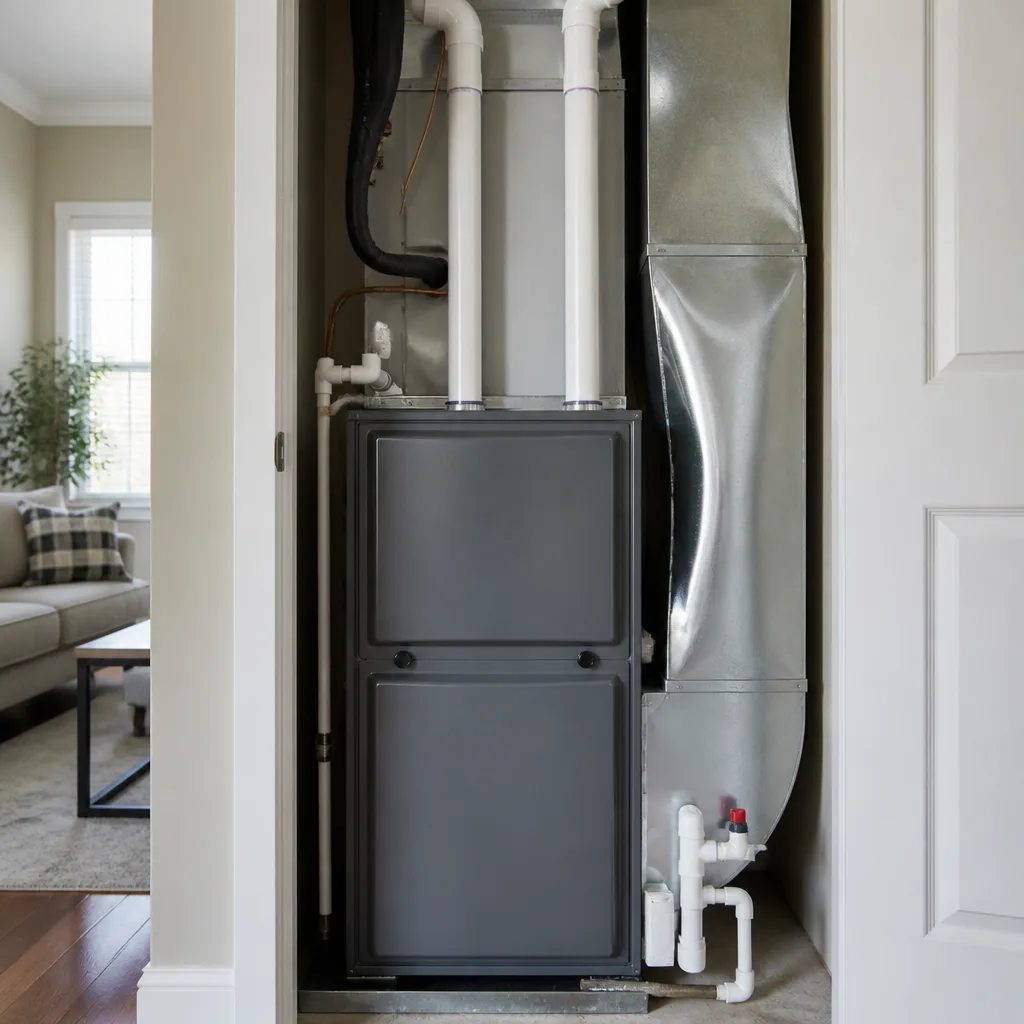 Furnace & heating
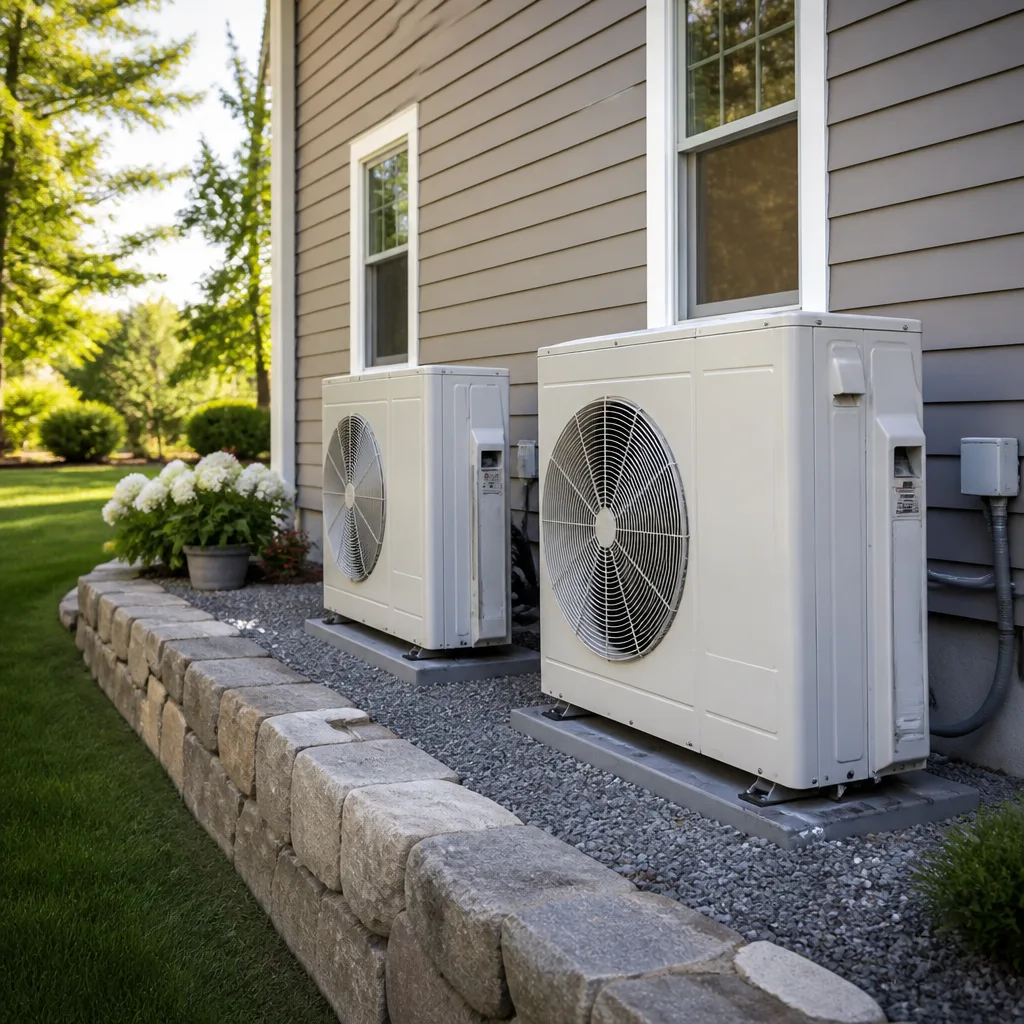 Heat pumps
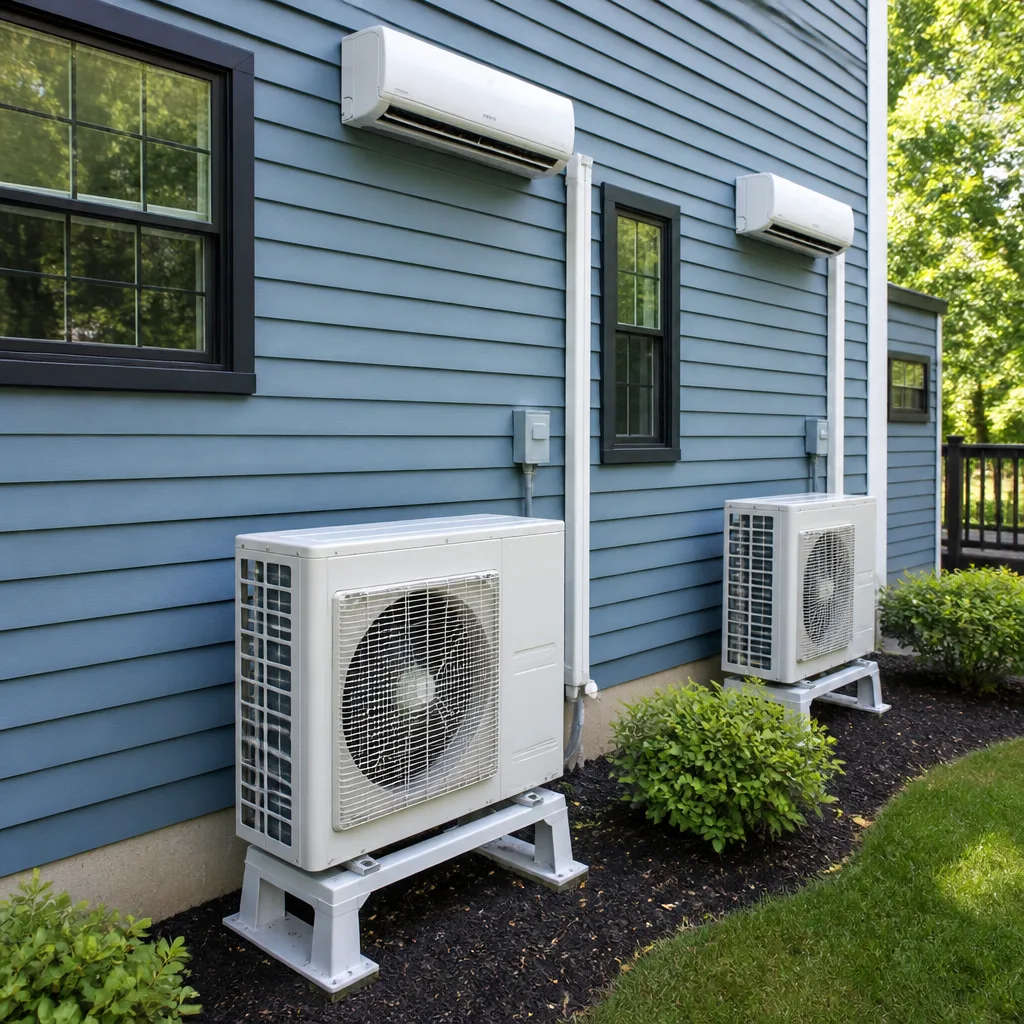 Ductless mini splits
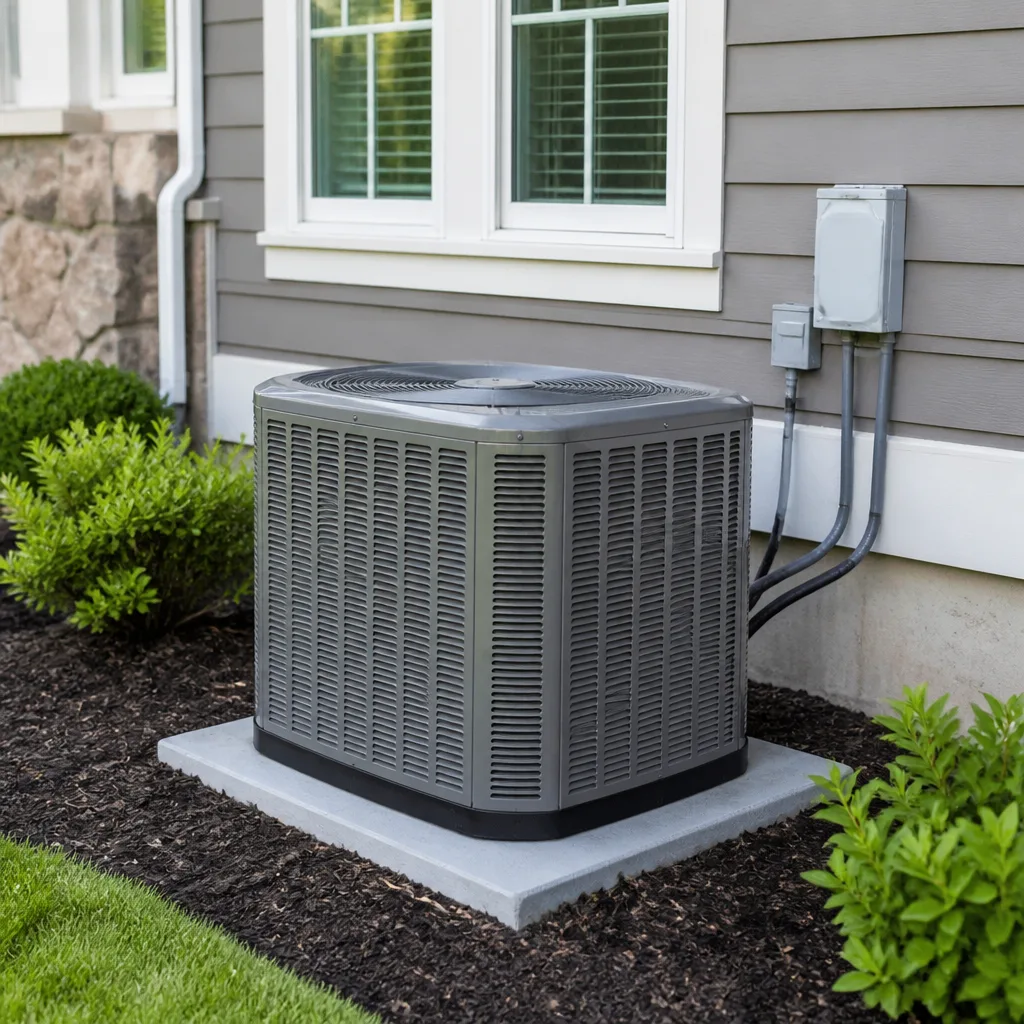 Carrier
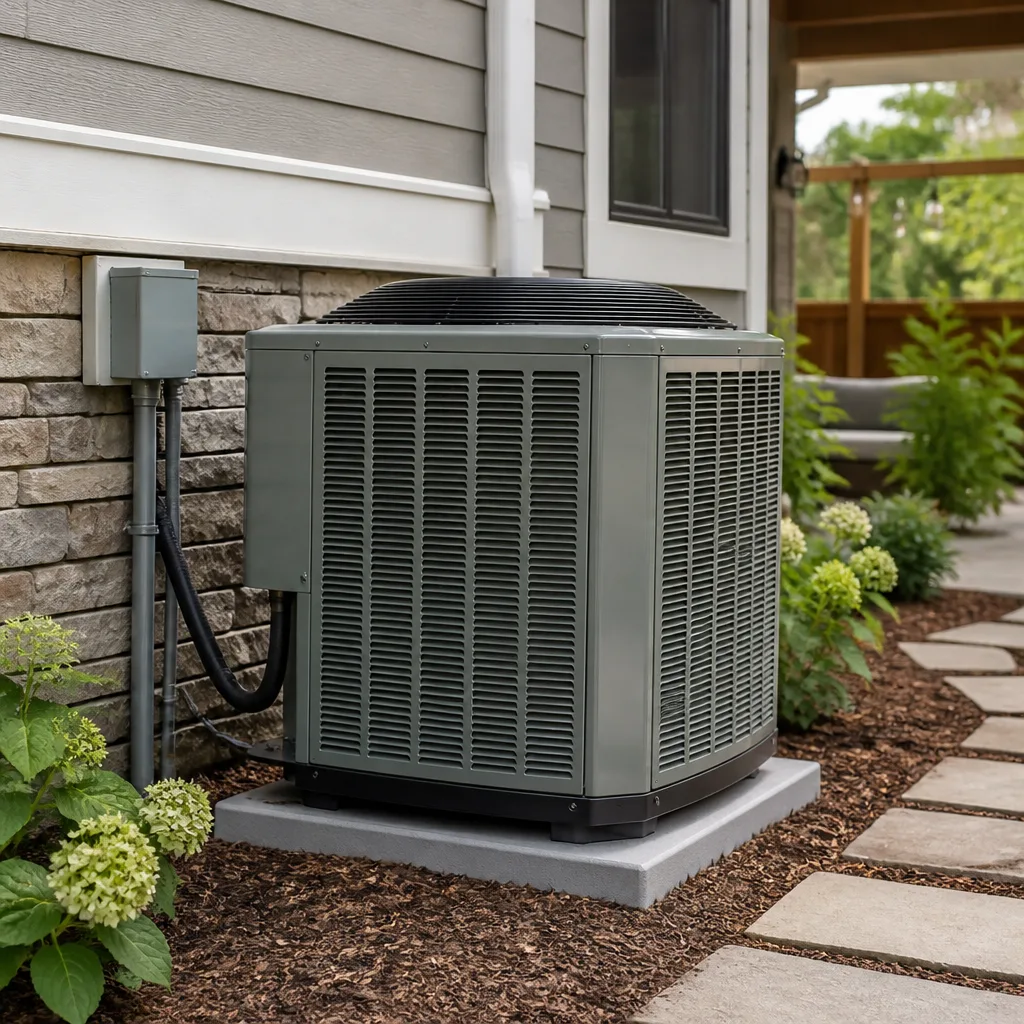 Trane
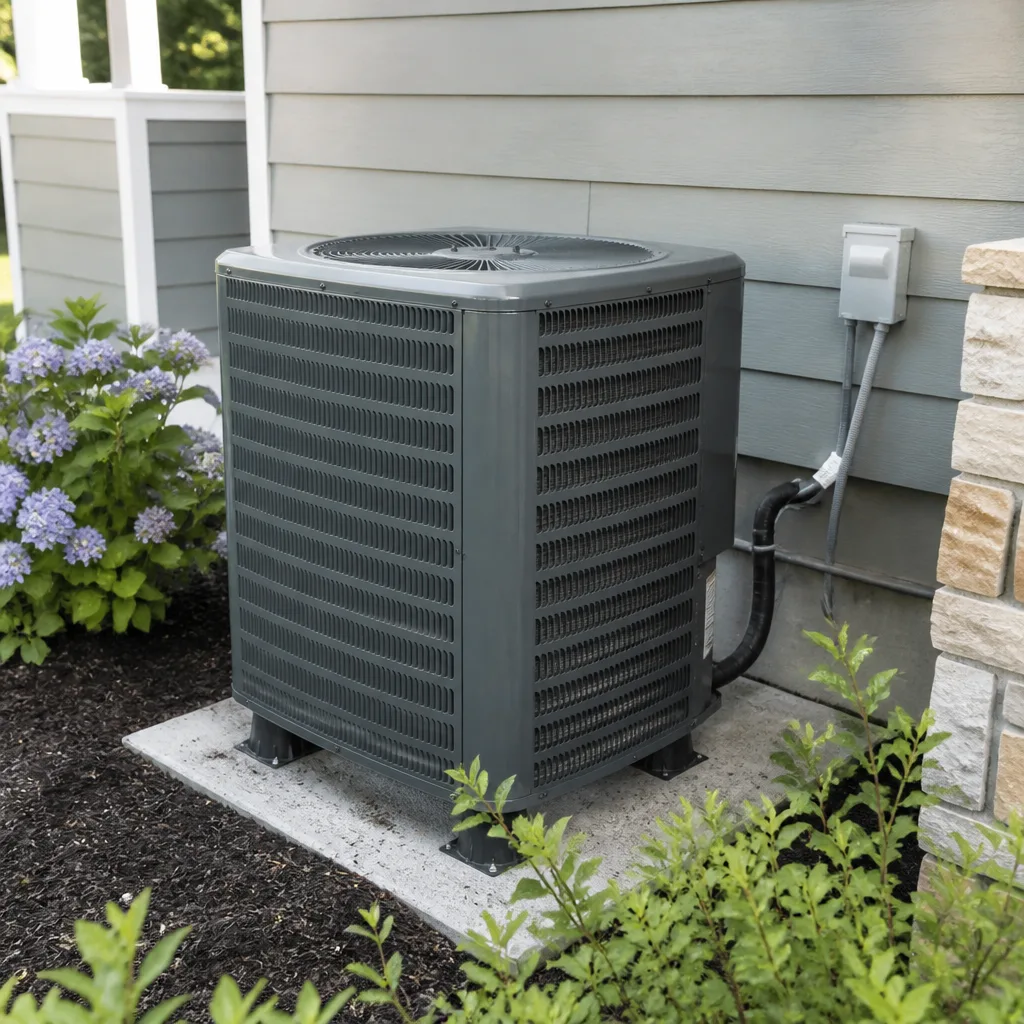 Goodman
Seasonal tune-up and full diagnostic on your Carrier, Trane, or Goodman system - readings shown to you before any repair is proposed
Diagnosis first, numbers second - you approve the repair price before a single part goes in.
Get your free estimateAC Repair & Installation Warning Signs Every Homeowner Should Know
The most expensive AC failure is the one you watched develop for eighteen months. A system that’s slightly slower to reach temperature in May, slightly louder in June, and slightly higher on the electric bill in July is telling you exactly what’s coming. Most homeowners just don’t have the vocabulary to hear it. Seized compressors and blown capacitors make noise, and by then the decision is being made for you. The quiet signals are the ones that give you options. Below is what those signals are, how to track them with nothing more than a notepad, and how to tell a scheduled repair from a same-day call – written from our side of the clipboard in Whitney, where the desert heat tests every system harder than most.
Quick Answer
The five quiet AC warning signs that matter most are longer run cycles for the same indoor temperature, a faint sweetish smell near the air handler, new hesitation on startup, ice forming at the base of the air handler, and a 10 – 15% jump in cooling costs with no rate change. Any one of these alone is worth a scheduled appointment. Ice combined with weak airflow, or a system that won’t start at all in extreme heat, is a same-day call.
Styles & brands we work with
- AC repair
- Furnace & heating
- Heat pumps
- Ductless mini splits
- Carrier
- Trane
- Goodman
Table of Contents
- The Five Quiet Warning Signs Homeowners Miss
- How to Track Your System With a Notepad in Two Weeks
- Scheduled Repair vs. Same-Day Call: Know the Difference
- When the Warning Sign Is a Previous Installer’s Mistake
- How System Age Changes What a Warning Sign Means
- Repair or Replace: Straight Talk for Whitney Homeowners
- Installation Warning Signs: What to Check on a New System
The Five Quiet Warning Signs Homeowners Miss
These are the signals that don’t announce themselves. In our experience across Whitney, they’re the ones that sit for two summers before someone calls. Each is a small symptom pointing at a specific part of the system, and each has a different urgency.
- Longer run cycles for the same indoor temperature. If your system used to reach 78°F in fifteen minutes and now takes thirty, it’s working harder to do the same job. That points to low refrigerant charge, a dirty evaporator coil, or a failing compressor. In Whitney’s summer heat, a system running nonstop from noon to sunset is a system telling you it can’t keep up anymore.
- A faint sweetish smell near the air handler. That’s the smell of refrigerant, and it’s not supposed to be there. A tiny leak can be found and repaired. A leak left alone means the compressor runs dry and the whole system goes quiet – permanently. Do not ignore a sweet smell near the indoor unit.
- New hesitation on startup. The system clicks, pauses, then starts. Or it starts, hums, and stops before running. A hard-starting compressor or a weak capacitor announces itself here first. A capacitor is an inexpensive part. A compressor is not.
- Minor ice visible at the base of the air handler. Ice on the indoor coil or the base of the unit means airflow is restricted or refrigerant is low. It’s one of the most commonly ignored signs, and one of the most diagnostic. Ice on the outdoor unit in the summer is also a warning, not a normal condition.
- A 10 – 15% unexplained increase in cooling costs. If your July bill jumped and the rate didn’t, run the math. A system working harder to do less burns more electricity. That bill is the quietest possible warning sign, and it’s the one homeowners are least likely to connect to the AC.
None of these is a failure. All of them are the system asking for attention. That distinction is the whole point of this guide.
How to Track Your System With a Notepad in Two Weeks
You don’t need equipment to hear what your system is telling you. A notepad and two weeks of notes will do more for diagnosis than any app. Here’s the log we suggest to homeowners in Whitney who want to know whether they’re looking at a real issue before calling.
- Pick two weeks in the hottest stretch of summer. June through September in Whitney works best. The system shows its weaknesses when it’s working hardest.
- Record the thermostat setting and the time you set it each morning. Keep it the same every day if you can. Consistency is what makes the log useful.
- Record the time it takes to reach that temperature. Note whether it’s reaching it at all. “Didn’t reach 78°F by 6 p.m.” is a diagnosis.
- Note outside temperature at the time you check. A phone weather app is enough. This tells us whether the system is struggling against heat or struggling in general.
- Listen for startup behavior. One word per day: normal, hesitates, clicks twice, hums and stops. That single word is often the most useful note in the log.
- Write down anything unusual you hear or smell. A rattle, a click, a sweet smell, a hiss, water pooling near the handler. Note the day and the time.
- Compare the two weeks side by side. Are run times creeping up? Is the system hesitating more often? Slope matters more than any single day, and it’s exactly what a technician will look at when we open the panel.
The notepad tells you whether the issue is a bad day or a trend. It also gives your technician real data to work from instead of a vague “it’s not cooling right.” That alone can shorten a diagnostic visit. If your system is already at the point of no cooling, skip the log and call.
Scheduled Repair vs. Same-Day Call: Know the Difference
Every warning sign falls into one of two buckets, and knowing which bucket you’re in keeps you from panicking on a Tuesday and paying holiday rates on a Sunday.
Scheduled appointment signs are the ones that give you days, not hours. Book these for the next available slot:
- Longer run cycles but the system still reaches the set temperature
- A faint sweet smell near the air handler with no ice visible
- Startup hesitation that resolves itself within a few seconds
- A cooling-cost increase you spotted on the bill
- One note of unusual noise in your log, without a pattern
Same-day signs are the ones where waiting costs more than the repair:
- No cooling at all in the middle of a Whitney heatwave, especially with an elderly or infant household
- Ice at the base of the air handler plus weak airflow
- The system won’t start, or trips the breaker each time it tries
- Water pooling inside the house near the air handler
- Any smell with a burning edge to it
If you’re on the fence about a same-day call, call anyway and describe the symptom. The person answering will tell you honestly whether it can wait until tomorrow morning. We answer the phone around the clock, and we’d rather tell you to call us back tomorrow than book a job that didn’t need to be urgent. If you’re not sure whether your system is worth repairing at all, AC Repair & Installation in Whitney walks through how we weigh that decision.
When the Warning Sign Is a Previous Installer’s Mistake
Some warning signs aren’t wear and tear. They’re the fingerprints of a rushed install. In our experience, a portion of the “AC problems” we see in Whitney were created the day the system was put in.
The most common installation errors that show up as future warning signs:
- Undersized return ductwork. The system runs longer and louder because it can’t move the air it was rated to move. Looks like a compressor problem. Is a duct problem.
- Charged by gauge, not by weight. Refrigerant charged without weighing in means the system is over or under from day one. That produces the sweet smell, the ice, and the slow cooling two summers later.
- Wrong tonnage for the house. A system sized for the square footage rather than a load calculation short-cycles in spring and struggles in August. Whitney homes with big west-facing glass are especially prone to this.
- Brazed line sets without nitrogen purge. Leftover debris in the lines eats the compressor. The failure shows up years after the installer has moved on.
Who’s responsible? It depends on the paper trail. If the original install was done by a company that no longer answers the phone, the cost lands on you – which is why we do a load calculation and describe it in writing before we install anything. Our AC installation in Whitney includes a written fixed price and a set install date, so the install you get is the install you agreed to. That’s also why we offer a Free Second Opinion on Any Written Estimate. If another company has quoted you a repair for what looks like an installer’s error, get that second opinion before you spend a dime.
How System Age Changes What a Warning Sign Means
The same warning sign in a four-year-old system and a fourteen-year-old system points in opposite directions. This is the calculus that trips up the most homeowners, and it’s worth being clear about.
In a 4- to 6-year-old system: a warning sign is almost always worth repairing. The system has most of its life ahead of it, the repair is generally under the cost of replacement, and a well-maintained system of this age can run another decade in Whitney’s climate. Low refrigerant means find the leak, fix it, recharge. Hard start means new capacitor. Ice means clean the coil and check airflow. These are maintenance-level repairs, and getting them done early is the whole point of the guide.
In a 12- to 15-year-old system: the same warning sign means something different. It’s not “recharge the system,” it’s “how long do you want to keep this one running?” A refrigerant leak in a fourteen-year-old system is often a compressor on its last legs. A hard-start in a system this age means the compressor is tired and the next sign will be the last one. Repair is still an option. Replacement is now genuinely on the table, and worth weighing before you spend on a repair that only buys another year.
Past 15 years: most warning signs point toward replacement unless the system is exceptionally well maintained and the repair is minor. Cooling costs in a system of this age are typically 20% or more above what a current Carrier or Trane high-efficiency unit would use, so the repair math has to include the bill. The right answer is different for every house. Our job is to lay out both numbers and let you choose. If you’re weighing a heat pump as the replacement, Heat Pump & Mini Split in Whitney covers how those systems perform in the desert heat and where the tradeoffs land.
Repair or Replace: Straight Talk for Whitney Homeowners
The number that matters here is the 5,000-dollar rule – or in today’s prices, closer to the 6,000-dollar rule. If the repair costs more than about a third of what a new system would run, and the current system is past twelve years old, replacement usually wins. Below that line, repair wins almost every time.
For Whitney specifically, there are three things that push the math:
- Summer runtime. A system in Whitney runs far more hours per year than the national average, so wear accumulates faster. A ten-year-old system in Whitney has put in the hours of a fifteen-year-old system in a milder climate. Age calculations have to reflect that.
- Rebates and the federal tax credit. High-efficiency replacements can qualify for federal and utility rebates that shift the break-even in favor of replacement, especially on a heat pump. We handle the rebate and financing paperwork as part of the install quote.
- Age of the ductwork. If your ducts are as old as the system, a new condenser on tired ducts is a waste of a good system. Duct replacement adds cost but changes the whole calculation.
We won’t quote a replacement on a system that just needs a capacitor and a coil cleaning. We also won’t keep charging repairs on a system where replacement is clearly the better money. Our guidance: get a written estimate for both the repair and the replacement, side by side, and read them next to your two-week notepad log. If another company’s written estimate already includes that, use the Free Second Opinion offer before you commit. And if you decide to go with a new system, Fireside Heating & Air Co. Whitney home lays out what a written, no-surprises install looks like.
Installation Warning Signs: What to Check on a New System
A new install has its own warning signs. These show up in the first ninety days, and they’re the ones a warranty call covers if you catch them. If your system was installed recently, take these seriously – a new system that isn’t right is generally the installer’s job to correct, not yours.
- Temperature drop across the air handler should be measured. Ask for the number, in writing, at install. If it wasn’t measured at install and you’re seeing short cooling, get a second opinion.
- Room-by-room temperature balance. Walk through every room in the first week. A room that’s consistently five degrees warmer than the rest of the house in Whitney’s summer points to ductwork or balance issues.
- Startup and cycle time. A properly sized system cycles on and off in a comfortable rhythm. A new system that runs nonstop in moderate weather is oversized or undercharged.
- Water at the base of the air handler. The condensate line should be draining freely. A puddle within the first month means the line was pitched wrong or wasn’t trapped.
- Ask for the commissioning sheet. Load calculation, charge verification, static pressure, refrigerant line lengths. A real install has these. A rushed install doesn’t.
This is why we stand behind our installs with the 90-Day Done Right Promise. If it isn’t done right in the first ninety days, we make it right – in writing, no arguing. That guarantee exists because we know the installer errors above are the ones that surface in the first summer, not the fifth.
Common Mistakes to Avoid
- Waiting one more summer. The single most expensive mistake in Whitney. The system told you in May. By August, you’re paying for a compressor instead of a capacitor.
- Paying for a recharge without finding the leak. A system that needs refrigerant added is losing refrigerant. Add it without finding the leak and you’ll be adding it again in twelve months.
- Running the system with ice on the coil. Ice on the indoor coil means the system can’t move air or is low on charge. Running it in that condition can damage the compressor.
- Buying a replacement sized by square footage alone. A load calculation is required to size correctly. A Whitney home with west-facing glass and a flat roof needs a different answer than the same square footage in a shaded lot.
- Trusting a verbal quote on a big job. Get the price in writing. The price quoted should be the price paid, and a company that won’t put it on paper is telling you something.
- Ignoring the startup hesitation. A clicking, hesitating start is a capacitor on its way out. A capacitor is a small repair. A seized compressor is not.
- Assuming a new install is fine because it cools. New installs need a ninety-day walk-through. The warning signs show up in the first summer, and the warranty window is short.
See the difference
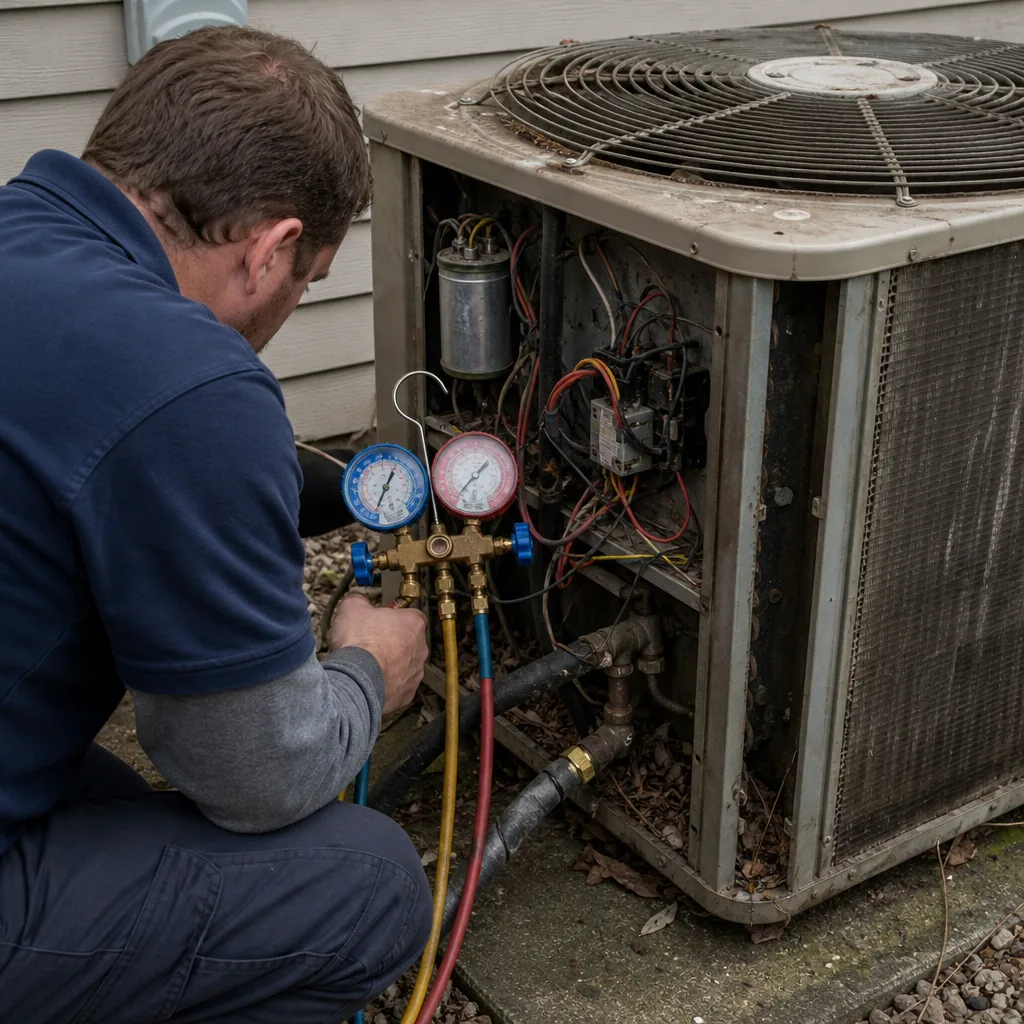 Before
 After
 Before
 After
 Before
 After
When to Call a Professional
Some warning signs are a scheduled call. Some are a same-day call. A few are an emergency. Call us the same day if your system won’t start, trips the breaker, won’t cool at all during a Whitney heatwave with an elderly or infant household, or shows ice on the indoor coil with weak airflow. Call us the same day if you smell anything burning. Call us the same day if water is pooling inside the house. For everything else – a long run cycle, a faint sweet smell, a startup hesitation, a cooling bill that’s up 10 – 15% – schedule an appointment at your convenience and use the notepad log above to make it count. Fireside Heating & Air Co. Whitney offers free estimates in Whitney. Call (866) 329-8069 and we’ll tell you honestly what’s urgent and what can wait.
Frequently Asked Questions
The earliest signs are longer run cycles for the same indoor temperature, a faint sweetish smell near the air handler, new hesitation on startup, minor ice at the base of the air handler, and a 10 – 15% unexplained increase in cooling costs. Any one of these is worth a scheduled appointment. Call (866) 329-8069 for a free estimate and honest triage.
Common signs are reduced cooling, ice on the indoor coil, and a faint sweet smell near the air handler. Low refrigerant means there’s a leak, and the leak has to be found before any recharge. Call (866) 329-8069 – we’ll find the leak, quote the repair, and stand behind it.
At fourteen years, replacement is usually the better money unless the repair is small and the system is well maintained. Whitney systems run far more hours per year than systems in milder climates, so wear accumulates faster. Call (866) 329-8069 for a written repair estimate and a written replacement estimate side by side, and use the Free Second Opinion if you already have one.
The installed price depends on tonnage, efficiency, and whether the ductwork needs work. We give a written fixed price on every install, with rebate and financing paperwork handled, and a set install date. Call (866) 329-8069 for a free estimate – the price quoted is the price paid.
Yes. We answer the phone around the clock, and same-day AC repair is available for the urgent cases above – no cooling in a heatwave, ice plus weak airflow, breaker trips, water inside, or a burning smell. Call (866) 329-8069 and describe the symptom; we’ll tell you honestly whether it’s a same-day call.
Turn the system off and call. A sweet smell near the air handler is refrigerant, and it means a leak. A small leak is repairable. A leak left running can kill the compressor. Call (866) 329-8069 and we’ll get someone out.
We service and install AC, heating and furnace systems, heat pumps, and mini-split systems, and we service nine major brands including Carrier, Trane, Lennox, and Goodman. If you’re weighing a heat pump as a replacement for an aging AC, Heating & Furnace in Whitney and the heat pump page cover how those systems perform here. Call (866) 329-8069 and we’ll talk through the options honestly.
The Bottom Line
The warning signs that matter aren’t the dramatic ones. They’re the ones you hear in May and dismiss in June. Longer run cycles, a faint sweet smell, a hesitation on startup, a little ice, a cooling bill that crept up – every one of these is a signal that a repair today prevents a replacement later. The notepad log is the cheapest diagnostic tool you own. The age of your system tells you which way the math leans. And a company that answers the phone at two in the morning and stands behind its work in writing is worth the call. Start there.
Written by the team at Fireside Heating & Air Co. Whitney.