
Last updated November 18, 2026
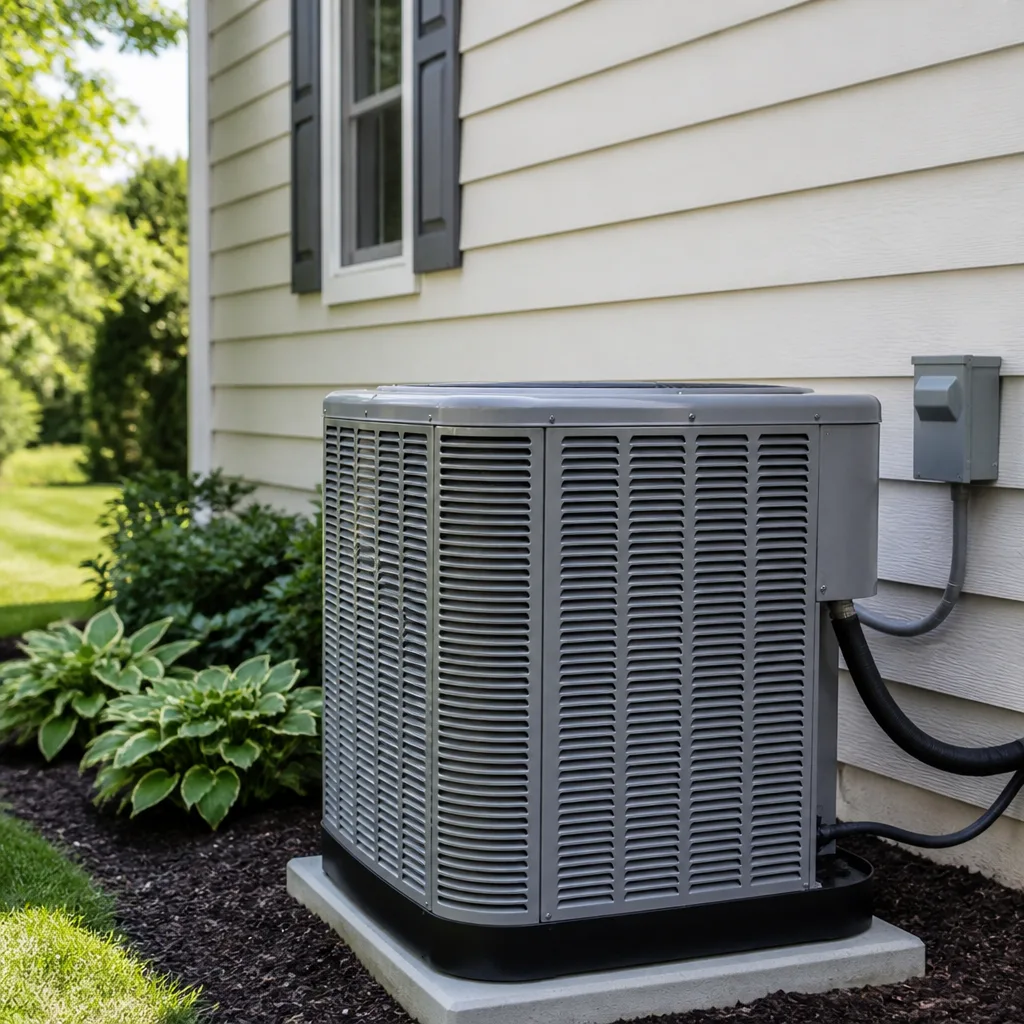 AC repair
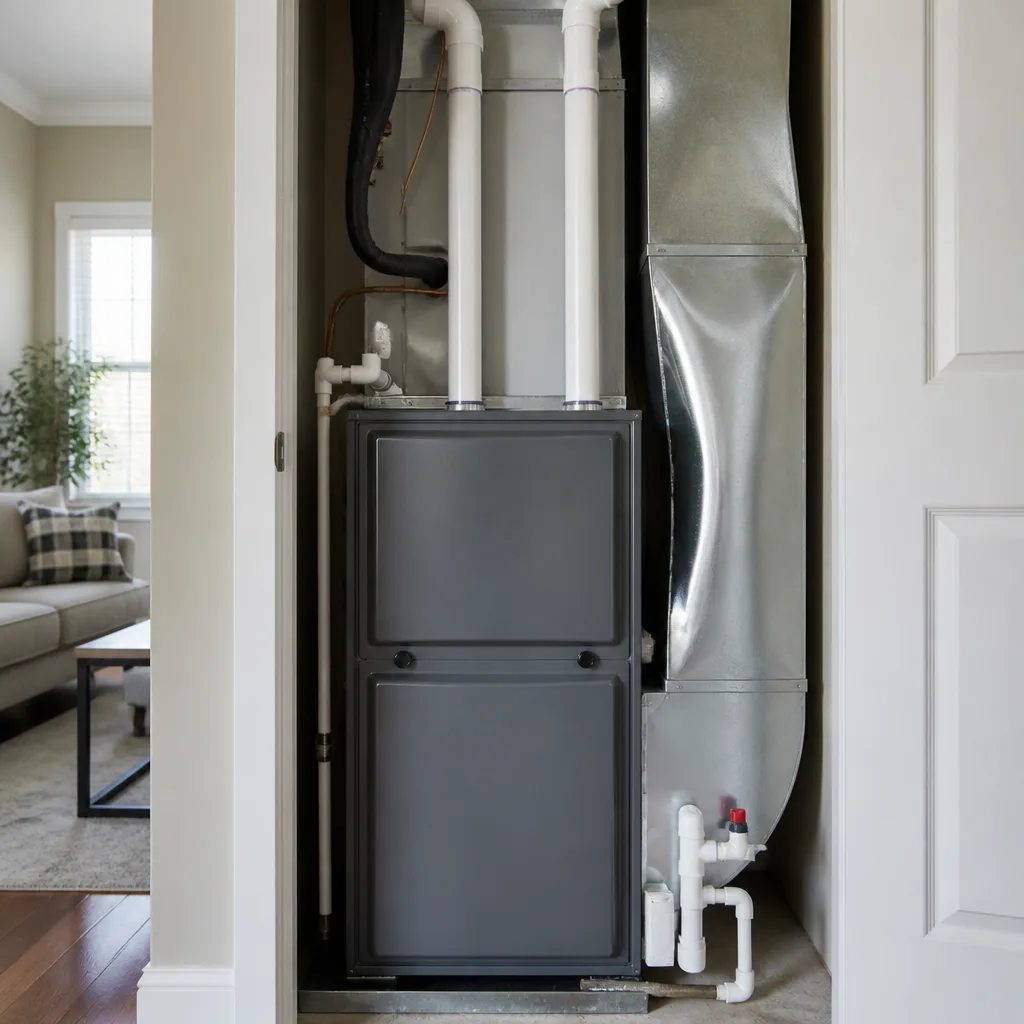 Furnace & heating
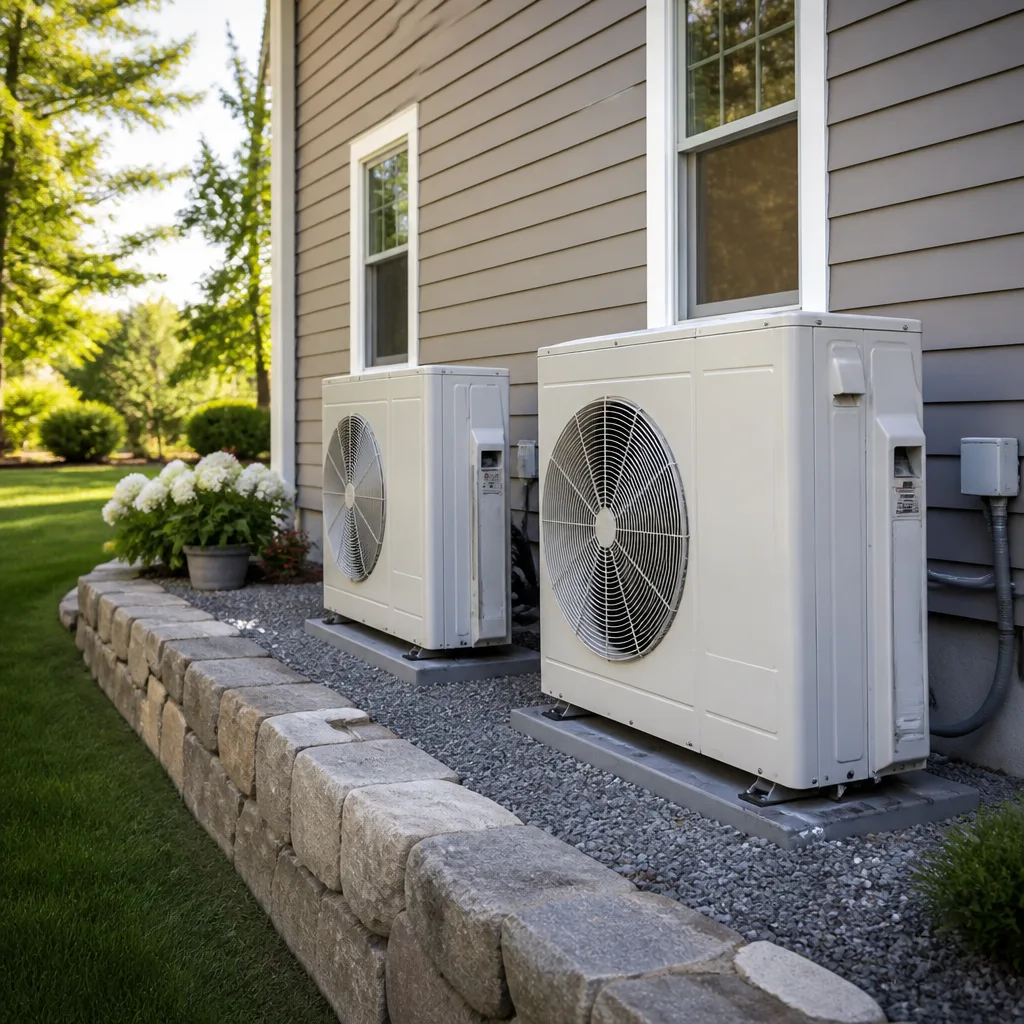 Heat pumps
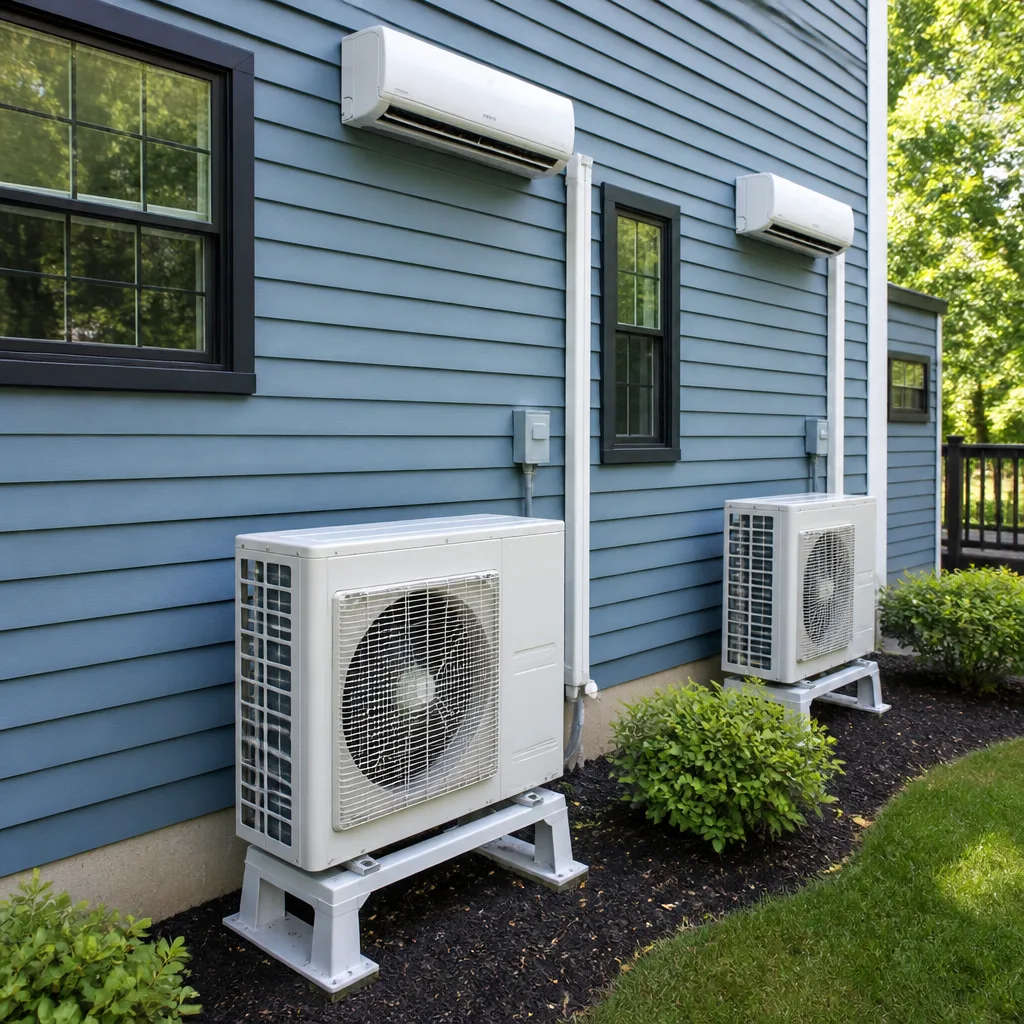 Ductless mini splits
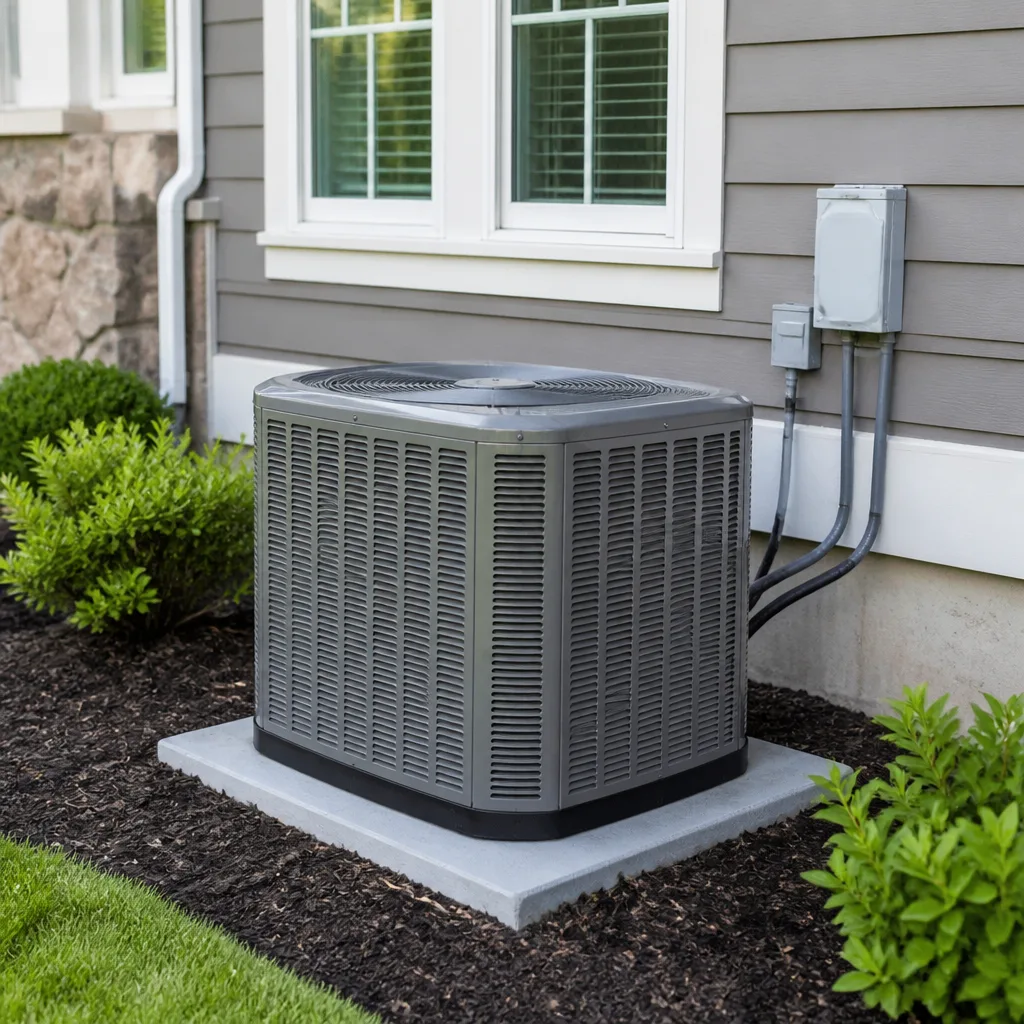 Carrier
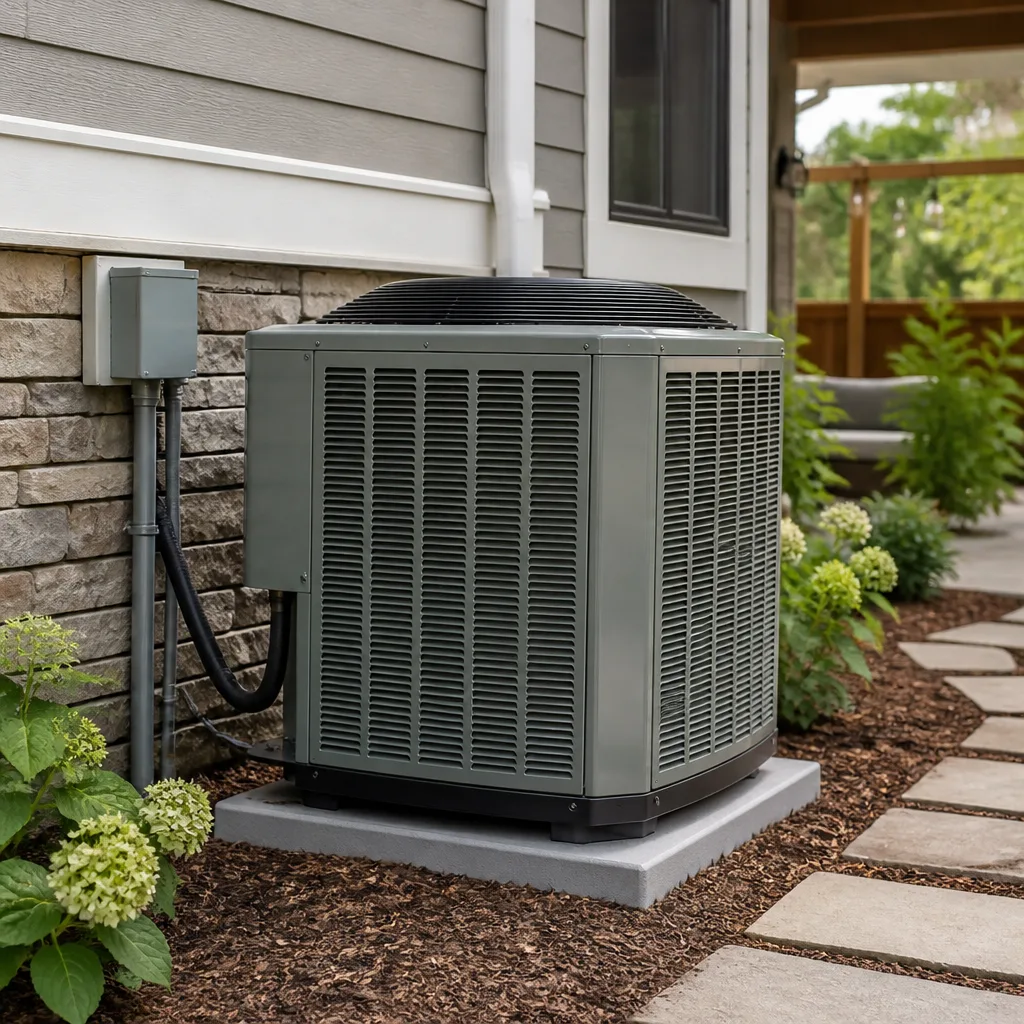 Trane
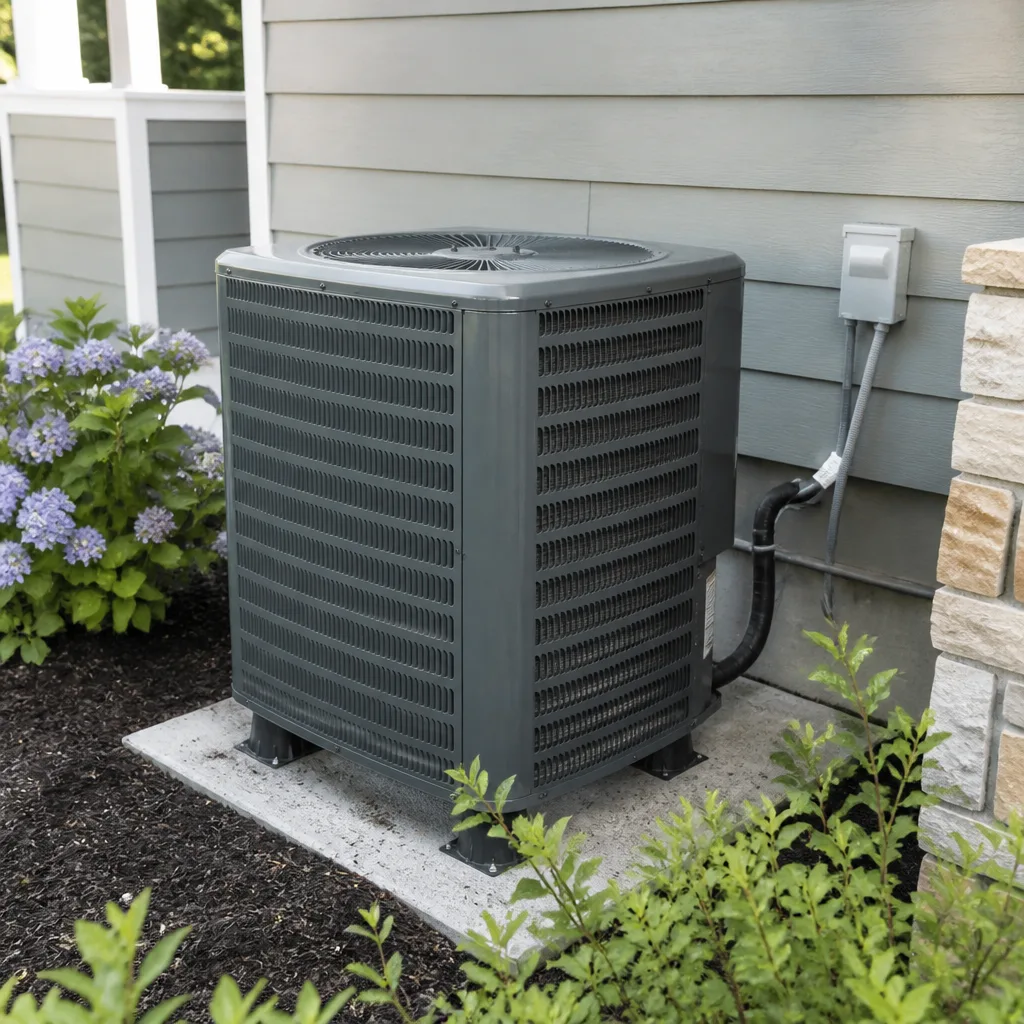 Goodman
Seasonal tune-up and full diagnostic on your Carrier, Trane, or Goodman system - readings shown to you before any repair is proposed
Diagnosis first, numbers second - you approve the repair price before a single part goes in.
Get your free estimateHow Long Does Emergency & Commercial HVAC Take? Timelines and What to Expect
Response time is what gets advertised. Diagnosis time and parts lead time are what decide when your tenants stop complaining, and those numbers rarely make it into the brochure. In Whitney, a commercial no-heat or no-cool call usually gets a truck rolling fast; the real question is what happens after the tech walks in the door. A failed contactor can be a two-hour fix. A failed compressor on a 15-year-old Bryant rooftop unit can stretch into days once you factor in locating the part. Here’s the honest breakdown: what each phase costs you in time, why a rural Nevada location adds hours that Reno and Las Vegas jobs never see, and what a business should be doing operationally while the system is down. We’ve run these calls out of Whitney long enough to know where the clock actually goes.
Quick Answer
Most emergency commercial HVAC calls in Whitney reach a technician within a few hours of the call, but the total time to restore comfort is typically 4 to 8 hours for a repair using common parts, and 2 to 5 days when a specialty part has to be ordered into rural Nevada. The response phase is the short one. Diagnosis and parts lead time are what determine when the building is actually back to normal.
Styles & brands we work with
- AC repair
- Furnace & heating
- Heat pumps
- Ductless mini splits
- Carrier
- Trane
- Goodman
Table of Contents
- The Three-Phase Timeline: Response, Diagnosis, Resolution
- Phase One: Response Time and What Drives It
- Phase Two: Diagnosis Time and Why It Varies
- Phase Three: Parts Lead Time in Rural Nevada
- Repair or Replace: When the Decision Point Arrives
- What to Do Operationationally While You Wait
- How a Service Agreement Changes All Three Phases
- Common Mistakes to Avoid
The Three-Phase Timeline: Response, Diagnosis, Resolution
The gap between the moment a commercial HVAC call is placed and the moment the building is back to normal is not one number. It’s three, and most facility managers only ever plan for the first one. Response time is the clock from phone call to technician on site. Diagnosis time is how long it takes to figure out what failed and what it will take to fix it. Resolution time is the actual work, plus any parts lead time, plus the time to verify the fix under load.
In Whitney and the surrounding valley, here’s what those three phases look like in practice:
- Response: 1 to 4 hours for a live emergency dispatch, faster on a service agreement with priority status.
- Diagnosis: 1 to 3 hours for a straightforward failure, longer when the problem is intermittent or involves controls and multiple zones.
- Resolution: 2 to 6 hours for a repair on a common part; 2 to 5 days when a specialty part must be ordered, plus verification time afterward.
Notice that the advertised number, response, is the shortest and least useful of the three. A company bragging about 1-hour response is telling you almost nothing about when your tenants will be comfortable again. What matters is whether the diagnosing tech can identify the failed part quickly and whether that part is on the truck or four days out.
Phase One: Response Time and What Drives It
Response time in Whitney depends on three things: when you call, whether you have priority status, and how much of the valley is already calling at the same time. A 2 p.m. call in the shoulder season usually gets a tech on site faster than a 6 a.m. call during the first hard freeze of the year, when every commercial customer in the area is calling at once. That’s not excuse-making, it’s just how dispatch works when the whole valley has the same problem.
Our phones are answered by a live person 24 hours a day, seven days a week. That’s the single biggest factor in response time, because a voicemail tree or a call-back system can eat an hour before a technician is even assigned. When you reach a person, they can triage: is this a no-heat call in a building full of people, a failed walk-in cooler threatening perishable goods, or a comfort complaint that can hold until morning? Real triage shortens response time for the calls that actually need it.
Here’s what realistically drives the number:
- Time of day. Overnight and holiday calls reach a live person, but travel time is longer when fewer trucks are already rolling.
- Priority status. A service agreement puts you at the front of the dispatch queue, ahead of non-contract calls.
- Weather event. The first cold snap or the first 105-degree week moves response times across the whole market.
- Location within Whitney. Commercial properties near the main corridors are quicker to reach than outlying parcels down long access roads.
For a straightforward no-cool emergency in peak summer, plan on a few hours. That’s the realistic number, not the marketing one.
Phase Two: Diagnosis Time and Why It Varies
Diagnosis is where commercial work splits from residential work. A home system has one thermostat, one air handler, maybe one condenser. A commercial building has zones, economizers, rooftop package units, controls, and often a building automation system that may or may not be talking to the equipment the way it’s supposed to. Finding out what failed is not always the same as fixing what failed.
In our experience in Whitney, diagnosis time breaks into rough bands:
- 1 hour or less: obvious electrical failure, failed capacitor or contactor, a clearly tripped safety, a filter or belt issue.
- 1 to 2 hours: refrigerant-side diagnosis, airflow problems, a specific rooftop unit that’s clearly not keeping up while the rest of the building is fine.
- 2 to 4 hours or more: controls and economizer problems, intermittent failures that don’t reproduce on the first visit, or a building automation system that’s sending the wrong commands.
The most common diagnosis-killer we run into on commercial calls in Whitney is an intermittent fault. The unit works when the tech arrives, fails two hours after he leaves, and works again the next morning. The second and third visits are what stretch the clock, not the first one. That’s why a strong technician who documents the sequence of events and readings from the first visit saves hours on the second. Our technicians have up to 8 years of experience on the commercial side, and they’re trained on the major brands you’re likely to find on a rooftop here: Carrier, Trane, Bryant, and others. Knowing the specific unit’s failure patterns shortens diagnosis measurably.
If you want a second read on a diagnosis you’ve been given elsewhere, we offer a free second opinion on any written estimate. That’s a real cost savings when the first diagnosis is “replace the whole unit” and the actual failure is a $200 part.
Phase Three: Parts Lead Time in Rural Nevada
This is the phase that separates a Whitney commercial job from the same job in Las Vegas or Reno. A contactor or capacitor is on the truck, and that job closes same-day. A compressor, a specific circuit board, a variable-frequency drive, an economizer actuator for a unit that’s eight years old: those often aren’t in town. The part gets ordered, and the lead time is the days it takes to reach Whitney, not the hours it takes to install.
Realistic parts lead times for commercial HVAC in Whitney:
- Common electrical parts: on the truck, hours.
- Common residential-grade components: often in the valley, next-day or same-day if a supply house has it.
- Commercial specialty parts: next-day from Reno or Las Vegas if in stock there, 2 to 4 days if ordered from the manufacturer.
- Legacy or OEM-specific parts: 3 to 7 days, occasionally longer for older or discontinued equipment.
- Compressors and major assemblies: 2 to 5 days typical, with possible freight delays into rural Nevada.
That gap is the whole reason we emphasize diagnosis quality. A tech who misidentifies the failed part on day one costs you the lead time twice: once for the wrong part, and again for the right one. Getting the diagnosis right the first time is worth more in Whitney than in a metro where the part is twenty minutes away.
Repair or Replace: When the Decision Point Arrives
The repair-versus-replace decision usually shows up at one of three moments: when the part costs a significant fraction of a replacement, when the same unit has failed multiple times in a season, or when the diagnosis reveals a failed compressor on equipment that’s near the end of its service life. On a commercial call, that conversation often happens while the building is still down, which is a hard time to make a clear-headed choice.
Here’s how we approach it on commercial jobs in Whitney. If the failed unit is under roughly 10 years old, well-maintained, and the failed part is a discrete component, repair is usually the right call and the timeline is the shortest one. If the unit is past 15 years, has had recurring failures, or the repair cost approaches a meaningful share of replacement cost, replacement usually wins over the next several years, even though it takes longer up front. A replacement is a planned job with its own schedule – equipment order, permits, installation, commissioning – measured in weeks, not hours. A repair on a failing unit is a same-week fix that buys time to plan the replacement properly rather than making the decision in a 40-degree building at 6 a.m.
What you want in that moment is straight talk, not a sales pitch. For a deeper read on the residential version of this decision, the same principles apply: heating and furnace service in Whitney walks through the repair-or-replace equation honestly. On the commercial side, the difference is that a failed rooftop unit is often one of several, which means you have time to plan even while one zone is down.
What to Do Operationally While You Wait
The hours between the call and the fix are not dead time. What a business does with them determines how much disruption the failure actually causes. In a commercial building in Whitney, the practical playbook looks like this:
- Protect perishables first. If any part of the building holds food or temperature-sensitive inventory, move it or bring in temporary cooling for that space before worrying about office comfort. A failed walk-in cooler is a different emergency than a failed office zone.
- Reassign occupancy, don’t just endure it. Move staff to the zones that are still working. Consolidate activity into the served areas of the building. On a no-cool day in summer, that can mean a temporary schedule change.
- Bring in portable cooling or heating if it’s warranted. For server rooms, medical spaces, and any area with critical equipment, a rented portable unit can hold the line until the repair is complete. That’s a cost, but it’s often less than the alternative.
- Document everything. Log the failure time, the symptoms, and what the building was doing when it happened. That record shortens the diagnostic visit and helps if you need to make an insurance claim.
- Don’t block the tech. Clear access to the rooftop units and the mechanical room. A tech who can’t get to the equipment loses an hour before diagnosis even starts.
One more thing specific to Whitney: in the deep summer, an unconditioned commercial space can get hot enough to be genuinely unsafe for staff and customers. If the building has no working cooling and the outside temperature is over 105, treat it as a health consideration, not a comfort complaint, and act accordingly. We’ve seen the difference between a business that planned and a business that waited, and the planning one always comes out ahead. For residential customers facing the same scramble, AC repair and installation in Whitney covers the home version of this.
How a Service Agreement Changes All Three Phases
A service agreement with Fireside affects all three phases of the timeline, and it affects them in ways that are easy to underestimate until the first emergency. On response, it puts you in the priority queue, which is the difference between being the fifth call and the first one on a cold morning. On diagnosis, contract customers have known-system documentation on file: the equipment we’ve serviced, the readings we’ve taken, the parts we’ve replaced, and the failure patterns we’ve seen at that building. A tech who arrives already knowing the history diagnoses faster than one starting cold.
On resolution, the effect is parts availability. When we know a building’s equipment, we can often have the likely-failure parts on hand before they fail, which shortens the lead time from days to hours. That’s the difference between a service agreement and a service call that just happens to be scheduled. It’s also the reason commercial customers on a contract rarely experience the multi-day part lead time that non-contract customers sometimes do. The equipment is known, the failure patterns are known, and the parts are anticipated.
We’ve done this work in Whitney long enough to know that the customers who plan ahead are the ones who describe their HVAC as something they never think about. That’s the goal. For businesses running heat pumps or mini-splits in commercial spaces, the planning side is covered at heat pump and mini split in Whitney, and the full service picture at Fireside Heating & Air Co. Whitney.
Common Mistakes to Avoid
- Judging a commercial HVAC company by its advertised response time alone. Response is the shortest phase and the least predictive. Ask about diagnostic process and parts sourcing, because those are what decide when the building is actually comfortable again.
- Waiting for the system to fail before calling. A failure discovered on a scheduled maintenance visit is a planned repair with a known timeline. A failure discovered at 3 a.m. in January is an emergency with all the uncertainty that comes with it.
- Calling a residential company for a commercial job in Whitney. Commercial systems have controls, economizers, and load requirements that residential techs rarely work on. Misdiagnosis there costs you the parts lead time twice.
- Approving a replacement without a second opinion on the estimate. We offer a free second opinion on any written estimate, and it’s worth taking. The number of times a “needs a whole new unit” diagnosis turns out to be a failed component is more than zero, and it’s often more than zero at the worst possible moment.
- Not documenting the failure. The time, the symptoms, the affected zones. The tech who arrives with that information in hand saves a diagnostic hour, and in rural Nevada an hour saved at diagnosis is often a day saved at resolution.
- Letting perishables wait on the HVAC timeline. If the building holds food or temperature-sensitive inventory, protect it first. A temporary cooling solution for that space costs far less than the loss if the repair runs long.
- Making the repair-or-replace call in the middle of the emergency. When the building is down and the pressure is on is the worst time for that decision. Get a clear diagnosis, then decide on the merits.
See the difference
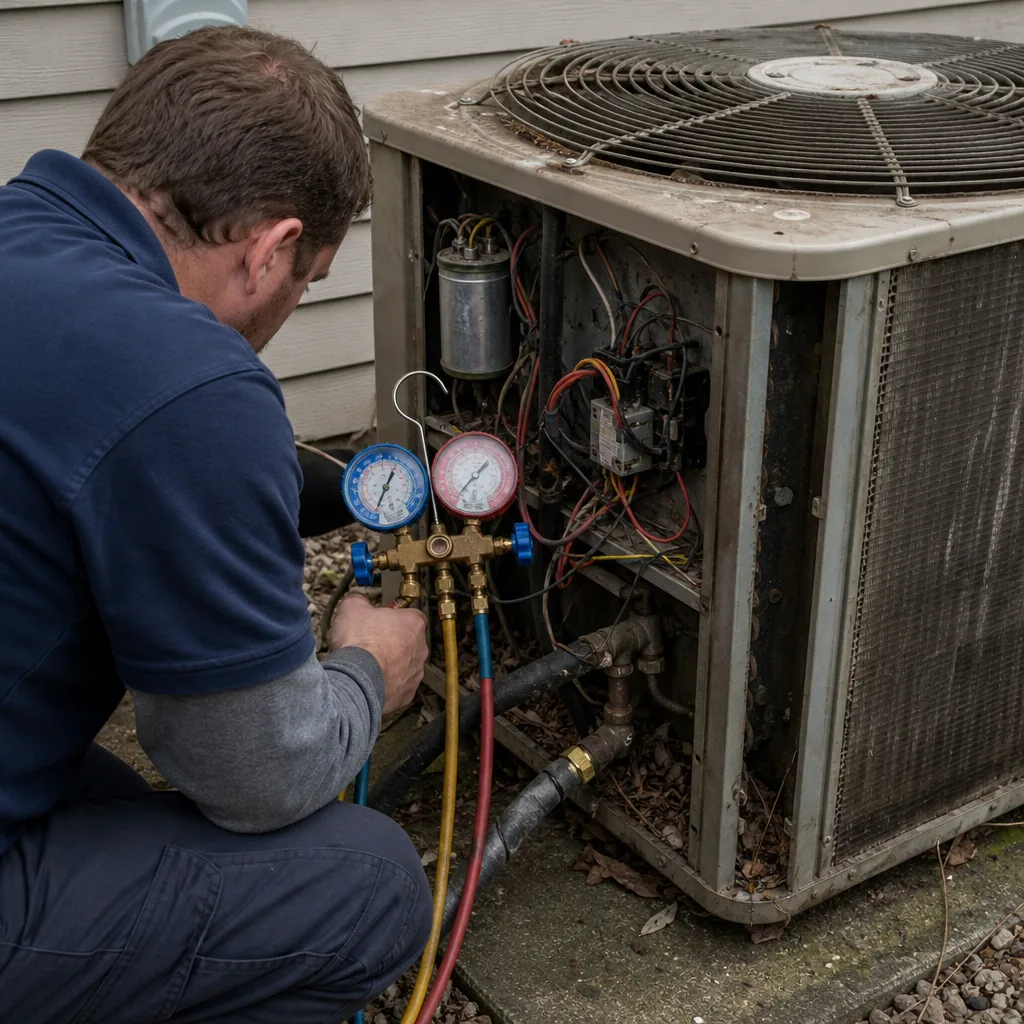 Before
 After
 Before
 After
 Before
 After
When to Call a Professional
Call a professional when the system has failed entirely and people or products are at risk. Call when the failure is intermittent and you can’t reproduce it on demand, because intermittent commercial failures rarely fix themselves and often get worse. Call when the same unit has failed twice in a season, because a pattern is more informative than any single event. Call when the diagnosis you’ve been given doesn’t add up to you, and take the free second opinion. And call before the season turns, not after, because a planned service call in the shoulder season costs you a scheduled visit and an unplanned failure costs you the timeline described above. Fireside Heating & Air Co. Whitney offers free estimates in Whitney. Call (866) 329-8069.
Frequently Asked Questions
Most emergency commercial HVAC repairs in Whitney are resolved in 4 to 8 hours when the needed part is available locally or on the truck, and 2 to 5 days when a specialty part has to be ordered into rural Nevada. The response phase (1 to 4 hours) is short; diagnosis and parts lead time are what stretch the total. Call (866) 329-8069 for a same-day assessment of your building.
Yes, same-day emergency dispatch is standard for Whitney commercial calls, with priority queuing for service agreement customers. Overnight calls reach a live person, never a voicemail tree, so triage starts the moment you call. Call (866) 329-8069 to get a technician assigned to your building.
A specialty commercial part that’s in stock in Las Vegas or Reno still has to reach Whitney, which adds a day or more to the timeline, and manufacturer orders add 2 to 5 days. Common parts are on the truck and turn the job into a same-day fix. Planning around specialty parts is exactly what a service agreement is for – call (866) 329-8069 to talk through your building’s equipment.
Repair is usually right for a unit under about 10 years old with a discrete component failure; replacement makes more sense past 15 years, with recurring failures, or when repair cost approaches a meaningful share of replacement cost. The replacement itself is a scheduled job measured in weeks, so the repair decision buys time to plan it well. Call (866) 329-8069 for a free second opinion on any written estimate.
Protect perishables and critical spaces first with temporary cooling, move staff to working zones, clear access to rooftop and mechanical equipment, and document the failure time and symptoms. A building that’s planned ahead loses hours; one that hasn’t can lose days. If your building is at risk, call (866) 329-8069 and we’ll triage the call to prioritize what matters most.
Yes, and it changes all three phases. Priority dispatch shortens response, known-system documentation shortens diagnosis, and anticipated parts shorten the resolution phase, sometimes turning a multi-day job into a same-day one. That’s the practical difference between a service agreement and a one-off call. Call (866) 329-8069 to see what fits your building.
The Bottom Line
The advertised response time is the smallest part of the story. On a commercial HVAC emergency in Whitney, plan for hours on response, one to three hours on diagnosis, and the rest of the timeline on getting the right part into a rural Nevada building. Businesses that plan ahead, document their equipment, and carry a service agreement compress all three phases; businesses that don’t experience the full lead time. The repair-or-replace question comes up mid-emergency and is better answered with a clear diagnosis and a second opinion than with a rushed decision. We’ve seen enough of these calls in Whitney to know the pattern, and we’ll give you a straight answer and a square deal every time, backed in writing by our 90-Day Done Right Promise.
If your building is down right now, or you want to plan ahead of the next failure, call Fireside Heating & Air Co. Whitney at (866) 329-8069 for a free estimate. We’ll be there when we say.
Written by the team at Fireside Heating & Air Co. Whitney.