
Last updated November 18, 2026
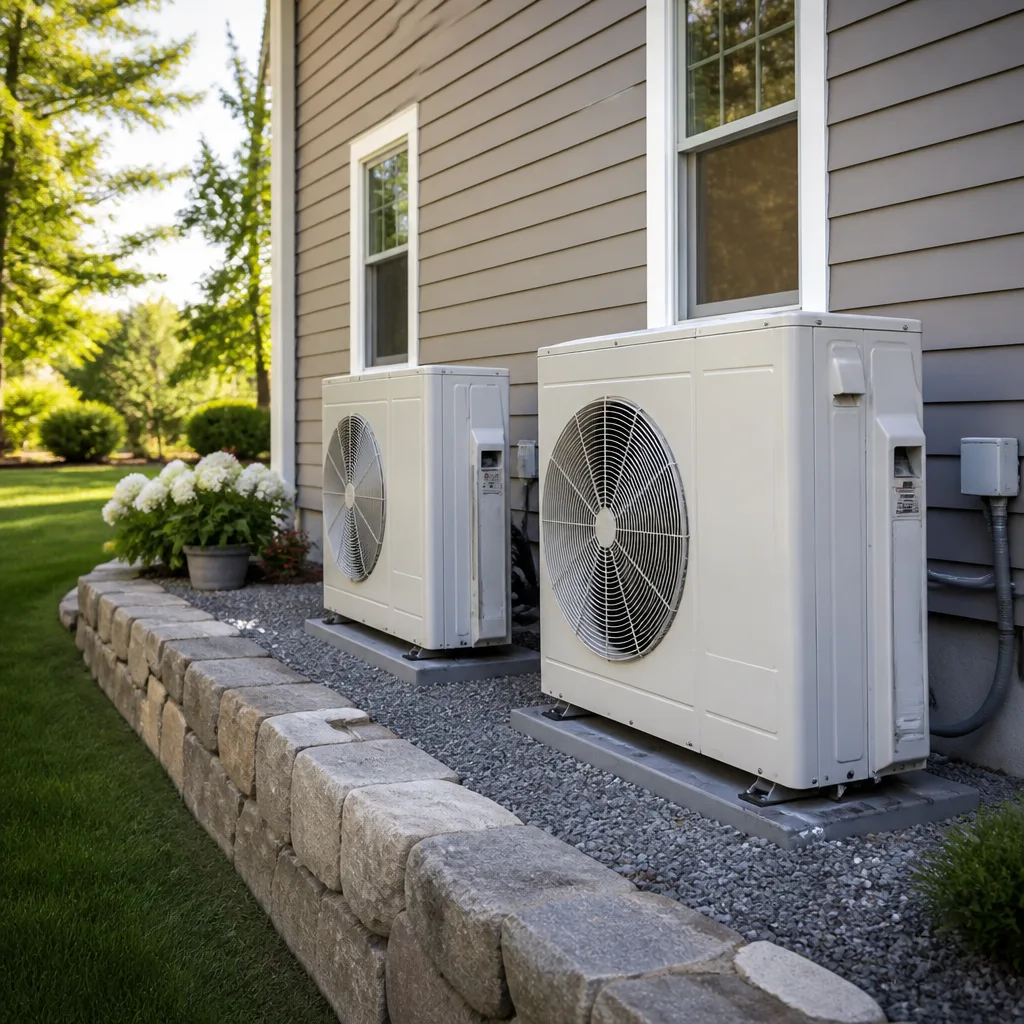 Heat pumps
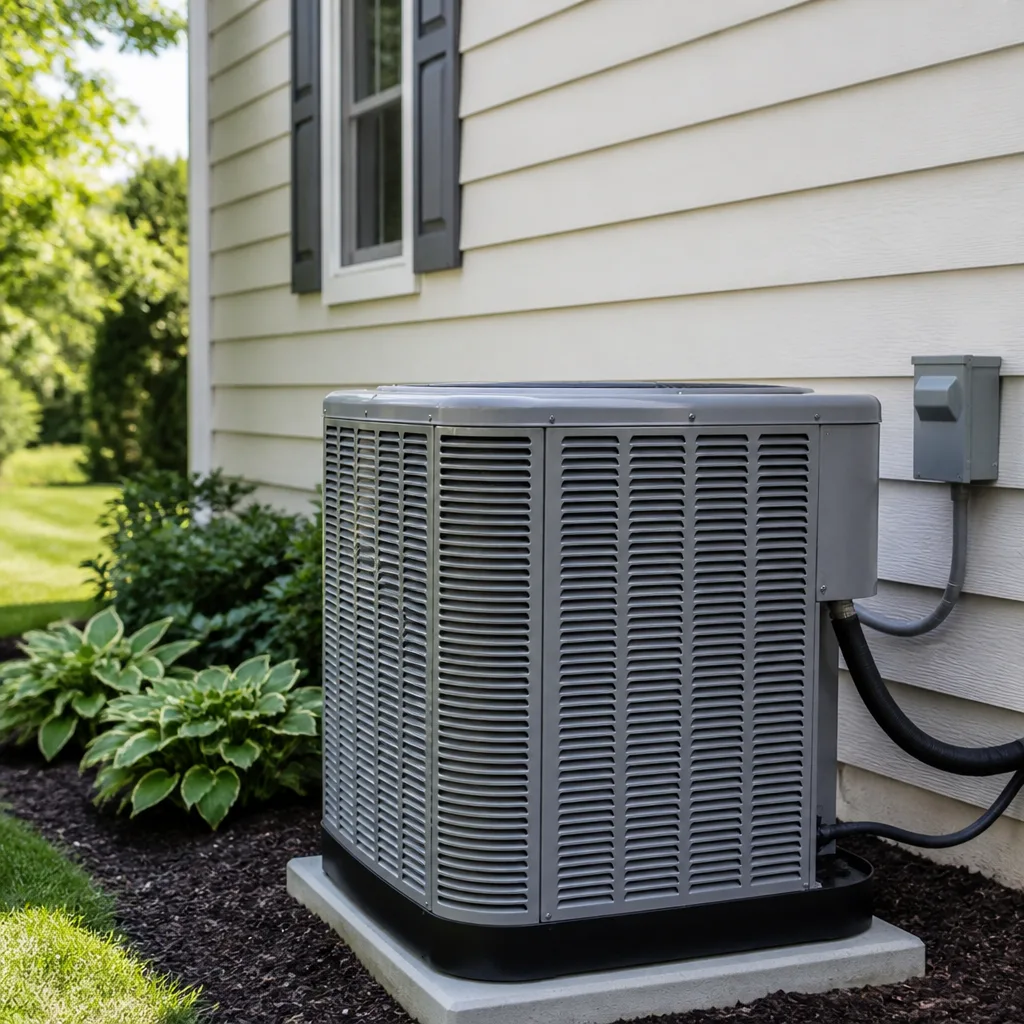 AC repair
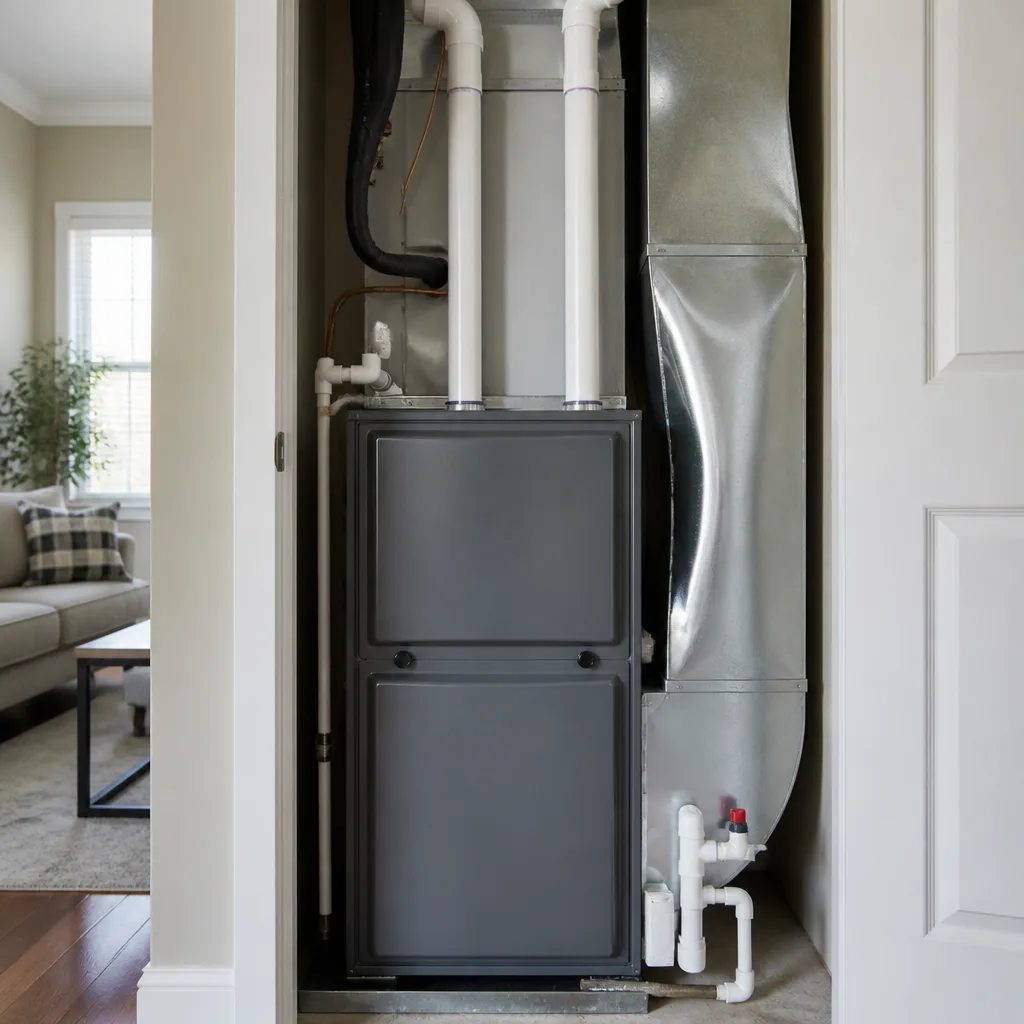 Furnace & heating
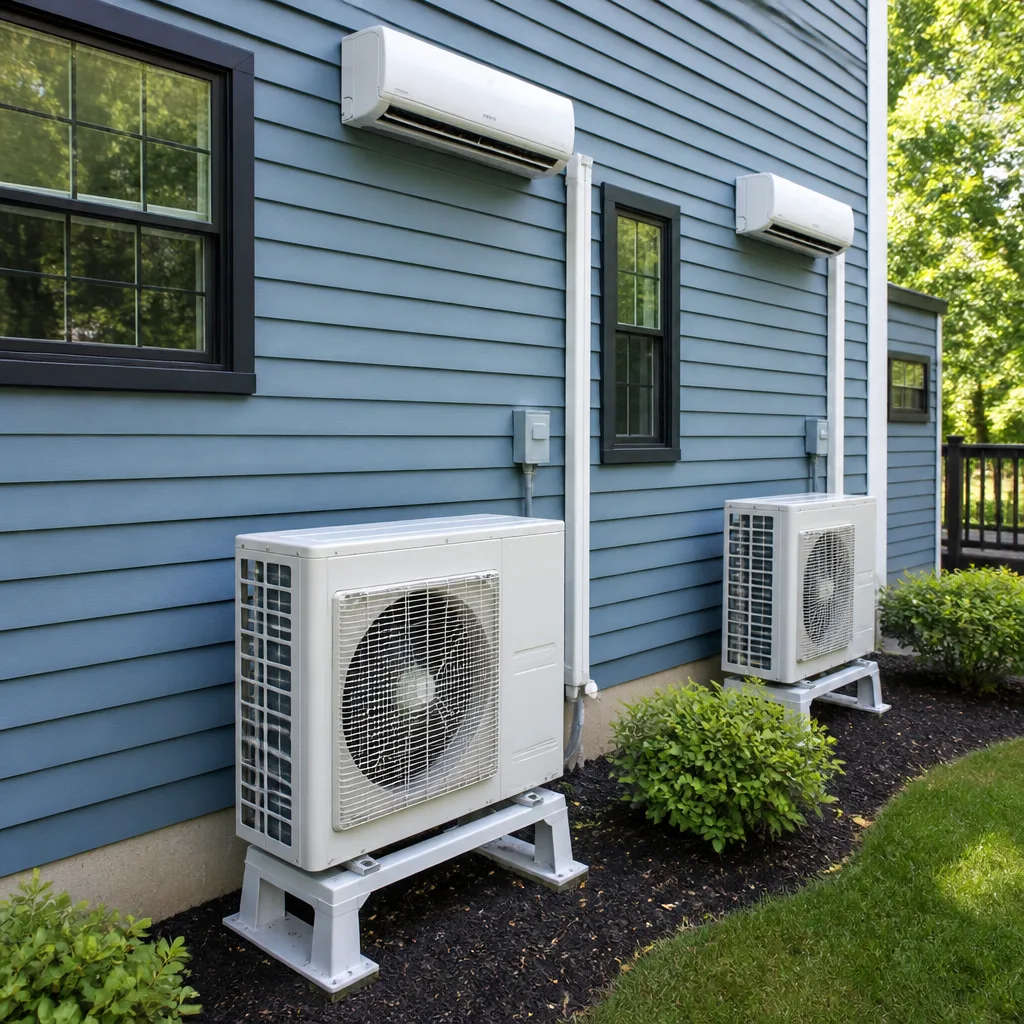 Ductless mini splits
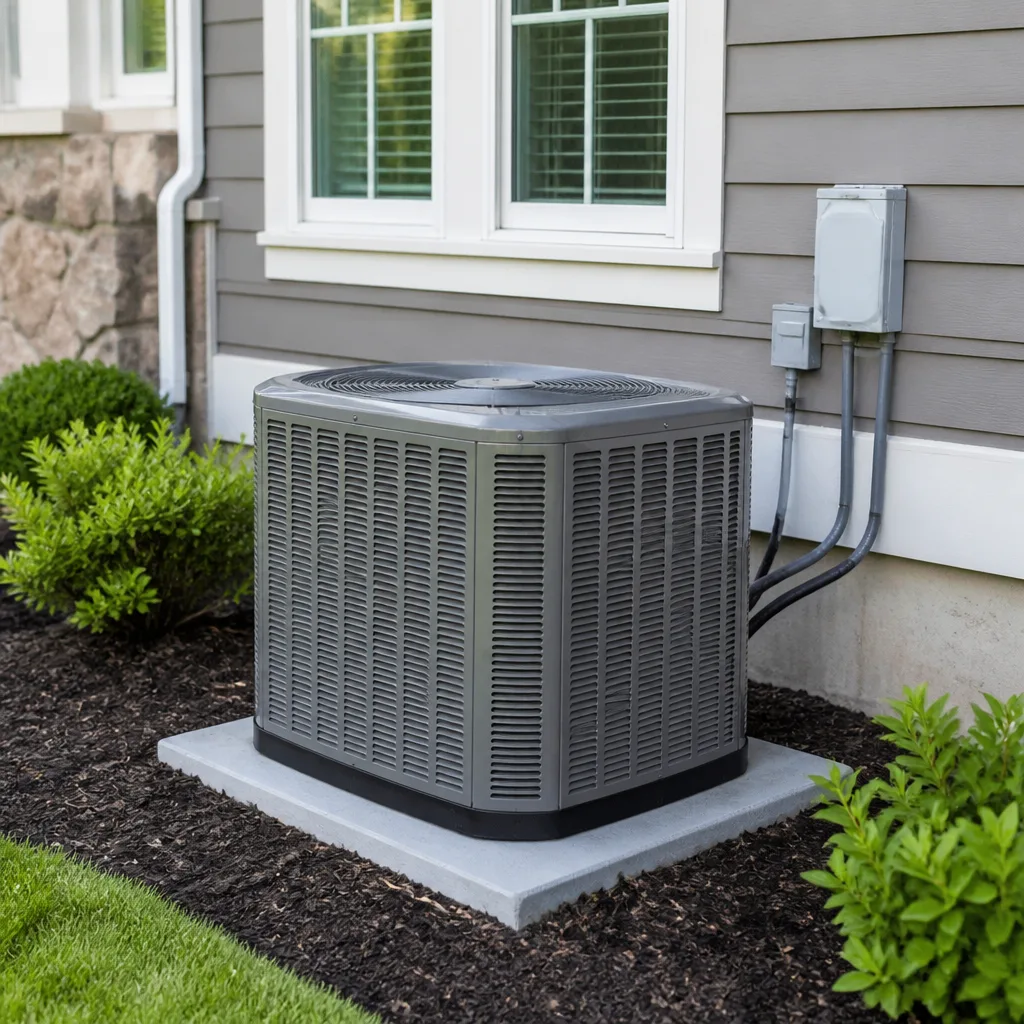 Carrier
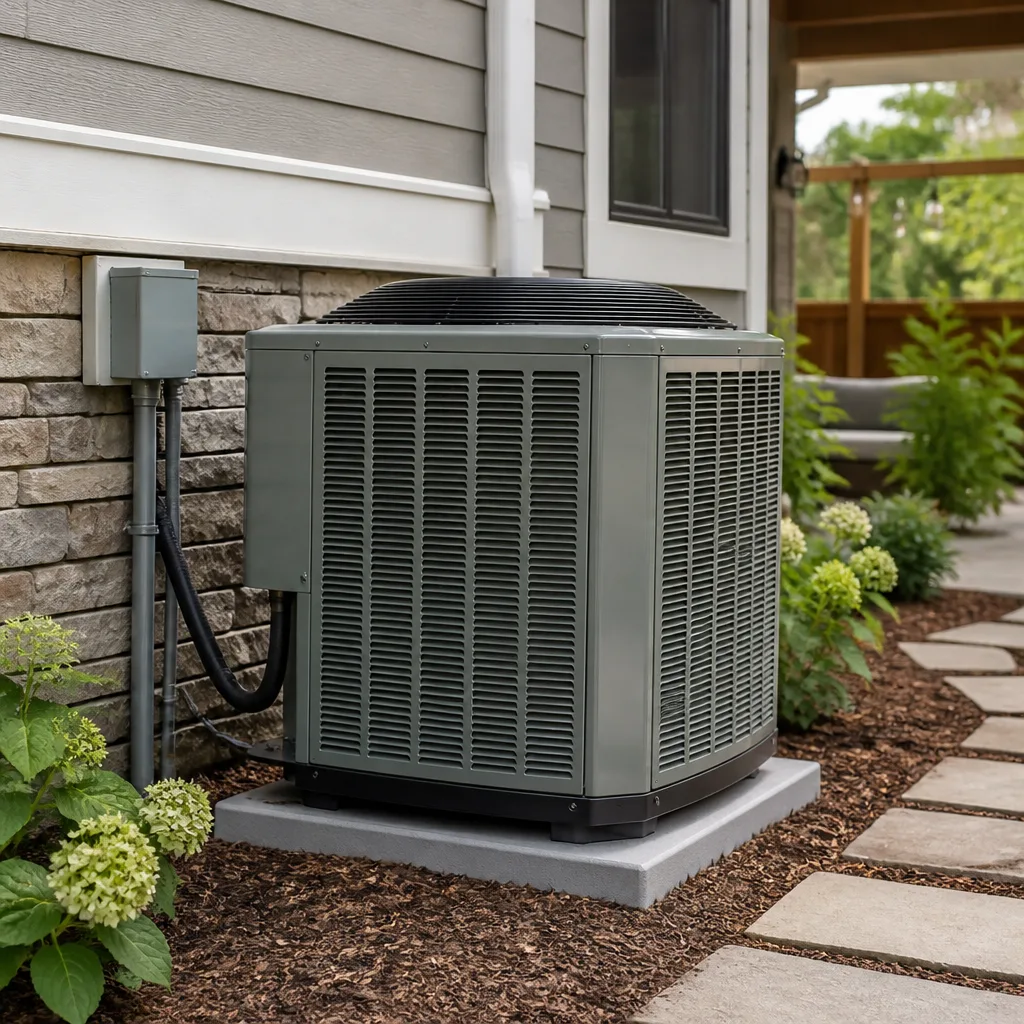 Trane
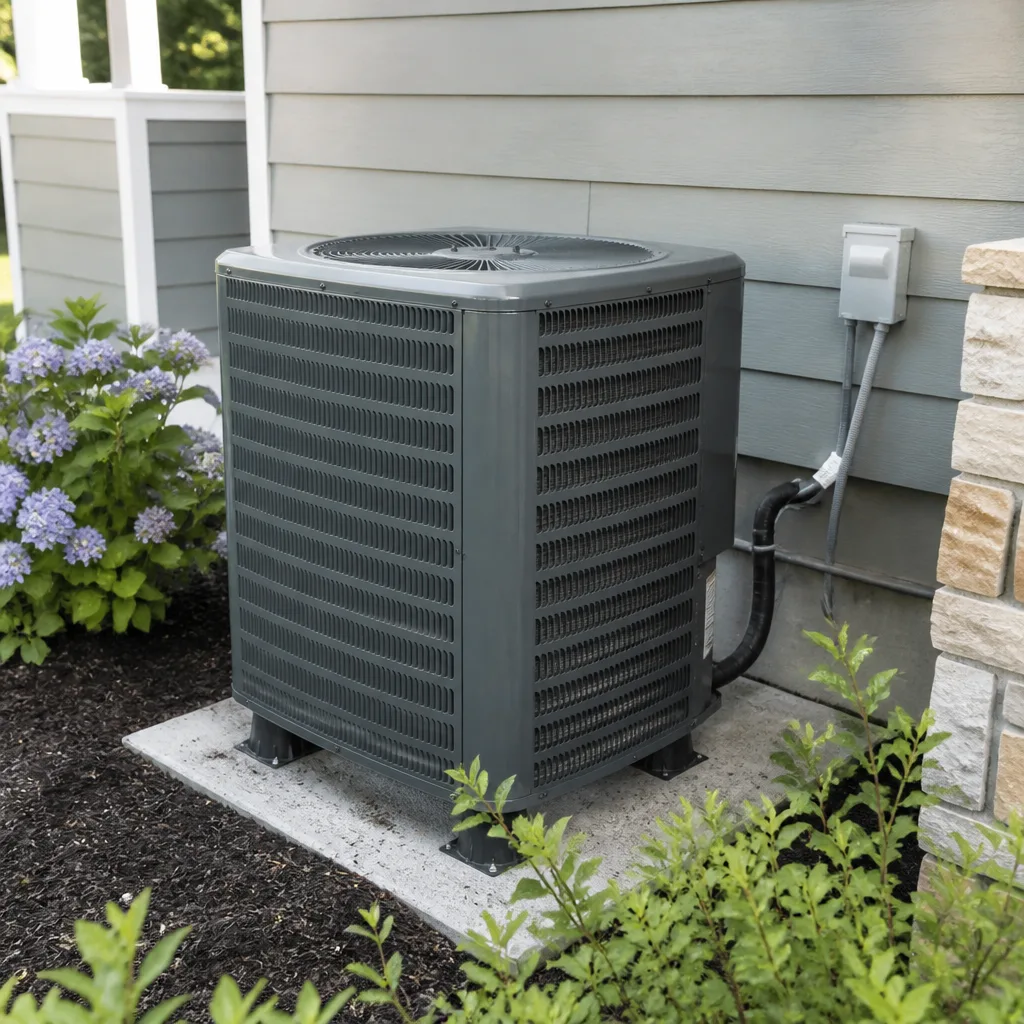 Goodman
Seasonal tune-up and full diagnostic on your Carrier, Trane, or Goodman system - readings shown to you before any repair is proposed
Diagnosis first, numbers second - you approve the repair price before a single part goes in.
Get your free estimateHow Long Does Heat Pump & Mini Split Take? Timelines and What to Expect
A single-zone mini split has been sold to homeowners as a “half-day install” so many times that the assumption has hardened into fact. Here’s the part nobody mentions upfront: wall construction type, line set routing distance, and electrical panel capacity can each add a full day on their own, and two of those three usually aren’t visible until the crew is already on site. This guide names every factor that stretches a job from one day to three, gives honest time ranges by installation category, and explains what a proper commissioning actually demands. If you’re planning a system in Whitney, NV, you’ll finish with the questions to ask before anyone quotes you a number.
Quick Answer
A standard single-zone mini split install takes 4 to 6 hours. Add a day if line set routing is difficult or a new dedicated electrical circuit is required. A three-head multi-zone system runs 1 to 2 days, and a four-plus head system typically takes 2 to 3 days once electrical work, line set runs, and commissioning are all counted. Heat pump replacements follow similar ranges but add changeover and duct considerations.
Styles & brands we work with
- AC repair
- Furnace & heating
- Heat pumps
- Ductless mini splits
- Carrier
- Trane
- Goodman
Table of Contents
- Realistic Timelines by Installation Category
- The Electrical Rough-In Variable Nobody Quotes Upfront
- What Happens During Commissioning That Cannot Be Rushed
- Multi-Day Job Logistics: What Your Home Looks Like Overnight
- How Whitney Home Construction Affects Routing Difficulty
- Heat Pump Timelines vs. Mini Split Timelines
- Questions to Ask Before You Sign
Realistic Timelines by Installation Category
The “half-day install” number comes from a best-case scenario: one indoor head, a short line set run through an accessible wall cavity, and an existing dedicated circuit sitting unused. Everything else stretches. Here is what we actually see across jobs in Whitney and the surrounding valley.
- Single-zone, standard: 4 to 6 hours. Wall penetration through drywall or stucco into an accessible stud bay, line set under 15 feet, existing circuit available.
- Single-zone, complex routing: 6 to 10 hours, sometimes spilling into a second morning. Line sets over 25 feet, routing through finished interior walls, high-wall mounts above a vaulted ceiling, or a condenser location that forces a long vertical run.
- Multi-zone, 2 to 3 heads: 1 to 2 days. One outdoor unit serving two or three indoor positions, with a branch box or multi-port condenser. The second day is usually the culprit: line set routing to the third head plus a new circuit.
- Multi-zone, 4 or more heads: 2 to 3 days. By this point you’re coordinating branch boxes, multiple line sets, electrical panel work, and commissioning of each zone individually. Some of the largest residential jobs run four days in a single-story home with limited attic access.
What “complex” actually means in practice: not an unusual brand, not a fancy wall bracket. It means the physical path from the outdoor unit to the indoor head crosses finished drywall, a plaster wall, a brick or block exterior, or a crawlspace with limited clearance. It means the mounting location is high, awkward, or requires a lift. It means the line set is longer than the factory charge covers, which triggers an additional refrigerant charge and a longer vacuum pull. None of these read as “complicated” on a spec sheet. They read as three extra hours each, and three extra hours apiece is how a one-day job becomes three.
The Electrical Rough-In Variable Nobody Quotes Upfront
This is the single most common reason a mini split quote turns into a change order, and it’s the one homeowners rarely hear about until the electrician arrives. Mini splits need their own dedicated circuit – typically 15 to 30 amps at 208/240 volts depending on the unit. If your electrical panel has an open breaker space and adequate service capacity, the work is quick. If it doesn’t, the schedule shifts.
Three scenarios, in increasing order of schedule impact:
- Open breaker slot, adequate service: the electrician pulls a dedicated circuit in 1 to 2 hours. Same-day install stays same-day.
- Full panel, but service capacity is fine: a subpanel or a tandem breaker swap. Adds 2 to 4 hours and requires a permit in most Whitney jurisdictions.
- Undersized service or a federal Pacific-era panel: a panel upgrade. Adds half a day to a full day, plus inspection scheduling that can push the job to the following week.
This is why the free estimate matters. A contractor who quotes over the phone without seeing the panel is either guessing or planning to change the number later. On our Heat Pump & Mini Split in Whitney page, we walk through what a proper site visit covers. The site visit isn’t a formality – it’s where the honest price gets built. Skipping it means one of two things happens: the quote was padded to cover the unknown, or the actual price arrives as a surprise mid-install. Neither is a square deal.
Whitney homes built in the 1990s and early 2000s often have a 200-amp panel with some open capacity, which usually means scenario one or two. Homes from the 1970s and earlier are more likely to need a service upgrade. Knowing that before the crew shows up is worth a phone call.
What Happens During Commissioning That Cannot Be Rushed
Commissioning is the part of a mini split install that a fast crew skips and a careful crew doesn’t. It’s also the portion a homeowner can watch for, because it takes measurable time and produces measurable evidence. Three steps in particular cannot be compressed without damaging the system’s lifespan.
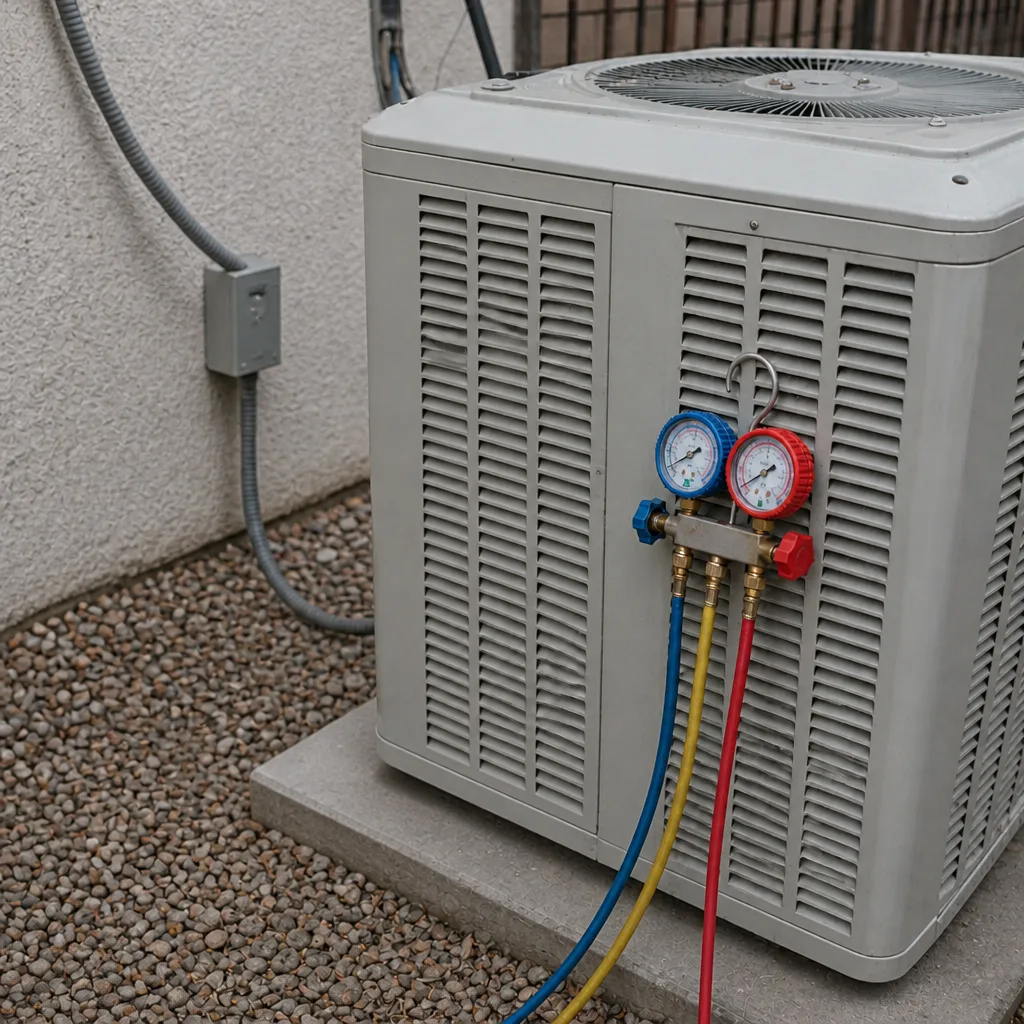
- Vacuum hold test: the line set is pulled down to a deep vacuum and held for 30 to 60 minutes (sometimes longer on a long run). This removes moisture and non-condensables. A crew that pulls a quick 10-minute vacuum is trapping moisture in the system, which combines with refrigerant oil to form acid – and acid eats compressors from the inside over a period of years, not weeks.
- Refrigerant charge verification: the factory charge covers a set line set length. Longer runs need additional refrigerant weighed in by the ounce, verified against subcooling or superheat readings. This is 20 to 40 minutes of measurement on its own.
- Airflow and temperature balance check: each head is run at high and low fan, supply and return temperatures are measured, and airflow is confirmed. On a multi-zone system, this step is done zone by zone, which is why a five-head install’s commissioning alone can eat an afternoon.
We’ve seen installs where the entire “commissioning” took twenty minutes. Those systems tend to show up on our repair schedule two summers later with a failed compressor and a homeowner who can’t understand why a three-year-old unit is dead. The 90-Day Done Right Promise we back every job with is not a marketing line – it’s a written commitment that these steps get done properly, and if we miss something, we make it right. But the real protection is doing it right the first time.
Multi-Day Job Logistics: What Your Home Looks Like Overnight
A two- or three-day job is manageable if you know what to expect. Here’s the honest picture.
- What stays functional: your existing heating and cooling system, unless it’s being replaced. If you’re adding mini splits to a home with a working furnace or central AC, you keep that system through the project.
- What doesn’t: the room the indoor head is being mounted in will be inaccessible for several hours. Line set runs through closets or above cabinets mean those areas are cleared and blocked off. The electrical panel will be off for one to four hours during circuit work – if you have a home office or medical equipment that depends on power, plan around it.
- Overnight state: line sets are capped and sealed, wall penetrations are temporarily weather-sealed, and the outdoor unit is either mounted or waiting on its pad. Your home is secured. The main indoor disruption – drywall openings, floors covered with drop cloths, the outdoor unit temporarily in a walkway – is right there when you wake up, and that’s normal.
What to prepare: clear the path from the entry door to the indoor mounting location, clear the wall space where the head will hang, and move anything fragile out of the closet or hallway where the line set will run. If you have pets, plan for them to be away from the work area on install day, because line set routing makes noise. And confirm the crew’s arrival window in writing. Our technicians wear shoe covers without being asked and treat every home the way they’d treat their mother’s house – but clearing the path still makes their day, and yours, go smoother.
How Whitney Home Construction Affects Routing Difficulty
Whitney sits in a desert climate, and the housing stock reflects it. Common wall types here are stucco over frame, block, and drywall interior partitions. Each presents a different routing problem for a line set, and each one changes the time estimate.
Stucco exteriors are the biggest single variable. A clean penetration through stucco requires cutting and patching in a way that stays sealed against desert dust and summer heat – and if the wall is block underneath, the run has to be planned around the block courses, sometimes adding hours. Homes with interior plaster walls are slower to route than drywall because the plaster doesn’t open cleanly and requires more careful patching. Attic access is the second variable: many Whitney homes have limited or no attic access to the exterior wall, which means the line set runs down an interior wall or across the exterior of the house. Crawlspaces are usually absent in slab-on-grade construction, so the under-floor routing option that works in other parts of the country isn’t available here.
What this means in practice: we’ve seen two nearly identical homes on the same Whitney street, one a straightforward afternoon install and one a two-day job, purely because of wall construction and attic access. The only way to quote an honest number is to look. That’s why a site visit before quoting isn’t optional for a price that holds – anyone who quotes you remotely is either padding the number or planning to revise it. When we arrive for a free estimate, we’re looking at the wall construction, the panel, the line set path, and the outdoor pad location. That fifteen-minute walk-through is where a real installation estimate comes from.
Heat Pump Timelines vs. Mini Split Timelines
A heat pump replacement runs close to a whole-system job: 1 to 2 days for a straight swap, 3 to 5 days if ductwork is being modified or a new changeover control is being installed. A mini split install is usually faster because it’s a targeted addition, not a full-system replacement. The key difference is the commissioning load. A whole-home heat pump must be charged, balanced, and airflow-verified across every room it serves, and the changeover valve must be tested through both heating and cooling cycles. A single-zone mini split only has one zone to commission. A five-zone mini split has five, and each one has to be individually run and balanced.
If you’re deciding between a whole-home heat pump and a zoned mini split setup, our Fireside Heating & Air Co. Whitney home page covers how we approach both. For homeowners adding cooling to a home that already has a furnace, mini splits are often the choice because they preserve the existing heat and add zoned cooling and shoulder-season heat. For homeowners replacing an aging central system, a properly sized heat pump is the cleaner answer. We’re trained on Carrier, Trane, and American Standard systems, and we’ll tell you straight which one fits your house rather than which one makes a bigger number on the invoice.
Questions to Ask Before You Sign
Any estimate for a Whitney installation should answer these before you commit. If a contractor can’t answer them, that’s a signal.
- Did someone come out and look at my panel? The electrical circuit is the most common source of change orders, and it can’t be assessed over the phone.
- Is the price fixed, or is it a range? A fixed quote means the price quoted is the price paid. A range with conditions is a sign the contractor hasn’t done the site visit properly.
- What line set length is included in the quote, and what happens if the routing goes long? Additional refrigerant means additional cost, and it should be disclosed up front.
- Will you pull a permit? Installation permits and electrical permits are required in Whitney, and the cost of the permit should be in your quote.
- What does the final day’s commissioning look like? Ask for the vacuum hold time, the charge verification method, and how many zones will be tested individually.
- Is there a written guarantee? Ours is the 90-Day Done Right Promise – in writing, no arguing, no paperwork.
If you have an existing estimate from another contractor and want a second set of eyes on it, we offer a free second opinion on any written estimate. Not a sales pitch – just a straight read of the number and what it does and doesn’t include.
Common Mistakes to Avoid
- Accepting a phone quote for a mini split install. The line set routing and panel capacity can’t be verified by phone, which means the quote is a guess. In Whitney’s stucco-and-block construction, that guess is often off by a full day.
- Not asking whether the electrical circuit is included. Some quotes bake it in, some exclude it, and some assume the electrician is separate. A “half-day” install with a new circuit becomes a full day and $400 to $900 more.
- Believing a ten-minute commissioning is normal. A quick vacuum pull and a skipped charge verification is not a fast job – it’s a shortcut that costs you a compressor in year three.
- Hanging a mini split head directly over a bed or a seating area. The head placement affects airflow comfort, and repositioning it after install doubles the labor. Discuss placement during the estimate, not after.
- Buying a unit online and hiring an installer. Online-purchased equipment often has a voided manufacturer warranty unless installed by a licensed contractor who registered the brand. Confirm the warranty path before you buy.
- Ignoring the outdoor unit’s placement requirements. Whitney summers are extreme, and a condenser tucked into a low-clearance alcove will struggle. The site visit should cover pad placement and clearance, not just the indoor head.
- Skipping the permit. Unpermitted HVAC work in Whitney can complicate a future home sale and can void warranty coverage. Ask for the permit number in writing.
See the difference
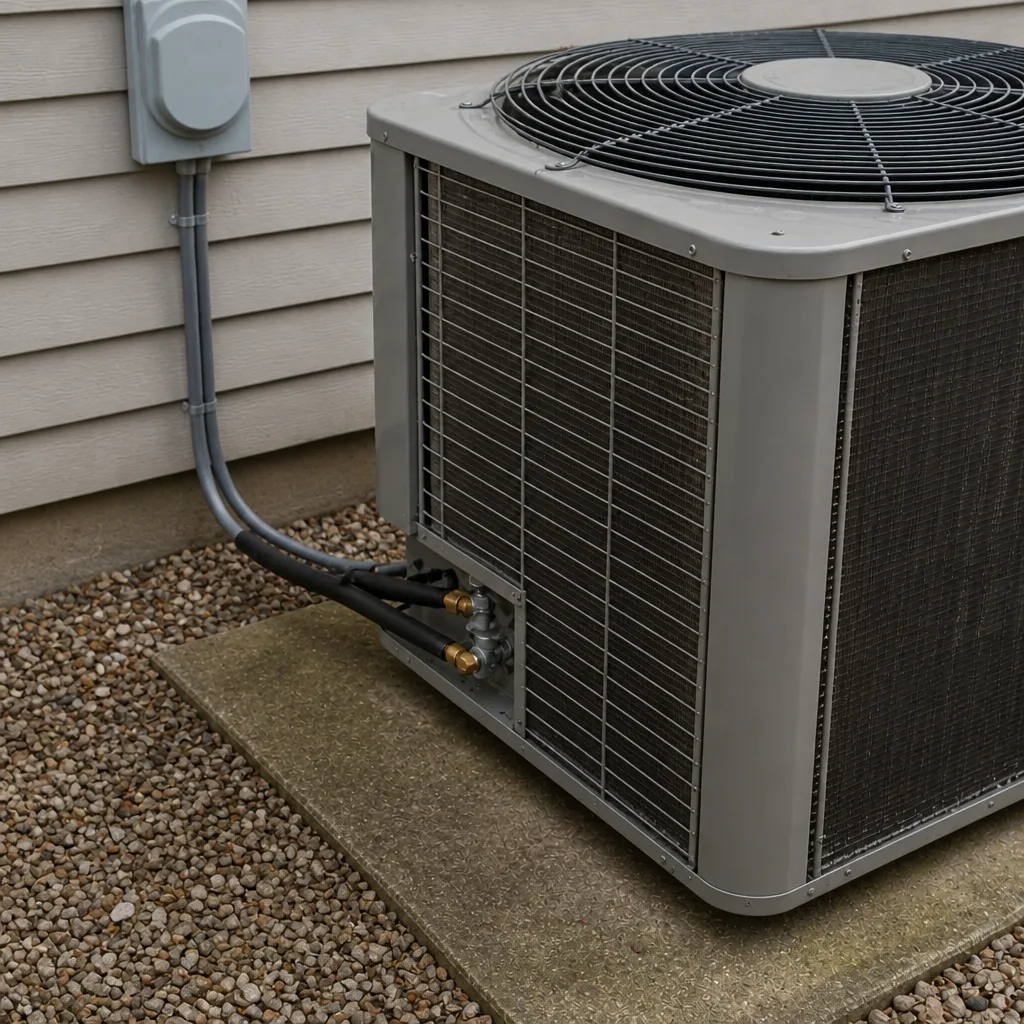
 Before
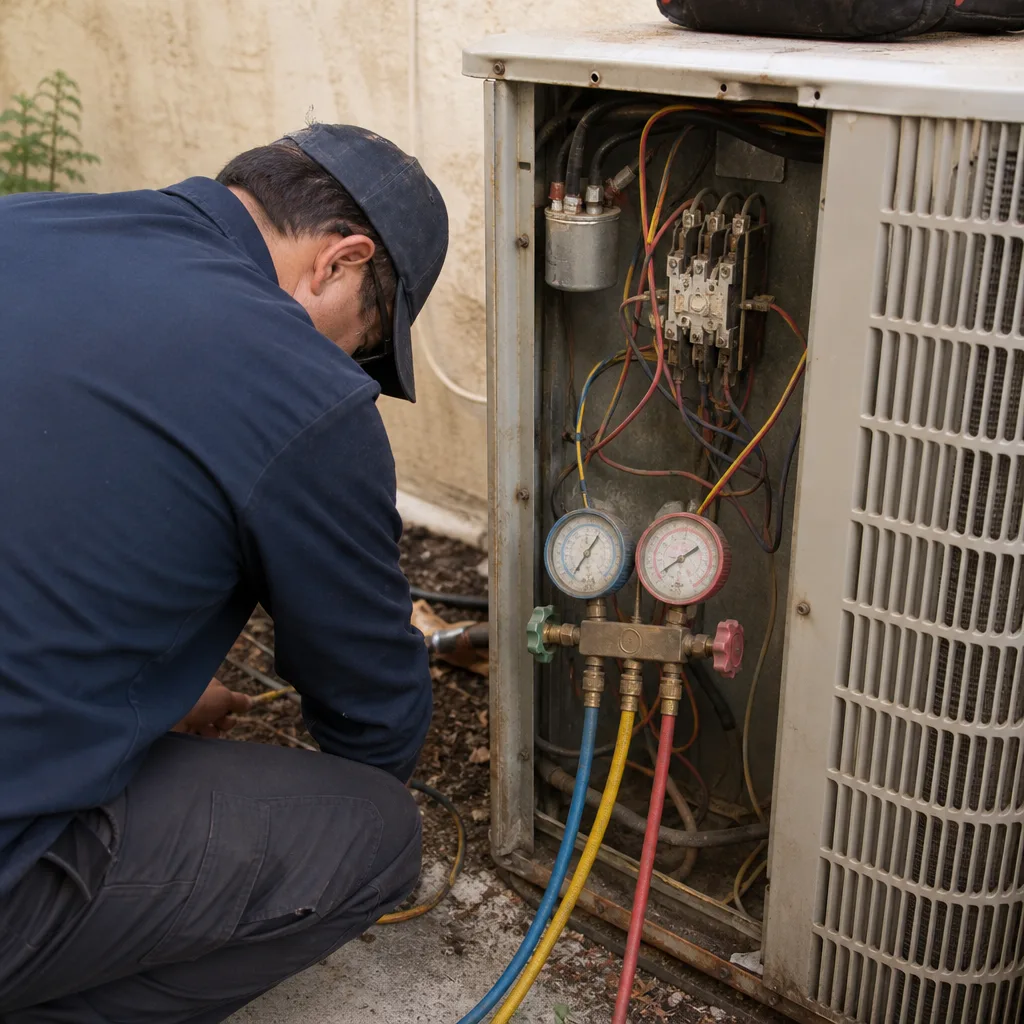
 After
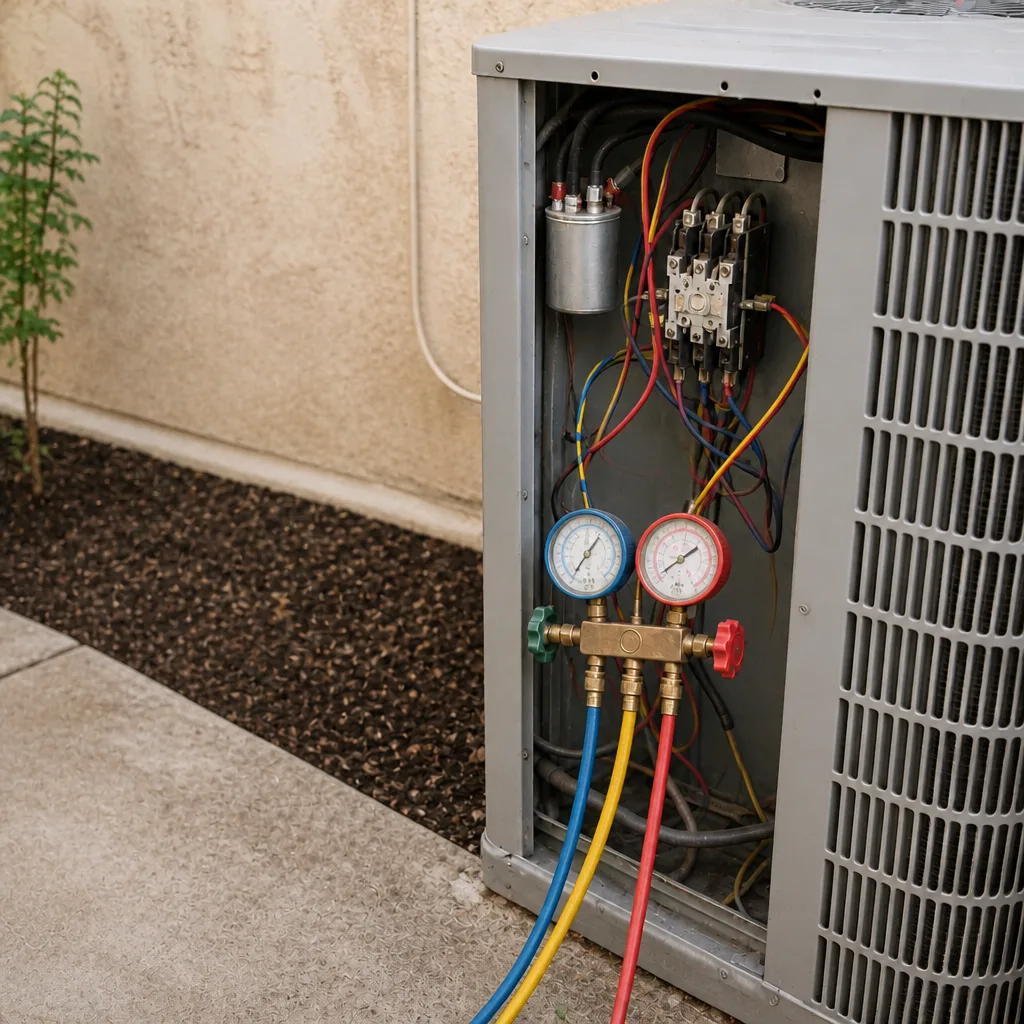
 Before
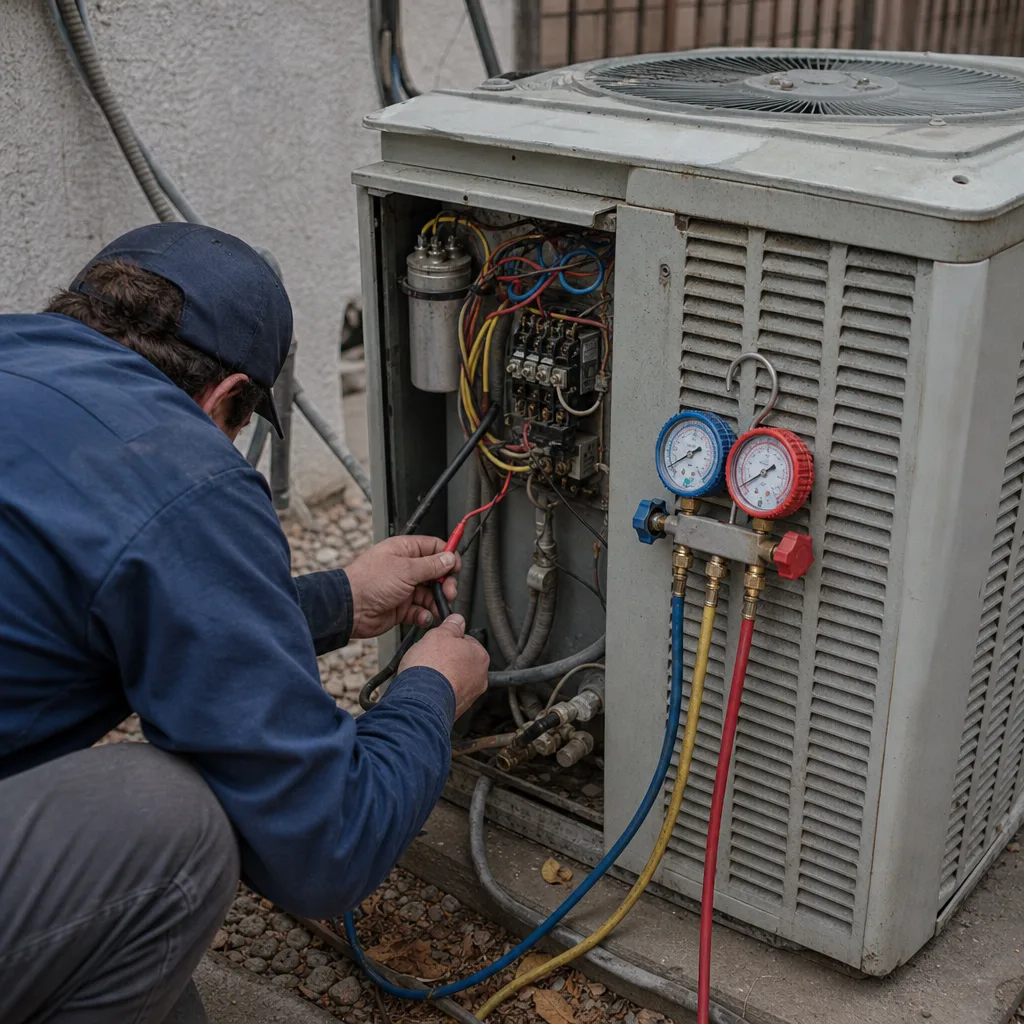
 After
 Before
 After
When to Call a Professional
Call a professional for anything beyond a simple filter change on a mini split. Installations require refrigerant handling, electrical work, and permit coordination, and mistakes here are expensive and sometimes dangerous. High-voltage wiring at the panel and refrigerant lines under pressure are not homeowner work. Fireside Heating & Air Co. Whitney offers free estimates in Whitney – call (866) 329-8069. We’ll look at your panel, your wall construction, and your line set path before we quote a number, and the number we quote is the number you pay. Live person answers every call, 24 hours a day, including the 2 a.m. emergency.
Frequently Asked Questions
A standard single-zone mini split takes 4 to 6 hours; complex line set routing or a new electrical circuit can extend it to a second day. Multi-zone systems run 1 to 3 days depending on the number of heads. Call (866) 329-8069 for an exact estimate after a site visit.
Often yes, but not always. The single-day install depends on a short line set, an accessible wall cavity, and an available circuit in your panel. Whitney’s stucco and block wall construction can push a job past a single day even when the interior work looks simple. Our estimate is the honest gate – if it won’t happen in a day, we say so up front.
Almost always yes. Mini splits need their own dedicated 208/240-volt circuit, and if your panel doesn’t have the space or capacity, a subpanel or upgrade adds hours or days to the schedule. This is why a site visit before quoting isn’t optional for an honest price. Call (866) 329-8069 and we’ll walk the panel with you.
A heat pump replacement typically runs 1 to 2 days, or 3 to 5 if ductwork changes. A mini split install runs faster because it commissions one (or a few) zones instead of a full home’s worth. Both are load-calculated and scheduled work – we don’t promise same-day for either, but we do promise a written fixed price and a set install date.
Clear the path from your entry door to the indoor mounting location, clear the wall and closet space where the line set will run, and plan for the room to be inaccessible for several hours. Your existing heating and cooling stays functional through the project. If you have medical equipment on the same panel as the new circuit, tell us during the estimate so we can schedule the electrical work around it.
A longer job usually means the work is genuinely harder, not that the crew is slow. Line set routing through stucco, a long attic run, or a panel upgrade each add hours honestly. What should concern you is a very fast install that skips the vacuum hold test and charge verification – the fast job is the one that costs you later. Our technicians have up to 8 years of experience, and they know the difference.
The Bottom Line
A mini split install can be a same-day job, but only when the wall, the line set route, and the panel all cooperate. When any one of those three goes sideways, a “half-day” install becomes a two-day job, and the homeowner who wasn’t warned ends up feeling misled. The fix is simple: insist on a site visit before quoting, ask whether the electrical circuit is included, confirm the commissioning steps in writing, and ask what happens overnight on a multi-day job. If you’re in Whitney and planning a heat pump or mini split system, call Fireside Heating & Air Co. Whitney at (866) 329-8069 for a free estimate. We’ll look first, quote a fixed price, and stand behind it in writing for 90 days. Done right – or we make it right.
Written by the team at Fireside Heating & Air Co. Whitney.