
Last updated November 18, 2026
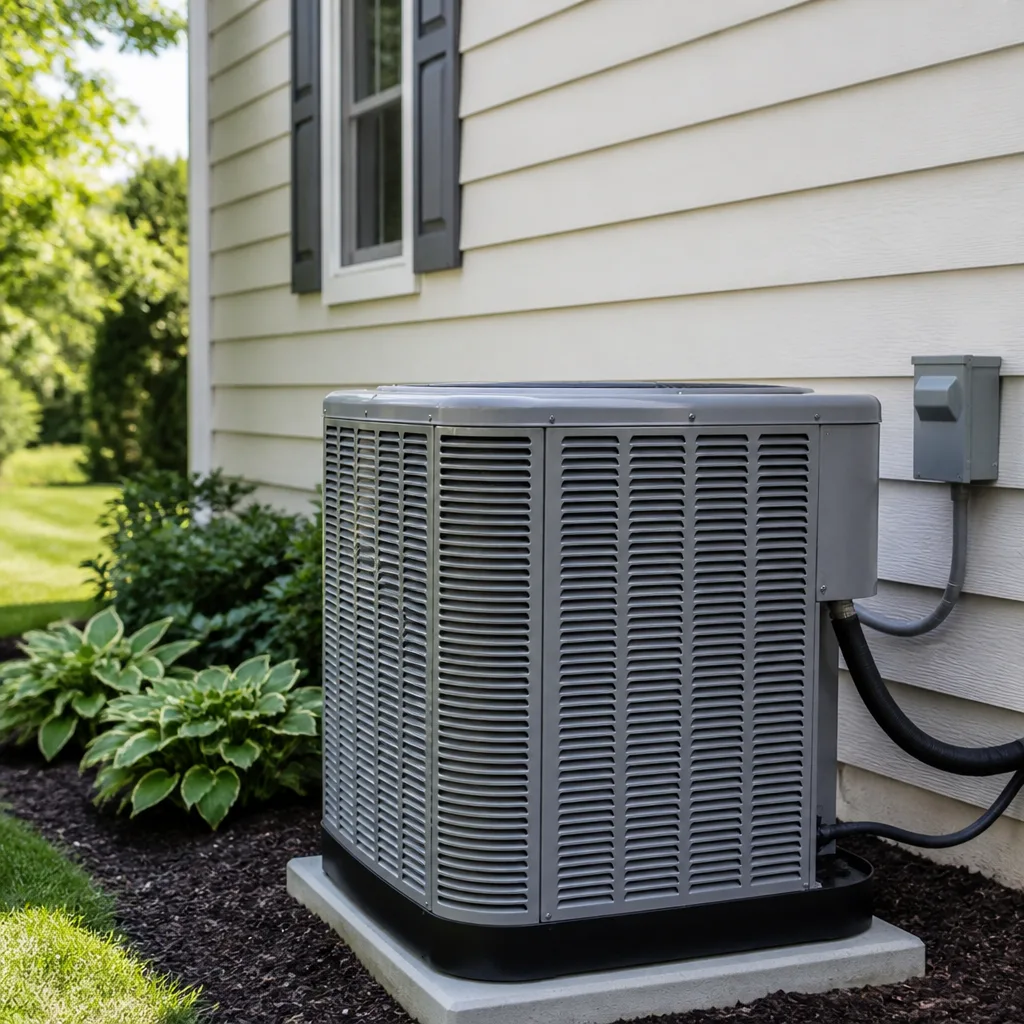 AC repair
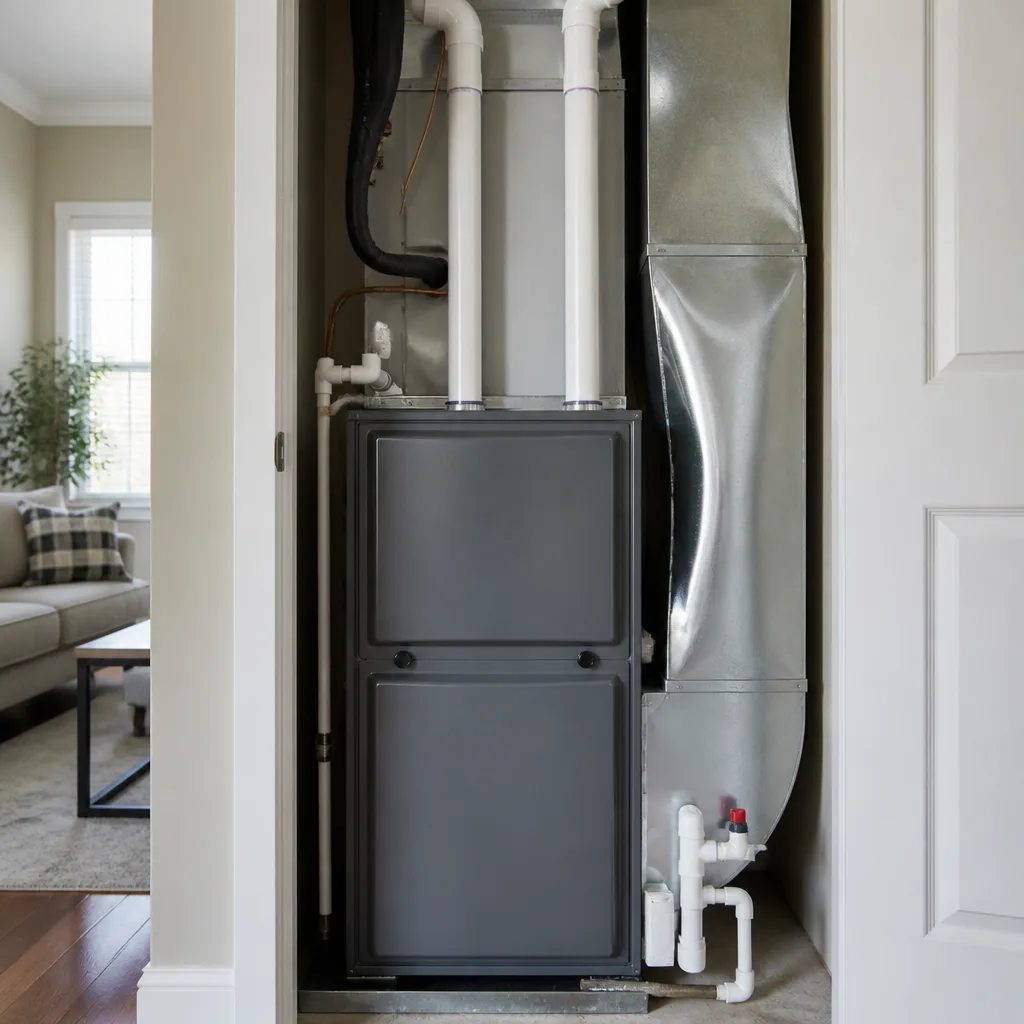 Furnace & heating
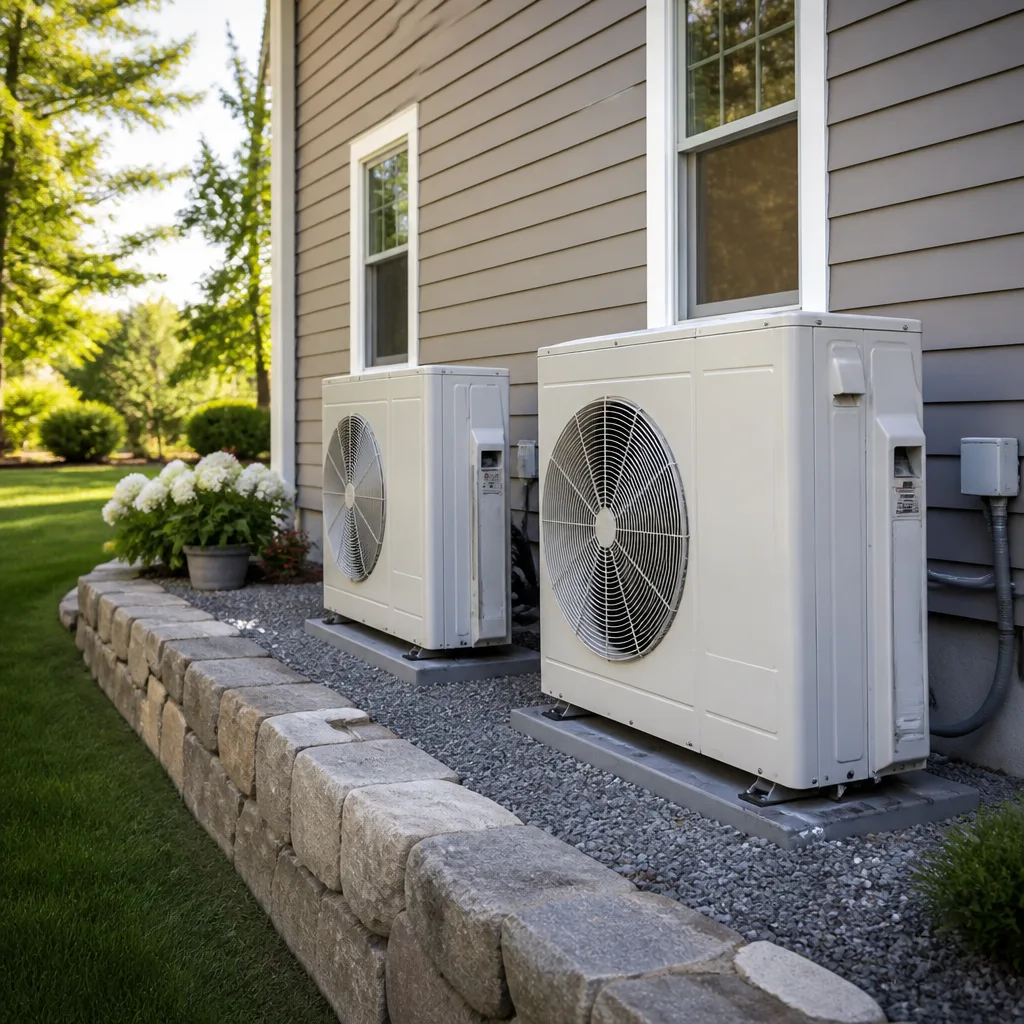 Heat pumps
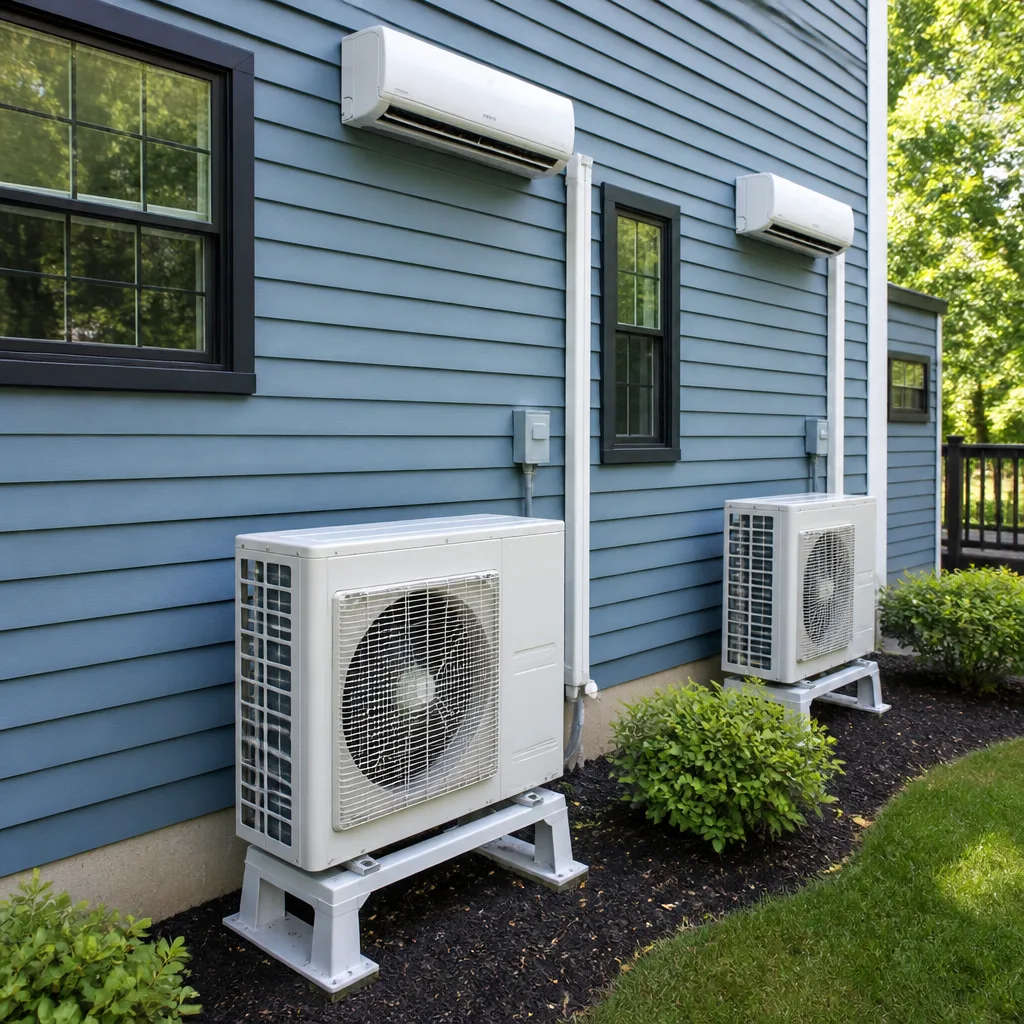 Ductless mini splits
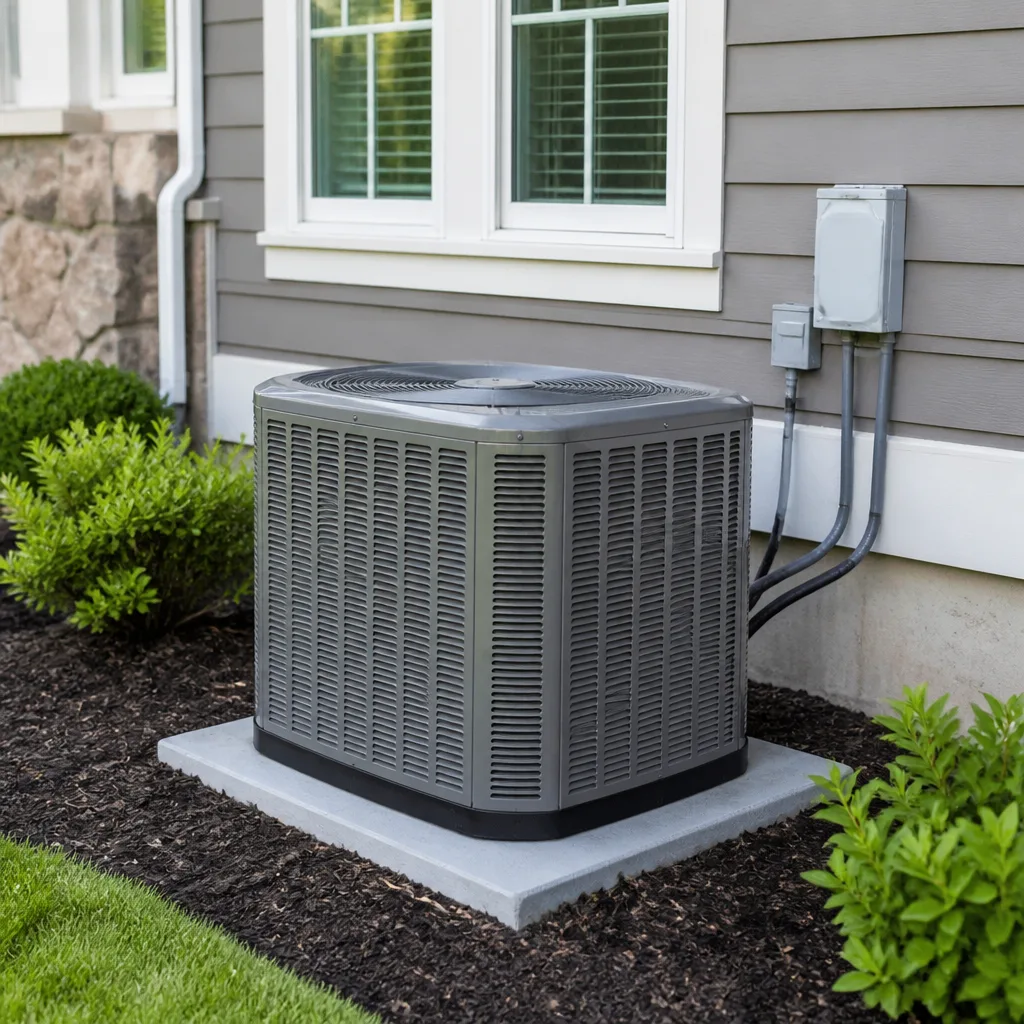 Carrier
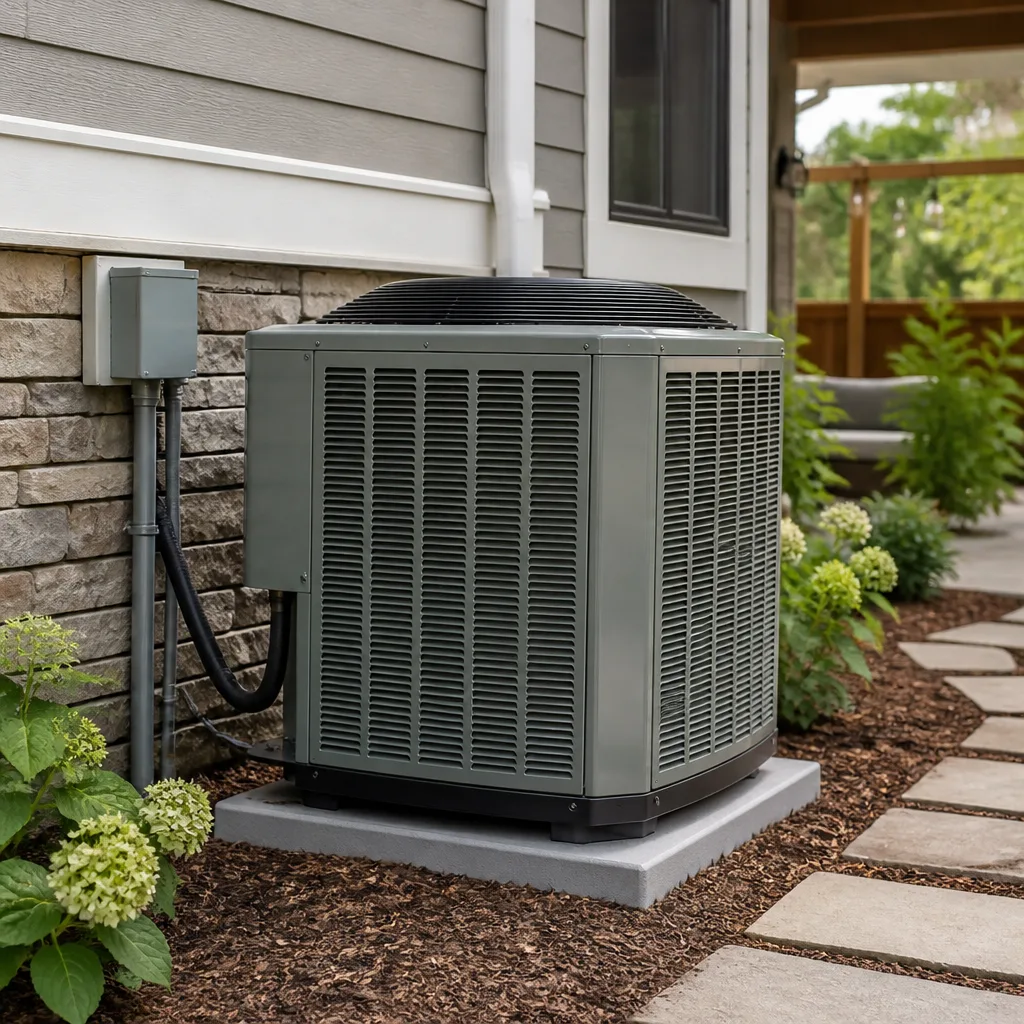 Trane
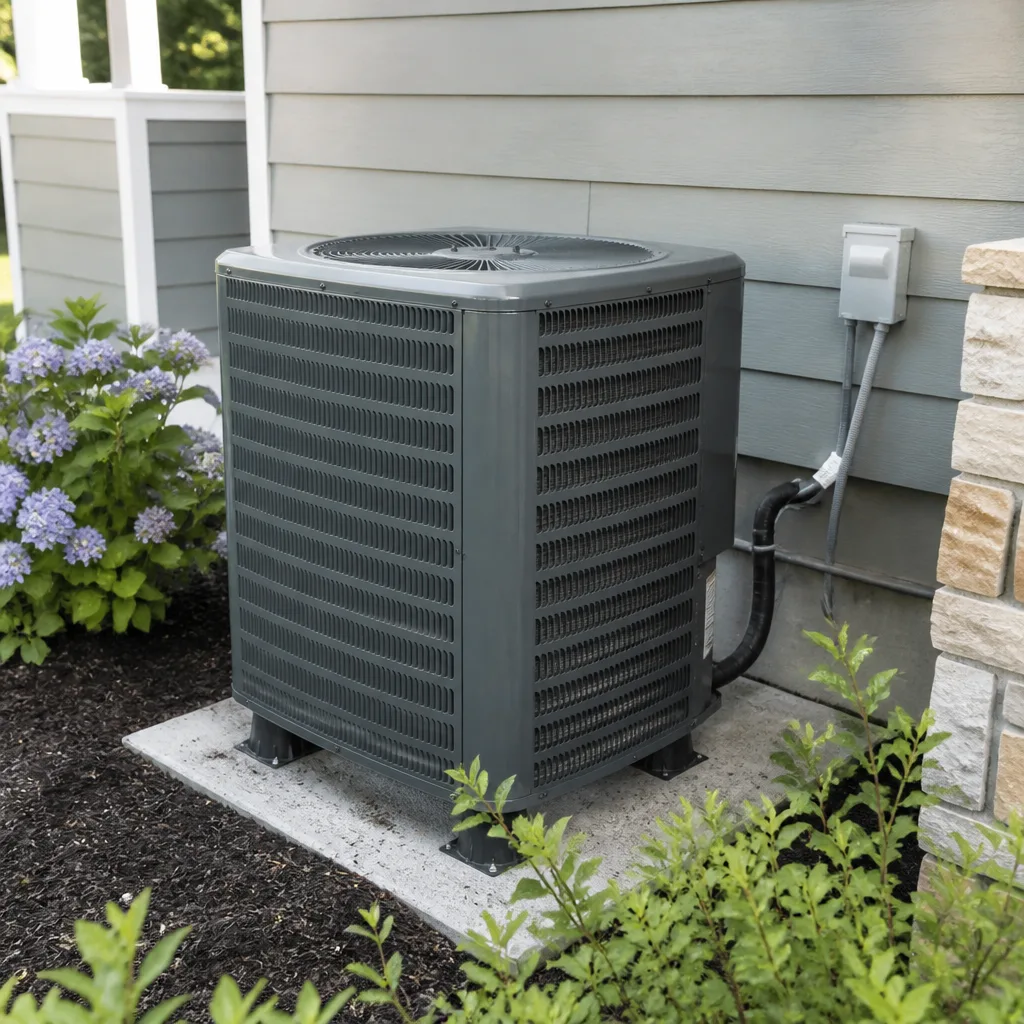 Goodman
Seasonal tune-up and full diagnostic on your Carrier, Trane, or Goodman system - readings shown to you before any repair is proposed
Diagnosis first, numbers second - you approve the repair price before a single part goes in.
Get your free estimateHow to Hire an HVAC Contractor in Whitney: A Step-by-Step Guide
Nevada’s contractor license lookup shows dozens of active HVAC licenses in the Whitney area. Here’s the uncomfortable part: a license only proves a company passed a test and filed its paperwork. It tells you nothing about whether anyone will answer the phone in August at 2 a.m. when your system quits and the house is at 92 degrees. The question Whitney homeowners actually get wrong isn’t “is this contractor licensed?” It’s “will this contractor still pick up the phone 90 days after the invoice clears?” This guide teaches you to vet for accountability, not just credentials, so the company you hire is the one you’d call again without hesitation.
Quick Answer
To hire an HVAC contractor in Whitney, verify the company holds an active Nevada C-21 license through the state contractor board, confirm it carries general liability insurance and workers’ comp, demand a written fixed price and a workmanship guarantee in the contract, and test its response culture by calling after hours before you sign. A license is the floor, not the finish line. The contractor worth hiring is the one who answers the phone, quotes a price that holds, and stands behind the work in writing long after the truck pulls away.
Styles & brands we work with
- AC repair
- Furnace & heating
- Heat pumps
- Ductless mini splits
- Carrier
- Trane
- Goodman
Table of Contents
- How to verify a Nevada C-21 license
- What the license covers, and what it doesn’t protect you from
- The three contract clauses that reveal accountability
- Why the lowest bid in Whitney is usually equipment substitution
- How to test a contractor’s response culture before you hire
- What a written workmanship guarantee should actually say
- Whitney’s climate and why it shapes your equipment choice
- Common mistakes to avoid
How to Verify a Nevada C-21 License
In Nevada, an air conditioning and heating contractor operates under a C-21 classification issued by the Nevada State Contractors Board. Verification is free and takes about five minutes. Here’s the process, step by step:
- Go to the state contractor board’s online license search. Look up the company name or the license number the contractor gives you.
- Confirm the license status reads “active,” not “expired” or “suspended.” A lapsed license is a red flag you can catch in ten seconds.
- Check the classification. A C-21 license covers heating, ventilation, and air conditioning work. A general contractor with a different classification should not be doing a full system swap.
- Confirm the business name matches exactly. The name on the license should match the name on your written estimate. If it doesn’t, ask why before you sign anything.
- Look for any disciplinary history on the record. The board publishes complaints and actions. A clean sheet over many years tells you something.
One detail Whitney homeowners overlook: licensed work is generally required for permitted installations and major modifications. A swap that requires a permit pulls inspection into the picture, which is a good thing. Skip the permit and you can inherit a problem when you sell the house. When a contractor waves off the permit as unnecessary hassle, that’s not efficiency. That’s a company protecting its schedule instead of your property record. For a straight equipment replacement, ask the contractor directly: “Will you pull the permit, and will the work be inspected?” The answer reveals how the company thinks about accountability.
What the License Covers, and What It Doesn’t Protect You From
Here’s where homeowners get complacent. A C-21 license confirms the contractor met the state’s requirements to legally perform HVAC work. It does not guarantee the quality of the workmanship, the honesty of the estimate, or that the company will return in three months if the install fails. Those are separate things entirely, and they’re where most hiring stories go sideways.
Understand the gap between credentials and protection:
- The license regulates the contractor, not your outcome. It establishes the right to work. It doesn’t promise the work will be done to a standard you’d accept.
- General liability insurance protects your home if the crew damages a wall, a floor, or a nearby appliance. Confirm the contractor carries it; ask for a certificate.
- Workers’ comp protects you from liability if a worker is injured on your property. An uninsured crew on your roof or in your attic is a risk that lands on you, not on them.
- None of it guarantees a callback. The license doesn’t force the contractor to answer your call after the job. Only the company’s own standards and a written guarantee do that.
So the license clears the first hurdle. The rest of your vetting should focus on the parts a license can’t touch: how the company prices, how it communicates, and whether it backs its work in writing. This is exactly where a 90-day written guarantee on labor separates a company that expects to be held to its work from one that treats the invoice as the finish line.
The Three Contract Clauses That Reveal Accountability
You can read a lot about a contractor in three sentences of a contract. Before you sign, find these three clauses and make sure they exist and say something specific. Companies that disappear after the invoice clears are usually the ones whose contracts are vague on all three.
- A fixed, itemized price. The estimate should break down equipment, labor, and any extras, and it should state plainly that the quoted price is the price. Open-ended “plus materials” or “TBD at completion” language is how a $2,400 job becomes a $3,800 job. A straight-shooting contractor puts the number in writing and stands on it.
- A workmanship guarantee with a stated term and remedy. “We guarantee our work” is not a clause. A real one says: if the installation fails within a stated window, the contractor returns and corrects it at no charge. It names the window, the remedy, and who pays. Anything less is a handshake dressed up as a promise.
- A stated response process after the job. What happens if the system doesn’t heat, or won’t cool, a week after install? A contract that spells out how to reach the company and what response to expect tells you the company has thought past the invoice. A contract silent on this tells you it hasn’t.
Read the clause about equipment model numbers too. A contract that names a specific model, not a vague “or equivalent,” protects you when a low bid decides to substitute a lesser unit. Written specifics are the whole game here. If a contractor resists putting any of these three things in writing, that resistance is your answer.
Why the Lowest Bid in Whitney Is Usually Equipment Substitution
The lowest bid rarely saves you money. It almost always saves the contractor money, and it does that in one of a few predictable ways. In a market as competitive as the Whitney and Las Vegas valley area, a bid that comes in $800 under everyone else usually didn’t find a magic labor discount.
- Off-brand equipment under the same name. The bid quotes a recognized name like Lennox or Goodman, then installs a lower tier of that brand’s line, or a lesser-known brand entirely, without changing the advertised price. The name looks familiar; the equipment is a step down.
- Wrong-sized equipment. A unit too small for the square footage works harder and fails sooner. A unit too large short-cycles and never dehumidifies. Either way, the low price bought you equipment that doesn’t fit the house.
- Thin or missing labor. Reusing old line sets, skipping a proper startup, or leaving out the permit are all common shortcuts that don’t show up in the bid but show up later in leaks and callbacks.
- Cheaper materials. A lesser thermostat, bargain duct fittings, or a reused pad are small line items that add up in dollars and in failure rate.
The way to protect yourself is comparison on specifics, not price. Ask two or three Whitney contractors to quote a named model number and a stated system size. When the bids use the same equipment, the price gap shrinks fast, and the differences that remain are about labor and follow-through. That’s exactly the conversation you want to have before signing. Straight talk about repair versus replace and about what equipment your home actually needs is worth more than a bid that undercuts everyone by cutting corners.
How to Test a Contractor’s Response Culture Before You Hire
You can find out how a company treats people after the sale before you spend a dollar. The trick is to test its response culture in the ordinary moments, not just on the job. A company that answers the phone with a live person at a normal hour, and again after hours, is telling you what August will feel like.
Use these questions and tests during your vetting:
- Call after hours and see who picks up. If you reach a recording or a call tree at 9 p.m., picture what happens when your system fails on a holiday weekend. The companies that answer with a person set themselves apart on purpose.
- Ask directly: “Who answers the phone at 2 a.m.?” A straight answer comes fast. A corporate-sounding answer about “the dispatch system” tells you the phone isn’t the priority.
- Ask how the company handles a no-heat call in a cold snap. Who gets dispatched, how fast, and is there a plan? A contractor with a real process can describe it in plain words.
- Ask for a reference from a customer who had a problem after install. Not a happy-path reference. You want to hear what happened when something went wrong, and what the company did.
- Notice how they respond to your questions during the estimate. Rushed, evasive, or pushy behavior at the estimate is the same behavior you’ll get after the job. A patient, unhurried conversation is a signal in itself.
The lesson is simple: how a contractor treats a stranger who hasn’t paid yet is a preview of how they’ll treat a customer who has. Accountability is a habit, not a promise. Test it before the job, not after.
What a Written Workmanship Guarantee Should Actually Say
“We guarantee our work” is the most common and least useful line in a contract. Industry-standard language is intentionally vague, and that vagueness benefits the contractor, not you. A real guarantee reads differently, and you can tell the difference in about a minute.
This is how a real written guarantee is built:
- A stated time window. “Backed for 90 days” is enforceable. “Fully guaranteed” tells you nothing about when the clock starts or stops.
- A defined remedy. If the work fails within the window, the contractor returns and fixes it at no charge. The remedy is doing the work right, not a discount on a future visit.
- No arguing built in. The good version doesn’t require you to prove fault or fill out a form. If the install isn’t right, the company makes it right.
- It’s in writing. A guarantee is only as good as the paper it’s printed on, and only as good as the company that honors it.
Here’s how Fireside Heating & Air Co. Whitney home handles this. Every job comes with the 90-Day Done Right Promise: if it isn’t done right, the company makes it right, in writing, with no paperwork and no arguing. That’s the standard framing the trade should use more often. When you compare it to the “fully guaranteed” blurbs in a typical contract, the difference is a matter of how much talking you have to do after something fails. You want the company to make it right without a debate.
Whitney’s Climate and Why It Shapes Your Equipment Choice
Whitney sits in the Las Vegas valley, and that geography changes what “good HVAC” looks like. Summer highs routinely push past 110 degrees and the cooling season runs long. A system sized and installed for a temperate market performs differently here. This is where a Whitney contractor’s real knowledge shows, and it’s also where a low bid hides its cost.
What we’ve seen from years of work in this heat:
- Days above 105 shorten system life. Equipment sized on the low end for a moderate climate will run constantly and fail early in valley heat. A proper load calculation matters.
- Ductwork in a hot attic loses efficiency. The attic runs hotter than a garage in summer; leaky or under-insulated ducts bleed off cooling before it ever reaches a room. Sealing and insulation are part of the install, not an upsell.
- Shoulder-season jolts stress older systems. Whitney’s quick swings from cool mornings to hot afternoons push an aging unit through more on-off cycles than a steady summer does. That’s often when older systems fail.
- Spring heat-up is hard on equipment. In neighborhoods across the Whitney area, we regularly see spring startup failures after a system sat through the cooler months with no maintenance. A tune-up before the first real heat saves a mid-season breakdown.
This is also why the choice between a repair and a full replacement deserves real numbers, not a sales pitch. When the AC Repair & Installation in Whitney conversation comes up, what you want is a clear comparison of cost, remaining life, and what fits the house. A contractor who explains that honestly is worth keeping. On the heating side, the same sizing logic applies, so a look at Heating & Furnace in Whitney service before the first cold snap makes sense. If you’re considering a heat pump or a mini-split, Heat Pump & Mini Split in Whitney is where the sizing and rebate conversation belongs.
Common Mistakes to Avoid
- Hiring on price alone. The lowest bid in Whitney is usually lowest because of equipment substitution or skipped labor, not efficiency. Compare the named model and system size, not just the bottom line.
- Skipping the insurance check. Assuming the crew is insured because the truck has a logo is a mistake. Ask for a certificate and confirm it before work starts.
- Settling for a vague guarantee. “Fully guaranteed” is not a guarantee you can hold anyone to. Insist on a stated term and a defined remedy in writing.
- Calling the number after a breakdown instead of before. Vet the contractor when you have time, not when the house is at 92 degrees and you’ll take anyone who answers.
- Letting a permit slide. A contractor who waves off the permit is protecting his schedule. You’re the one who inherits the problem at resale.
- Ignoring the after-hours test. A company that won’t answer a call tree at night likely won’t return a call after the job either. Test the response before you sign.
- Not asking what happens if it fails. The most telling question in the vetting is the one about a problem after install. If the contractor has no clear answer, the answer is no.
See the difference
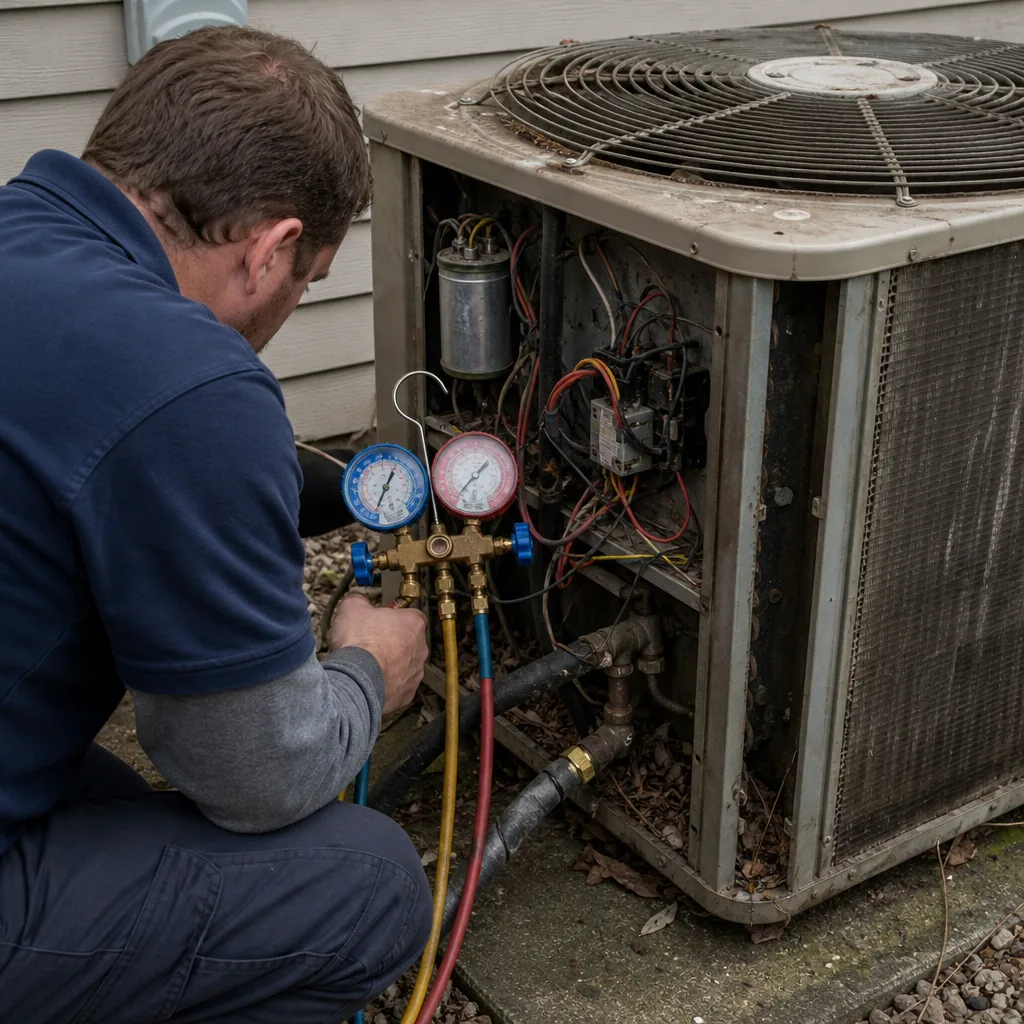 Before
 After
 Before
 After
 Before
 After
When to Call a Professional
Some HVAC problems are safe to watch for a day. Others aren’t. Call a professional if you notice a burning smell from a furnace or a breaker that keeps tripping on the AC, if the system is blowing warm air in the middle of a summer afternoon, if you hear a grinding or screeching from the outdoor unit, or if the house never quite cools even though the system runs nonstop. Any of these point to problems that get worse and more expensive with time. Gas-related issues, electrical panel work, and high-tension spring and cable work in garage doors call for a trained professional; don’t attempt those yourself. If your system is past its useful life and you’re weighing a replacement, get the numbers in writing before you decide. Fireside Heating & Air Co. Whitney offers free estimates in Whitney. Call (866) 329-8069 for an appointment, and we’ll tell you straight what the system needs.
Frequently Asked Questions
Look up the company on the Nevada State Contractors Board’s online license search and confirm it holds an active C-21 classification with a matching business name and a clean disciplinary record. A five-minute check catches the expired licenses and mismatched names before you sign anything. Call (866) 329-8069 if you want us to walk you through what to look for.
Not always, but it often is. A bid that runs several hundred dollars under the rest of the field usually got there through equipment substitution, an undersized system, or skipped labor and permits. Compare the named model number and stated system size across bids, and the price gap usually narrows. Call (866) 329-8069 for a straight comparison.
A real guarantee states a time window, defines the remedy, and commits the company to returning and correcting the work at no charge without a paperwork battle. “Fully guaranteed” isn’t a guarantee you can hold anyone to. Fireside’s 90-Day Done Right Promise works this way: if it isn’t done right, we make it right, in writing, no arguing.
For repair and no-cool or no-heat emergencies, same-day help is often available if you call early. When your system fails in extreme heat, it can become a health risk, so it’s worth calling rather than waiting. Call (866) 329-8069 and we’ll tell you what’s available today.
Permitted installation is generally required for a full equipment replacement, and a legit contractor should pull it and expect an inspection. A contractor who waves off the permit is protecting his own schedule, not your property record. Ask directly before work begins, and call (866) 329-8069 if you want us to explain the process.
The right answer depends on the system’s age, its remaining life, and what a repair actually buys you. At 10 to 12 years with a major repair and a rising power bill, replacement usually makes more sense than a second big fix. Get both numbers in writing and decide on facts, not pressure. Call (866) 329-8069 for a free estimate.
The Bottom Line
Hiring an HVAC contractor in Whitney comes down to accountability. Verify the C-21 license and the insurance, but don’t stop there. Get a fixed price, a specific model number, and a written workmanship guarantee with a stated term and remedy. Then test the response culture: call after hours, ask who answers at 2 a.m., and ask what happens if the install fails. The contractor you want isn’t the one who wins the bid. It’s the one who answers the phone and stands behind the work long after the invoice clears. That’s the contractor you never have to think about again.
If you’re ready to talk it through, Fireside Heating & Air Co. Whitney is here. We answer the phone with a live person every hour of every day, quote a price that holds, and back every job with the 90-Day Done Right Promise. Current standing offers include $50 off any repair over $250, a free second opinion on any written estimate, an $89 seasonal tune-up, and a permanent 5% discount for seniors and veterans. Call (866) 329-8069 for a free estimate, or reach out any time an emergency hits. Done right, or we make it right.
Written by the team at Fireside Heating & Air Co. Whitney.