
Last updated November 18, 2026
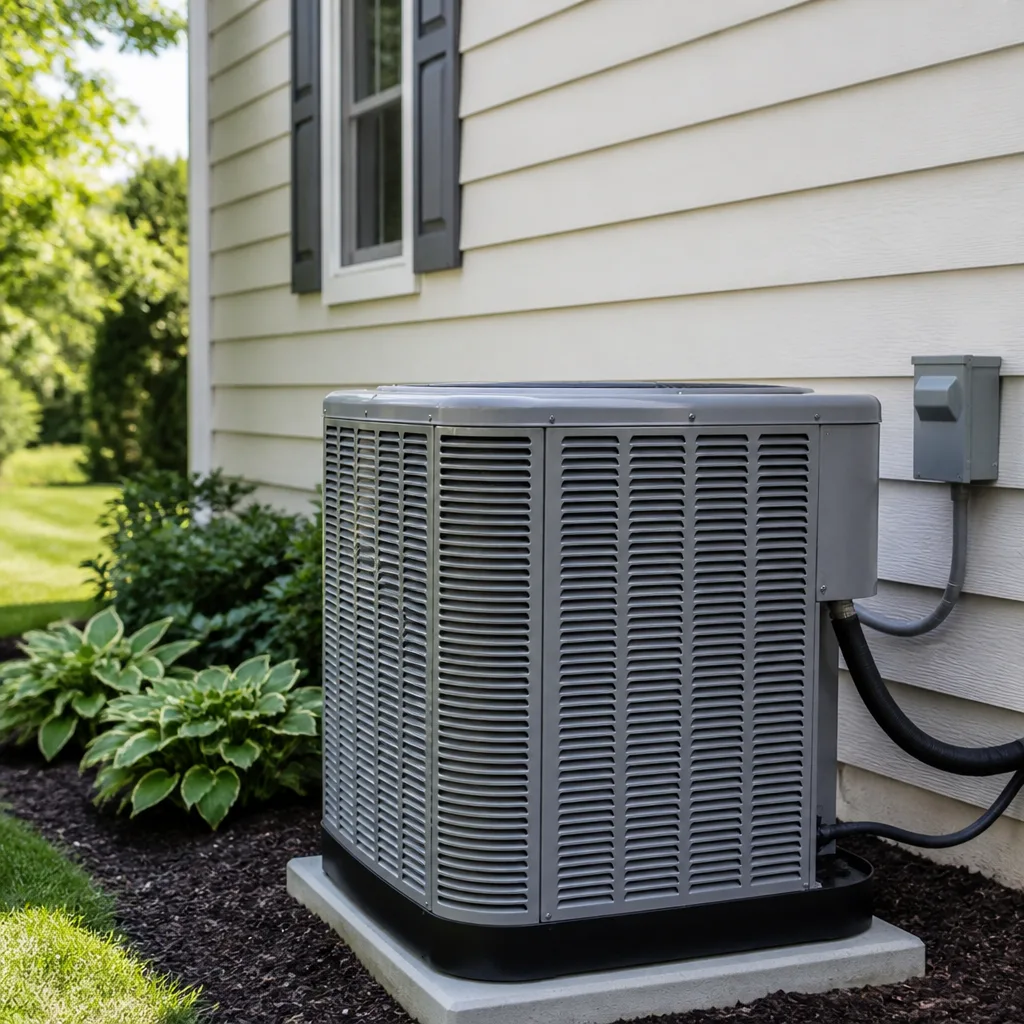 AC repair
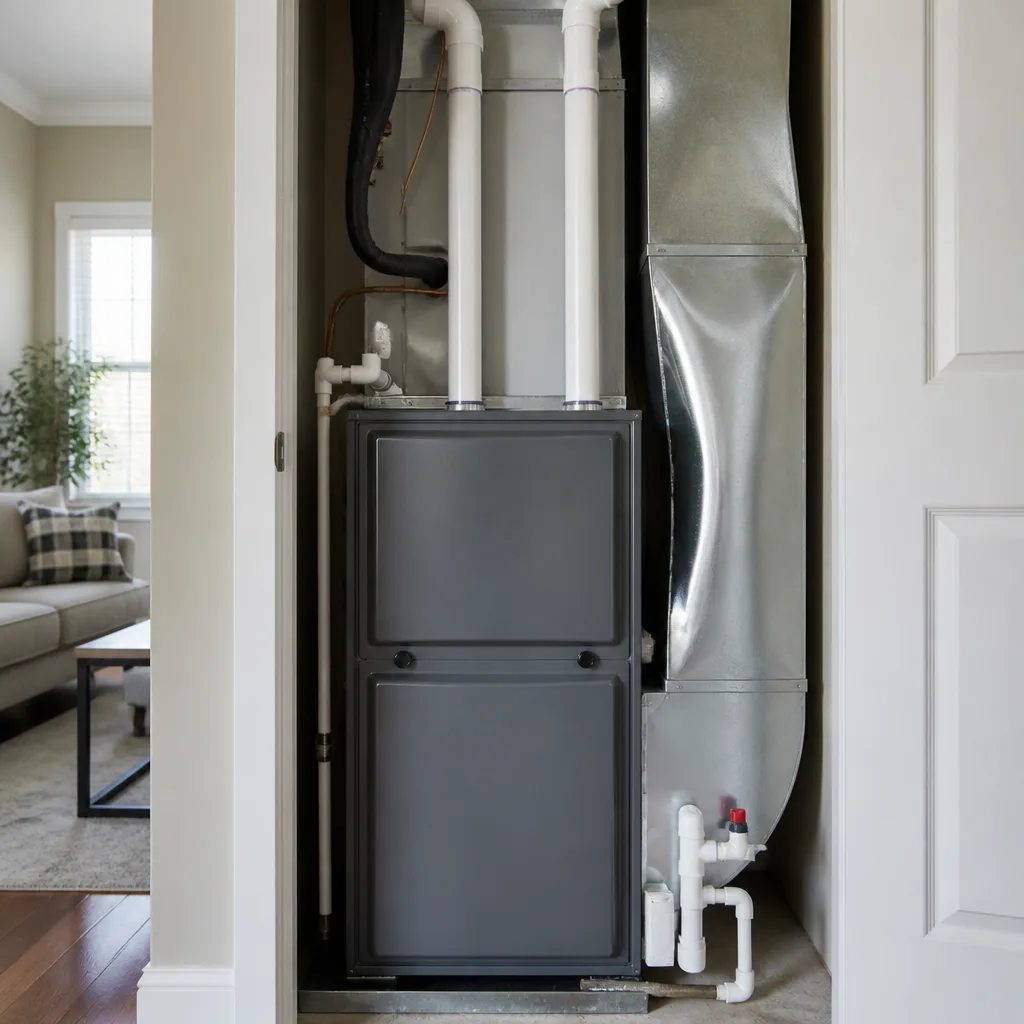 Furnace & heating
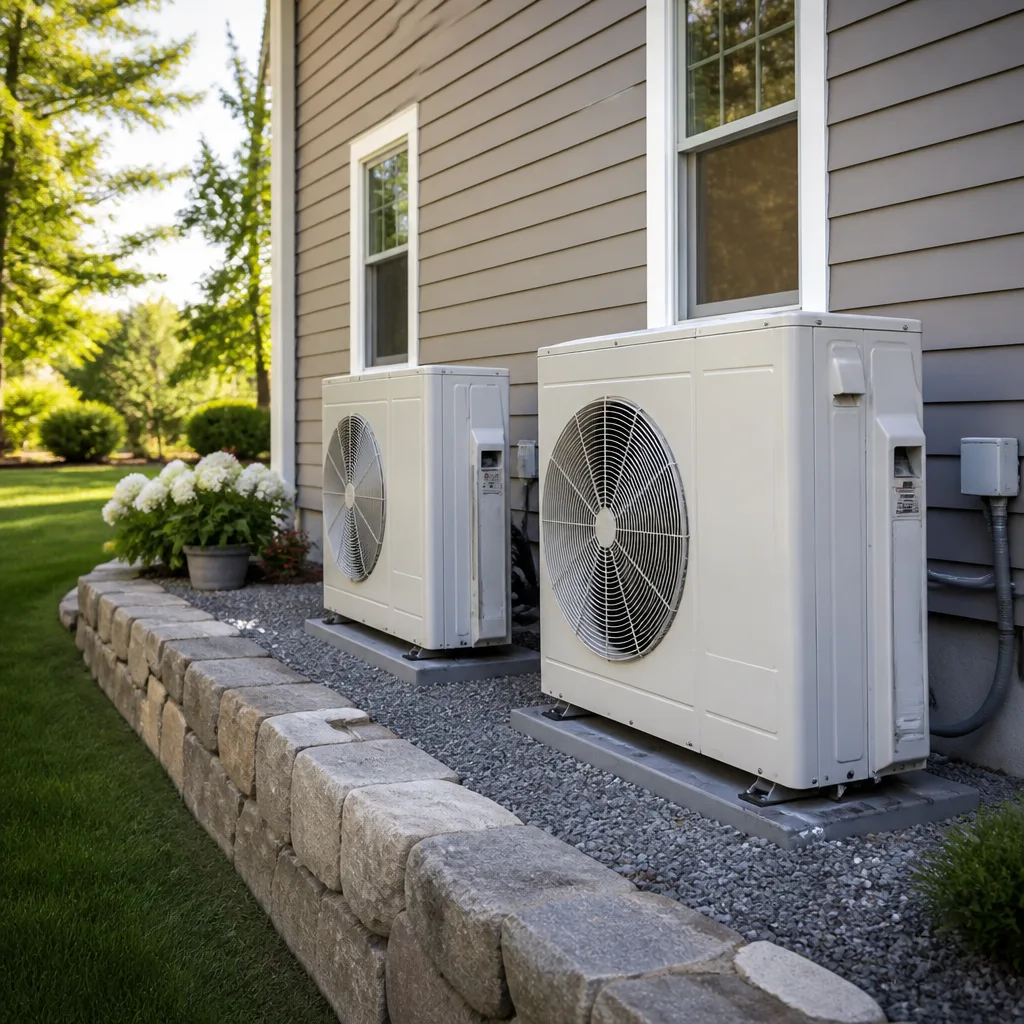 Heat pumps
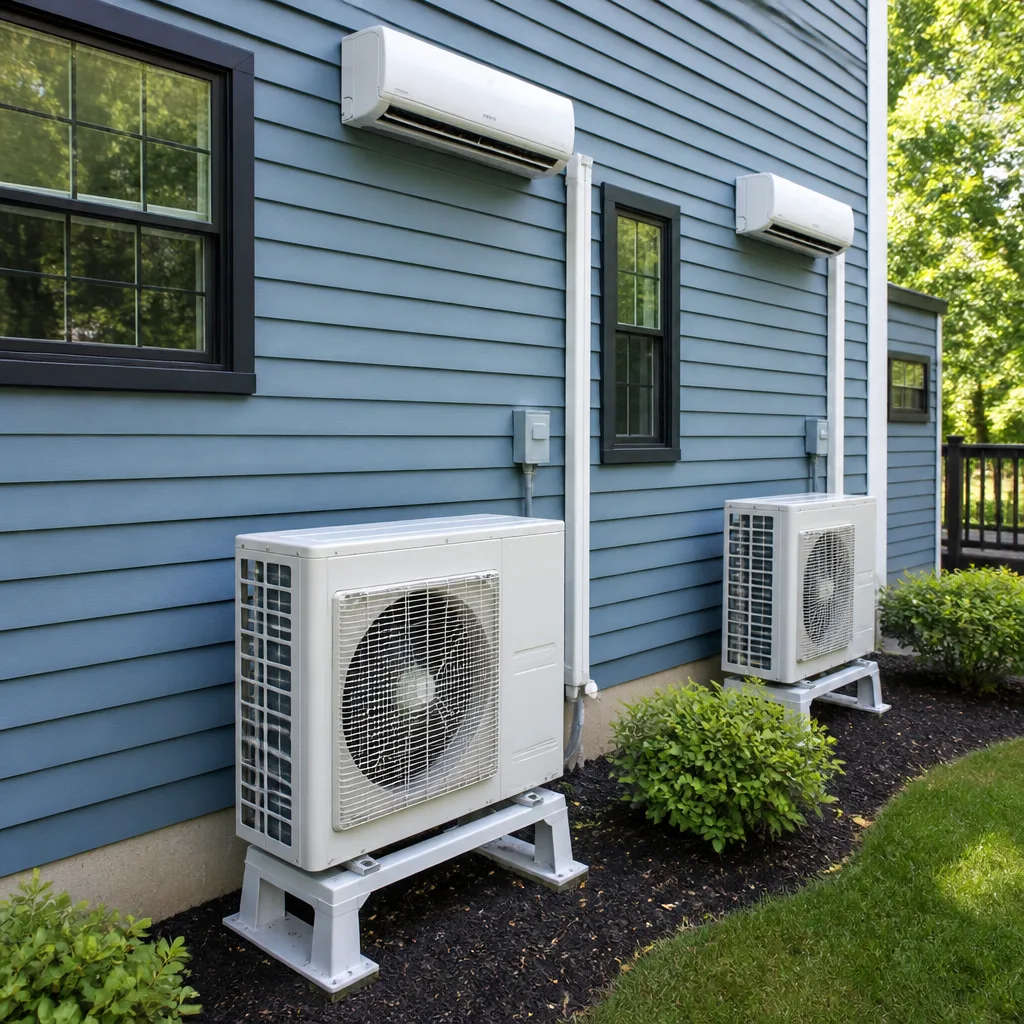 Ductless mini splits
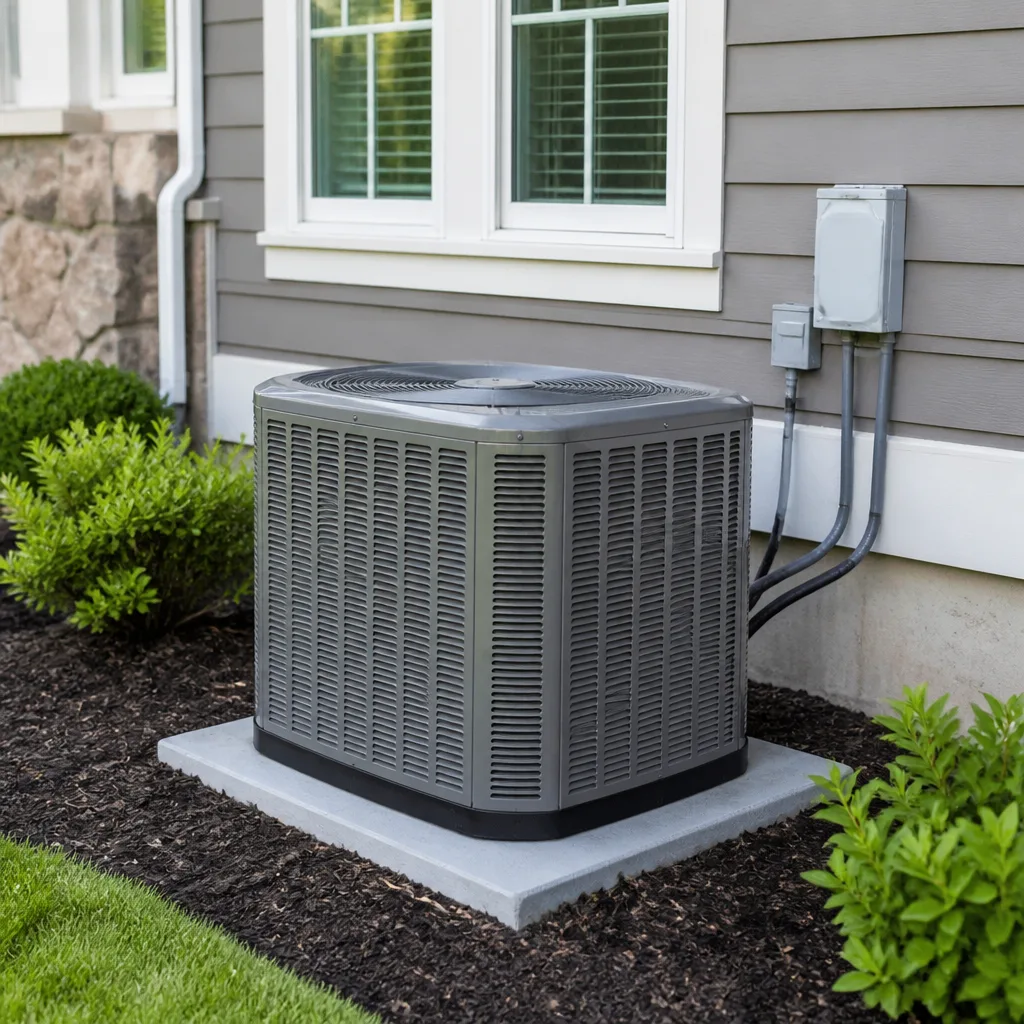 Carrier
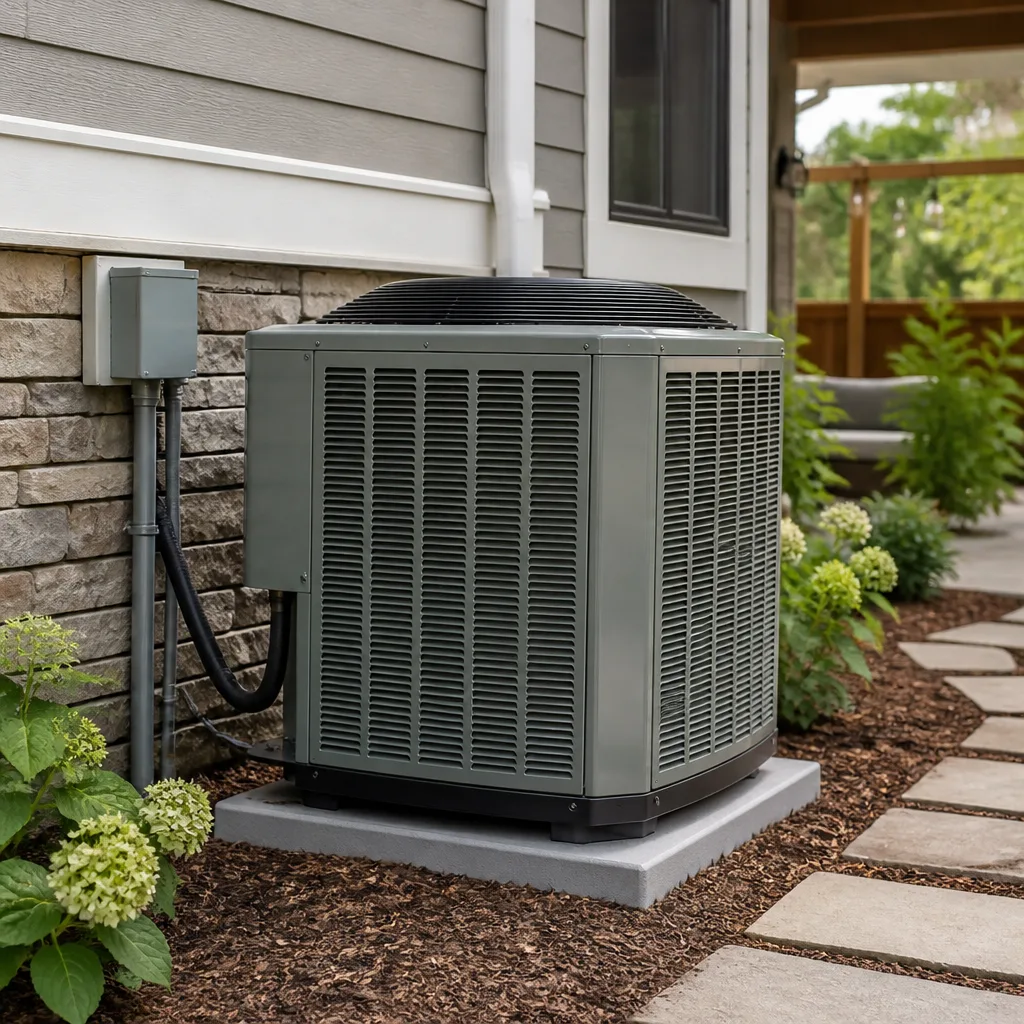 Trane
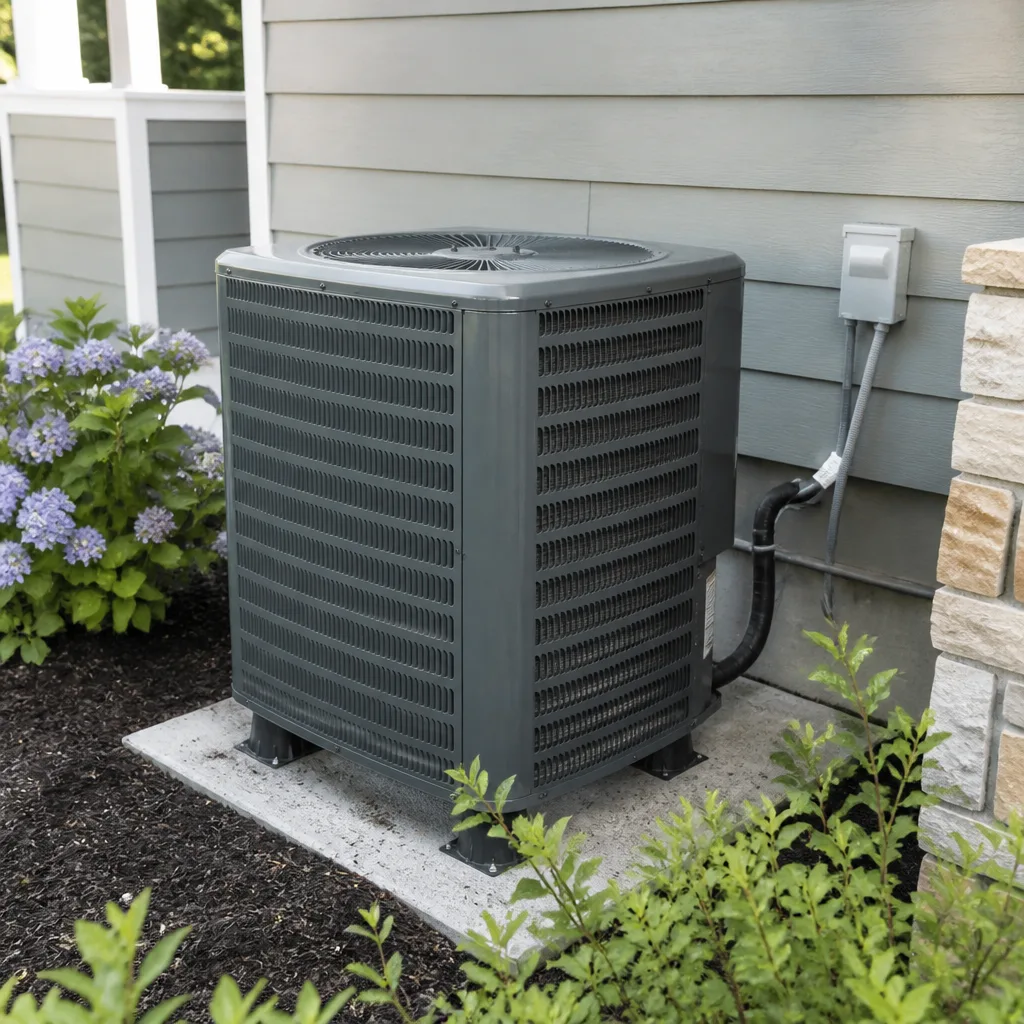 Goodman
Seasonal tune-up and full diagnostic on your Carrier, Trane, or Goodman system - readings shown to you before any repair is proposed
Diagnosis first, numbers second - you approve the repair price before a single part goes in.
Get your free estimateAC Repair & Installation Troubleshooting: Common Problems and How to Fix Them
Most AC troubleshooting guides read the same way: here’s a symptom, now call a technician. This one doesn’t work that way. The most useful thing a homeowner can do before anyone arrives is narrow the problem down and learn to describe it precisely. A technician who hears “it’s making a grinding noise that started after the first hot day, runs about ten minutes, then shuts off” will find the fault in twenty minutes. One who hears “it’s not working right” may spend an hour ruling out things you already knew weren’t the issue. This guide walks you through a logical diagnostic sequence for the six failures we see most often in Whitney, the five things you can safely check yourself, and the exact information to have ready when you call.
Quick Answer
Most AC failures fall into six categories: short-cycling, warm air from the vents, ice buildup on the indoor coil, unusual noise, water leaks, and complete shutdown. Five of these you can partly diagnose yourself by checking the filter, thermostat settings, circuit breaker, condensate drain, and outdoor unit clearance. Anything involving refrigerant, electrical components, or the compressor needs a trained technician, and in Whitney’s desert heat those problems get worse fast, so the sooner you call, the cheaper the repair.
Styles & brands we work with
- AC repair
- Furnace & heating
- Heat pumps
- Ductless mini splits
- Carrier
- Trane
- Goodman
Table of Contents
- The Five Things You Can Safely Check Before Calling Anyone
- Short-Cycling: When Your AC Starts and Stops Too Often
- Warm Air From the Vents: The Thermostat Wiring Surprise
- Ice Buildup: What Frozen Lines Tell You About Refrigerant
- Unusual Noise: Grinding, Squealing, Banging, and Clicking
- Water Leaks: The Condensate Drain Problem
- Complete Shutdown: Breakers, Capacitors, and Compressors
- Refrigerant Leak or Failing Compressor? Why the Difference Matters
- Common Mistakes to Avoid
- When to Call a Professional
The Five Things You Can Safely Check Before Calling Anyone
Before you pick up the phone, run these five checks in order. They take about ten minutes and resolve a surprising share of what looks like a system failure. None of them exposes you to refrigerant, high voltage, or moving parts.
- Air filter. Pull the filter and hold it up to a light. If you can’t see through it, it’s choking airflow and can trigger short-cycling, ice buildup, or weak cooling on its own. A clogged filter is the single most common cause of a non-cooling call we’re asked to fix in Whitney, where dust from the surrounding desert settles on everything.
- Thermostat settings. Confirm the system is set to COOL, not HEAT or FAN, and that the temperature is at least three degrees below the current room temperature. Check the batteries if it’s a battery model, and check any schedule or hold override that may be running.
- Circuit breaker. Find the breaker labeled for the outdoor condenser and the one for the air handler inside. If either is tripped, reset it once. If it trips again right away, stop and call. A breaker that keeps tripping is signaling a real electrical fault.
- Condensate drain. Find the drain line at the indoor unit and look for standing water or a clogged float switch (some units shut off automatically when the pan fills). Clear any visible clog with a gentle hand or a wet-dry vacuum.
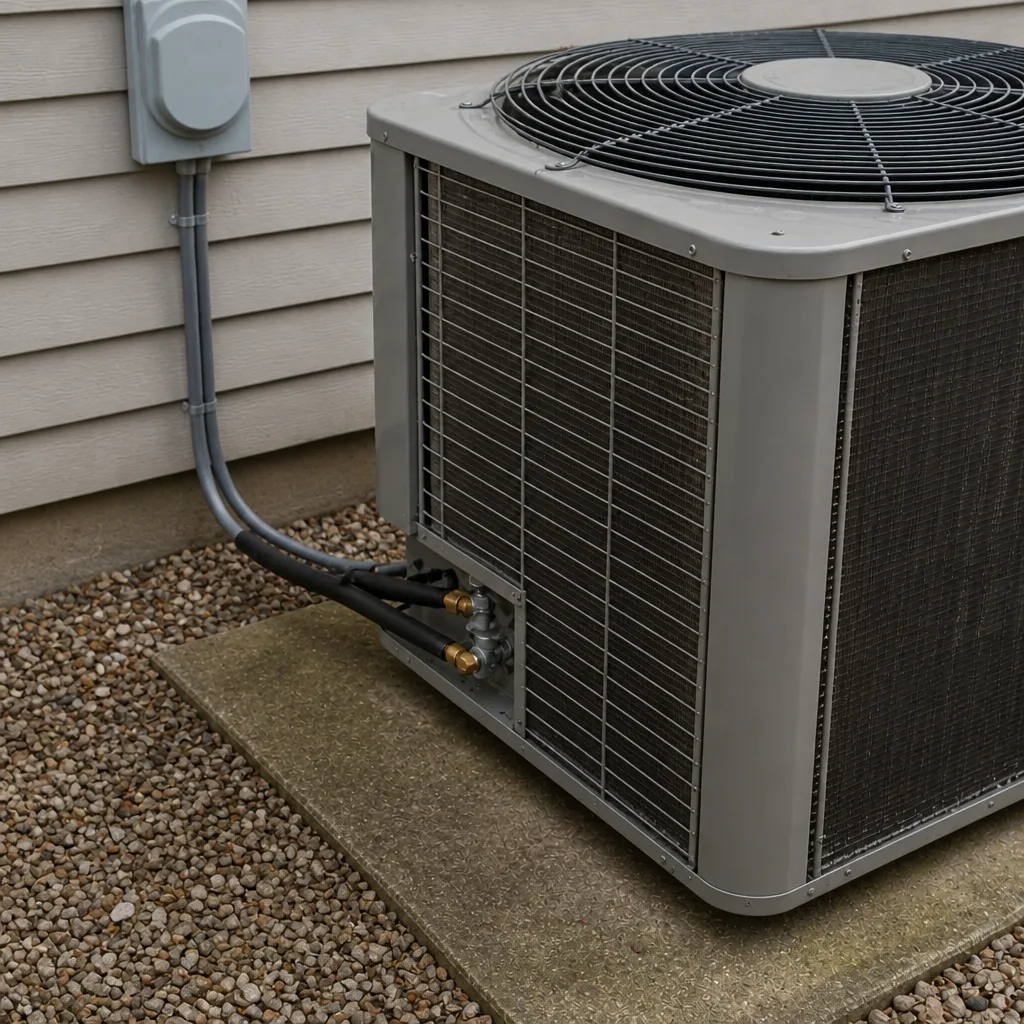
- Outdoor unit clearance. Make sure there’s at least two feet of clear space around the condenser and that it isn’t buried under debris, patio furniture, or a privacy fence. A clogged coil can’t shed heat, and heat is the whole job in Whitney summers.
Short-Cycling: When Your AC Starts and Stops Too Often
Short-cycling is the system running for a few minutes, shutting off, then restarting quickly. It’s harder on the equipment than running continuously, and in Whitney it often points to a dirty filter, a thermostat placed in direct sun, a failing capacitor, or a refrigerant charge that’s out of balance. A system that short-cycles never gets to dehumidify properly either, so the house feels clammy even when it’s cool.
Start with the filter and the thermostat location. If the thermostat sits on a wall that catches afternoon sun or is near a heat-producing appliance, it’s reading a false temperature and calling for cooling in short bursts. If those check out, the pattern matters: a unit that runs for ten minutes then quits and restarts after a few minutes is often a capacitor or a high-pressure safety switch. A unit that shuts off after a single minute and stays off points toward an electrical or control fault.
Jot down the run time and the pause time. Even rough numbers help a technician decide whether to bring a capacitor, a control board, or charge gauges first. That’s the difference between one visit and two.
Warm Air From the Vents: The Thermostat Wiring Surprise
Warm air from the registers gets called an AC failure more than any other symptom, and a good share of those calls turn out to be thermostat wiring or mode problems that cost nothing to correct. If the thermostat is set to HEAT, if a schedule is running a heat cycle, or if the system has a reversing-valve setting stuck in the wrong mode on a heat pump, you’ll get warm air with no mechanical fault at all. A loose or mislabeled wire on a thermostat can do the same thing, especially after a thermostat swap or a battery change.
Here’s what we’ve seen in our experience: a thermostat installed with the R, W, and Y wires swapped produces exactly the symptoms of a dead compressor to the homeowner. Nothing is broken. The unit is simply being told to do the wrong thing. If you’ve had a thermostat changed recently and the air went warm right after, say so when you call. It points the technician straight at the wiring instead of the refrigerant.
If you haven’t touched the thermostat and the air is warm everywhere, not just in one room, the likely causes shift to low refrigerant charge, a failing compressor, or a blocked condenser coil. We cover the first two in the AC Repair & Installation in Whitney service page because they need trained hands and proper gauges.
Ice Buildup: What Frozen Lines Tell You About Refrigerant
Ice on the indoor coil or the refrigerant lines is a symptom, not the problem itself, and it usually points to low refrigerant charge or restricted airflow. When airflow drops, the coil gets too cold and condensation freezes on it. When charge is low, the coil also runs colder than it should. Both produce the same visual result, which is why a technician has to check both before deciding what to fix.
Don’t chip the ice off. Turn the system off at the thermostat and let it thaw completely before running it again, which can take a few hours. Running an iced system can trip the compressor on pressure or, worse, damage it. In Whitney, a frozen line often shows up after a filter has gone too long, so check the filter even if you think you replaced it recently.
- Ice only at the indoor coil: usually airflow or charge related.
- Ice on the large copper line at the outdoor unit: often low charge; don’t run it until it thaws.
- Ice reappearing within a day of thawing: a sure sign there’s a charge or airflow problem worth diagnosing properly.
If the ice returns after a full thaw and a fresh filter, that’s your cue to call. Refrigerant work requires recovery equipment and a licensed technician; it’s not a DIY territory at any level.
Unusual Noise: Grinding, Squealing, Banging, and Clicking
The type of noise tells you something specific, so describe it in the words you actually hear rather than “it’s loud.” Each sound class usually maps to a different part of the system.
- Grinding: often a failing condenser fan motor bearing or debris in the fan blade. This one gets worse fast, and if the blade is hitting the shroud, running it can cause real damage.
- Squealing or screeching: commonly a belt or a blower motor bearing in the air handler, or a motor under strain from a failing capacitor.
- Banging or clunking: usually a loose component, a compressor mount, or (in a heat pump) a reversing valve switching hard. Repeated banging needs a professional look.
- Clicking: a control relay, a contactor, or a thermostat cycling. A single click on startup is normal. Rapid clicking that repeats without the system starting is not.
Grinding and banging are the two we don’t advise waiting on. If the noise is coming from the outdoor unit and it’s constant, shut the system off at the breaker and call. Moving parts inside a condenser will not heal themselves, and a motor that seizes can take the compressor with it.
Water Leaks: The Condensate Drain Problem
Water around the indoor air handler is almost always a condensate issue. The coil pulls moisture out of the air, that water drops into a pan, and the pan drains through a small PVC line. In a Whitney summer, that drain line deals with a lot of water, and a little dust or algae can stop it up. The pan fills, the float switch (if there is one) shuts the unit down, or the water spills and stains the ceiling below.
What you can do: shut the system off, look for the drain line coming out of the indoor unit, and check for a visible clog at the trap or the exterior termination point. A wet-dry vacuum on the outdoor end of the drain will sometimes clear a simple clog. If you see water coming from inside the unit itself or the pan is cracked, stop and call. That’s not a drain problem.
Ask the technician to flush the drain at every service visit. It’s a two-minute job that prevents most of the water-damage calls we get in Whitney.
Complete Shutdown: Breakers, Capacitors, and Compressors
A complete shutdown means the outdoor unit doesn’t run at all or the indoor blower doesn’t come on. Work through the sequence below in order, and don’t skip a step.
- Check both breakers. The condenser and the air handler each have one. Reset once and see if it holds.
- Check the thermostat. Batteries, mode, set point. A dead thermostat looks exactly like a dead system.
- Check the float switch. If the condensate pan filled, the switch may have shut the system off on purpose.
- Listen at the outdoor unit. Do you hear a hum without the fan spinning? That combination strongly suggests a failed capacitor, a common and relatively inexpensive repair.
- Look for the obvious. Any signs of a tripped surge protector, a blown fuse at the disconnect, or recent storm-related outage.
If the breaker resets and the system runs normally, one reset is your answer. If it trips again, or the unit hums without starting, it needs a technician. Capacitors, contactors, and compressor diagnostics live inside the electrical panel of the unit and involve high voltage; a trained professional should be the one inside that panel.
Refrigerant Leak or Failing Compressor? Why the Difference Matters
These two failures produce similar symptoms, and confusing them is where homeowners get talked into the wrong repair. A low refrigerant charge shows up as weak cooling, a system that runs constantly, ice on the coil or lines, and a slow decline over weeks or a season. A failing compressor tends to show up as a system that starts and stops quickly, a hum with no cooling, a warmer-than-usual outdoor unit, or a compressor that trips its internal overload and quits entirely.
Why the distinction matters: adding refrigerant to a system that has a leak doesn’t fix the leak; it just buys a few weeks and lets the compressor work harder than it should. And replacing a compressor on a system that only needed a charge is money thrown away. We see both mistakes in Whitney, and either one can cost you hundreds on top of what the real repair would have run.
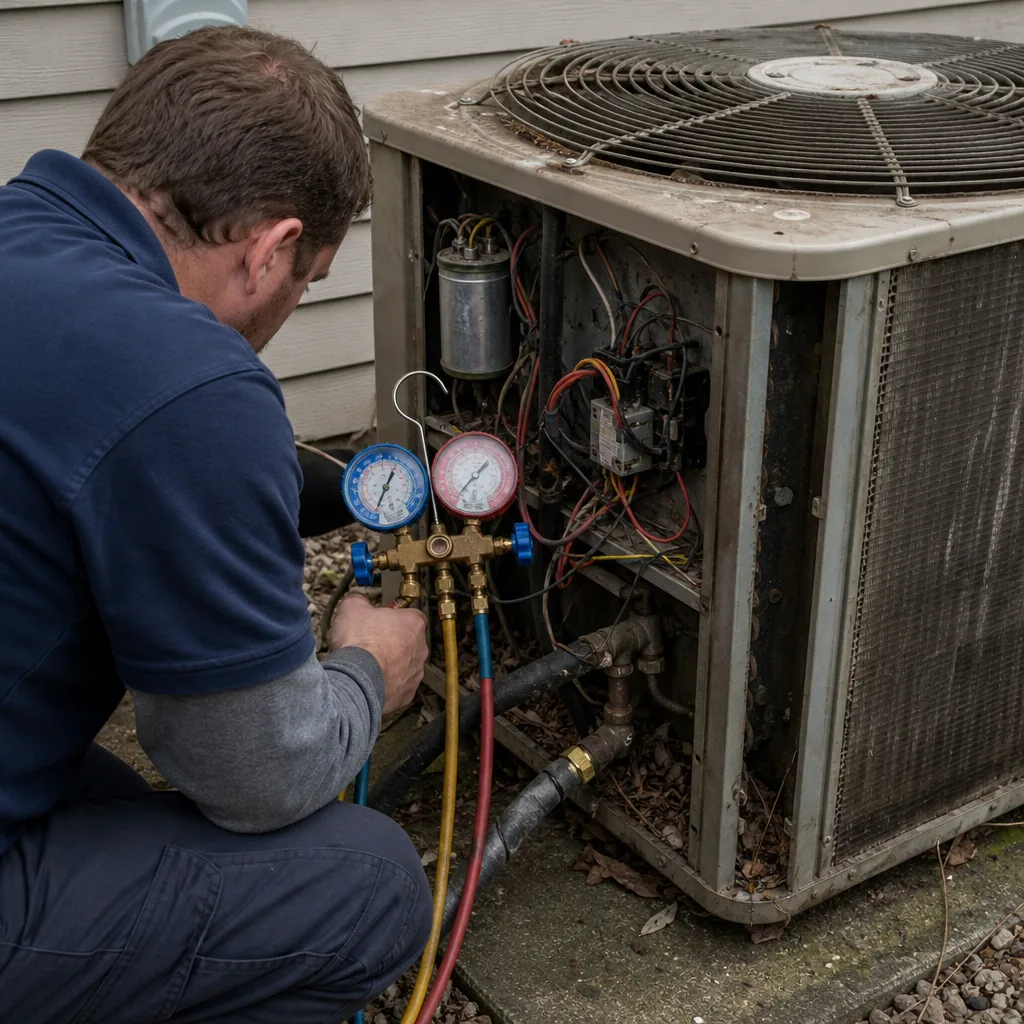
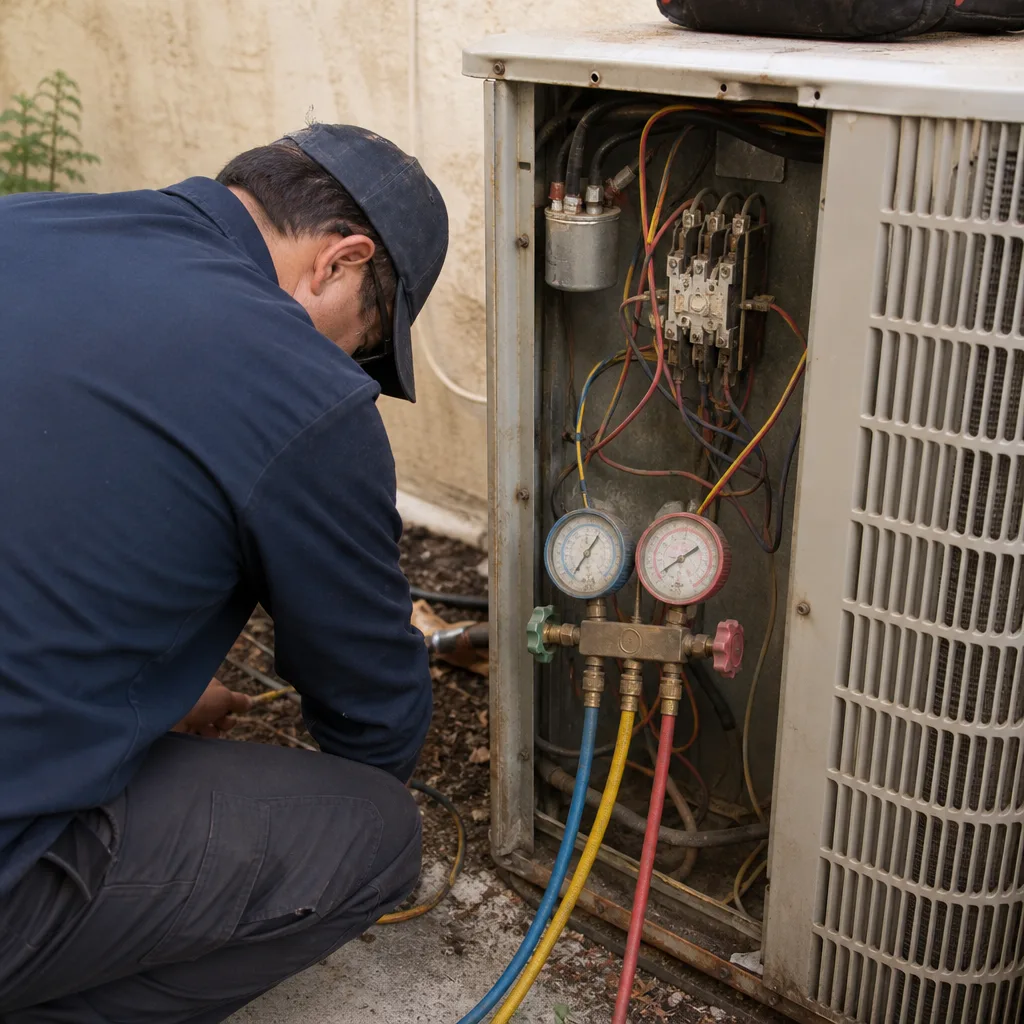
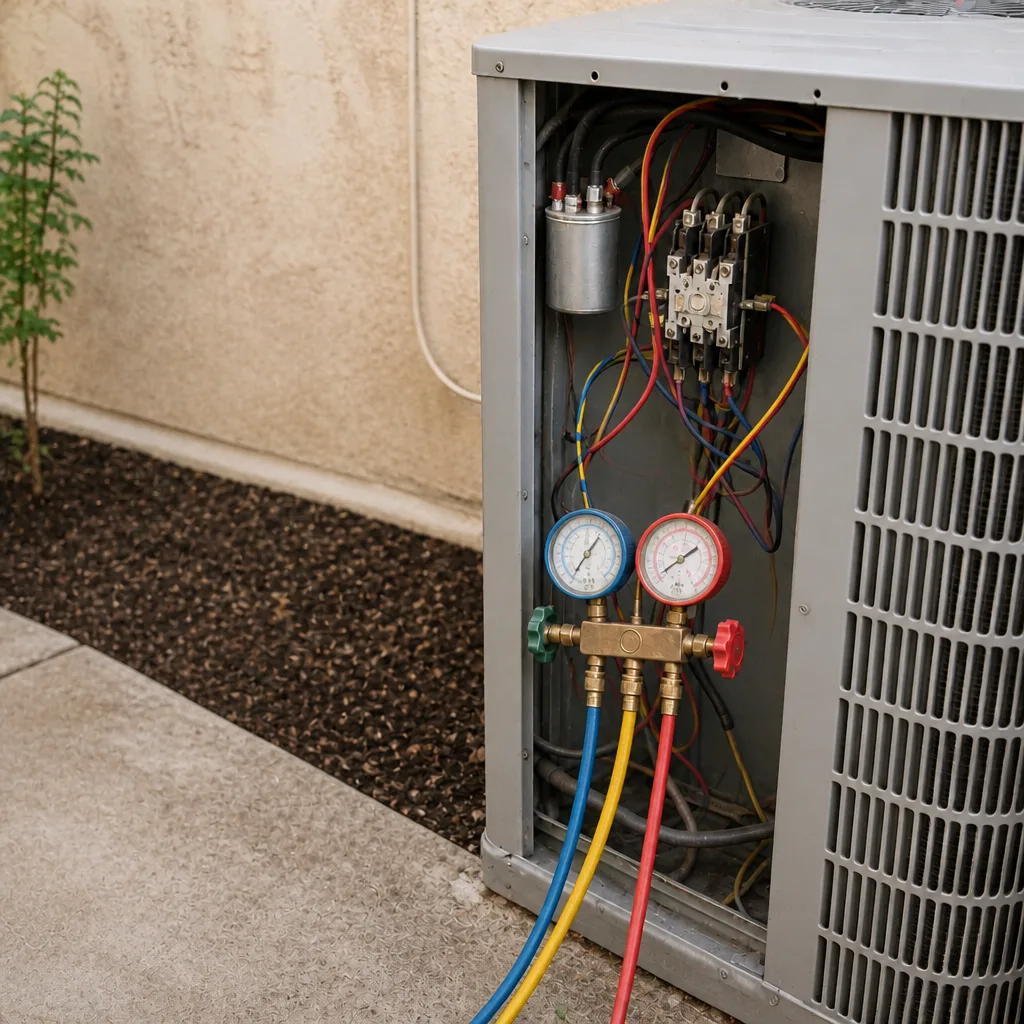
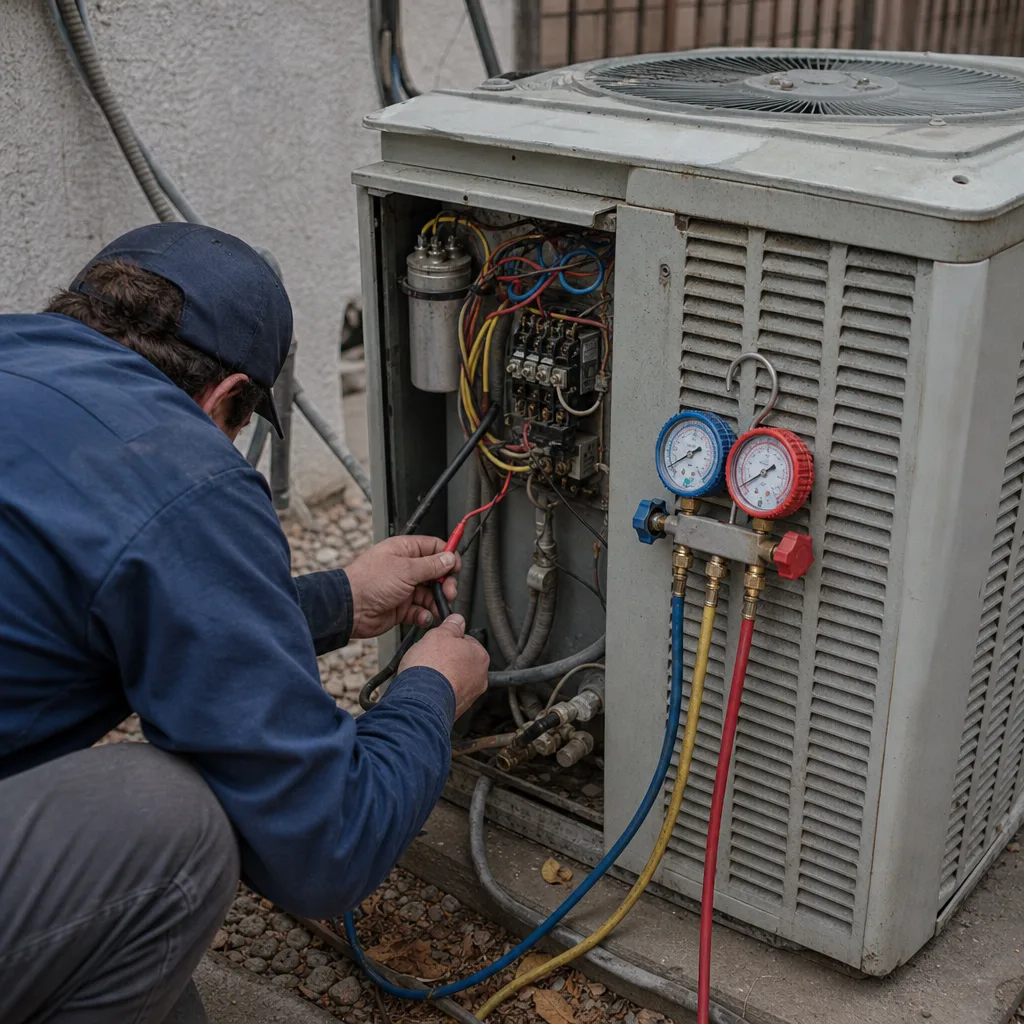
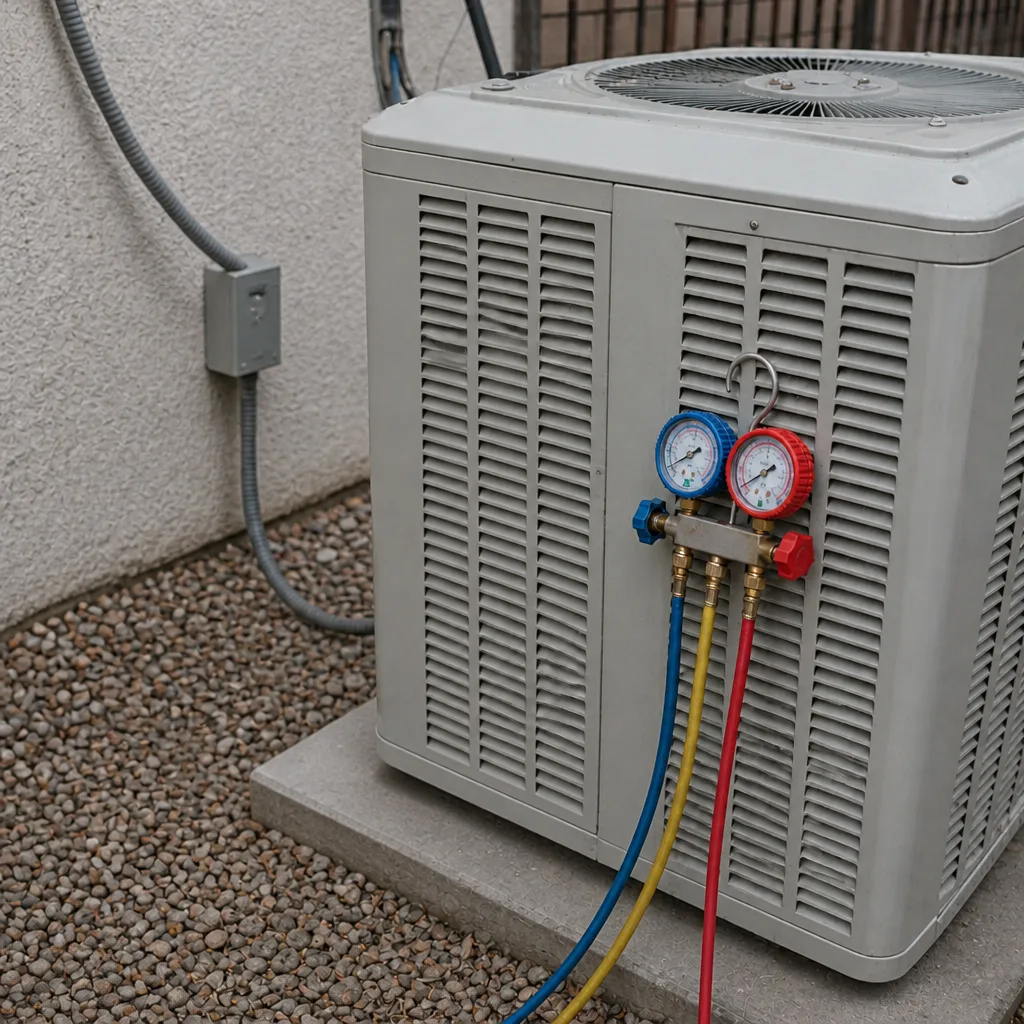
Proper diagnosis means checking superheat and subcooling with gauges, not just adding refrigerant and calling it a day. If a technician won’t check pressures before recommending a repair, ask why. That’s fair, and we’ve always been glad to explain it.
Common Mistakes to Avoid
- Resetting a tripped breaker more than once. A breaker that keeps tripping is telling you something is wrong. Repeated resets can do real damage to the compressor.
- Adding refrigerant without finding the leak. A charge is not a repair. If the system is low again in a few weeks, the leak is still there.
- Chipping ice off the coil. You’ll bend the fins and cause a worse problem. Thaw it completely and call if it comes back.
- Ignoring a dripping condensate line. In Whitney, that small leak stains drywall and feeds mold inside a week. Deal with it early.
- Running the system with a clogged filter. It’s the cheapest part on the whole system and the cause of the most repairs we see in Whitney.
- Replacing the thermostat to “fix” warm air. If the issue is refrigerant, a new thermostat changes nothing and puts wiring at risk. Diagnose first.
- Letting a small noise become a big one. A $40 part that starts grinding can take out a motor and cost ten times as much if it’s left running.
If you want a second opinion on a written estimate before you spend a cent, we give one free. We’d rather you understand it than argue about it later. The fuller service story lives on the Fireside Heating & Air Co. Whitney home page, and if your issue turns out to be on the heating side, the Heating & Furnace in Whitney page covers that territory.
When to Call a Professional
Call when you smell something burning, hear grinding inside the outdoor unit, see ice that returns after a full thaw, notice a breaker that trips more than once, or find water coming from inside the indoor unit rather than the drain pan. Call when the system runs constantly and still doesn’t cool the house, or when the compressor hums without starting. In Whitney, call sooner rather than later, because July and August don’t give equipment time to recover on its own, and a small problem in June can turn into a system replacement by August.
Fireside Heating & Air Co. Whitney offers free estimates in Whitney and answers the phone live, 24 hours a day, 7 days a week. Call (866) 329-8069 and have your symptom notes ready. Most repairs we handle are done in a single visit, and every job is backed by our 90-Day Done Right Promise in writing: if it isn’t right, we make it right.
See the difference
 Before
 After
 Before
 After
 Before
 After
Frequently Asked Questions
Repair usually makes sense when the system is under 12 years old, the problem is a single failing part like a capacitor or blower motor, and the repair cost is under a third of what replacement would run. Replacement makes more sense when the compressor itself has failed, when the system uses older refrigerant that’s expensive to recharge, or when you’ve had three or more repairs in two seasons. In Whitney, equipment that’s run 15 summers in the desert heat has usually paid its dues. Call (866) 329-8069 and we’ll give you straight talk on repair versus replace, free of pressure.
An AC running without cooling is usually one of three things: low refrigerant charge from a leak, a failing compressor, or a thermostat wiring problem sending the wrong signal. In some cases, a dirty filter or a blocked condenser coil limits airflow enough that the system can’t keep up. Check the filter first, then look at the outdoor unit for clearance. If both are fine, it’s a job for gauges and a trained eye. Call (866) 329-8069 for a diagnostic visit.
You can safely thaw it by turning the system off at the thermostat and letting it sit for several hours, but you should not fix the underlying cause yourself. Ice means either an airflow restriction or a refrigerant problem, and refrigerant work requires recovery equipment and a licensed technician. Change the filter while it thaws. If the ice comes back after a full thaw, call (866) 329-8069; a repeat freeze points to a charge issue that needs proper diagnosis.
Have the system’s brand and approximate age, the exact symptom (e.g., “starts, runs ten minutes, shuts off, restarts after five”), when the symptom started, whether the air is warm everywhere or in one room only, and what you’ve already checked (filter, thermostat, breaker, drain, outdoor clearance). That list cuts diagnostic time. Tell us if a thermostat was recently changed. A quick call to (866) 329-8069 with those facts is the fastest path to the right fix.
Grinding is usually a failing fan motor bearing or something striking the fan blade. Either way, don’t keep running it. Shut the system off at the breaker and call. In Whitney, we see a fair number of these after the first long hot stretch of the season, when bearings that were already dry finally give out. A motor replaced early is a modest repair; a seized motor that takes out the compressor is not. Call (866) 329-8069.
Rebates for high-efficiency systems change by season and by equipment tier, and the paperwork differs between replacing an older single-stage unit and installing a modern variable-speed heat pump or a system like Carrier, Trane, or American Standard’s higher-SEER models. For a current picture of what applies to your equipment, call (866) 329-8069. We’ll walk you through it before any work is scheduled, and if a rebate or a seasonal tune-up at $89 makes sense to claim first, we’ll tell you. You can also look at our Heat Pump & Mini Split in Whitney service if you’re considering the switch.
The Bottom Line
The best thing you can do before calling about your AC is learn to describe the problem precisely. Check the filter, the thermostat, the breaker, the condensate drain, and the outdoor clearance first. Note whether the system is short-cycling, blowing warm, icing up, noisy, leaking, or dead, and jot down the timing. Those five details turn a diagnostic visit from a fishing trip into a direct repair. Know which issues are safe to inspect and which aren’t: refrigerant, compressor, and electrical work belong to a trained technician, and in Whitney’s heat a small problem left alone has a short fuse. Most of what we handle is done in a single visit, priced upfront, and backed in writing for 90 days. If it’s not done right, we make it right.
Call (866) 329-8069 for a free estimate. We answer live, day or night, every day of the year.
Written by the team at Fireside Heating & Air Co. Whitney.