
Last updated November 18, 2026
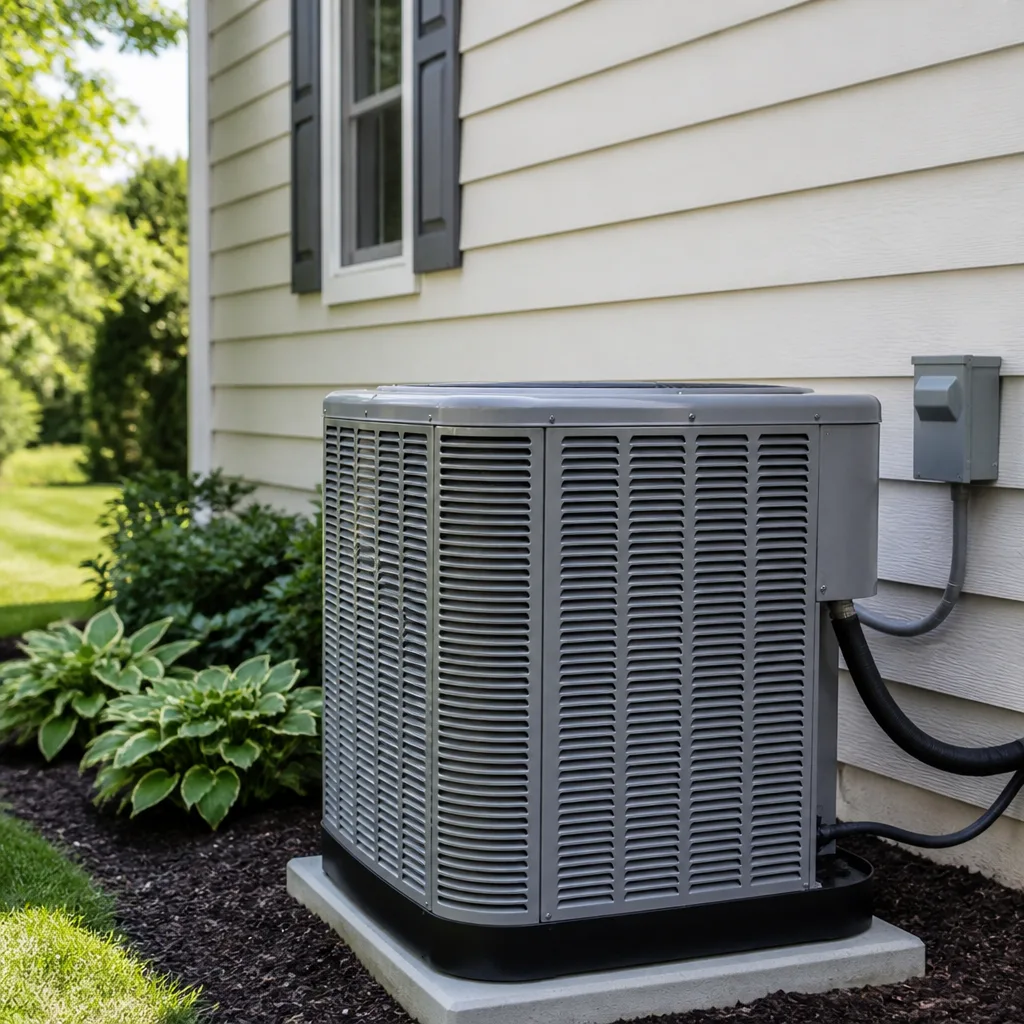 AC repair
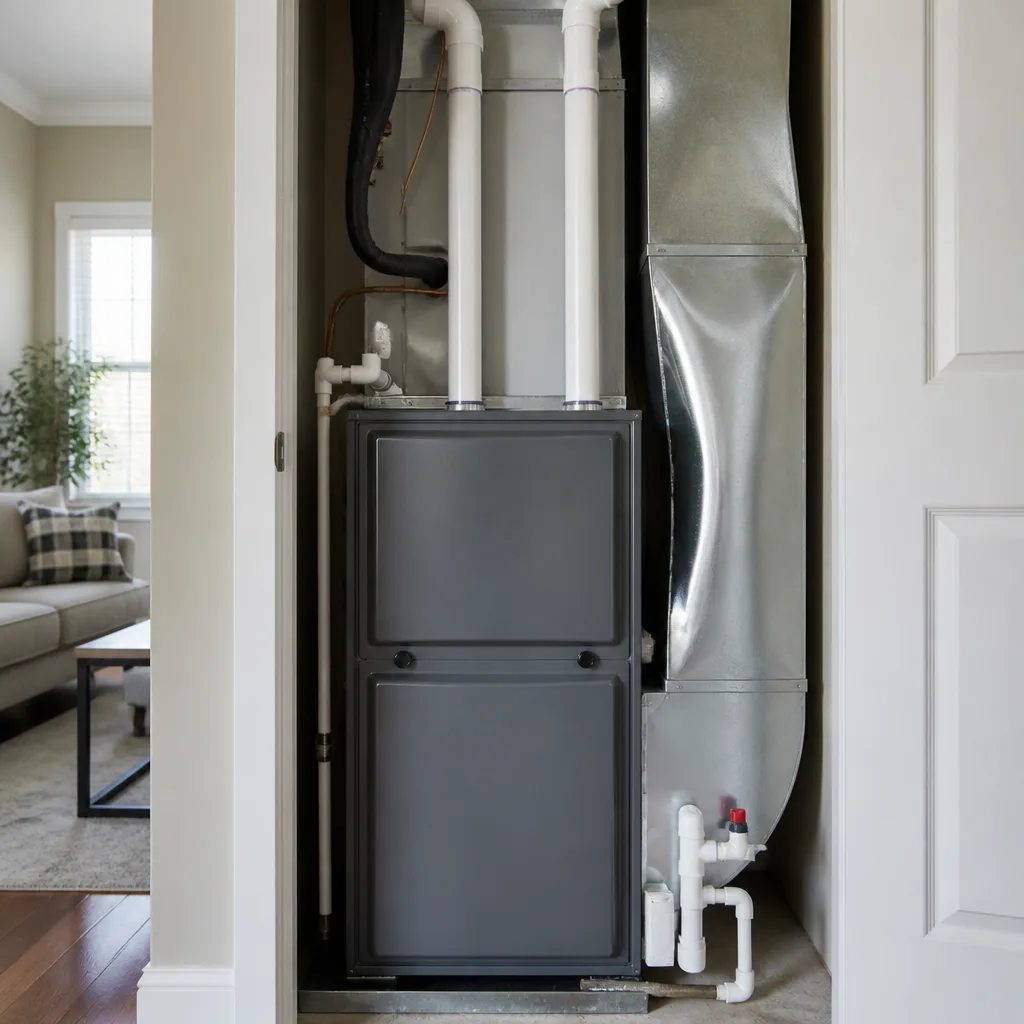 Furnace & heating
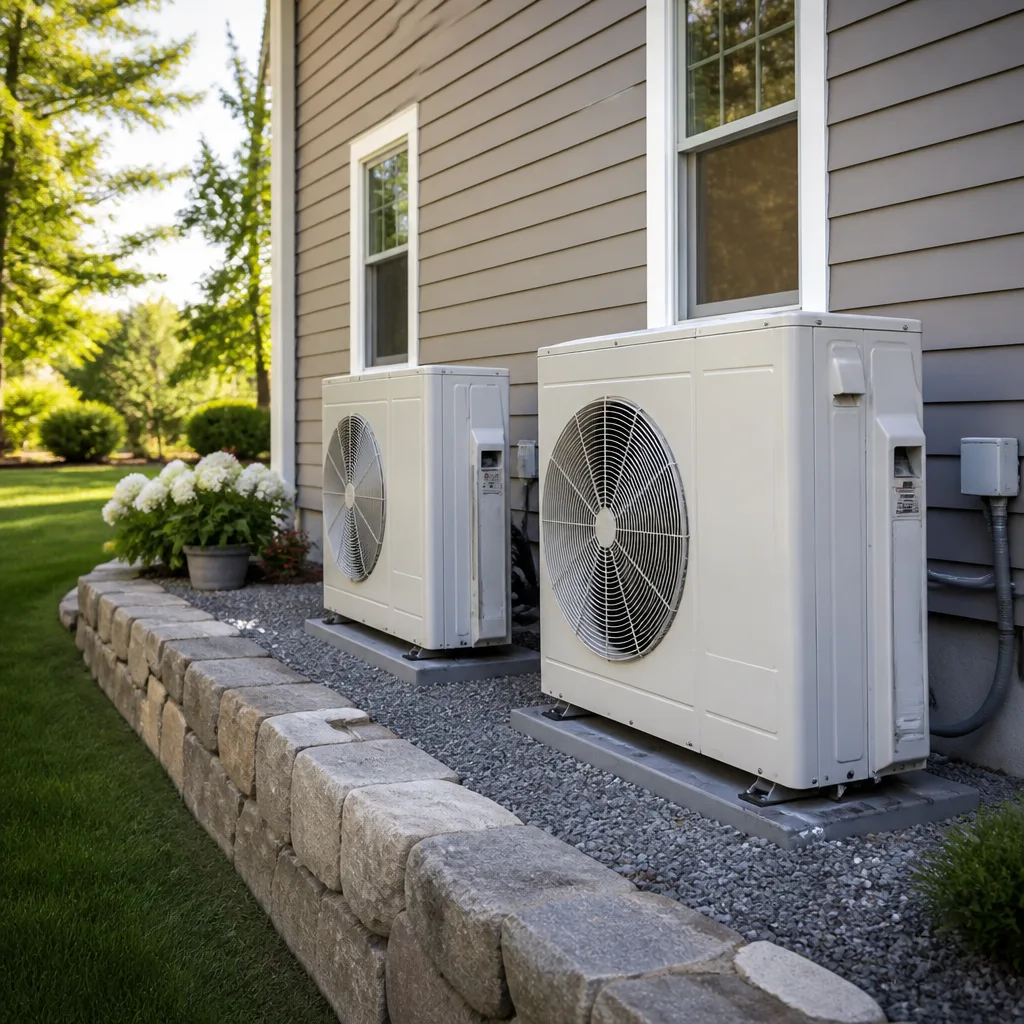 Heat pumps
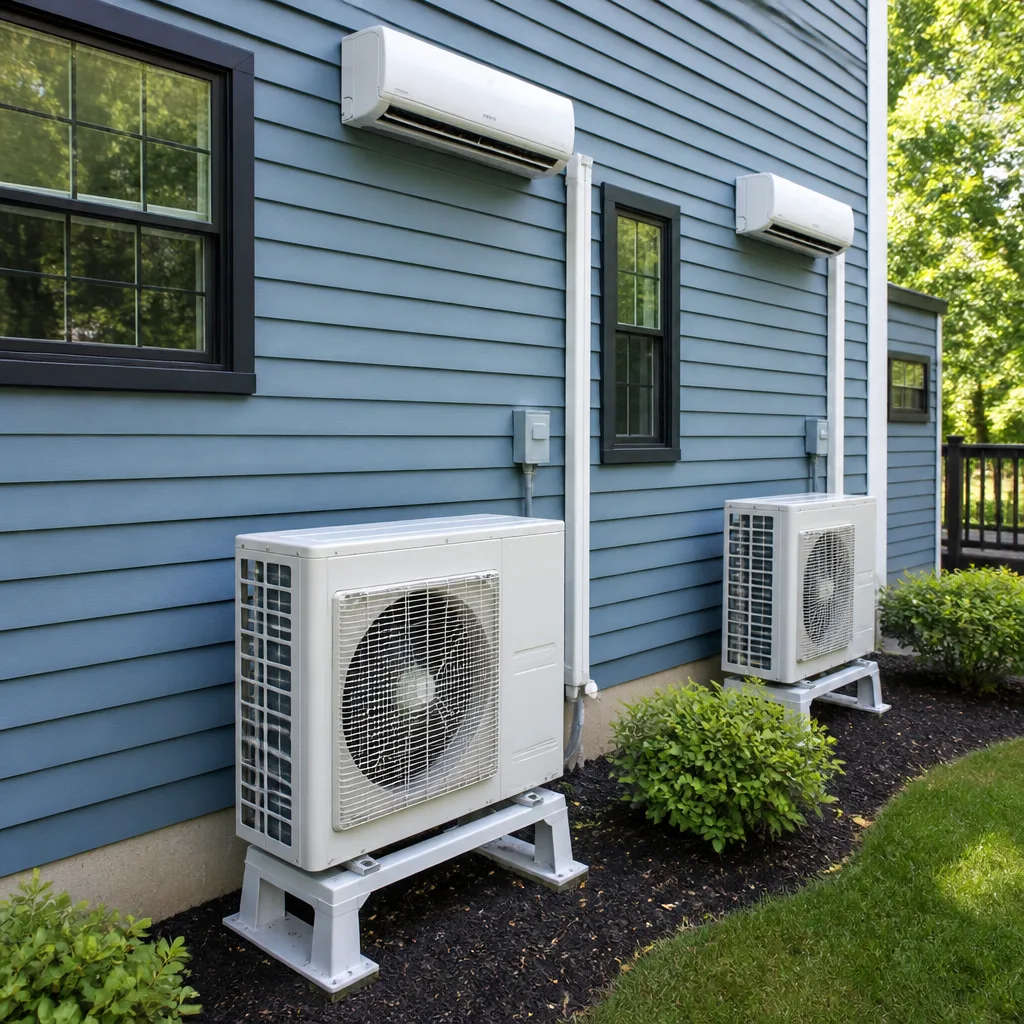 Ductless mini splits
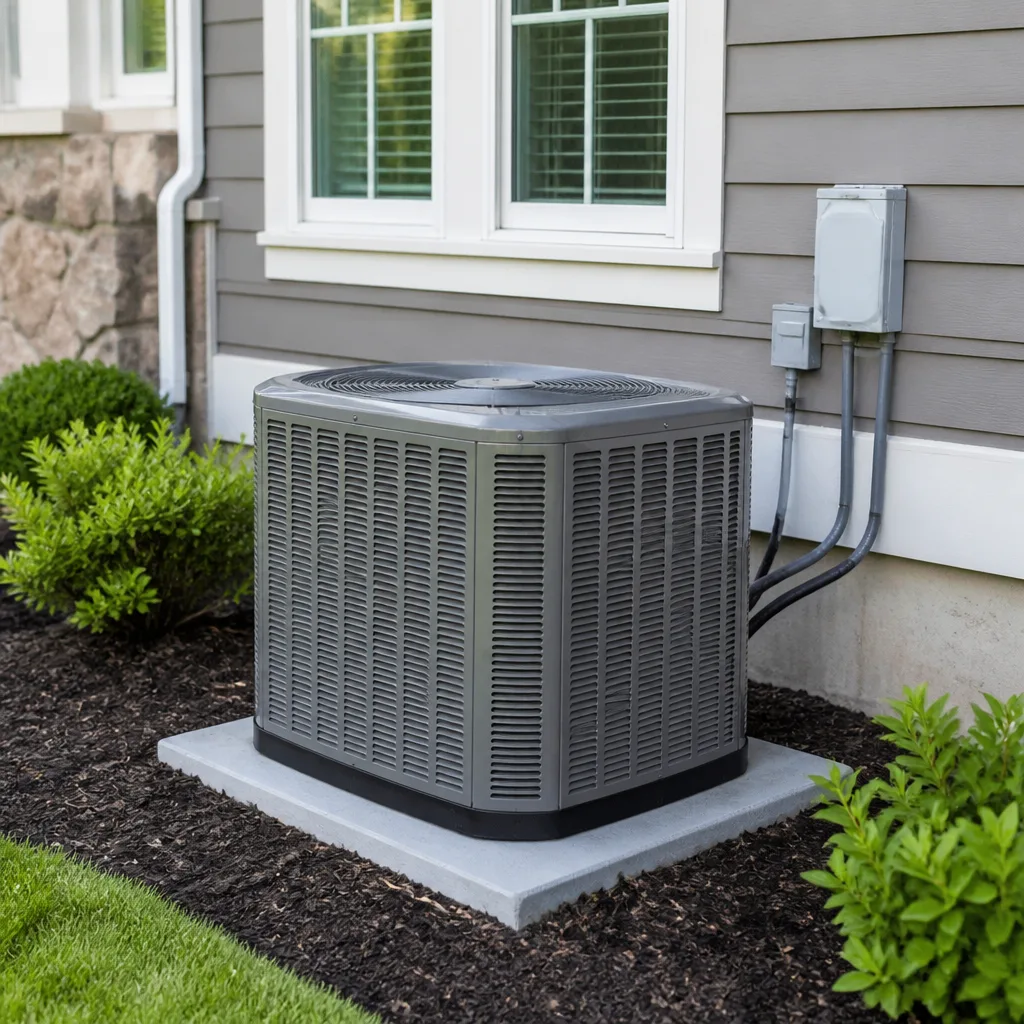 Carrier
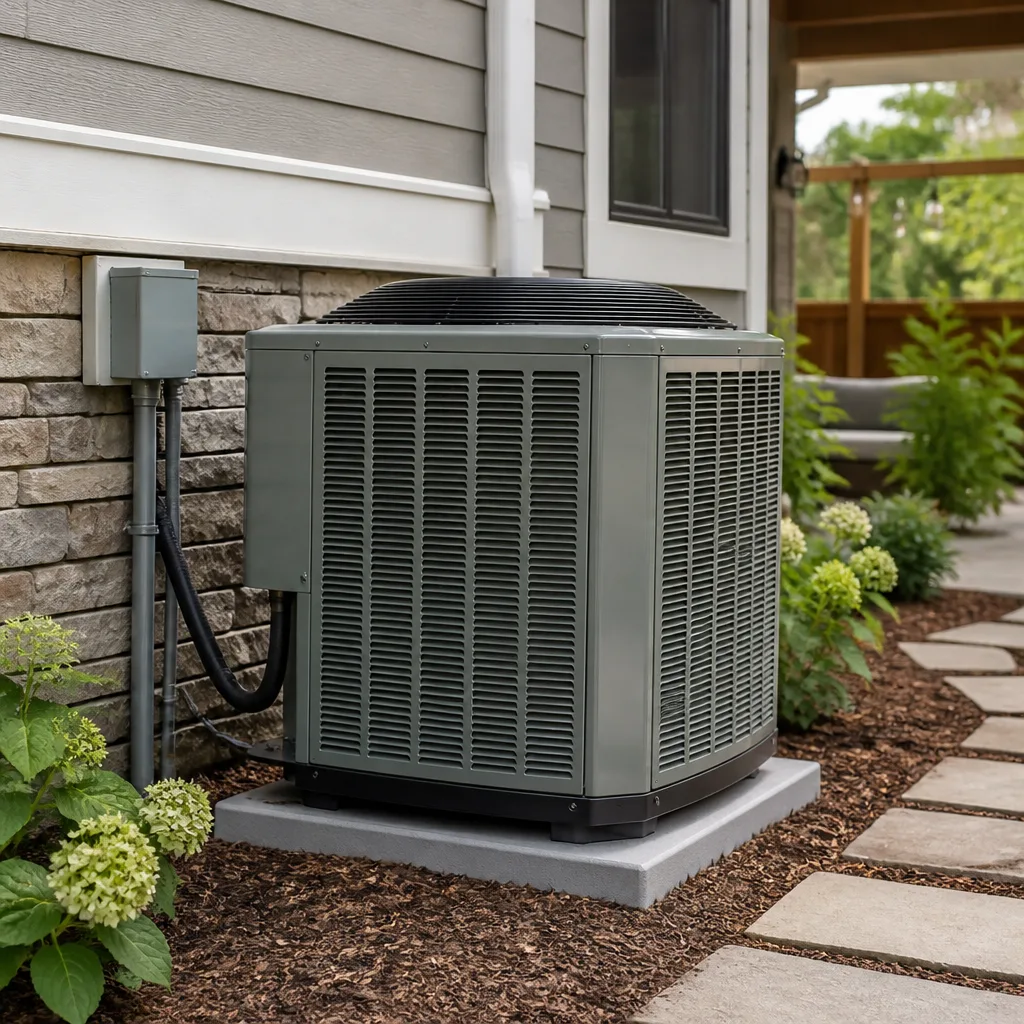 Trane
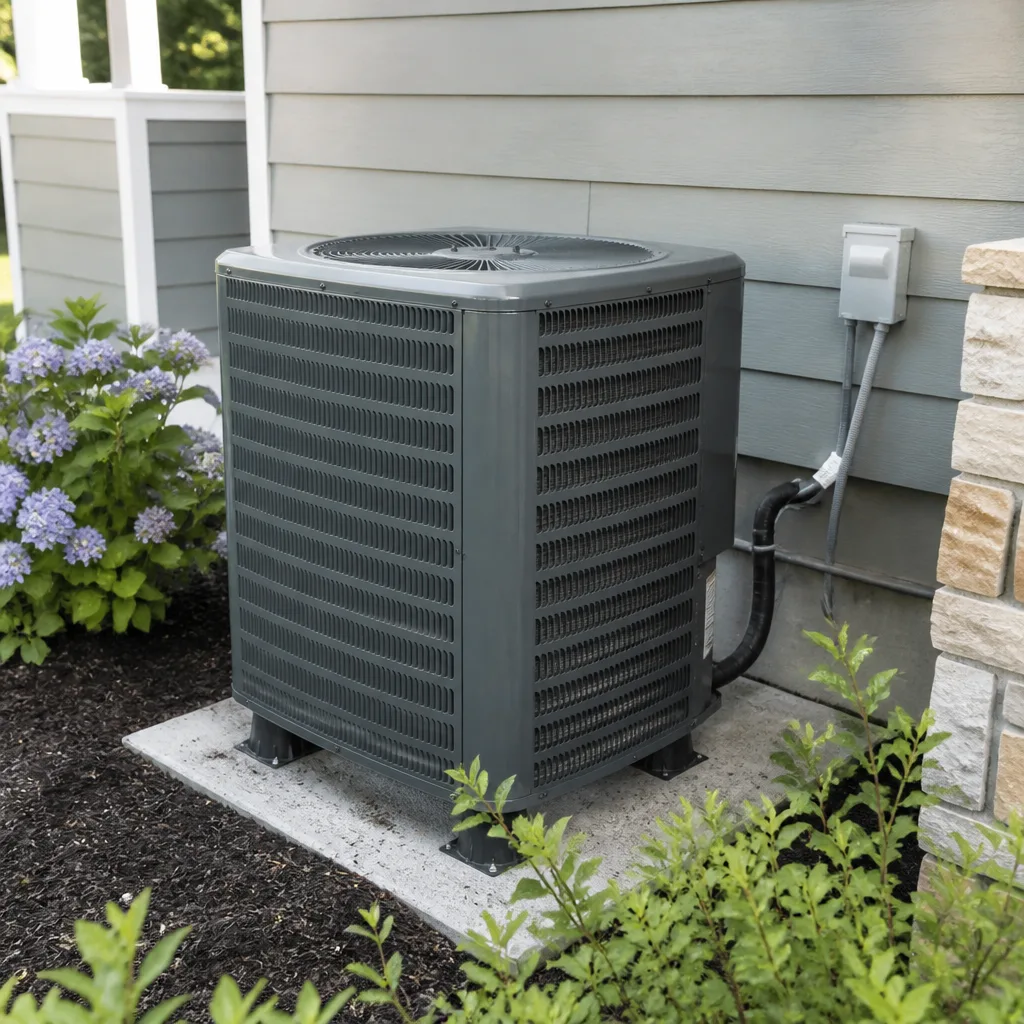 Goodman
Seasonal tune-up and full diagnostic on your Carrier, Trane, or Goodman system - readings shown to you before any repair is proposed
Diagnosis first, numbers second - you approve the repair price before a single part goes in.
Get your free estimateHVAC Warning Signs: A Whitney Homeowner’s Reference Guide
Here is a fact that surprises most people: in our experience, the warning sign Whitney homeowners ignore most often isn’t a strange noise or a puddle on the floor. It’s a system that runs and runs and never shuts off. They assume it’s just hot outside. In truth, a system that won’t cycle off is often fighting a refrigerant leak or a failing coil, and it can quietly double your power bill before anything actually breaks. Whitney sits at the edge of the Mojave, where summer highs push past 110°F and spring dust storms coat every condenser coil in the valley. This guide connects each warning sign to the specific local condition behind it, and tells you honestly whether to call today or watch it for a week.
Quick Answer
The most serious HVAC warning signs in Whitney are a system that runs continuously, short cycling every few minutes, ice on the refrigerant lines in summer, a burning smell, or a compressor that trips the breaker. Any of these means call the same day. Rumbling, faint ticking, and minor condensation are usually monitor-and-watch signs. When in doubt, the cost of an honest diagnosis is far smaller than the cost of a failed compressor in July.
Styles & brands we work with
- AC repair
- Furnace & heating
- Heat pumps
- Ductless mini splits
- Carrier
- Trane
- Goodman
Table of Contents
- The Whitney Triage Framework: Emergency, Urgent, Monitor
- Warning Sign 1: The System That Never Shuts Off
- Warning Sign 2: Short Cycling in Desert Heat
- Warning Sign 3: Is That a Refrigerant Leak or Just Condensation?
- Warning Sign 4: The Sounds That Matter and the Ones That Don’t
- Warning Sign 5: Reading Your Power Bill Like a Technician
- Warning Sign 6: Dust, Filters, and the Coil Coating Problem
- Warning Sign 7: Heating-Side Symptoms Whitney Homeowners Miss
The Whitney Triage Framework: Emergency, Urgent, Monitor
Most warning-sign guides hand you a flat list and leave you to guess. That’s not much help at 9 p.m. in August. We sort every symptom into three buckets: emergency, urgent, and monitor. The bucket tells you how fast to act.
Emergency means call now, day or night. These are the signs with real risk to your equipment or your home:
- A burning or electrical smell coming from vents or the outdoor unit.
- Ice on the indoor coil or refrigerant lines in the middle of summer.
- Breaker tripping repeatedly when the condenser kicks on.
- Loud grinding, screeching, or metal-on-metal from the outdoor unit.
- No cooling at all on a day above 105°F, especially with an elderly or medically fragile person in the house.
Urgent means call within a day or two. The system still works, but something is trending wrong: a run cycle that never ends, short cycling every few minutes, weak airflow from vents, a utility bill that jumped 30% with no rate change.
Monitor means note it and watch. Faint rumbling, minor condensation on the lines, a slightly noisier outdoor fan. These can wait for your next tune-up. In Whitney, the summer heat grinds on equipment week after week, so “monitor” has a short shelf life. If a monitor sign is still there after a week, it moved up a bucket.
Warning Sign 1: The System That Never Shuts Off
The single biggest money-loser we see in Whitney is a system that runs continuously without ever reaching setpoint. Your thermostat calls for 78°F, the indoor temperature hovers at 82°F, and the compressor runs for hours without a break. Many homeowners assume the weather is just too much. Sometimes they’re right – a 115°F day in Whitney will strain any system. But there’s a simple test.
How to tell the difference: wait for an evening when the outside temperature drops below 95°F. If your system still can’t hit setpoint and shut off by 10 p.m., something is wrong. A healthy, properly charged system in Whitney should cycle off once the sun goes down. If it doesn’t, a few common causes are at work:
- Low refrigerant from a leak. The compressor works harder and longer to move the same amount of heat. This is the most common culprit we find.
- A fouled evaporator or condenser coil. Whitney dust storms load the outdoor coil with grit, and it can’t shed heat. Cleaning restores a lot of lost capacity.
- A failing capacitor or contactor. The outdoor unit runs but at reduced efficiency.
- An undersized unit for the load. Common in additions or older homes where the system was never recalculated.
The running-forever symptom is the one that doubles a utility bill and, if left alone, shortens compressor life. If your Whitney home behaves this way for more than a few days, get it looked at. For AC repair and installation in Whitney, a diagnostic visit is far cheaper than a mid-July compressor failure.
Warning Sign 2: Short Cycling in Desert Heat
Short cycling means the system turns on and off in short bursts – say, three minutes on, two minutes off – instead of running a full cycle. In mild climates, short cycling usually points to a thermostat problem or a system that’s oversized. In Whitney, the diagnostic picture is different, and that’s worth understanding.
Desert heat raises head pressure in the outdoor unit fast. A system with a marginal charge, a dirty coil, or a weak capacitor will hit its high-pressure limit within minutes and shut down on a safety. Then it resets, starts again, and repeats. So in Whitney, short cycling is more often a pressure or charge problem than an oversizing problem. We see it constantly on older units in established Whitney neighborhoods where the outdoor coil hasn’t been cleaned in years.
- Cycles of 2-4 minutes in hot weather: likely a high-pressure or refrigerant issue. Call within a day.
- Cycles of 8-10 minutes but never reaches setpoint: charge or capacity problem. Urgent.
- Cycles in mild weather only: could be thermostat or control board. Less urgent, but still worth a look.
Left alone, short cycling burns through start-up current every few minutes, which is exactly what wears out compressors and contactors. It’s one of those cheap-to-fix-now, expensive-to-fix-later signs.
Warning Sign 3: Is That a Refrigerant Leak or Just Condensation?
Here is where Whitney’s climate makes the usual advice unreliable. Most guides tell you to watch for “water where water shouldn’t be.” In a dry desert, that cue is murky. Your evaporator coil produces condensation whenever it runs, and a little moisture near the indoor unit or on the suction line is normal. So how do you tell a leak from condensation? Focus on what a leak looks and smells like, not just where the water is.
- Condensation is clear, odorless water. It drips from the drain line, pools in a small amount near the indoor coil, and evaporates in Whitney’s dry air.
- A refrigerant leak often leaves oily residue around fittings or the coil, sometimes with a faint sweet or chemical smell. Frost or ice on the copper line in summer points to a leak or a restriction.
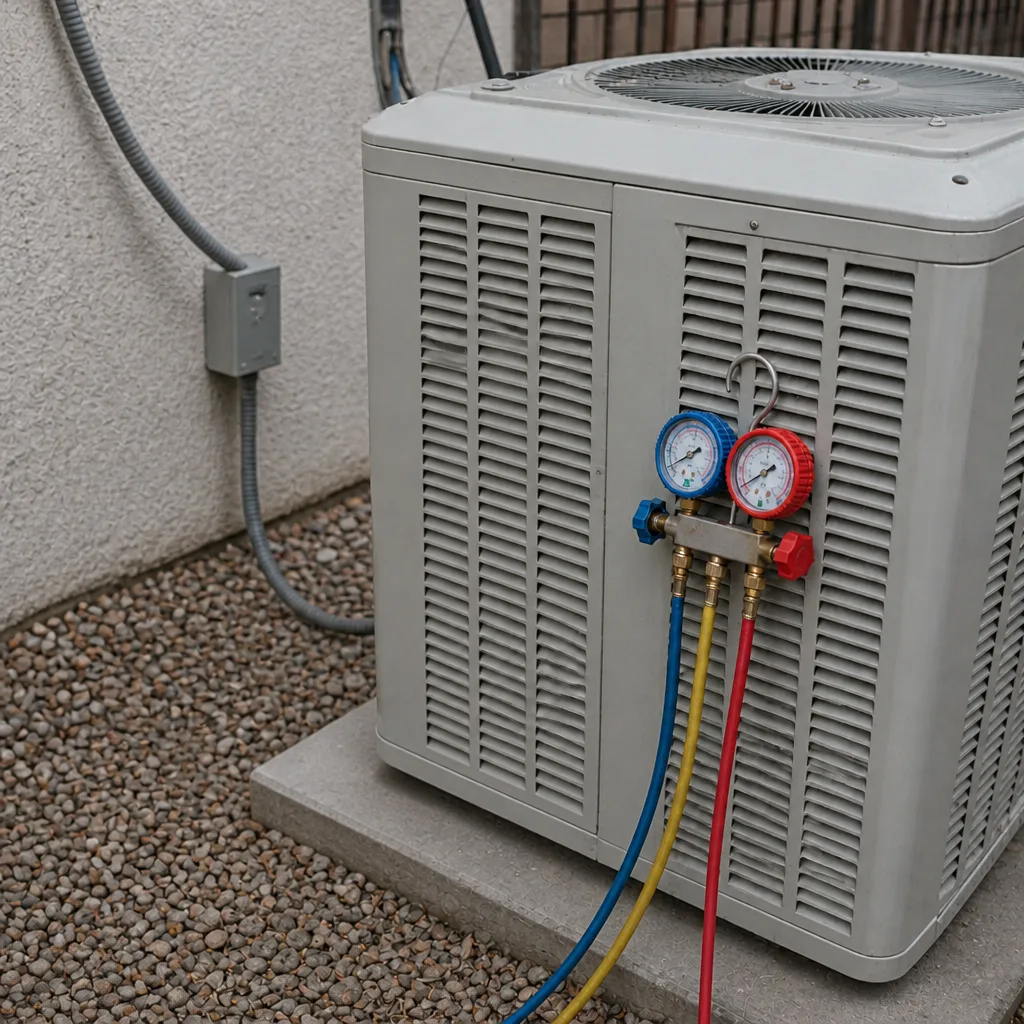
Refrigerant lines shouldn’t have ice on them in July – if they do, that’s an emergency sign, not a monitor sign. Ditto for the indoor coil frosting up. Another tell: a leak makes the system run cool but never cold, and the run cycles get longer. Refrigerant handling is not a homeowner job; it requires gauges, a meter, and a trained technician. If you suspect a leak, don’t add anything yourself. Have it pressure-tested, and get a straight answer on repair versus replace.
Warning Sign 4: The Sounds That Matter and the Ones That Don’t
Not every noise is a problem. We’ve had Whitney homeowners call in a panic over sounds that were cosmetic, and we’ve had people ignore a sound that was a compressor days from failing. Here’s how to sort them.
Sounds that mean imminent compressor failure or serious trouble – call today:
- Loud grinding or screeching from the outdoor unit: failing fan bearing or motor.
- Metal-on-metal clanking: loose or broken internal components.
- Repeated clicking followed by a loud “clunk” and a shutdown: the compressor is drawing locked-rotor current and tripping its protector. This is the classic compressor-failure signature.
- A high-pitched squeal that rises with speed: belts (on older furnaces) or the fan motor.
Sounds that are usually cosmetic or low-priority – monitor:
- A gentle hum or low rumble from the condenser (normal).
- Faint ticking when the unit shuts down (thermal contraction of metal).
- Light tapping or rattling from a panel that needs a screw tightened.
- Whooshing from the vents when the blower starts (normal airflow).
When you hear the scary ones, shut the system off at the thermostat and call. Running a compressor with a bad capacitor or locked rotor is how a $200 repair becomes a $2,000 replacement. This is one area where a live person on the other end of the phone makes a real difference, and that’s exactly what you get when you call Fireside.
Warning Sign 5: Reading Your Power Bill Like a Technician
A rising power bill can mean two completely different things, and homeowners often can’t tell which. One is degrading equipment. The other is a rate increase. You can figure out which on your own bill in about five minutes – and it’s one of the most useful skills in this guide.
How to tell the difference:
- Find your cost per kilowatt-hour (kWh) on the bill – it’s usually printed on the back or in a “rate” column.
- Compare this year’s cost per kWh to the same month last year. If the rate rose, a higher bill may just reflect the rate.
- Now compare your kWh usage for the same months year over year. This strips out rate changes entirely.
- If your usage is climbing 15% or more while your habits and the weather are similar, the equipment is degrading. That’s a real warning sign.
What a degrading-system curve looks like: a slow, steady climb over 12 to 24 months, steepest in July and August, that doesn’t drop back down in mild months like April. What a rate increase looks like: a single step up across every month at once, and flat usage.
In Whitney, that summer usage climb is the one to watch. A long run cycle from low refrigerant or a dirty coil draws power continuously. Catching it early – often with a seasonal tune-up – is how aging systems get 3 to 5 more good years out of a $150 cleaning and a proper charge check.
Warning Sign 6: Dust, Filters, and the Coil Coating Problem
Whitney’s spring and early-summer dust storms are a specific enemy of residential HVAC. Fine desert grit doesn’t just clog your filter – it finds its way into the outdoor condenser coil and packs the fins. Once packed, the coil can’t release heat, the compressor runs hotter, and efficiency falls off a cliff.
The signs that your coil is losing the dust battle:
- Airflow from the indoor vents feels weak even with a fresh filter.
- The outdoor unit feels unusually hot to the touch on the top.
- The system’s run cycles are getting longer through the season.
- You can see visible dust or lint on the outdoor coil fins.
What to do about the filter side, safely: change your filter every 30 to 60 days during Whitney’s dust season, and use the thickness the manufacturer specifies – going too thick or too high a MERV rating can starve airflow. What to leave to a pro: cleaning the outdoor coil. It takes a specific cleaner, low-pressure rinse, and coil comb to do it without bending fins. That’s part of a tune-up, and it’s why the $89 seasonal tune-up pays for itself many times over.
Warning Sign 7: Heating-Side Symptoms Whitney Homeowners Miss
Most of this guide is about cooling, and that fits Whitney. But heat pumps and furnaces fail too, and the warning signs are quieter. Here are the ones that matter in the cooler months.
- A yellow or flickering burner flame (gas furnaces) instead of a steady blue one – have it checked immediately. That’s a safety issue, not a comfort issue.
- A smell of gas anywhere near the furnace or water heater – leave the house and call your gas utility first, then a professional.
- The heat pump runs in defrost mode (steam or occasional fan stop in cold weather) – usually normal; monitor.
- Heat that feels lukewarm or never reaches setpoint – charge, reversing valve, or a failing heat strip. Urgent.
- Strange noises from the furnace – rumbling, booming, or delayed ignition. Urgent.
A properly tuned heat pump is one of the best fits for Whitney’s climate, since it handles both seasons efficiently. If you’re weighing your options, our heat pump & mini split in Whitney guide covers sizing and cost. And for anything with a gas line or burner, always call a trained professional. Never try burner or gas-line work yourself.
Common Mistakes to Avoid
- Assuming a system that never shuts off is just doing its job in the heat. If it can’t cycle off after dark, that’s a warning sign.
- Adding refrigerant without finding the leak. Topping off a leaking system just delays the failure and adds cost.
- Running the unit on a tripping breaker. A breaker that trips when the compressor starts is telling you something is wrong – don’t reset it repeatedly.
- Using a high-MERV filter to fix weak airflow. Thicker or higher-rated filters can make weak airflow worse in old ductwork.
- Ignoring dust-packed coils during Whitney’s wind season. Skipping coil cleaning is the fastest way to shorten compressor life here.
- Chasing the lowest bid. In our experience, the cheapest bid is the one you revisit. A quoted price you can trust and a written guarantee matter more.
- Waiting until failure. An $89 tune-up catches most of the signs in this guide before they become a July emergency.
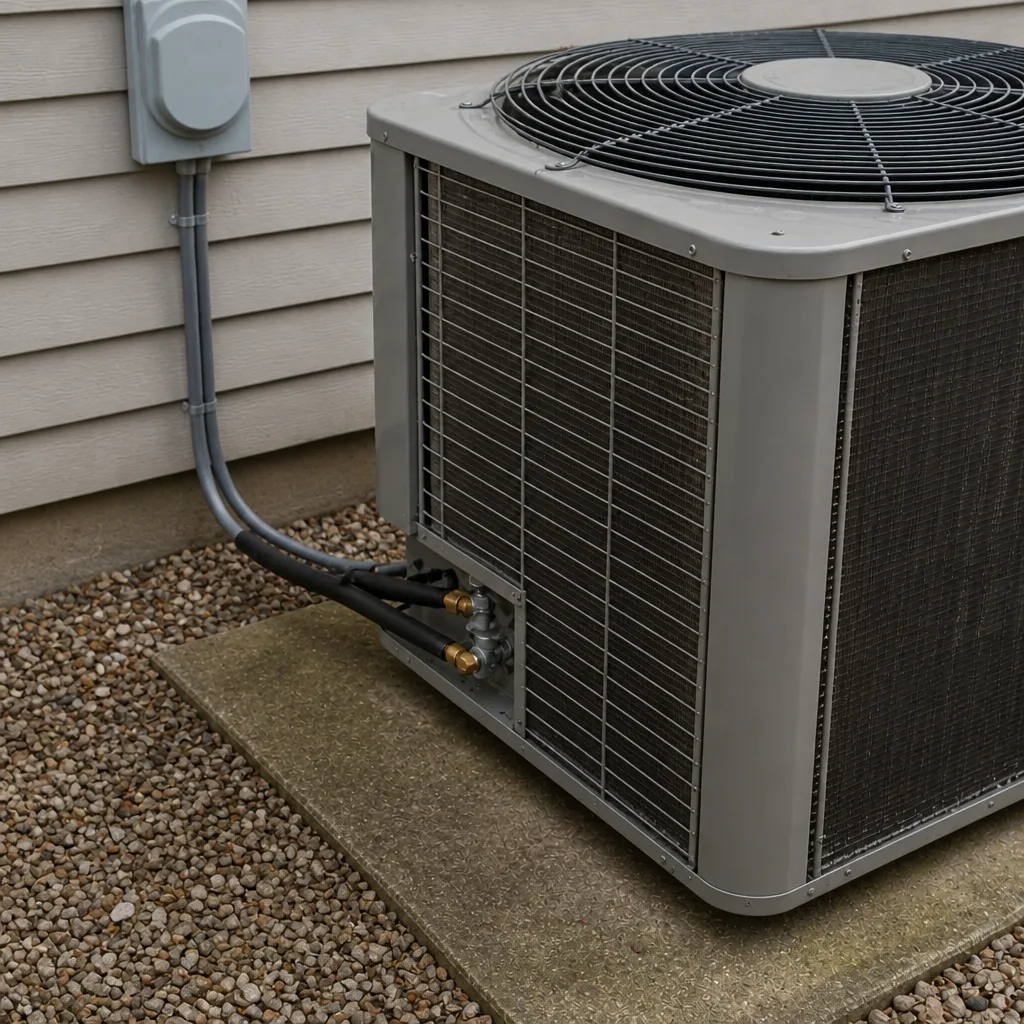
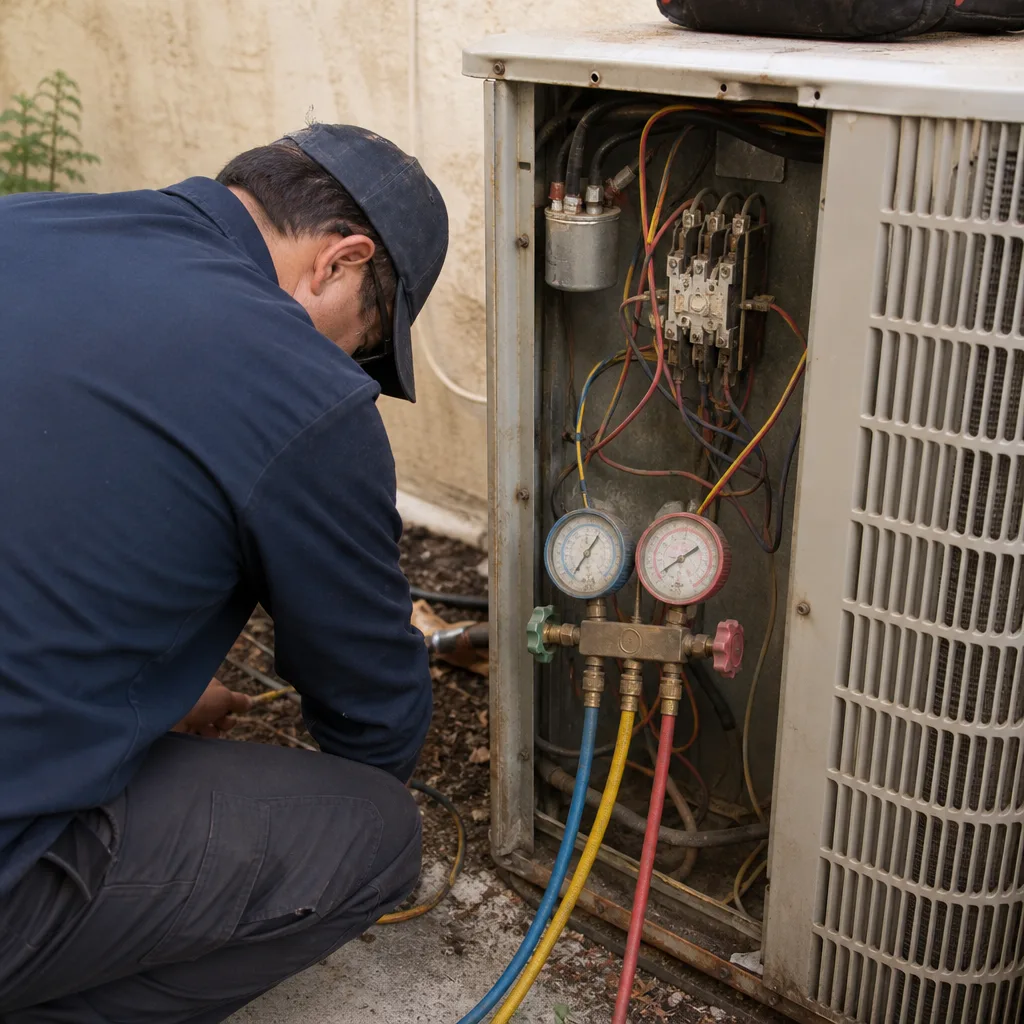
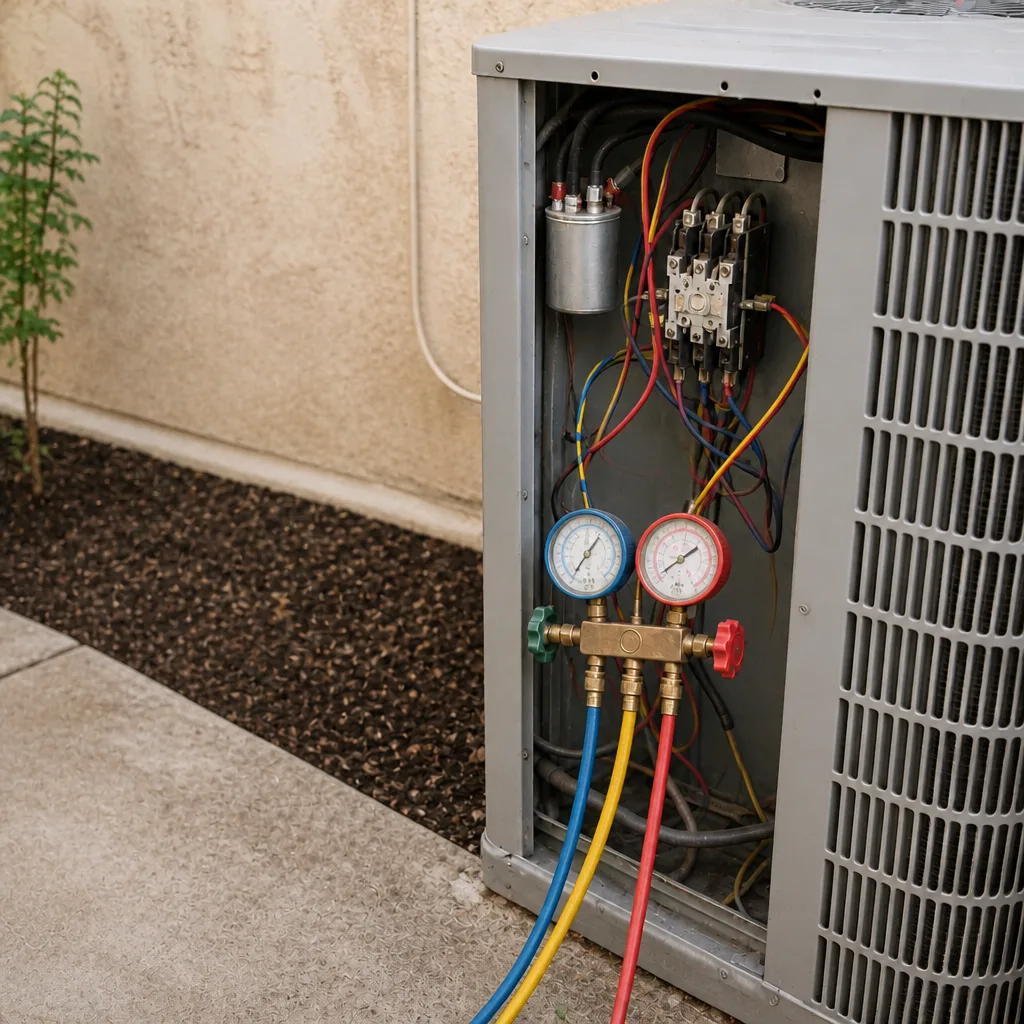
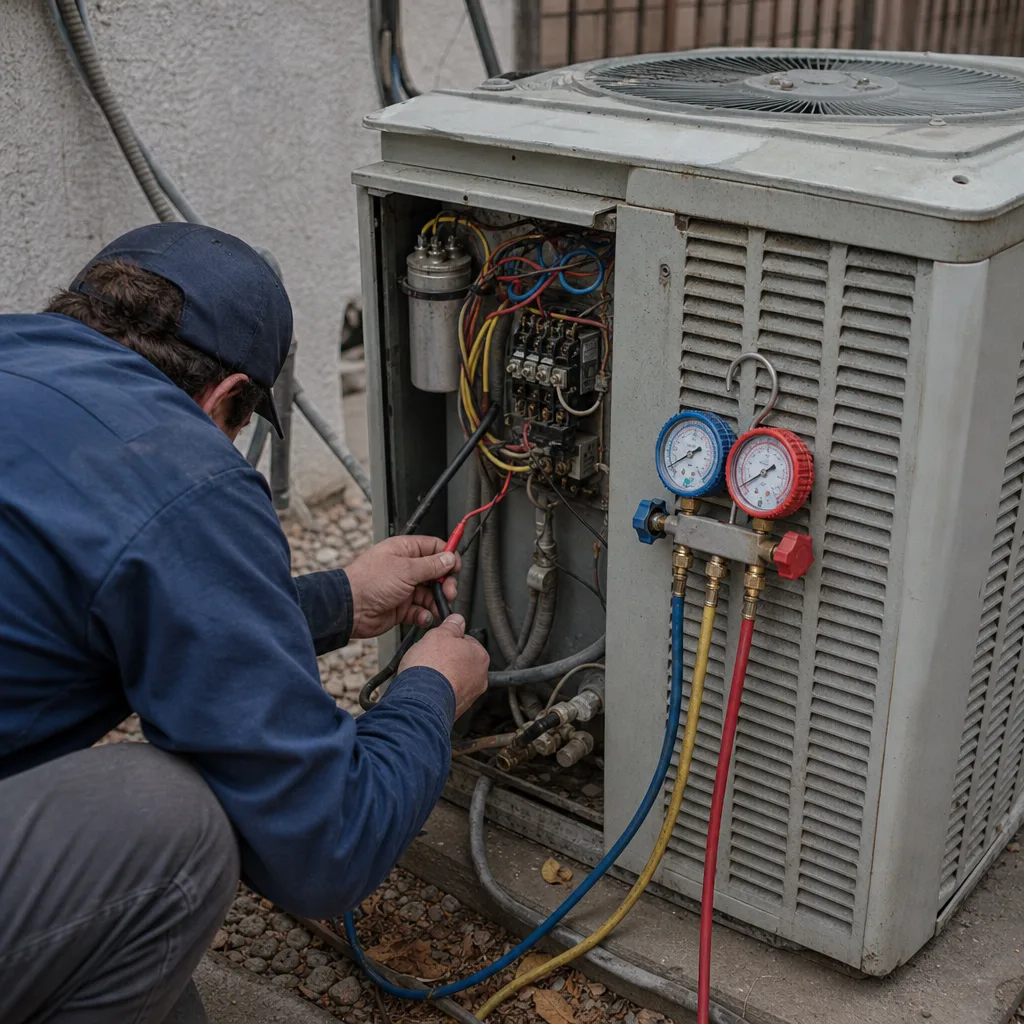
See the difference
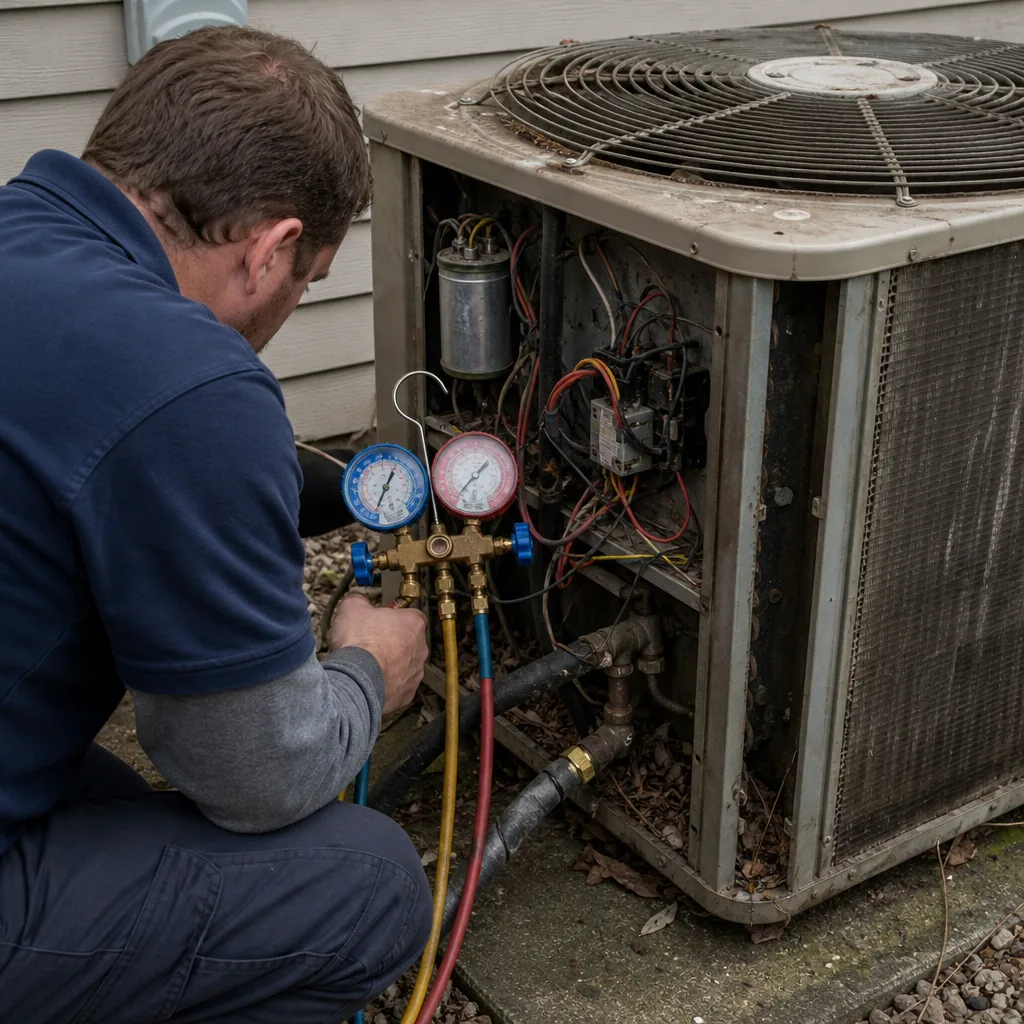 Before
 After
 Before
 After
 Before
 After
When to Call a Professional
Call a professional immediately if you smell gas or burning, see ice on the refrigerant lines or indoor coil, hear grinding or metal-on-metal from the outdoor unit, or your breaker keeps tripping when the system calls for cooling. Call within a day if the system never cycles off, short-cycles in the heat, or your usage has climbed steadily with no rate change. Calls are answered by a live person around the clock, every day of the year. Fireside Heating & Air Co. Whitney offers free estimates in Whitney – call (866) 329-8069. Our technicians are background-checked and work in your home the way they would in their own mother’s. Every job is backed by our 90-Day Done Right Promise.
If you want a broader picture of what a full system check covers, see our Fireside Heating & Air Co. Whitney home page, or dig into the specific service: Heating & Furnace in Whitney for winter-side symptoms.
Frequently Asked Questions
A system that runs continuously without ever shutting off. It’s usually caused by a refrigerant leak or a dirty coil, and it can double your utility bill. Check whether it cycles off after dark – if it doesn’t, call for a diagnosis.
Look for oily residue, a faint chemical smell around fittings, or ice on the copper lines in summer – not just water, which is often normal condensation. Refrigerant work requires trained technicians. A pressure test gives you a definitive answer, and estimates are free – call (866) 329-8069.
Desert heat raises head pressure fast, so a marginal charge, a dirty coil, or a weak capacitor hits the high-pressure limit and trips off within minutes. In Whitney, short cycling is more often a pressure or charge problem than oversizing.
Grinding, screeching, metal-on-metal clanking, or a repeated click followed by a loud clunk and shutdown. That clunk-and-shutdown pattern is the classic compressor-failure signal. Shut the system off and call.
Compare your cost per kWh and your kWh usage for the same month year over year. A rate change steps up every month at once; degrading equipment shows a steady usage climb centered on July and August. Call for a tune-up if usage is climbing – our $89 seasonal tune-up is a good first step.
Repair when the system is under about 10 years old, the repair is affordable, and the issue is isolated. Replace when it’s over 15 years old, needs a compressor or coil, or the repair costs approach half of a new system. We’ll give you a straight answer either way, and our free second opinion on any written estimate helps you compare fairly. Call (866) 329-8069 for an exact quote – estimates are free.
The Bottom Line
Whitney’s climate works your HVAC system hard, and the warning signs here follow the climate. A system that runs forever, short cycles in the heat, ices its lines, grinds, or quietly pushes your bill up month after month is telling you something. Sort each symptom through the triage framework – emergency, urgent, monitor – and act on the emergency and urgent signs right away. Watch the monitor signs and catch them on a tune-up. The cheapest HVAC dollar is the one spent on maintenance and an honest diagnosis before failure. For AC repair and installation in Whitney and heat pump & mini split in Whitney, we’re one call away, with the price quoted being the price paid.
Call Fireside Heating & Air Co. Whitney at (866) 329-8069 for a free estimate. We will be there when we say, done right – or we make it right.
Written by the team at Fireside Heating & Air Co. Whitney.