
Last updated November 18, 2026
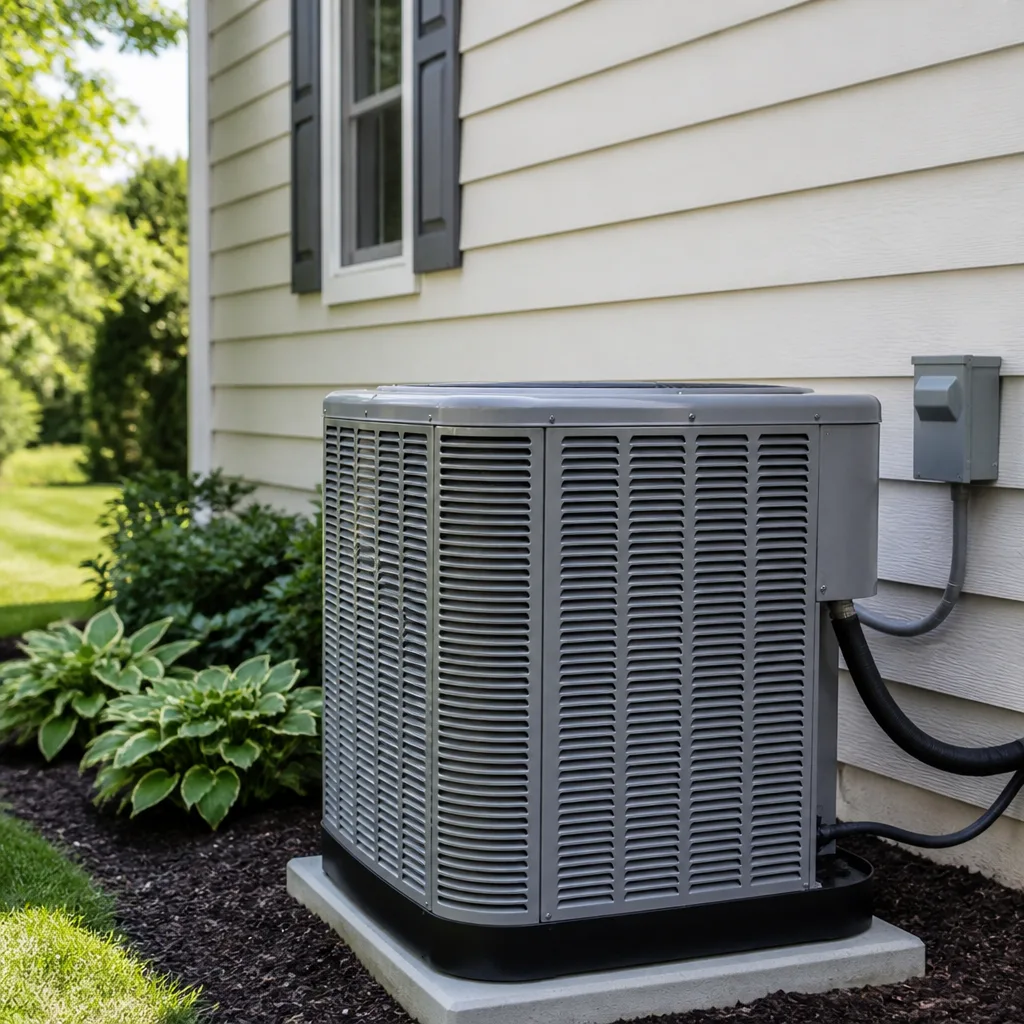 AC repair
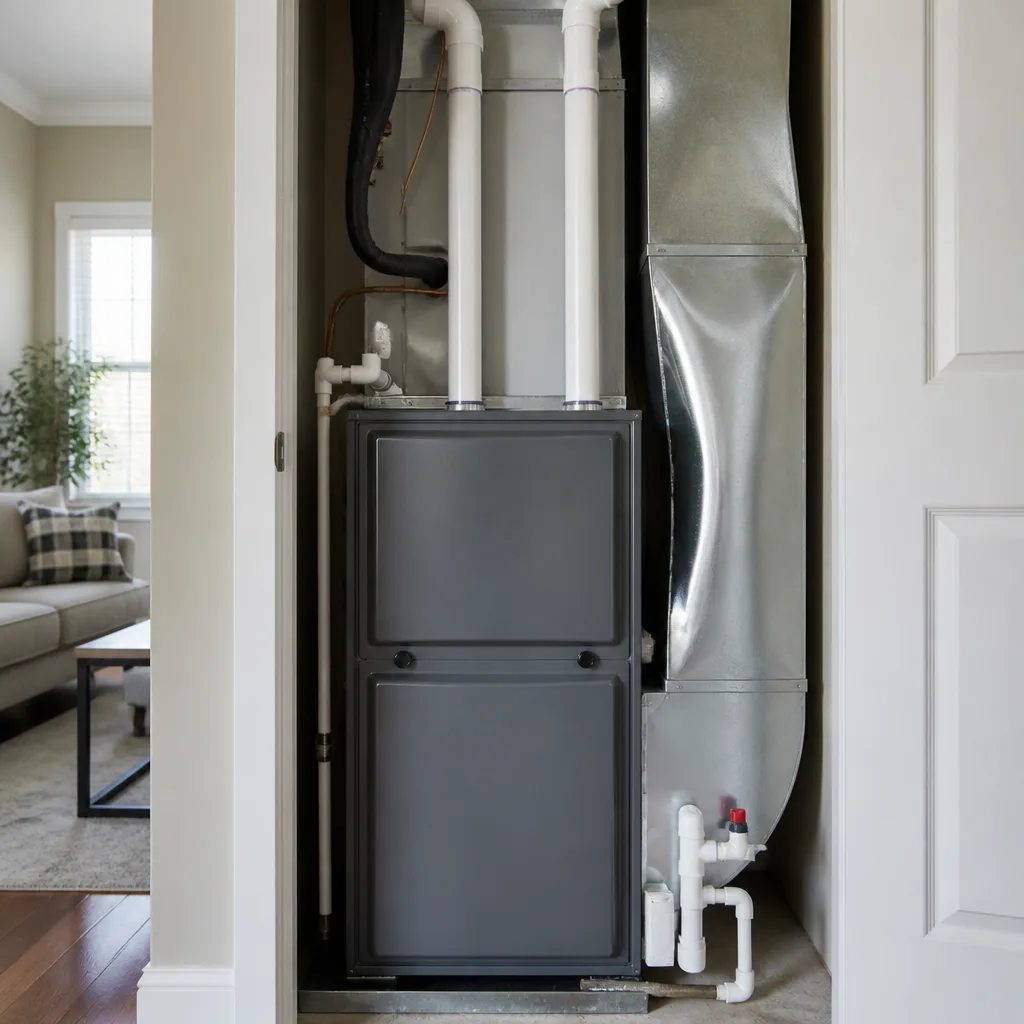 Furnace & heating
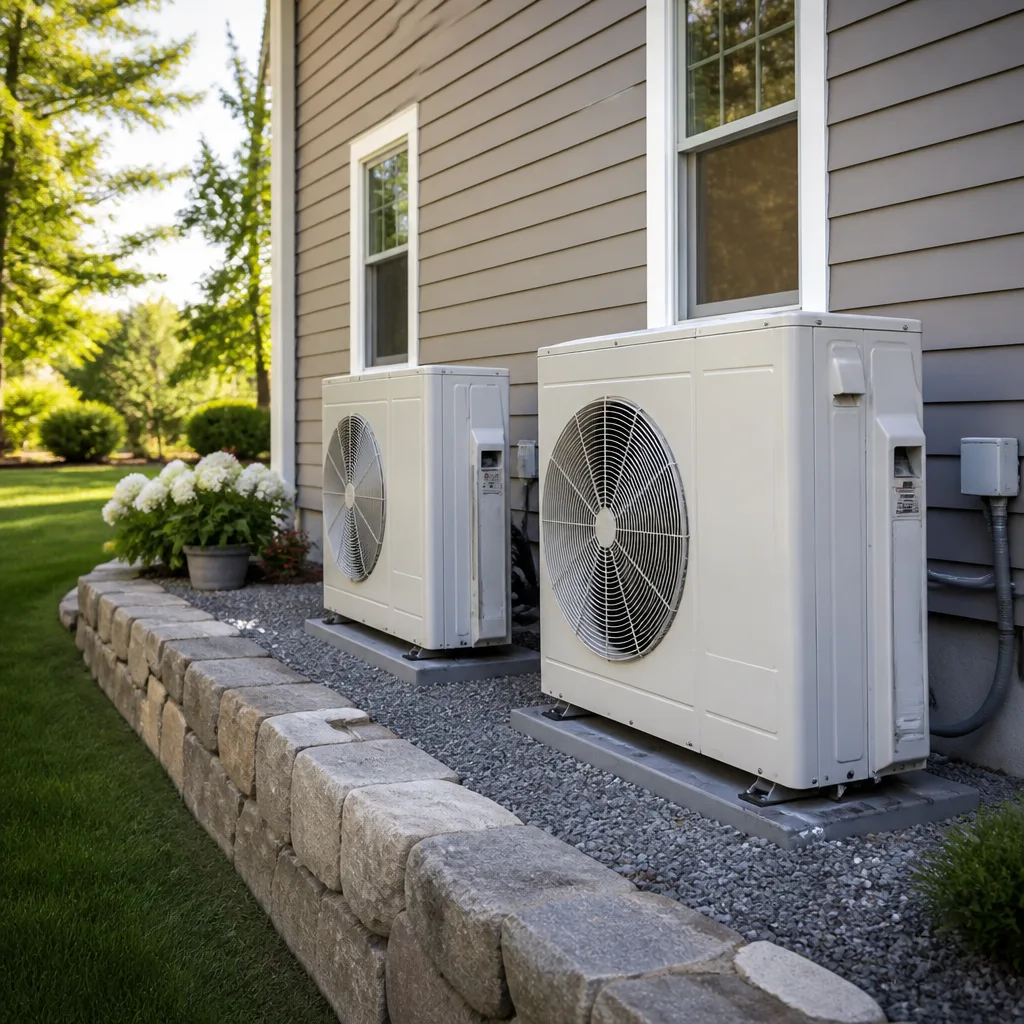 Heat pumps
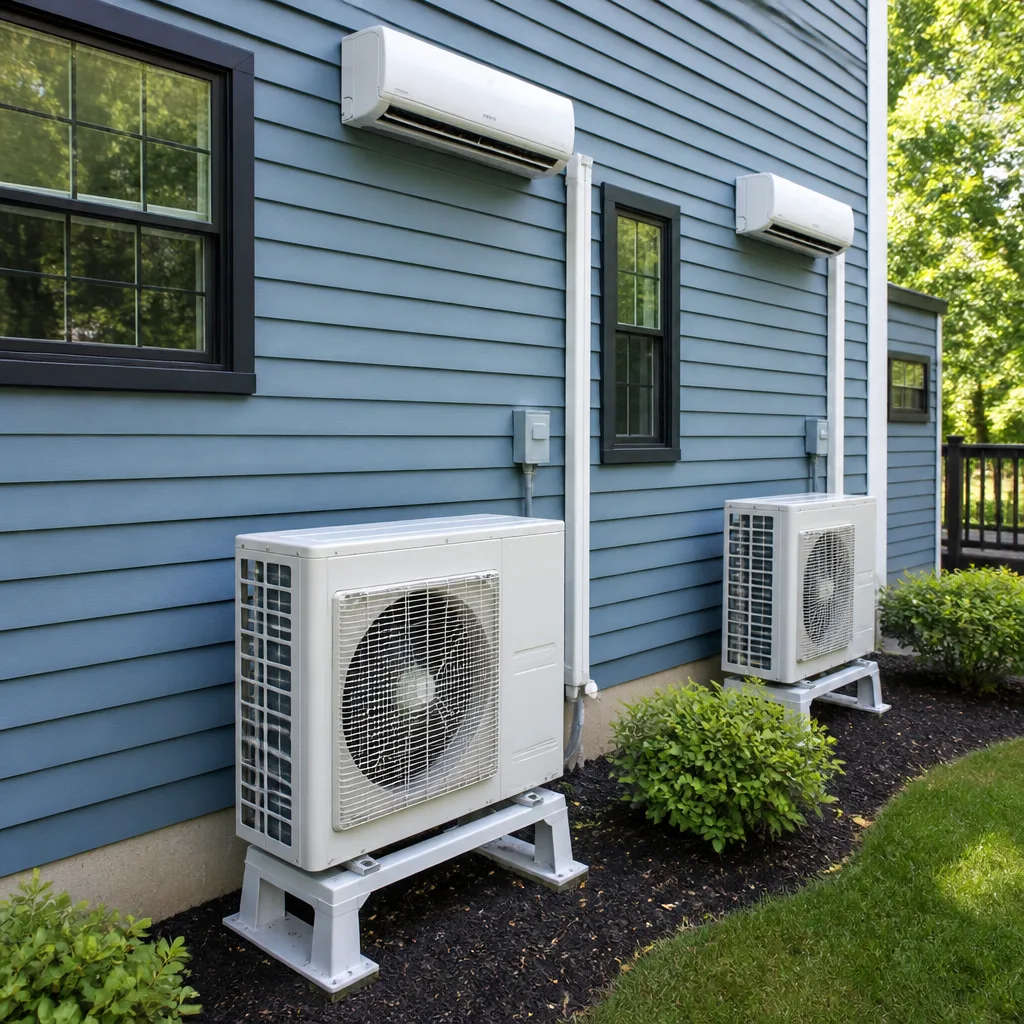 Ductless mini splits
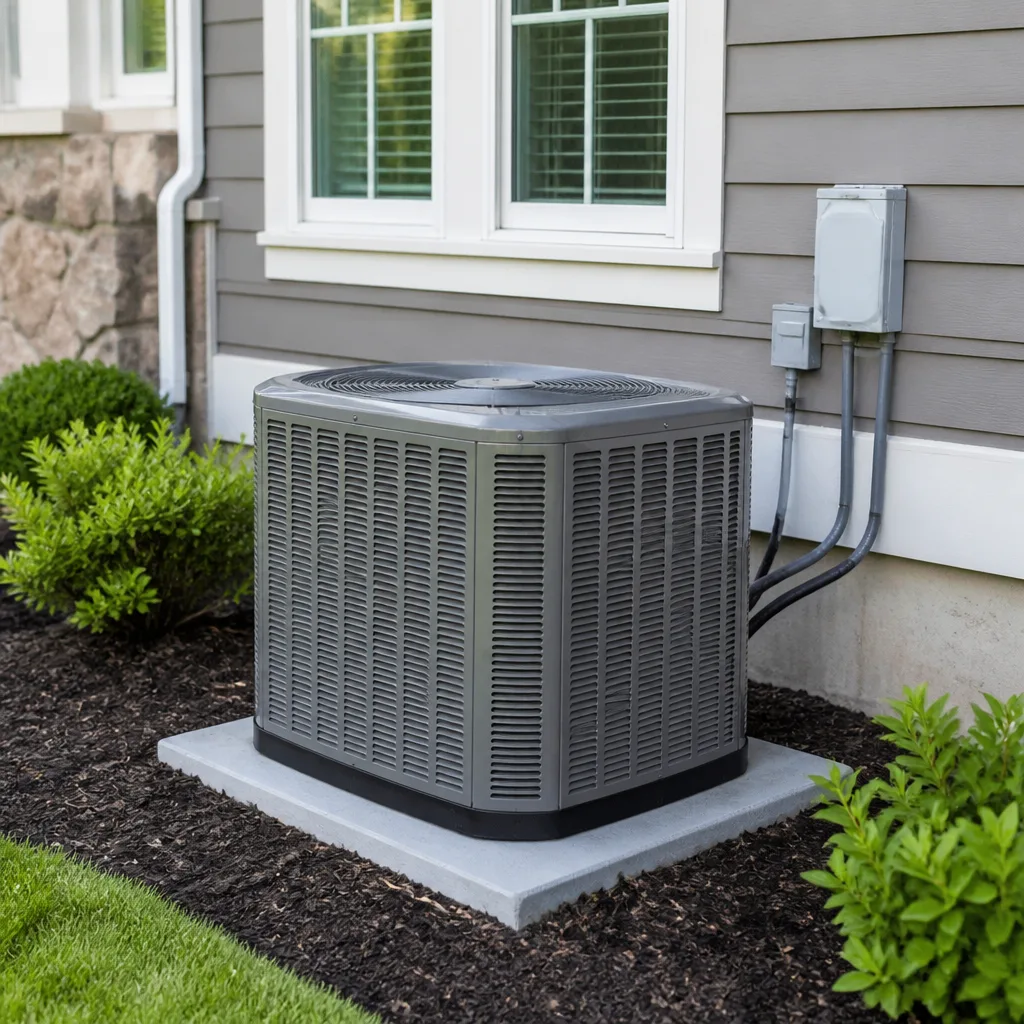 Carrier
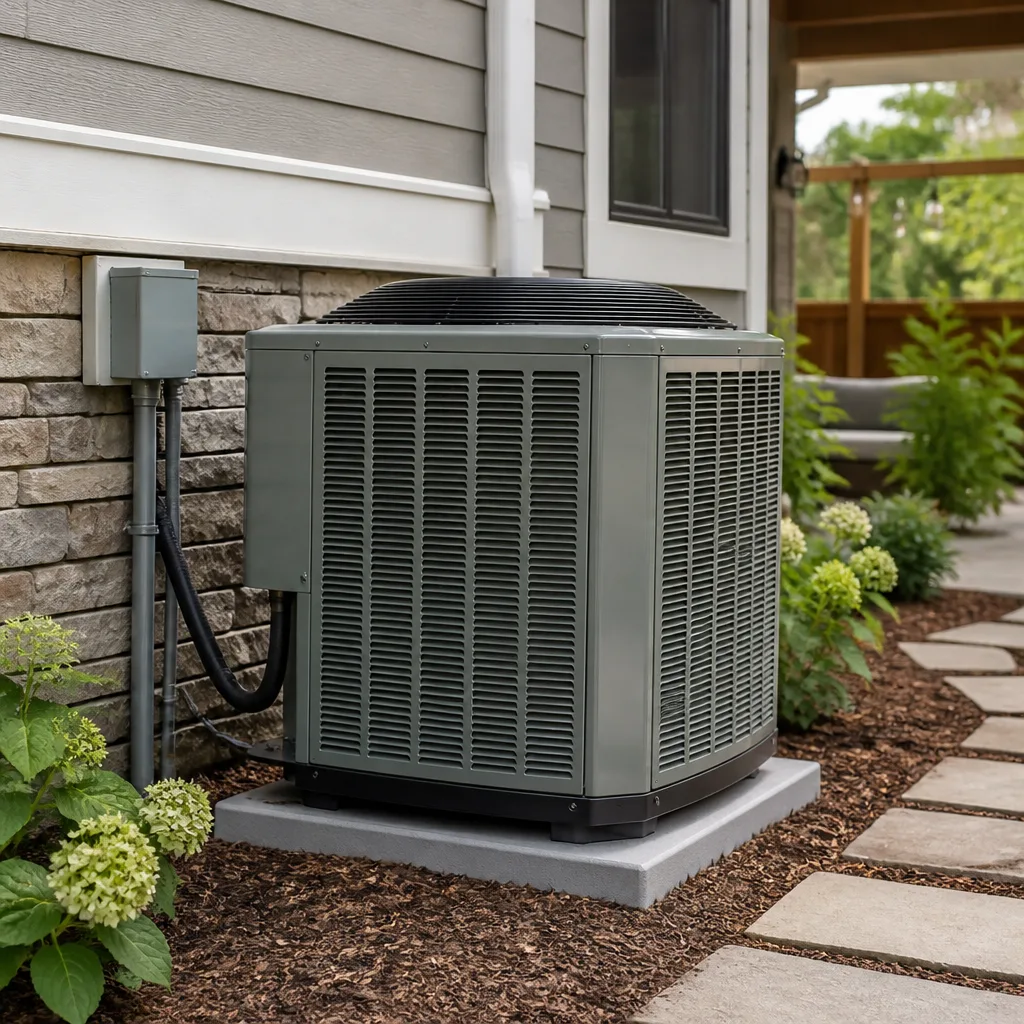 Trane
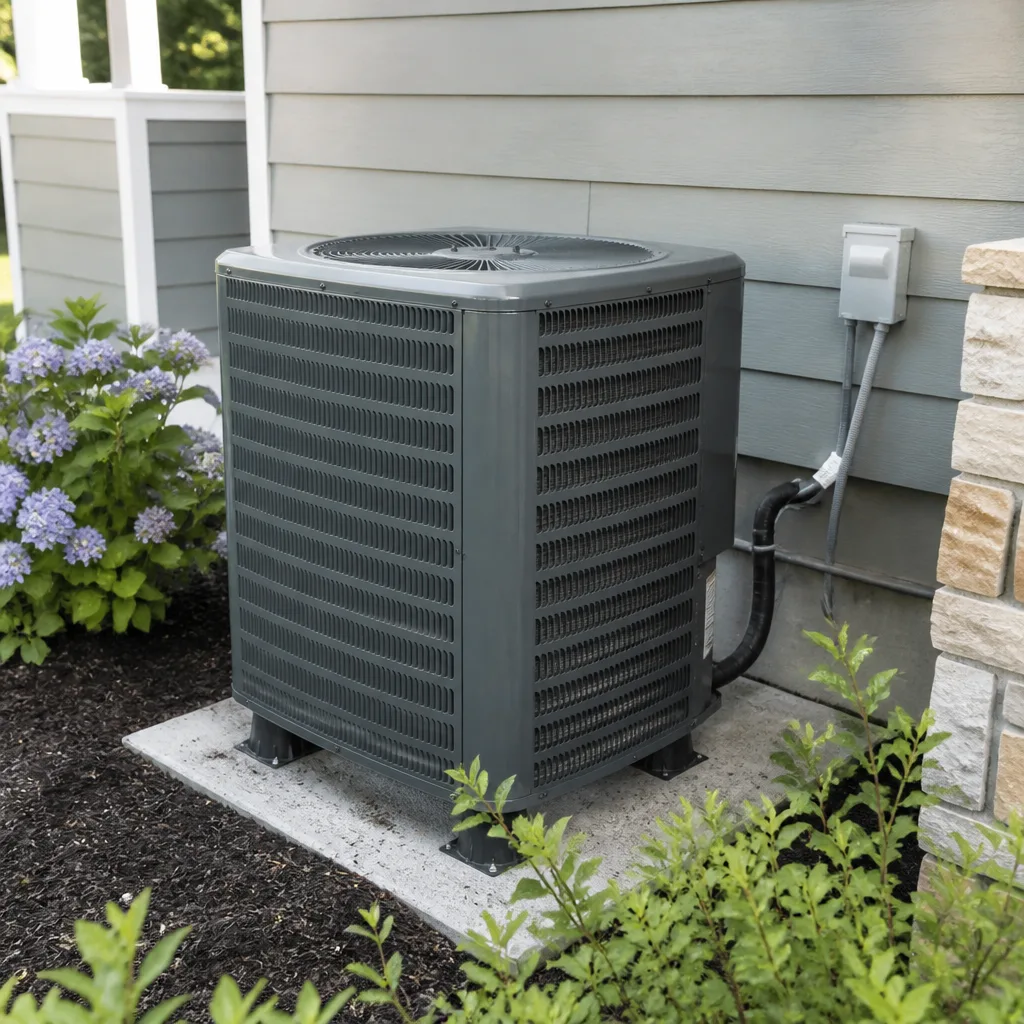 Goodman
Seasonal tune-up and full diagnostic on your Carrier, Trane, or Goodman system - readings shown to you before any repair is proposed
Diagnosis first, numbers second - you approve the repair price before a single part goes in.
Get your free estimateSeasonal HVAC Care for Whitney: Year-Round Homeowner’s Guide
In Whitney, the window to perform meaningful pre-summer HVAC preparation is roughly six weeks long – February through mid-March. After that, you’re doing maintenance on a system already under load, and every repair happens at the worst possible time. Whitney doesn’t have four equal seasons. It has a brutal summer, a mild shoulder period, and a brief winter that still catches equipment off guard. This guide walks you through a care calendar built for that reality, not copied from a generic four-season template. You’ll learn how to front-load the work that matters, what happens to heating equipment during the long idle stretch, and how monsoon dust changes the maintenance schedule.
Quick Answer
Seasonal HVAC care in Whitney should be weighted toward the February-through-mid-March window, when a technician can inspect and service the cooling system before the first sustained heat. Heating equipment needs a brief but real check in late fall, and filters need attention after every monsoon dust event. A mid-summer check at the 60-day mark of continuous cooling saves more money than a fall tune-up done after the system has already struggled.
Styles & brands we work with
- AC repair
- Furnace & heating
- Heat pumps
- Ductless mini splits
- Carrier
- Trane
- Goodman
Table of Contents
- The Whitney HVAC Care Calendar at a Glance
- Why Pre-Summer Prep Happens in February, Not May
- What Happens to Your Heating System in the 10 Idle Months
- Monsoon Dust Events and Your Filter and Coil Response
- The Case for a 60-Day Mid-Summer Check
- What Winterizing Actually Means in Whitney
- Using the Shoulder Season to Catch What Summer Hid
- Common Mistakes to Avoid
- When to Call a Professional
- Frequently Asked Questions
The Whitney HVAC Care Calendar at a Glance
Most homeowners in Whitney think about their HVAC twice a year: when it breaks and when the bill arrives. A care calendar that actually fits this climate front-loads the heavy work into late winter and treats the rest of the year as short, targeted checkpoints. Here’s what that looks like month by month.
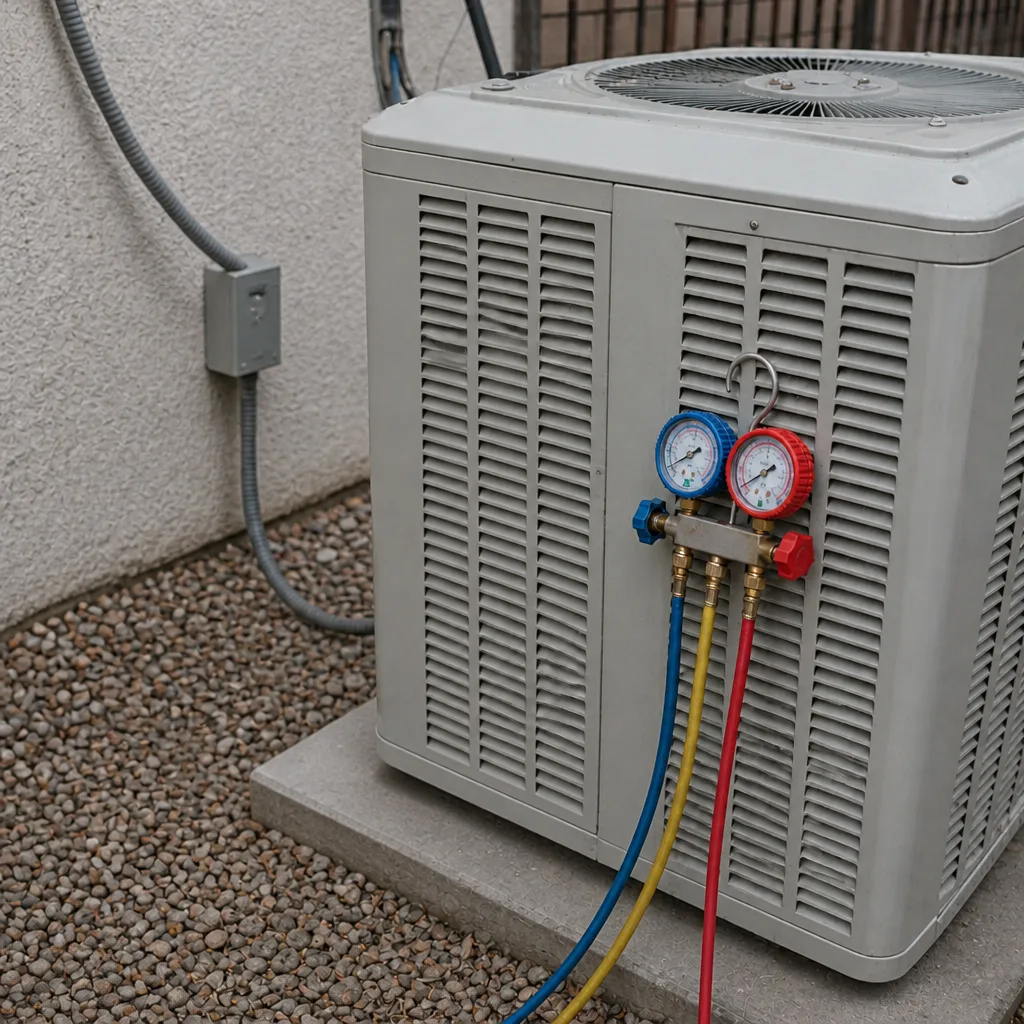
- Early February: Schedule the pre-summer service. This is the slot that matters most. A technician cleans the condenser coil, checks refrigerant charge, tests the capacitor and contactor, and verifies airflow before the system runs under load.
- Late February through mid-March: Complete any needed repairs. Parts availability is better, scheduling is easier, and you’re not competing with every other Whitney household calling the first week the temperature hits triple digits.
- April: Replace the filter and clean any dust from the return grilles. Run the system for a full cycle to confirm the work held.
- June through July: At the 60-day mark of continuous operation, do a filter change and a quick visual check at the outdoor unit.
- Late September: Post-monsoon filter change and coil inspection. This is when dust that made it past the filter shows up on the evaporator coil.
- Late October: Heating check. This is the brief cool-season service window – verify the furnace or heat pump before overnight lows start stress-testing it.
- December through January: Filter changes as needed and a listen-and-look at the system. No scheduled service required.
That schedule runs about two scheduled visits a year and a handful of fifteen-minute homeowner tasks. For a closer look at what happens during a full AC service visit, see our AC Repair & Installation in Whitney page.
Why Pre-Summer Prep Happens in February, Not May
May feels like the logical time to prep your AC. In Whitney, it’s too late. By late May, the system has already been running for weeks of shoulder-season use, and technicians are booked solid. The homeowners who call in February get a clean condenser coil, a verified refrigerant charge, and any failed parts replaced before the equipment has to work hard. The homeowners who call in June get the same service, but they pay for it during a heat event.
What happens during a February service matters more than the timing. A proper pre-summer tune-up covers:
- Condenser coil cleaning. In Whitney, the coil collects fine desert dust and cottonwood debris. A clogged coil raises head pressure and shortens compressor life.
- Refrigerant charge verification. Low charge on a Rheem or Bryant system is often a slow leak, not just a seasonal drop. Catching it in February gives you time to find the leak instead of topping off under duress.
- Capacitor and contactor testing. These are the two parts that fail most often on the first hot day. A $30 capacitor tested in February is a five-minute fix. The same capacitor failing on a July afternoon is an emergency call.
- Airflow and duct check. A restricted return or a crushed flex duct in the attic means the system works twice as hard for half the cooling.
- Thermostat calibration. Small calibration errors translate into big energy bills across a Whitney summer.
If your system is older and you’re weighing repair against replacement, February is also the honest month for that conversation. See our Heating & Furnace in Whitney page for the parallel argument on the heating side.
What Happens to Your Heating System in the 10 Idle Months
In Whitney, the heating system runs for a few weeks in winter and sits mostly idle the rest of the year. That’s a problem, because HVAC equipment doesn’t age well when it isn’t used. The most common failure modes we see on underused heating systems are predictable:
- Dust accumulation on the burners and heat exchanger. A furnace that hasn’t fired since February collects enough dust by October to trip a flame sensor or clog the burners.
- Pilot or ignition control failures. Electronic ignition modules and flame sensors oxidize. The oxidation isn’t visible, but the unit won’t light.
- Blower motor bearing dry-out. Sealed bearings should be fine, but older motors and belt-driven blowers can seize from disuse.
- Heat exchanger cracks. Thermal cycling on a heat exchanger that only runs a few weeks a year can stress welds, especially on older units.
- Rodent and insect intrusion. That’s not a winter problem in Whitney; it’s a spring and summer problem. Rodents nest in idle equipment and chew wiring.
- Duct leakage that dries out. Flex duct seals shrink when dry. You won’t notice until the first cold snap.
The fix isn’t to run the heater every month. The fix is a single heating service call in late October that catches all of this before the first cold night. A furnace or heat pump that gets one annual check will typically run for the life of the equipment without a single surprise failure.
A heat pump deserves a separate mention. If you’re running a Daikin or York heat pump in Whitney, the system works both seasons and has a reversing valve that needs to be exercised. Heat pump maintenance in the shoulder season matters more than on a furnace, because the reversing valve and defrost controls sit idle for months between cooling and heating cycles. Our Heat Pump & Mini Split in Whitney page goes deeper on the specific service points.
Monsoon Dust Events and Your Filter and Coil Response
Whitney sits close enough to the open desert that monsoon-season dust events push visible dust into every corner of a house, and into the HVAC system with it. The typical July or August dust storm loads a standard 1-inch pleated filter in under a week. The dust you can see is a fraction of what’s actually moving through the system.
The response protocol should be short and specific:
- Change the filter within 48 hours of any visible dust event. Don’t wait for the scheduled filter change. A loaded filter restricts airflow, which raises coil temperature and lowers system efficiency for weeks.
- Inspect the outdoor condenser coil for visible dust. A light spray from a garden hose (never a pressure washer) clears most surface dust. If the coil still looks dull or matted, call for a coil cleaning.
- Check the return grilles. Dust that bypasses the filter at a poor-fitting grille ends up on the blower wheel and evaporator coil. Secure loose grilles and seal gaps with foam weatherstrip.
- Repeat the filter change after the monsoon pattern ends in early September. The dust that settles in the system after the last event will shorten the coil’s life if it stays there through the winter.
Higher-MERV filters help, but with a caveat: a filter that’s too restrictive on a Whitney system with marginal ductwork will reduce airflow and cost more than it saves. A MERV 8 to MERV 11 pleated filter is the practical ceiling for most residential systems here. If you’re dealing with persistent dust inside the house, the filter is often not the real problem; a duct inspection usually finds the cause.
The Case for a 60-Day Mid-Summer Check
The standard advice is a pre-season tune-up and a fall tune-up. In Whitney, that leaves a roughly four-month gap in the middle of the hardest-working part of the year. A mid-summer check at the 60-day mark of continuous cooling operation catches problems that wouldn’t show up in February or October.
What’s the case for it? Three things:
- The filter needs changing. In Whitney’s dust load, a filter that starts the season clean is loaded by July. A plugged filter means restricted airflow and higher compressor head pressure.
- The outdoor unit needs a debris check. Cottonwood, palm debris, and yard trimmings collect around the condenser over a full season of fan operation. A clogged coil on a 110-degree afternoon is how compressors fail.
- Refrigerant issues appear in the heat. A system that held its charge in February can show a slow leak in July. Catching it at the 60-day mark means a repair; catching it in September means a failed compressor.
The mid-summer visit is usually a filter change, a condenser coil check, and a fifteen-minute visual. It’s the cheapest service call on the annual calendar and prevents the most expensive failure mode. If you have a service agreement, this visit is often already included.
What Winterizing Actually Means in Whitney
“Winterizing” in most of the country means draining pipes and protecting condensate lines from hard freezes. In Whitney, overnight lows typically stay mild enough that a full freeze-protection protocol is overkill, but two specific things still matter.
Heat exchanger stress. The brief cold snaps that do hit Whitney – usually a handful of nights in December and January with lows in the 20s or 30s – are when a heat exchanger does its hardest work. The stress of going from cold to full heat in a single cycle, and back, is the wear pattern that cracks older heat exchangers. A late-fall inspection catches the small cracks before they become a carbon monoxide issue. That inspection is not optional on older equipment; it’s a safety check.
Condensate line protection. Even a single overnight freeze can crack a PVC condensate drain line that’s routed through an uninsulated attic. The repair is cheap; the water damage from a cracked line is not. A five-minute visual check in late November, or a request during the heating service call, covers it.
Beyond those two items, winterizing in Whitney is mostly about making sure the heating system is clean and ready. The system is not going to run for four months straight; it’s going to run hard for a few nights. That’s a different kind of maintenance, and it’s why the late-fall heating service matters more than the calendar suggests.
Using the Shoulder Season to Catch What Summer Hid
The weeks between the end of cooling season and the start of the first heating runs (typically late September through late October in Whitney) are the only time of year when the system is off for more than a day. That makes them the right window for the work that requires the system to be down.
Things that belong in the shoulder season:
- Coil cleaning. A full evaporator coil cleaning requires access and the system to be off. It’s also the single most impactful efficiency improvement on a system that’s been through a Whitney summer.
- Duct inspection and sealing. Duct leakage shows up most clearly when the system isn’t running and you can feel the temperature differential.
- Refrigerant leak search. If the system lost charge over the summer, the shoulder season is the right time to find and fix the leak rather than top it off.
- Filter and grille replacement. The shoulder season is when the right replacement filter can be chosen for the coming year.
- Repair-or-replace evaluation. If a system is on its last legs, the shoulder season is when there’s no urgency to make a decision under pressure.
If your system is a heat pump or a mini-split, the shoulder season is also when the reversing valve, defrost controls, and outdoor fan should be exercised. Those components work in both directions, and they’re the most common source of heat pump failure in Whitney. If you want the full picture on how these systems work here, the Heat Pump & Mini Split in Whitney page covers it.
Common Mistakes to Avoid
- Waiting until May to schedule the AC tune-up. In Whitney, May scheduling is booked solid and the system has already been running for weeks. Book in February and the visit is easy and the parts are available.
- Skipping the heating check because “it never gets cold here.” The heating system that runs three weeks a year is the system most likely to fail on the one night you need it. The late-fall check is what prevents the surprise.
- Using a high-MERV filter on a system with marginal ductwork. A MERV 13 filter on a Whitney system with undersized returns restricts airflow and can cost more in compressor wear than it saves in dust.
- Ignoring the filter after a dust event. A single July dust storm can load a filter in under a week. Changing it the following Saturday is not too early.
- Assuming a system that cooled fine in June is fine in August. The slow refrigerant leak and the failing capacitor both show up after 60 days of continuous operation. The mid-summer check is what catches them.
- Running the AC with a clogged outdoor coil to “save the service call.” The service call is cheap compared to the compressor replacement the clogged coil causes. In Whitney’s summer heat, the coil doesn’t have slack.
- Top-off refrigerant instead of finding the leak. A system that needs a top-off is a system with a leak. Topping off without a leak search means you’ll be doing it again next year, and the leak only gets worse.
When to Call a Professional
Some seasonal care is a homeowner task: filter changes, clearing debris from the outdoor unit, sealing a loose return grille. But several things belong with a licensed technician. Call a professional if the system trips the breaker during a heat cycle, if the airflow at the vents has dropped noticeably, if there’s any hissing or oil residue around refrigerant lines, if the heating system makes a popping or rumbling noise on startup, or if the system runs but doesn’t heat or cool. These are the signals that something is failing, not just performing poorly.
Gas-fired heating equipment is not a DIY category. Any work on the burners, heat exchanger, or gas valve carries real carbon monoxide risk and belongs with a trained technician. At Fireside Heating & Air Co. Whitney home, we send a live person to answer the phone every hour of every day, and our technicians are trained on Rheem, York, Bryant, and five other major brands. Fireside Heating & Air Co. Whitney offers free estimates in Whitney – call (866) 329-8069.
Frequently Asked Questions
A standard seasonal tune-up in Whitney typically runs between $89 and $180 depending on the equipment and what’s included. Fireside Heating & Air Co. Whitney offers an $89 seasonal tune-up, and current offers include $50 off any repair over $250. Call (866) 329-8069 for an exact quote – estimates are free.
Every 60 to 90 days under normal Whitney conditions, and within 48 hours of any visible dust event. That’s shorter than the national average because of how much dust moves through this valley during monsoon season. Homeowners with pets or allergies should lean toward the 60-day end of that range.
Yes, and it’s arguably more important than the AC tune-up. A heating system that runs only a few weeks a year is the most likely to fail on the night you actually need it, because the components sit idle and oxidize. A single late-October inspection catches the common failures before they become emergencies.
We prioritize same-day service on no-cool calls during the summer, and our phone is answered by a live person every hour of every day. Call (866) 329-8069 – we’ll tell you honestly when we can be there, and we don’t quote a time we can’t hold.
If the system is over 15 years old and has had two or more significant repairs in the last three years, replacement is usually the better call. If the system is younger and the repair is a capacitor, contactor, or blower motor, repair is the obvious answer. We give a free second opinion on any written estimate before you commit to a replacement. Call (866) 329-8069.
Change the filter within 48 hours, check the outdoor condenser coil for visible dust, and secure any loose return grilles. If the coil looks matted or the system’s airflow feels weaker than normal after the storm, schedule a coil cleaning. The service call costs a fraction of what a clogged coil does to a compressor. Call (866) 329-8069 for an exact quote – estimates are free.
The Bottom Line
Whitney’s climate doesn’t reward a four-season approach to HVAC care. It rewards front-loading the work into the February-to-mid-March window, watching the filters through monsoon season, and treating the shoulder season as the only realistic time for the deeper cleaning and repairs. The heating system matters most in the brief, cold weeks of winter – which is exactly why a late-fall inspection is worth more than the calendar suggests. A live person answers our phone at any hour, we quote a price and stand behind it in writing for 90 days through the Done Right Promise, and we’ve been doing this in the local community for over 42 years. Call (866) 329-8069 for a free estimate.
Written by the team at Fireside Heating & Air Co. Whitney.
See the difference
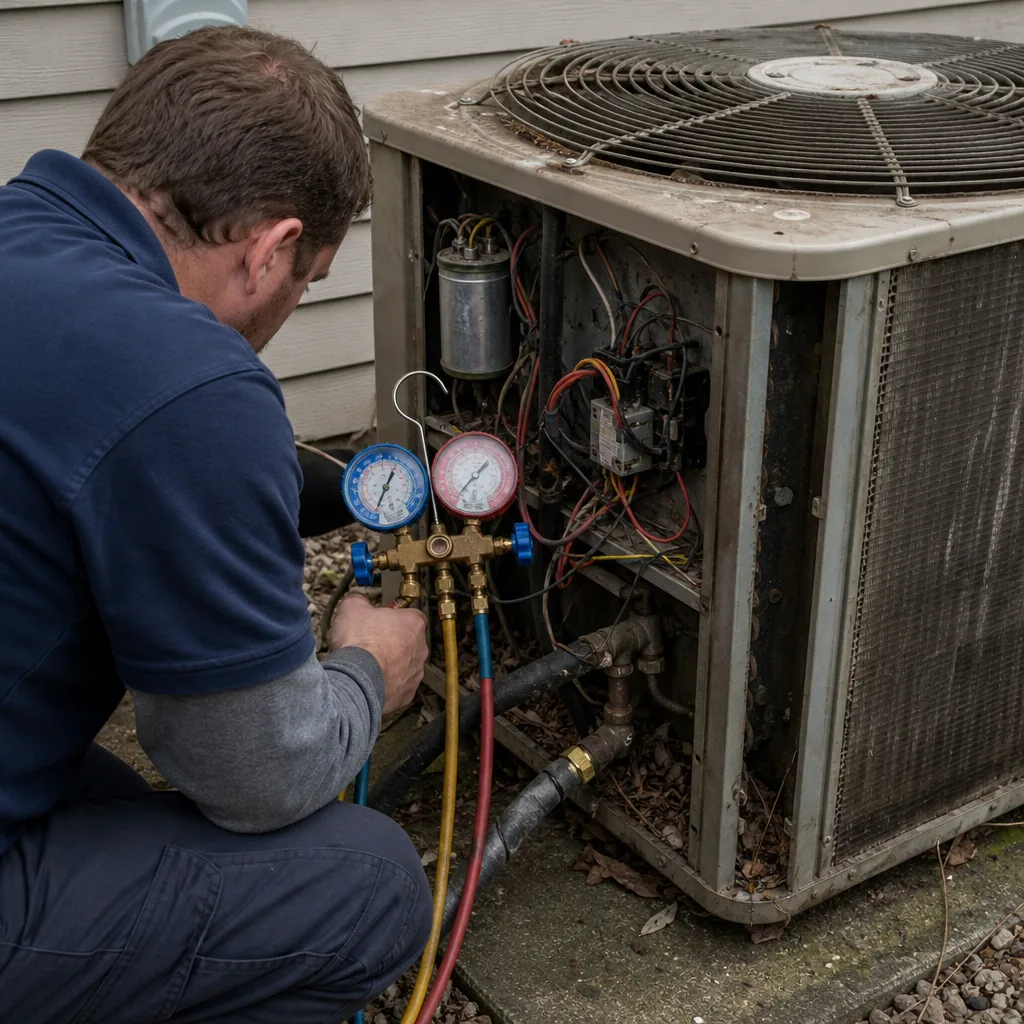 Before
 After
 Before
 After
 Before
 After