
Last updated November 18, 2026
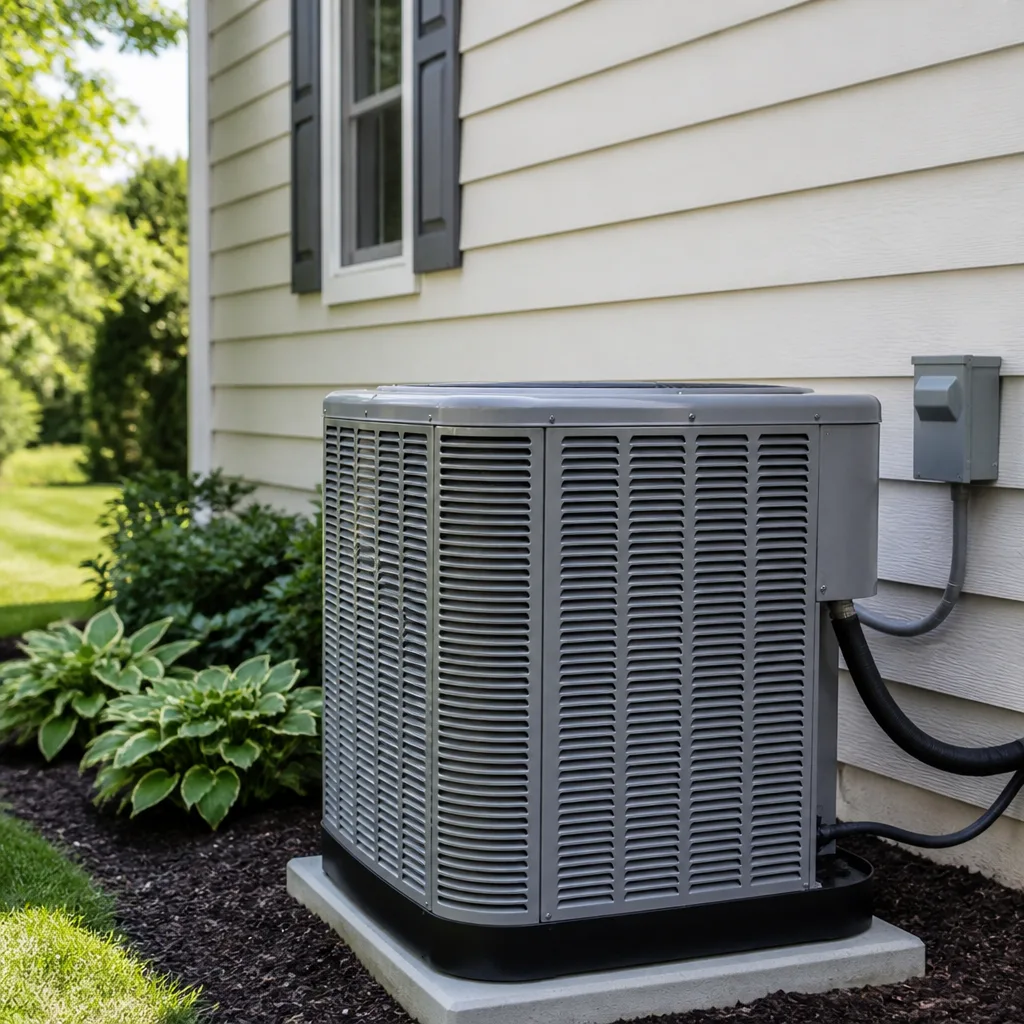 AC repair
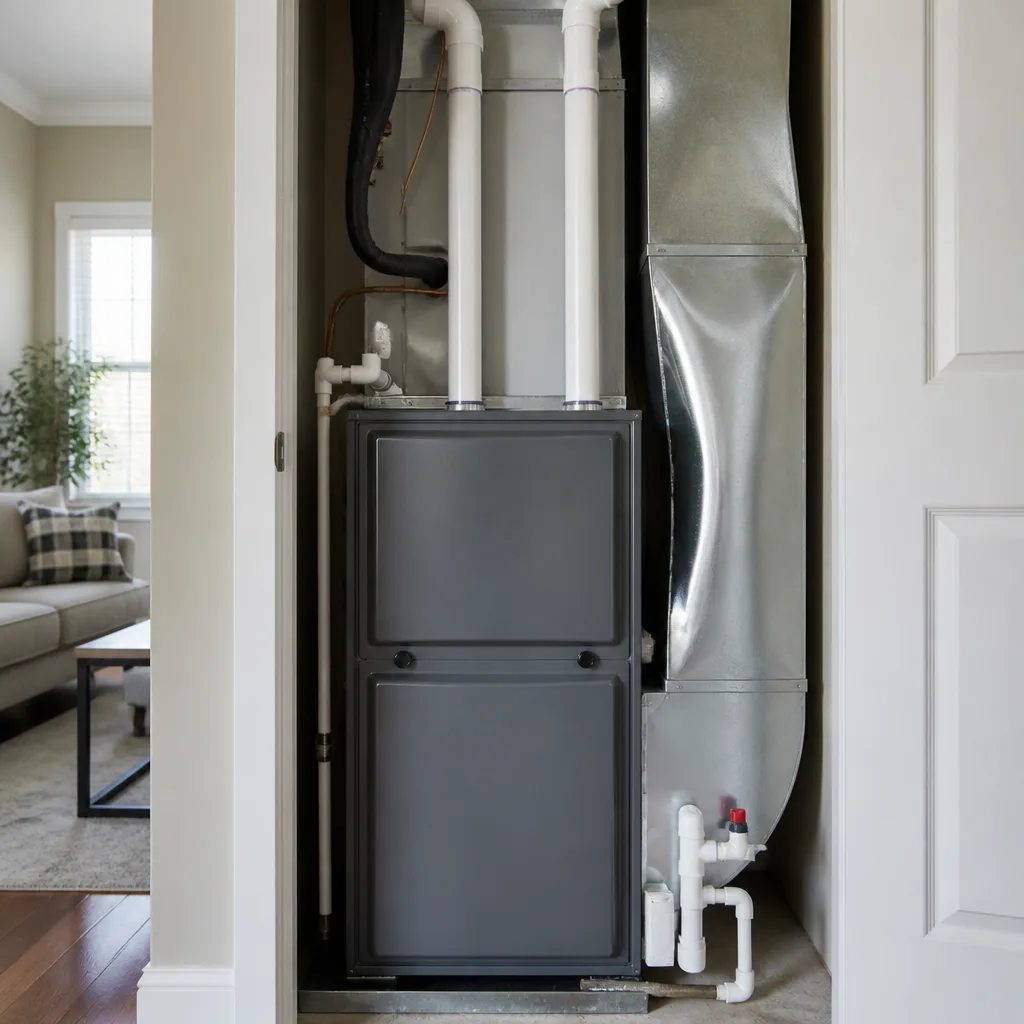 Furnace & heating
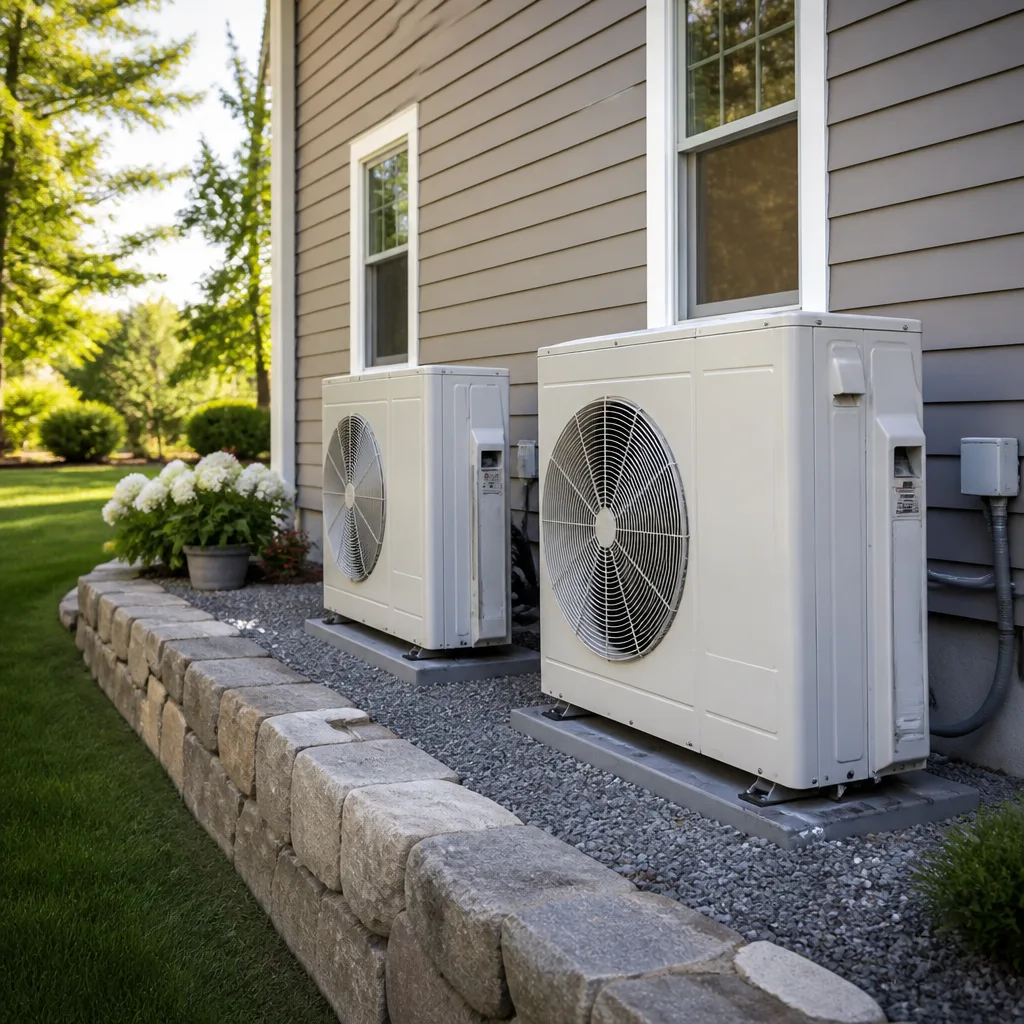 Heat pumps
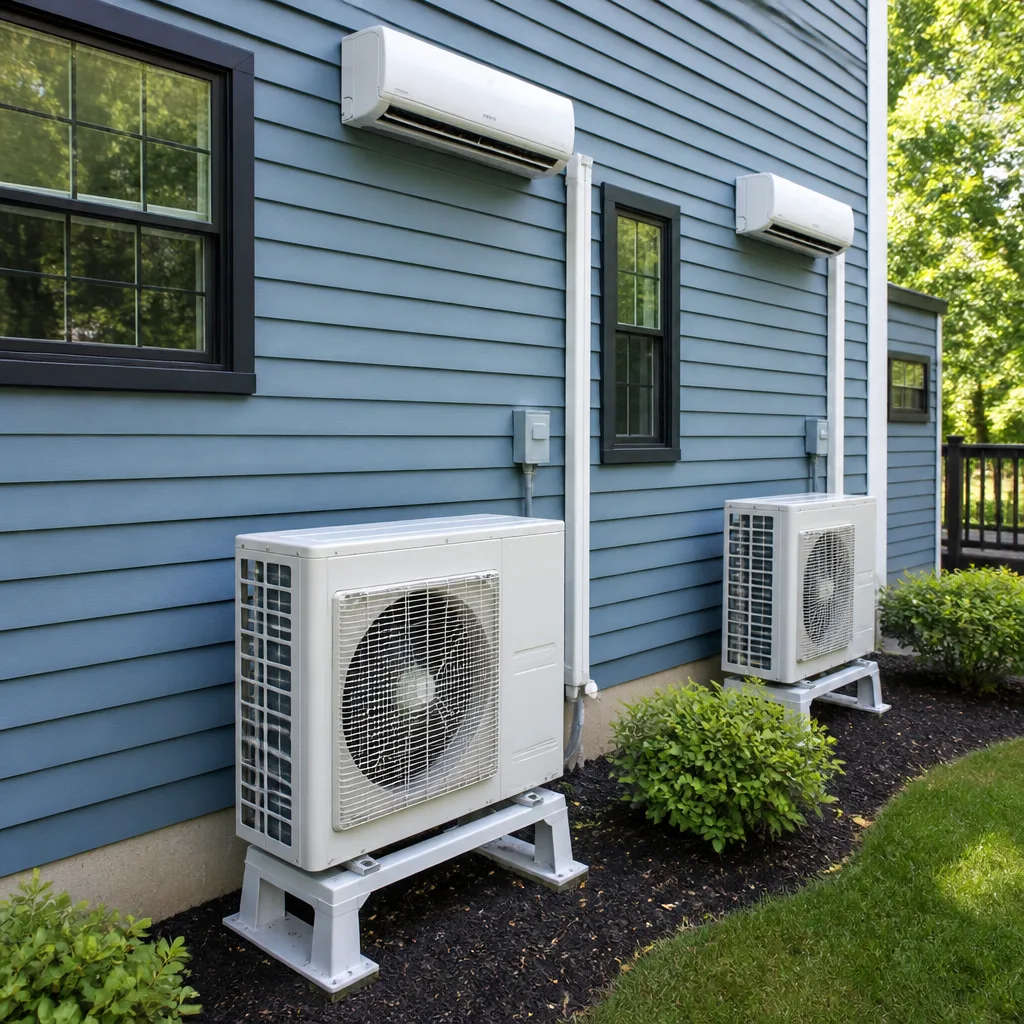 Ductless mini splits
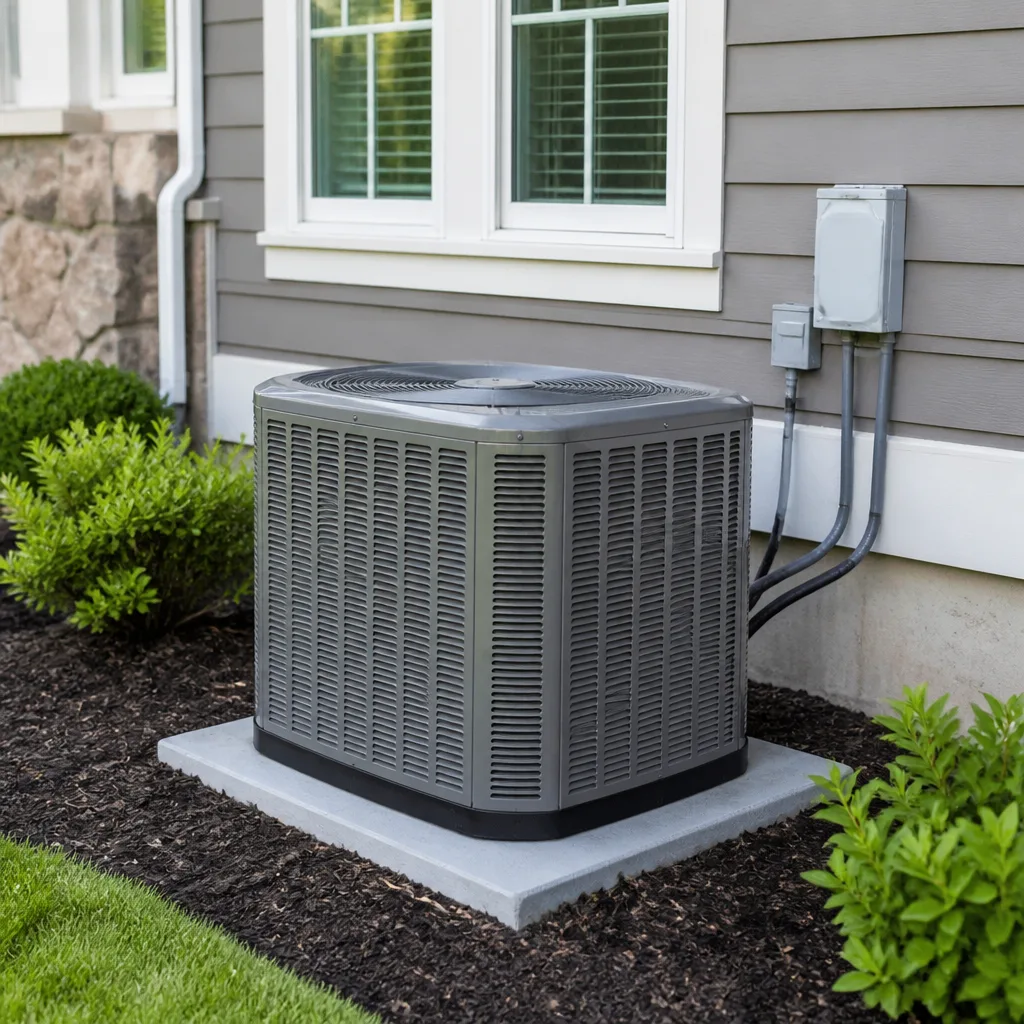 Carrier
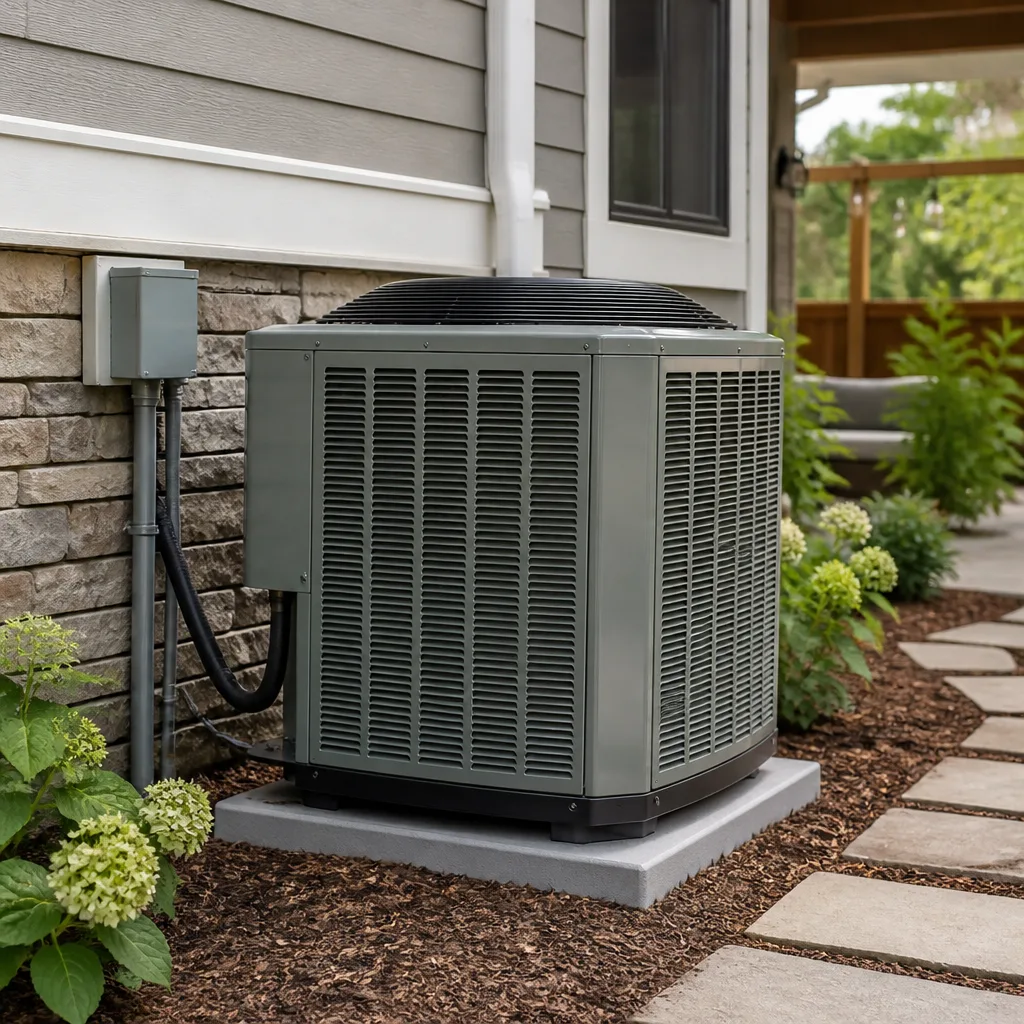 Trane
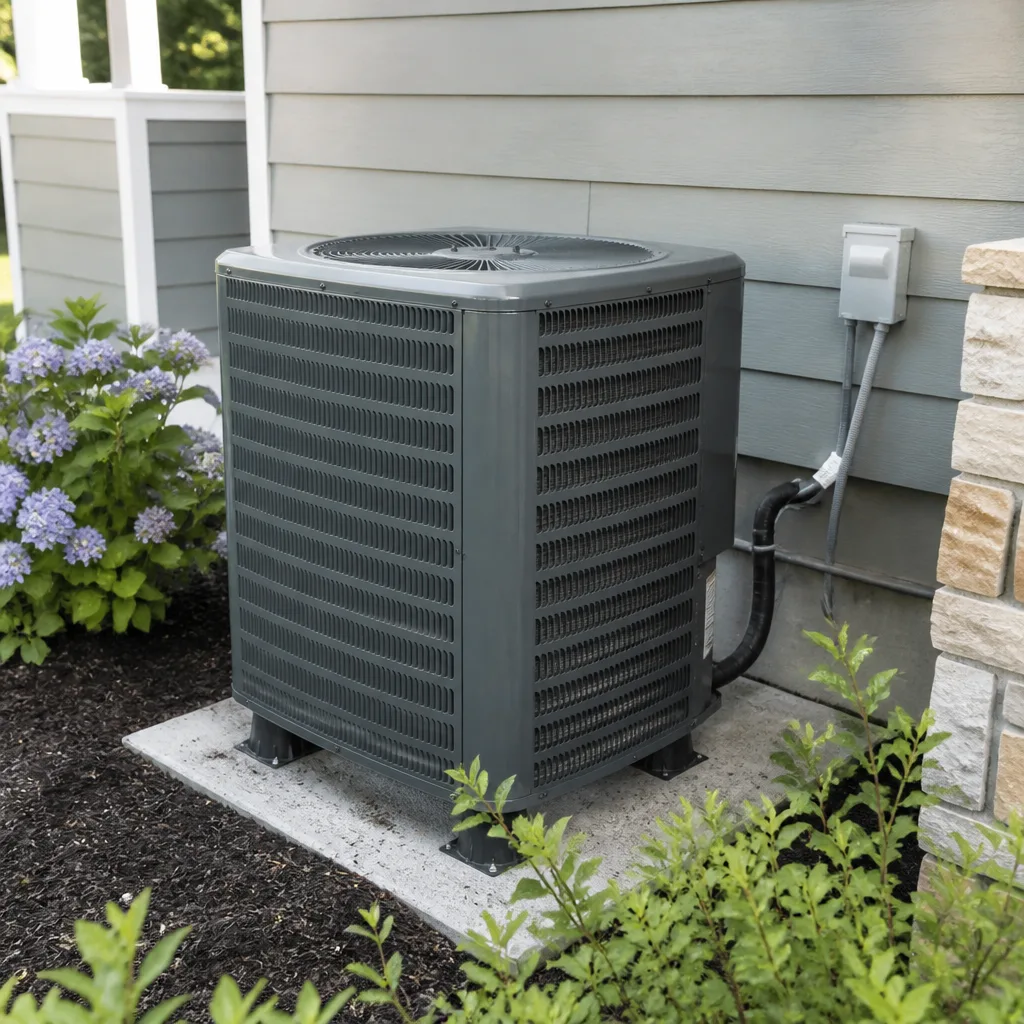 Goodman
Seasonal tune-up and full diagnostic on your Carrier, Trane, or Goodman system - readings shown to you before any repair is proposed
Diagnosis first, numbers second - you approve the repair price before a single part goes in.
Get your free estimateEmergency & Commercial HVAC Maintenance Schedule: What to Do and When
Most commercial HVAC schedules are built around the equipment’s needs: filter changes every 90 days, coil cleaning in spring, belts “as needed.” Then the schedule collides with reality – a Saturday dinner rush, a Tuesday inventory audit, a December cold snap – and the whole plan falls apart. The fix isn’t a stricter calendar. It’s a schedule built around how your building actually operates. Here’s the thing we’ve learned working on commercial systems across Whitney: a restaurant that books coil cleaning in December gets a technician who has time to do it right, instead of one squeezing the job between three other calls in late May. This guide walks through what to check, when to schedule it, and how to build a maintenance log your next technician will thank you for.
Quick Answer
A workable commercial HVAC maintenance schedule splits preventive service into two visits a year – one in early spring before cooling season and one in early fall before heating season – timed to your business’s slow weeks, not the manufacturer’s generic intervals. Emergency response is separate: know your after-hours contact, keep the last three service logs accessible, and have a plan for isolating failed equipment so the building doesn’t shut down while you wait for parts. Whitney’s desert climate means cooling-side service carries more weight than heating, and economizer problems show up fast when spring dust arrives.
Styles & brands we work with
- AC repair
- Furnace & heating
- Heat pumps
- Ductless mini splits
- Carrier
- Trane
- Goodman
Table of Contents
- How to Build a Maintenance Schedule Around Your Business, Not Just the Equipment
- Commercial-Only Tasks: Economizer Calibration, Belt Tension, VAV Boxes
- Why Two Visits Beat One Annual Service Every Time
- What a Service Log Should Actually Contain
- How Deferred Maintenance Compounds – the Cost Multiplier
- Building an Emergency Response Plan Before You Need It
- Whitney Peak Seasons and the Two-Week Weather Window
- What Whitney-Area Commercial Properties Need on Paper
How to Build a Maintenance Schedule Around Your Business, Not Just the Equipment
Manufacturers publish ideal intervals. They say nothing about the Friday your kitchen doubles its covers or the two weeks every year your retail floor runs a clearance event. Those are the constraints that decide whether a maintenance visit actually happens. The workable approach: pick your two service windows first, then reverse-engineer the task list into them.
For most Whitney businesses, the two natural windows look like this:
- Early spring (February to early March). Before peak cooling demand and before dust season peaks. Coil cleaning, economizer calibration, refrigerant check, condenser fan inspection.
- Early fall (September to early October). After summer load has shaken out weak spots, before heating season. Belt inspection, bearing check, burner or heat section inspection, refrigerant recheck, filter replacement.
Businesses with sharp seasonal swings – a restaurant with a slow January, a church with a quiet July – can usually pull one visit into the shoulder. Offices without a seasonal dip tend to do best booking the visit during a scheduled closure, even if that means moving the date outward by a few weeks. A Tuesday in a slow week beats a Friday before a holiday weekend every time, because the technician has room to spend an extra hour on the economizer instead of watching the clock.
Whitney’s summer is the wildcard. Cooling-side service missed in March tends to surface as a failure in July, when every HVAC company in the valley is booked. Getting the coil cleaning done ahead of that crush is the single highest-leverage scheduling decision most businesses make. If you’re also managing a residence, our AC repair and installation in Whitney work follows the same calendar logic.
Commercial-Only Tasks: Economizer Calibration, Belt Tension, VAV Boxes
Residential tune-ups and commercial preventive maintenance share filters and refrigerant. Past that, they diverge. Three tasks carry outsized weight in commercial systems and almost never appear on a house-call checklist.
Economizer calibration. The economizer is a set of dampers and actuators that bring outside air in when conditions allow, saving cooling energy. When it drifts out of calibration – sticking dampers, a failed actuator, a bad enthalpy sensor – it either blocks free cooling or lets in hot Whitney summer air while the compressor runs. Checking actuator travel, sensor readings, and linkage alignment takes a technician maybe 20 minutes. Left alone for two cycles, the energy waste adds up quietly.
Belt tension and alignment. Belt-driven blowers and condensers lose tension over time. A loose belt slips, wears, and eventually drops. The classic symptom is a building that “works” but never quite keeps up. A belt check is cheap; a mid-summer belt failure on a rooftop unit that serves a dining room is a service call in the worst possible weather.
VAV box inspection. Variable air volume systems assign a terminal box to each zone. Boxes drift: dampers stick, actuators fail soft, airflow sensors read wrong. The result is a conference room that’s freezing and a lobby that’s stuffy. Inspecting each box for damper travel, airflow reading accuracy, and reheat function belongs in every fall visit.
On top of those, commercial systems benefit from:
- Condensate drain pan and trap inspection (a clogged trap in a commercial building can stain a ceiling)
- Refrigerant charge verification against the nameplate, not just “feels cold”
- Electrical connections torque-check on contactors and disconnects
- Filter differential pressure logs (see the service-log section below)
- Rooftop curb and flashing inspection, especially after Whitney’s spring winds
Brand matters less than discipline here. We service Lennox, Goodman, Rheem, York and five other major brands, and the checklist is nearly the same across them. The technician’s thoroughness is the variable.
Why Two Visits Beat One Annual Service Every Time
The single annual tune-up is the most common commercial maintenance pattern, and it’s the one that lets the most failures through. Here’s why a split schedule works better.
First, seasons demand different work. A spring visit that focuses on coils and refrigerant is largely wasted on the heating side in October, and an October visit that focuses on belts and burners catches nothing that matters for a July cooling failure. Doing both in one visit means one side of the system gets half the attention it should.
Second, ambient conditions change what a technician can actually test. Economizer performance needs mild outdoor conditions to check properly. Refrigerant pressures read differently at 105°F than at 65°F. Splitting visits across the shoulder seasons gives the technician the conditions to do each test right.
Third, filter changes land where they belong. Commercial systems usually need filters changed more often than once a year – a restaurant twice, a warehouse with dusty loading bays might need quarterly. A two-visit schedule at least halves the filter interval, and one-time filter drops can fill the gap.
Fourth, the compounding effect. A single annual service hides problems for a full year. Two visits shorten the exposure to six months on each side. Small items caught at six months are usually cheap; the same item caught at twelve months often takes a compressor, a motor, or a blower assembly with it.
For a small commercial space near the Whitney foothills or along the highway corridor where dust loads run higher, the two-visit pattern is not optional if you want predictable uptime. If you’re comparing that to a heat pump or mini-split setup, our heat pump and mini split service in Whitney follows a similar split.
What a Service Log Should Actually Contain
The service log is what separates a well-run commercial system from one that gets rediscovered every visit. The technician who walks in next spring doesn’t know your building. The log is the entire handoff.
A useful log records, at minimum:
- Unit identifiers – rooftop unit tag, VAV box zone, model and serial number for each
- Date, technician, and scope – what was checked, what was skipped, and why
- Measured values, not adjectives – belt tension reading, refrigerant subcool and superheat, economizer damper actual vs. commanded position, supply and return air temperatures, static pressure
- Filter part numbers and date changed – so the next visit can match and so reorders don’t get the wrong size
- Photographs – of anything abnormal, of nameplate data, of coil condition before and after cleaning
- Recommendations not performed – the belt that’s borderline, the actuator that’s slow, with a rough price so a decision can be made before it fails
- Contact notes – the property manager’s preferred contact, gate codes, roof access method
Paper or cloud-based, the format matters less than the discipline. A printed binder left on-site with each visit added in order gives the next technician something to read. A digital log emailed after each visit does the same. What doesn’t work is a stack of invoices that only show line items and total. Those answer “what did we pay” but not “what happened to the economizer.”
How Deferred Maintenance Compounds – the Cost Multiplier
The most expensive maintenance decision a business makes isn’t a costly repair. It’s the repair that gets deferred once, twice, and then becomes a replacement. Here’s the pattern we see on Whitney-area commercial calls.
A borderline condenser fan bearing gets noted in April. Not replaced. By October, it’s a wobble that the fall technician flags again with a replacement recommendation. It’s still not replaced, because the building is busy and the system is “working.” By the following July, the bearing seizes, the fan motor burns through a contactor, and the unit drops on the hottest week of the year. The repair is now a motor and contactor plus after-hours labor. The building lost two days of cooling. That’s a bearing that could have been swapped for a small fraction of the total.
The multiplier is real, and it shows up across categories:
- A dirty coil deferred one cycle raises compressor head pressure and shortens compressor life
- A loose belt deferred one cycle can take the blower wheel and shaft with it
- A sticking economizer damper deferred one cycle can seize entirely and need motor replacement
- A condensate trap deferred one cycle overflows into the ceiling grid
Two cycles of deferral is where the real damage happens – small items don’t just get bigger, they start interacting. A slipping belt strains the motor, which pulls more current, which ages the contactor, which eventually fails during a heat wave. That’s not a maintenance problem by then; that’s an emergency. The 90-Day Done Right Promise we back every repair with exists partly because we’ve seen too many of these interactions compound.
Building an Emergency Response Plan Before You Need It
Every commercial building needs an emergency HVAC plan. Most don’t have one until the first failure.
What a workable plan contains:
- The after-hours contact. Written down, taped inside the mechanical room door, and also in the property manager’s phone. Not just the office number. A number a live person answers when the system fails at 9 p.m. Saturday.
- Equipment location map. Where each rooftop unit, VAV box, and disconnect lives. If the diagram is on a clipboard in the mechanical room, the Friday-afternoon technician saves 30 minutes hunting.
- Isolation procedure. Which breakers to trip if a unit is smoking or leaking, and who is authorized to do it. Some buildings require a licensed electrician; the plan should say so.
- The last three service logs. Attached or clearly located, so the responding technician has the history.
- A priority call list. Who gets called first when the emergency is ambiguous – a couple of tenants, a couple of staff – so nobody sits in a hot office while the property manager decides.
For most small commercial buildings, the honest answer is that you’ll call a professional either way on a real emergency. The plan makes that call shorter and better informed. When we answer at 2 a.m., the minute we save on “where’s the unit” is a minute we can spend getting it back online.
Whitney Peak Seasons and the Two-Week Weather Window
Whitney’s climate reshapes the schedule. Cooling season runs longer here than the manufacturer’s calendar suggests, and the shoulder windows in spring and fall are shorter than in most of the country. The two-week window between “still cool enough for economizer testing” and “summer arrives” closes faster than businesses expect.
Practically, that means:
- Book spring service no later than early March – the second week of March is often the last realistic window
- Book fall service in the first two weeks of October, before evening heating demand begins
- Keep a rolling eye on the forecast and be ready to move a scheduled visit forward if the shoulder compresses
- Understand that summer emergencies in Whitney are when the trade is busiest – which is exactly why the preventive visits need to happen before that crush
If your building sits in a wind-exposed location – many Whitney commercial sites do – budget for one additional filter inspection each spring. The dust load after a wind event is visible within a week. Getting it out of the return before it coats the coil is cheaper than cleaning the coil.
What Whitney-Area Commercial Properties Need on Paper
Commercial HVAC paperwork requirements vary by jurisdiction, building use, and lease terms. What we see on Whitney-area jobs is that a clean maintenance log does far more than satisfy a compliance checklist – it makes the next repair faster, the next inspection cheaper, and the next tenant conversation shorter.
In practice, most commercial properties should keep:
- A log of every preventive visit with the measured values and photographs described above
- Filter change records with part numbers and dates
- Refrigerant records – amounts added, recovered, and the reason (some refrigerants and quantities trigger recordkeeping requirements)
- Any manufacturer warranty documentation, since a missed maintenance interval can void a compressor warranty
- Tenant comfort complaint records and what was done – useful if a lease conversation comes up
For residential systems, the paperwork rules differ, and our heating and furnace service in Whitney work is documented the same way for the homeowner’s benefit. The principle is the same: the log is the asset.
Common Mistakes to Avoid
- Booking the spring visit in May. Whitney’s cooling season is already underway by then, and every HVAC company in the valley is buried. Coil cleaning done in February costs the same and gets a technician with room in the schedule.
- Combining the two visits into one “annual service.” It saves one service call per year and costs the fall heating check and the spring cooling check their full attention. The economics don’t work in the building’s favor.
- Treating the log as an invoice file. A log with measured values and photographs makes the next technician faster; a log of invoices just tells you what you paid last time.
- Deferring a “borderline” item two cycles. That’s where the cost multiplier kicks in – a $300 bearing becomes a compressor-and-motor call when it seizes the following summer.
- Skipping economizer calibration because “it worked last year.” Economizers drift. Dampers stick, actuators slow, sensors read wrong. It’s one of the highest-payback checks in the schedule.
- Assuming the property manager on-site knows what to do at 9 p.m. The plan lives in a taped-up sheet inside the mechanical room and in the phone of whoever answers calls, not in someone’s memory.
- Booking around the manufacturer’s calendar instead of your own operations. The best maintenance schedule is the one that actually happens. That means scheduling around your slow weeks, not someone else’s ideal timing.
See the difference
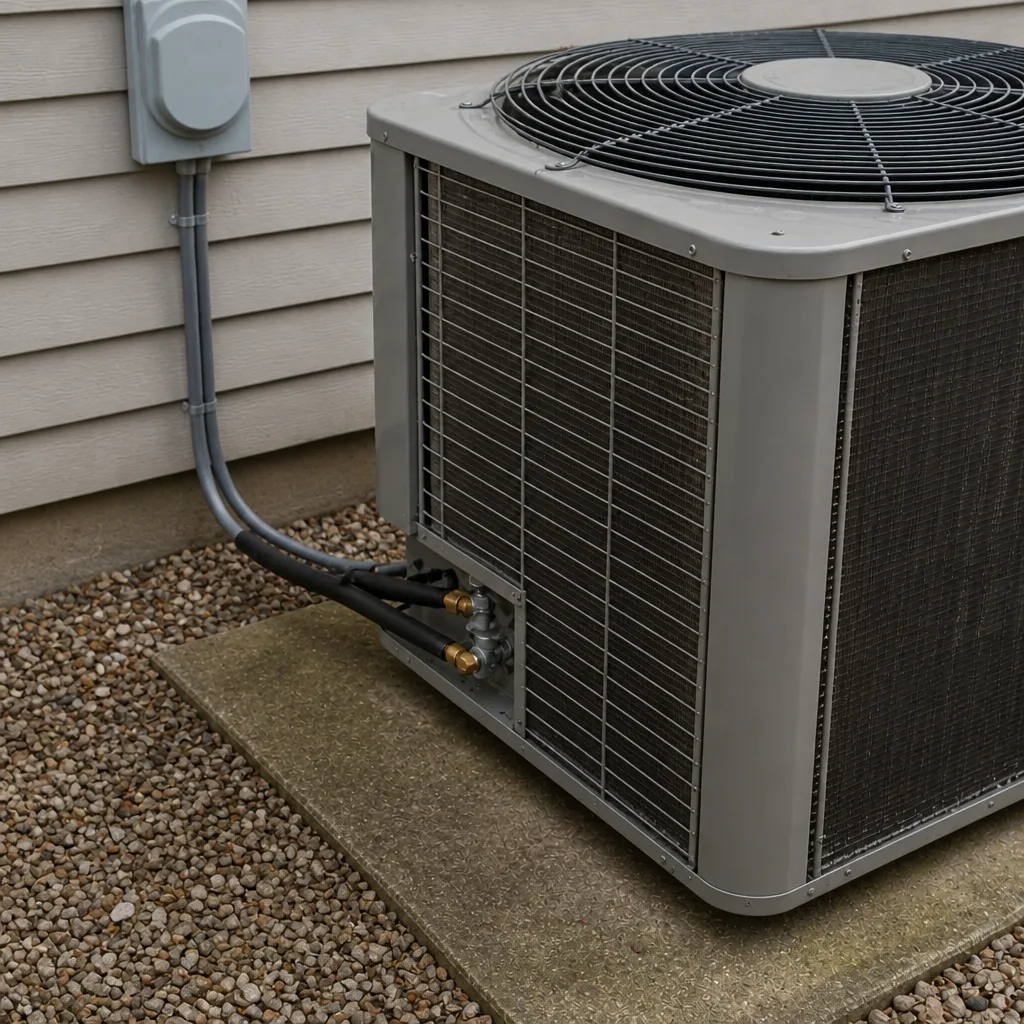
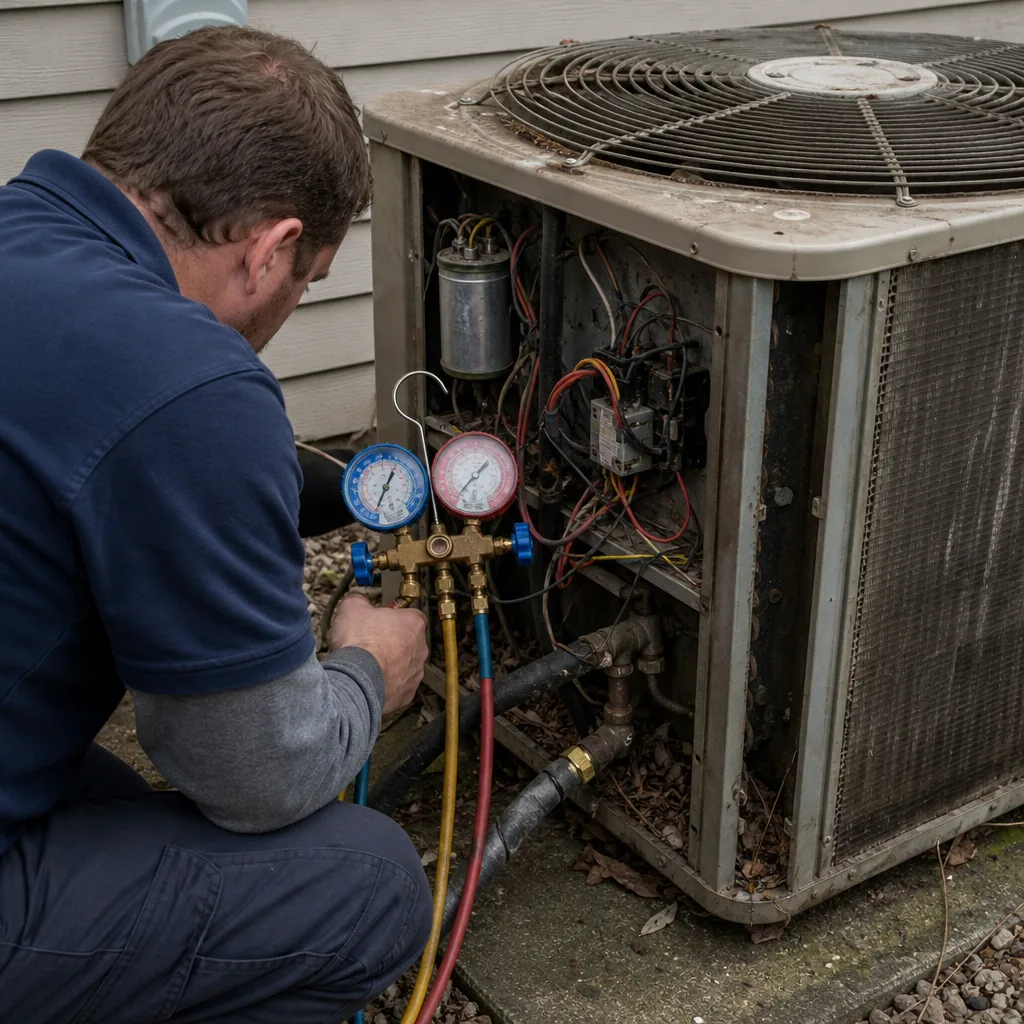 Before
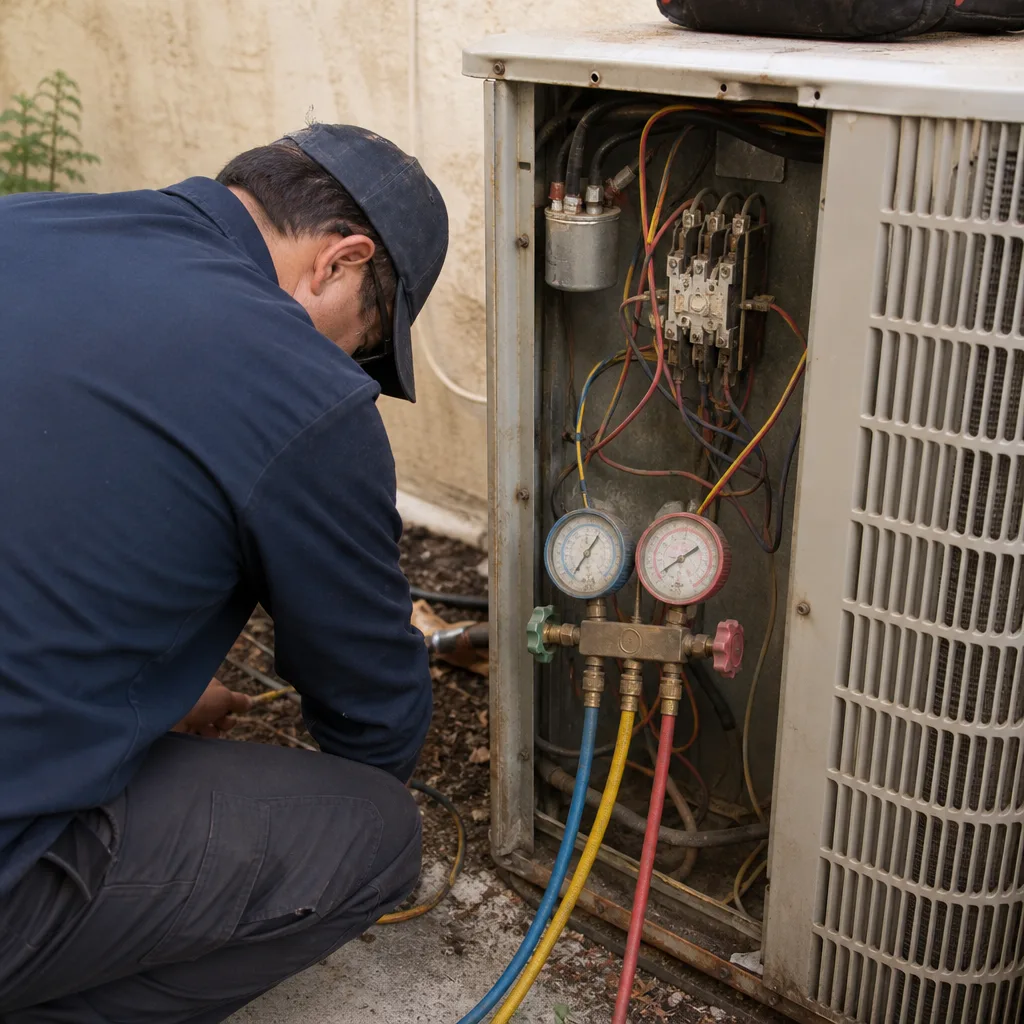
 After
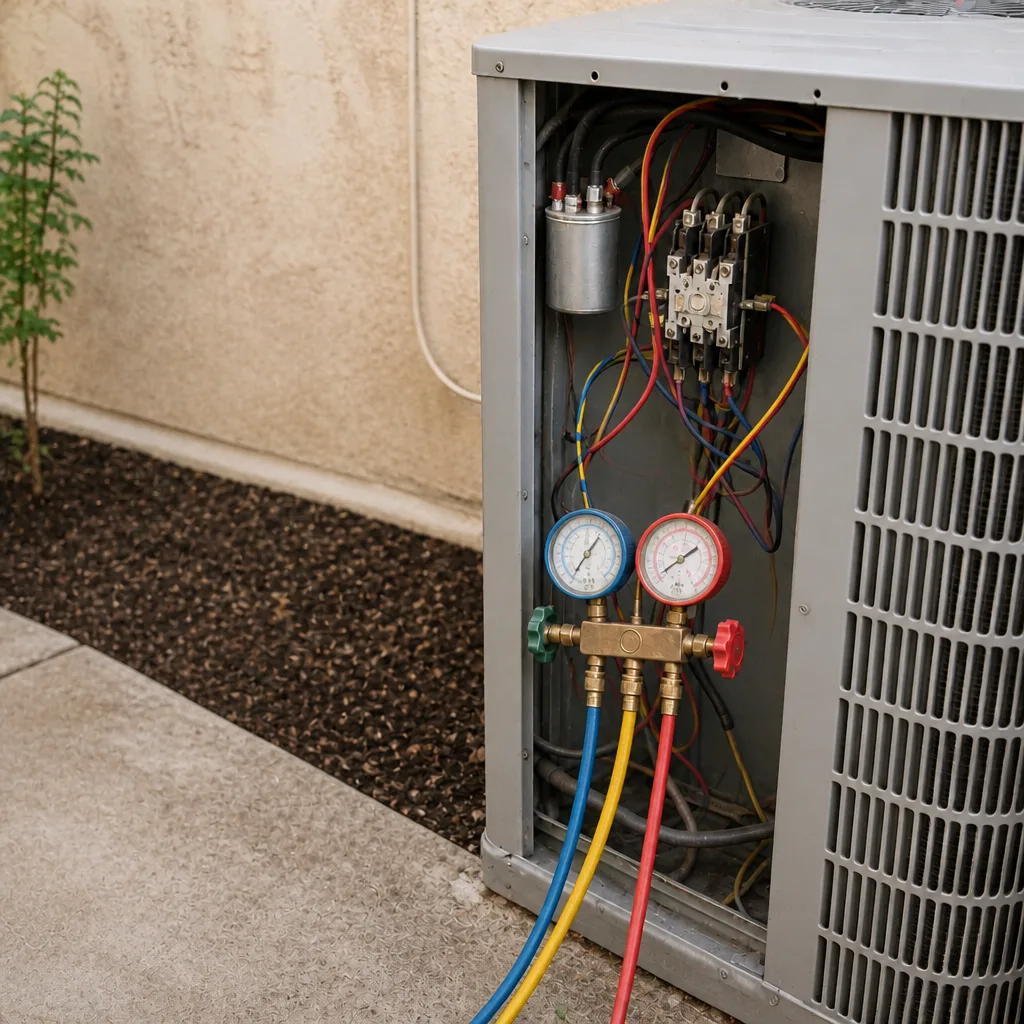
 Before
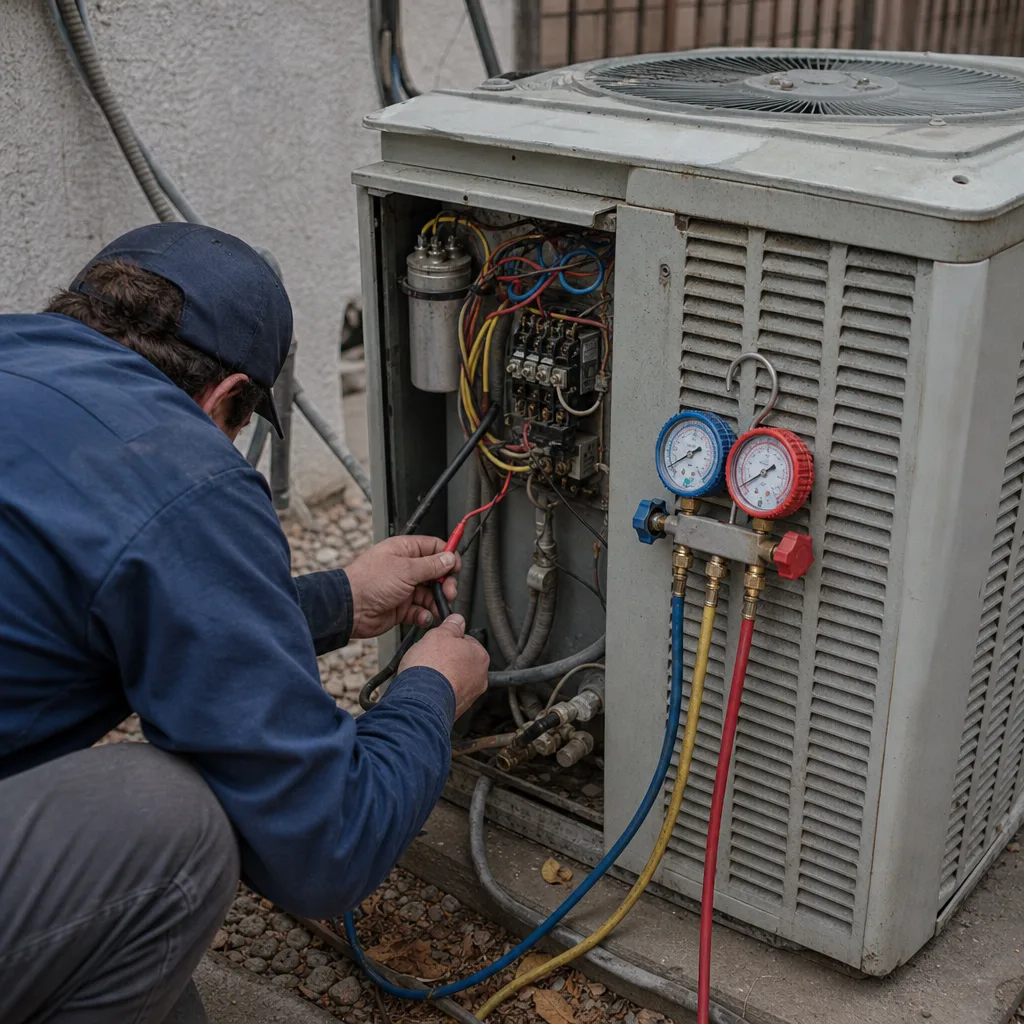
 After
 Before
 After
When to Call a Professional
Most preventive maintenance is planned well in advance. The exceptions matter. Call immediately if you smell refrigerant, if any breaker is tripping repeatedly, if a unit is running but the building isn’t cooling at all, if a rooftop unit begins short-cycling on a windy afternoon, or if you see water pooling under a unit or in a ceiling grid where it shouldn’t be. If you’re not sure whether the situation is an emergency, the answer is to call – we’d rather help you decide at 10 p.m. than find out at 2 a.m. that we should have. Fireside Heating & Air Co. Whitney offers free estimates in Whitney – call (866) 329-8069. Live person, every call, every hour. That’s what the phones are for.
Frequently Asked Questions
Two visits a year – one before cooling season, one before heating season – is the minimum for a commercial building. One visit is not enough because the cooling side and the heating side need different tests in different conditions, and the shorter interval catches compounding problems before they cascade into a failure. If your system runs a heavy load or sits on a dusty site, add a filter inspection between the two visits.
Yes, and you should. Fewer surprises, more attention to specifics, and a shorter learning curve every time. Our technicians have up to 8 years of experience and a habit of remembering buildings; keeping the same company for the contract means the log gets richer every year and the schedule gets sharper. Call (866) 329-8069 for a free estimate on a recurring maintenance plan.
Cost varies with the number of units, the building’s load, and what’s actually included. We quote the price before the visit and it’s the price you pay. The $89 seasonal tune-up applies to residential systems; for a commercial building we’ll walk the property, count the units, and give a written number. Free estimates, upfront pricing, no overtime surprises.
Economizer calibration. It’s easy to skip because the system “works” without it, but a drifting economizer quietly raises cooling energy and stresses the compressor. On any packaged rooftop with an economizer, calibration belongs in the spring visit. On our scheduled plans it’s a standing line item.
We’d advise against it. One company holding the log means the second visit knows exactly what the first found, which is the entire point of a two-visit schedule. Splitting the work between two vendors breaks the continuity that makes the schedule useful. If you’re currently split, ask for a second opinion on your written estimate – it’s free, and we’ll tell you straight whether consolidating makes sense.
For emergencies, yes – the phone is answered live around the clock, and same-day emergency response is a standing part of how we run. For preventive maintenance visits, we’ll schedule a set date and confirm the day before. No mystery windows, no “somebody will call you.”
The Bottom Line
A commercial HVAC maintenance schedule that lasts is built around your business, not the equipment’s manual. Two visits a year, timed to your slow weeks and the shoulder seasons, catch the compounding failures that a single annual service lets through. The tasks that matter most in commercial systems – economizer calibration, belt tension, VAV box inspection – are the ones a residential checklist never mentions. A real service log with measured values and photographs makes the next technician faster. Deferred maintenance is where the cost multiplier lives, and two cycles of skipping is enough to turn a small repair into a building closure. If we could leave you with one line: schedule the work when it’s quiet, keep the log when it’s done, and call when something doesn’t feel right.
To set up a commercial maintenance plan or get a free written estimate on your building’s HVAC, call Fireside Heating & Air Co. Whitney at (866) 329-8069 – live person, every call, and the price we quote is the price you pay.
Written by the team at Fireside Heating & Air Co. Whitney. Start at Fireside Heating & Air Co. Whitney home to see everything we do.