
Last updated November 18, 2026
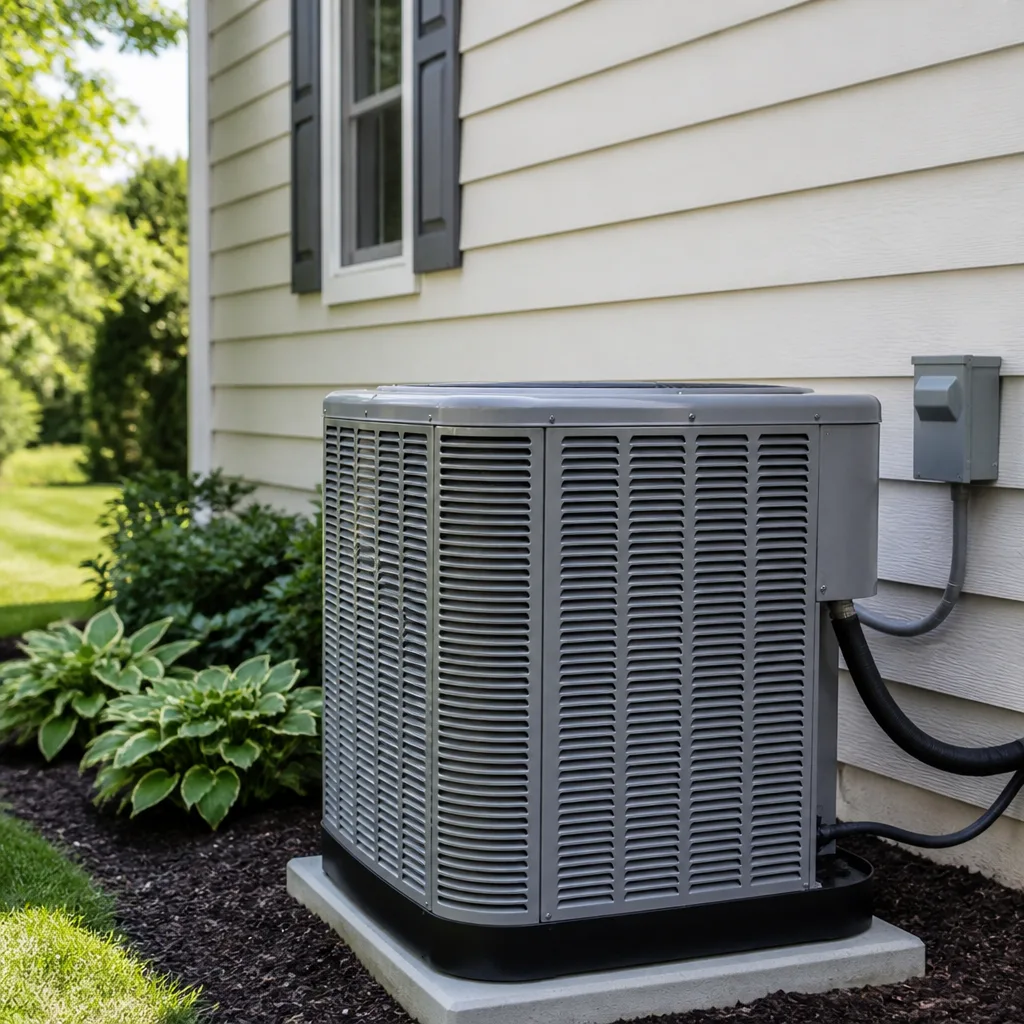 AC repair
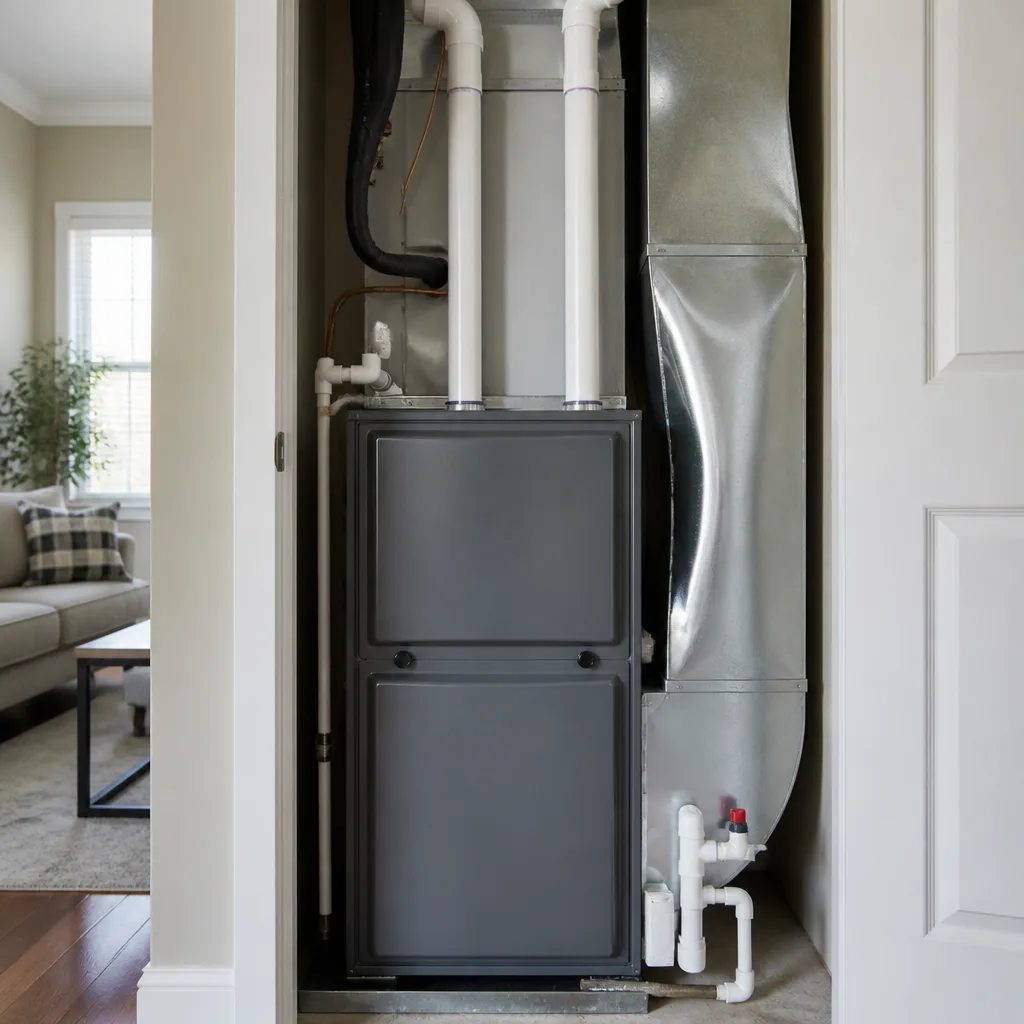 Furnace & heating
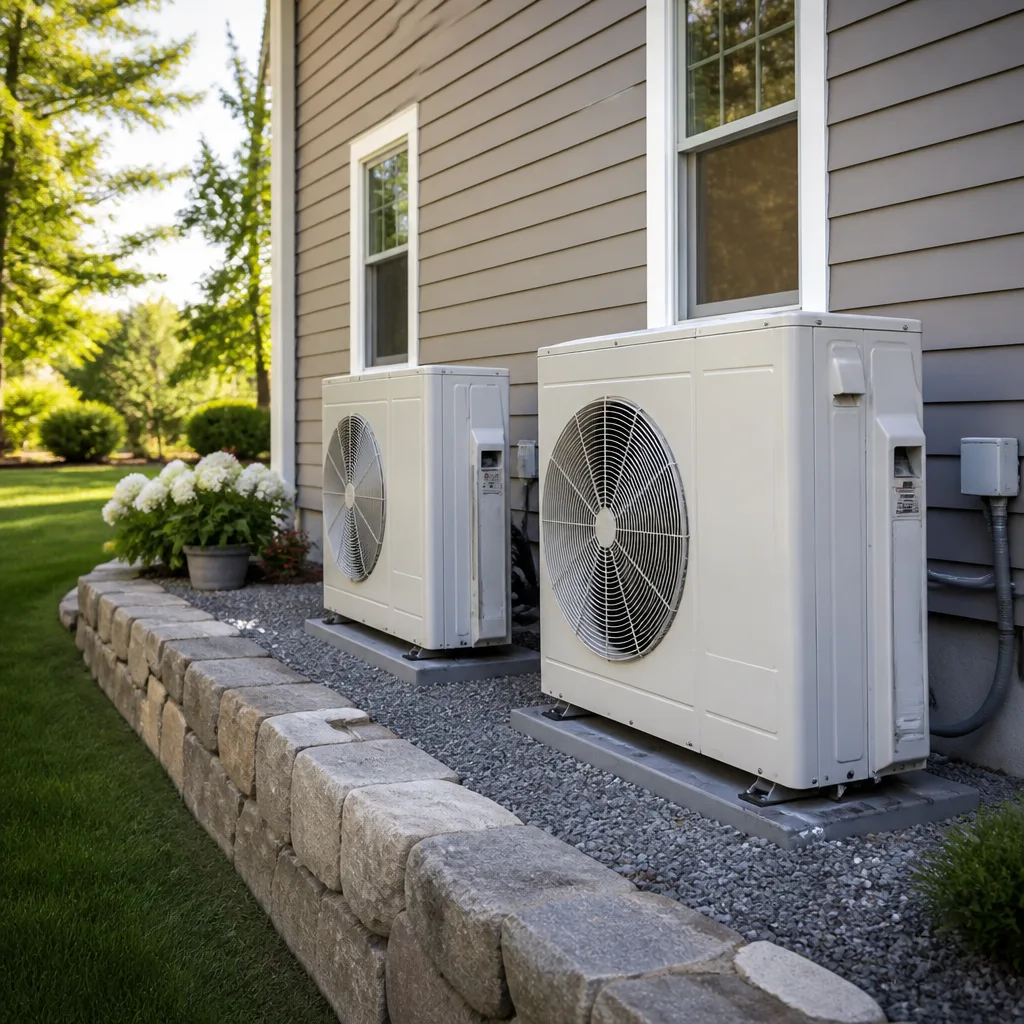 Heat pumps
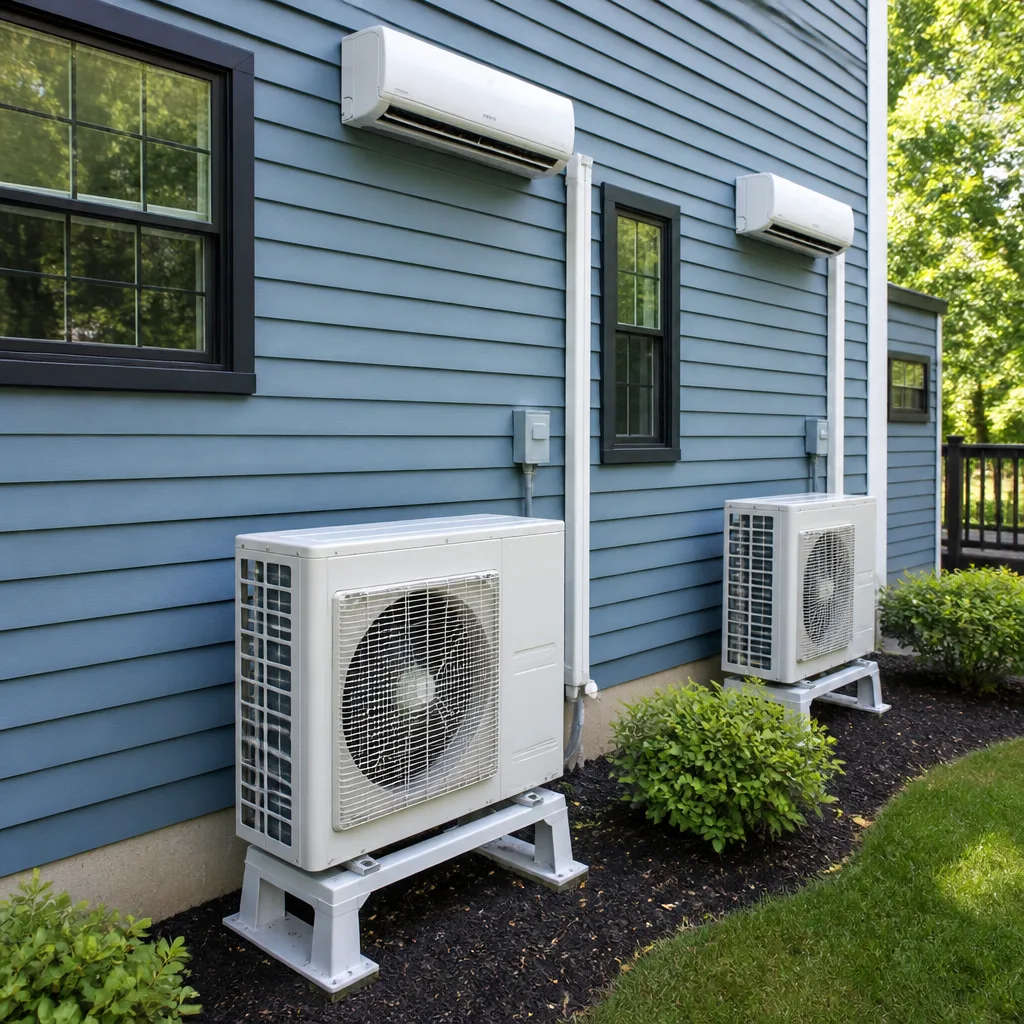 Ductless mini splits
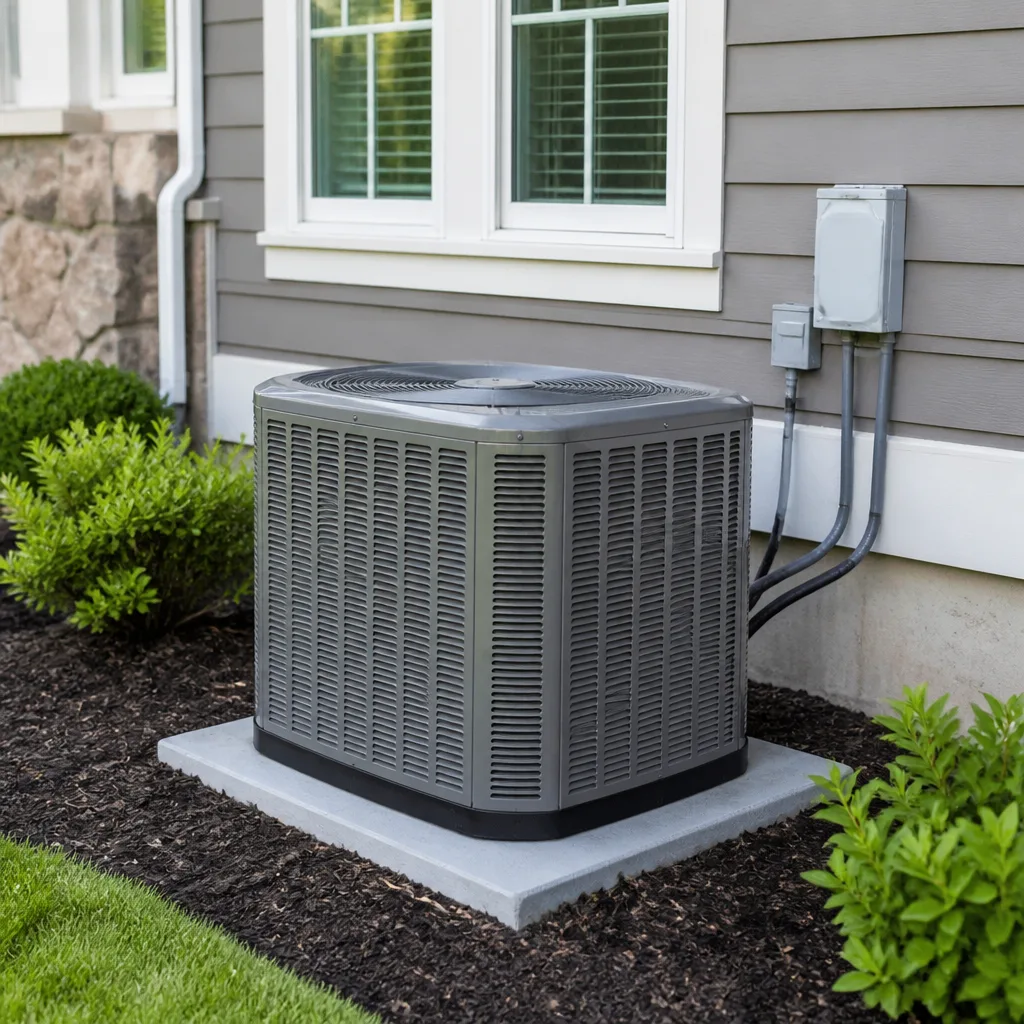 Carrier
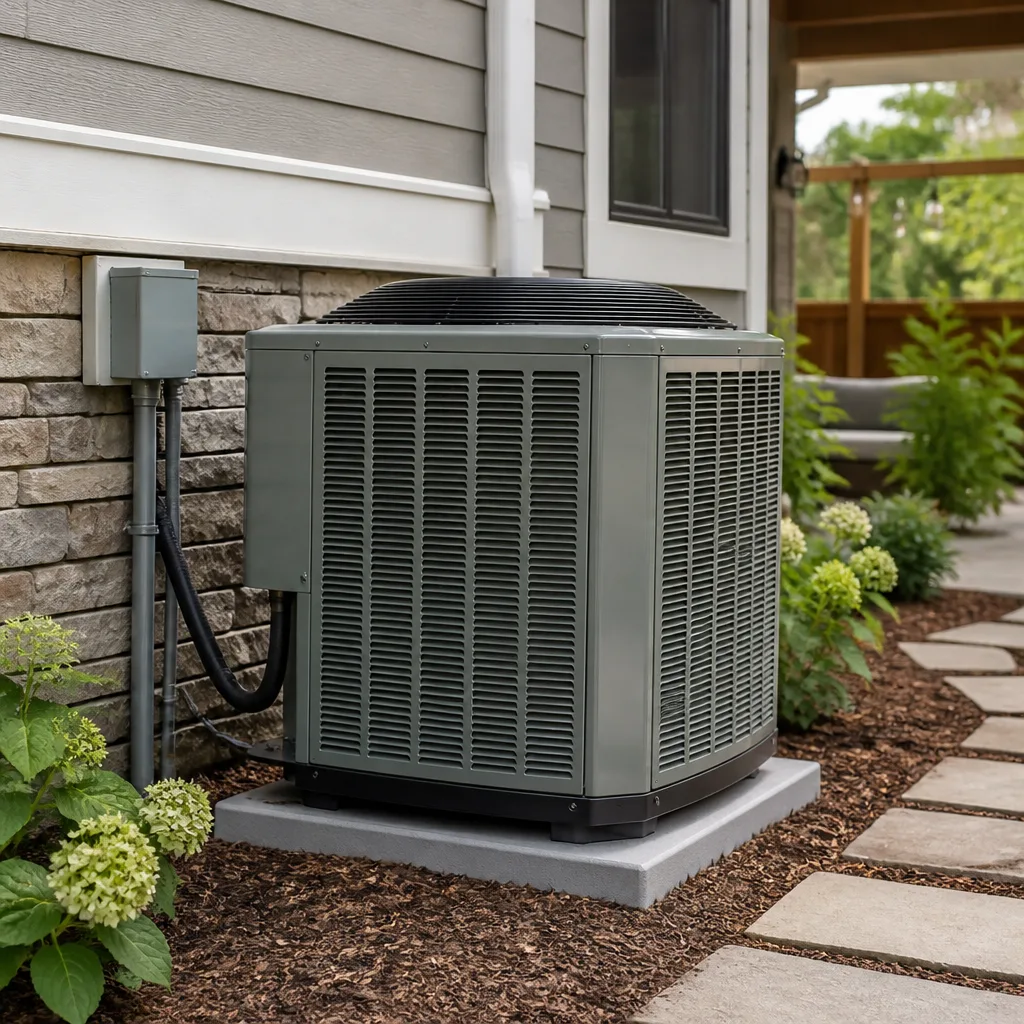 Trane
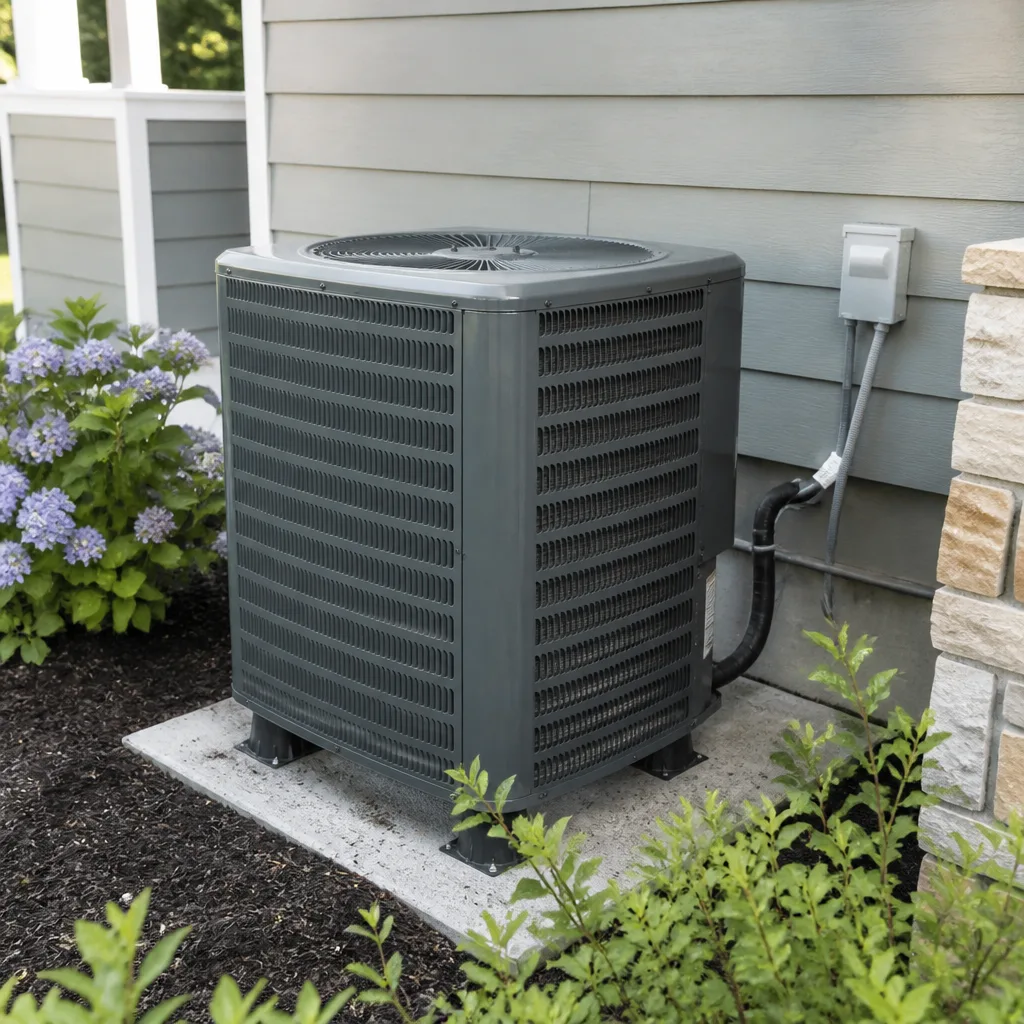 Goodman
Seasonal tune-up and full diagnostic on your Carrier, Trane, or Goodman system - readings shown to you before any repair is proposed
Diagnosis first, numbers second - you approve the repair price before a single part goes in.
Get your free estimateEmergency & Commercial HVAC Warning Signs Every Homeowner Should Know
When three employees start keeping space heaters under their desks in a building whose HVAC system is technically “running,” that’s not a comfort preference. That’s a zone control failure nobody has reported yet. Commercial equipment rarely dies without warning. It sends signals for weeks – in the complaints staff stop bothering to make, in the electric bill nobody reads closely, in a compressor that sounds a little different on the first hot Monday of June. The problem is that those signals get filtered into “that’s just how the building is” and then they get forgotten. This guide is about catching them. We’re Fireside Heating & Air Co., and we’ve spent over four decades in Whitney-area homes and small commercial spaces watching systems fail exactly when the weather turns. Here’s what to watch for, and how to make sure somebody actually acts on it.
Quick Answer
The most reliable early warning signs of commercial HVAC failure show up in three places before any mechanical symptom: employee behavior (space heaters, desk fans in winter, people working from home on hot days), utility bill patterns (a sudden 15-30% jump with no rate change), and noise or smell complaints that get dismissed as “normal for the building.” Zone control failures, refrigerant leaks, and failing compressors nearly always announce themselves through these channels weeks before a full breakdown. The fix is a simple written reporting protocol so staff complaints become logged work orders instead of hallway conversations that evaporate.
Styles & brands we work with
- AC repair
- Furnace & heating
- Heat pumps
- Ductless mini splits
- Carrier
- Trane
- Goodman
Table of Contents
- The Warning Signs Hiding in Employee Behavior
- Reading Your Utility Bills Like a Diagnostic Tool
- Sounds and Smells: Normal vs. Call-Us-Now
- Why Systems Fail After Weather Transitions
- Building a Staff Reporting Protocol That Works
- Residential Warning Signs Every Homeowner Should Know
- What Emergency HVAC Calls Actually Cost in Whitney
- Preventive Maintenance: The Cheapest Emergency Is the One You Avoid
The Warning Signs Hiding in Employee Behavior
People who work in a building every day are the most sensitive sensors in the system. They notice when their office is two degrees warmer than the hallway. They notice when the air feels stale by 2 p.m. But they also learn, over months, to stop mentioning it. That’s the first layer of forgotten signal.
Watch for these behavior patterns. Each one maps to a specific mechanical problem:
- Space heaters under desks in heated spaces. A zone that’s zoned “on” but not delivering heat. Usually a stuck damper, a failed zone valve, or a VAV box actuator that’s given up.
- Floor fans running in summer, all day. Airflow is met but the discharge air is warm. Low refrigerant charge, a failing compressor, or a fouled condenser coil.
- People wearing jackets in July. Overcooling, which usually means a zone is short-cycling on a bad thermostat or the economizer is stuck open.
- Sudden shift in who works from home on hot days. If the same three employees start “working remote” every Wednesday in August, ask why. Something in that corner is warm.
- Repeated bathroom exhaust complaints. Air balance has shifted. Often a sign that supply fans are losing capacity.
In our experience, a building where nobody has filed a formal work order in six months but where the staff has quietly rearranged their seating is a building with at least one stuck zone. That zone is wasting energy every day it goes ignored. You won’t see it on a thermostat display. You’ll see it in who sits where.
If your building has a commercial system or a heavy residential setup like a multi-zone heat pump, our heat pump & mini split overview for Whitney walks through how zone control behaves in these systems and what a genuine failure looks like.
Reading Your Utility Bills Like a Diagnostic Tool
Most homeowners and small business owners look at the dollar amount at the bottom of the bill and move on. But the diagnostic value is in the pattern, not the total. We tell people to keep twelve months of bills in a folder and actually compare them once a year.
Here’s the pattern to watch for: a month where your usage climbs 15-30% against the same month last year, with no change in square footage, occupancy, or rate plan. HVAC accounts for 40-60% of a typical small commercial building’s energy use. If your usage jumps and everything else is steady, the system is either working harder than it should or leaking cooling past a failing seal.
The specific bill patterns and what they usually indicate:
- Usage climbs steadily over three billing cycles without a rate change. Refrigerant charge is low, or a compressor is cycling longer to hit setpoint. Both create a slow upward energy curve.
- Winter usage spikes but the building is warm. Heating is running in a zone that should be off. Stuck valve, failed zone controller.
- Summer peak-demand charges jump, usage doesn’t. System is short-cycling hard during on-peak hours. Likely an undersized or partially failed component.
- Usage is flat but the complaint volume has doubled. The system is functionally working, but delivering air that’s rising above spec before it reaches the far zones. Duct leakage or a fouled coil.
- Wild month-to-month swings outside the seasonal curve. Sensor or thermostat calibration issue. The system is chasing a setpoint it never sees.
Whitney’s climate does us a favor here: summers hit 105 and up for weeks, so a struggling system shows up on a bill fast. That doubles the value of reading the pattern carefully. In mild climates you can nurse a failing compressor through a season. Here you can’t. The building tells you in late June, and if you don’t listen, it tells you in August with a hard failure. If you’re running a heavier residential setup like a Whitney AC repair & installation system, the same logic applies, and it’s equally worth watching.
Sounds and Smells: Normal vs. Call-Us-Now
Large commercial equipment makes noise. That’s not the question. The question is whether the noise is the same noise it was making a month ago. Here’s how we help people sort what’s routine from what’s a call.
Sounds that are usually normal
- Steady low hum from rooftop condensers. That’s compressor operation. Fine.
- Whooshing at vents for a few seconds on startup. Air handler ramping up. Fine.
- Periodic clicking from contactors inside the panel. Normal cycling. Fine.
- Water trickling near a condensate line in summer. Condensation draining. Fine.
Sounds that mean call us now
- Grinding, screeching, or metal-on-metal from a blower. Bearing failure or belt slipping. Shut it down – running it risks fan blade contact and can crack the housing.
- Banging or hammering on startup. Compressor slugging or ductwork pressure spikes. Either can cause a catastrophic failure if continued.
- Rhythmic clunking every few minutes. Short-cycling. Don’t wait to see if it “settles.”
- Loud hum that wasn’t there last week. Failing capacitor or contactor. Cheap to fix early, expensive to fix after the compressor motor burns out.
Smells that mean shut it off and call
- Rotten-egg / sulfur. Gas. Evacuate, then call your gas utility, then call us. Do not push it.
- Burnt-wire or hot-plastic. Electrical. Shut the equipment off at the breaker and call.
- Sweet, chemical smell near the air handler. Often refrigerant. Ventilate and call.
- Musty, moldy smell in one zone but not others. Moisture intrusion or a wet coil. Not an emergency, but it’s a health issue and it won’t fix itself.
Never ignore a gas smell to save a service call. That’s one of the few hard rules we hold to. If you smell gas in a Whitney-area home or business, get everyone out, call Southwest Gas from outside, then call us for the equipment check afterward.
Why Systems Fail After Weather Transitions
Here’s something most people don’t know: HVAC systems fail disproportionately on the first genuinely hot week of the year and the first genuinely cold snap. Not in the middle of the season. In the transition.
The reason is that a system sitting at 40% load for eight months is not the same machine as one running at 90% load. Worn capacitors that limped through light duty suddenly face full current draw. A refrigerant charge that was “close enough” for the shoulder season becomes insufficient when the condenser has to reject 110-degree air instead of 85-degree air. Belts that were fine at reduced speed don’t like the ramp-up. And every weak component in the chain picks the same week to quit.
In Whitney, that’s typically the last week of May or the first week of June for cooling, and mid-November for the first heating call. Our call volume spikes exactly as expected in those windows. It’s not that the equipment is defective – it’s that the load test finally arrives.
What to do about it:
- Schedule a tune-up the month before the transition. Late April for cooling, late October for heating. The system gets tested at load before it has to perform at load.
- Watch the first week carefully. If the system runs long and doesn’t hold setpoint on the first hot afternoon, that’s not “getting used to the heat.” That’s a warning.
- Log any odd behavior in writing. “Ran long on Tuesday, held fine Wednesday” is diagnostic gold when a technician arrives. It helps us find the intermittent fault instead of guessing.
- Don’t skip the shoulder-season maintenance call. This is the one we see skipped most often because it feels unnecessary when the system is quiet. It’s the single most cost-effective hour of service on your calendar.
Homeowners reading this who want the residential equivalent should see our Whitney heating & furnace guide, which covers the same weather-transition pattern for residential equipment.
Building a Staff Reporting Protocol That Works
The reason warning signs vanish is that they pass through human hands and never land anywhere written down. “Hey, tell facilities the back office is cold again” doesn’t survive a busy Tuesday. Here’s a protocol that does.
Step 1: Give staff one channel to report through
A single email address, a shared spreadsheet, or a physical logbook by the break room. Not three. The point is not sophistication. The point is that nobody has to remember who to tell.
Step 2: Standardize what gets logged
Every report should capture five things, in this order:
- Date and time. “Tuesday around 2” is not useful. “March 14, 2:15 p.m.” is.
- Location. Building, floor, room number, or zone. “Near the copier” is not a location.
- What they noticed. “Cold” or “loud grinding every hour” or “smells like plastic.”
- Whether it repeated. Once, or every afternoon for a week.
- Whether they checked anything. Did they try the thermostat? Did the zone read differently from the hallway?
Step 3: Set a review cadence
Once a week, someone with authority reviews the log. Not to solve anything – to decide whether to call. If you see the same zone reported three times in a month, that’s a service call. If you see a sound complaint that repeated twice, that’s a service call. The rule is: repeated complaints compound. Single complaints sometimes don’t.
Step 4: Close the loop with staff
When the technician comes out and finds the problem, tell staff what was found and what was fixed. This sounds like courtesy. It’s actually retention of your sensors. People who see their reports acted on keep reporting. People who see reports ignored stop reporting – and then the building goes dark.
If you want to build this into a formal preventive maintenance agreement rather than doing it internally, Fireside Heating & Air Co. Whitney home lists the standards we hold to on every visit.
Residential Warning Signs Every Homeowner Should Know
Homeowners running a single system – not a commercial building – have their own short list of early warnings. If any of these appear, don’t wait for the system to fail on the hottest night of the year:
- Ice on the outdoor unit in summer. Low refrigerant. Never scrape it and ignore it.
- Warm air from vents when the system has been running 20+ minutes. Compressor or reversing valve issue.
- Rising electric bills in the same month two years running. Efficiency is declining. Have it checked.
- Humidity creeping up indoors. Even with the AC running. The system is not removing moisture, which usually means the coil is fouled or the charge is off.
- Any fuel smell near a furnace. Shut it off. Call.
- Short cycling – runs for a minute, off for two, on again. Thermostat, sensor, or pressure switch issue. Cheap to diagnose now.
For homeowners in older Whitney neighborhoods where systems are commonly past ten years old, we recommend a tune-up every season rather than every other. Downgraded performance compounds quietly. A tune-up catches variation before it becomes failure.
What Emergency HVAC Calls Actually Cost in Whitney
We’re not going to quote you a firm price without seeing your system. But we can give you honest ranges based on what we actually bill in this market. It’s better to know roughly what you’re facing than to open the door blind.
- Emergency diagnostic visit: typically $129-$189 during business hours, higher after hours. Often credited against the repair if you proceed.
- Capacitor or contactor replacement: $180-$340, usually completed in one visit.
- Blower motor replacement: $450-$900 depending on motor and access.
- Refrigerant leak search and recharge: $300-$750, varies enormously with refrigerant type (R-410A vs older R-22 systems).
- Compressor replacement: $1,400-$2,800 for residential, more for commercial.
- Full emergency response to commercial building: diagnostic typically $189-$289, and repairs priced after diagnosis.
Two things keep these numbers down. First, prevention. A $89 seasonal tune-up in April regularly saves a $900 emergency in July. Second, upfront pricing – the price we quote is the price you pay. No surprise line items. No “well, the part cost more than we thought.” If your current contractor can’t say that out loud, ask them why. We offer a free second opinion on any written estimate for exactly this reason.
Our technicians have up to 8 years of experience each and are trained across nine major brands including Lennox, Goodman, and Rheem. That matters for pricing because we’re not marking up a special order every time. We’ve likely seen your system before.
Preventive Maintenance: The Cheapest Emergency Is the One You Avoid
There is no version of HVAC maintenance where skipping it saves money. Not for a small commercial building, not for a 25-year-old house in Whitney, not for a newer system still under warranty. The math is always the same: a seasonal tune-up is a fraction of the cost of the emergency it prevents, and roughly one-tenth the cost of the failure it prevents from happening in the first place.
What a real tune-up should include, at minimum:
- Airflow measurement across all zones or rooms.
- Full electrical check of capacitors, contactors, and control wiring.
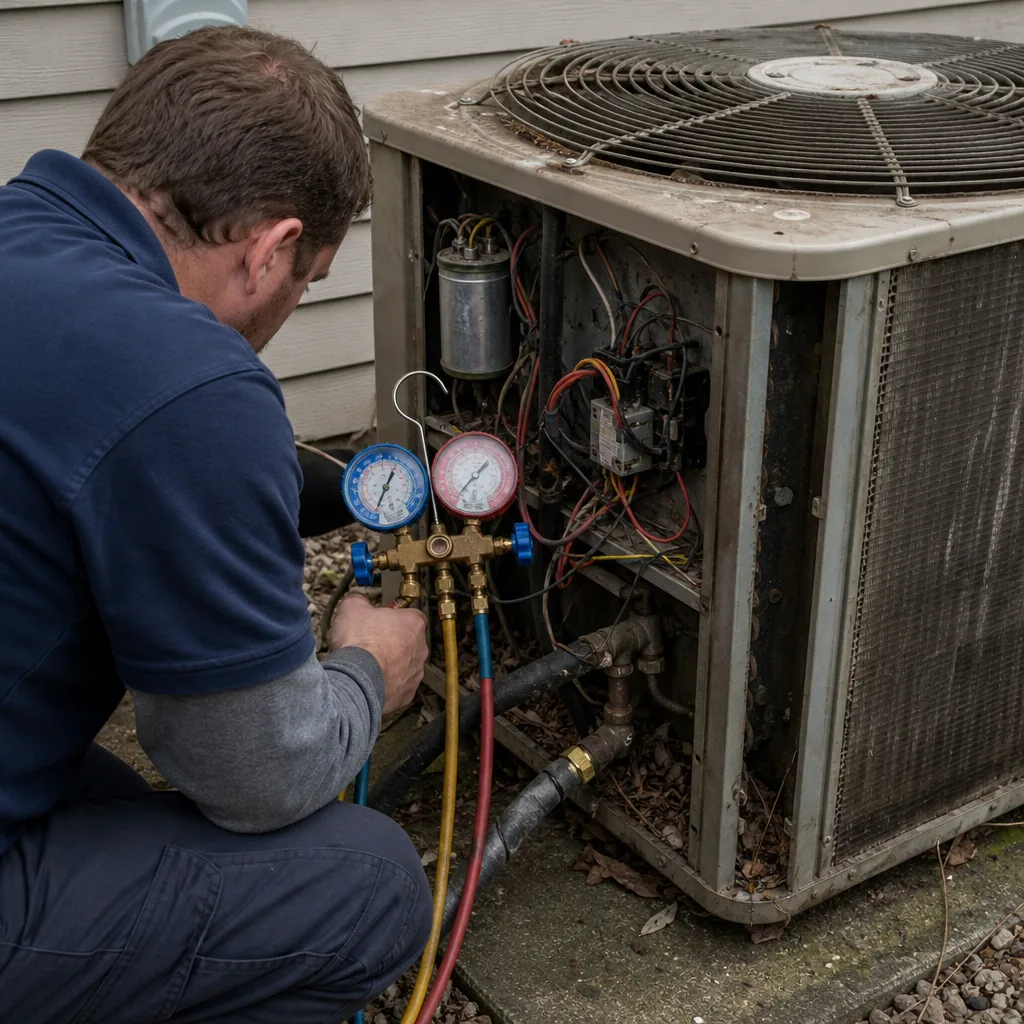
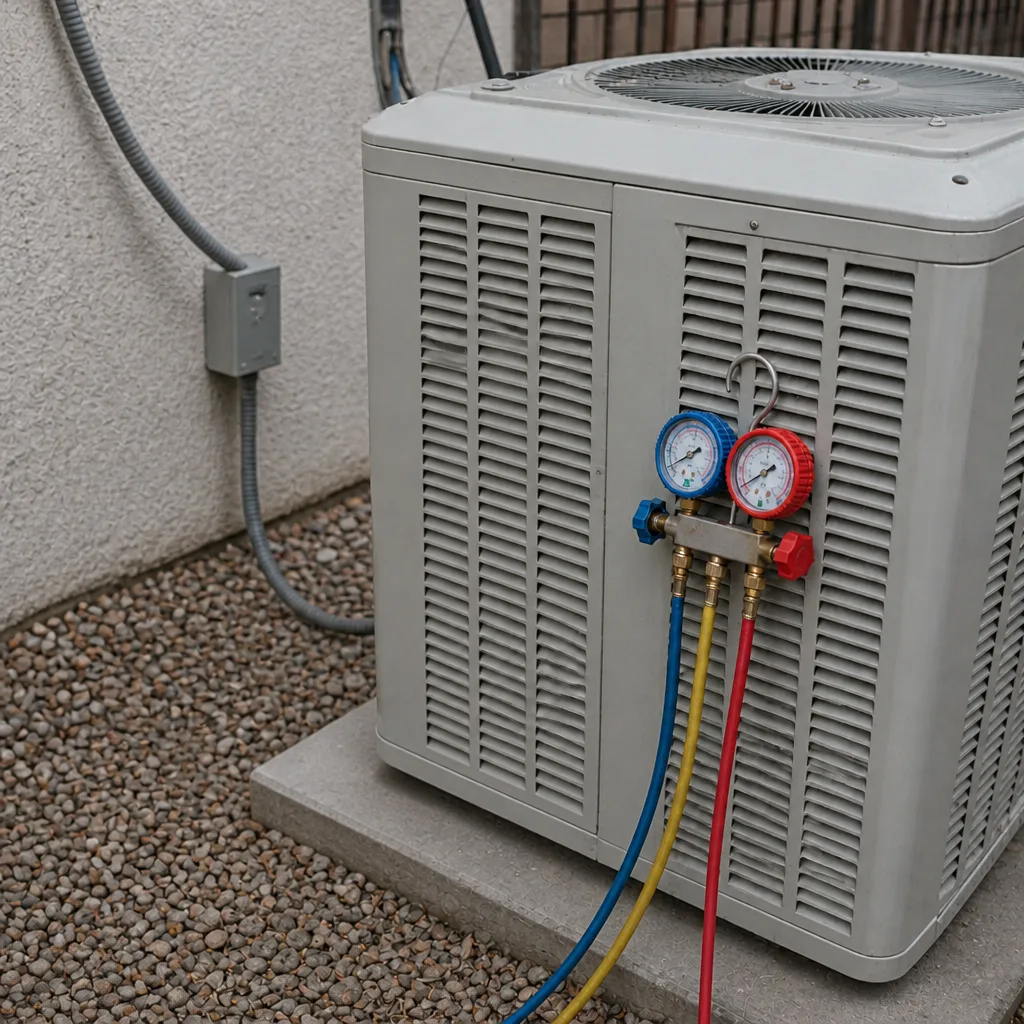
- Refrigerant charge test with superheat and subcooling readings, not just “looks fine.”
- Condensate drain inspection and clearing.
- Coil inspection and cleaning if needed.
- Belt and bearing inspection on any belt-driven equipment.
- Thermostat calibration and setpoint verification.
- A written report of what was found.
If a technician can’t hand you a written report of the readings, you didn’t get a tune-up. You got a visit. We charge $89 for a seasonal tune-up and put the readings in writing – every reading, every time. We also don’t pay our technicians on commission, so there’s no incentive to find problems that aren’t there.
Common Mistakes to Avoid
- Treating zone complaints as comfort preferences. They’re data. A repeated complaint is a failing component.
- Skipping the shoulder-season tune-up. In Whitney, the shoulder seasons are short and the transitions are sharp. That’s exactly when you don’t want to be guessing.
- Ignoring the electric bill. Usage patterns are the cheapest diagnostic tool you have. Look at them.
- Letting “somebody should call” become nobody calls. If it isn’t written down, it didn’t happen. Set up the log.
- Waiting for a failure to schedule service. A summer emergency in Whitney means a 105-degree building and a technician shortage. Book the tune-up in April.
- Choosing the lowest bid. The lowest bid on a commercial system usually means a technician who hasn’t been on your equipment before and a warranty you’ll have to argue about. Ask what happens if it’s not right.
- Ignoring gas smells or burning smells “just this once.” Not once. Never.
See the difference
 Before
 After
 Before
 After
 Before
 After
When to Call a Professional
Call a professional immediately for any gas smell, any burning-plastic smell near an air handler, any grinding or metal-on-metal noise from a blower, any ice on equipment when it’s warm outside, or any zone that has failed to hold setpoint through three consecutive service days. Also call for anything involving refrigerant – handling it is regulated and genuinely dangerous to do without training. High-voltage electrical at the disconnect panel is another one: shut it off at the breaker if it’s safe to do so, then call us. Don’t chase an intermittent compressor problem yourself. That’s how small problems become compressor replacements.
Fireside Heating & Air Co. Whitney offers free estimates in Whitney and answers the phone with a live person 24/7 – including 2 a.m. no-heat emergencies. Call (866) 329-8069. Our technicians are background-checked, uniformed, and put on shoe covers without being asked, and every job is backed by our 90-Day Done Right Promise.
Frequently Asked Questions
Employee behavior changes (space heaters, fans, remote-work patterns), unexplained jumps in utility usage of 15-30% against the same month last year, and repeated noise or smell complaints from one zone or area. All three typically show up weeks before a mechanical breakdown.
Twice a year – once before cooling season (late April) and once before heating season (late October). Whitney’s weather transitions are sharp; a system that isn’t tested at load before the first real hot week tends to fail on the first real hot week.
Because it goes from running at partial load to running at full load within days. Worn components that limped through shoulder season can’t handle the sudden current draw, and refrigerant that was marginal at 85 degrees is insufficient at 110. The load test arrives all at once.
Diagnostic visits run roughly $129-$189 during business hours and higher after hours. Common repairs like capacitor replacement fall in the $180-$340 range. Call (866) 329-8069 for an exact quote – estimates are free, and the price quoted is the price paid.
You can, but it costs. Emergency repairs during a heat wave in Whitney run three to five times the cost of the prevented failure, plus you’ll be waiting in a queue with every other failing system in the valley. It’s simpler and cheaper to catch the warning signs early.
If the unit is under 10 years old and the repair is under a third of replacement cost, repair. Above 15 years or with multiple recurring failures in one season, replacement usually wins on total cost. We give a written second opinion on any estimate for free, so you can compare honestly. Call (866) 329-8069 for one.
The Bottom Line
Commercial and residential HVAC systems almost never fail without warning. They fail after weeks of ignored signals – staff complaints, bill patterns, sounds and smells that got written off as normal. The work is not heroic. It’s a written log, a weekly review, and a tune-up in the shoulder season before the load arrives. Do those three things and the emergencies that find you will be genuinely unavoidable ones, not ones you had six weeks to prevent. If you want a second set of eyes on your system before the next transition, we’re happy to look. Done right, or we make it right – in writing.
Call (866) 329-8069 for a free estimate anywhere in the Whitney area. A live person answers, every hour of every day, and we’ll give you a straight answer about what your system needs and what it will cost.
Written by the team at Fireside Heating & Air Co. Whitney.