
Last updated November 18, 2026
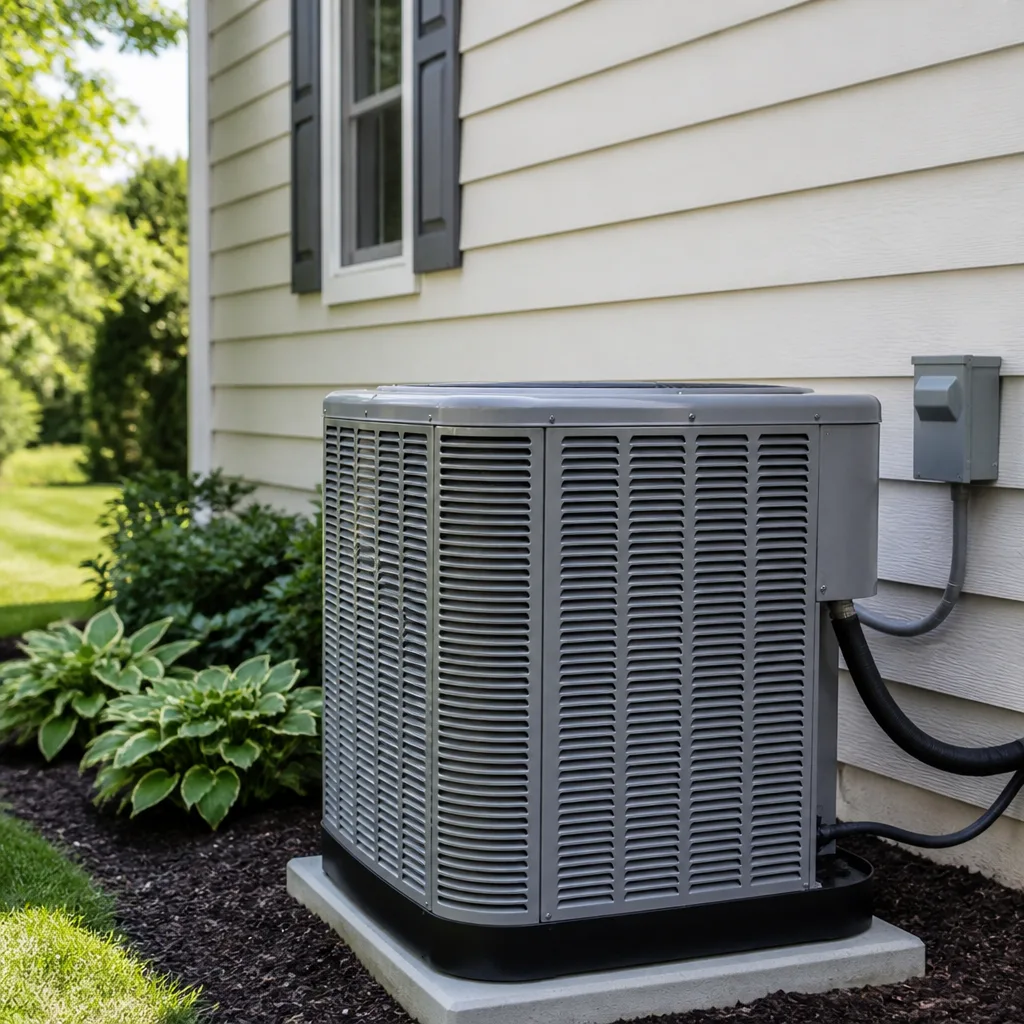 AC repair
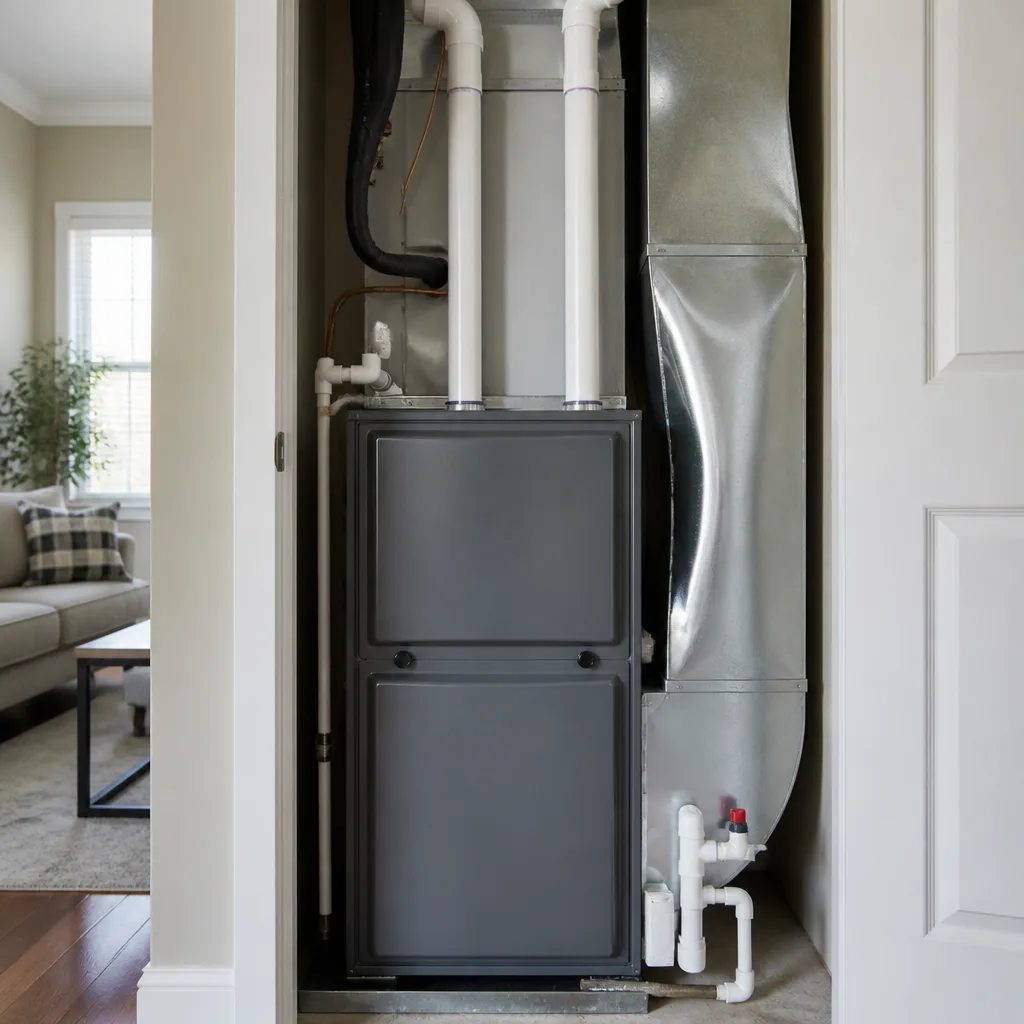 Furnace & heating
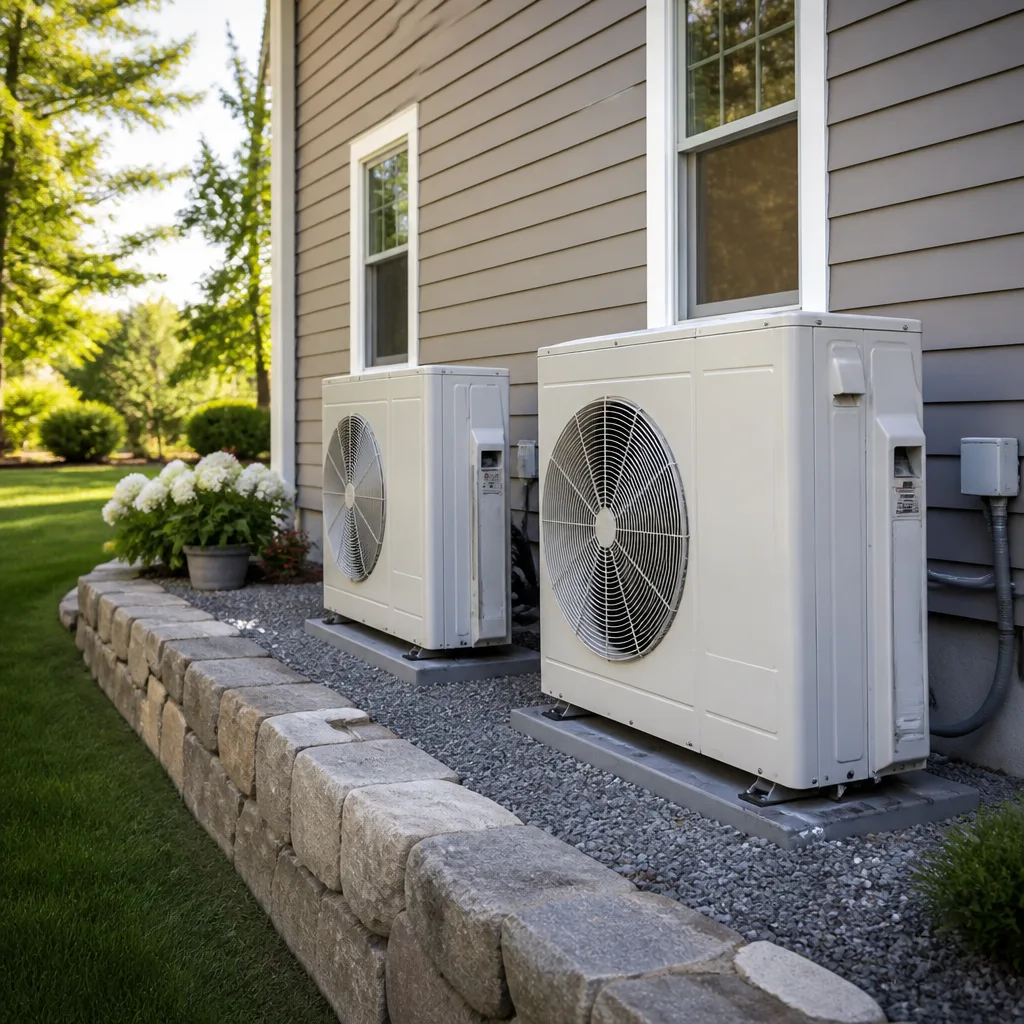 Heat pumps
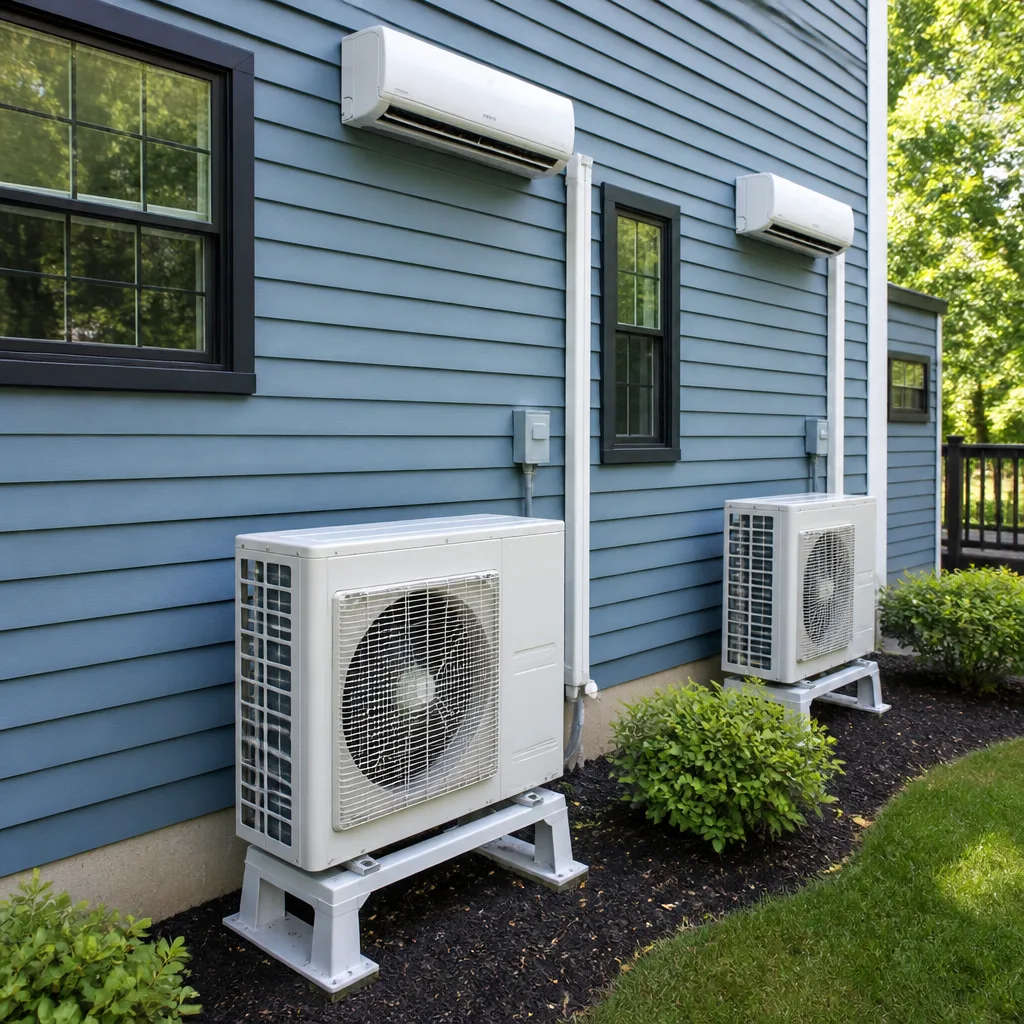 Ductless mini splits
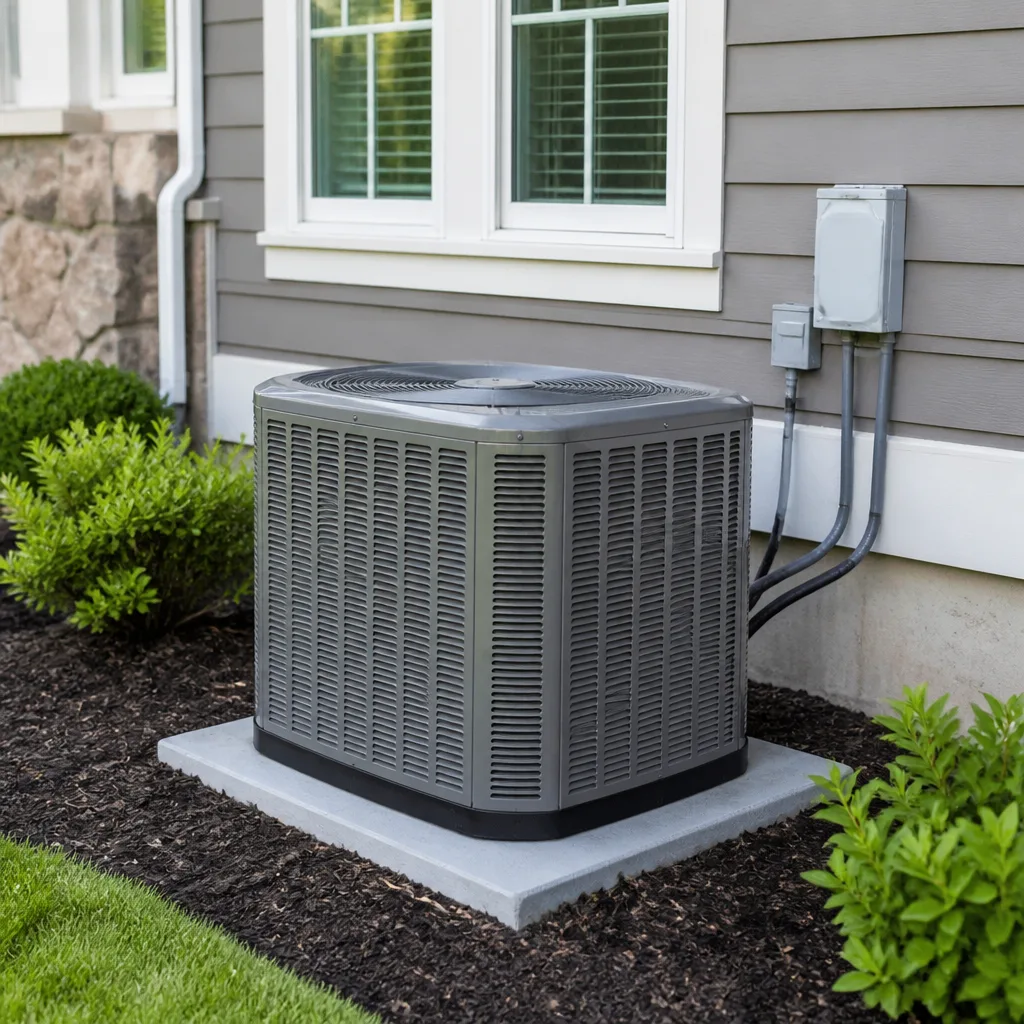 Carrier
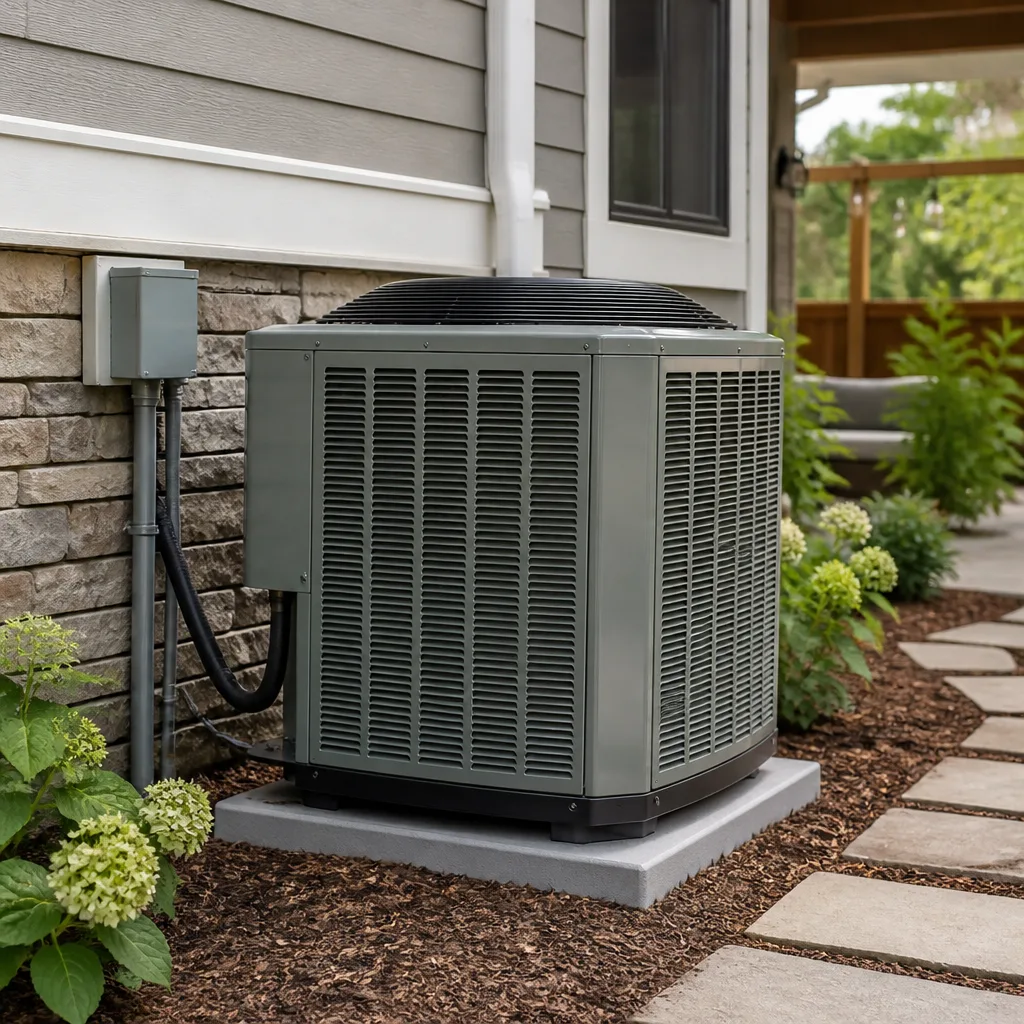 Trane
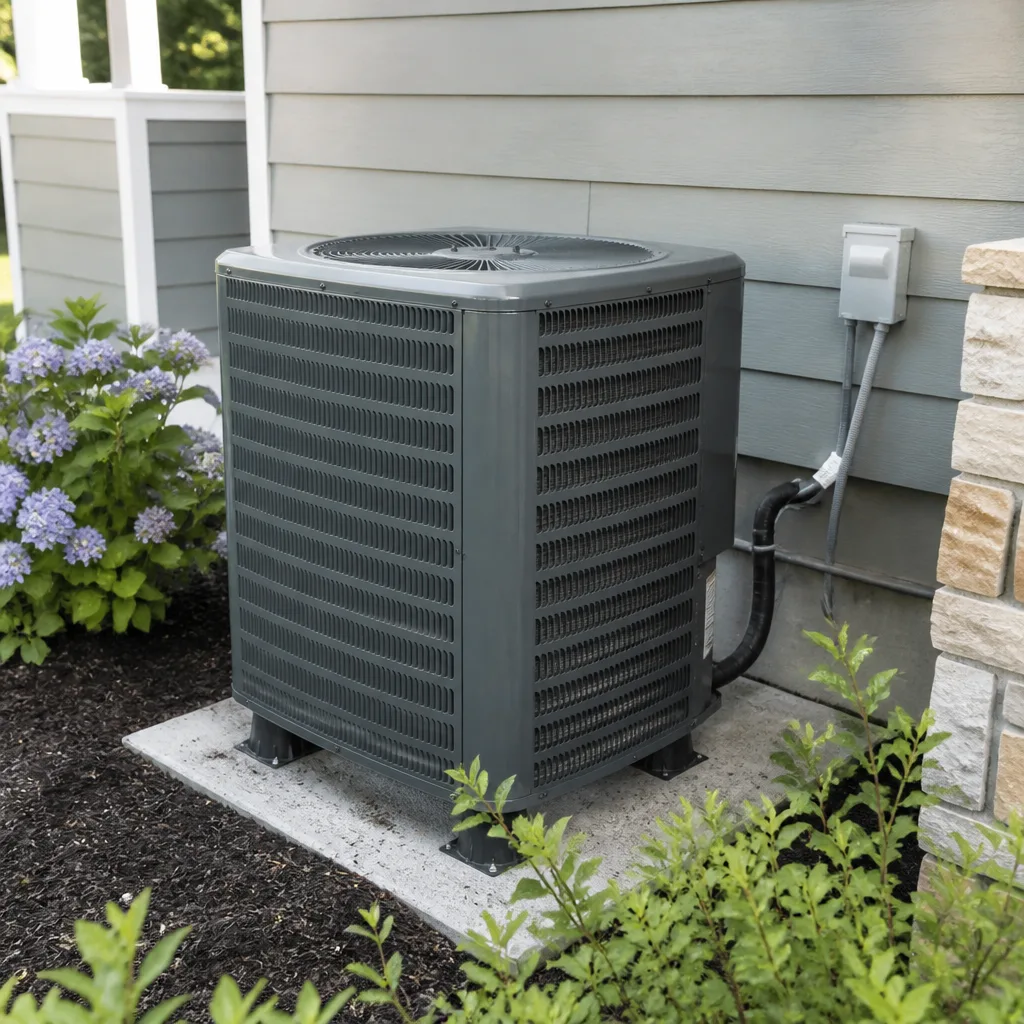 Goodman
Seasonal tune-up and full diagnostic on your Carrier, Trane, or Goodman system - readings shown to you before any repair is proposed
Diagnosis first, numbers second - you approve the repair price before a single part goes in.
Get your free estimateHow Long Does Air Quality & Ventilation Take? Timelines and What to Expect
An air quality assessment and a full heat-recovery ventilator installation are both called “ventilation work.” One takes about an hour. The other can take a full day, sometimes two. Homeowners in Whitney call us expecting one and get the other, and that mismatch is where the whole afternoon goes sideways. You block out your morning, the technician needs attic clearance you didn’t know to make, and suddenly you’re canceling a lunch. This guide breaks down honest timelines by job type, what slows a visit down, what you control, and what gets documented so the next visit is faster. No guesswork, no fine print.
Quick Answer
A routine air quality and ventilation service call (filters, registers, airflow check) runs 60 to 90 minutes. A duct inspection with camera work takes 2 to 3 hours. A whole-house ventilation system installation, like an HRV or ERV, is a full 6 to 8 hour day, sometimes stretched to two visits. IAQ lab testing adds 2 to 5 business days for results after the on-site samples are taken. The single biggest variable is which of these you actually booked.
Styles & brands we work with
- AC repair
- Furnace & heating
- Heat pumps
- Ductless mini splits
- Carrier
- Trane
- Goodman
Table of Contents
- Time Breakdown by Job Type
- What Adds Time On-Site (And What You Control)
- Why a First-Time Assessment Takes Longer
- How Long IAQ Testing Results Really Take
- Whole-House Ventilation Installation: The Full-Day Job
- What Whitney’s Desert Climate Does to Ventilation Work
- How the 90-Day Done Right Promise Affects Timelines
- Scheduling and What to Expect the Day Of
Time Breakdown by Job Type
The fastest way to plan your day is to match the job you booked against a realistic window. Here’s how the work usually shakes out when we’re called to a home in Whitney.
- Filter and register service: 60 to 90 minutes. Includes replacing filters, checking return and supply registers for blockage, confirming airflow at each vent, and a quick visual on the air handler. Most homes need this once or twice a year.
- Duct inspection (visual and camera): 2 to 3 hours. The technician runs a camera through the trunk and branch lines, checks for disconnected joints, crushed flex duct, and rodent intrusion. This is common in Whitney’s older neighborhoods where attic duct runs have been baking for decades.
- Air sealing and duct repair: 3 to 5 hours. Sealing accessible joints, reconnecting separated runs, and re-insulating where the desert heat has cooked the jacket off the duct.
- Whole-house ventilation installation (HRV or ERV): 6 to 8 hours, occasionally split across two visits. This means running new ductwork to an exterior wall, wiring the unit into the electrical panel, balancing airflow, and commissioning the system.
- IAQ sample collection: 45 to 90 minutes on-site. Results follow later, which we cover below.
If you’re not sure which category your concern falls into, that’s normal. Filter and register service is the entry point most Whitney homeowners start with, and it’s often the right one. The technician will tell you plainly if the visit needs to expand, and with upfront pricing you’ll know the cost before any wrench turns.
What Adds Time On-Site (And What You Control)
Here’s the part almost nobody tells you before the truck arrives. A ventilation job is scheduled on paper at an estimated duration, but the clock on the day is set by access. What the technician can reach, open, and safely work around is what dictates whether your 90-minute visit becomes a 3-hour one.
Things that add time, in rough order of how often we see them:
- Attic access clearance. If the hatch is buried under stored boxes, holiday decorations, or a mounted shelf, the technician has to clear it or wait. Fifteen minutes here, thirty there. In Whitney’s summer heat, attic work also gets paced slower for safety, so a cluttered access costs more than it would in a cooler climate.
- Locked mechanical rooms or closets. If the air handler sits behind a locked door and you’re not home to open it, the job stops. Leave keys or clear access.
- Pets in work areas. A nervous dog in the same room as an open attic hatch is a safety problem for the technician and the animal. Secure pets before the visit.
- Furniture in front of registers. Couches pushed against return grilles, bookshelves covering supply vents. It looks minor, but moving a heavy piece takes time and the technician would rather not move your things.
- Vehicles blocking driveway access. Less common, but if the technician needs to run tools between the truck and the house, a blocked path adds minutes each trip.
A few minutes spent the night before a scheduled visit clears most of this. Homeowners in the Whitney area who do this consistently see their visits finish on the shorter end of the window.
Why a First-Time Assessment Takes Longer
A first visit to your home takes longer than any return visit will. Not because the work is different, but because the first visit includes documentation that every future visit benefits from.
On a first-time air quality assessment, the technician is building a record of your home’s system. That means measuring static pressure across the air handler, photographing the duct layout, noting the make and model of the equipment (whether it’s a Carrier, a Trane, an American Standard, or another brand), recording filter sizes and locations, and identifying the return and supply register count. That documentation is what lets the next visit skip the discovery phase and go straight to the work.
In practice that discovery adds roughly 20 to 40 minutes on the first visit and saves most of that on every visit after. If you’ve lived in your Whitney home for twenty years and never had the ductwork inspected, plan for the longer end of the window. The record built on that first visit is worth the extra half hour.
How Long IAQ Testing Results Really Take
Air quality testing splits into two very different clocks: what the technician reads on-site, and what a lab has to grow or analyze. Knowing the difference keeps you from waiting by the phone.
- On-site readings (particulates, temperature, humidity, CO, CO2): Results are in your hand before the technician leaves. These are the numbers used to spot obvious problems like a CO issue or chronically high indoor humidity, which matters in Whitney when the monsoon pushes humidity up and the AC runs overtime.
- Mold and allergen sampling: Airborne samples go to a lab. Turnaround is typically 2 to 5 business days, occasionally up to a week during peak season.
- VOC and chemical sampling: Some tests are read on-site with meters; others are sent out. Plan on 3 to 7 business days for the mailed variety.
If your concern is a persistent odor, a musty smell in one room, or allergy symptoms that spike inside the house, on-site readings plus a visual inspection often tell the story without any lab work. The lab samples are for the cases where you need documented evidence, such as a real estate transaction or a remediation verification.
Whole-House Ventilation Installation: The Full-Day Job
A heat-recovery ventilator (HRV) or energy-recovery ventilator (ERV) is the biggest project in the ventilation category, and it’s the one that most needs a realistic schedule. Here’s how a typical Whitney install unfolds across a day.
- Site walk and layout confirmation (30 to 45 minutes). Confirming where the unit mounts, where the fresh-air intake penetrates the exterior wall, and where the exhaust leaves.
- Ductwork runs (3 to 4 hours). Pulling new duct from the unit to the return side of the air handler and out through the wall. Attic work in Whitney summer heat is paced carefully, which is part of why this takes the time it does.
- Electrical connection (30 to 60 minutes). Wiring the unit into a dedicated circuit. This is licensed electrical work and the technician will confirm the panel has capacity before starting.
- Mounting and commissioning (1 to 2 hours). Setting the unit, connecting the ducts, balancing airflow, and verifying that the system moves the rated CFM.
- Walkthrough and documentation (20 to 30 minutes). Showing you the controls, the filter location, the maintenance schedule, and the written record of the install.
Most Whitney homes finish in one long day. Older homes with tight attic access or complicated rooflines occasionally need a second visit for finishing work. The install is scheduled, not same-day, because the equipment is ordered for your home and the work is load-planned first. When you’re ready to talk through options on a heat pump and mini-split in Whitney, we’ll walk through whether ventilation pairing makes sense for your home and give you a written fixed price before anything is ordered.
What Whitney’s Desert Climate Does to Ventilation Work
Whitney sits in the Las Vegas Valley, and the local climate shapes both how fast a ventilation job needs to happen and how long it takes to do.
Our dust load is high. Spring wind events push fine particulate into every return grille, and filter changes that might last three months in a milder climate often need to happen closer to 60 days here. That means filter and register service is a more frequent job in Whitney than the national average, and staying on top of it prevents the ductwork from loading up.
Summer attic temperatures in Whitney can exceed 140 degrees. Technicians working attic runs pace themselves, hydrate, and don’t rush the job, because heat illness on a job site helps nobody. A whole-house ventilation install scheduled in July will run the full day, and we’d rather tell you that upfront than have you wondering why the truck is still there at 4 p.m.
The flip side: our mild winters mean ventilation work is a year-round job here. There’s no seasonal shutdown, and a February install in Whitney costs the same as an October one.
How the 90-Day Done Right Promise Affects Timelines
Every job we do is backed by the 90-Day Done Right Promise. If something was missed or isn’t working the way it should, we make it right, in writing, without arguing or a stack of paperwork. That promise has a direct effect on how we schedule ventilation work.
Because of the 90-day window, we’d rather take the extra 20 minutes on the first visit to over-document than rush. That means the technician photographs the accessible ductwork, records the static pressure readings, and notes anything that wasn’t accessible so it’s on record. If a return visit is needed to finish or correct something, we book it within days, not weeks, and the return visit then carries the same documentation standard.
For a full HRV or ERV install, the timeline for any follow-up is short: if the balance drifts, if a control misbehaves, or if the airflow isn’t what we committed to, the return trip is on us. That’s the whole point of a written guarantee.
Scheduling and What to Expect the Day Of
When you call, you’ll reach a live person, at any hour, and they’ll book you into a window that matches the actual job, not a generic 4-hour placeholder. If you’re in Whitney and you’re not sure whether you need a filter and register service or a full assessment, our team will ask a few questions to sort that out before they book.
What you can do to make the day go smoothly:
- Clear the attic hatch area the night before.
- Unlock any mechanical closet and leave keys accessible.
- Secure pets in a room away from the work area.
- Move nothing yourself that’s heavy; just leave a path to the equipment.
- Have your service history or filter sizes on hand if you have them, though the technician will confirm on-site.
Most jobs are completed in a single visit. If you’re calling about an AC issue that needs attention before or after the ventilation work, our AC repair and installation in Whitney team handles that as a separate, quick appointment. And if the ventilation work involves the furnace or air handler, our heating and furnace service in Whitney crew coordinates the same day where possible.
Common Mistakes to Avoid
- Booking “ventilation service” without knowing which job you booked. A filter change and an HRV install are not the same appointment, and the mismatch wastes your morning. Ask which category your appointment falls into when you book.
- Leaving the attic hatch buried. In Whitney’s summer heat, an extra thirty minutes in a 140-degree attic is not a joke. Clear the access before the truck arrives.
- Locking the mechanical closet and leaving for the day. The technician can’t work around a locked door. Leave keys or have someone home.
- Expecting same-day lab results. Mold and allergen samples go to a lab and take days. On-site readings are instant; lab analysis is not.
- Scheduling a whole-house ventilation install like it’s a service call. If you ask for a morning block and the job is a full HRV install, you’ll be disappointed. A full day is normal, and the price you were quoted covers it.
- Letting filters run past their interval because the house “smells fine.” In Whitney’s dust, a filter that looks fine is often past its useful life. Smell is a poor gauge of air quality.
- Not asking for the written findings. If a technician leaves without telling you what was found, the next visit starts from scratch. The 90-Day Done Right Promise covers the work; the documentation is what prevents repeat visits. Ask for the record.
See the difference
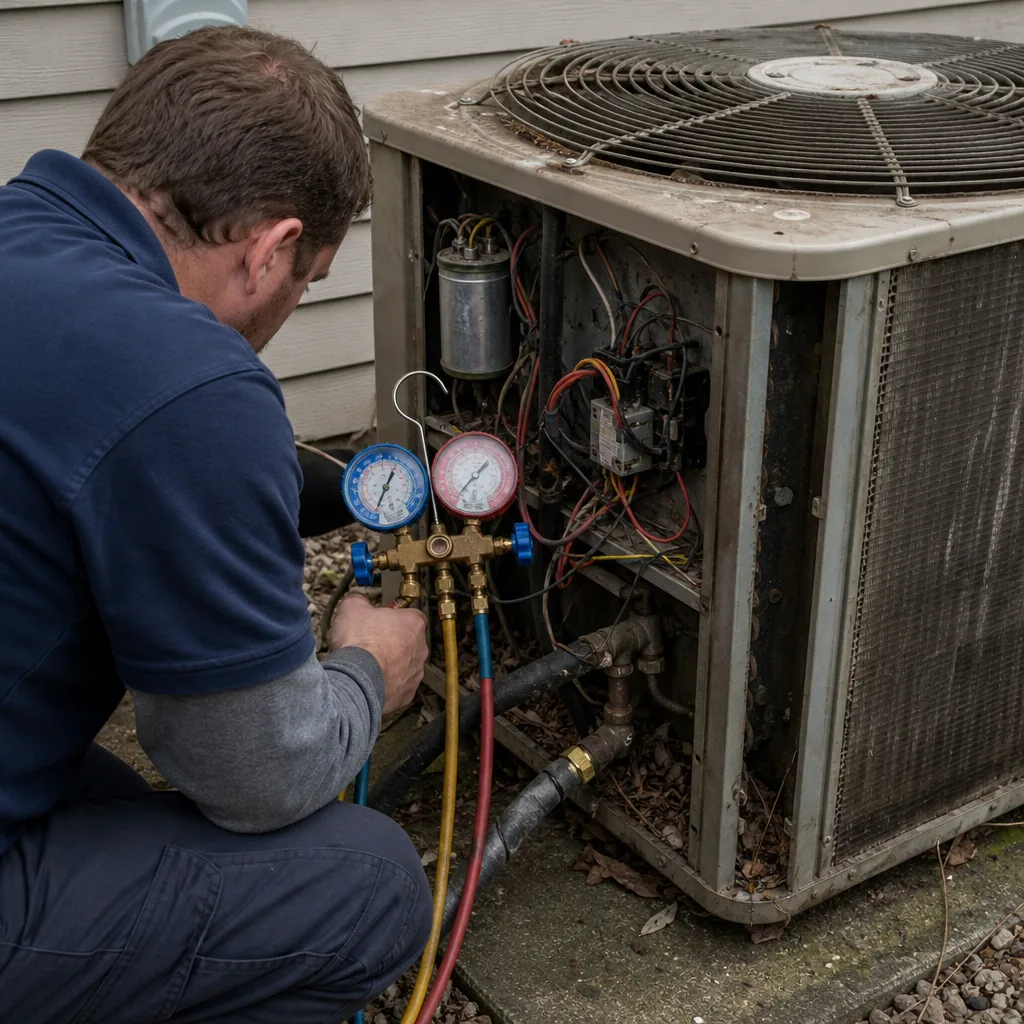 Before
 After
 Before
 After
 Before
 After
When to Call a Professional
Call a professional if you’re seeing dust streaks at the ceiling vents, a persistent musty smell, allergy symptoms that spike inside the house, or condensation on the ductwork. Call us sooner if you smell gas, if a CO detector alarms, or if you notice a burning smell from the furnace or air handler. That last group is a safety issue and should be treated as one. For ventilation work itself, most homeowners in Whitney benefit from a professional assessment because the equipment that does the work is behind walls and in attics, and the readings that tell the truth are measured, not guessed. Fireside Heating & Air Co. Whitney offers free estimates in Whitney – call (866) 329-8069 and a live person will pick up, day or night.
Frequently Asked Questions
A standard service call (filters, registers, airflow check) takes about 60 to 90 minutes. That window assumes the technician can reach the air handler and attic access without obstacles. If the access is clear and the mechanical room is unlocked, Whitney homeowners usually see the visit finish near the shorter end of the window.
Yes, most whole-house ventilation installs are completed in a single 6 to 8 hour day. The main variables are attic access and duct runs. Older Whitney homes with tight access occasionally need a second visit for finishing work, and we’ll tell you at the quote stage which one to expect. Call (866) 329-8069 for a free estimate.
On-site readings (particulates, humidity, CO, CO2) are available before the technician leaves. Lab-sent samples for mold, allergens, or VOCs usually take 2 to 5 business days, sometimes up to a week during peak season. If you need a specific turnaround for a real estate or remediation situation, tell us when you book.
The first visit includes documentation: measuring static pressure, photographing duct layout, recording filter sizes and equipment models, and noting what’s accessible. That discovery adds 20 to 40 minutes. Every later visit benefits from that record, which is why return visits run faster.
It changes the scope slightly, because we over-document the first time. That extra 20 minutes prevents the return visit. If something is missed or doesn’t work as committed, we return within days at no charge, in writing, no arguing. That is the whole promise.
Clear the attic hatch, unlock any mechanical closet, secure pets away from the work area, and leave a path to the equipment. These four things prevent most of the on-site delays we see. If you have service history or filter sizes, have them ready, but the technician will confirm on-site.
The Bottom Line
Air quality and ventilation work in Whitney runs from a 60-minute filter and register service to a full 6 to 8 hour whole-house ventilation install. Duct inspections sit in the middle at 2 to 3 hours. IAQ lab results add 2 to 5 business days after the on-site samples, and on-site readings are immediate. The two things that most often turn a short visit into a long one are attic access and locked mechanical rooms, both of which you control. Book the right category, clear the access, and the timeline holds. And every job comes with the 90-Day Done Right Promise, so if something gets missed, the return visit is on us.
Contact
If you’ve read this and want a straight answer about your own home, call (866) 329-8069 for a free estimate. A live person answers, day or night. We’ll tell you what your job is likely to take and lock in a written price before anything starts. Start with a look at Fireside Heating & Air Co. Whitney home for who we are and how we work, and if your system needs a broader check, our team handles everything from AC repair and installation in Whitney to heating and furnace service in Whitney and heat pump and mini-split service in Whitney. We will be there when we say, and we stand behind it in writing.
Written by the team at Fireside Heating & Air Co. Whitney.