
Last updated November 18, 2026
 Heat pumps
 AC repair
 Furnace & heating
 Ductless mini splits
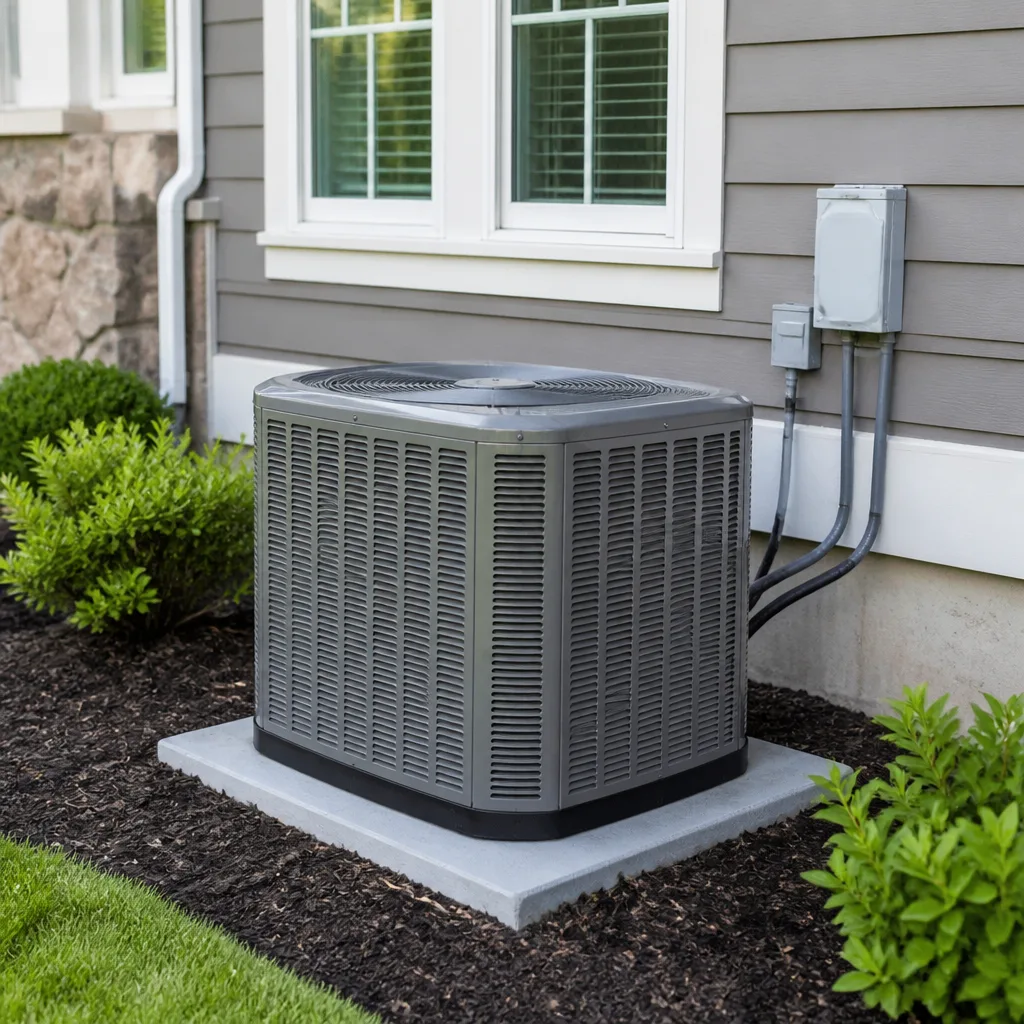 Carrier
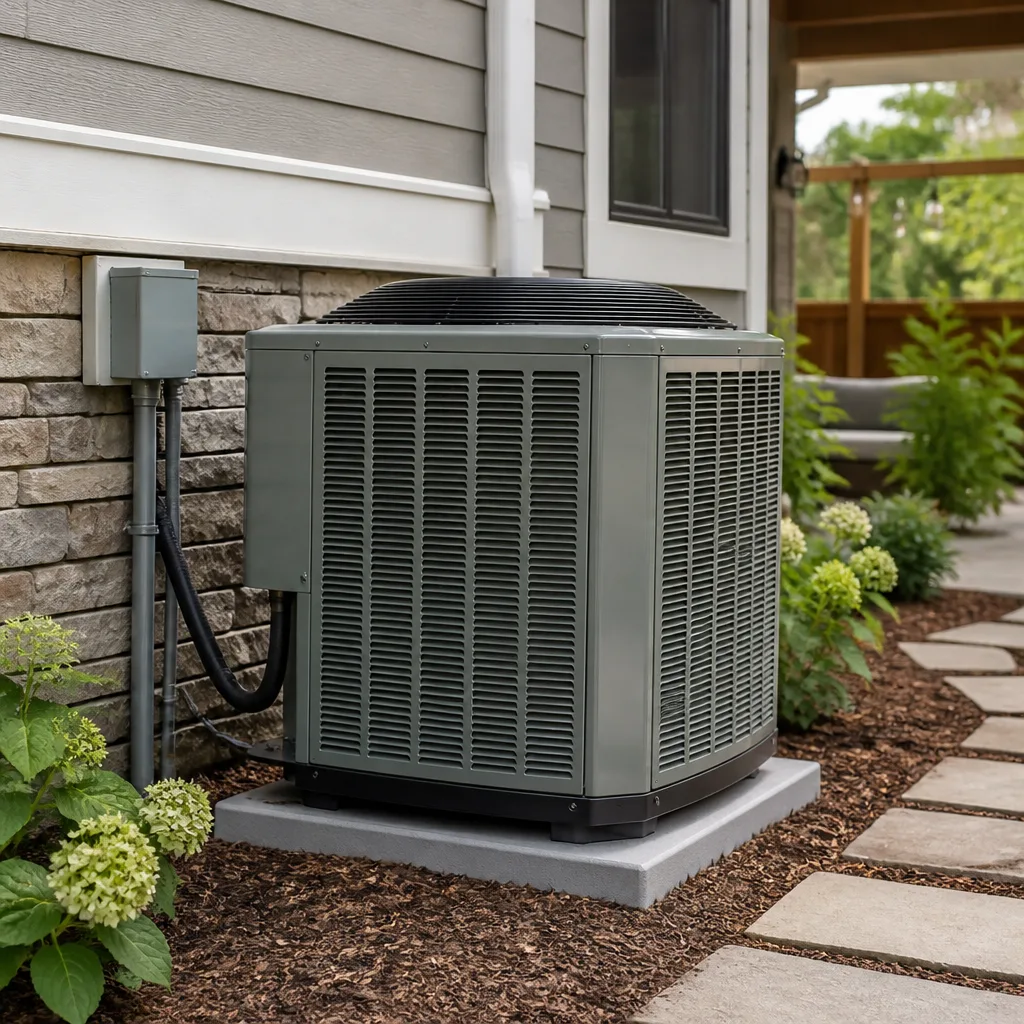 Trane
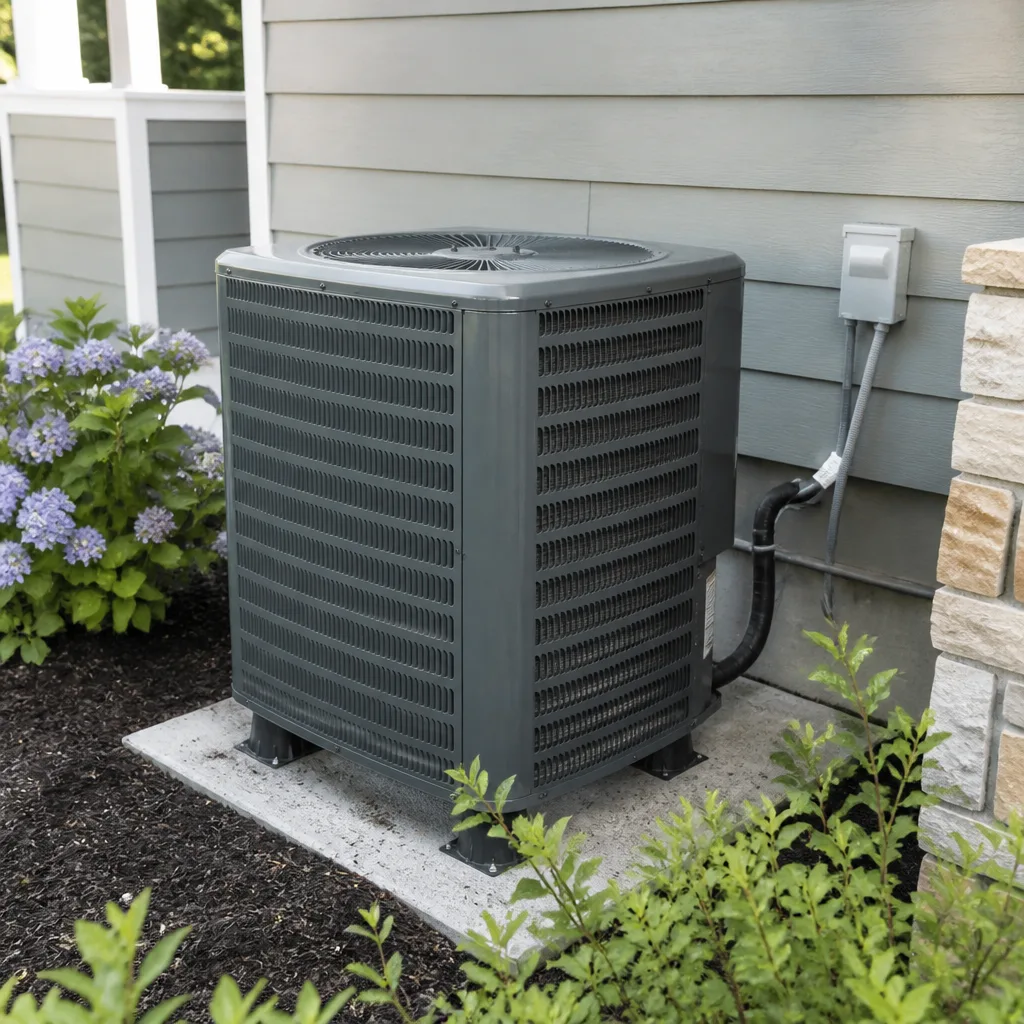 Goodman
Seasonal tune-up and full diagnostic on your Carrier, Trane, or Goodman system - readings shown to you before any repair is proposed
Diagnosis first, numbers second - you approve the repair price before a single part goes in.
Get your free estimateHeat Pump & Mini Split Warning Signs Every Homeowner Should Know
A mini split that takes 20 minutes longer than it used to reach your setpoint temperature isn’t “just having a slow day.” It’s logging a performance deficit that compounds quietly until the compressor is working hard enough to shorten its own life. That’s the part most homeowners miss: these systems almost never fail all at once. They degrade. Slowly, expensively, and with plenty of warning if you know what to look and listen for. In this guide, we’ll walk you through the signals that show up 30 to 90 days before a real failure, how to measure them yourself, and which ones mean you should shut the system down and call someone today in Whitney.
Quick Answer
The earliest warning signs of a failing mini split or heat pump are a 15-20% increase in runtime-to-setpoint, sounds that persist outside the normal defrost cycle (gurgling, grinding on startup, intermittent outdoor clicking), water or musty smells around the indoor wall plate, frost patterns that don’t clear on their own, and breaker trips or a burning smell near the air handler. Catch the first four early and you’re looking at a repair. Ignore them and you’re looking at a compressor. Any burning smell or repeated breaker trip means stop using the system and call for same-day service.
Styles & brands we work with
- AC repair
- Furnace & heating
- Heat pumps
- Ductless mini splits
- Carrier
- Trane
- Goodman
Table of Contents
- The Runtime-to-Setpoint Test: Your Best Early Warning Tool
- What Your Mini Split Should Sound Like vs. What Means Trouble
- Condensate Drain Problems Before They Become Wall Damage
- The Refrigerant Leak Warning Chain
- Electrical Warnings You Can Safely Observe
- Reading Frost Patterns on the Outdoor Unit
- Same-Day Service vs. Scheduled Appointment: How to Decide
- The Mistakes That Turn Small Repairs Into Big Ones
The Runtime-to-Setpoint Test: Your Best Early Warning Tool
Here’s a diagnostic you can run without a single tool. It’s the same one our technicians use on the first visit, adapted so you can track it at home. The idea is simple: measure how long your system takes to bring a room from its overnight low to your daytime setpoint, and write that number down. That’s your baseline. Then measure it again every 60 to 90 days. A mini split that has lost refrigerant, developed a dirty coil, or started straining its compressor will show a longer time on the clock before it ever throws an error code.
How to establish your baseline:
- Pick a mild morning. Wait until the house has cooled overnight to its normal low, then set your thermostat to your usual daytime temperature.
- Start a stopwatch when the system kicks on. Stop it the moment the thermostat reads setpoint. Write down the time and the outdoor temperature.
- Repeat the same test on a day within 5°F of that outdoor temperature, once every couple of months. Comparing across wildly different weather skews the result.
- Log the number somewhere you’ll actually look: a note on the fridge, a phone note, whatever works.
A drift of 15-20% is the threshold that matters. If your baseline was 25 minutes and you’re now at 30, that’s worth a scheduled service call. If you’ve gone from 25 to 40, don’t wait for the system to quit on you. That kind of slowdown usually traces back to a low refrigerant charge, a blocked coil, or a compressor that’s laboring, and catching it at the 15% mark is what separates a $300 repair from a system replacement. Whitney’s long dry summers put steady load on these systems, so drift tends to show up right around July and August if it’s coming.
What Your Mini Split Should Sound Like vs. What Means Trouble
Every heat pump and mini split makes noise. The trick is knowing which noises are the system doing its job and which ones are a warning. If you’ve owned the system for a few seasons, your ear is a better instrument than you think. Here’s the cheat sheet we give homeowners.
Normal sounds you should not worry about:
- Defrost cycle racket. In heating mode, the outdoor unit periodically reverses to melt frost off its coil. You’ll hear a whoosh, a clunk, sometimes a brief hiss, and see steam. It lasts a few minutes and stops. Normal.
- Refrigerant flow sound. A gentle hiss or woosh from the indoor head when the system starts up or shuts down is refrigerant moving through the lines. Faint and brief means fine.
- Fan hum and air movement. Steady and constant. If it changes pitch, that’s a different story.
Warning sounds that shouldn’t persist:
- Gurgling that keeps going after the defrost cycle ends. A short gurgle during defrost is fine. Gurgling that continues for 20 minutes or shows up in cooling season points to low refrigerant or air in the lines.
- Grinding or scraping on startup. Usually a bearing in the outdoor fan motor or debris against the fan blade. Left alone, it kills the motor.
- Intermittent clicking from the outdoor unit. The contactor is trying to start the compressor and failing. This is a one-to-two-week warning before the compressor stops starting altogether.
- Rattling that appeared suddenly. Could be a loose panel, could be a failing compressor mount. Worth a look either way.
If a sound is new, repeatable, and shows up every cycle, it’s telling you something. On the heat pump and mini split services we handle in Whitney, the number of “loud outdoor unit” calls that turn into a one-hour repair is high, because people call when they hear it instead of waiting for it to stop.
Condensate Drain Problems Before They Become Wall Damage
Every mini split pulls moisture out of the air, and that moisture has to leave through a condensate line. When the line clogs, backs up, or the drain pan starts to fail, the water goes somewhere it shouldn’t, and it’s the indoor wall plate that tells you first. You don’t have to take the unit apart to see it.
What to look for around the indoor head and wall plate:
- Water stains on the wall below the head. A faint brown line or ring under the unit is water making its way down. That’s a drain problem, not a paint problem.
- Pink or black discoloration at the seam. That’s mildew starting. It means moisture has been sitting there long enough to grow something.
- A musty smell when the fan runs. The drain pan has standing water in it or the coil is growing biological growth. Same fix, and you want it before it spreads into the room.
- Water dripping from the indoor unit. The most obvious sign, and the one you don’t want to see. Shut it down and call.
Here’s the Whitney-specific twist. Our desert climate is dry enough that a slowly clogging drain line can look fine for weeks longer than it would in a humid climate like Houston or Atlanta. The air simply doesn’t have as much moisture to push through, so the trickle is smaller and the evidence builds more slowly. That means homeowners here tend to catch drain problems by smell and wall staining, not by dripping. If you notice either one, don’t wait for the drip. On an HVAC call in Whitney, a drain flush is a quick job and a wall repair is not.
The Refrigerant Leak Warning Chain
Refrigerant leaks are the quietest and most expensive of the mini split failure modes, because the system doesn’t fail. It just gets a little worse every week. By the time it’s obvious, the compressor has often been running hot for months. Here’s the warning chain, in the order it usually shows up.
- Performance feels slightly off. The room still gets cool, but it takes longer. Heating mode feels less warm than it used to. You might tell yourself it’s the weather. It isn’t.
- Runtime-to-setpoint climbs steadily. This is where the tracking from the first section pays for itself. A leak that adds 10% per month to your runtime is measurable long before it’s obvious.
- The outdoor unit runs longer in heating mode to do the same job. Heat pumps lose capacity as refrigerant drops. The system compensates by running longer, which is exactly what wears out a compressor.
- Frost appears where it shouldn’t. See the frost section below. This is the point where you stop investigating.
What to do: stop there. Refrigerant work isn’t a homeowner job, both because the refrigerant itself is regulated and because the pressures involved can hurt you. Once you’re seeing consistent performance loss plus anything on the frost list below, shut the system off and call. We don’t recommend “topping off” the charge without finding the leak, because a system that loses refrigerant will lose it again, and the compressor is the thing paying for it in the meantime.
Electrical Warnings You Can Safely Observe
Some mini split electrical problems are safe for you to notice. A few require shutting the system down and calling right away. Knowing the difference matters. Anything involving the breaker, the panel, or the wiring is a job for a licensed electrician or a trained HVAC technician, and we mean that plainly.
Warnings you can observe safely:
- Repeated breaker trips. If the same breaker is tripping more than once every few weeks, that’s a fault. Stop resetting it and get it looked at. Repeatedly resetting a tripping breaker can damage the compressor or worse.
- Rapid cycling. The indoor unit coming on and going off every few minutes instead of running steadily is a classic low-refrigerant or sensor fault signature.
- Burning smell near the air handler or outdoor unit. This is a stop-now sign. Shut the system off at the thermostat (and the breaker if you can reach it safely) and call for same-day service. A burning smell points to wiring or a failing component, and it’s not something to monitor for a few days.
- Scorched or discolored outlet or switch plate near the unit. Same as above. Shut it down and call.
- Buzzing from the outdoor unit that comes and goes. Usually a contactor or capacitor starting to fail. Worth a scheduled visit before it fails outright.
In Whitney, we get a handful of these same-day calls each summer, and nearly every one traces to a capacitor or contactor that would have been a $200 fix if it had been caught a few weeks earlier. On the AC repair side in Whitney, the same rule applies: a burning smell and a tripped breaker are the two that never wait for a scheduled appointment.
Reading Frost Patterns on the Outdoor Unit
In heating mode, frost on the outdoor coil is normal. The system is designed to defrost itself every 30 to 90 minutes, depending on conditions. What you’re watching for is frost that behaves in ways the defrost cycle can’t explain.
Normal frost:
- Even across the whole coil.
- Gone after a few minutes of defrost cycle.
- Shows up more on cold, damp mornings and less on dry days.
Warning frost:
- Frost on the small copper line or the indoor unit’s lineset (the two insulated pipes running into the wall). This is a low-refrigerant signature. It shouldn’t frost at all.
- Ice building up on the outdoor unit and staying there through multiple cycles. The defrost isn’t working, or the charge is low enough that defrost can’t complete.
- Frost only on one side of the coil. Usually a refrigerant restriction or a metering device problem.
- Frost that returns within minutes of a defrost cycle. The system is telling you it’s not getting what it needs.
If you see any of those, stop investigating. Shut the system off at the thermostat and call. Continuing to run a heat pump with these frost patterns is what turns a refrigerant leak into a compressor failure, and in Whitney’s cooling season the same signature shows up on the indoor coil instead. A heating system that frosts like this in the winter is the same conversation.
Same-Day Service vs. Scheduled Appointment: How to Decide
Not every warning sign needs a same-day call. Knowing which is which saves you money and keeps the truck on the road for someone whose system actually stopped. Here’s how we triage it on our end.
Call for same-day service:
- Burning smell near the air handler, panel, or outdoor unit.
- Repeated breaker trips or the breaker won’t stay on.
- Water actively dripping from the indoor unit or water visible on the wall.
- The system has stopped entirely and it’s over 100°F outside or well below freezing.
- Any frost pattern from the list above.
Schedule a regular appointment:
- A 15-20% drift in runtime-to-setpoint without other symptoms.
- New sounds that show up every cycle but the system is still heating and cooling.
- A musty smell that appears only when the fan first runs, then fades.
- One breaker trip that hasn’t repeated.
- Water stains without active dripping.
If you’re not sure which list your symptom belongs to, call us and describe it. Our phones are answered by a live person 24 hours a day, and we’d rather talk you out of a same-day visit you don’t need than have you wait on something that turns into a compressor.
Common Mistakes to Avoid
- Treating a slow system as a “hot day” problem. In Whitney, it’s easy to blame a slow cool-down on weather. It usually isn’t. Measure runtime and you’ll know.
- Resetting a tripping breaker more than once. A breaker that trips is protecting the system from itself. Resetting it repeatedly can finish off a compressor that was warning you.
- Topping off refrigerant without finding the leak. A refill hides the symptom. The leak is still there, the compressor is still laboring, and next summer it’s worse.
- Ignoring a musty smell from the indoor unit. In dry Whitney air, that smell is often the first sign of a blocked drain, not the last. Catching it early avoids the wall repair.
- Cleaning a filter but never checking the outdoor coil. Desert dust packs the outdoor coil faster than most homeowners expect. A dirty coil looks exactly like a refrigerant problem on a runtime test.
- Running the system with ice on the outdoor unit through multiple defrost cycles. That’s damage happening in real time. Shut it down.
- Letting an unlicensed company do the recharge. Refrigerant handling is regulated for good reason, and a “deal” on a recharge that doesn’t include a leak check is money you’ll spend twice.
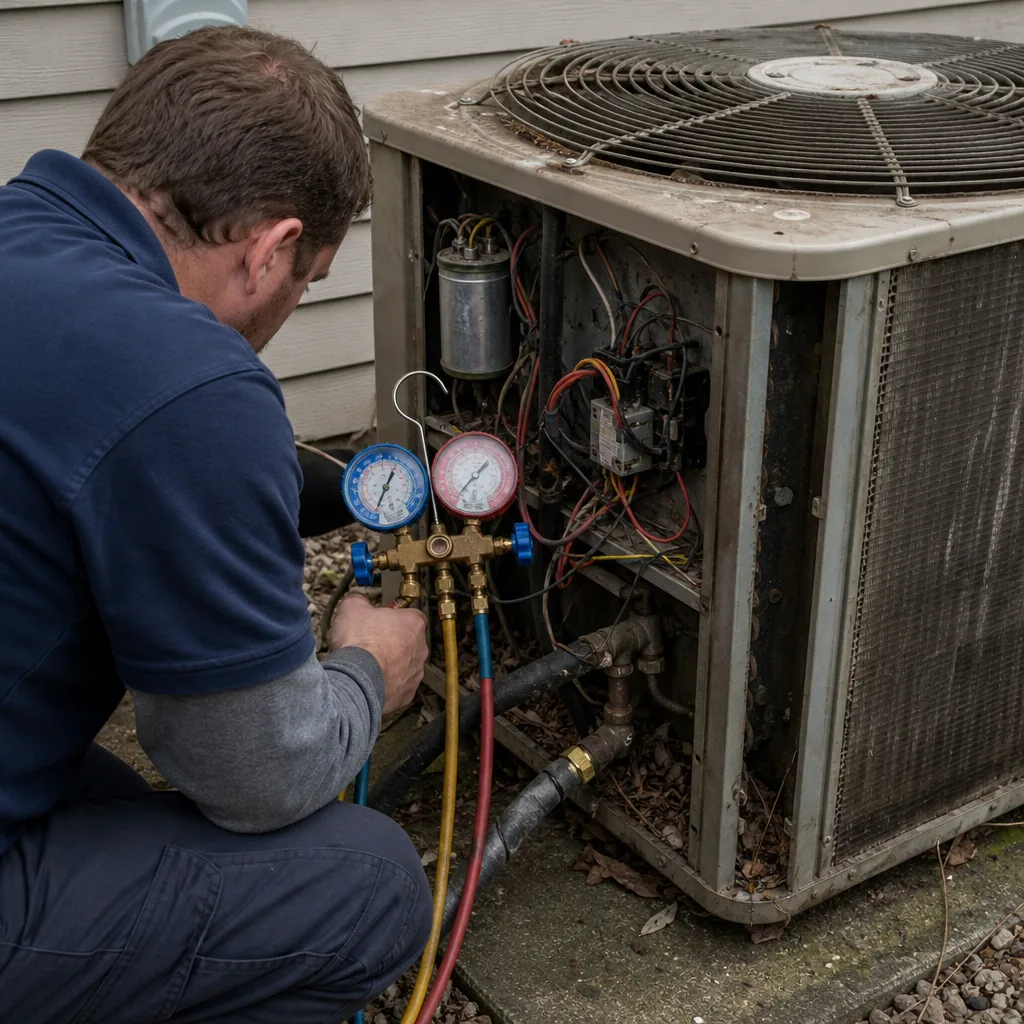
See the difference
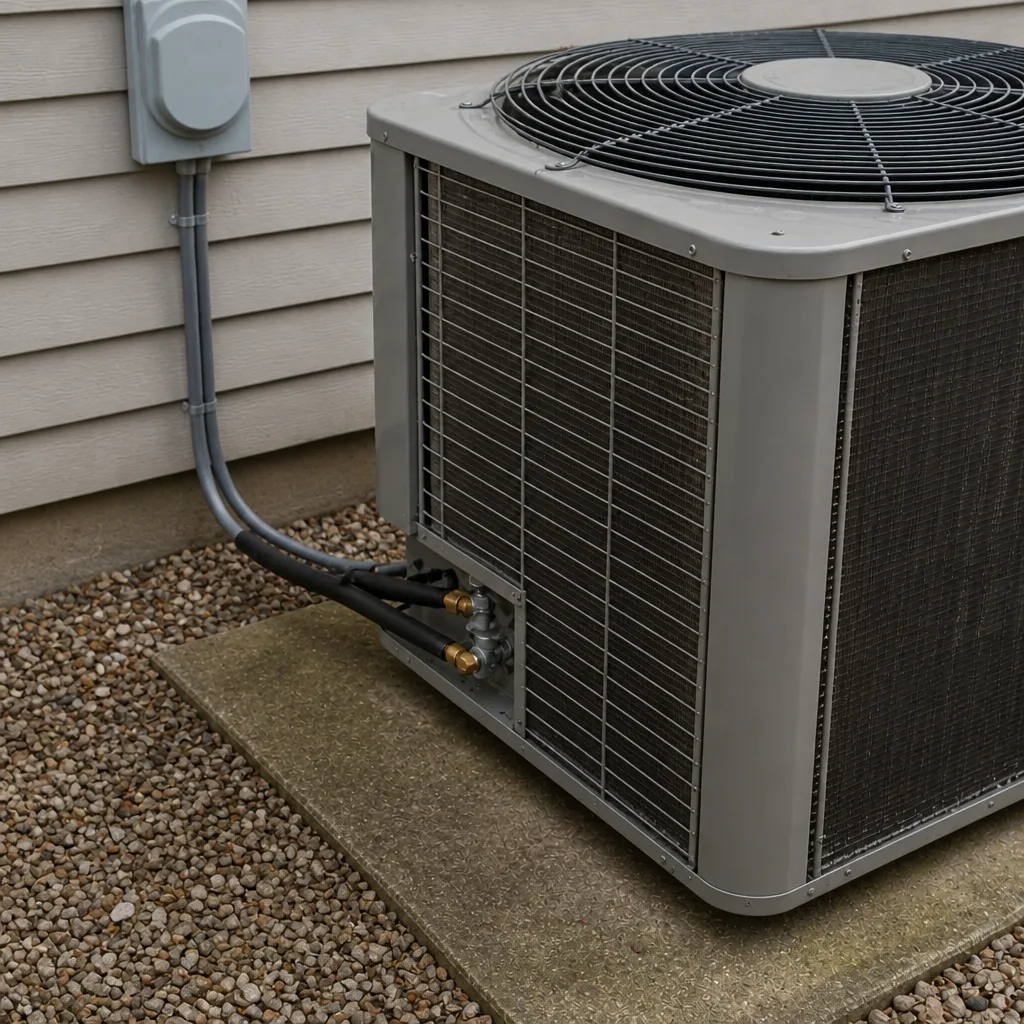
 Before
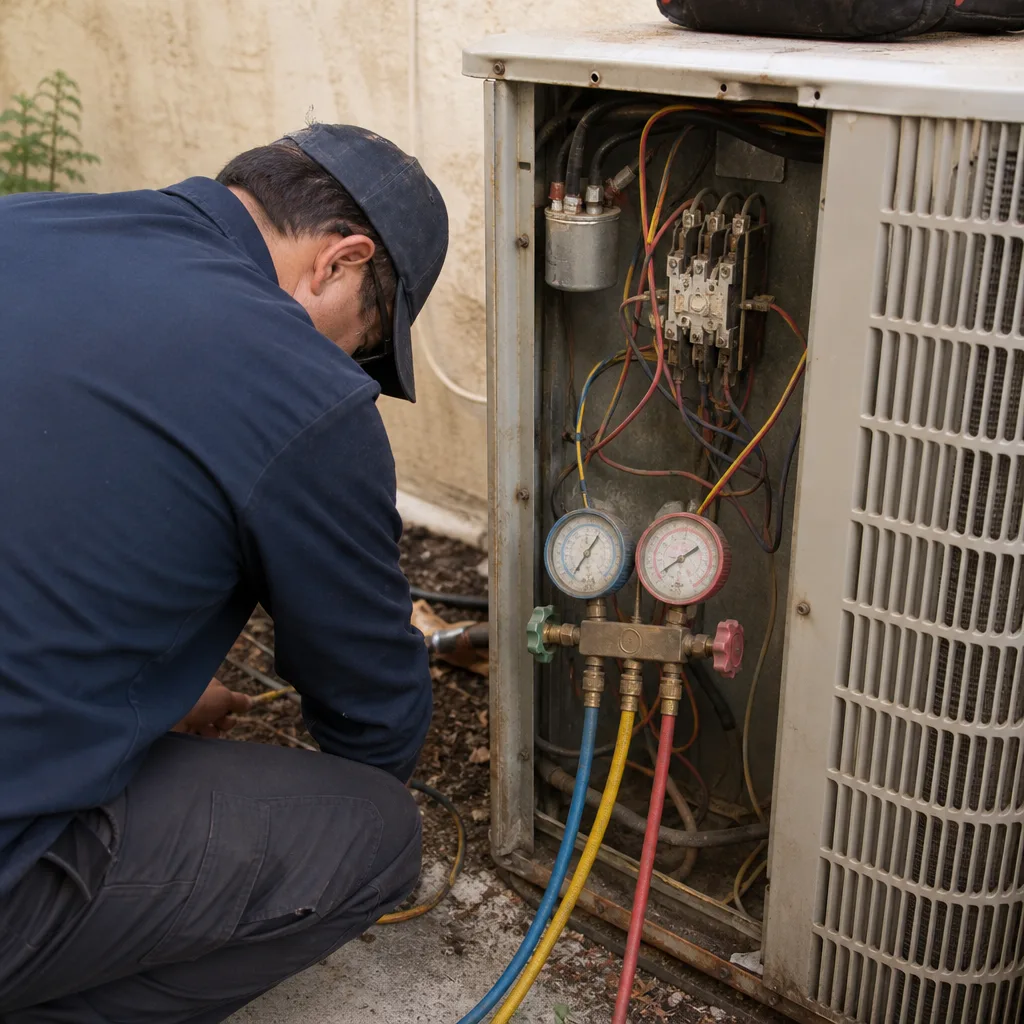
 After
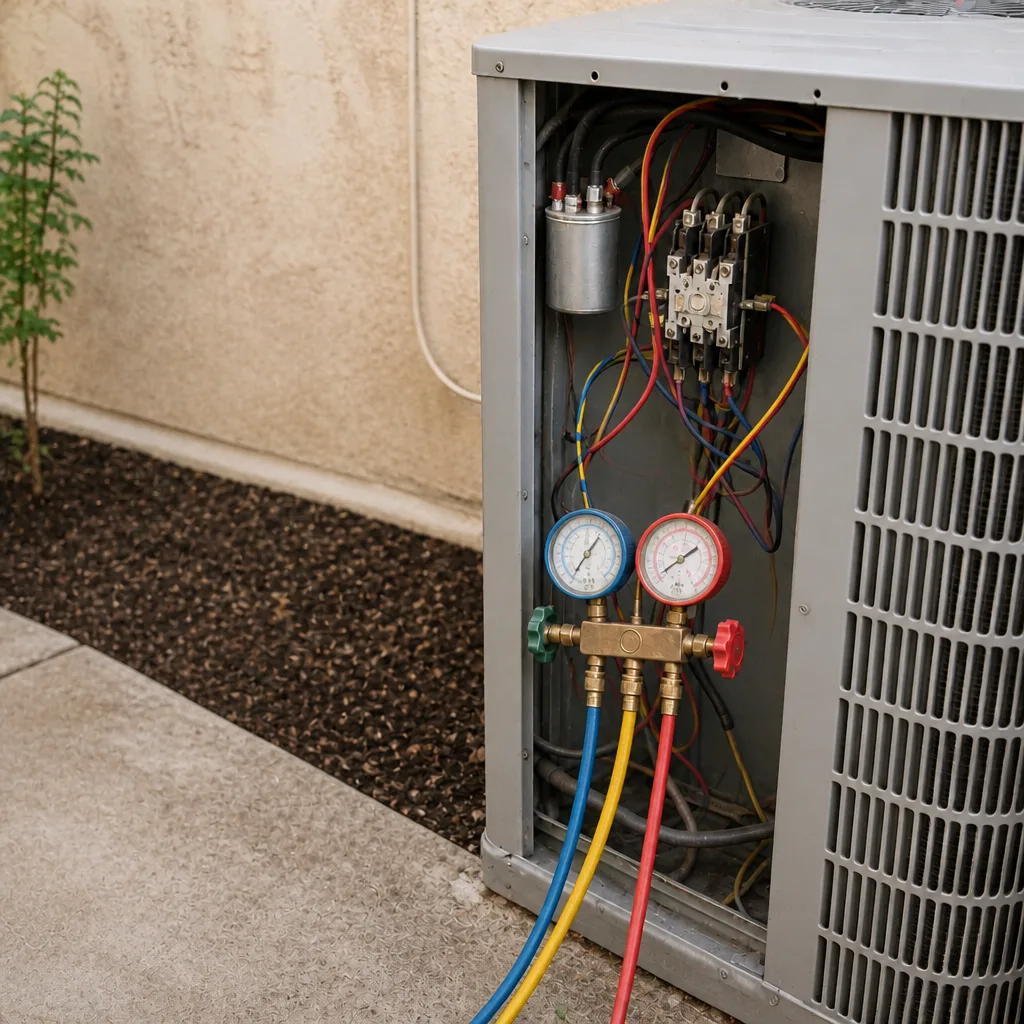
 Before
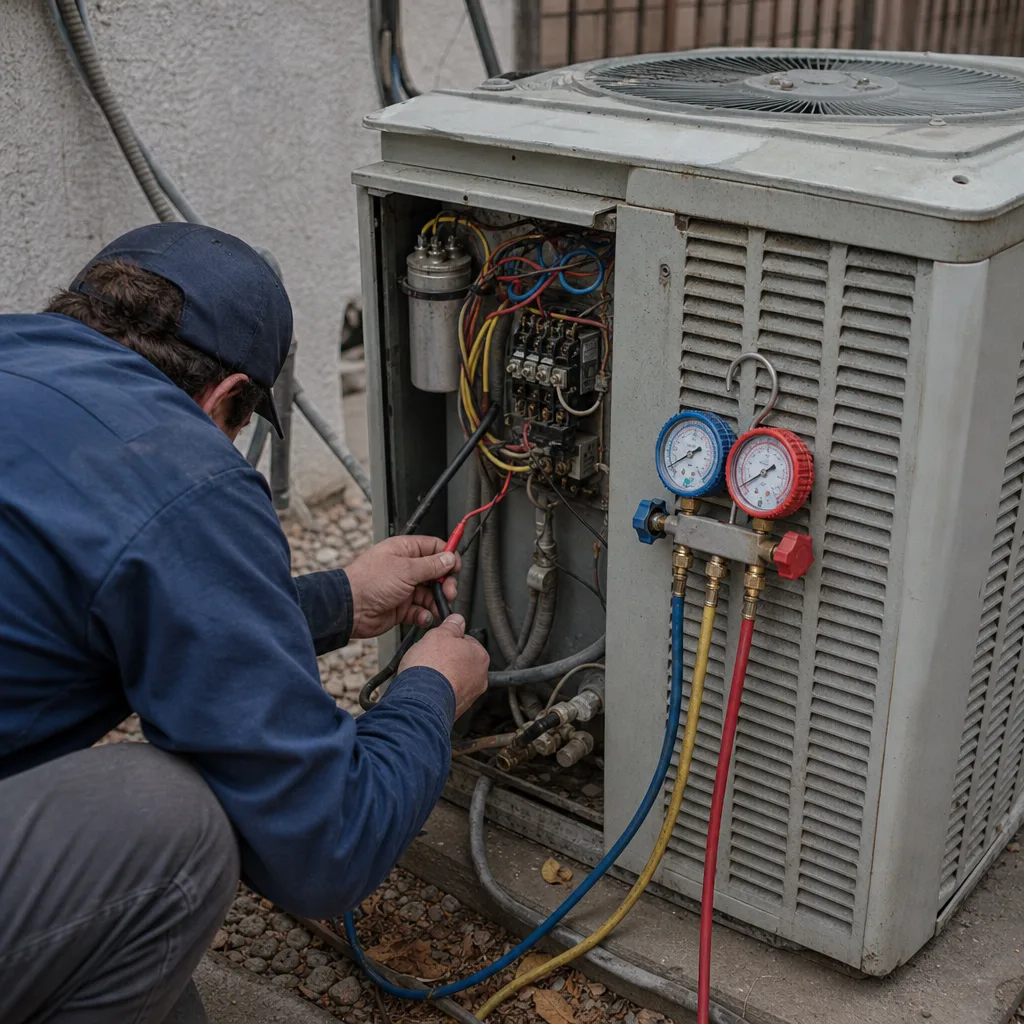
 After
 Before
 After
When to Call a Professional
Call a professional any time you have a burning smell, repeated breaker trips, water actively leaking from the indoor unit, frost where it shouldn’t be, or an outdoor unit that clicks on and off without ever settling into a steady run. Call for a scheduled appointment if you’ve measured a 15-20% drift in runtime-to-setpoint, if a new sound shows up every cycle, or if a musty smell lingers around the indoor head. Burned hands, serious injury, or damage from a bad repair is the cost of waiting; a proper diagnosis is much cheaper. Fireside Heating & Air Co. offers free estimates in Whitney, and every repair is backed by our 90-Day Done Right Promise. Call (866) 329-8069.
Frequently Asked Questions
Usually a longer runtime-to-setpoint before any other symptom. The system takes noticeably more time to reach the same temperature, and the change builds slowly enough that it’s easy to miss without a written baseline. If you’d like us to run a full diagnostic in Whitney, call (866) 329-8069 for a free estimate.
Low refrigerant typically shows up as steady performance loss, frost on the small copper line or the indoor lineset, and outdoor frost patterns that return within minutes of a defrost cycle. Those frost signs mean shut the system down and call. We don’t recommend running through them because the compressor is the component being damaged. Call (866) 329-8069 and we’ll come find the leak.
A brief gurgle during the defrost cycle is normal, but gurgling that persists well past defrost, or that shows up in cooling season, points to low refrigerant or air in the lines. If it’s repeatable and happening every cycle, it’s worth a scheduled visit. Call (866) 329-8069.
Water inside usually means a blocked condensate drain, a failed drain pan, or, in cold weather, ice on the outdoor coil backing up into the system. In Whitney’s dry climate, drain problems often show up first as a musty smell or a faint wall stain before they ever drip. Either one is worth a call. (866) 329-8069 gets a live person.
If the leak is found and it’s a single accessible joint or a Schrader valve, a repair is usually the right call. If the leak is in the evaporator or condenser coil itself, or the compressor has already been run hard for a couple of seasons, replacement often makes more sense than pouring money into a component that’s already been stressed. We’ll give you a written quote on both options, and you can use our free second-opinion offer to compare. Call (866) 329-8069.
Yes. Our technicians are trained on the major residential brands, including Carrier, Trane, Lennox, and American Standard, along with Goodman, Rheem, York, Daikin, and Bryant. Background-checked and in uniform on every call. Call (866) 329-8069 for a free estimate.
The Bottom Line
Mini splits and heat pumps fail slowly, and the warnings are legible months before the system actually quits. Runtime-to-setpoint is your cheapest and most reliable tracker, the sounds and frost patterns tell you what the runtime is telling you, and the electrical signs are the ones that never wait. Track your baseline, call on the sounds and frost signs while they’re still repairs, and call today if you smell burning or keep resetting a breaker. Fireside Heating & Air Co. answers the phone around the clock, quotes the price you’ll actually pay, and stands behind every repair in writing for 90 days. Call (866) 329-8069 for a free estimate in Whitney.
Written by the team at Fireside Heating & Air Co. Whitney.