
Last updated November 18, 2026
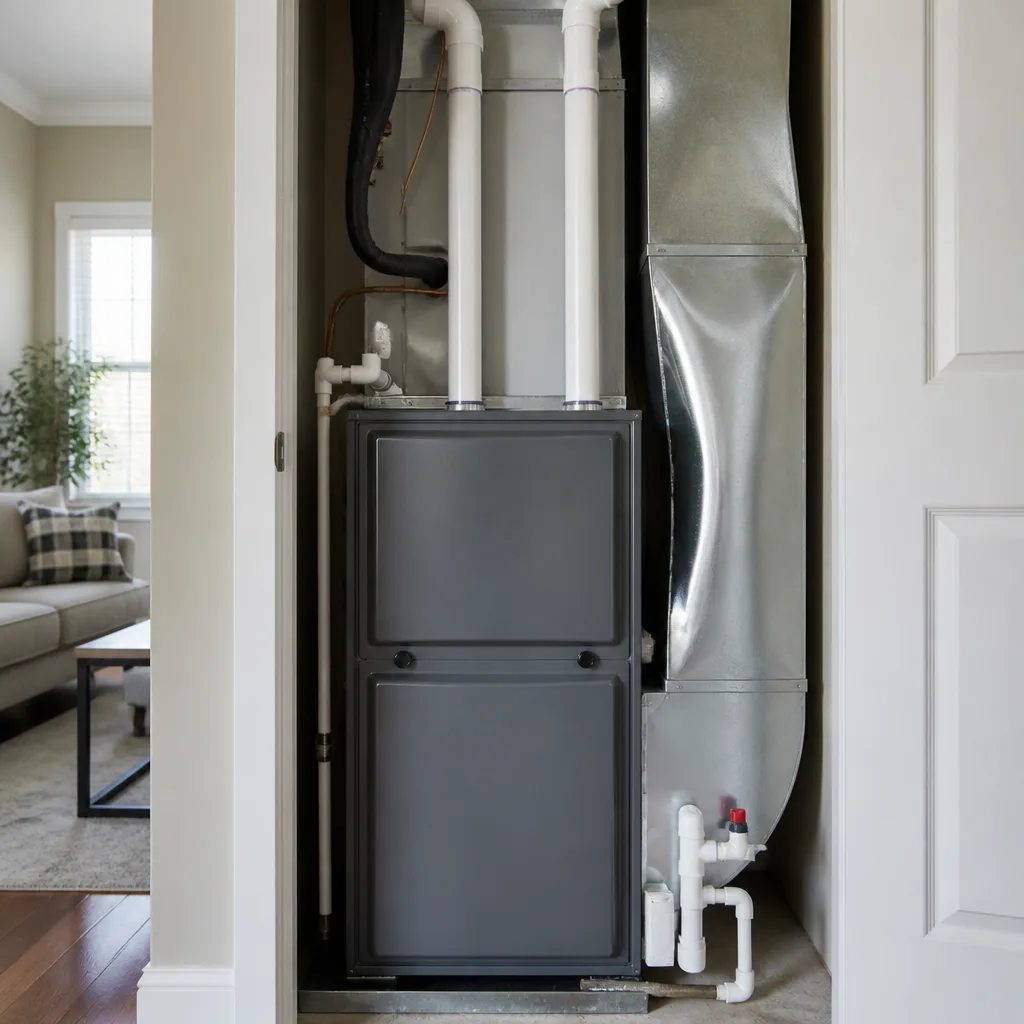 Furnace & heating
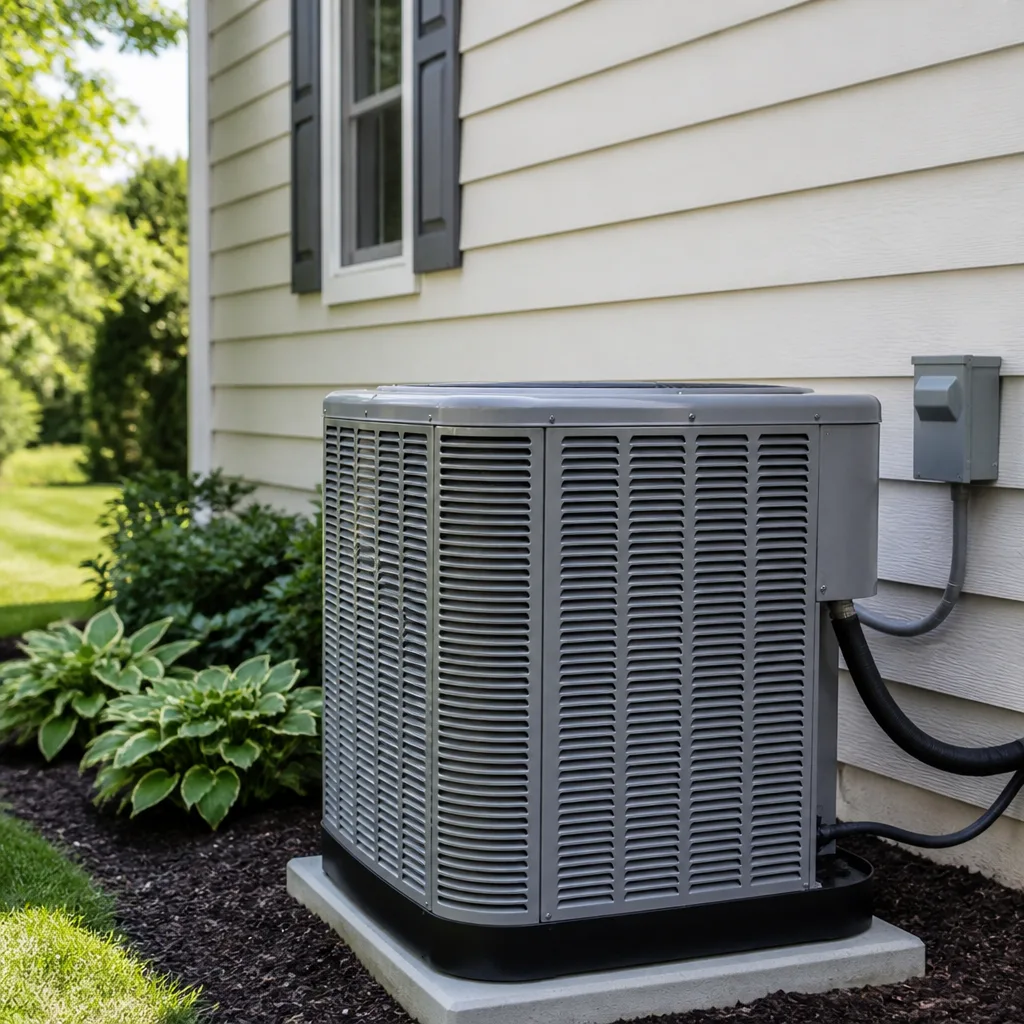 AC repair
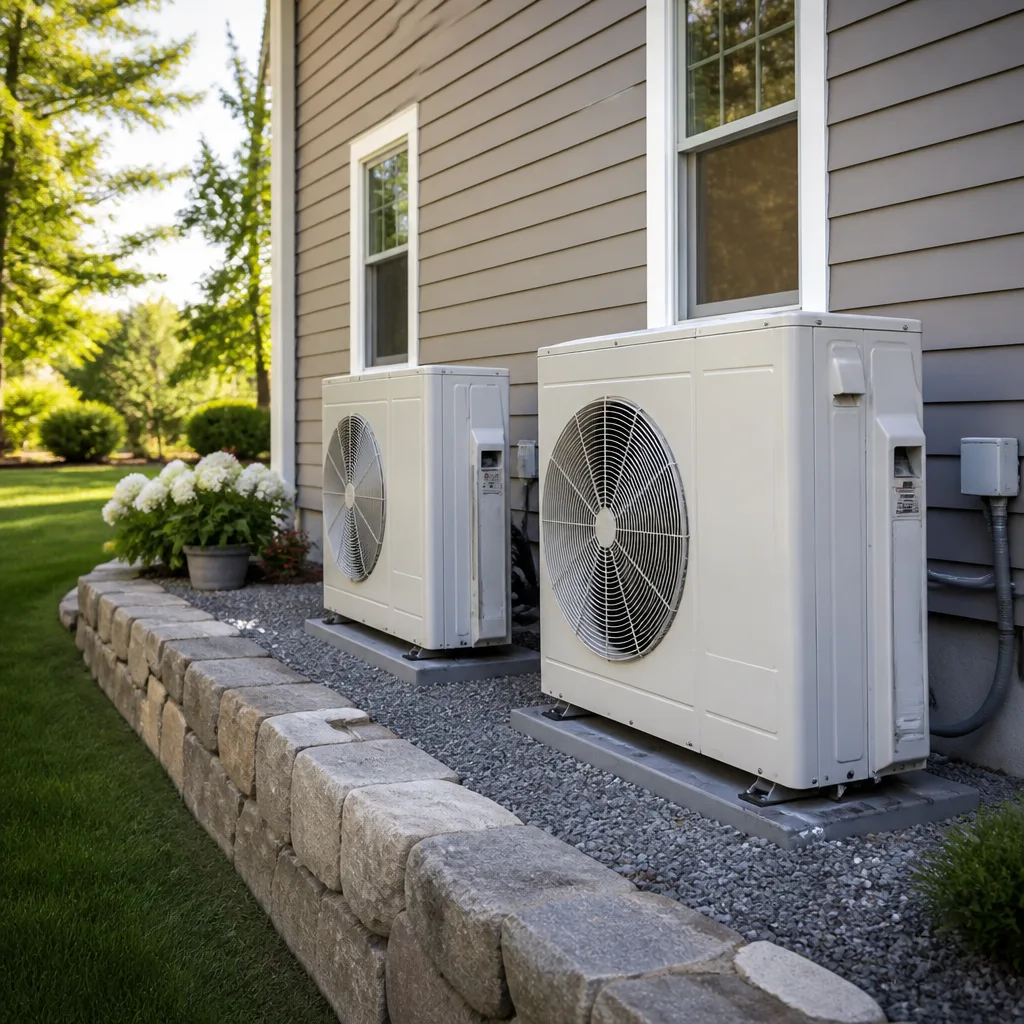 Heat pumps
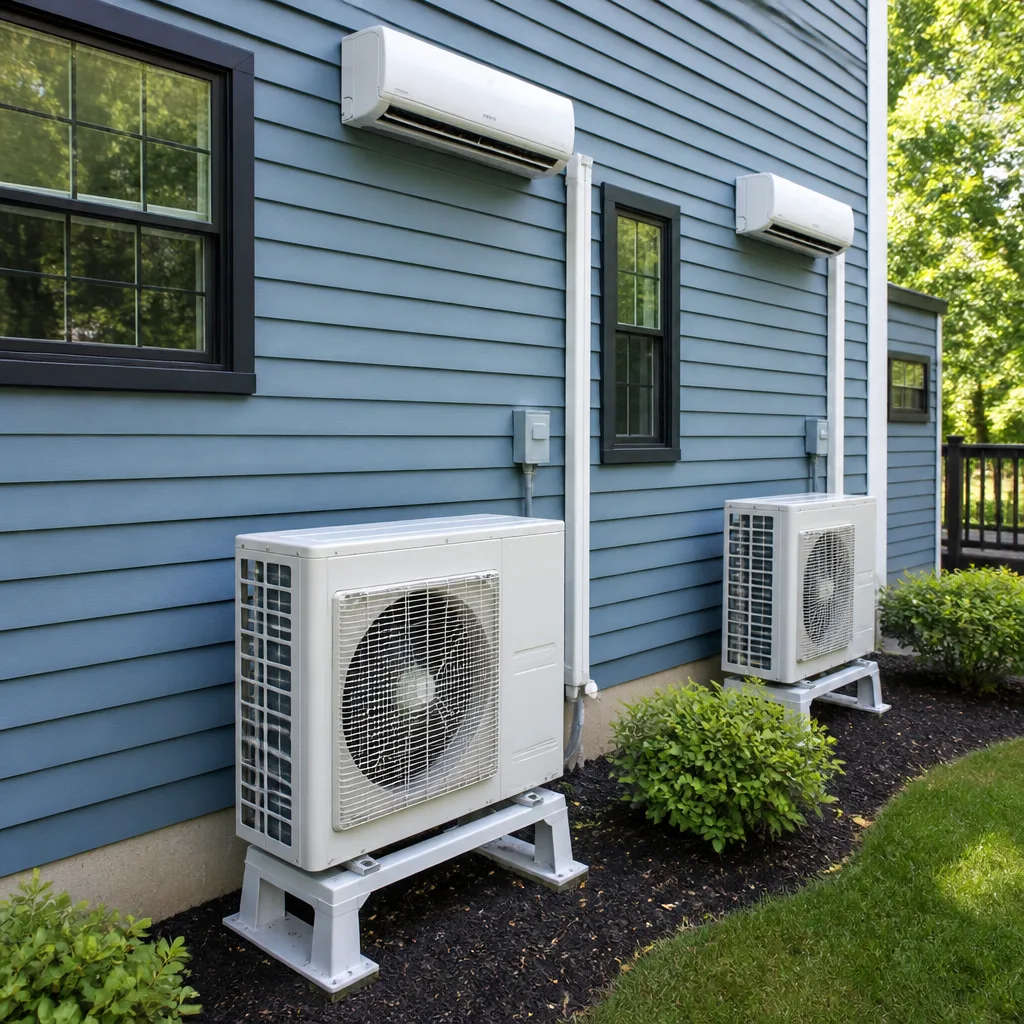 Ductless mini splits
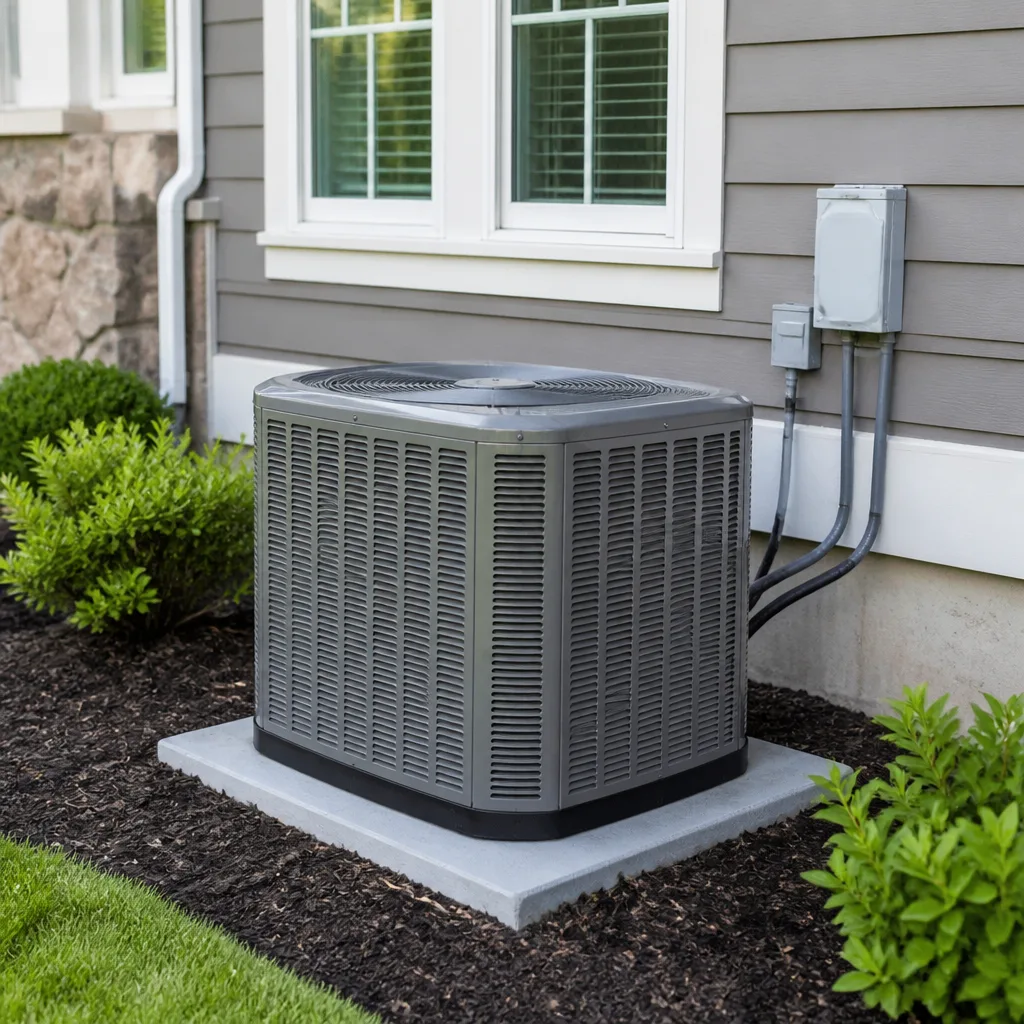 Carrier
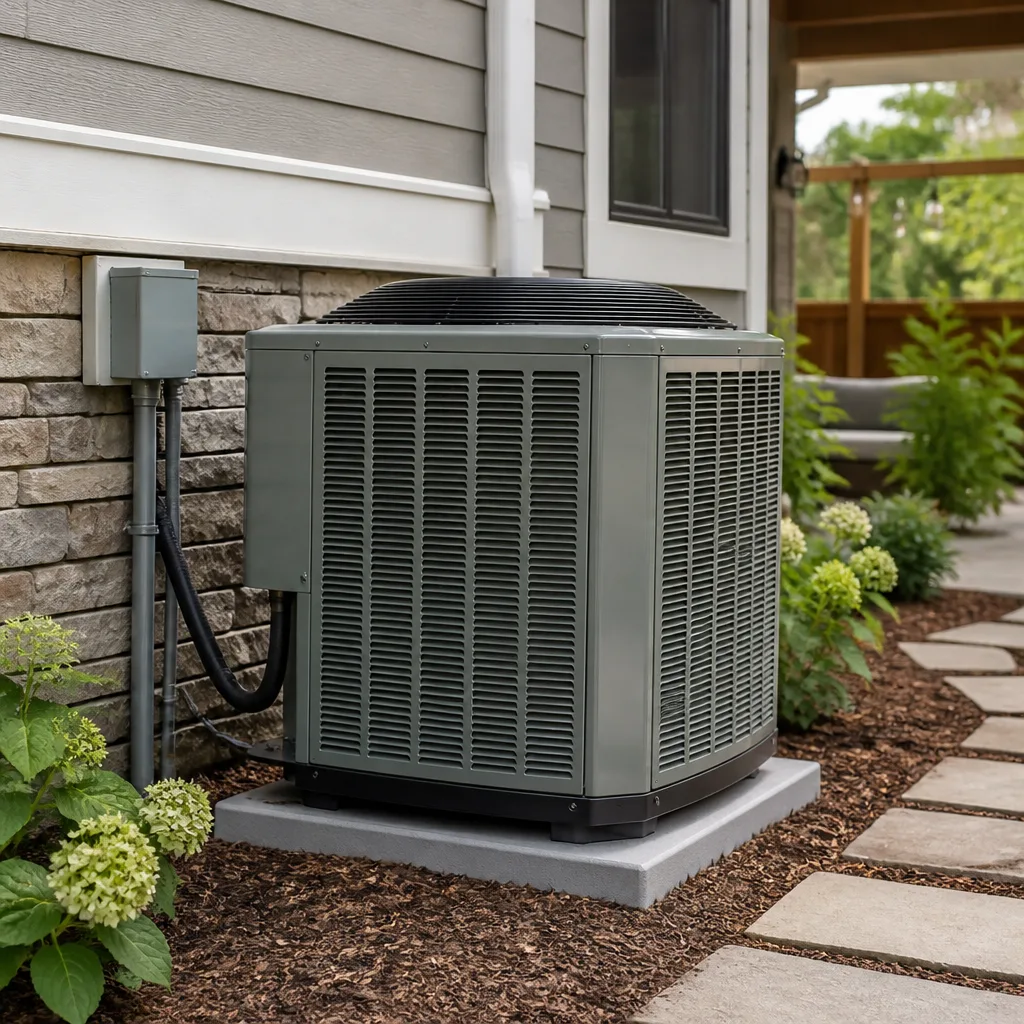 Trane
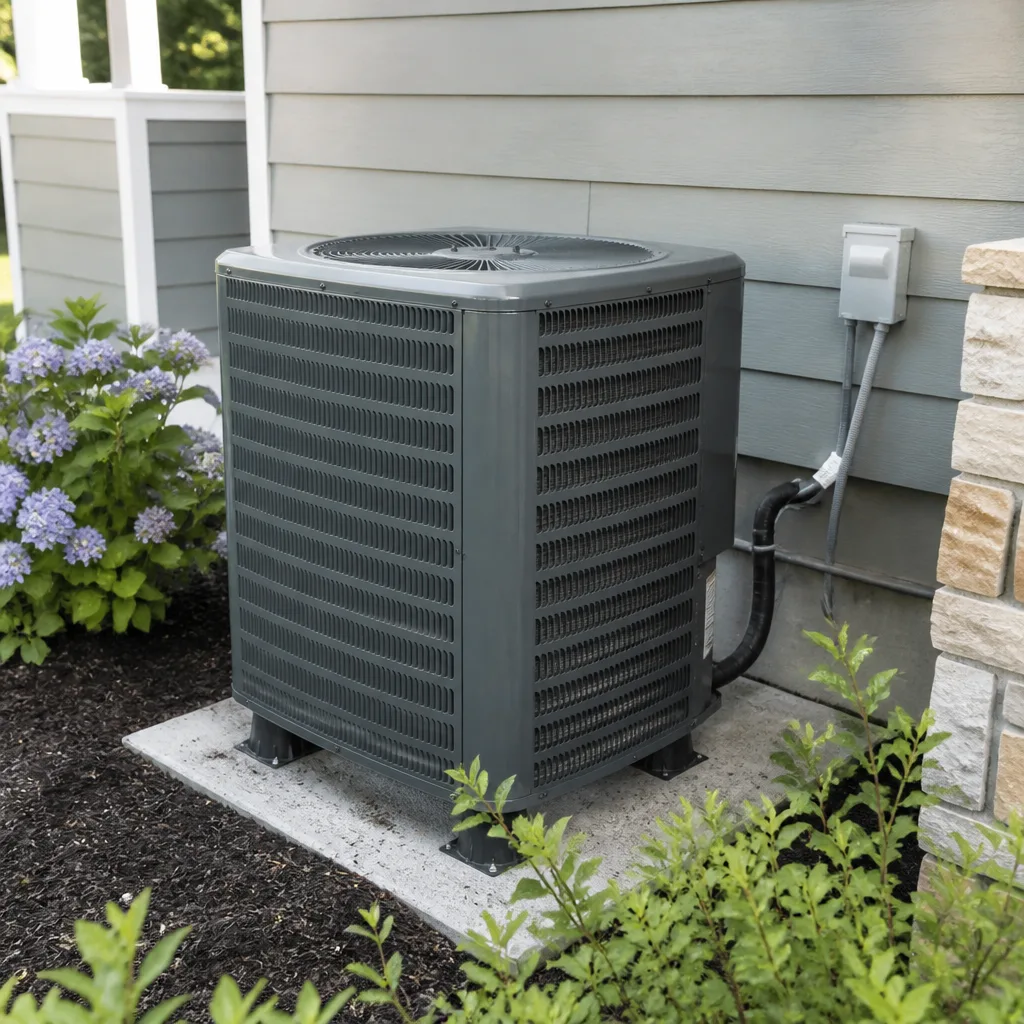 Goodman
Seasonal tune-up and full diagnostic on your Carrier, Trane, or Goodman system - readings shown to you before any repair is proposed
Diagnosis first, numbers second - you approve the repair price before a single part goes in.
Get your free estimateHeating & Furnace Troubleshooting: Common Problems and How to Fix Them
The most common no-heat call we run in Whitney ends with a zero-dollar part. The furnace is fine. The homeowner has been cold for eighteen hours. The filter hasn’t been changed in a year, the blower overheated, and the high-limit switch tripped to protect the heat exchanger. Reset it, swap the filter, and heat comes back in four minutes. Most furnace guides start with the control board and the igniter because that’s where the drama is. This one starts where a technician actually starts: cheapest and most likely first, expensive and rare last. Read on and you’ll know the five complaints worth checking yourself, the blinking error codes on the brands most Whitney homes run, and the one pattern that means stop and call.
Quick Answer
Most furnace problems trace to one of five causes: a clogged filter, a tripped limit switch, a faulty igniter or flame sensor, a blocked condensate drain on a high-efficiency unit, or a failing heat exchanger. The first two are homeowner checks. The last three need a trained technician, and a heat exchanger crack is a carbon monoxide safety issue, not a comfort issue. A furnace that only fails when Whitney nights drop below 20°F points straight at the heat exchanger.
Styles & brands we work with
- AC repair
- Furnace & heating
- Heat pumps
- Ductless mini splits
- Carrier
- Trane
- Goodman
Table of Contents
- No Heat at All: Where to Start
- Insufficient Heat: Warm Air That Isn’t Warm Enough
- Short-Cycling: The Furnace That Starts and Stops
- Unusual Smells and What They Mean
- Pilot and Ignition Failure
- Reading the Blinking Error Code
- The Safe Checks, In Order
- The Below-20°F Shutoff Pattern
- What to Tell the Technician When You Call
No Heat at All: Where to Start
A furnace with no heat is almost always a power, fuel, or safety-lockout problem before it’s a broken-part problem. Work the sequence below before you spend a dollar.
- Thermostat. Set it to HEAT and push the setpoint five degrees above room temperature. Check the batteries on a battery-powered unit. A thermostat in COOL or OFF mode accounts for a surprising share of no-heat calls.
- Filter. Pull it and hold it to a light. If you can’t see through it, that’s your answer more often than not. A loaded filter starves the blower, the furnace overheats, and the limit switch shuts the burner down.
- Circuit breaker. Find the furnace breaker in the panel and look for a tripped switch sitting between ON and OFF. Flip it fully off, then fully on. If it trips again, stop and call. A breaker that won’t hold is telling you something.
- Gas supply valve. Follow the black pipe to the furnace and confirm the valve handle is parallel to the pipe, not perpendicular.
- Condensate drain. On a high-efficiency furnace, a clogged PVC drain line trips a float switch and locks the unit out. In Whitney’s dry air this is less common than in humid climates, but spring dust and algae still plug traps.
If all five check out and you still have no heat, you’ve narrowed it to ignition or the control board, and that’s technician territory. The full breakdown of furnace service lives on our Heating & Furnace in Whitney page.
Insufficient Heat: Warm Air That Isn’t Warm Enough
A furnace that runs but never quite warms the house usually has one of four causes: a dirty filter choking airflow, a blower running below speed, a failing flame sensor cutting the burner short, or ductwork leaking into the attic or crawlspace. In Whitney, the fourth is the one we see most, because a lot of homes built in the 1990s have original flex duct with joints that have quietly separated over the years.
Check the filter first. Then feel the supply registers: warm at the furnace but cool at the far bedroom means a duct problem, not a furnace problem. A burner that lights, runs for thirty seconds, and drops out points to the flame sensor, a cheap part that a technician swaps in a single visit.
You can rule out a thermostat calibration issue by taping a kitchen thermometer next to the thermostat for an hour and comparing readings. If the house reads 66°F when you’ve set 72°F, the system is undersized for the load, or the ducts are losing the heat on the way to the room.
Short-Cycling: The Furnace That Starts and Stops
Short-cycling means the furnace lights, runs a few minutes, shuts off, and repeats. That rhythm wears out the igniter, the inducer motor, and the heat exchanger, and it wastes gas. Four causes cover nearly every case.
- Oversized furnace. A unit sized for a bigger house heats the space fast, hits the thermostat setpoint, and shuts down before it ever reaches steady operation. This shows up in Whitney homes where a previous replacement was sized by square footage instead of a load calculation.
- Restricted airflow. The filter again, or a collapsed duct, or a return grille blocked by furniture.
- A failing high-limit switch. The switch trips early and shuts the burner before the house warms.
- A dirty flame sensor or clogged burner. The burner drops out mid-cycle and relights.
Short-cycling is the top reason furnaces die young. If yours is doing it, don’t wait. It’s worth a service call to find out which of the four you’ve got before a two-hundred-dollar part takes the whole unit with it. Full furnace repair detail sits on the heating page above; for the cooling half of the system, see AC Repair & Installation in Whitney.
Unusual Smells and What They Mean
Every fall, the first furnace startup in a Whitney home puts out a dusty, burning smell for twenty minutes. That’s dust cooking off the heat exchanger and it’s normal. The smells below are not.
- Rotten eggs. A gas leak. Leave the house, don’t touch a light switch, call your gas utility from outside. This is the one smell you never troubleshoot yourself.
- Burning plastic or electrical. A wire or blower motor overheating. Shut the furnace off at the breaker and call.
- Metallic or oily smell during operation. Often the first sign of a failing blower motor or a heat exchanger problem. Worth a technician’s eyes.
- Exhaust smell inside the house. On a high-efficiency furnace, a cracked heat exchanger or a blocked flue can push combustion gas into the living space. Get out and call.
If you smell gas or exhaust indoors, don’t run the diagnostic. A live person answers our line around the clock for exactly this call. We’ve been at this long enough in Whitney that we know the difference between a first-fire dust burn and a real problem, and so does any technician worth the name.
Pilot and Ignition Failure
An older standing-pilot furnace that won’t light or won’t stay lit usually has a dirty pilot orifice or a failed thermocouple. Both are cheap parts, but that’s where the DIY advice stops. Relighting a pilot is a homeowner task if the manufacturer’s label tells you how. Anything past that, especially on a gas appliance, is a technician’s job.
Modern furnaces don’t have a standing pilot. They use a hot-surface igniter that glows orange, or a spark ignition, plus a flame sensor that proves the burner lit. The flame sensor is the part that fails most often: it’s a small rod that collects carbon and stops reading flame, so the burner lights, runs for a few seconds, and drops out. Three or four relights in a row and the furnace locks out.
A hot-surface igniter is a fragile ceramic part. If you see one cracked or broken in the burner compartment, don’t handle it further. It fails from normal age, and replacing it is a fifteen-minute job for a trained technician with the right part in hand. That’s exactly the kind of single-visit repair we aim for.
Reading the Blinking Error Code
Nearly every furnace built in the last thirty years has a small LED on the control board that blinks a fault code, usually through a sight-glass window on the lower door. You don’t need the manual to read it. You need the sequence.
- Count the blinks. The LED blinks in a pattern, then pauses, then repeats. A “3” code is three blinks, pause, three blinks.
- Watch for two codes. Some boards alternate two patterns, which usually means a fault plus a status. Note both.
- Find the legend. The code legend is printed on a sticker on the inside of the lower blower door or the control board cover. Take a photo before you clean anything up.
What the codes tend to mean across the brands most Whitney homes run, Trane, Lennox, Goodman and Rheem: a 3-blink code usually points to a pressure switch or inducer fault, a 4-blink to an open limit or rollout switch, and a 7-blink to a flame-sense failure. The exact legend varies by model, so read the sticker. Even if you don’t fix anything, that code is the single most useful thing you can hand a technician on the phone.
The Safe Checks, In Order
Here’s the sequence a technician runs on a Whitney furnace before touching a tool. You can run the safe half of it yourself.
- Thermostat set to HEAT with the setpoint raised five degrees.
- Filter checked and held to a light.
- Breaker confirmed on and not tripped.
- Gas valve confirmed open, handle parallel to the pipe.
- Condensate drain and trap checked on a high-efficiency unit.
Everything past that point involves gas, electricity, or the heat exchanger, and all three can hurt you. A heat exchanger is thinner than a dime in places. A gas valve is a sealed component. An inducer motor runs on line voltage. We’ll say it plainly: put the screwdriver down and call. That’s not a sales pitch, it’s the line every responsible technician draws. The Fireside Heating & Air Co. Whitney home page has the same safety guidance if you want it in one place.
The Below-20°F Shutoff Pattern
This is the diagnostic pattern most furnace guides skip. A furnace that heats fine on a mild Whitney night but shuts off every time the temperature drops below 20°F is showing you a specific failure: a stress fracture in the heat exchanger that opens wider as the metal contracts in the cold. The furnace runs longer and hotter in a cold snap, the crack widens, and either a rollout or limit switch trips, or combustion gas starts leaking into the supply air.
That’s not a comfort issue. That’s a carbon monoxide issue. The symptoms to watch for alongside the cold-weather shutoff:
- A metallic or exhaust smell in the house during a cold snap.
- Headaches, drowsiness or nausea that seem to track with the heat running.
- A rollout switch that keeps tripping below freezing (this one is never a good sign).
If this is your furnace, stop running it and call for a technician to inspect the heat exchanger. A cracked exchanger means the furnace is done, and you’ll want a written, fixed-price quote to replace it rather than a part that buys you a month. Replacement is scheduled work, not same-day, so nobody should promise you otherwise. That’s the straight talk our team gives on every Whitney call.
What to Tell the Technician When You Call
A good phone intake gets you a real estimate before anyone drives out. Have four things ready.
- Symptoms. “No heat at all” and “short-cycles every few minutes” are different calls with different likely causes.
- System age. The data plate on the furnace cabinet has the model and serial number. Furnaces over fifteen years old move toward replacement more often.
- Last service date. A furnace serviced within the year is a different diagnostic than one that hasn’t been touched since you moved in.
- The error code. The blink sequence you counted is worth more than any description of the symptom.
Give us those four and we can quote a range and reserve the right part. That’s how a single-visit repair actually happens. Estimates over the phone for a furnace are free, and on a written estimate from another company, a second opinion from us is free too, part of the standing offers.
Common Mistakes to Avoid
- Swapping the igniter before checking the filter. We see it more than any other mistake in Whitney: a homeowner buys a new igniter, installs it, and the furnace still trips. The real cause was a choked filter and a tripped limit. Cheapest check first.
- Resetting the limit switch and walking away. The switch is a safety device. If it keeps tripping, something is causing it, and it’s usually airflow or heat exchanger stress. Reset it once, note that it tripped, and get it looked at.
- Relighting a pilot on a furnace that smells of gas. Don’t. Leave the house and call the gas utility from outside.
- Running the furnace through a cold snap with a known rollout trip. A rollout switch tripping below 20°F in a Whitney winter is a heat exchanger warning. Running it through the cold is the worst thing you can do.
- Skipping the seasonal tune-up. An $89 tune-up finds most of these problems while they’re still cheap. Skipping it for three years in a row is how you meet a four-figure repair bill.
- Letting a retired neighbor diagnose the control board. Good intention, no gas training. The control board handles gas ignition, and a wrong assumption there is a real risk.
- Choosing the lowest bid on a replacement. The cheap furnace is often sized wrong, which starts the short-cycling cycle all over. Ask for a written, fixed price and a load calculation.
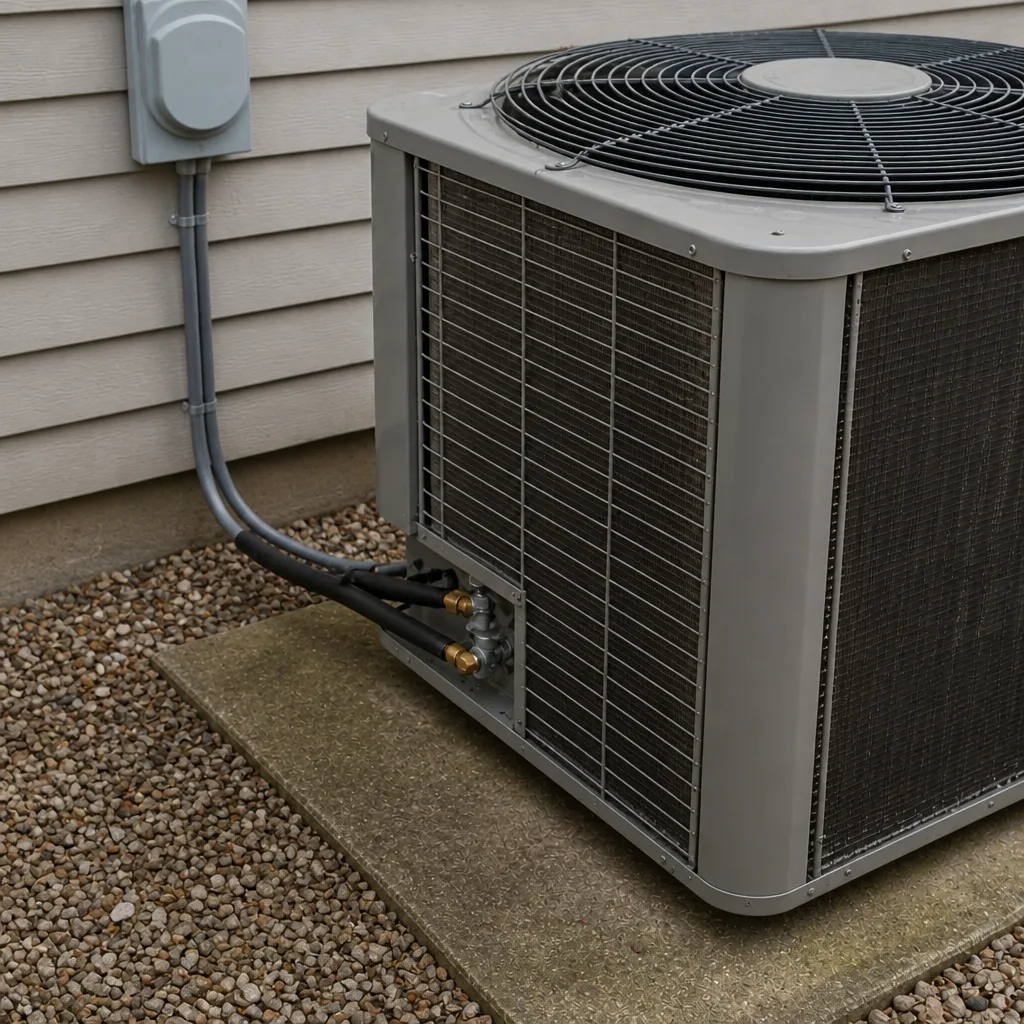
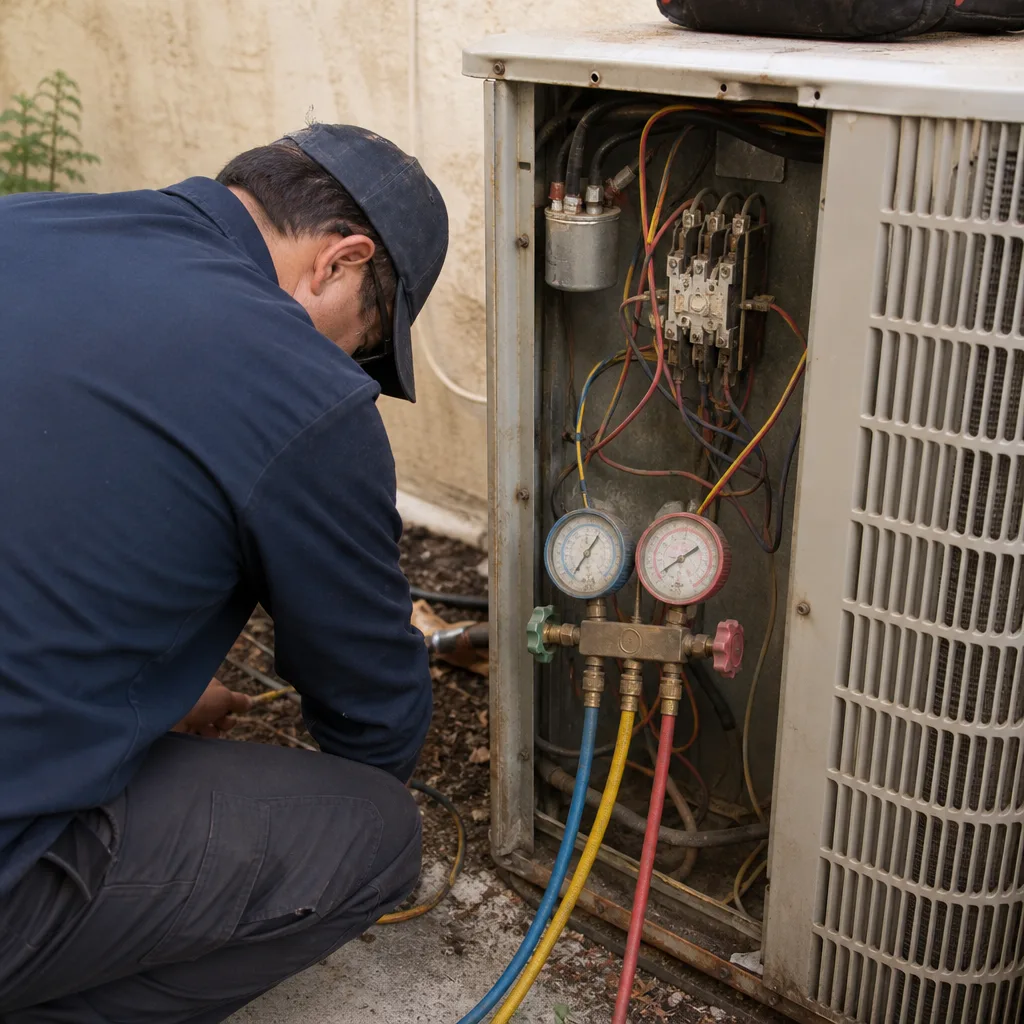
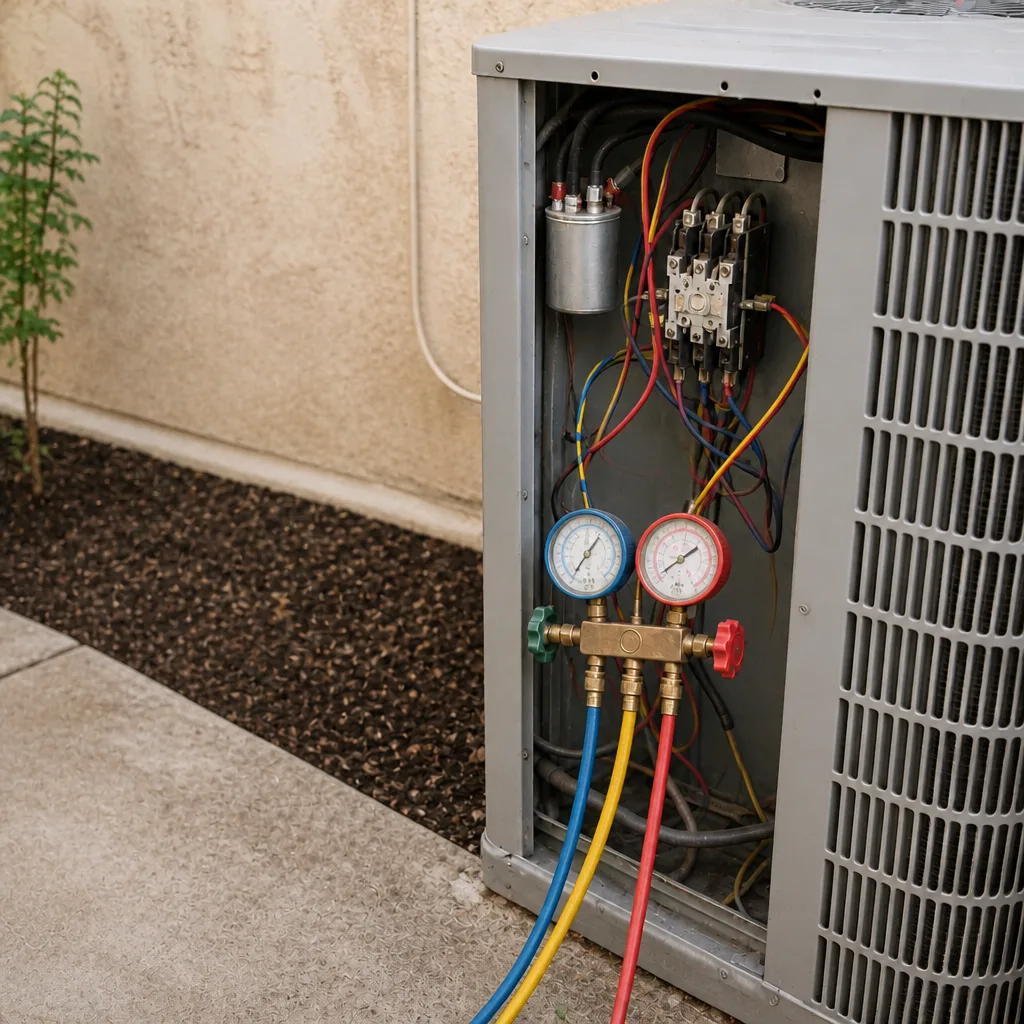
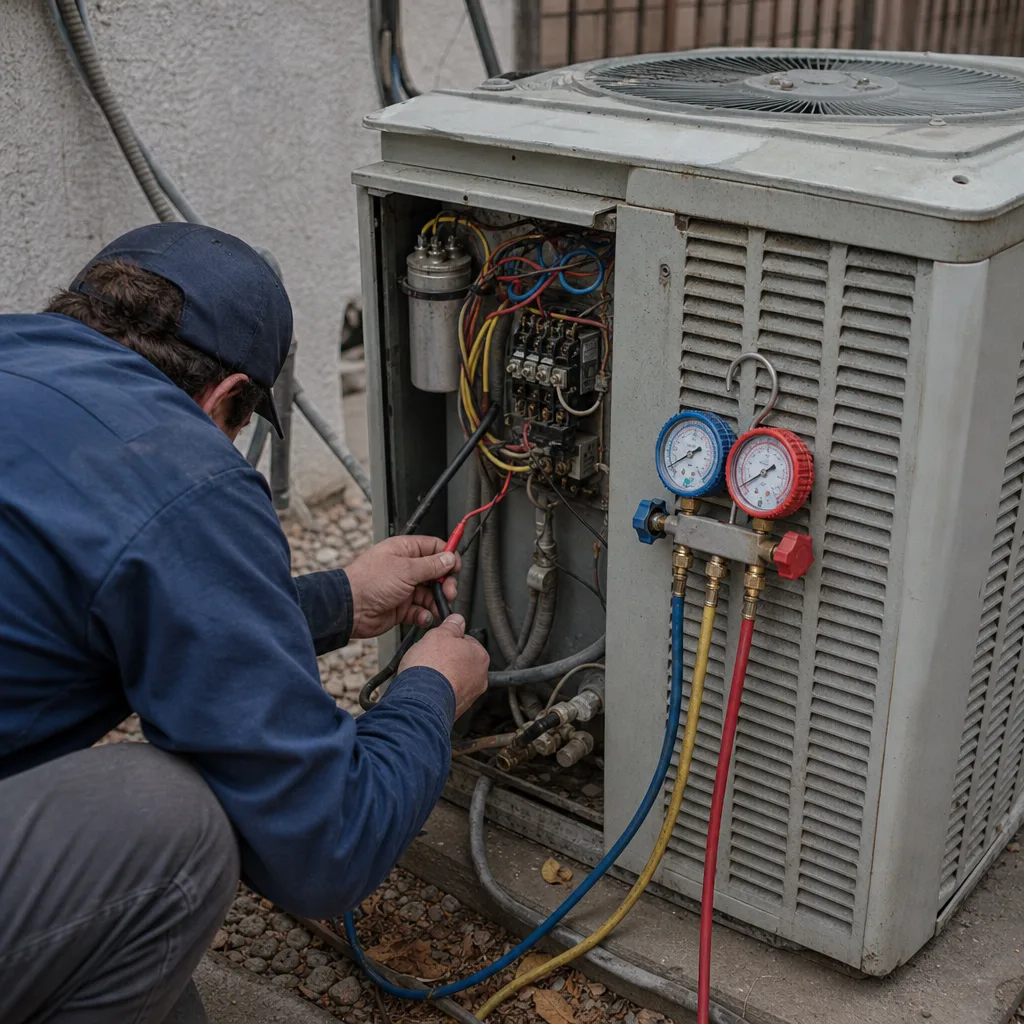
See the difference
 Before
 After
 Before
 After
 Before
 After
When to Call a Professional
Call a professional if the furnace won’t light after the safe checks, if a rollout or limit switch keeps tripping, if you smell gas or exhaust indoors, or if the unit fails specifically when Whitney nights drop below 20°F. Those four scenarios cover the cases where running the furnace could put carbon monoxide into the house, and that’s not a problem to solve from a chair with a phone tutorial. Also call if the furnace short-cycles or the error code points to a control board or flame sensor: those need a trained eye and the right part in hand. Fireside Heating & Air Co. Whitney offers free estimates in Whitney, and a live person answers every call, day or night, including the 2 a.m. no-heat call. Our technicians have up to 8 years of experience, are trained on nine major brands including Trane, Lennox, Goodman and Rheem, and put on shoe covers without being asked. Call (866) 329-8069.
Frequently Asked Questions
A furnace blowing cold air is usually stuck in a blower-only cycle because the burner isn’t lighting. The common causes are a clogged filter tripping the limit switch, a failed flame sensor, or a pilot or igniter fault. Check the filter first; if it’s clean and you still have cold air, the burner is the problem and a technician should look at it.
The blinking light is a fault code. Count the blinks between pauses, then check the legend sticker on the inside of the lower blower door. A 3-blink code usually means a pressure switch or inducer fault, a 4-blink a limit or rollout switch, and a 7-blink a flame-sense failure, though the exact legend varies by model. Write down the sequence and give it to the technician when you call.
A furnace that fails specifically below 20°F usually has a heat exchanger stress fracture. Cold contracts the metal, the crack opens, and a rollout or limit switch trips. That’s a carbon monoxide safety concern, not a comfort issue. Stop using the furnace and call for a heat exchanger inspection. Call (866) 329-8069 for a free estimate.
You can safely check the thermostat, filter, breaker, gas valve position, and condensate drain. Everything past that on a gas furnace involves electrical or combustion components that can hurt you, so a trained technician should handle it. A cracked heat exchanger in particular is invisible to the untrained eye and dangerous to miss. Estimates are free; call (866) 329-8069.
Most furnace repairs in Whitney fall in a modest range: a flame sensor or igniter replacement is a small single-visit job, a blower motor or inducer is more, and a control board more still. A heat exchanger failure usually means replacement, not repair, since a cracked exchanger isn’t a part you patch. We quote upfront and the price quoted is the price paid, with $50 off any repair over $250. Call (866) 329-8069 for an exact quote.
Repair a furnace under ten years old with a single clear failed part. Replace one over fifteen years old that’s already had two or three repairs, or that has a cracked heat exchanger, oversized or undersized capacity, or short-cycling damage. The deciding factor is usually whether the repair cost plus the next likely failure adds up to more than a new system. Call (866) 329-8069 and we’ll give you a straight answer either way, free.
The Bottom Line
Most furnace calls aren’t mysterious. They follow a sequence: check the thermostat, filter, breaker, gas valve and condensate drain first, cheapest and most likely first. If the safe checks come up clean, or the furnace fails specifically below 20°F in the Whitney cold, that’s the point to put the tools down and call. Read the blinking error code before you dial; it’s the most useful fact you can give a technician. The 42 years of calls behind this page taught us one thing: the homeowner who knows the order saves the most money. If you’re past the safe checks, call (866) 329-8069 for a free estimate. A live person answers every call, and we’ll be there when we say.
Written by the team at Fireside Heating & Air Co. Whitney.