
Last updated November 18, 2026
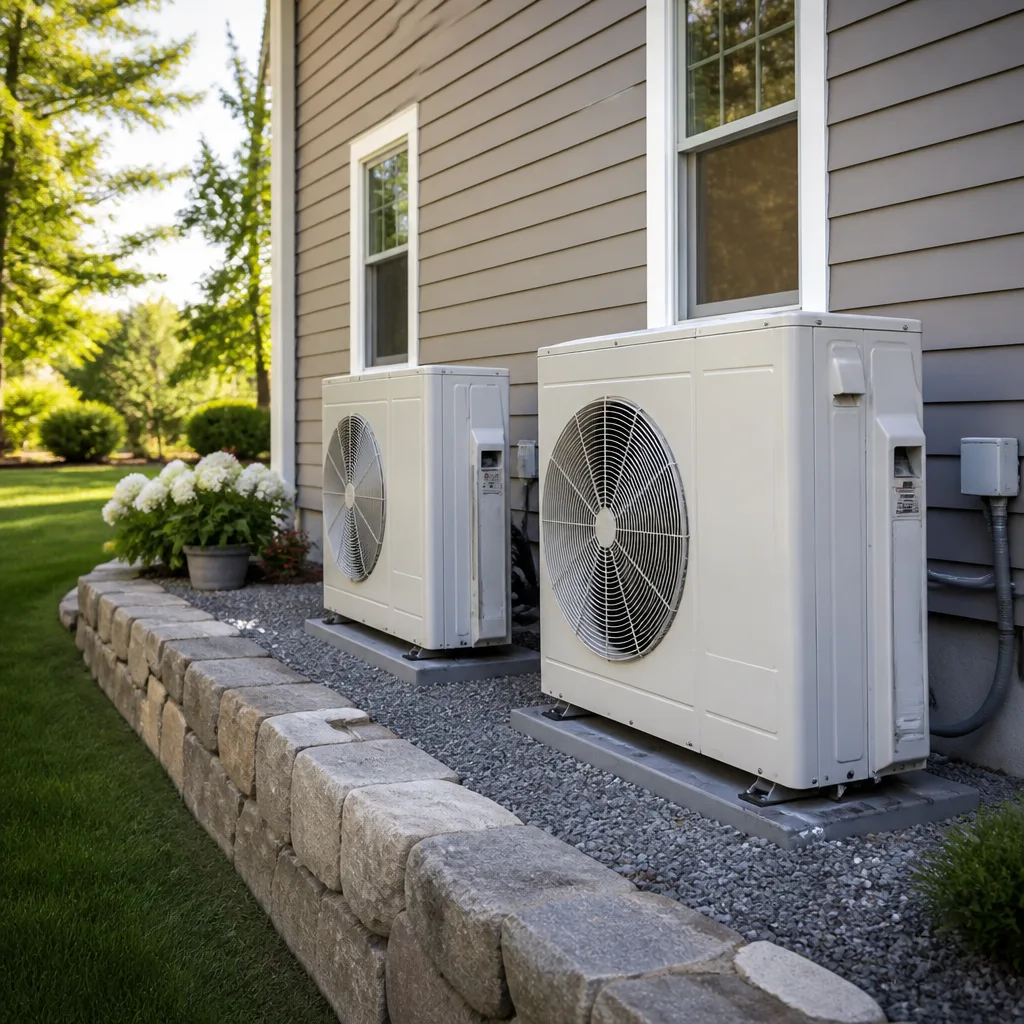 Heat pumps
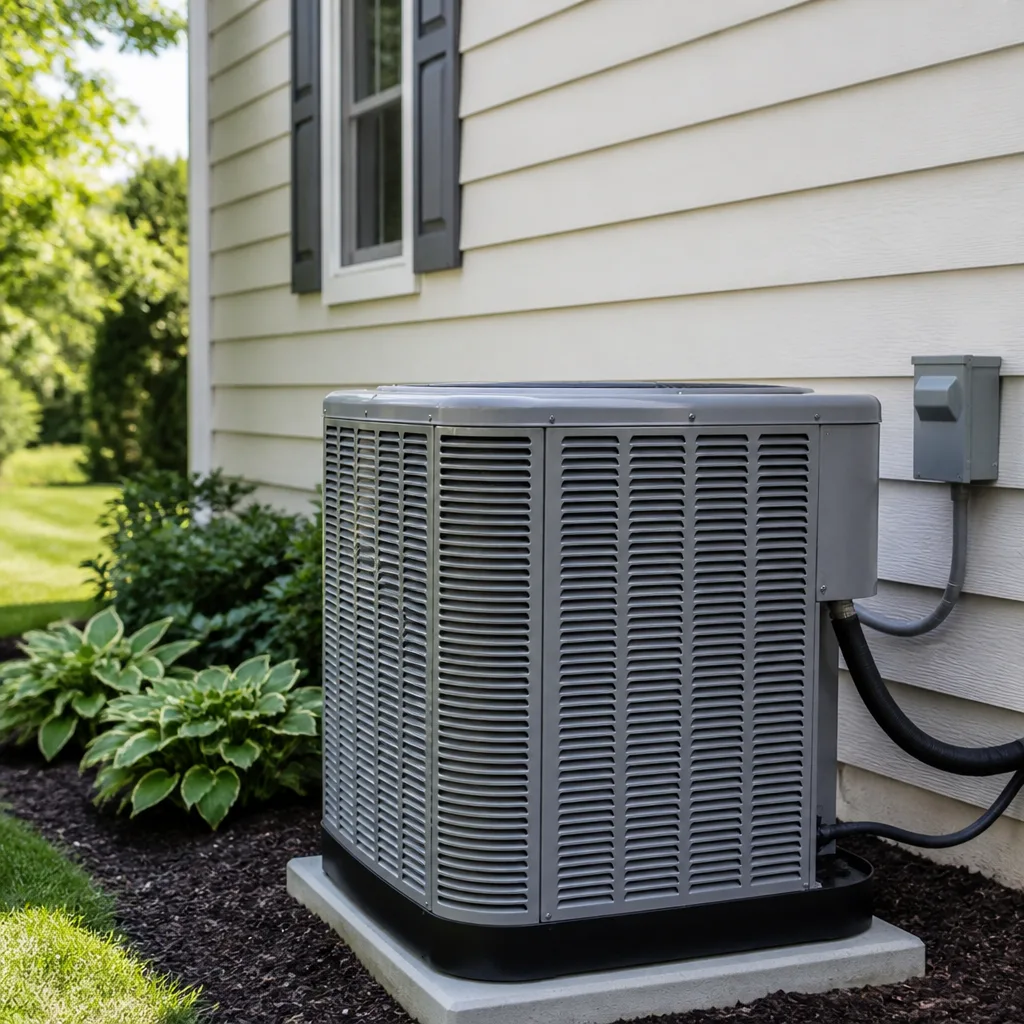 AC repair
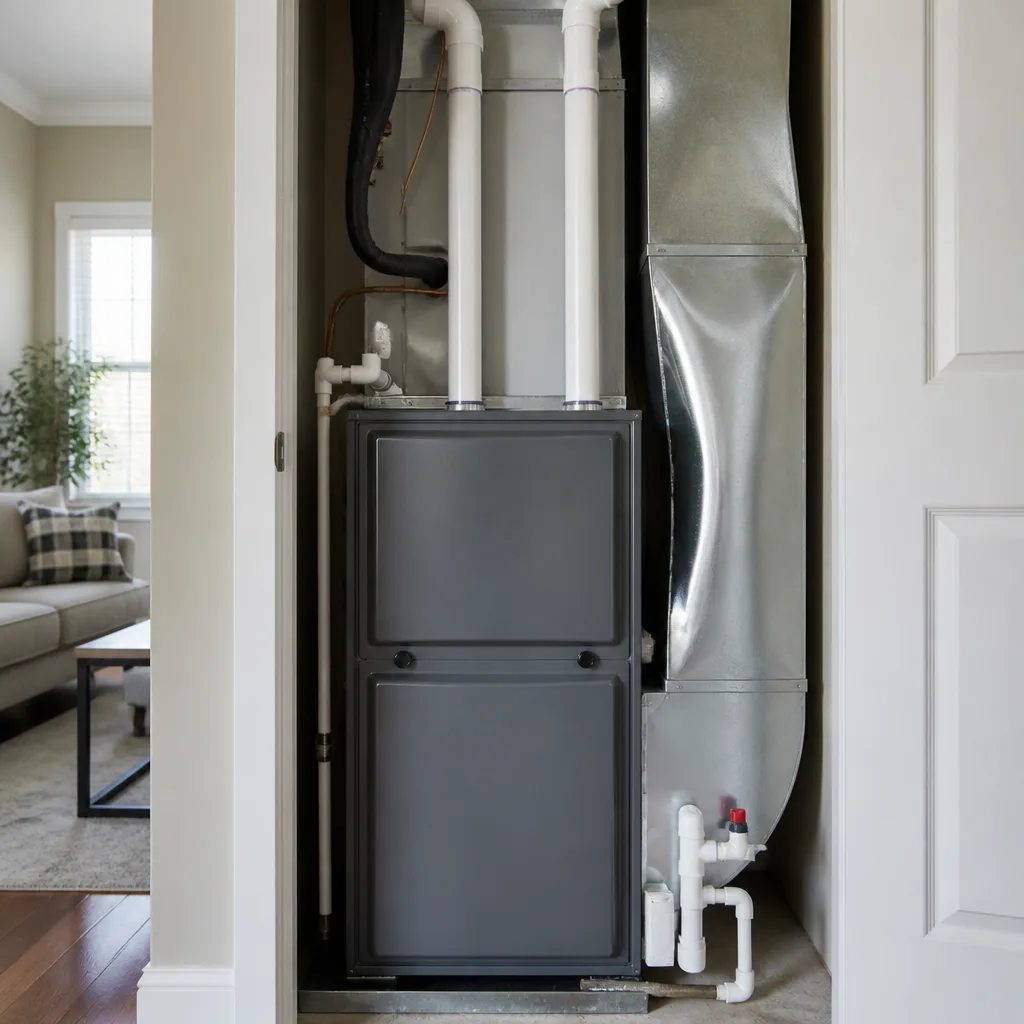 Furnace & heating
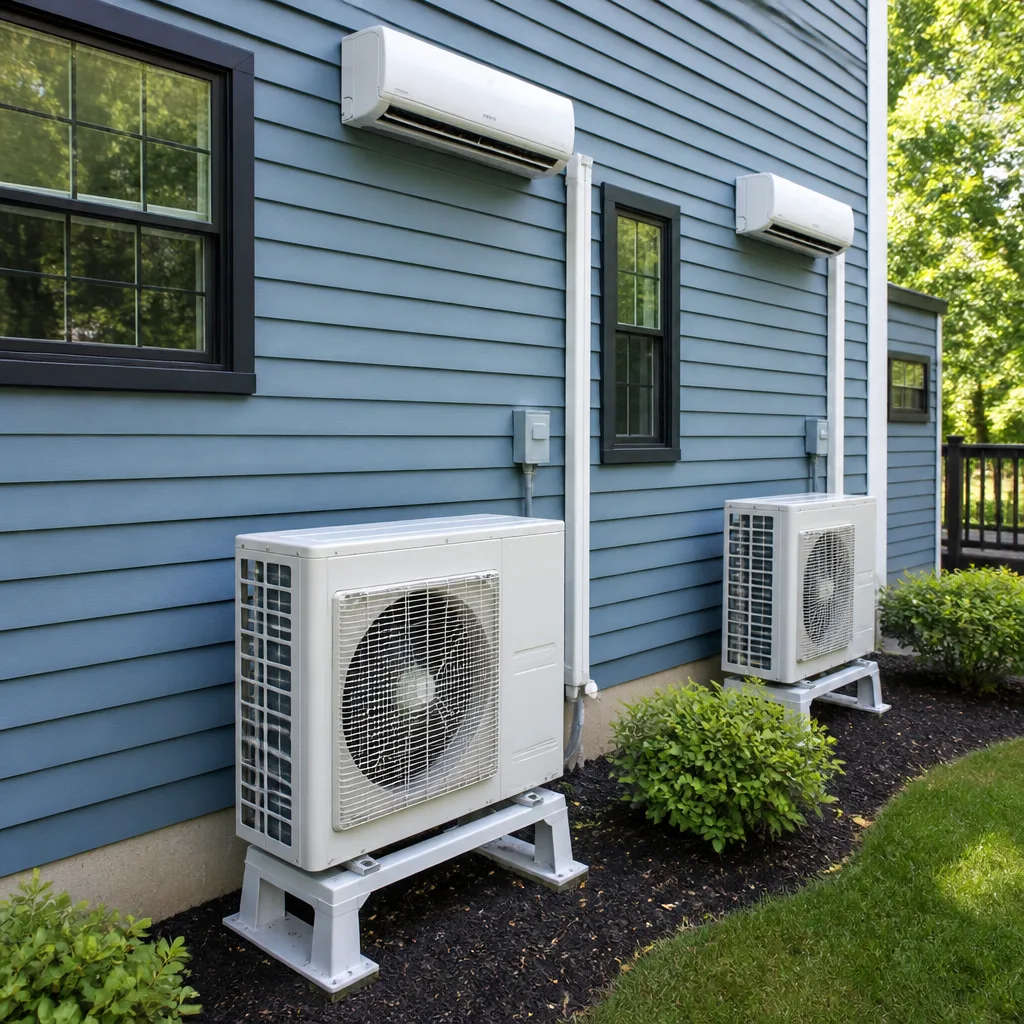 Ductless mini splits
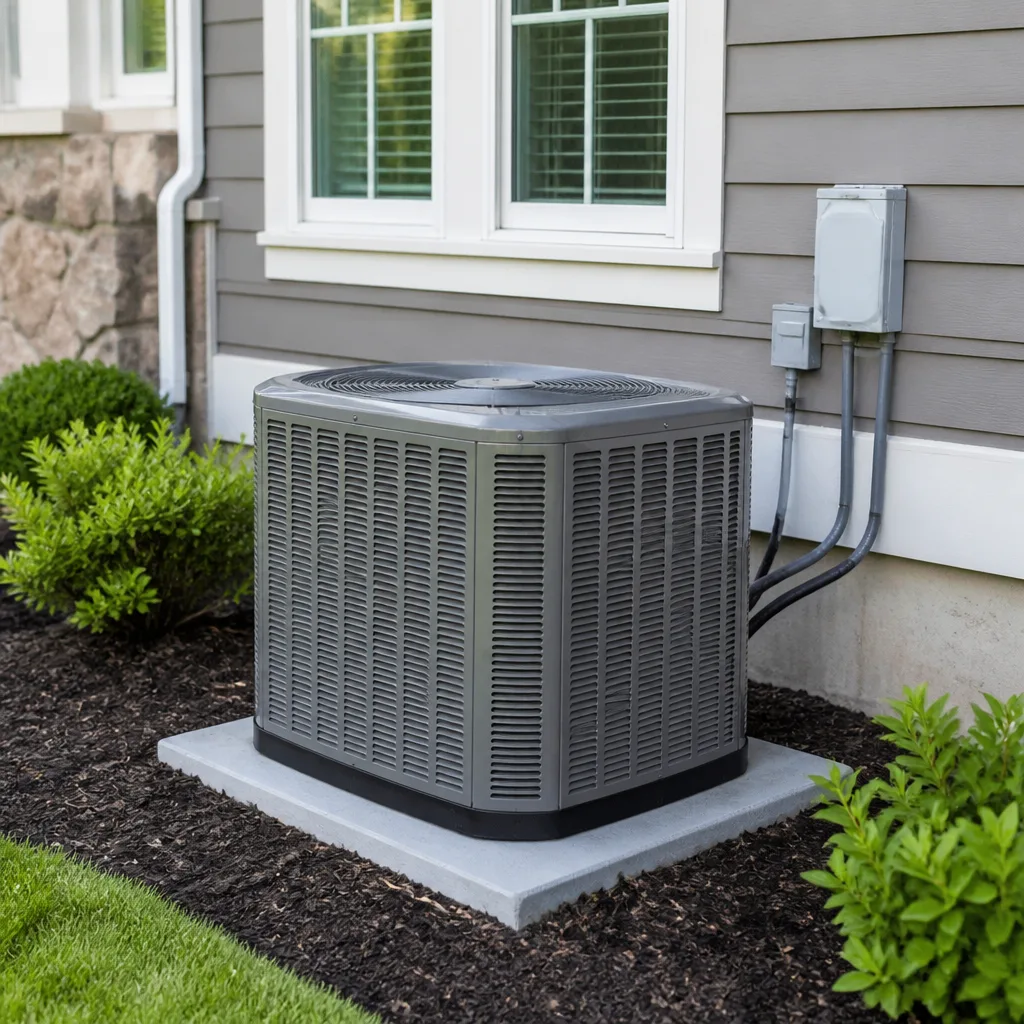 Carrier
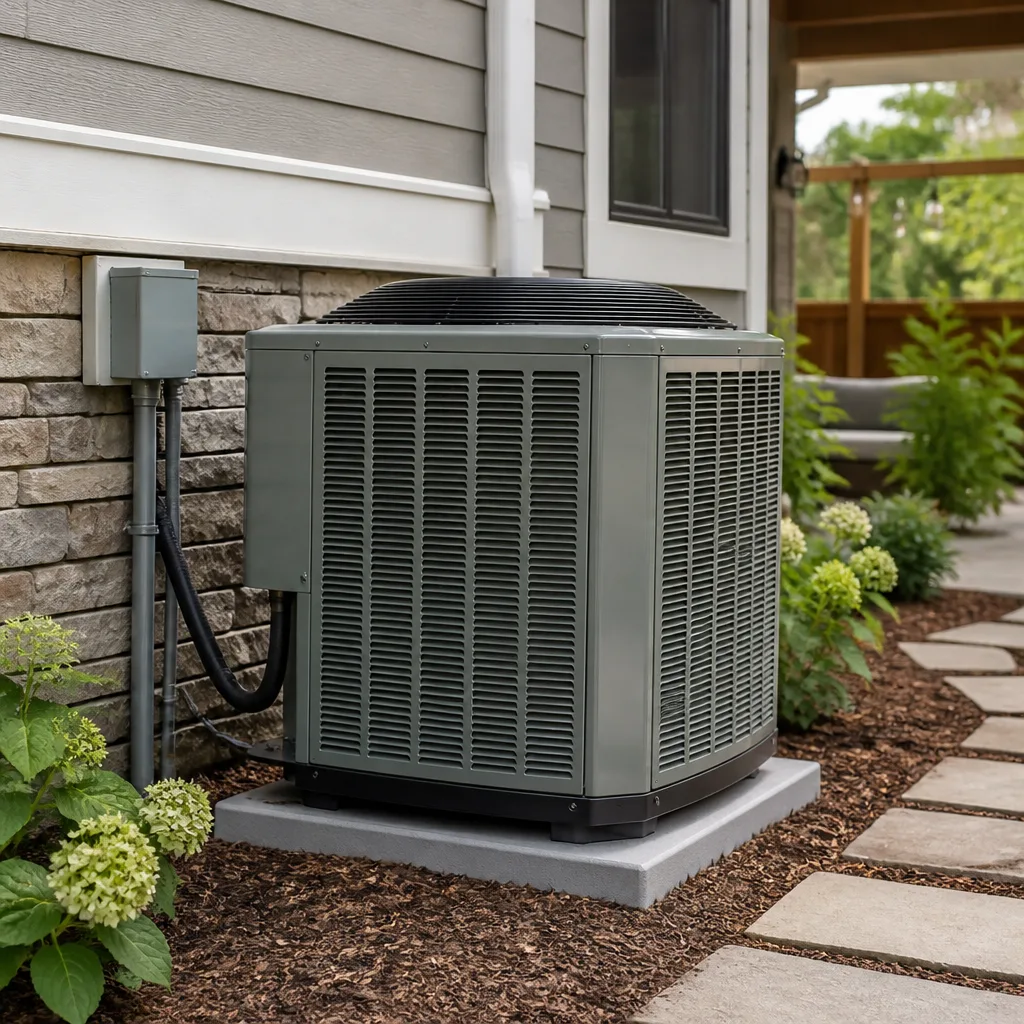 Trane
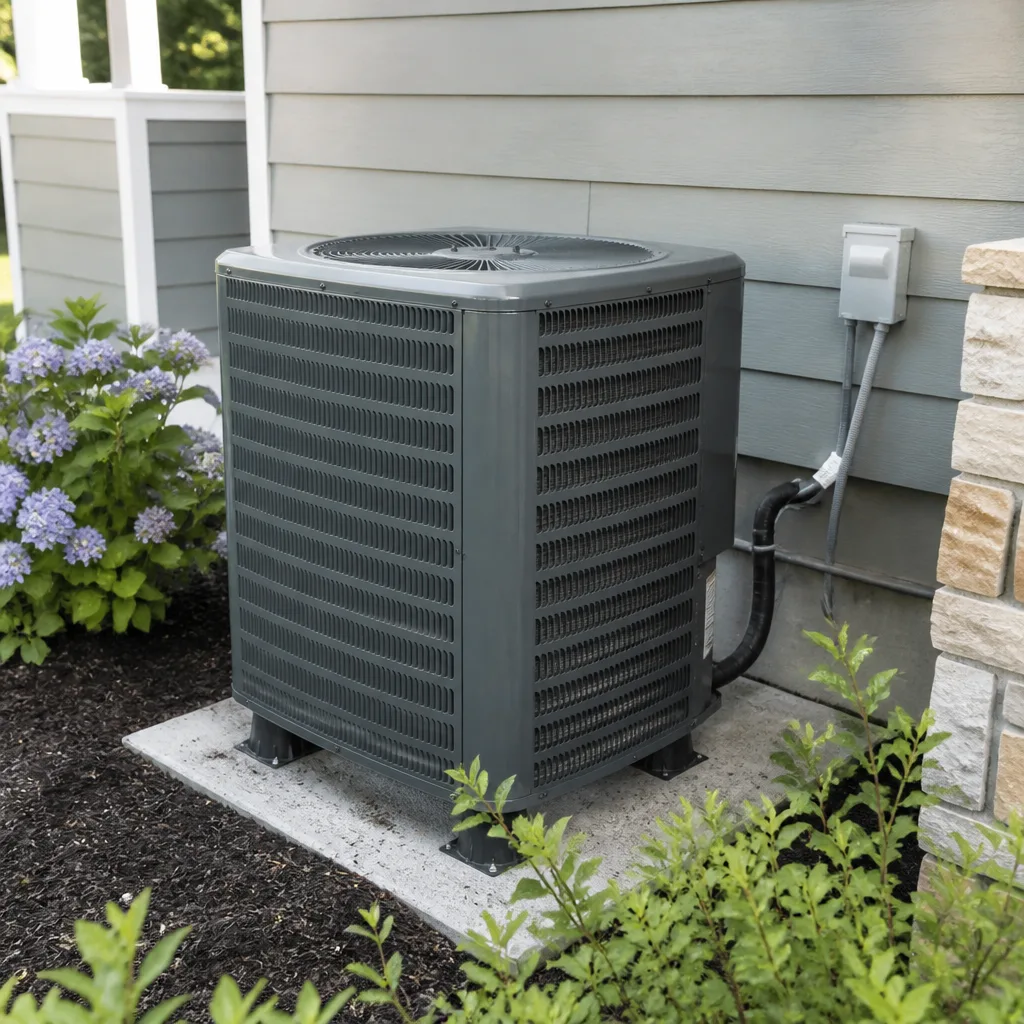 Goodman
Seasonal tune-up and full diagnostic on your Carrier, Trane, or Goodman system - readings shown to you before any repair is proposed
Diagnosis first, numbers second - you approve the repair price before a single part goes in.
Get your free estimateDIY vs Professional Heat Pump & Mini Split: What’s Safe to Do Yourself
A DIY mini split install can save $800 to $1,500 in labor, and it can also void your equipment warranty, sour a homeowner’s insurance claim after a fire, and hand a buyer’s inspector a correction notice when you go to sell the house. All three outcomes turn up more often than the forums let on. The equipment has gotten friendlier – pre-charged line sets, quick-connect fittings, apps that walk you through the startup. What hasn’t gotten friendlier is the paperwork and the physics. In this guide we draw the line where it actually belongs: the tasks a careful homeowner in Whitney can take on with hand tools and a weekend, and the ones that quietly create a liability that follows the house for years.
Quick Answer
The genuinely safe DIY work on a heat pump or mini split is everything that touches the wall and the mounting hardware: wall penetrations, routing (not connecting) the line set, hanging the indoor and outdoor brackets, and planning the condensate drain. Everything involving refrigerant, the electrical disconnect, and the final vacuum and charge is where the gray area disappears – those require EPA Section 608 certification, a permit in most jurisdictions, and a licensed contractor for warranty and insurance to hold up. Touching refrigerant without certification can strand you with no legal way to buy a recharge and no valid warranty claim.
Styles & brands we work with
- AC repair
- Furnace & heating
- Heat pumps
- Ductless mini splits
- Carrier
- Trane
- Goodman
Table of Contents
- The Tasks That Are Genuinely Homeowner-Safe
- Why Refrigerant Is Not a Gray Area: What EPA 608 Really Covers
- The Truth About Pre-Charged Line Sets
- Permits in Whitney: What Requires One and What It Costs You
- The Electrical Work Nobody Talks About
- How to Read a Professional Quote Line by Line
- Common Mistakes to Avoid
- When to Call a Professional
The Tasks That Are Genuinely Homeowner-Safe
Let’s start where the honest answer lives: there is real, useful work a careful homeowner can do. We’ve watched plenty of Whitney homeowners do this portion cleanly and save money on labor, and we’ve watched a few do it badly and pay to have it corrected. Here’s the line.
Wall penetration. Drilling a 3-inch sleeve through a wood-frame or stucco wall is fine for a competent homeowner – two holes if you’re running a line set separately from the condensate. The condition that keeps it safe: you’ve located every stud, plumbing chase, and electrical run before the hole saw touches the wall. A $30 stud finder and a call to 811 (free) is cheap insurance against hitting a water line behind the drywall. In Whitney’s older single-story homes, we regularly find the interior wall cavity packed tighter than expected with original copper supply lines.
Line set routing. Uncoiling and guiding the pre-bent copper from the outdoor unit position to the indoor head, keeping bends to a gentle radius, and strapping it to the wall with clamps – that’s safe. The condition: you route, you don’t braze, flare, or connect. Any cutting, joining, or torquing of the refrigerant fittings crosses into the next section.
Mounting brackets. Hanging the indoor head bracket and setting the outdoor condenser pad or wall bracket to the manufacturer’s clearances is within reach. The condition: you follow the spec sheet, not the YouTube video. Rheem and Daikin clearances for a side-discharge unit are specific, and a condenser shoved against the fence line in a Whitney side yard won’t move the heat it’s supposed to.
Condensate line planning. Running the drain line with a slight pitch toward the exterior, insulating it in the attic, and terminating it where water drains away from the foundation is fine. The condition: you’ve picked a fall of at least 1/8-inch per foot and you’re not creating a trap that freezes in our rare winter dips.
Why Refrigerant Is Not a Gray Area: What EPA 608 Really Covers
Refrigerant handling is the cleanest line in this whole subject. Under the Clean Air Act, anyone who buys, handles, or disposes of regulated refrigerants – including R-410A and the newer R-32 blends in some mini split lines – must hold an EPA Section 608 certification. That’s not a recommendation. It’s a federal requirement.
Here’s what that means in plain English for a Whitney homeowner considering a DIY install:
- You cannot legally buy refrigerant without the card. A supply house will turn you away. You cannot borrow it, and you cannot buy a pre-charged canister to “top off” a system that’s already short. The online gray market exists; it’s also where people get hurt and void their equipment warranty in one move.
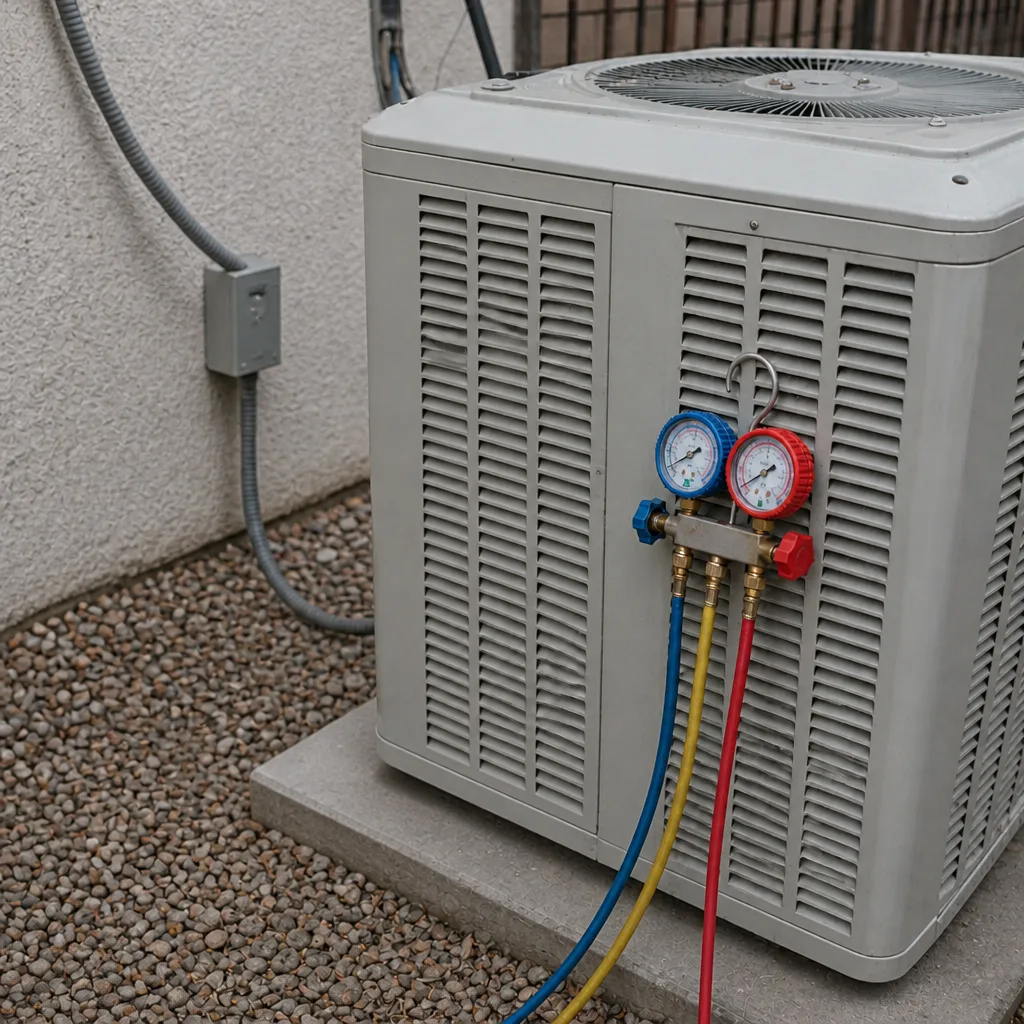
- You cannot pull a vacuum without a pump and gauge set – and a proper vacuum requires time, a micron gauge, and knowing what “holding” looks like. Skipping it is the most common cause of early compressor failure we see in Whitney. Moisture left in the lines turns to acid inside the compressor.
- You cannot legally do the final charge. A system that isn’t charged to the manufacturer’s spec runs at the wrong pressures, loses capacity, and gives the equipment maker a clean reason to deny a warranty claim on the compressor or the coil – both common failure points.
- The warranty is the quiet part. Every manufacturer we’ve serviced – Carrier, Trane, Lennox, Rheem, York, Daikin, Bryant, American Standard, Goodman – has language that voids coverage when the install was not performed by a licensed contractor. When a $2,000 compressor fails at year three and the claim is denied, that $800 in labor savings evaporates fast.
We’ve been called to more than a few Whitney attics where a homeowner tried to finish a system alone and the compressor was already showing strain. Recovering and recharging a system that’s out of spec is a job for a licensed tech. Heat Pump & Mini Split in Whitney is where we break down the systems we service most often.
The Truth About Pre-Charged Line Sets
Pre-charged line sets are real, and they work. They come with refrigerant sealed inside, quick-connect fittings on both ends, and a marketing story that sounds like “anyone can install this in an afternoon.” Here’s what the story leaves out.
What they can do: for a small single-zone system (9,000 to 12,000 BTU) with a short line run – typically under 25 feet – the pre-charged set is a legitimate alternative to brazing and vacuuming. The fittings are engineered to hold, and when they’re torqued to spec and the system is leak-checked, they perform.
What they can’t do: they can’t extend. Some brands let you add a section for a longer run, but many don’t, and the moment you need 35 feet to reach a second-floor bedroom, the pre-charged advantage is gone. They also can’t be re-used once disconnected – the charge vents, and you’re back at square one.
Two installation conditions that make them a poor fit regardless of marketing:
- The line run exceeds the factory pre-charge. In Whitney, plenty of single-story ranches are easy – short pull to a side yard. But a two-story with the condenser at the back of the lot and the head over the garage can easily need 30+ feet, and you’re now outside the design spec.
- The fitting can’t be accessed for a leak check later. Quick-connect fittings can weep. If the connection is buried behind a soffit or framed into a wall, you can’t test it or tighten it. For a system that’s supposed to run 15 to 20 years, that’s a decision you’ll revisit.
We’re not opposed to pre-charged sets. For a garage, a workshop, a single room addition, they make honest sense. They are not a substitute for a professionally installed whole-home system.
Permits in Whitney: What Requires One and What It Costs You
In Whitney and the surrounding Mineral County area, a mini split or heat pump install almost always requires a mechanical permit, and often an electrical permit alongside it. Replacing a unit in-kind may fall under an over-the-counter permit; a new install or a relocation of the refrigerant lines does not. The rules vary by jurisdiction and by whether the system is new or a replacement, so the right move is a five-minute call to the county building department before you start. A professional contractor pulls the permit as part of the job; it’s a line item on the quote.
What an unpermitted install costs you, in order of how it bites:
- Insurance. Most homeowner policies carry language that requires work to be permitted and inspected where local code requires it. If a fire traces to an unpermitted electrical connection, the claim can be denied – not reduced, denied. We’ve had customers ask us to “just hook it up, don’t worry about the permit.” We don’t. The exposure is theirs.
- Real estate disclosure. Nevada requires sellers to disclose known defects and unpermitted work. A buyer’s inspector in Whitney and the surrounding valley routinely flags an unpermitted mini split, and the correction notice can hold up a closing for weeks while the seller scrambles to permit and inspect.
- Resale value and the home inspection report. A permitted install shows up in the county record as documented work. An unpermitted one shows up as a red flag. Buyers deduct on red flags.
- Warranty. Back to that language: manufacturers tie coverage to licensed installation, and a missing permit is the easiest way for a claim to get refused.
If you’re weighing repair versus replacement on an existing system, Heating & Furnace in Whitney walks through how we think about it – and what the permit picture looks like either way.
The Electrical Work Nobody Talks About
The single most under-discussed part of a DIY mini split install is the electrical. A typical mini split pulls a dedicated 240-volt circuit from the panel, sized to the unit and run to a disconnect at the outdoor condenser. In Whitney homes built in the 1980s and 1990s, we regularly find panels with no spare breaker space, or a panel that’s already near capacity. That’s not a Saturday afternoon fix.
What that means for the DIY decision:
- You can’t run the circuit yourself unless you’re a licensed electrician. The wire, the breaker, the disconnect, and the bonding are all code-governed, and a mistake here is the leading cause of electrical fires that trace back to HVAC.
- You can prep. Clearing a path from the panel to the outdoor unit, confirming the panel has capacity on paper, and having a licensed electrician quote the circuit is productive work.
- The fire risk is real. We’re not trying to scare anyone into a call. We’re saying plainly that a heat pump or mini split is a piece of major electrical equipment, and the part that turns it on is not a project for the untrained. This is one area where the “just watch a video” advice online gets people hurt.
For the full picture on how we handle the electrical side on installs, see AC Repair & Installation in Whitney.
How to Read a Professional Quote Line by Line
A good quote is boring. It lists every part of the job, it states the price, and it says what happens if something goes wrong. A suspiciously low bid is almost always omitting one of the line items below. Here’s the checklist we’d want if we were the homeowner.
What should appear on the quote:
- Equipment make and model (and SEER2 rating), not just “a mini split.”
- Line set length and whether the factory pre-charge covers it.
- Electrical: dedicated circuit, disconnect, and permit line item.
- Mechanical permit, separately stated.
- Condensate line, insulation, and termination point.
- Wall bracket or pad, plus lifting cost if it’s a second-floor or roof install.
- Haul-away and disposal of the old unit, if any.
- Startup and commissioning, with documented charge verification.
- Written warranty language: labor warranty length, parts warranty pass-through from the manufacturer, and whether the manufacturer’s coverage is tied to licensed install (it is).
What a suspiciously low bid usually omits: the permit, the electrical, the disposal, and the labor warranty. The bid gets you a unit on the wall. It does not get you a permitted, inspected, warrantied install.
Our policy is upfront pricing – the price quoted is the price paid, full stop – and every job we do is backed by the 90-Day Done Right Promise. If it’s not done right, we make it right, in writing, no arguing. That’s a structure that puts the correction cost on us, not on you.
Common Mistakes to Avoid
- Buying the unit before confirming the panel can take it. We’ve watched Whitney homeowners discover their 100-amp panel is maxed out after the mini split is on the wall. Check the panel first – it’s free, and it changes everything else.
- Skipping the permit because the contractor “usually doesn’t bother.” The permit cost is trivial until it isn’t. It becomes the only thing standing between a covered claim and a denied one.
- Burying the quick-connect fittings in a soffit. Out of sight is fine for the line set. Out of reach is not. Any fitting you can’t get to for a leak check is a mistake waiting years to surface.
- Using a pre-charged line set on a long run. The factory charge covers a specific length. Stretch it and you’re paying to have the system corrected – or the compressor replaced early, in our experience.
- Forgetting the condensate pitch. In Whitney’s dry months the drain seems like an afterthought, and then a rare winter dip freezes a trap that was flat instead of pitched. Water finds the ceiling.
- Hiring the lowest bid from a truck with no license sticker. In Nevada you can look up a contractor’s license status in a minute. A live person on the other end of the phone and a license number you can check is worth more than $400 in savings.
- Trusting the pre-charged line set to “self-seal” against the weather. Quick connects need to be torqued to spec. Hand-tight is not spec, and hand-tight is the most common call-back we get on short-run garage units.
When to Call a Professional
These are the situations where the honest answer is: put down the tools and make the call. A heat pump or mini split install where the line run is anything other than short and accessible. Any home with a panel at or near capacity, or no obvious room for a dedicated 240-volt circuit. Any install that requires a permit (which is almost all of them in Whitney). Any job where the equipment warranty needs to hold, which is every job. And any small issue – a refrigerant smell, a system that cools but not quite, a compressor that starts and stops – where the diagnosis involves gauges and a certification to use them. This is genuinely major work, and getting it right the first time beats watching a compressor fail in year three. Fireside Heating & Air Co. Whitney offers free estimates in Whitney – call (866) 329-8069.
See the difference
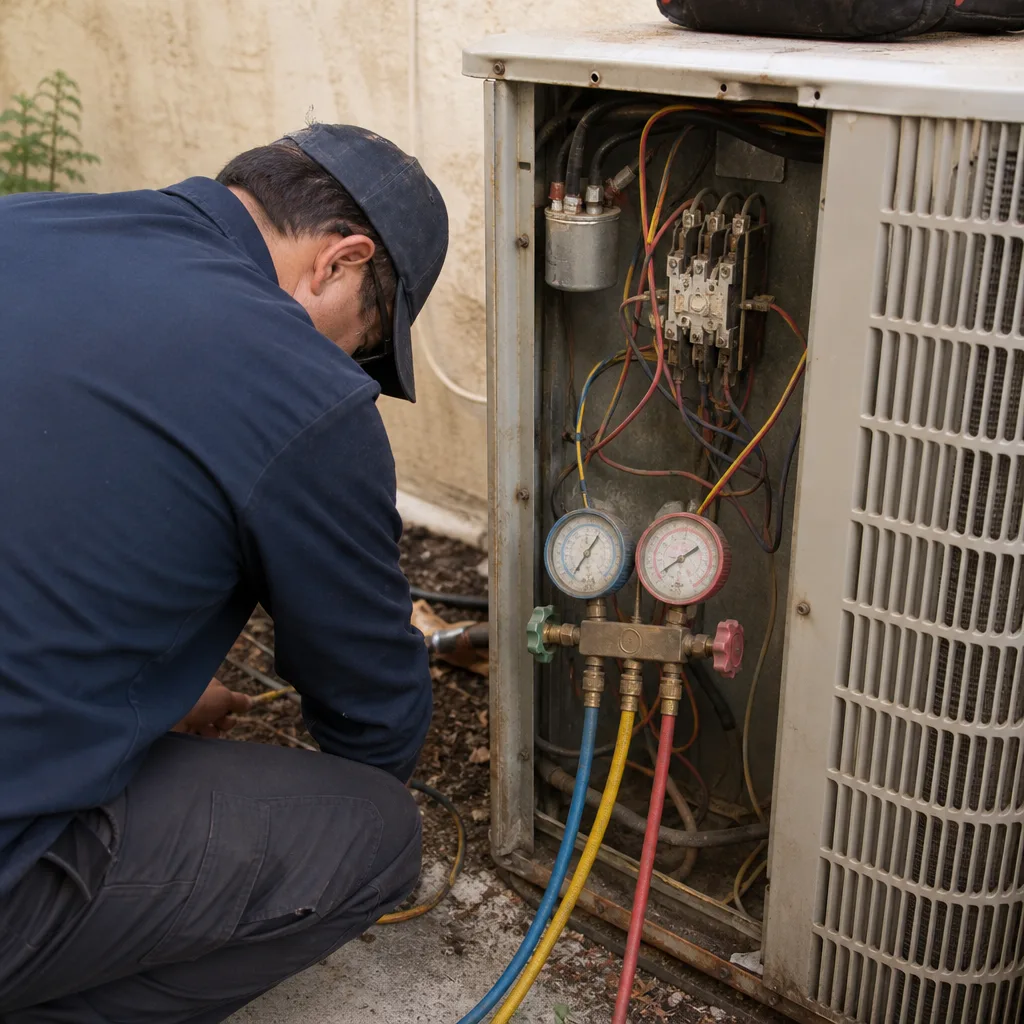
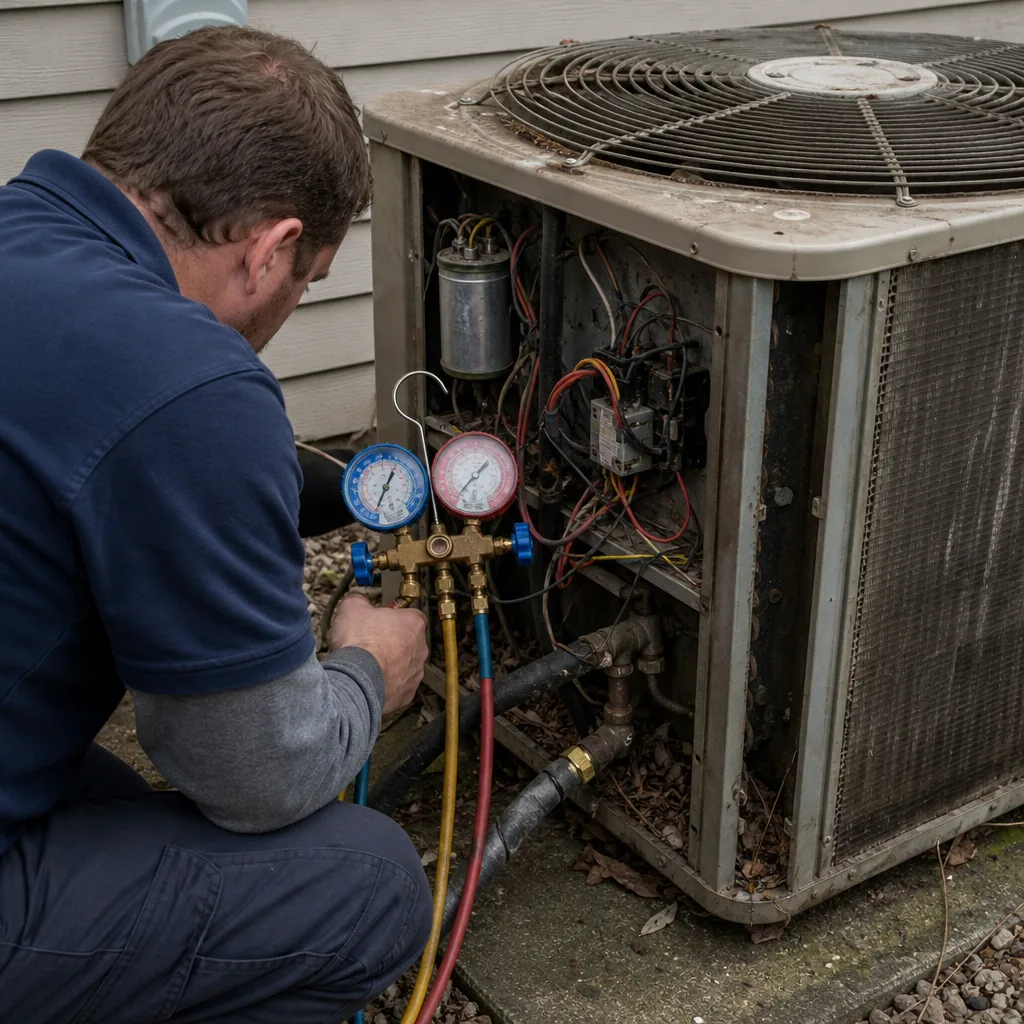 Before
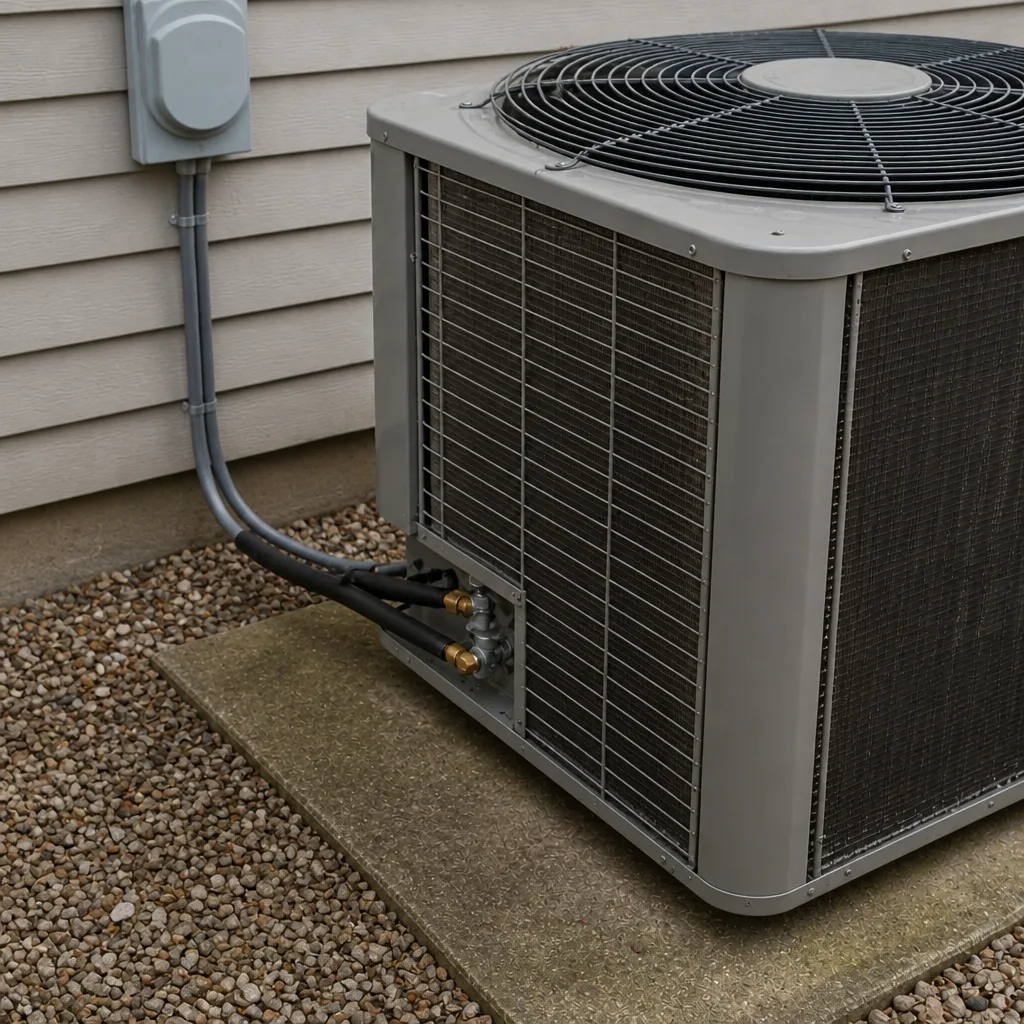 After
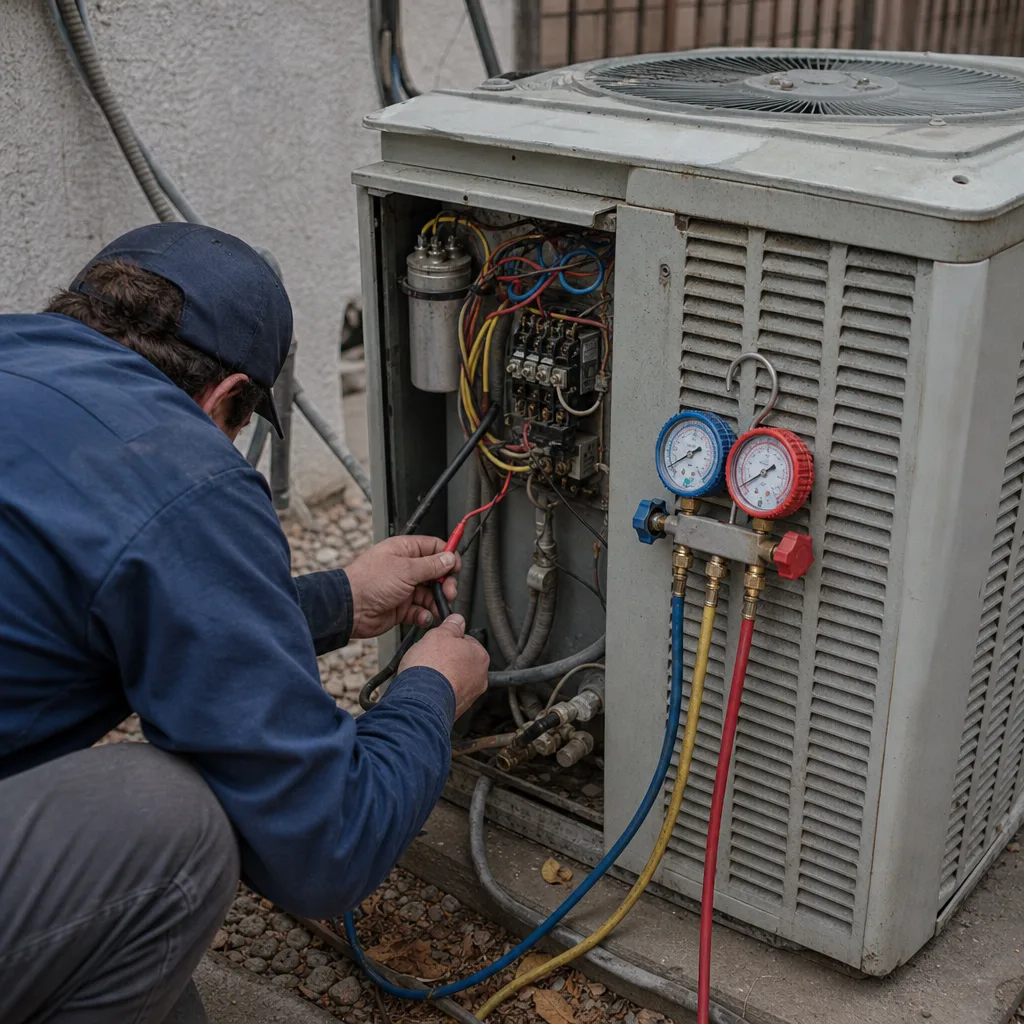
 Before
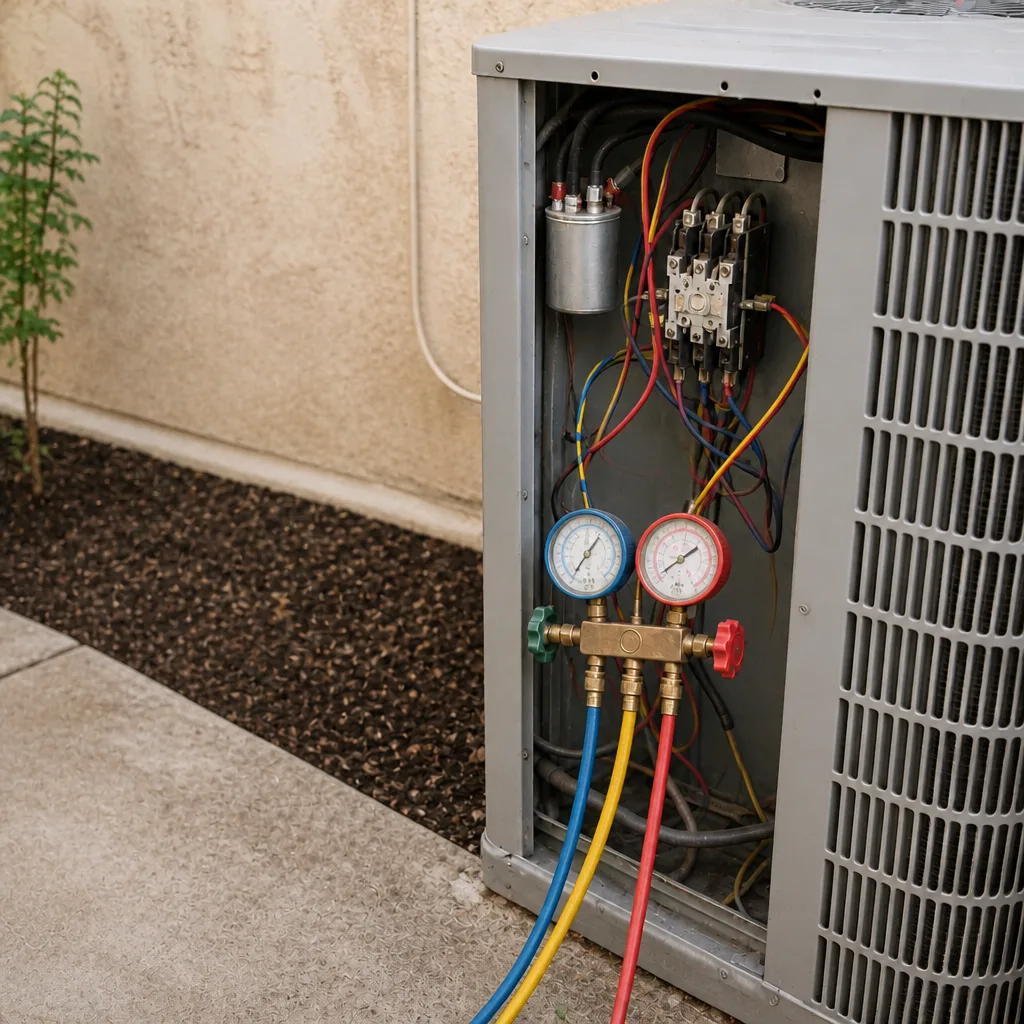 After
 Before
 After
Frequently Asked Questions
You can legally do the parts that don’t involve refrigerant, electrical, or a permit – routing, mounting, planning the drain. The moment the job involves connecting refrigerant lines, charging the system, or wiring a dedicated 240-volt circuit, you need an EPA Section 608 certification and a licensed electrician, and most jurisdictions in Whitney and Mineral County require a mechanical permit that’s pulled by a licensed contractor.
Yes, within tight limits. They work reliably on small single-zone systems with line runs under the manufacturer’s factory length – typically 25 feet – and accessible fittings you can leak-check later. They perform poorly on long runs and on any install where the fitting ends up behind a soffit or wall, and they can’t be re-used once disconnected. For a whole-home system, a professionally brazed and evacuated line set is the right call.
A few things can happen, and none of them are good. Your homeowner’s insurance carrier can deny a claim if a fire traces back to unpermitted work. A buyer’s home inspector will flag the install during a real estate transaction, and Nevada requires sellers to disclose unpermitted work, which can hold up a closing. The equipment manufacturer can also refuse a warranty claim because unpermitted installs don’t satisfy their licensed-install language.
In every case we’ve seen, yes. Carrier, Trane, Lennox, Rheem, York, Daikin, Bryant, and American Standard all tie warranty coverage to installation by a licensed contractor. The labor warranty you’d otherwise get is also gone, and a failed compressor at year three is a $2,000-plus problem you eat yourself without coverage.
Install costs in the Whitney area typically run higher than the DIY parts cost by $800 to $1,500 in labor, plus permit and electrical – and that gap is exactly what the warranty, insurance, and permit are buying. A written quote should state every line item separately so you can see what’s included. Call Fireside Heating & Air Co. Whitney at (866) 329-8069 for a free estimate – the price quoted is the price paid.
We service and install all nine major residential brands: Carrier, Trane, Lennox, Goodman, Rheem, York, Daikin, Bryant, and American Standard. Our technicians have up to 8 years of experience, and they’re background-checked and trained as journeymen on every job. Learn more on the Fireside Heating & Air Co. Whitney home page.
The Bottom Line
The DIY mini split install is a real choice, and it’s one some homeowners can make partway. The wall penetration, the line set routing, the brackets, the condensate line – all genuinely within reach for a careful homeowner, with the right precautions. The refrigerant, the electrical, and the permit are where the line falls off a cliff, and it’s not a soft cliff. Lose the warranty, lose the insurance claim, lose the ability to sell the house cleanly – that’s the downside risk, and it’s a lot bigger than $800 to $1,500 in labor. A licensed contractor handles all of it inside one price and one written guarantee. Our technicians have up to 8 years of experience, and we back every job with the 90-Day Done Right Promise. Heat Pump & Mini Split in Whitney has more on how we install and service these systems.
Call for a Free Estimate
If you’re weighing DIY versus professional on a heat pump or mini split in Whitney, call Fireside Heating & Air Co. Whitney at (866) 329-8069 for a free estimate. A live person answers every call, 24 hours a day, seven days a week – never a voicemail tree – and we’ll walk through the specific job, the permit picture, and the real numbers in plain terms. We’ve served homeowners in this community for over 42 years, we’re trained on all nine major residential brands, and every job is backed by our 90-Day Done Right Promise: done right, or we make it right, in writing.
Written by the team at Fireside Heating & Air Co. Whitney.