
Last updated November 18, 2026
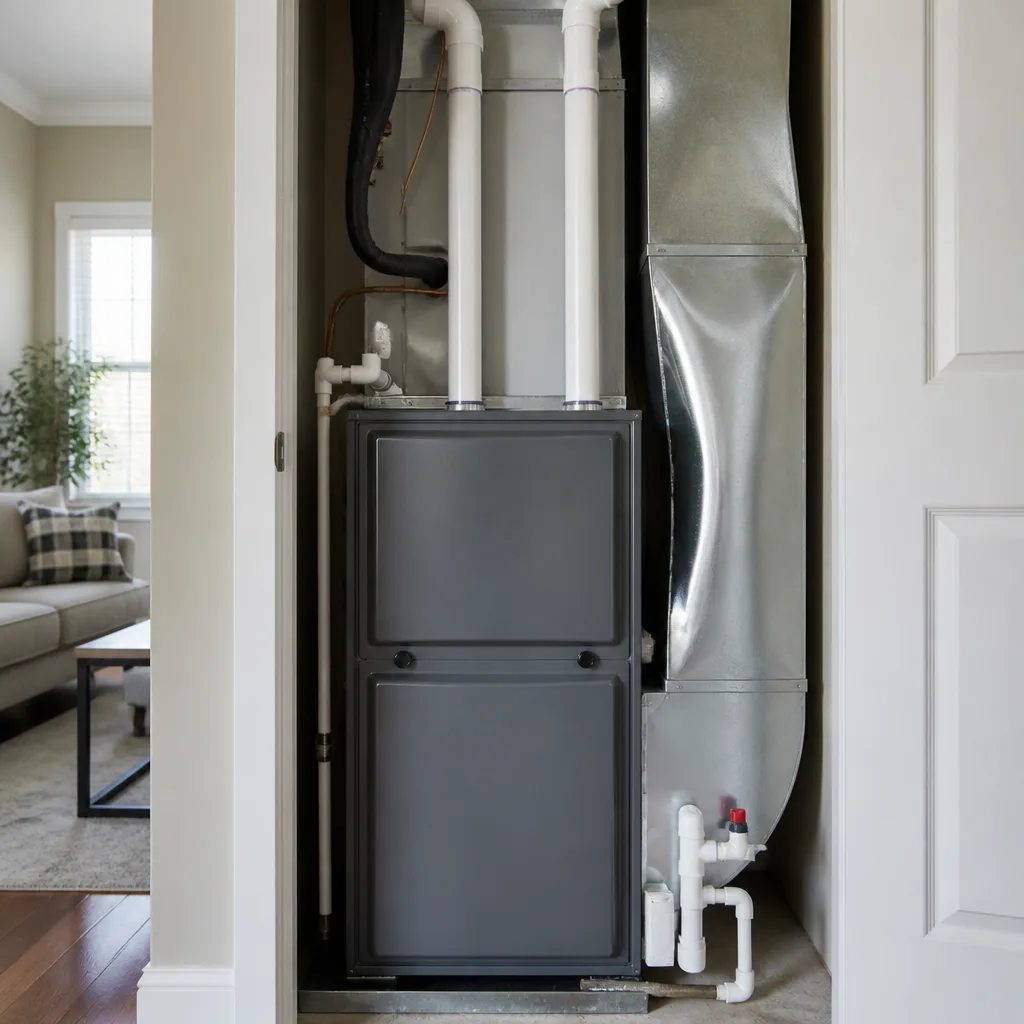 Furnace & heating
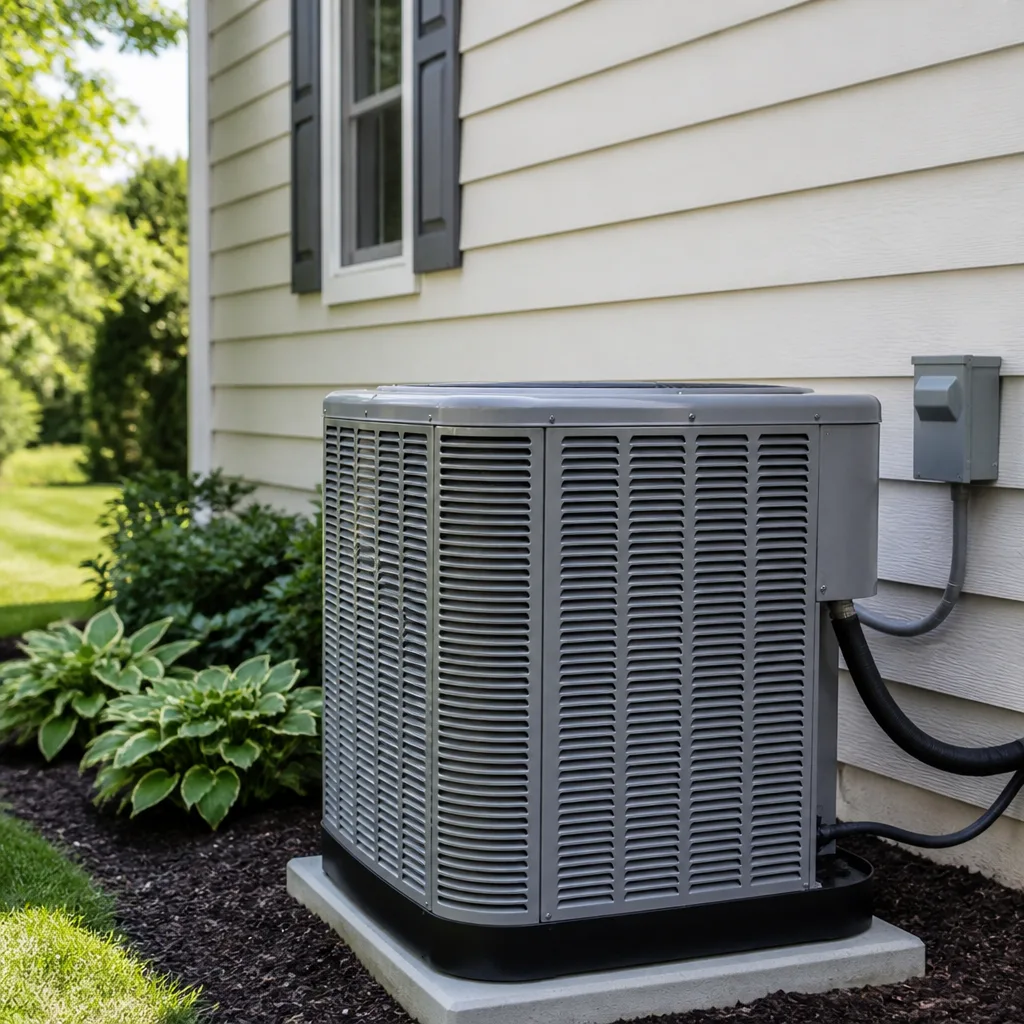 AC repair
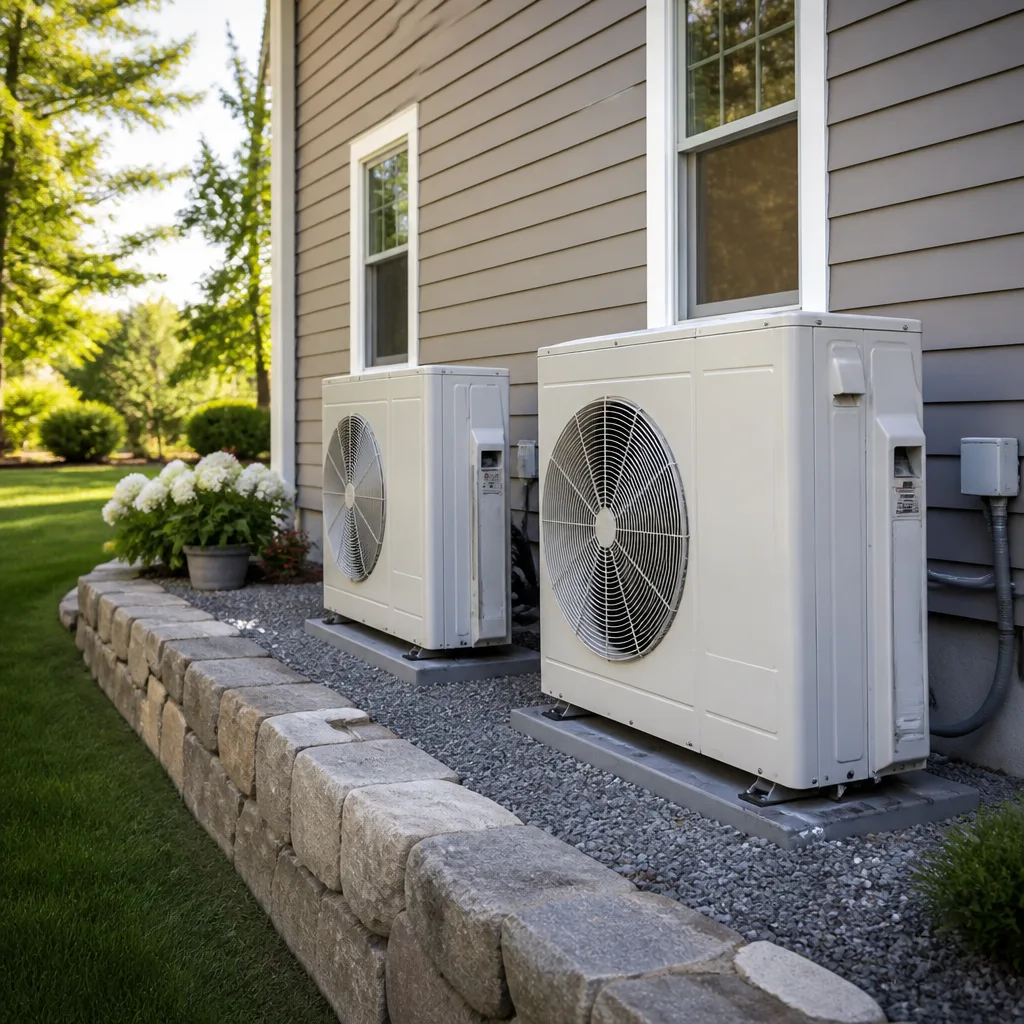 Heat pumps
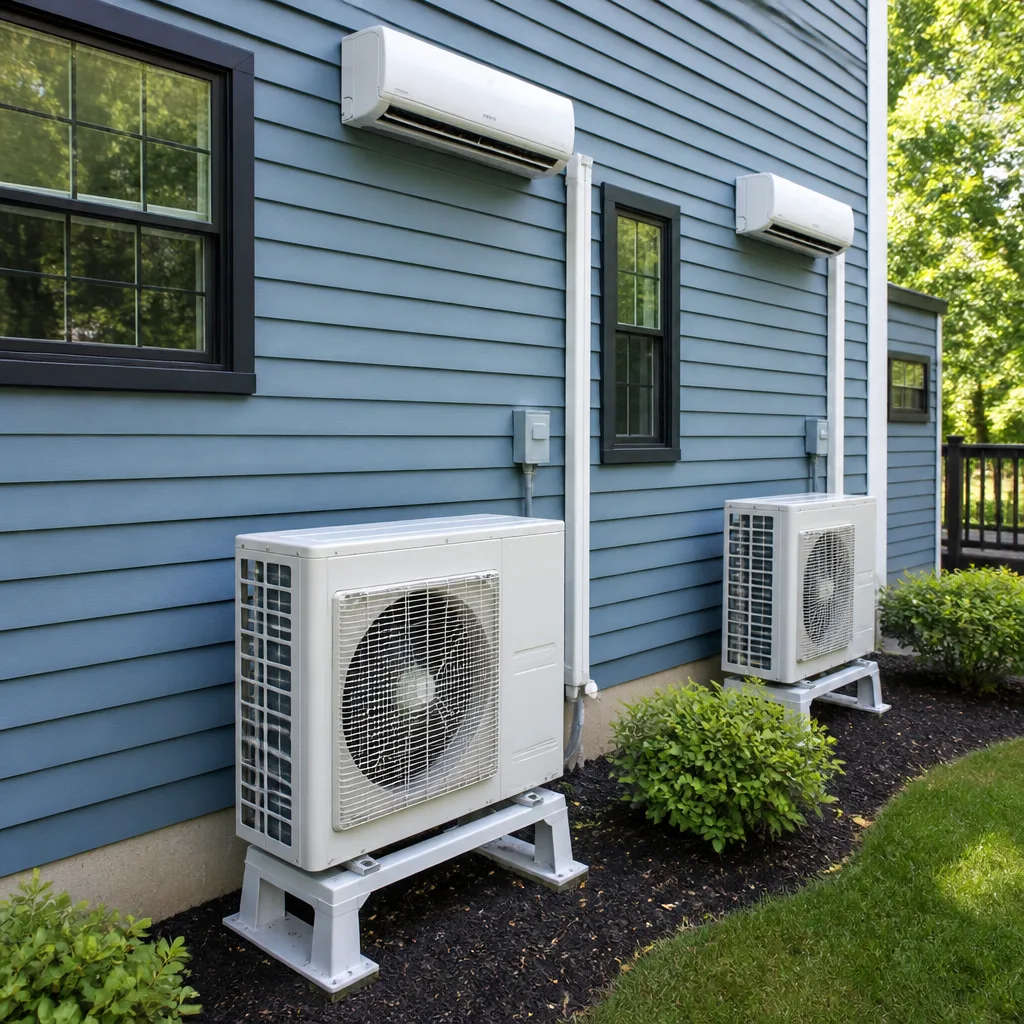 Ductless mini splits
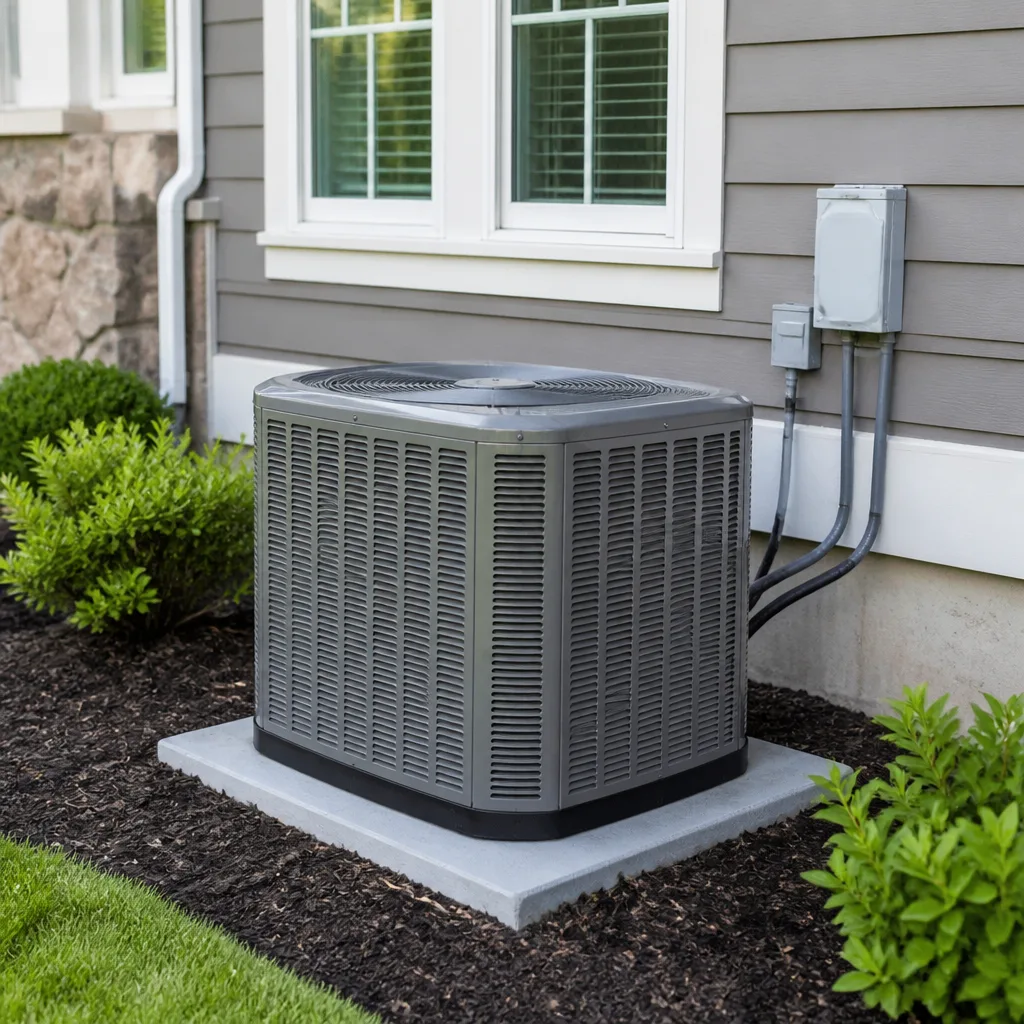 Carrier
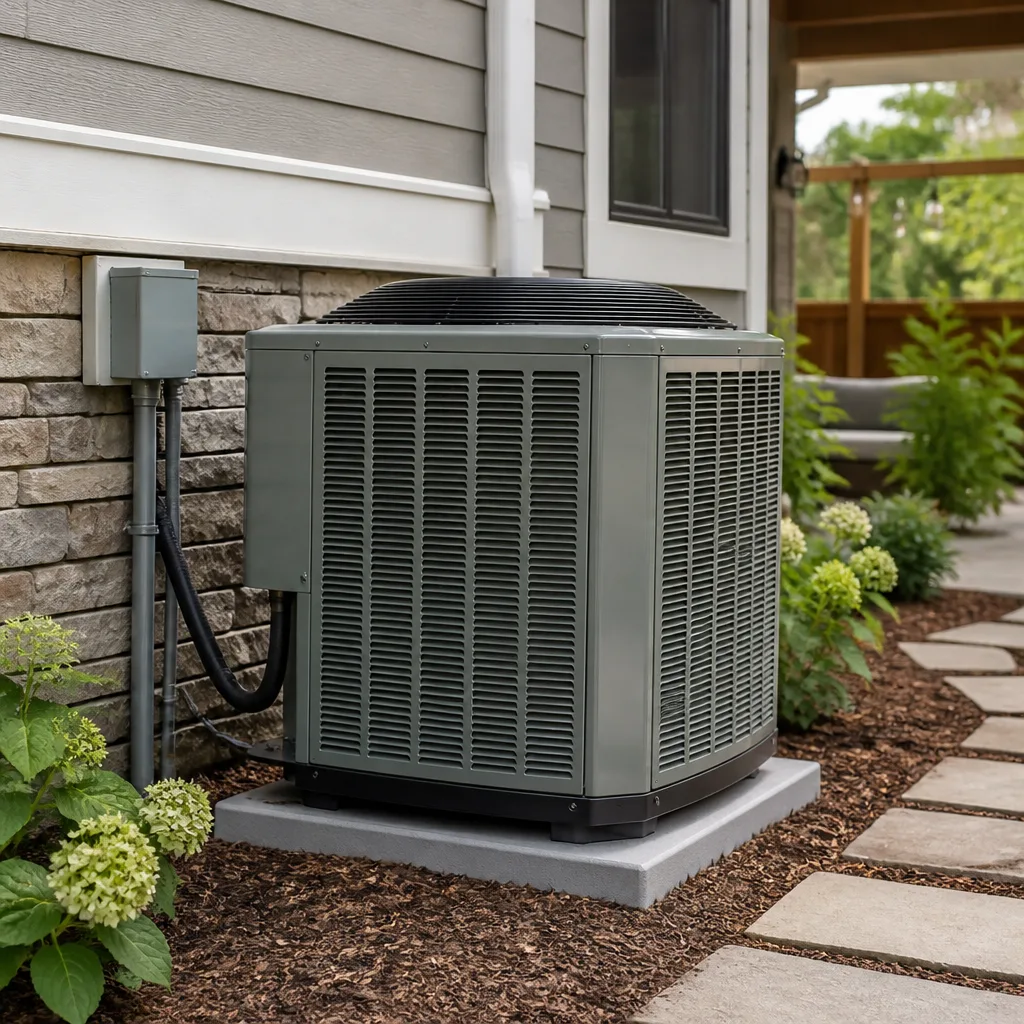 Trane
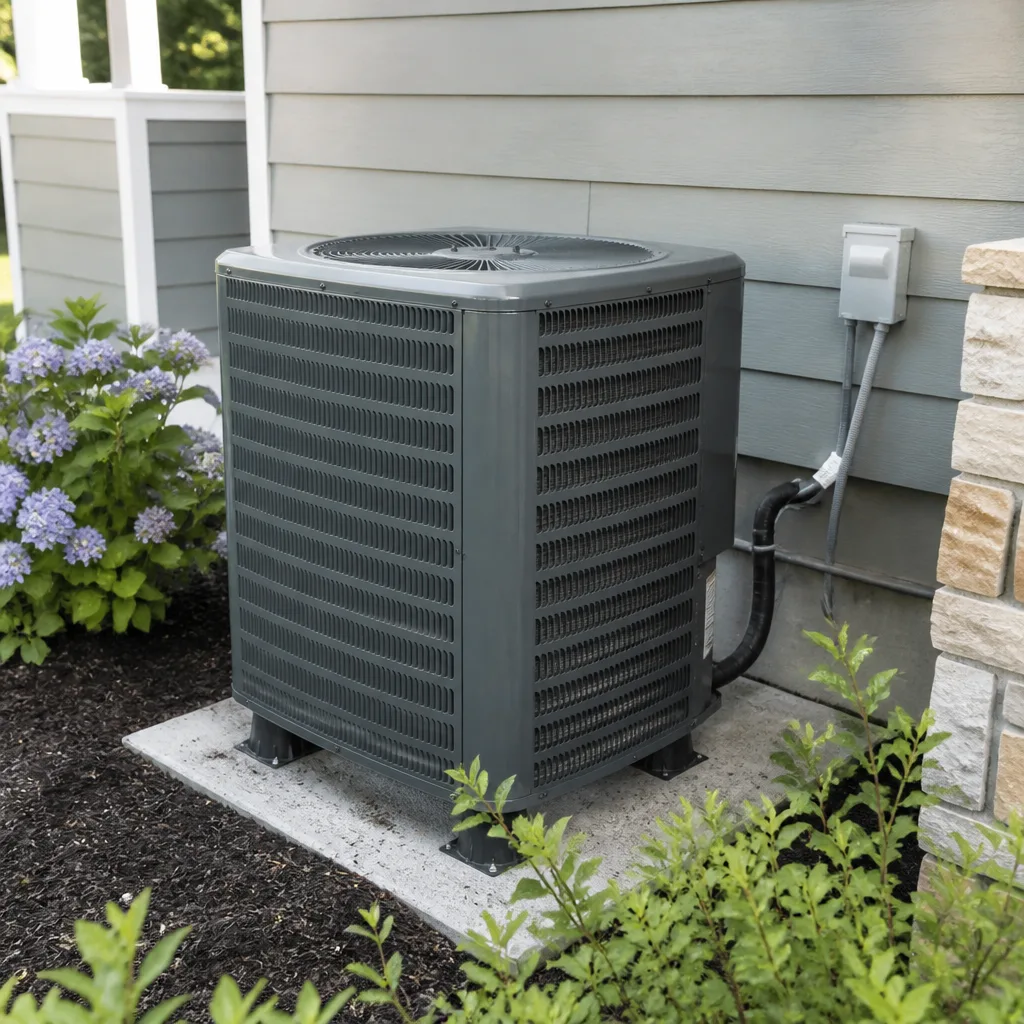 Goodman
Seasonal tune-up and full diagnostic on your Carrier, Trane, or Goodman system - readings shown to you before any repair is proposed
Diagnosis first, numbers second - you approve the repair price before a single part goes in.
Get your free estimateHow Long Does Heating & Furnace Take? Timelines and What to Expect
A furnace swap that takes a qualified crew four hours can still leave your home without heat for three days if nobody told you about the county permit hold. Whitney homeowners hit that surprise more often than they should. The install itself is rarely the slow part. What eats the calendar is everything around it: the assessment visit, the equipment order, the permit window, and the combustion test that has to be run at this elevation before anyone touches the thermostat. This guide walks the whole timeline hour by hour and day by day, phase by phase, so you can plan your household around the work instead of the other way around.
Styles & brands we work with
- AC repair
- Furnace & heating
- Heat pumps
- Ductless mini splits
- Carrier
- Trane
- Goodman
Quick Answer
A straightforward furnace replacement in Whitney usually means two to four hours of actual installation work on the day the crew arrives, but the full process from first call to a signed-off, running system typically runs three to ten days. A same-BTU swap with equipment in stock and no permit delay can wrap in two or three days. A right-sized replacement that needs duct modifications, a permit pull, or a special-order unit often stretches to one to two weeks. The single biggest variable is not labor. It’s the permit and the equipment lead time.
Table of Contents
- The Five Phases of a Furnace Job
- Phase 1: The Site Assessment
- Phase 2: Equipment Lead Time
- Phase 3: The Permit Pull
- Phase 4: Installation Day, Hour by Hour
- Phase 5: Commissioning and the 90-Day Follow-Up
- Swap Versus Right-Sized: How the Timeline Diverges
- What to Do With Your Household During the Work
- Common Mistakes to Avoid
- When to Call a Professional
- Frequently Asked Questions
- The Bottom Line
The Five Phases of a Furnace Job
Most homeowners mentally book one day off work and assume that covers it. It doesn’t, and the gap between what you expect and what actually happens is where the frustration lives. A furnace project runs through five distinct phases, and only one of them happens in your house on install day.
- Assessment – a technician measures the home, checks the existing unit, and determines what size and type of furnace you need. Usually one visit, 45 to 90 minutes.
- Equipment lead time – ordering the unit. In-stock brands like Carrier or Trane often arrive in one to three days; special-order sizes or efficiency tiers can take a week or more.
- Permit – pulling the mechanical permit the county requires for a furnace replacement. This is the step most homeowners never see and the one that most often adds days.
- Installation day – the crew removes the old unit, sets the new one, connects gas and venting, and runs the electrical. Two to four hours for a straight swap, longer with ductwork.
- Commissioning – the combustion test, airflow check, and thermostat calibration that confirm the system is safe and running correctly before the crew leaves.
Knowing these five phases exist changes how you plan. Instead of blocking a single morning, you can schedule around the two dates that actually matter: assessment day and install day. Everything between them is paperwork and logistics that we handle. If you want the full picture of what our heating and furnace service in Whitney covers, that page walks through the service side.
Phase 1: The Site Assessment
The clock starts with the assessment, and it’s more than a glance at the old furnace. A proper assessment on a Whitney home takes 45 to 90 minutes because the technician is measuring the house, not just the equipment. Square footage, window count, insulation quality, duct sizing, and how the home actually heats in cold weather all feed into what unit goes back in.
Whitney sits at high desert elevation, and that changes the math. A furnace sized for a sea-level home of the same square footage will be wrong here. The air is thinner, the temperature swings between day and night are wider, and combustion behaves differently. The assessment is where those local factors get accounted for. Skipping or rushing this step is how homeowners end up with a furnace that short-cycles, runs too long, or never quite keeps the back bedrooms warm.
What happens during the visit:
- Measurement of heated square footage and room-by-room layout
- Inspection of the existing furnace, venting, and gas line
- Duct inspection for sizing, leaks, and any needed modifications
- Thermostat and electrical review
- A written recommendation with sizing and efficiency tier options
If the assessment reveals duct problems or a gas line that needs work, that’s not bad news at this stage. It’s the reason to assess before ordering. Finding a duct issue during install day, when the new furnace is already sitting in your garage, is what turns a one-day job into a three-day disruption.
Phase 2: Equipment Lead Time
Once you approve the recommendation, the unit gets ordered. This phase is pure logistics, and its length depends on what you chose. We’re trained to service nine major brands, so availability across Carrier, Trane, American Standard, Bryant, and the rest is generally good. Still, the unit in your size and efficiency tier has to be the right one, and that takes time.
Typical lead times we see in Whitney:
- Standard 80% efficiency unit, common size – often one to three days
- High-efficiency unit, less common size – three to seven days
- Special-order or oversized unit – one to two weeks, occasionally longer during peak heating season
Peak season matters. When the first hard freeze hits Whitney and half the neighborhood is calling, equipment moves slower and crews are booked out. Getting ahead of the heating season by scheduling your replacement in the shoulder months of fall or early spring keeps this phase short. If your furnace is already limping in October, that’s the moment to act, not December.
Phase 3: The Permit Pull
This is the phase almost no homeowner budgets for, and it’s the one that most often adds days to a project. A furnace replacement is a permitted mechanical job in most jurisdictions, and the county has to review and issue the permit before the work can legally begin.
The permit timeline breaks down roughly like this:
- Application submitted with the equipment specs and scope of work
- County review and issuance – typically a few business days, longer during busy periods
- Scheduling of the actual install around when the permit lands
- A final inspection after the work is done, which may add a day or two after install
When a contractor doesn’t pull the permit, the work happens fast, and then you inherit the problem. Unpermitted furnace work can cause issues at resale, complicate insurance claims, and leave you holding the bag if something fails. That’s one reason a quote that promises a next-morning furnace swap with no permit conversation is a red flag. We pull the permit and build the timeline around it, because the alternative isn’t a faster job. It’s a future headache you’ll have to pay to unwind.
Phase 4: Installation Day, Hour by Hour
This is the day you actually block out, and it’s shorter than most people fear. A straightforward same-BTU furnace swap takes two to four hours of crew time. Here’s how a typical install day runs:
- Arrival and setup (15-30 min) – the crew protects floors with shoe covers and drop cloths, shuts off the gas and power to the old unit, and stages the new furnace.
- Removal of the old unit (30-60 min) – disconnecting the old furnace and venting, then hauling it out.
- Setting the new furnace (30-45 min) – positioning the new unit on its base or stand, level and secure.
- Gas, electrical, and vent connections (60-90 min) – connecting the gas line, wiring the electrical, and running the new venting. This is the detail-heavy stretch.
- Commissioning and combustion test (30-60 min) – the safety and performance checks described below.
- Cleanup and walkthrough (15-30 min) – hauling away the old unit, tidying, and walking you through what was done.
If duct modifications are needed, add two to four hours, and possibly a second crew day. A right-sized replacement that requires new ductwork modifications sits at the longer end of the range, sometimes stretching the work across two days once the system checks are added.
Phase 5: Commissioning and the 90-Day Follow-Up
Commissioning is the step that separates a contractor from a laborer, and it’s the one people don’t understand well enough to demand. It cannot be skipped or rushed, especially at high desert elevation. When the air is thin, combustion testing matters more, not less. The technician isn’t just checking that the furnace lights. They’re verifying gas pressure, checking the flame for proper color and stability, measuring temperature rise, testing airflow across the heat exchanger, and confirming the thermostat reads accurately across the whole house.
Then there’s the part most people never see: the 90-day follow-up check. A furnace that ran fine in October can reveal issues once it’s seen a full heating season. A follow-up visit catches things same-day commissioning misses, like a slight duct leak that shows up under sustained load, a thermostat that drifts in a cold snap, or a burner that develops a hiccup after a few hundred hours. This is why the timeline isn’t really over the day the truck leaves. Our Fireside Heating & Air Co. Whitney home page spells out the written promise that stands behind every job.
Swap Versus Right-Sized: How the Timeline Diverges
Not all furnace jobs are the same job, and knowing which one you’re getting is the difference between planning a day off and planning a week.
A straight BTU swap of the same size unit is the shortest-timeline scenario. The new furnace matches the old one closely enough that ductwork, venting, and gas line are usually a direct fit. Install day runs two to four hours. Add assessment and permit, and you’re often looking at three or four days total.
A right-sized replacement is the longer path. The assessment determined that the old furnace was wrong for the home, and the correct unit takes more than a swap. That can mean:
- Duct modifications to handle new airflow requirements
- Venting changes if efficiency tier differs
- Gas line adjustment if the unit’s input differs
- A second crew day for ductwork
The right-sized job takes longer, and it’s the better job. A furnace sized for sea level dropped into a Whitney home performs poorly and wastes gas. The extra day or two of work buys you a system that actually heats the house. Call it the difference between a furnace that fits the wall and a furnace that fits the home.
What to Do With Your Household During the Work
This is where a well-managed job becomes easy and a poorly-managed one becomes chaos. Here’s how to plan the actual install day rather than just saying “we’ll manage.”
- Utility shutoffs: gas and power to the furnace get shut off during the work. Plan on no heat for the duration, two to four hours. That’s not a problem in mild weather. In a hard freeze, it’s why scheduling matters. Tell us your priority and we’ll talk through timing.
- Pets: keep them away from the work area. A furnace install involves tools, gas connections, and foot traffic. A quiet back room or a neighbor’s house works best.
- Thermostat: hold off on adjusting it during the work. The technician will need to test and calibrate it at commissioning. If you have a smart thermostat, jot down any custom schedule before it’s touched so you can restore it.
- Clear access: keep the furnace closet or mechanical room clear, and move anything stored in front of the unit, including the return-air grille.
- The day itself: you don’t need to be home the whole time, but someone should be there for the walkthrough at the end and to answer questions.
If the work involves gas connections or venting, keep doors and windows closed and let the technician finish the combustion test before you use the room. Ventilation concerns are part of why the install is a professional job. A properly commissioned furnace in a Whitney home is a safely vented one.
Common Mistakes to Avoid
- Skipping the assessment to save a day. It feels like a shortcut. It’s the reason furnaces get oversized and duct issues get missed. The assessment is the phase that protects everything after it.
- Believing the “next-morning swap” quote. A quote promising a furnace the next morning with no permit conversation is either skipping the permit or cutting the commissioning. Neither is worth the price.
- Not asking about equipment lead time. If the unit isn’t in stock, install day moves. Ask when the furnace will actually arrive before you book time off.
- Ignoring the elevation factor. A furnace sized for sea level behaves badly in Whitney. Make sure the sizing accounts for altitude and local climate.
- Missing the final inspection. The permit isn’t done until the county signs off. Confirm that step is scheduled and that you get the paperwork.
- Treating the 90-day follow-up as optional. It’s where problems get caught before they cost you. If a contractor doesn’t offer one, ask why.
- Waiting for the first hard freeze to call. Peak-season lead times and permit backlogs stretch every phase. Getting ahead of the season keeps the timeline short.
When to Call a Professional
Some furnace issues are scheduling decisions. Others are safety decisions. Call a professional right away if you smell gas, if your carbon monoxide detector goes off, if you see yellow or lazy flames instead of a steady blue one, or if the furnace has a cracked heat exchanger or visible corrosion on the venting. These aren’t DIY situations, and they aren’t wait-and-see situations. If your furnace is over 15 years old, has needed repeated repairs in the same season, or can’t keep the far rooms warm on the coldest nights, that’s a sign to get an assessment and talk through repair versus replace. Fireside Heating & Air Co. Whitney offers free estimates in Whitney, and a live person answers the phone around the clock. Call (866) 329-8069 and we’ll walk through your timeline.
Frequently Asked Questions
A furnace installation in Whitney typically takes three to ten days from first call to a signed-off system, with two to four hours of actual installation work on install day. The rest of the time is assessment, equipment lead time, permit processing, and post-install checks. A same-BTU swap with in-stock equipment can wrap in two to three days; a right-sized replacement with duct modifications often runs one to two weeks. Call (866) 329-8069 for a firm timeline on your specific job.
The installation work itself is often done in one day, but the whole project can’t legally and safely be compressed into a single day. The permit has to be pulled and issued first, the equipment has to arrive, and the commissioning test has to be completed at the end. A one-day experience is possible when everything lines up: the unit is in stock, the permit is ready, and no ductwork is needed. Call (866) 329-8069 to see if your job qualifies.
Yes. A furnace replacement is a permitted mechanical job, and the permit has to be pulled and issued before the work can legally begin. This step usually adds a few business days, longer during busy periods. A contractor willing to skip the permit is skipping the inspection that protects your home and your resale. Ask for the permit number and the inspection schedule. Call us at (866) 329-8069 with questions about what your job needs.
The high desert elevation means thinner air, which changes how a furnace burns. Combustion testing at altitude takes longer because the technician must verify gas pressure, flame quality, and temperature rise under local conditions, not sea-level settings. This step cannot be rushed or skipped. A furnace commissioned correctly at this elevation runs safely and efficiently; one rushed through commissioning can run dangerously or waste gas. It’s a phase worth the extra time.
Plan on no heat for the two to four hours of install day while gas and power are shut off. Keep pets away from the work area, clear access to the furnace and mechanical room, and leave the thermostat alone until the technician finishes commissioning. Someone should be home for the final walkthrough. In cold weather, tell us your priority when you schedule and we’ll time the work around your household. Call (866) 329-8069 to plan your install day.
If your furnace is over 15 years old and has needed repeated repairs in the same season, replacement usually makes more sense than another repair. If it’s younger and the fix is straightforward, repair is the right call. The decision comes down to the age of the unit, the cost of the repair compared to a new system, and how reliably it’s been heating the home. A free estimate in Whitney can give you straight talk on both paths. Call (866) 329-8069 and we’ll price both options.
The Bottom Line
The furnace swap is the short part. What stretches a project into a week is everything around it: the assessment that gets the sizing right for Whitney’s elevation, the equipment lead time, the permit that has to land first, and the commissioning test that confirms the system is safe before anyone leaves. Plan for two to four hours of install day and three to ten days of full timeline, longer if ductwork is involved. The right-sized job takes more days and performs better. And the timeline doesn’t truly end when the truck leaves, because the 90-day follow-up catches what same-day checks can’t. Plan around the phases, not just the day.
When you’re ready to get a straightforward timeline for your own home, call Fireside Heating & Air Co. Whitney at (866) 329-8069 for a free estimate. The price quoted is the price paid, a live person answers every call, and the work is backed in writing by the 90-Day Done Right Promise. If it’s not done right, we make it right. You can also learn more about AC repair and installation in Whitney and heat pump and mini split options in Whitney while you’re planning ahead.
Written by the team at Fireside Heating & Air Co. Whitney.
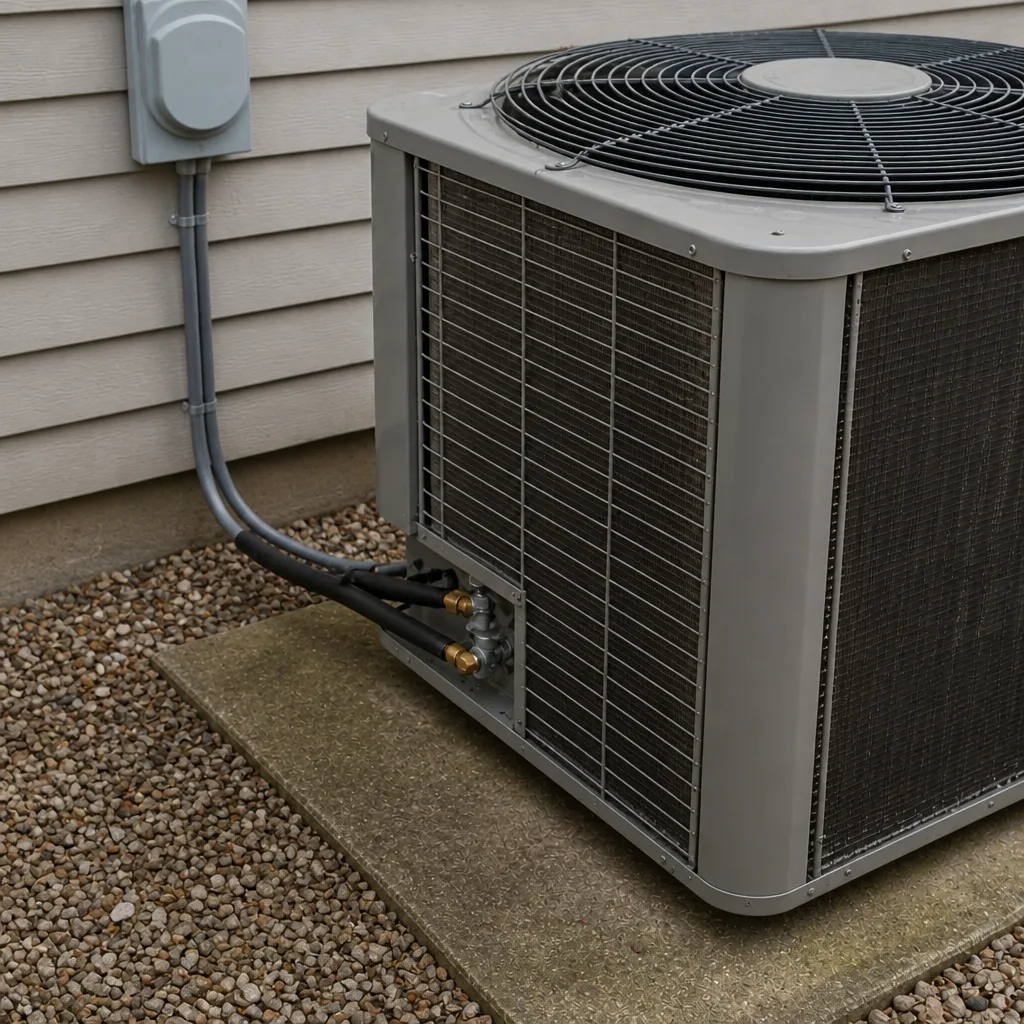
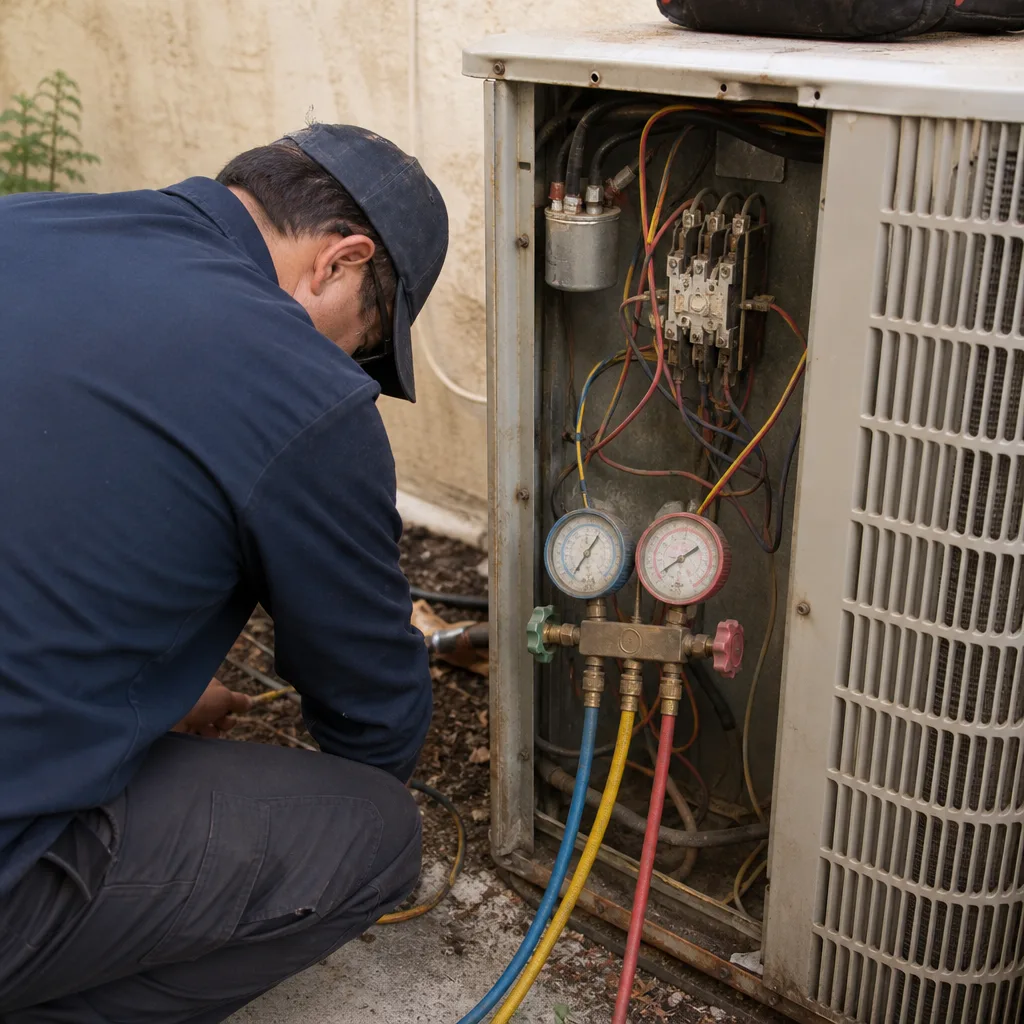
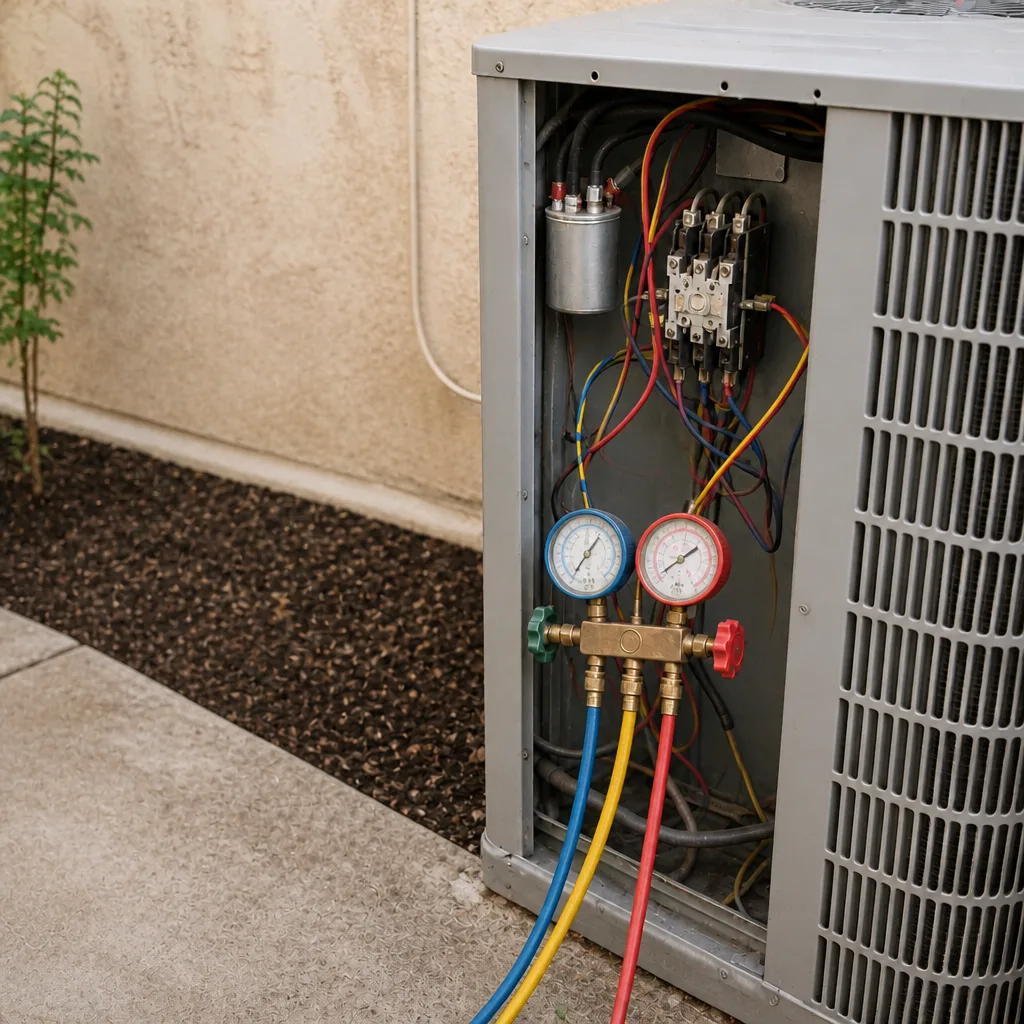
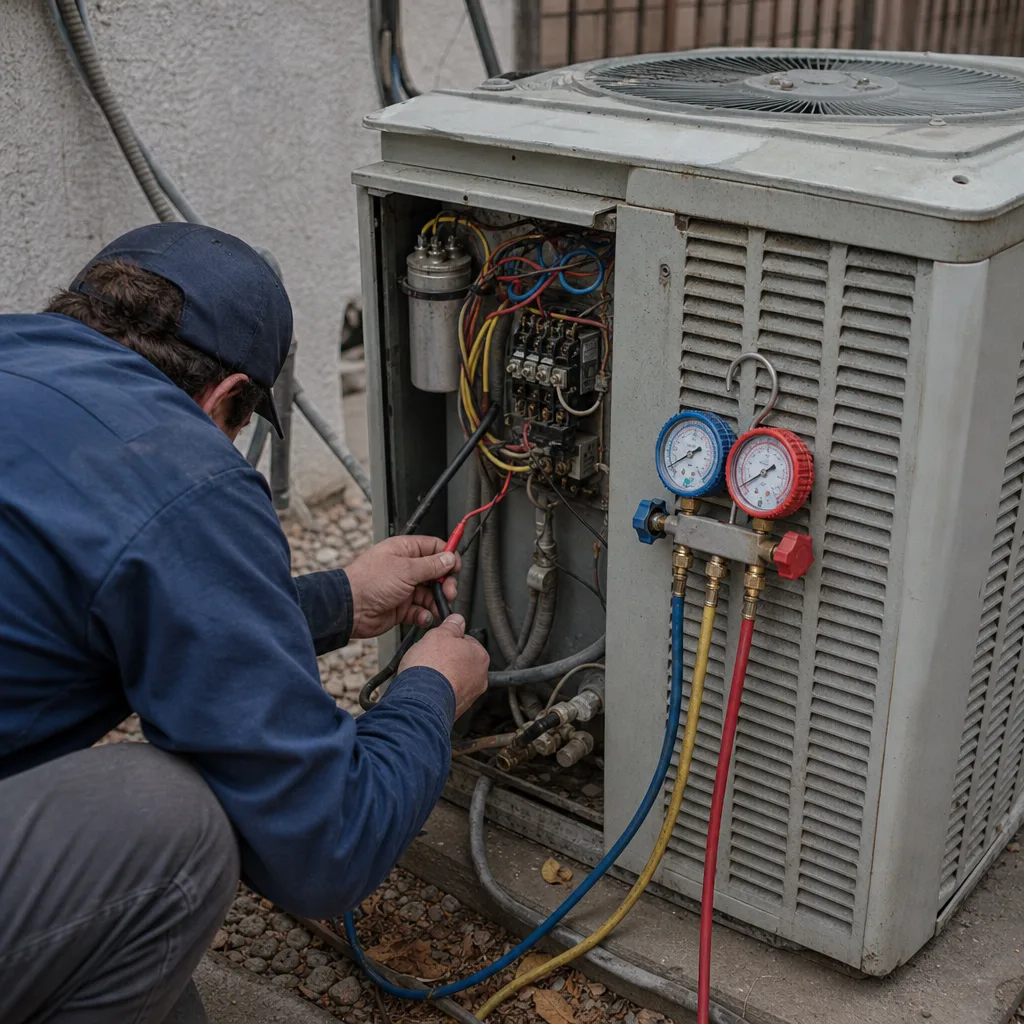
See the difference
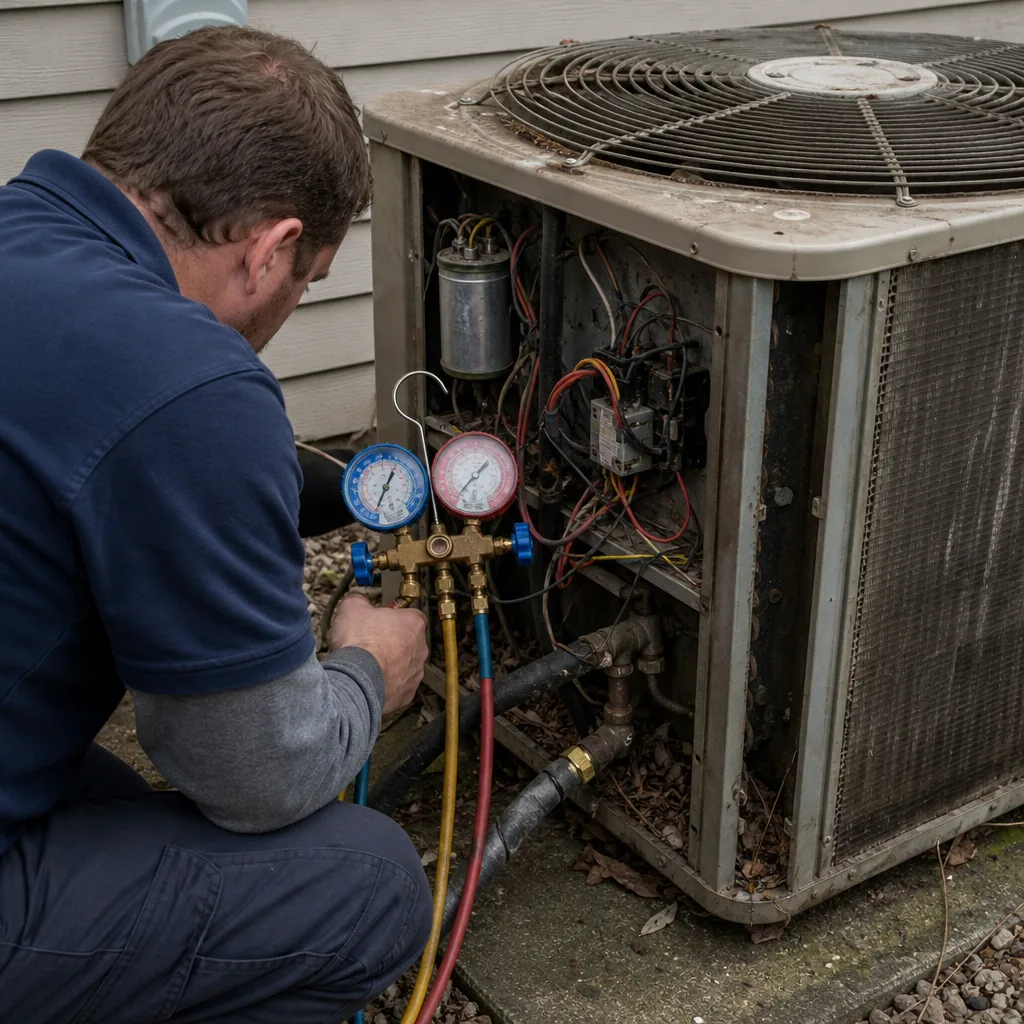 Before
 After
 Before
 After
 Before
 After