
Last updated November 18, 2026
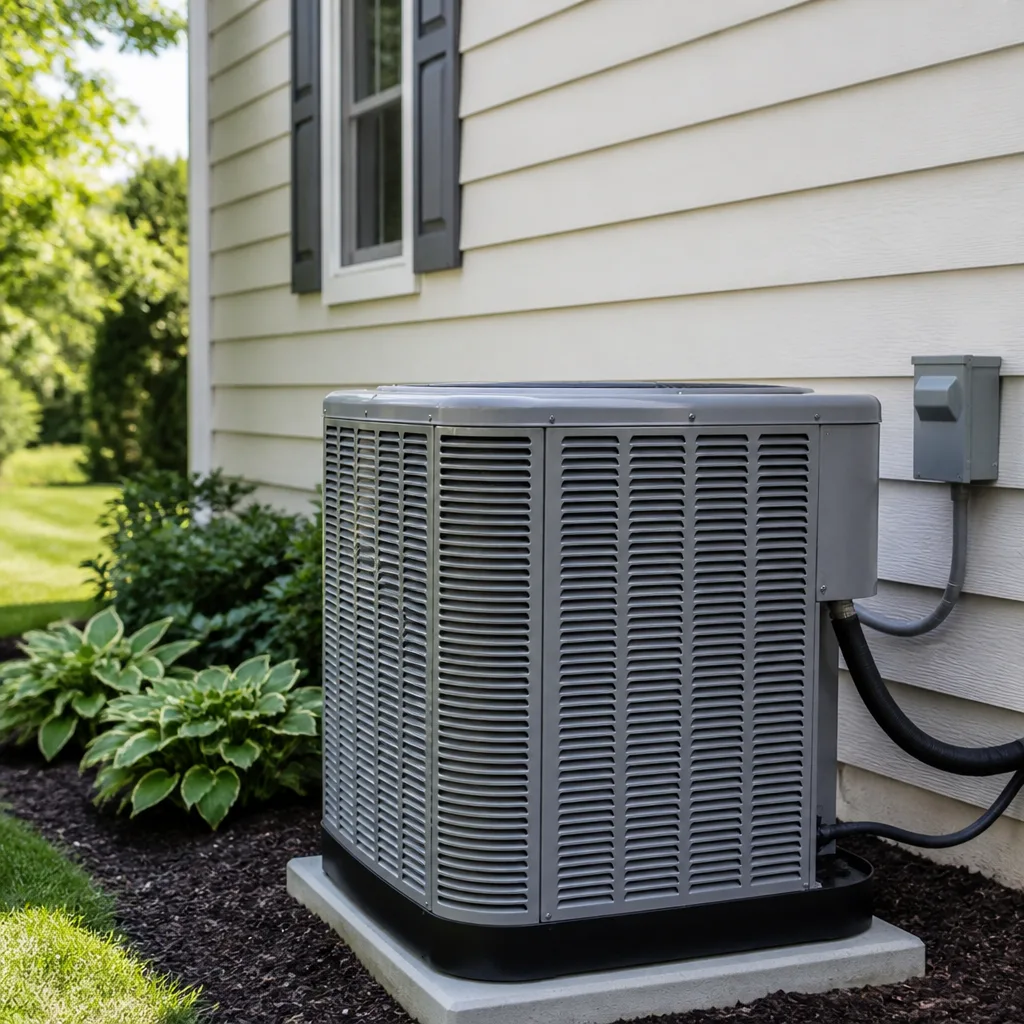 AC repair
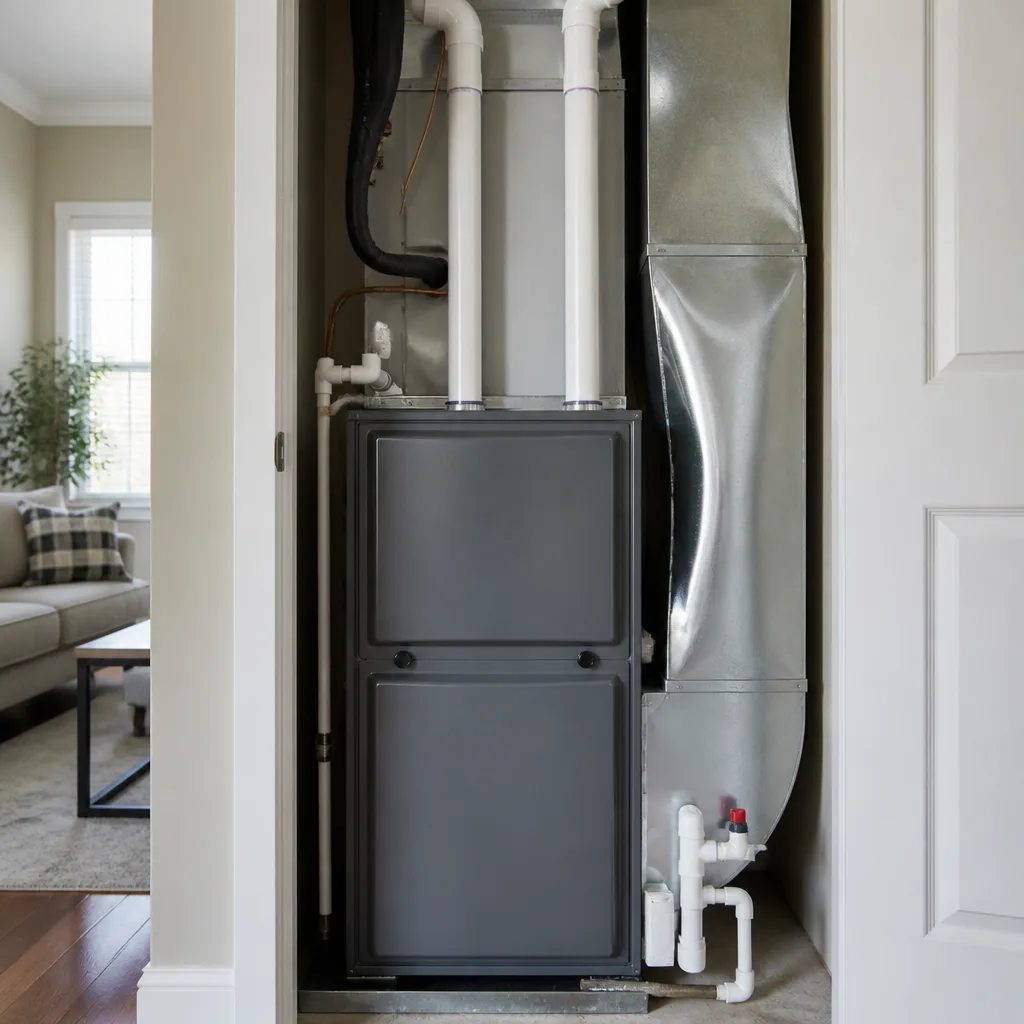 Furnace & heating
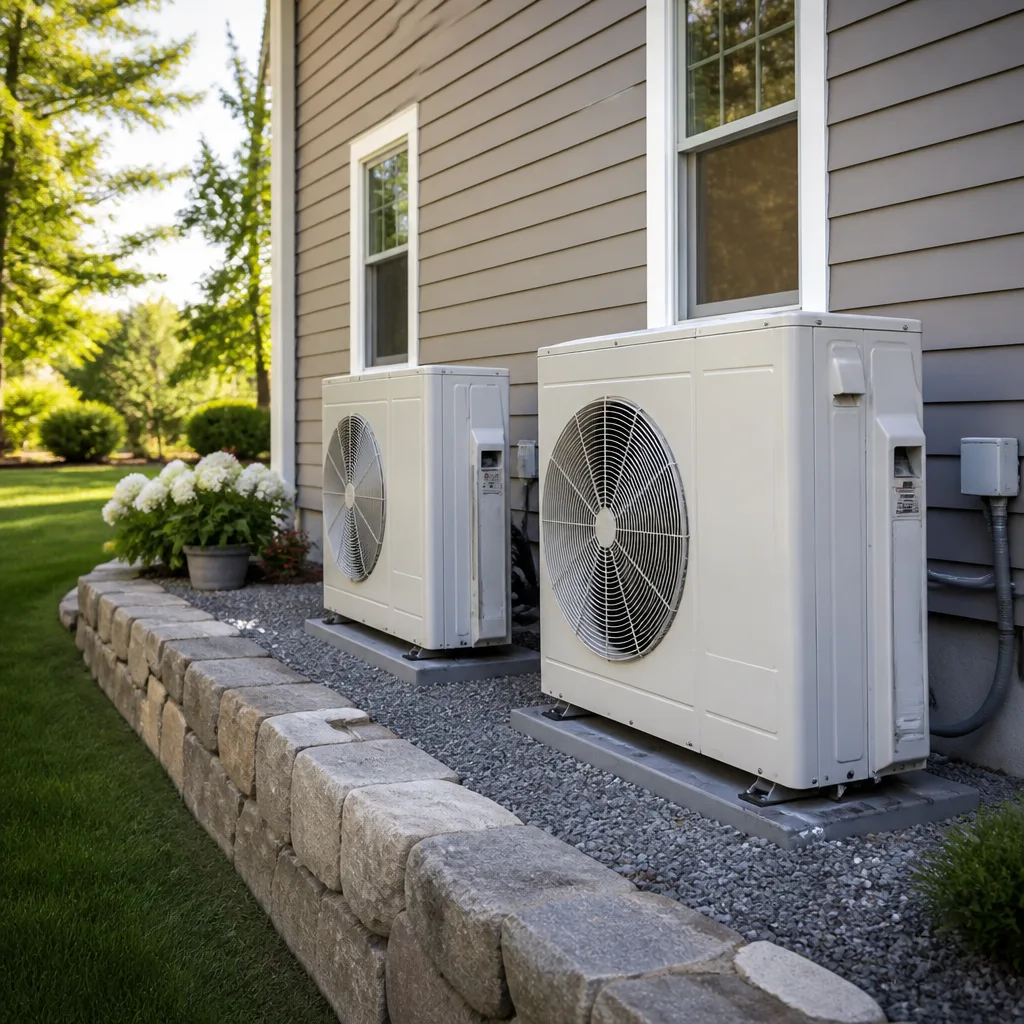 Heat pumps
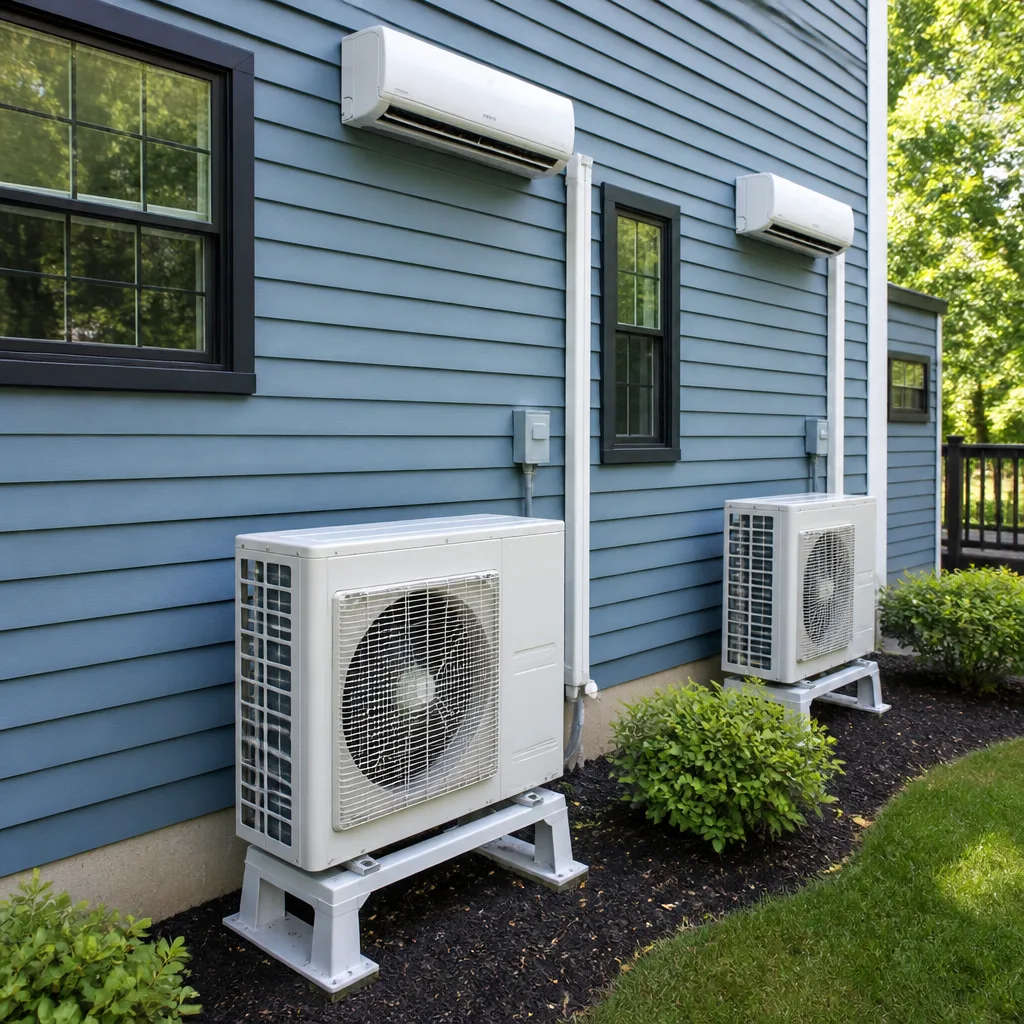 Ductless mini splits
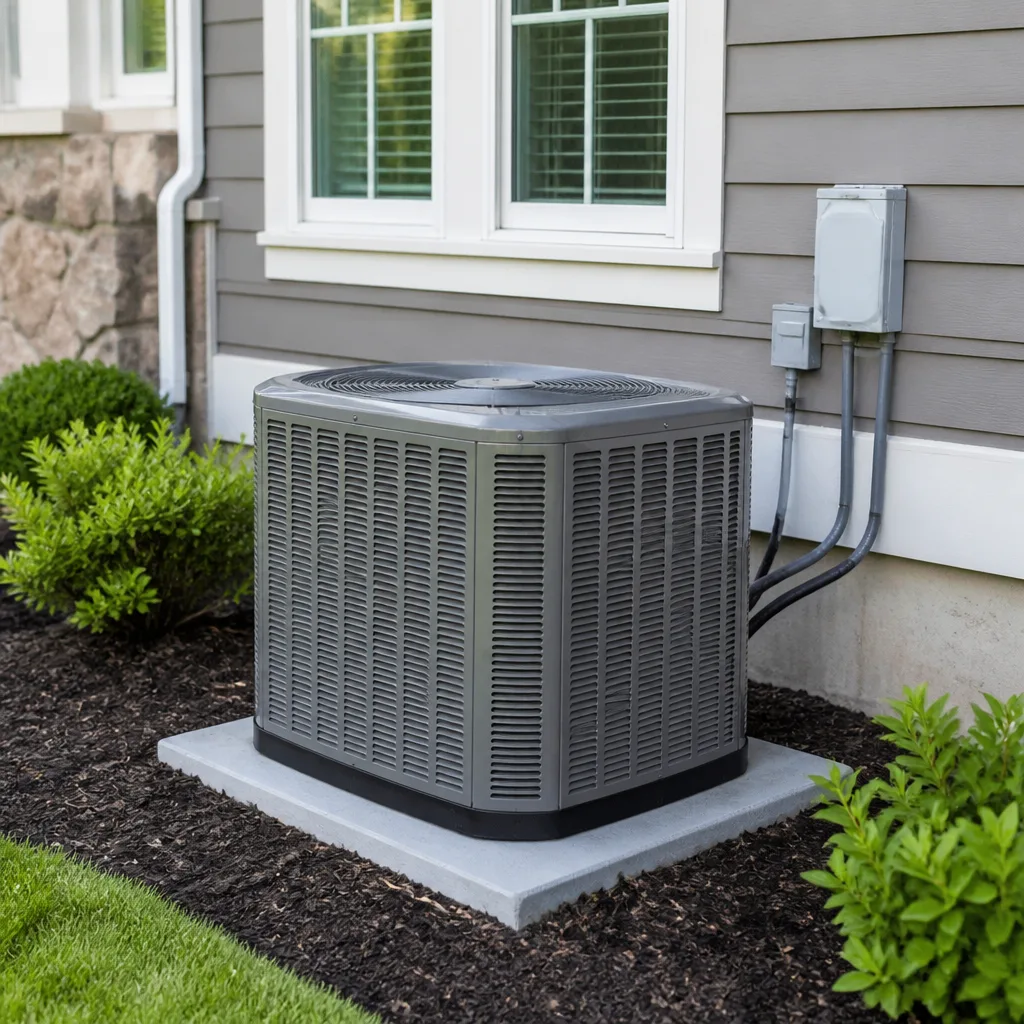 Carrier
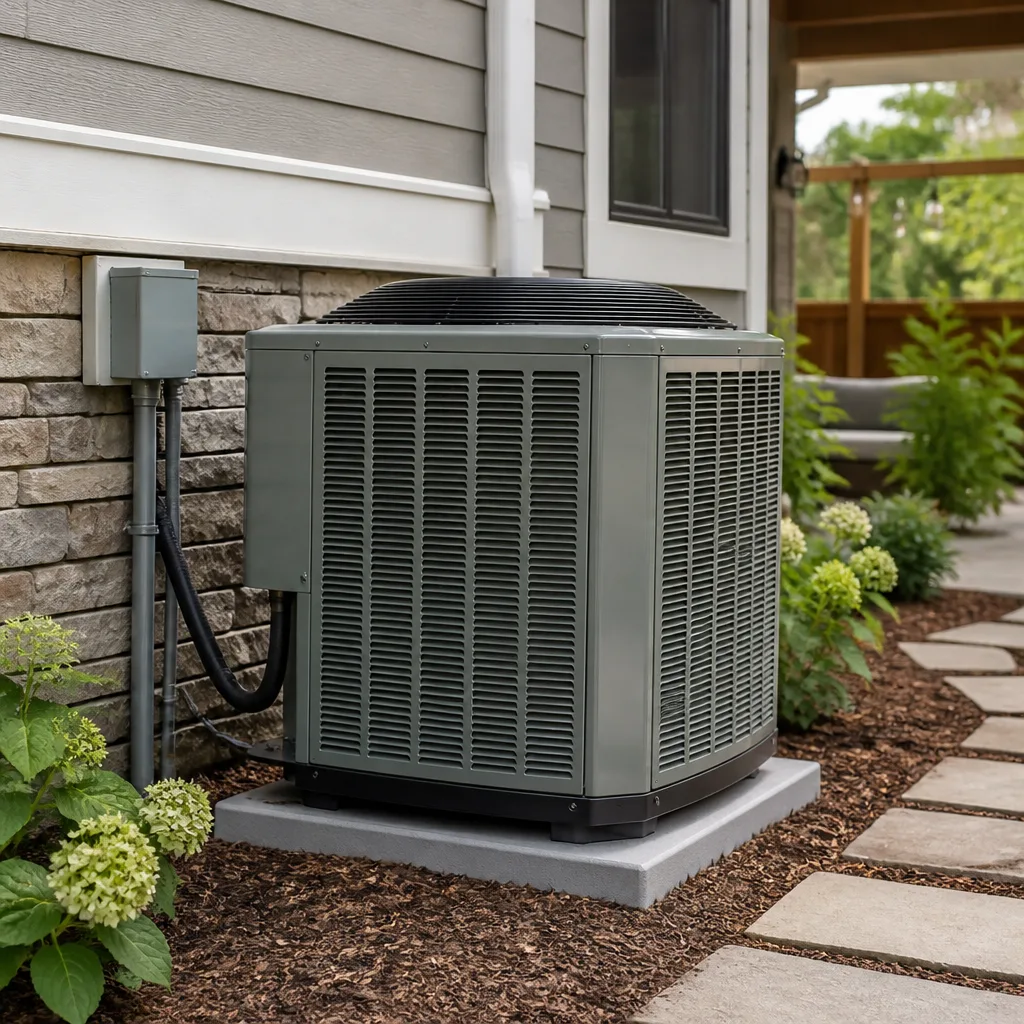 Trane
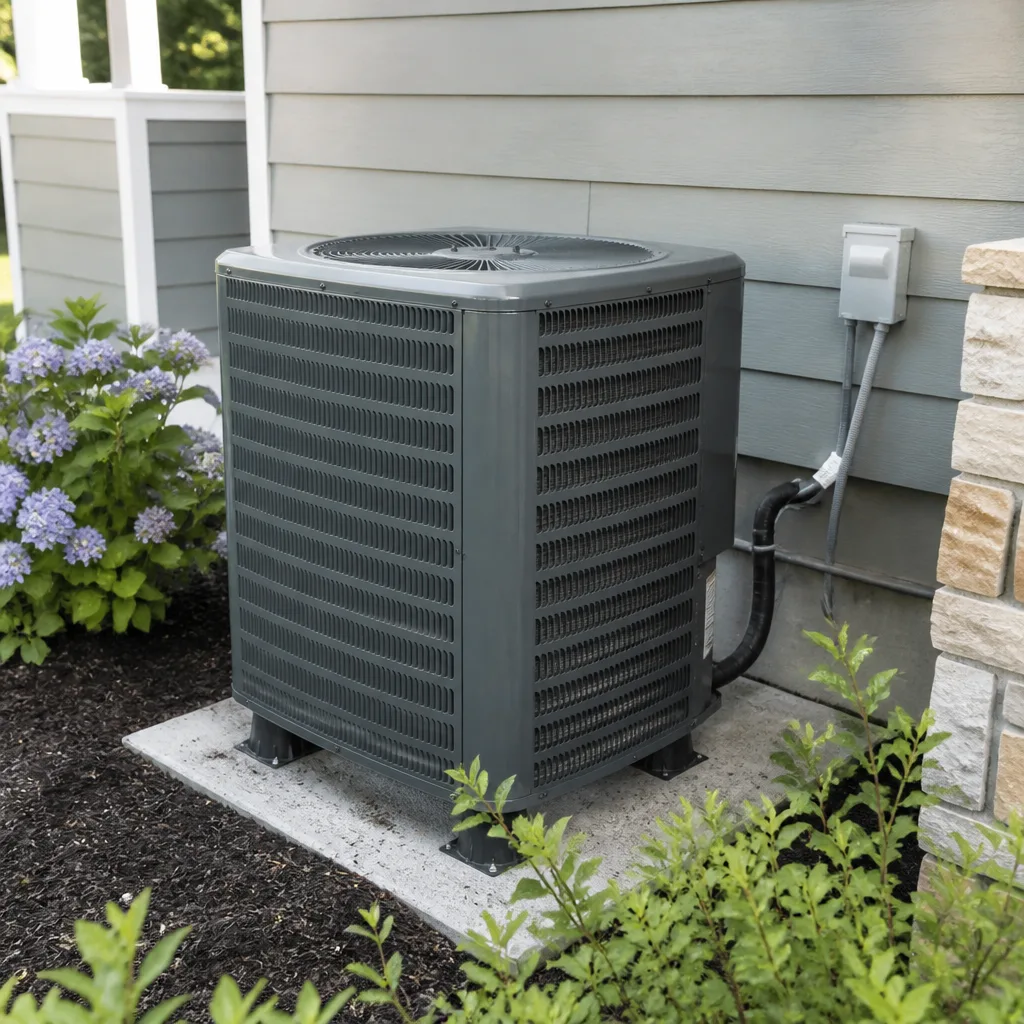 Goodman
Seasonal tune-up and full diagnostic on your Carrier, Trane, or Goodman system - readings shown to you before any repair is proposed
Diagnosis first, numbers second - you approve the repair price before a single part goes in.
Get your free estimateHVAC Permits, Codes & Inspections in NV: What You Need to Know
Clark County requires a mechanical permit for practically every HVAC replacement, not just new construction. Yet industry estimates suggest roughly one in four residential replacements in Nevada gets done without one. That gap matters more than most homeowners realize: an unpermitted system can void your homeowner’s insurance coverage and stall a clean title transfer years after the work is finished. In this guide we’ll walk through exactly which jobs need a permit in Whitney and across the Las Vegas Valley, what Nevada’s energy code requires of new equipment, how to confirm your contractor pulled the paperwork, and what happens when an inspection fails. If you’d rather just make one call and know it’s handled, that’s what we’re here for.
Quick Answer
In Nevada, Clark County requires a mechanical permit for HVAC replacements, changeouts, new installations, and any work that alters ductwork, refrigerant lines, electrical connections, or gas piping. Straight swap-outs of identical equipment still need one. Simple repairs, filter changes, and routine maintenance do not. The permit fee is modest, but skipping it can cost you thousands when you sell or file an insurance claim, because unpermitted work surfaces in title searches and inspections.
Styles & brands we work with
- AC repair
- Furnace & heating
- Heat pumps
- Ductless mini splits
- Carrier
- Trane
- Goodman
Table of Contents
- Which HVAC Jobs Need a Permit in Clark County (and Which Don’t)
- The Two Costs Nobody Warns You About: Insurance and Title
- Nevada’s Title 24 Efficiency Rules for 2026 Replacements
- How to Confirm Your Contractor Pulled the Permit
- What a Failed Inspection Means and Who Fixes It
- What This Looks Like in Whitney
Which HVAC Jobs Need a Permit in Clark County (and Which Don’t)
Clark County’s building department treats HVAC work the same way it treats a room addition: if it changes the mechanical system of the house, it needs a permit and an inspection. The line between “repair” and “replacement” is where homeowners get confused, so here’s how it shakes out in practice.
Jobs that require a mechanical permit:
- Full system replacements, including furnace-only and AC-only changeouts
- New installations, including heat pumps and ductless mini-splits
- Any ductwork that is added, resized, or substantially rerouted
- New or relocated refrigerant line sets and electrical disconnects
- Gas line work tied to a furnace or packaged unit
- Thermostat wiring changes that alter the control circuit (usually bundled with a replacement)
Jobs that are genuinely exempt:
- Repairs that don’t change the equipment or its capacity, such as a capacitor, blower motor, or contactor swap
- Filter replacements and coil cleanings
- Seasonal tune-ups and refrigerant charge adjustments on existing equipment
- Cosmetic work, like new thermostat housings or vent covers
One point that catches Whitney homeowners off guard: replacing a 3-ton unit with an identical 3-ton unit still requires a permit. The county wants the install inspected for proper sizing, clearances, and electrical connection regardless of whether anything about the system “changed.” If you’re replacing a furnace this winter, our Heating & Furnace in Whitney team can walk you through the permit step before any work starts.
The Two Costs Nobody Warns You About: Insurance and Title
Most homeowners think of a permit as a small fee and a rubber stamp. Here’s the harder truth we’ve seen play out in Whitney: the absence of a permit becomes the expensive part, not the permit itself.
Insurance. Nevada homeowner policies typically contain language that excludes damage caused by work performed without required permits. Say a 2026 replacement was installed without one and the compressor fails a year later, taking a section of the attic with it. The adjuster’s first question is whether the work was permitted and inspected. If the answer is no, coverage can be denied or sharply limited. You don’t want to be arguing with a claims department in August heat.
Title. When you sell a Whitney home, the buyer’s agent will pull the permit history from the county. A recent HVAC replacement with no matching permit shows up as an open issue. Depending on the transaction, you may be asked to retroactively permit the work, which means opening a permit, paying inspection fees, and occasionally correcting the install to satisfy the inspector. That remediation runs into the thousands; the original permit fee runs into the hundreds.
A rough comparison:
- Permit fee at time of install: usually a few hundred dollars, built into the job quote
- Retroactive permit and inspection after the fact: permit fee plus re-inspection plus any required corrections
- Insurance denial after a covered loss: potentially the entire cost of the loss
- Title issue discovered during a sale: negotiation leverage lost, closing delayed, corrections out of pocket
The math is lopsided in one direction. Pull the permit.
Nevada’s Title 24 Efficiency Rules for 2026 Replacements
Nevada’s energy code is adopted from California’s Title 24 framework with local amendments, and its central purpose is simple: when you replace a system in 2026, the new equipment has to meet a minimum efficiency standard. That standard is enforced through the permit. An inspector will check the equipment nameplate against the required SEER2 and HSPF2 values before signing off.
In practice, that means a contractor cannot legally install a low-efficiency bargain unit in most Whitney homes, even if the homeowner asks for one. The county won’t pass it. This is one reason a properly permitted job and a quietly unpermitted one can look identical on the day of install and diverge sharply years later.
Three things a compliant 2026 replacement includes in a Whitney home:
- Equipment labeling that meets or exceeds the current minimum efficiency threshold. Our team works with Bryant, Carrier, and Trane units that are code-compliant for the local climate zone.
- Correct sizing based on a load calculation, not on what was there before. An oversized system in the desert cools unevenly and runs shorter cycles, which shortens compressor life.
- Documentation attached to the permit: equipment model and serial numbers, electrical specs, and contractor information.
If a contractor quotes you a system without mentioning efficiency minimums or load calculations, that’s the first sign to slow down. More on system sizing lives on our AC Repair & Installation in Whitney page.
How to Confirm Your Contractor Pulled the Permit
You don’t have to take a contractor’s word on the permit. Clark County’s online portal lets any homeowner look up permit history on a property. The steps are straightforward:
- Visit the Clark County Department of Building & Fire Prevention website and open the online permit search.
- Enter your property address and search by parcel number or address.
- Look for an open mechanical permit with a description matching your job (furnace changeout, AC replacement, etc.).
- Check that the contractor name listed matches the company doing the work, not a subcontractor you’ve never heard of.
- Ask for the permit number in writing before work begins. Any legitimate contractor will provide it without hesitation.
If the permit doesn’t appear within a couple of business days of the job starting, call the contractor and ask directly. If the answer is vague or the permit is “coming later,” stop the job. It’s far easier to sort out before equipment is ordered than after the condenser is bolted to the pad. Our technicians have up to 8 years of experience and know the Whitney permit process cold. We pull the paperwork before we schedule the install, every time. That’s part of the 90-Day Done Right Promise we put in writing.
What a Failed Inspection Means and Who Fixes It
Inspections fail more often than most homeowners expect. A few common reasons in Whitney:
- Electrical disconnect not within required distance of the unit
- Clearances too tight to the property line or to combustible material
- Refrigerant line insulation missing or inadequate
- Platform or pad not level or not attached per code
- Duct connections not properly sealed or not strapped
When an inspection fails, the correction responsibility sits with the contractor of record, not the homeowner. The contractor is the one who pulled the permit and the one the county holds accountable. That contractor has to make the correction, schedule a re-inspection, and eat whatever re-inspection fee the county charges. If the contractor has vanished or won’t return calls, you’re in a very uncomfortable position, which is precisely why established firms with written guarantees matter.
This is where a written workmanship guarantee earns its keep. A real 90-day guarantee, like the one we put behind every Whitney install, follows the inspection process through to passing. If the inspector flags something, we correct it and schedule the re-inspection. Not the homeowner’s problem, not the homeowner’s fee. Straight talk: any contractor who won’t put a guarantee in writing doesn’t plan to honor one.
What This Looks Like in Whitney
Whitney’s housing stock is mostly 1970s through early 2000s builds. That means many of the systems being replaced here in 2026 are 15 to 25 years old, and quite a few were installed before the current efficiency standards. A few Whitney-specific patterns:
- Attic-mounted air handlers in the tract homes off Whitney Ranch are common. They’re harder to access for inspection, but the clearance and electrical rules still apply. We’ve seen plenty of tight-attack attic installs that fail on disconnect placement.
- Packaged units on the roof in some single-story neighborhoods, which pulls roof-load considerations into the mechanical permit review.
- Gas furnace changeouts where an older 80% unit is swapped for a modern system. The permit review includes gas piping verification, so it’s not a simple mechanical swap.
Southern Nevada’s summer heat raises the stakes. A failed system here isn’t an inconvenience; it’s a genuine health risk for older residents quickly. Whitney’s climate pushes equipment harder than most of the country, which is one reason the county inspects carefully and enforces efficiency minimums. Every job we do here reflects that. Our Heat Pump & Mini Split in Whitney work follows the same permit path as a conventional replacement.
Common Mistakes to Avoid
- Assuming a “like-for-like” swap doesn’t need a permit. It does in Clark County. Even an identical-tonnage replacement requires one, and skipping it is the fastest way to an insurance headache.
- Letting the contractor handle the permit without written confirmation. Ask for the permit number in writing before work begins, and check the county portal yourself.
- Believing the “permit is included” line without seeing the document. Some quotes say “permit included” and then quietly skip it. Ask to see the permit number, not just the promise.
- Using a cash-only contractor who “doesn’t want the county involved.” That contractor can’t offer a valid workmanship guarantee for an unpermitted job, because the job isn’t legally documented.
- Accepting a low-efficiency unit to save money on the install. The 2026 code won’t pass it, and the inspector will catch it.
- Ignoring a permit that turned up on your property records from a prior owner. If you bought your Whitney home with an already unpermitted HVAC install, remediate it before listing the home for sale.
- Skipping the load calculation to save time. Oversized systems are the most common failed-inspection-adjacent complaint we see, even when the install is technically permitted.
See the difference
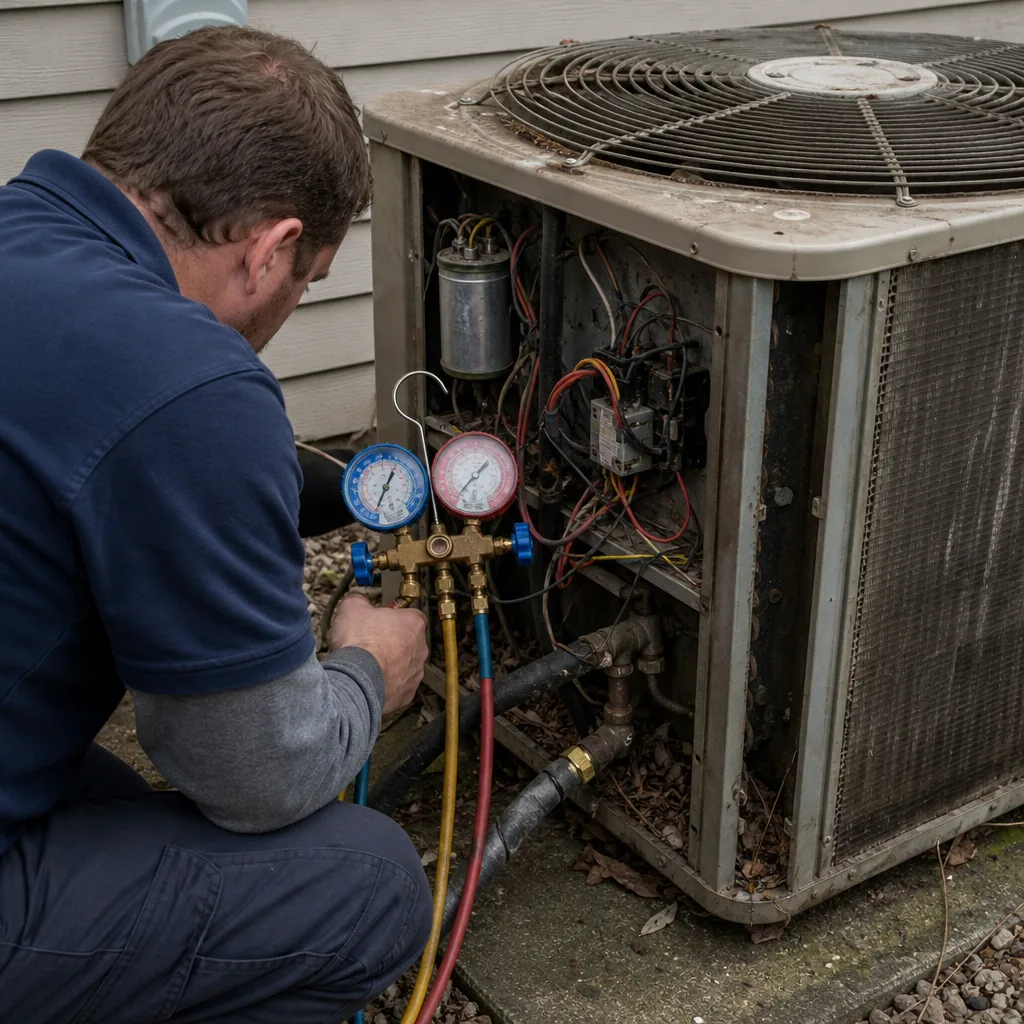 Before
 After
 Before
 After
 Before
 After
When to Call a Professional
If you’re considering a system replacement, a furnace changeout, or a heat pump or mini-split install in Whitney, this is where the permit work matters. It’s not a DIY step. We’ve seen homeowners try to pull a mechanical permit themselves and get stuck on inspection items that a trained contractor would have gotten right the first time. The county doesn’t expect you to become an inspector; it expects the licensed contractor of record to handle it. Our team pulls the permit, schedules the inspection, and stands behind the result in writing. Fireside Heating & Air Co. Whitney offers free estimates in Whitney – call (866) 329-8069. A live person answers around the clock, so no voicemail tree and no waiting until Monday.
Frequently Asked Questions
Yes. A heat pump replacement in Whitney requires a Clark County mechanical permit, the same as an AC or furnace changeout. The permit covers electrical connection, refrigerant, clearance, and efficiency verification, and it’s required even for a straight swap of the same size. Call (866) 329-8069 for a free quote that includes the permit.
Permit fees in Clark County run in the low to mid hundreds of dollars depending on the scope (replacement, new installation, or ductwork). That’s a small fraction of what removing an unpermitted install costs when it surfaces at a home sale or insurance claim. Our quotes always include the permit fee up front, so there’s no surprise later. Estimates are free – call (866) 329-8069.
It can. Most Nevada homeowner policies exclude damage traceable to work done without required permits, and the burden of proof falls on the homeowner. In our experience, insurers will investigate a recent install if a claim is filed within a few years of the work. It’s one of the strongest reasons to insist on a permit, even when a contractor offers to “save you money” by skipping it. Call (866) 329-8069 – we’ll walk you through exactly what’s covered.
The contractor of record is responsible for corrections and re-inspection, not the homeowner. That contractor must fix the flagged items and schedule a new inspection, usually at the contractor’s cost. Our 90-Day Done Right Promise covers this: if something fails inspection, we correct it and get it re-inspected. No paperwork, no arguing. Call (866) 329-8069 for a free estimate.
Ask for the permit number in writing before work begins, then verify it yourself in the Clark County building department’s online portal using your address or parcel number. The permit description should match the work, and the contractor name on the permit should match the company doing the install. If neither shows up within a couple of business days, stop the job. We provide the permit number before we schedule installation.
If your system is 15 years or older, has had two or more significant repairs in the last three years, or is using R-22 refrigerant, replacement is usually the more economical path. If it’s newer and the repair cost is under a quarter of the replacement cost, repair is often the better call. Our technicians will give you a straight answer, backed in writing. Call (866) 329-8069 for a free second opinion on any written estimate.
The Bottom Line
Clark County requires a mechanical permit for HVAC replacements, new installs, and any work that changes the mechanical system, and skipping it is a sharp-edged mistake that surfaces at the worst possible time: in an insurance claim, or at a home sale. Nevada’s Title 24 efficiency rules are enforced through the permit, so any 2026 install that skips one is either low-efficiency or unverified. Verify the permit yourself through the county portal. Keep your written workmanship guarantee. And when you’re ready to replace a system in Whitney, ask for a contractor who pulls the permit without being asked and stands behind the work in writing for 90 days. Done right, or we make it right. That’s the standard we hold on every Whitney install.
Ready to Get It Done Right?
Fireside Heating & Air Co. Whitney handles the permit, the install, and the inspection as one job, with the price quoted being the price paid. If it’s not done right, we make it right, in writing, for 90 days. Call (866) 329-8069 for a free estimate. A live person answers every call, nights, weekends, and holidays. Start at our Fireside Heating & Air Co. Whitney home page to see the full range of heating and cooling services, and ask about the $50 off any repair over $250, the free second opinion on any written estimate, the $89 seasonal tune-up, and the 5% senior and veteran discount that’s always standing.
Written by the team at Fireside Heating & Air Co. Whitney.