
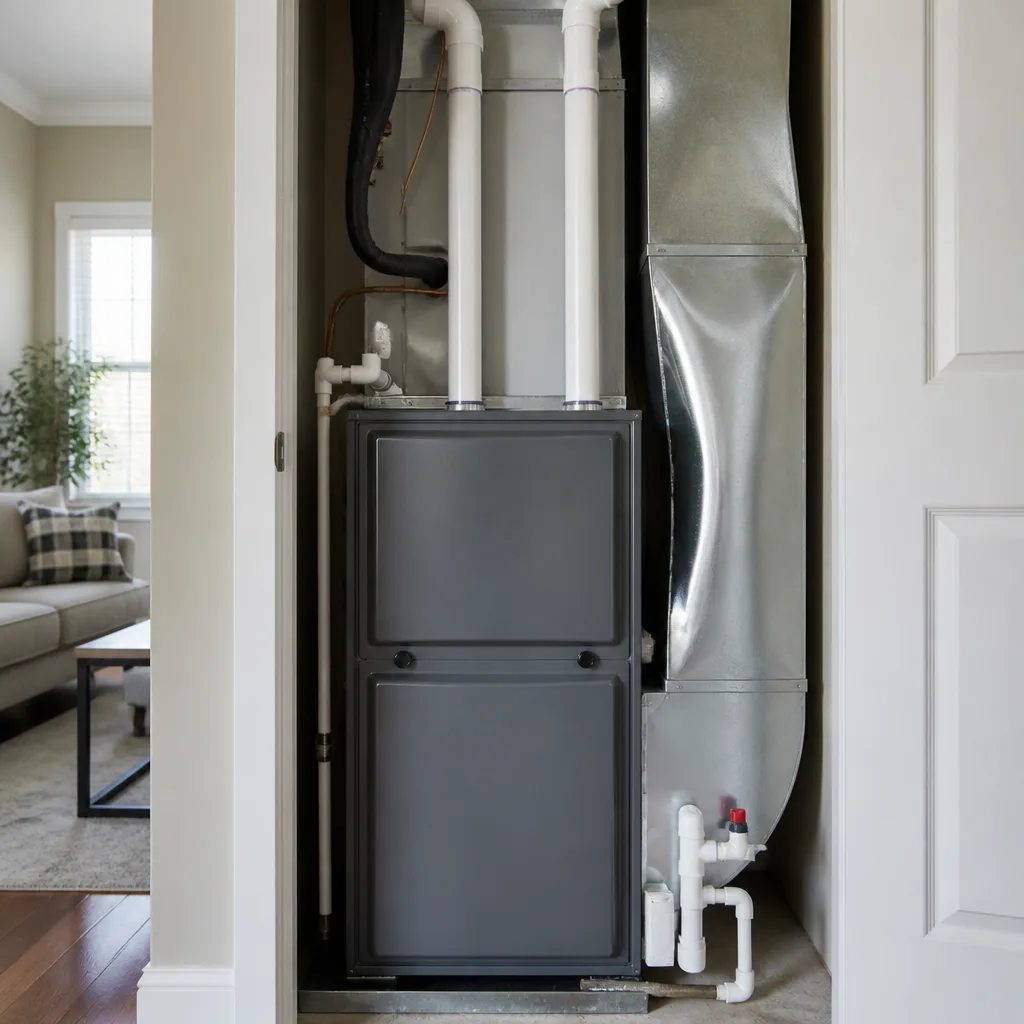
 Furnace & heating
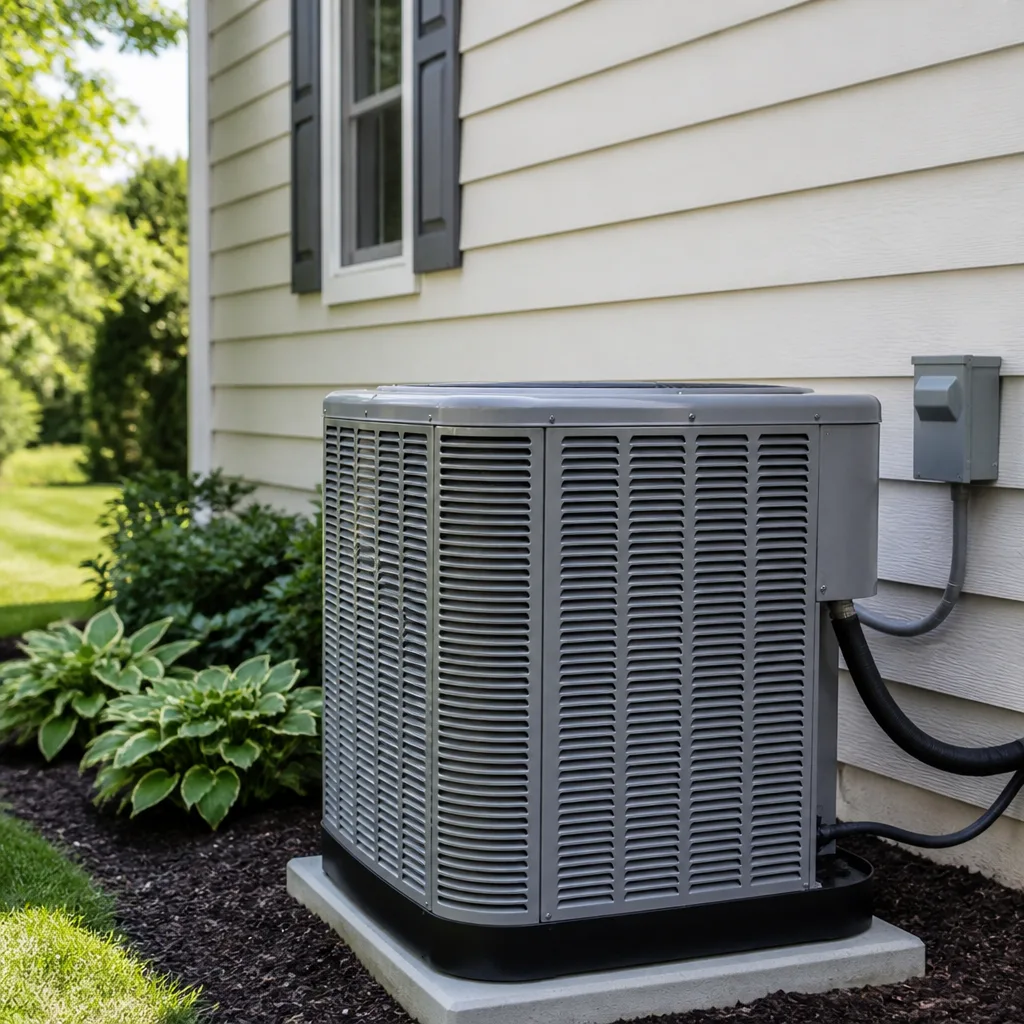 AC repair
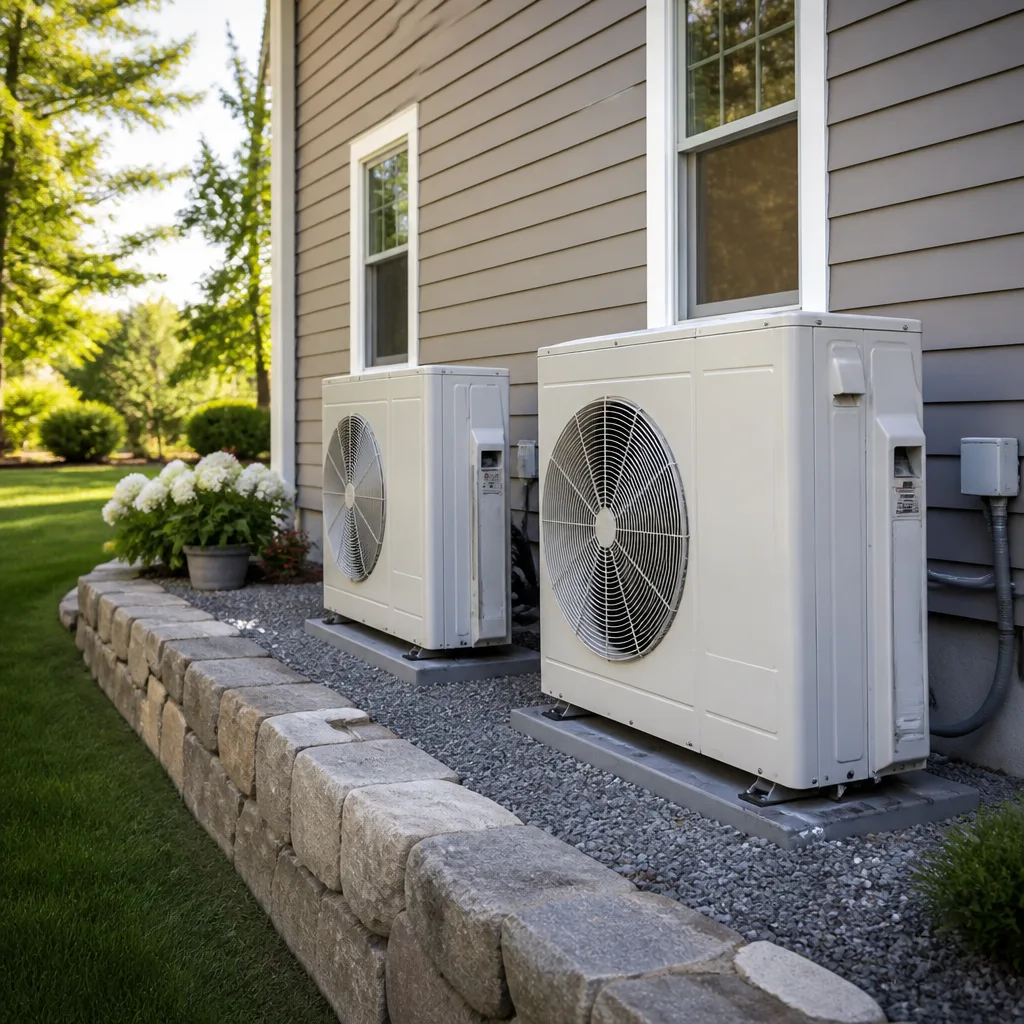 Heat pumps
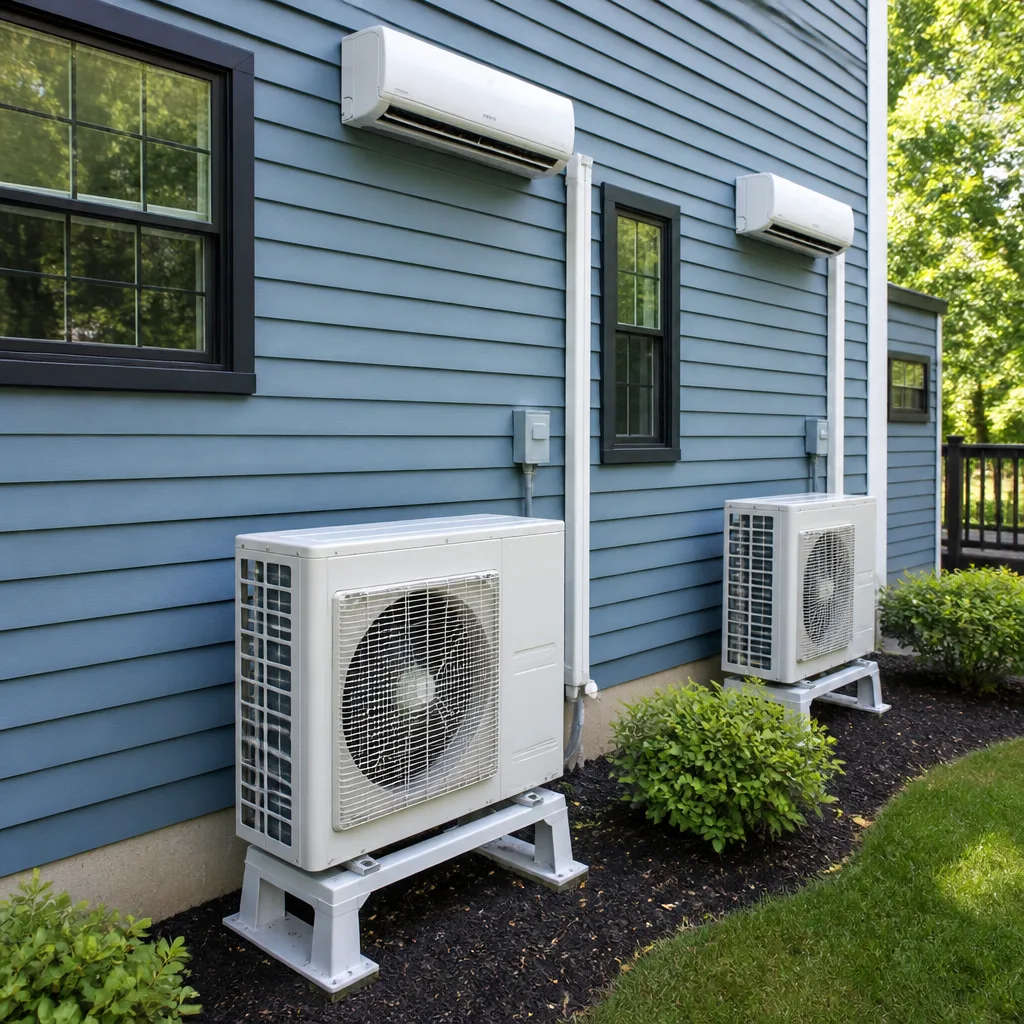 Ductless mini splits
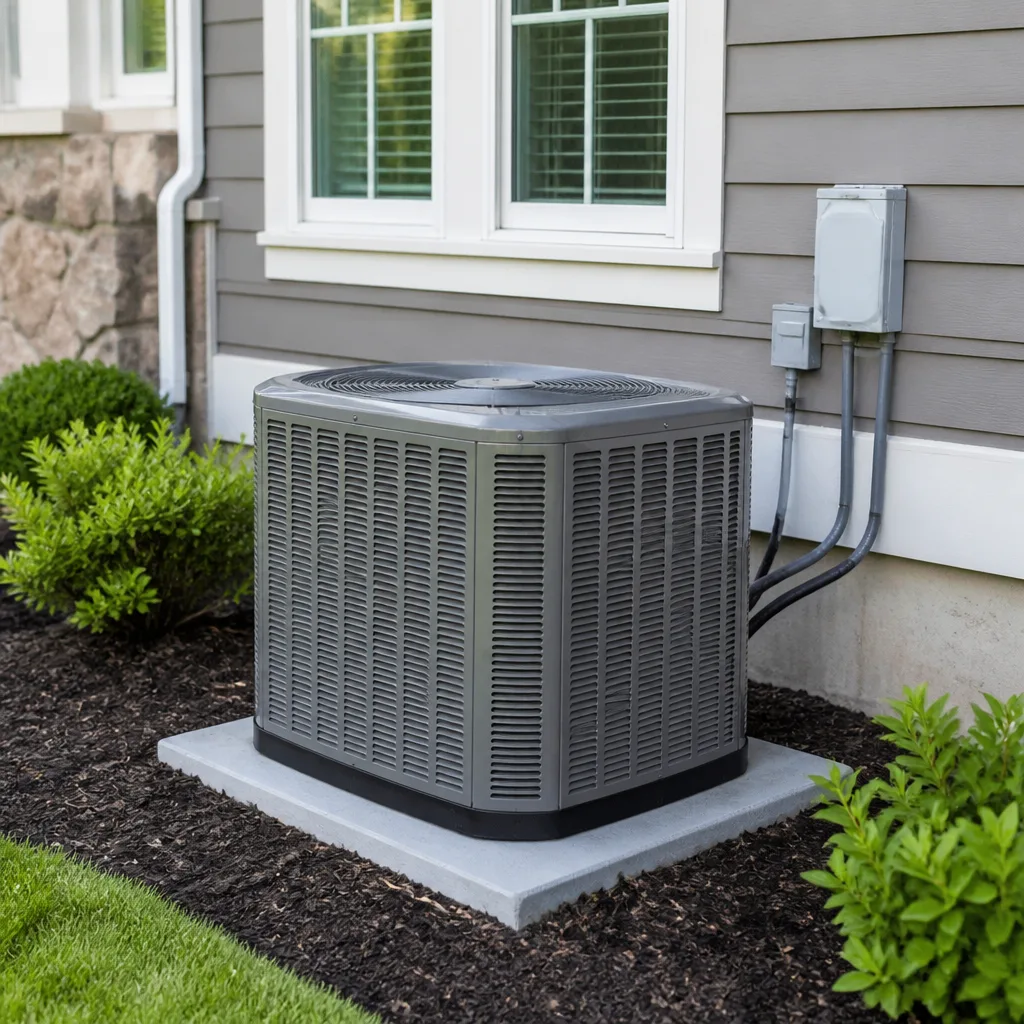 Carrier
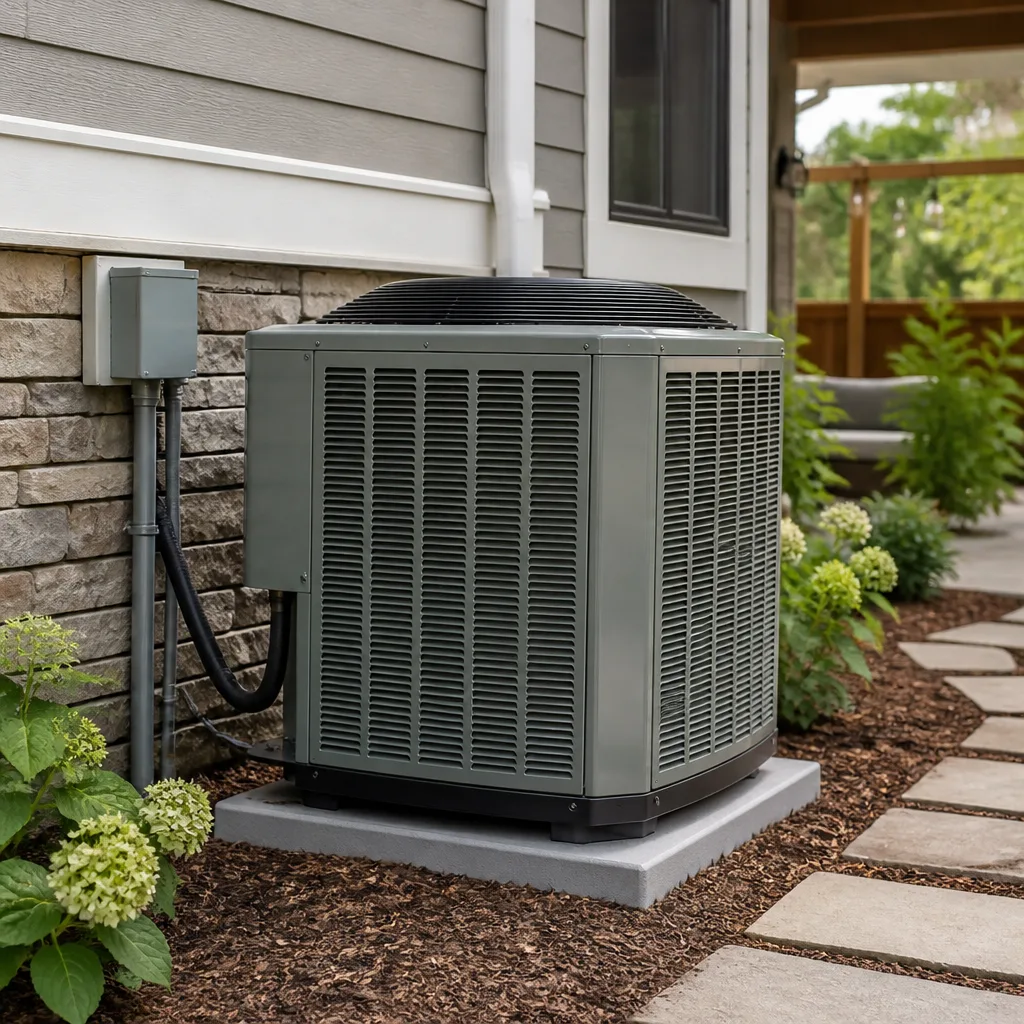 Trane
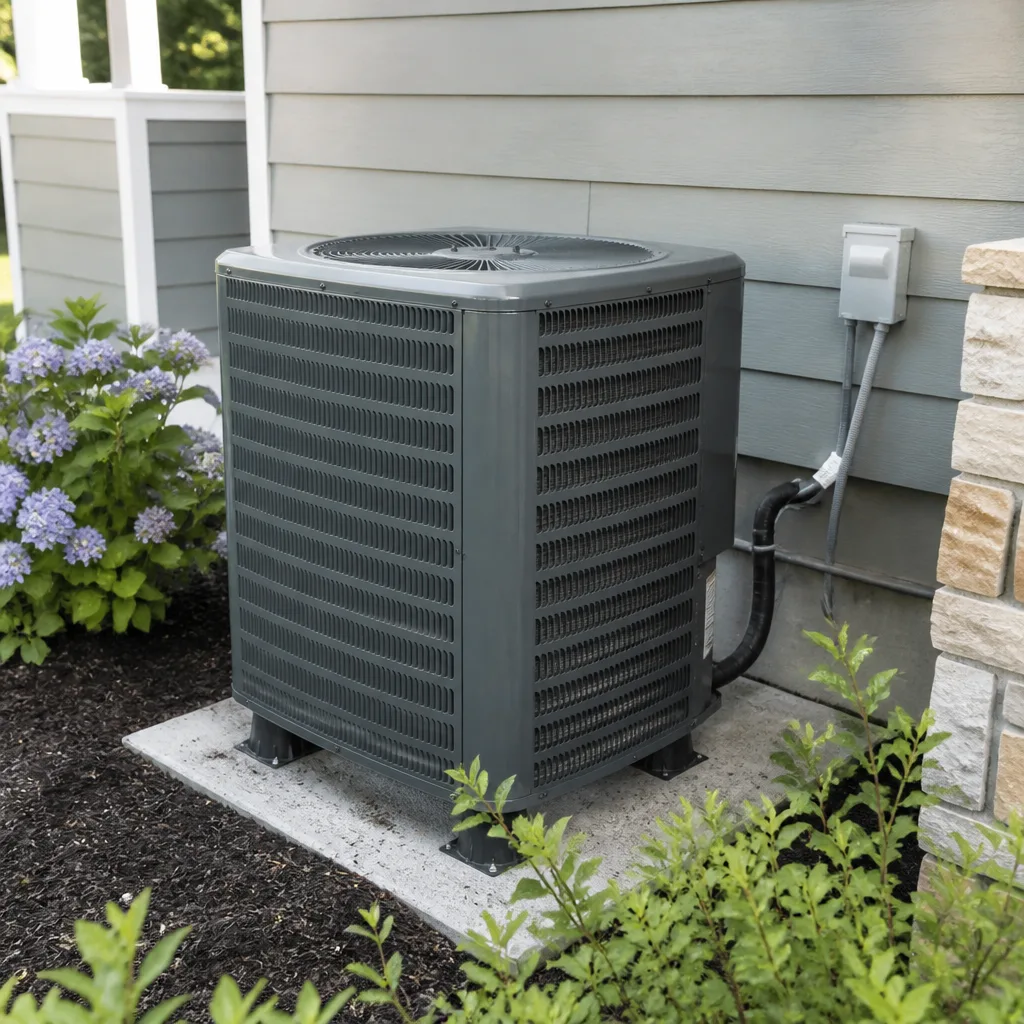 Goodman
Seasonal tune-up and full diagnostic on your Carrier, Trane, or Goodman system - readings shown to you before any repair is proposed
Diagnosis first, numbers second - you approve the repair price before a single part goes in.
Get your free estimateStyles & brands we work with
- AC repair
- Furnace & heating
- Heat pumps
- Ductless mini splits
- Carrier
- Trane
- Goodman
See the difference
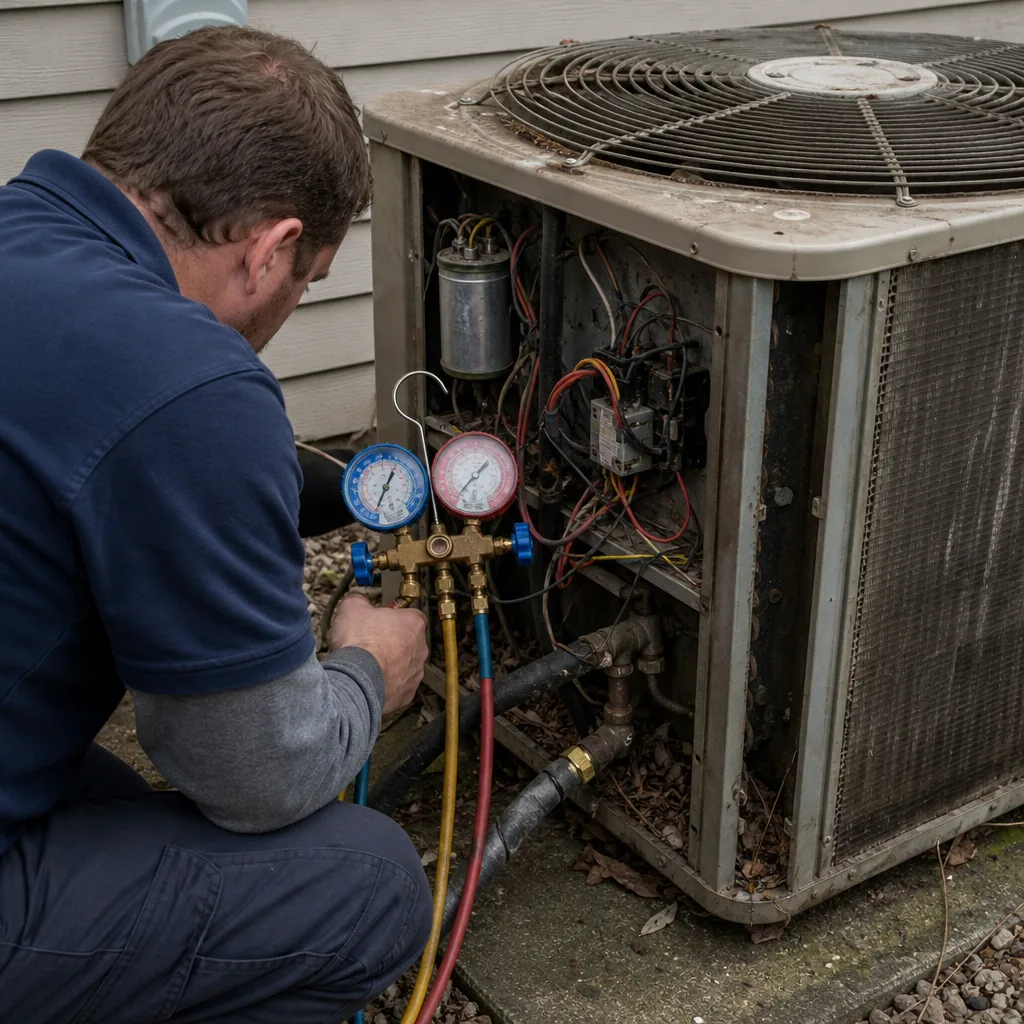 Before
 After
 Before
 After
 Before
 After
Mini Split vs Central Air in Whitney, NV: Which One Actually Fits Your House?
Choose central air if your Whitney home still has its original ductwork in decent shape and you’re replacing a whole-house system. Choose a mini split if you’re adding a room, converting a garage, or fighting a hot upstairs zone that the original ducts were never sized for. The honest answer turns on one question most comparison articles skip: can your existing air handler push enough air through the extra duct run without exceeding its rated static pressure? For a lot of Whitney homes, it can’t. Call (866) 329-8069 and we’ll tell you which side of that line you’re on, with a straight price for both.
Why the “Zones” Argument Misses the Real Problem in Whitney
Nearly every Whitney house was built during the 1990s and 2000s tract boom, so the air handler and duct system you have was sized for the floor plan the builder drew, nothing more. A two-story built in 1999 almost always runs on a single-zone central system. When you add a converted garage, a sunroom, or an enclosed patio, the duct extension has to be fed by that same blower.
Here’s the part that gets skipped. Every air handler has a static pressure limit, and every added run of duct adds resistance. Push past the limit and the system doesn’t just cool worse. It moves less air, the coil ices or sweats, the blower runs longer and hotter, and the whole central system wears out faster than it should. Homeowners in Whitney feel this as “the new room is never comfortable and now the rest of the house is worse too.” That’s not a zoning problem. It’s a fan curve problem.
So the first thing we check on a diagnostic call is whether your existing air handler has the capacity left to absorb that extra run. Sometimes it does. More often on these original builder systems, it’s already near its limit.
- Ask any contractor this: “What’s the static pressure on my current system, and what will the added duct run do to it?”
- If you get a blank look, that’s your answer about the bid.
- If they hand you a measured number and a plan, you’re talking to someone who’ll do the work right.
Peak Heat Changes the Math
Whitney sits in the Mojave, and July and August routinely push past 110°F. During those weeks, an air conditioner isn’t running occasionally, it’s running near-continuously. That matters for this comparison in a way it doesn’t in a mild climate.
A duct extension shares the central system’s capacity across the whole house. On a 110°F afternoon, the far end of that extension is the first place to lose. A mini split doesn’t share. Its indoor head cools its own room, full capacity, regardless of what the rest of the house is doing. Modern mini splits are rated to keep operating up to around 115°F ambient, which is right in the range Whitney hits. That’s the real performance argument, and it’s why a mini split can beat an extended central system for one stubborn room even when both are working correctly.
One more local detail. Those builder-grade condensers in Whitney’s 20-year-old tracts tend to fail in clusters during the first hard heat wave of the summer. We get waves of no-cool calls from the same few subdivisions, and often find the same failed dual-run capacitors and contactors in neighboring homes. If your central system is on its last legs, spending money to extend its ductwork is throwing good money after a compressor that’s about to quit.
Where the Outdoor Unit Goes: A Whitney HOA Reality
Central air is already on the side yard. A mini split adds a second condenser, and in Whitney’s stucco-and-tile subdivisions that placement is where the project can stall.
Many homeowners associations here require approval before you mount an outdoor unit on an exterior stucco wall, and some covenants require paint-matching the line-set covers and the unit housing to the house. Whitney is a mostly owner-occupied market where HOA rules and word-of-mouth carry real weight, so getting this right before the permit is pulled saves a headache. Our technicians work in these neighborhoods regularly, know the local covenants, and can advise on a compliant placement up front.
| Factor | Central air | Mini split |
|---|---|---|
| Best for | Whole-home replacement, ducts intact | Added room, garage conversion, hot zone |
| Peak 110°F+ performance | Shared across the house | Dedicated to its room |
| Ductwork | Extends existing; may exceed static pressure limit | None needed |
| HOA / placement | Already in place | May need approval and paint-matching |
| Whole-home install range | $3,500-$7,500 | Quoted per room on a site visit |
How We Handle the Assessment
You don’t want two companies and three trips to get an answer. Fireside Heating & Air Co. Whitney assesses the whole decision in one diagnostic call: whether your air handler can support a duct extension, what a mini split would look like for the problem room, and a clear price for both. No second trip to run the numbers. No pressure toward the more expensive option, because we’re recommending the right tool, not the higher-margin one.
- We measure your current system’s static pressure and inspect the ductwork.
- We check your condenser and air handler age; if the central system is near end of life, that changes the recommendation.
- We walk the placement for a mini split, including HOA and covenant considerations.
- You get upfront pricing on both paths, in writing.
For the technical side of the equipment itself, our Heat Pump & Mini Split page covers how these systems run in a desert climate, and you can read more about our Heat Pump & Mini Split in Whitney approach to sizing for local homes.
Where central air still wins: if your original ductwork is intact and you’re doing a full-system replacement rather than an add-on, central air remains the more cost-effective whole-home answer. That’s true for most Whitney homes built in the 1990s and 2000s with sound ducts. We’ll say so plainly. Every job we do carries our 90-Day Done Right Promise, and the price we quote is the price you pay.
FAQs
A mini split is usually the better fix for a single chronically hot upstairs zone in a Whitney two-story, because it cools that space with dedicated capacity instead of asking an already-stretched central system to push more air through longer duct runs. The original builder ductwork in these 1990s-era homes was sized for equal load, and upstairs always runs hotter under afternoon sun. Call (866) 329-8069 for a free estimate and a measured answer on your house.
A mini split for one added room is quoted per project on a site visit, while a whole-home central replacement in Whitney runs $3,500-$7,500 depending on size and efficiency. Whether the cheaper path is extending existing ducts or installing a mini split depends on your air handler’s static pressure capacity, which we measure on the visit. Call (866) 329-8069 for an exact quote; estimates are free.
Often yes, but may require approval and paint-matching to your stucco-and-tile exterior, so it’s worth checking before a permit is pulled. We work in Whitney’s tract subdivisions regularly and can advise on compliant placement up front. Call (866) 329-8069 to talk through your community’s covenants before you commit.
If your central system is sound and the only issue is one uncomfortable room, a mini split avoids the cost and risk of reworking ducts and is often the cheaper long-term call. If the whole system is failing, a central replacement usually makes more sense than patching a dying unit. Repairs in Whitney run $150-$650, so a single diagnostic visit will tell you which direction fits. Call (866) 329-8069 for a free second opinion on any written estimate.
If you’d rather have it looked at, Fireside Heating & Air Co. Whitney offers a no-pressure assessment in Whitney, with upfront pricing on both a mini split and a central solution. Call (866) 329-8069 to schedule your free estimate.
Written by the team at Fireside Heating & Air Co. Whitney, serving Whitney, NV.