
 Furnace & heating
 AC repair
 Heat pumps
 Ductless mini splits
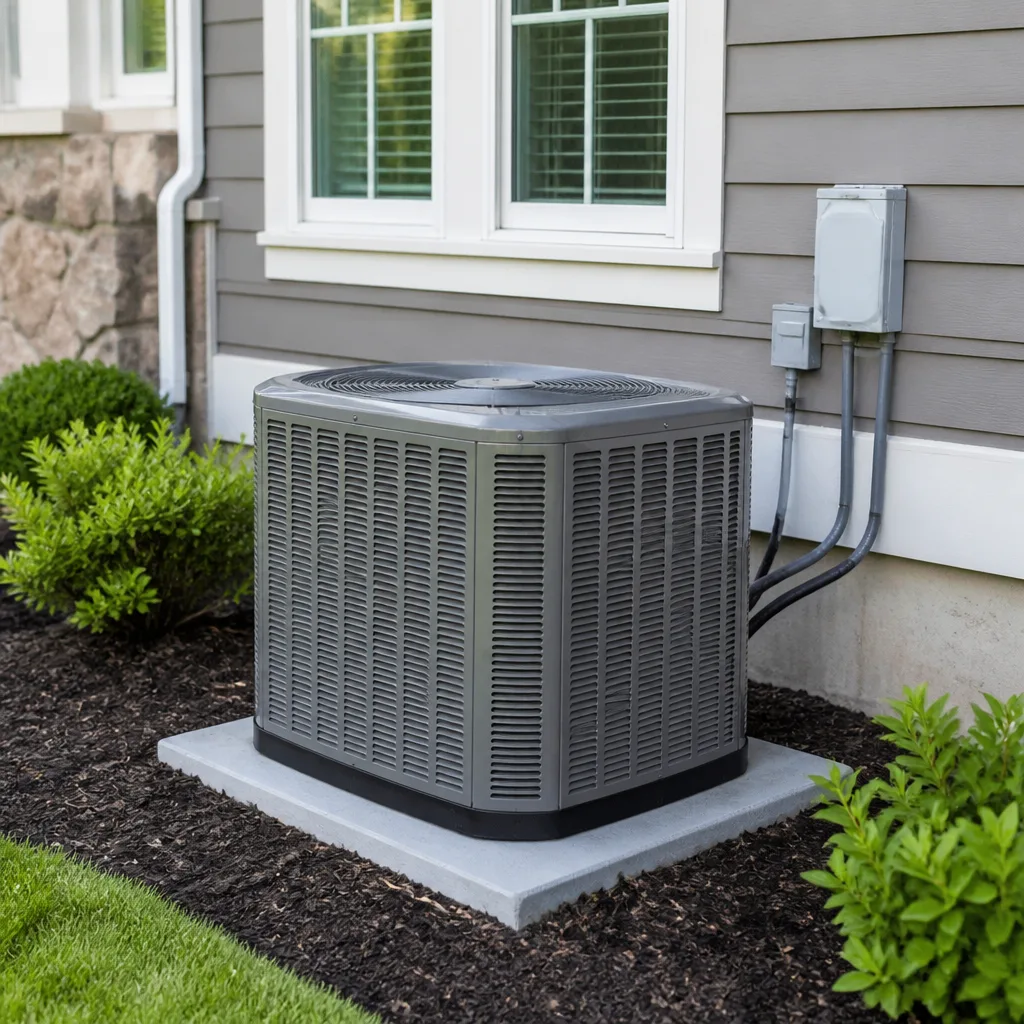 Carrier
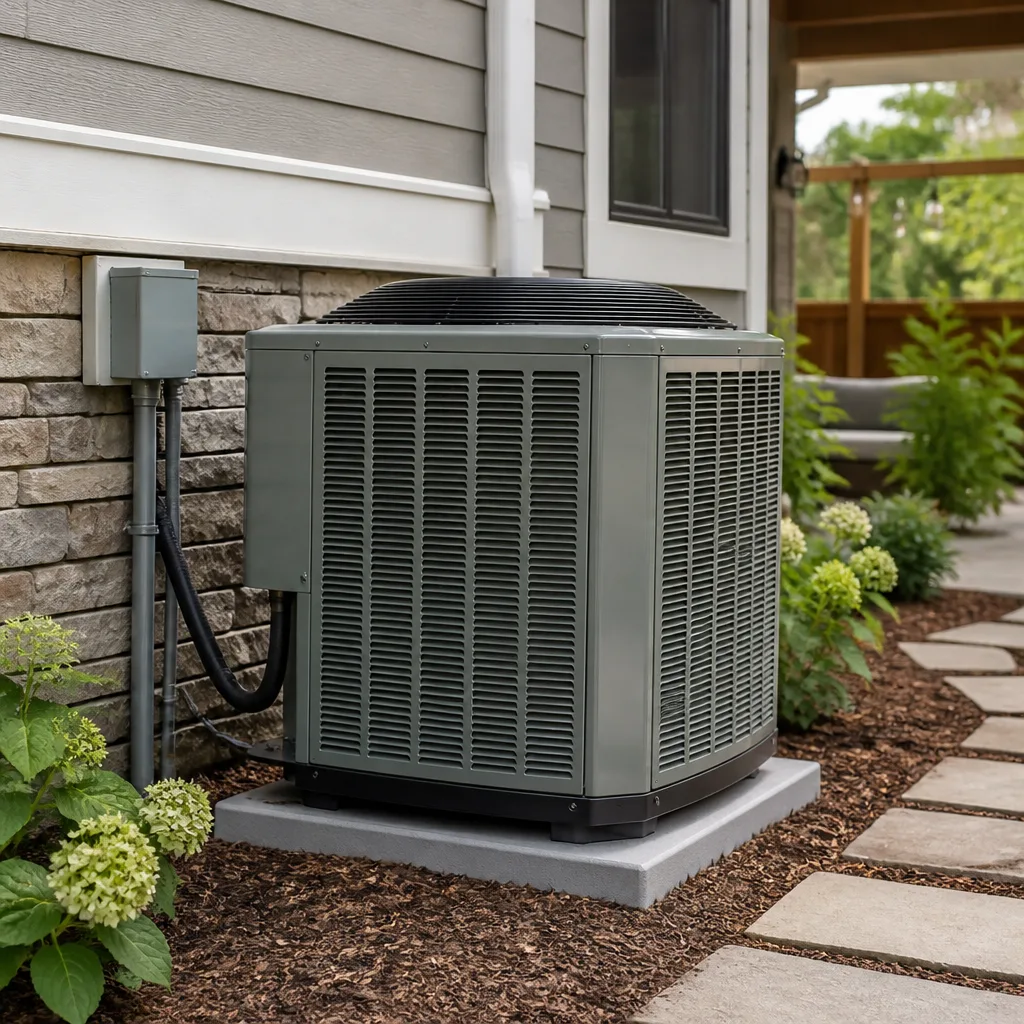 Trane
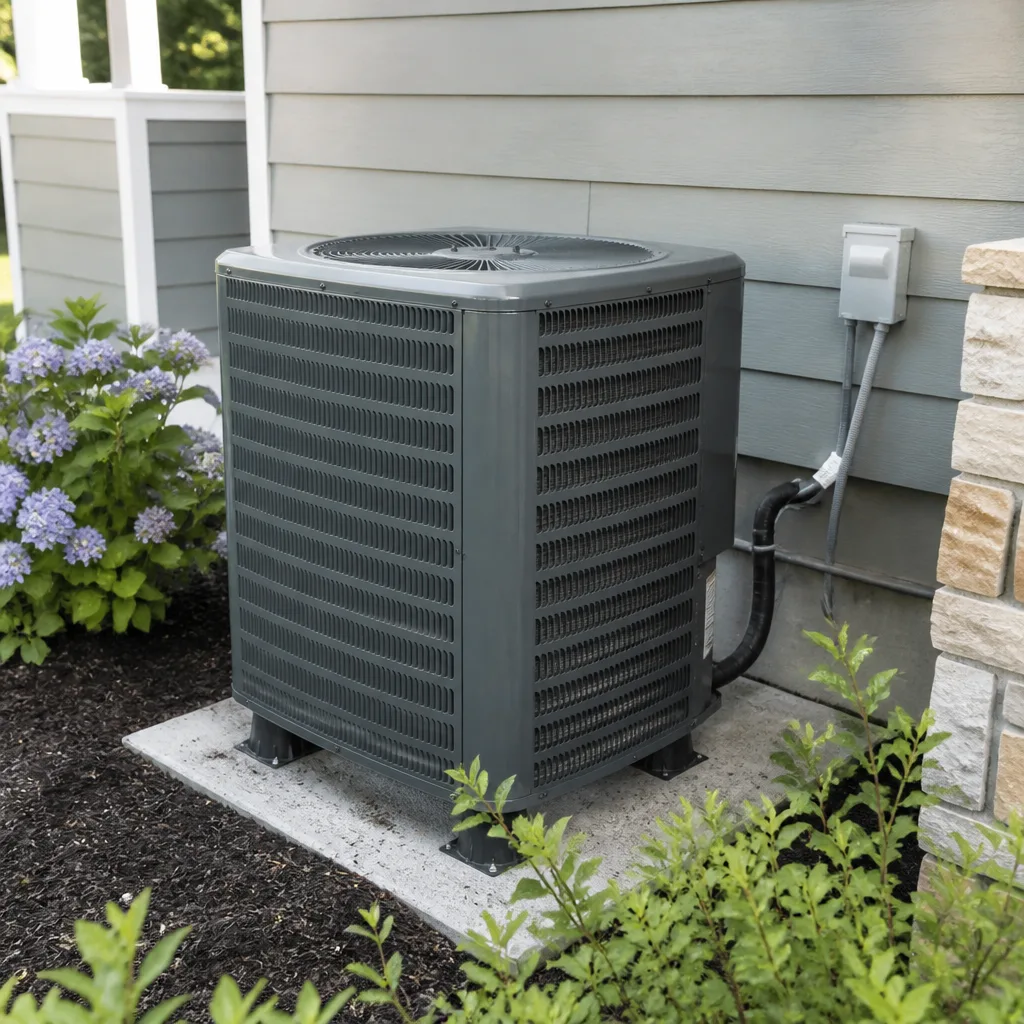 Goodman
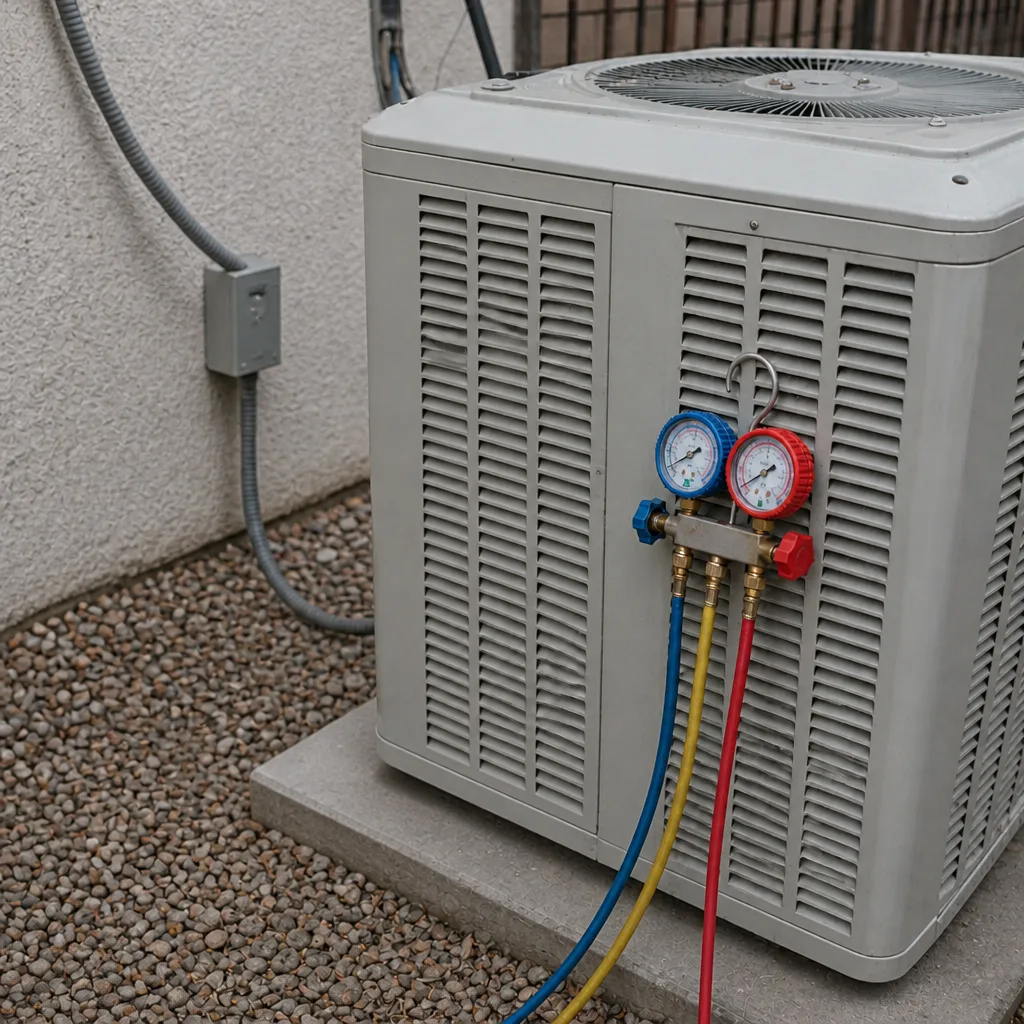
Seasonal tune-up and full diagnostic on your Carrier, Trane, or Goodman system - readings shown to you before any repair is proposed
Diagnosis first, numbers second - you approve the repair price before a single part goes in.
Get your free estimateStyles & brands we work with
- AC repair
- Furnace & heating
- Heat pumps
- Ductless mini splits
- Carrier
- Trane
- Goodman
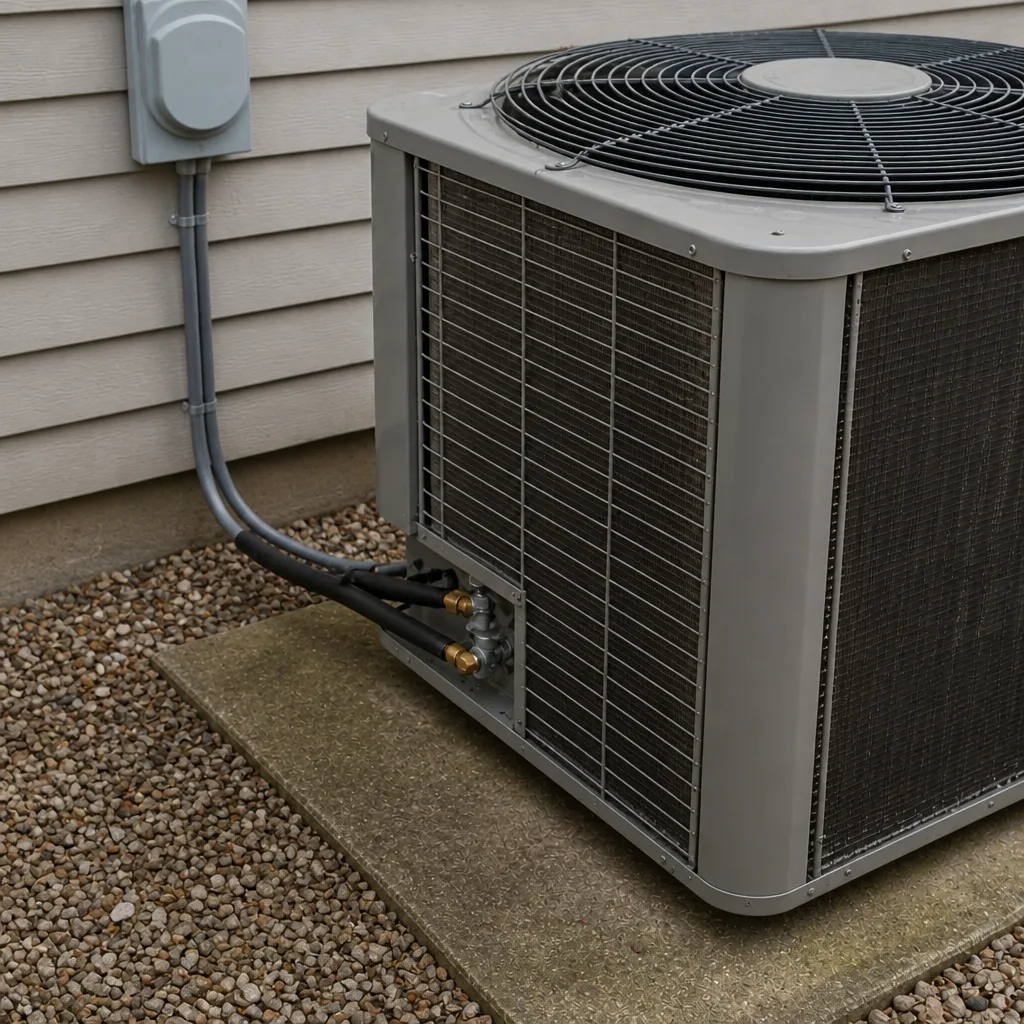
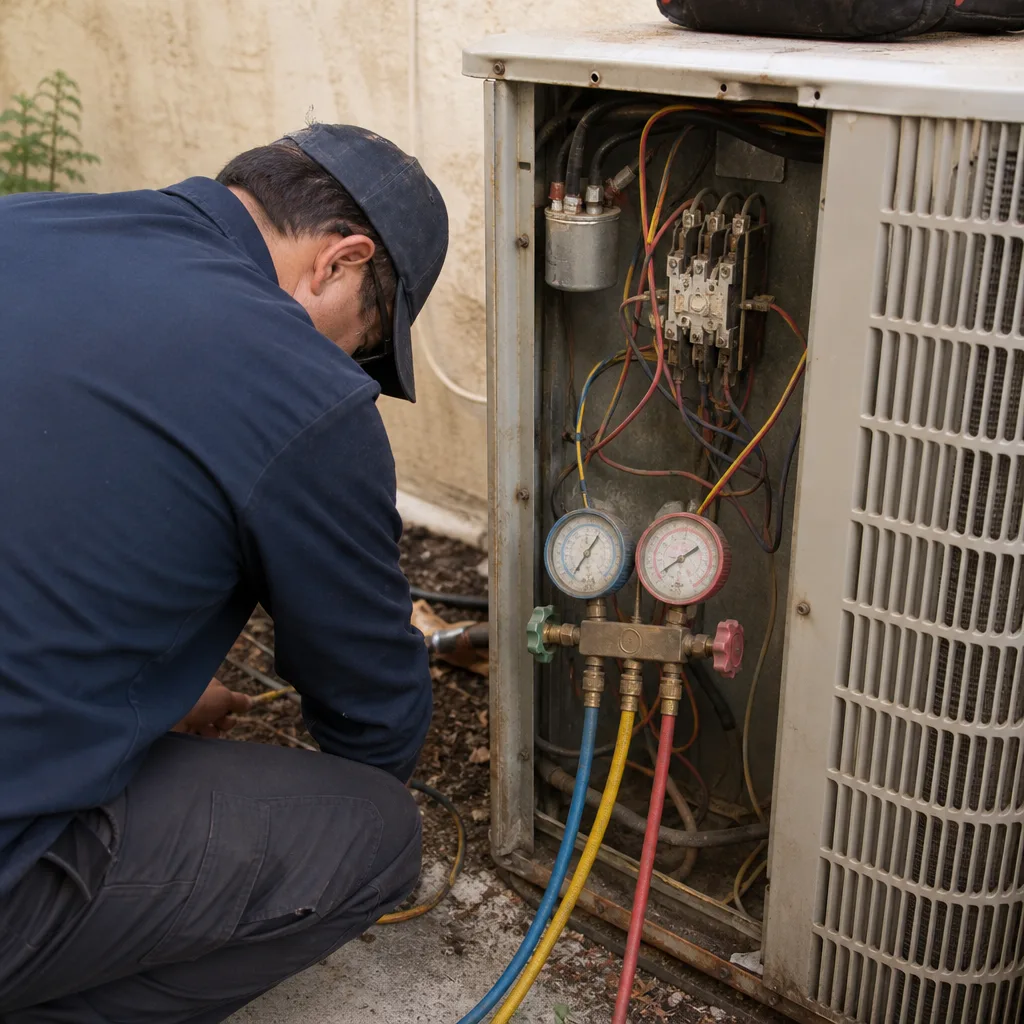
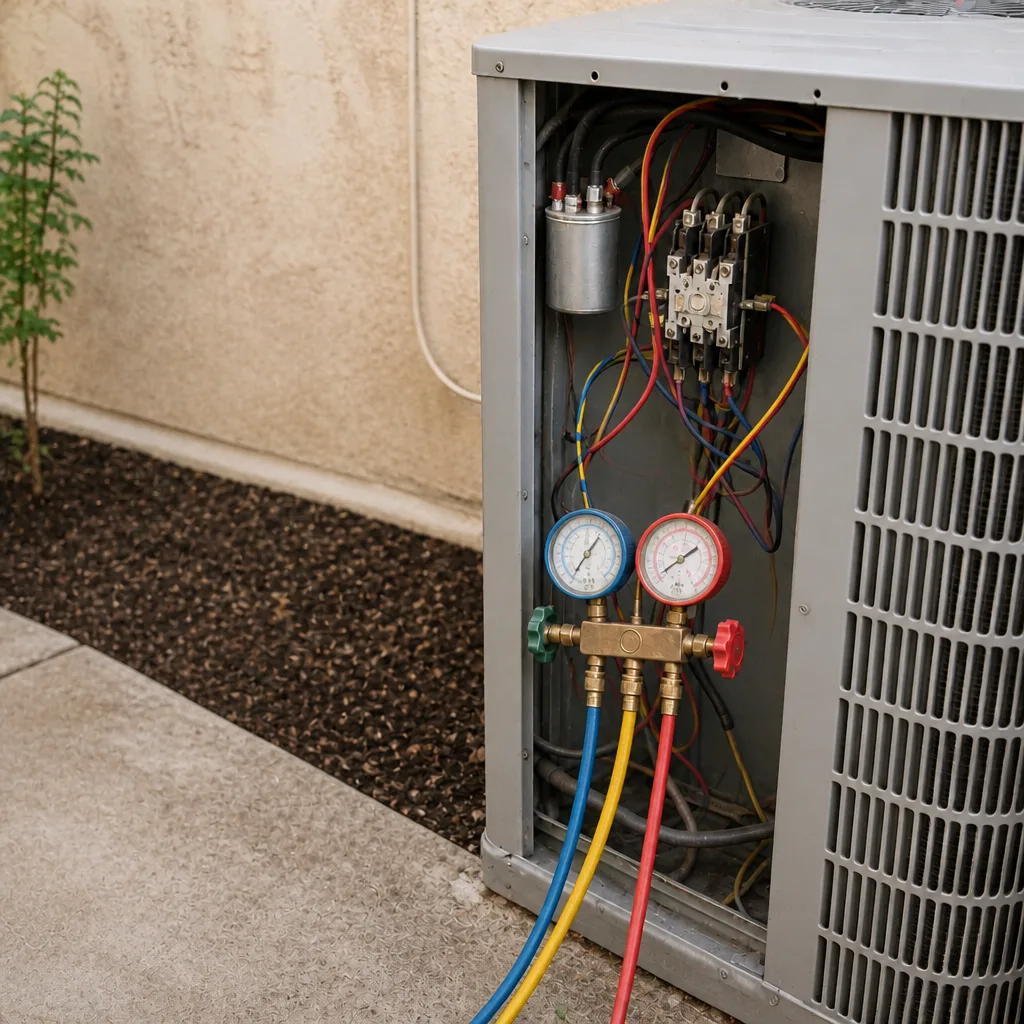
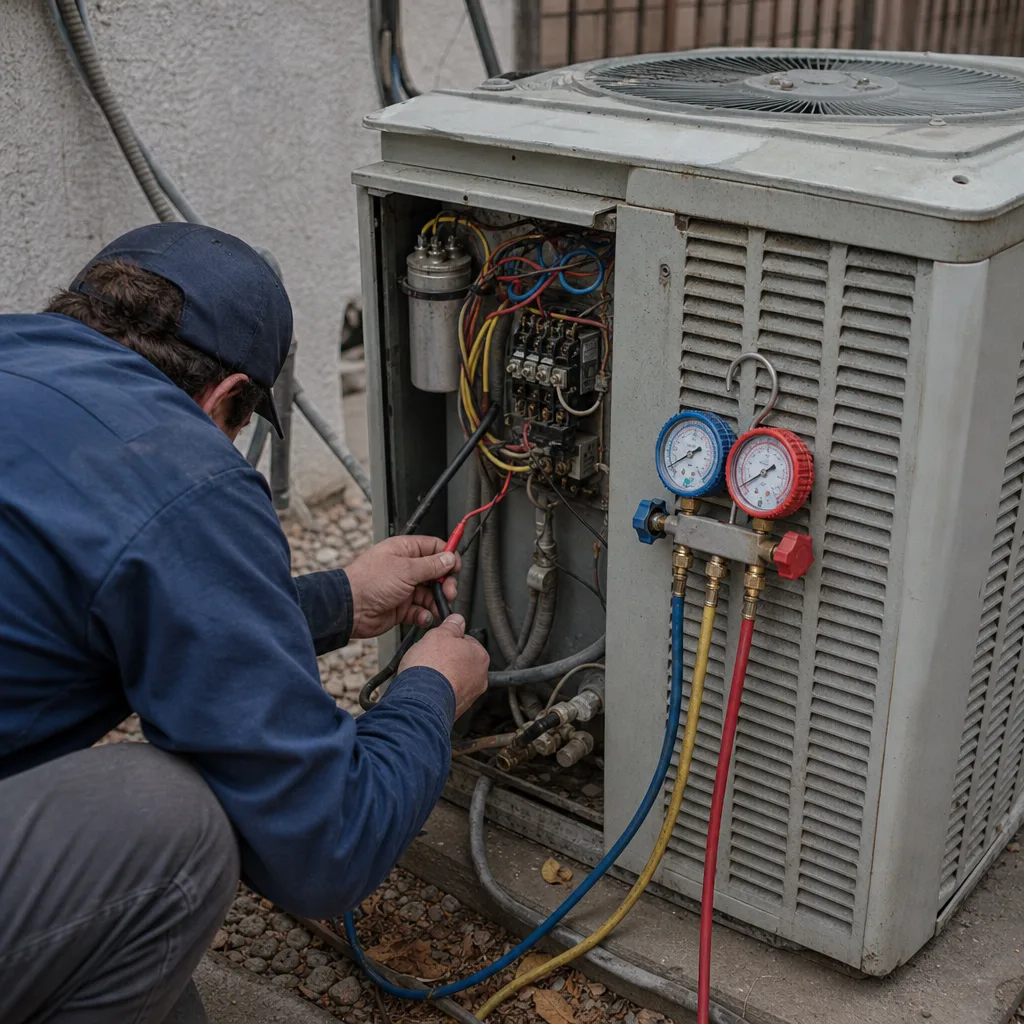
See the difference
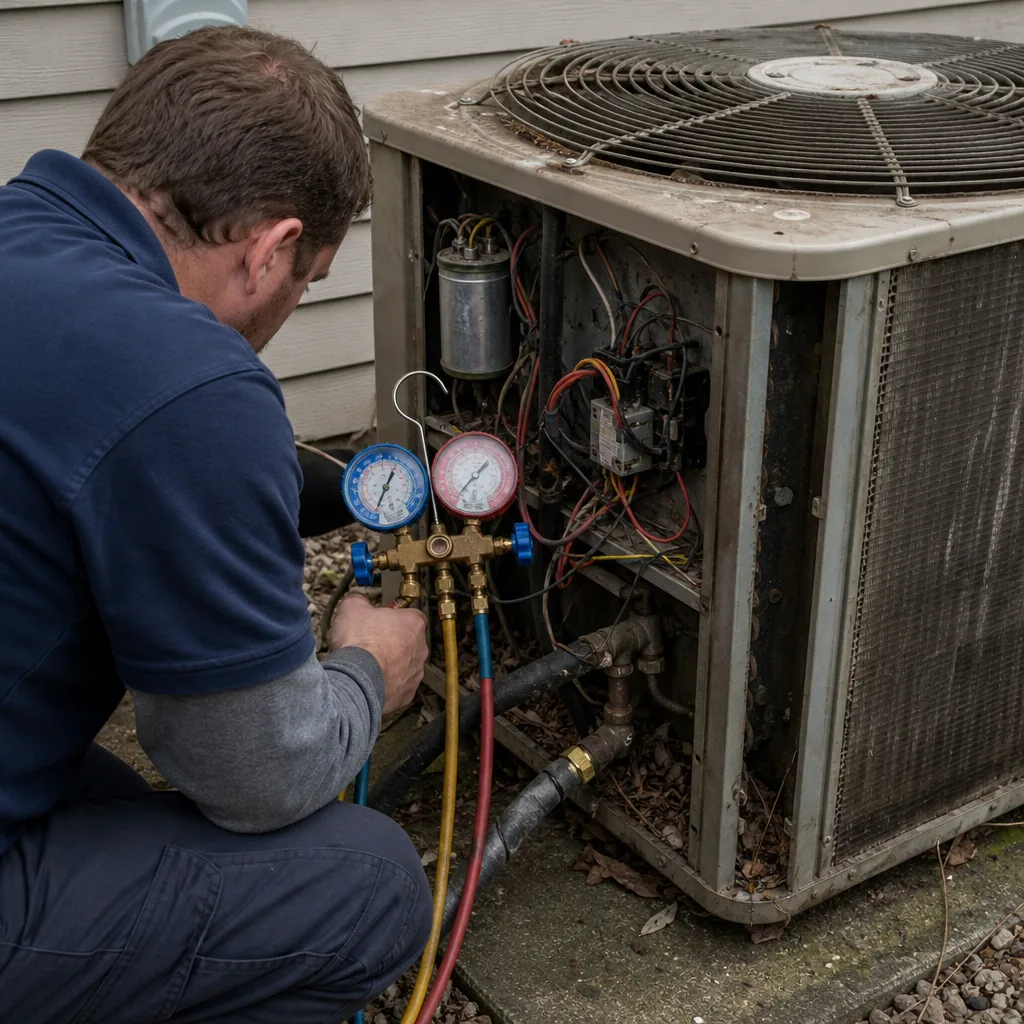 Before
 After
 Before
 After
 Before
 After
The Best HVAC System for a Cold Climate in Whitney, NV Is a Summer-Sized System With Winter Backup
Choose a conventional heat pump sized for Whitney’s summer load and paired with a correctly sized electric heat strip, unless you have a specific reason to pay for cold-climate compressor technology you’ll use a handful of nights a year. For almost every home in Whitney, NV, that’s the right answer: a system built to handle 115°F July afternoons, with enough backup heat to cover the dozen or so nights each winter that dip below 35°F. If you want that decision mapped to your square footage and ductwork, call Fireside Heating & Air Co. Whitney at (866) 329-8069 for a free, no-pressure assessment.
Key Takeaways
- Whitney’s all-time record low was 8°F, recorded once in January 1963. That’s a design footnote, not a design constraint.
- Your system spends roughly 90% of its duty cycle in high-ambient heat. Sizing and component selection should follow that reality first.
- A heat pump plus a properly sized heat strip handles every cold event in Whitney’s recorded history, and costs less upfront than a cold-climate compressor.
- What matters most is a load calculation done for this climate, not a spec sheet written for Minnesota.
Why “Cold Climate” Articles Get Whitney Wrong
Most of what ranks for “best HVAC system for cold climate” was written for places where January is the whole story: Minnesota, upstate New York, the Dakotas. Those articles compare BTU output at -10°F, discuss defrost cycles in freezing rain, and recommend compressors rated to -13°F. That’s useful reading if you live where winter lasts five months.
Whitney isn’t that place. We’re an unincorporated Las Vegas Valley community where nearly every home went up during the 1990s and 2000s tract boom. The dominant design constraint here is summer heat load. A July afternoon sits above 110°F for days at a stretch, condensers bake in full sun on unshaded side yards, and equipment runs near-continuously. If you’re shopping after a rough January night when the mercury hit 28°F and your heat pump struggled, the problem usually isn’t that your system can’t handle cold. It’s that it wasn’t sized or backed up correctly for the two hours a year it has to.
So the honest reframe: in Whitney, “cold climate” is a two-hour equipment challenge, not a seasonal one. Solve it with sizing and supplemental capacity, not with an Arctic-rated compressor.
Heat Strips vs. Cold-Climate Compressors: The Real Trade-Off
Here’s the decision most Whitney homeowners are actually facing, and almost no comparison article lays it out plainly.
A standard heat pump pulls heat from outdoor air. As the outdoor temperature drops, its capacity and efficiency fall with it. Below roughly 35°F, a conventional unit needs help. That help is an electric heat strip: a resistance element in the air handler that kicks in when the heat pump alone can’t keep up. Sized correctly, a heat strip covers every cold event Whitney has on record without drama.
A cold-climate heat pump takes a different approach. It uses a more elaborate compressor and coil design to keep producing heat at very low outdoor temperatures. That’s genuinely impressive engineering, and in Grand Forks it earns its price. In Whitney, it comes with a trade-off worth understanding before you sign: coils and components optimized for low-ambient performance can give up some efficiency at the high-ambient conditions your system lives in. You’d be paying a premium for capability you’ll use a dozen nights a year, and potentially compromising the performance you rely on 300 days a year.
| Approach | Upfront Cost | Best For | Whitney Fit |
|---|---|---|---|
| Standard heat pump + properly sized heat strip | Lower (see install range below) | Desert climates with brief cold snaps | Recommended for nearly all Whitney homes |
| Cold-climate heat pump (rated to -13°F) | Higher | Regions with sustained sub-freezing winters | Rarely justified; possible high-ambient efficiency trade-off |
One more thing the spec sheets don’t tell you: if your heat strip is undersized, you’ll notice it on the coldest night of the year, not on the day it’s installed. That’s exactly the kind of gap we build the written performance commitment around. Our Heating & Furnace work in Whitney comes with the 90-Day Done Right Promise, so if the sizing proves insufficient for a Whitney cold snap, we make it right. No arguing, no revisiting a quote from a truck that has since moved on to the next subdivision.
How We Pick a System for Your Whitney Home: Step by Step
Fireside works across Carrier, Trane, Lennox, Daikin, and American Standard, and we recommend based on Whitney’s actual climate profile, not on which brand is offering the best dealer margin that quarter. Here’s how a system selection actually runs.
- Measure the house and the load. Square footage, window orientation, insulation, and roof exposure all feed the calculation. A 1,400 sq ft one-story stucco home with west-facing windows loads differently than a 2,600 sq ft two-story with shade.
- Inspect the ductwork. Oversized equipment on leaky ducts wastes money. We check what you have before recommending what to buy.
- Size the heat strip to the cold events, not the marketing. We look at how many nights a year Whitney drops below 35°F and size backup capacity so those nights pass without a call.
- Compare equipment against your actual duty cycle. Efficiency at high ambient matters more here than efficiency at low ambient. We’ll show you why one option fits Whitney and another suits a colder map.
- Quote it upfront. The price quoted is the price paid. No surprises on install day.
- Back it in writing. Every job carries the 90-Day Done Right Promise.
Typical installation in Whitney runs $3,500 to $7,500 depending on system size, efficiency tier, and whether ductwork needs attention. If your current system is limping, a repair runs $150 to $650 for AC and $150 to $700 for furnace work, and a tune-up is $80 to $200. Current offers include $50 off any repair over $250, a free second opinion on any written estimate, an $89 seasonal tune-up, and a standing 5% discount for seniors and veterans.
Why This Matters More in Whitney’s Housing Stock
Most of Whitney’s homes were originally fitted with 10-14 SEER single-stage split systems. Those units are now twenty-plus years old and hitting end of life. The result is a pattern our technicians know well: the original builder-grade condensers fail in clusters during the first 110°F+ heat wave each summer, and we get waves of simultaneous no-cool calls across the same handful of subdivisions. Often it’s the same failed dual-run capacitors and contactors, home after home.
If your system is on its last legs, don’t wait for the July scramble. Replacement planned in spring beats replacement forced in August. Our team has up to 8 years of experience, is background-checked, and arrives in uniform with shoe covers, working in your home the way we would in our own mother’s. That experience is what lets us tell you, honestly, when a repair will serve you another five years and when replacement is the square deal. If you want the straight talk on repair versus replace, our Heating & Furnace in Whitney page walks through it, and you can start from our home page to see the full range of services.
Dust is the other local factor. Desert air carries fine particulate that fouls coils and clogs filters faster than in greener climates, which quietly eats efficiency. A filter schedule and an annual tune-up go further here than most homeowners expect.
FAQs
A standard heat pump sized for summer load with a properly sized electric heat strip is the best system for nearly every Whitney home. Whitney’s record low of 8°F came once in 1963; a cold-climate compressor rated for -13°F buys capability you’ll rarely use and can trade away some high-ambient efficiency. Call (866) 329-8069 for a free assessment of your specific home.
Almost certainly not. A conventional heat pump with adequate heat strip backup covers every recorded cold event in Whitney’s history. Cold-climate equipment earns its premium in places with sustained sub-freezing winters, not in a desert valley that dips below 35°F about a dozen nights a year. Get a second opinion on any written estimate before you decide.
Installation in Whitney typically runs $3,500 to $7,500 depending on system size, efficiency, and ductwork. Repairs run $150 to $650 for AC and $150 to $700 for furnace work, and a tune-up is $80 to $200. Call (866) 329-8069 for an upfront quote, with the price quoted being the price paid.
We aim to, and most jobs are completed in a single visit. Phones are answered by a live person around the clock, so a 28°F night with no heat gets a real conversation, not a voicemail tree. Call (866) 329-8069.
Get Your System Sized Right for Whitney
If you’d rather have it looked at than figure it out from a spec sheet, Fireside Heating & Air Co. Whitney offers a no-pressure assessment in Whitney. We’ll calculate your load, size the backup heat honestly, and quote it upfront with the 90-Day Done Right Promise behind it. Call (866) 329-8069.
Written by the team at Fireside Heating & Air Co. Whitney, serving Whitney, NV.