
 AC repair
 Furnace & heating
 Heat pumps
 Ductless mini splits
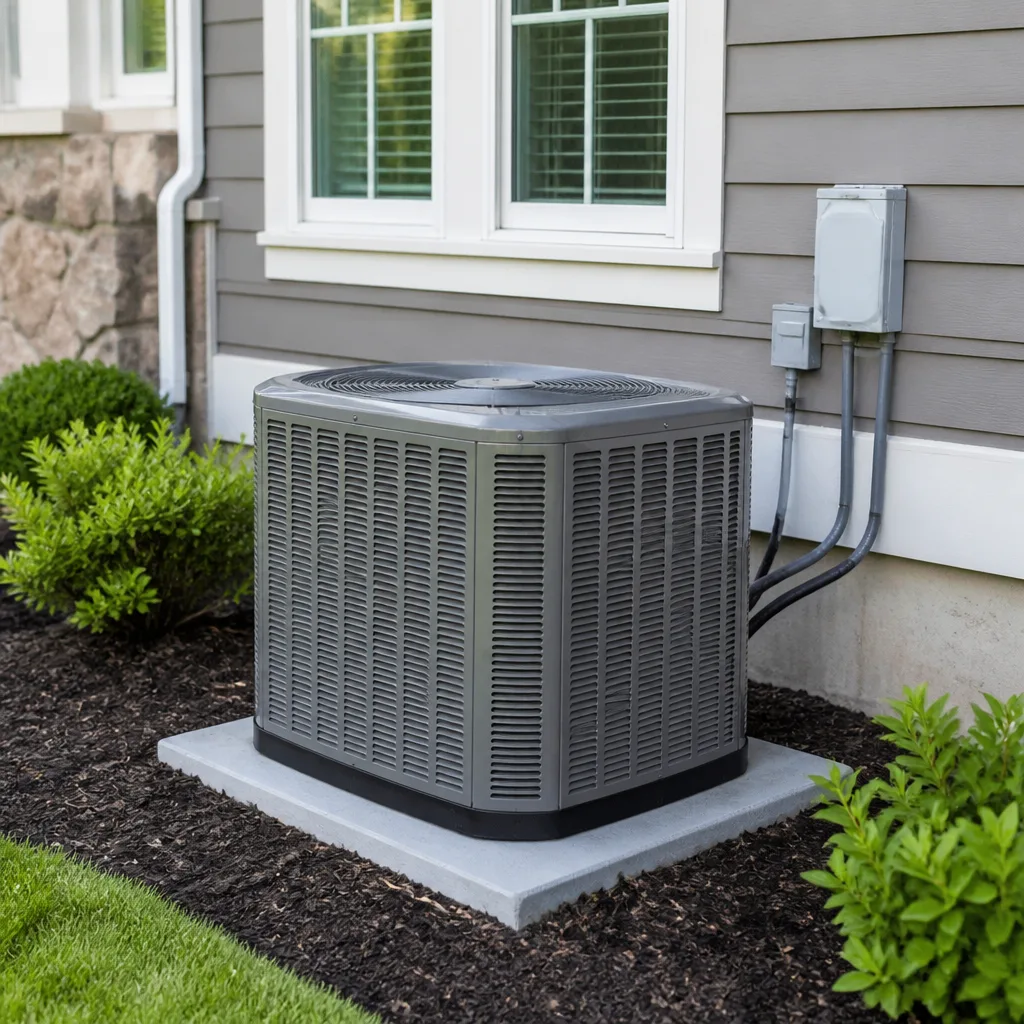 Carrier
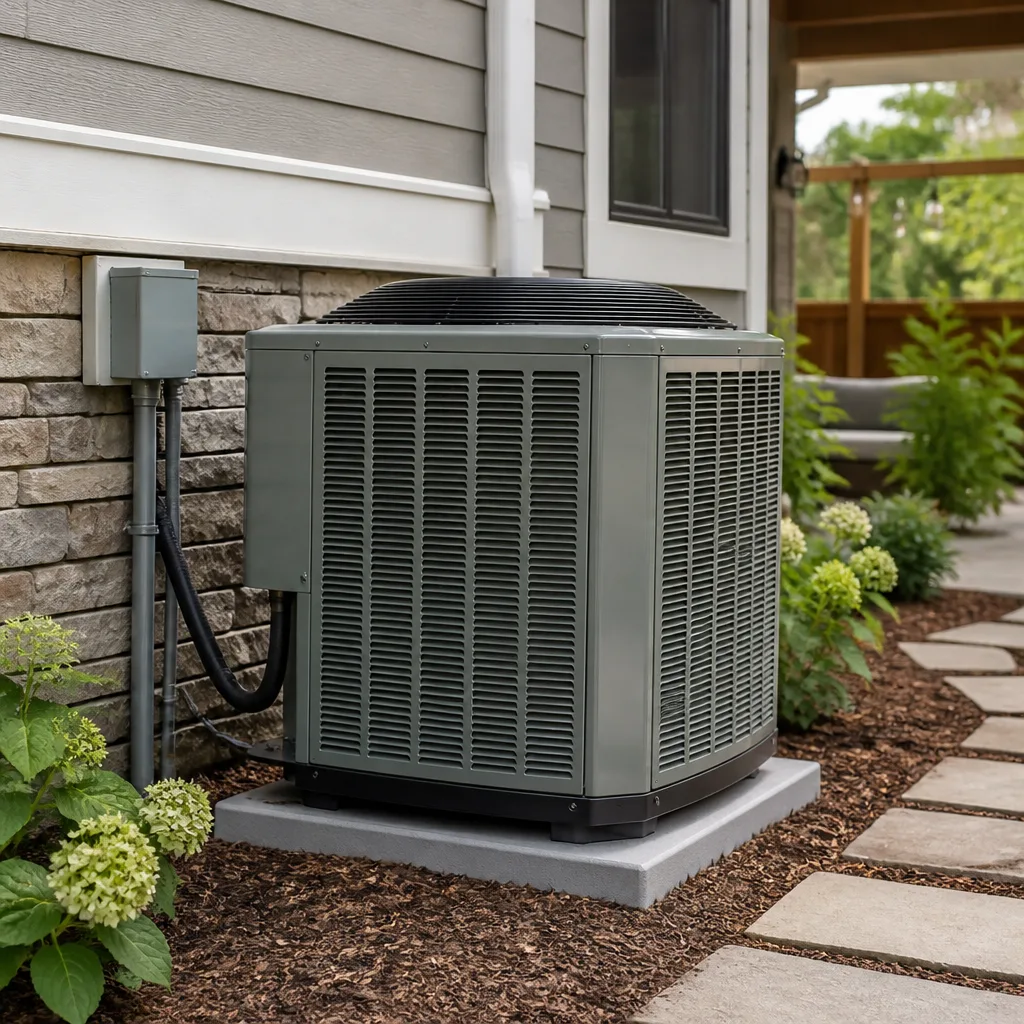 Trane
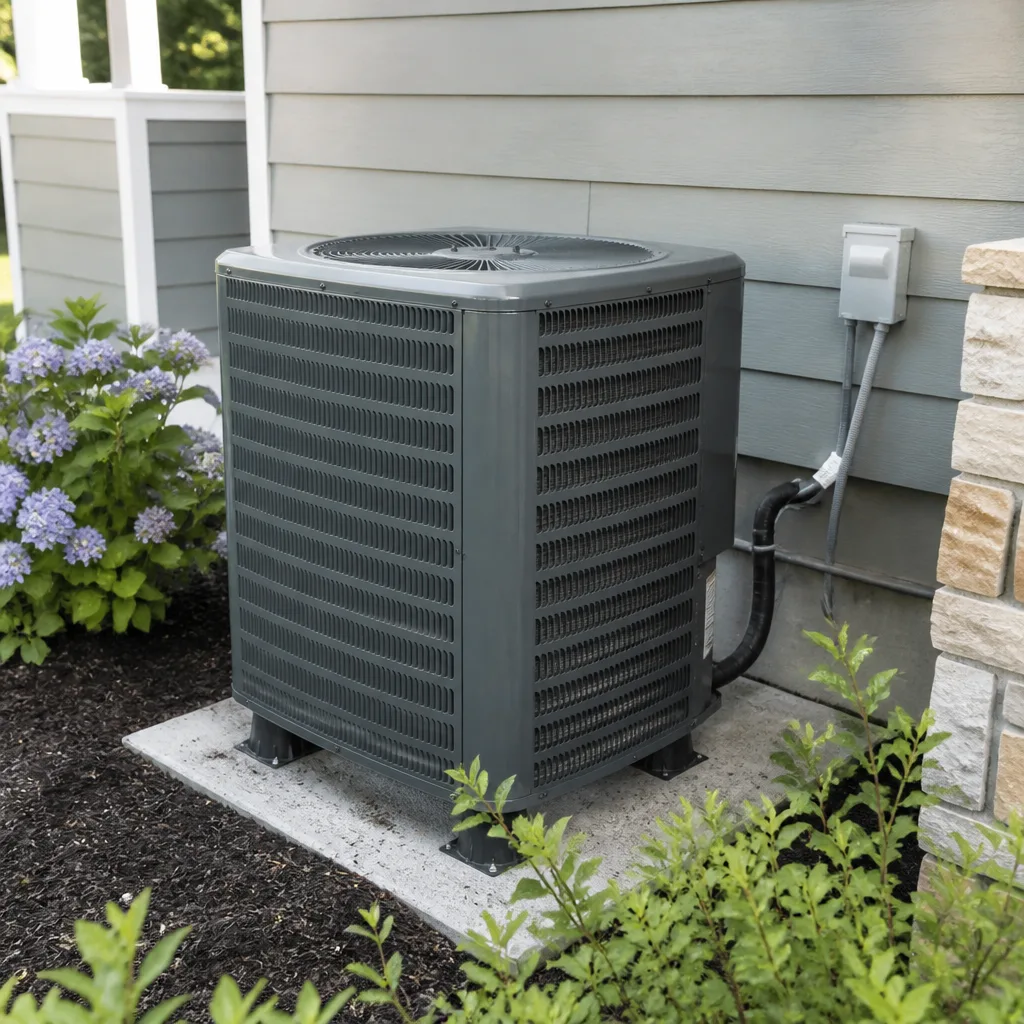 Goodman
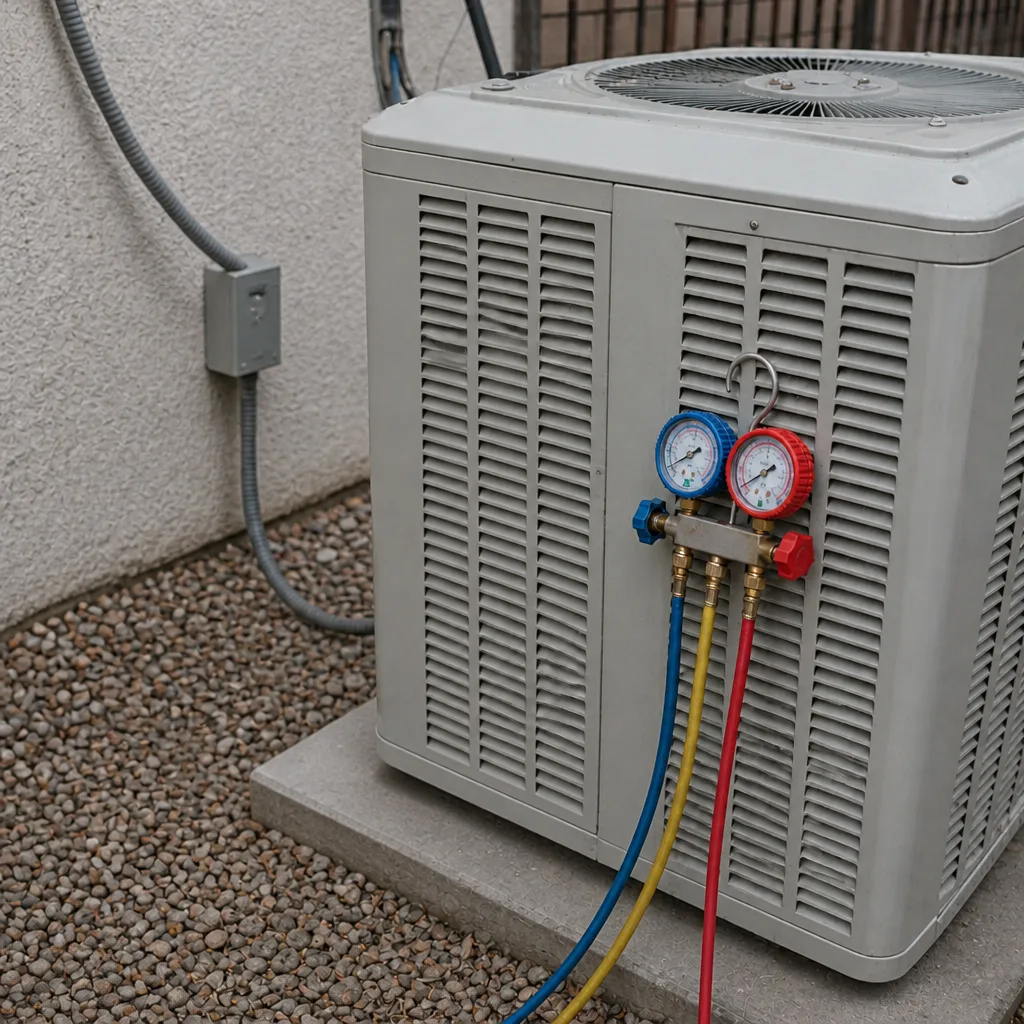
Seasonal tune-up and full diagnostic on your Carrier, Trane, or Goodman system - readings shown to you before any repair is proposed
Diagnosis first, numbers second - you approve the repair price before a single part goes in.
Get your free estimateStyles & brands we work with
- AC repair
- Furnace & heating
- Heat pumps
- Ductless mini splits
- Carrier
- Trane
- Goodman
See the difference
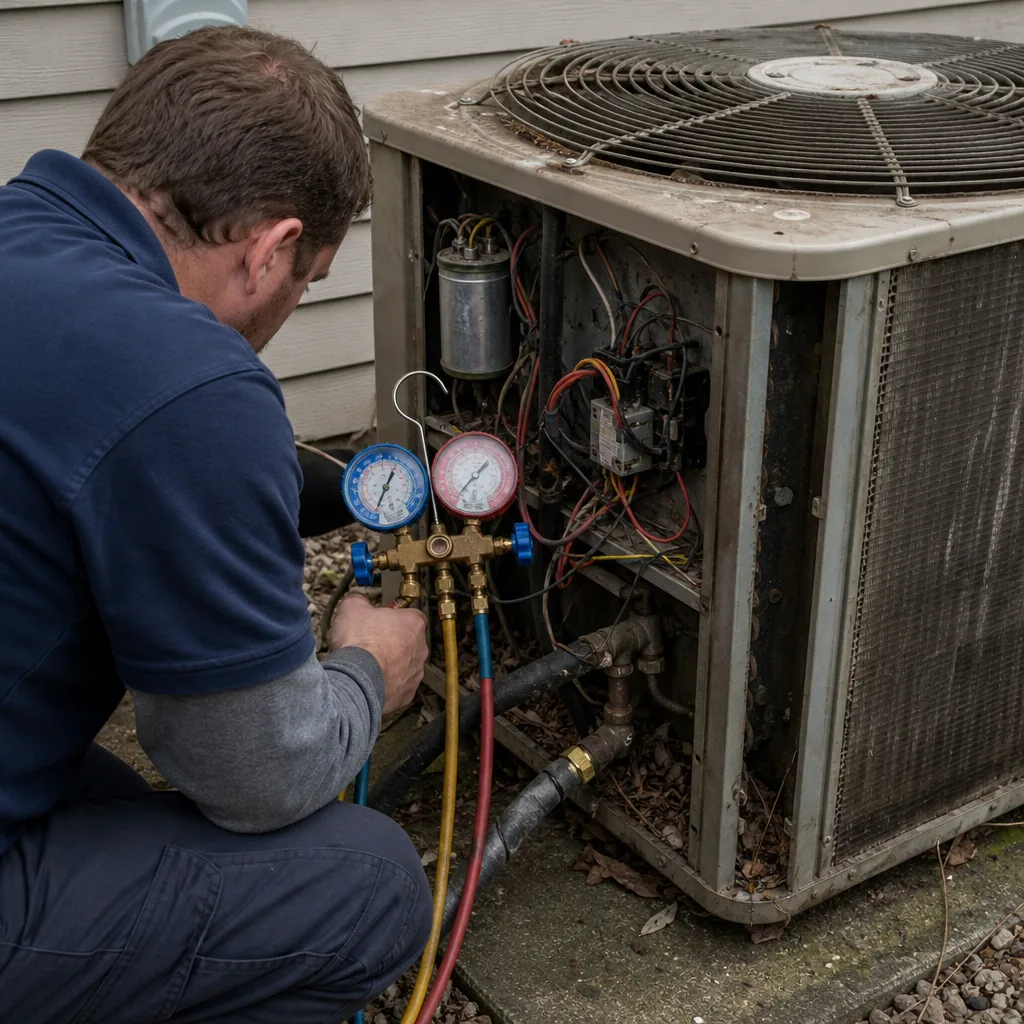 Before
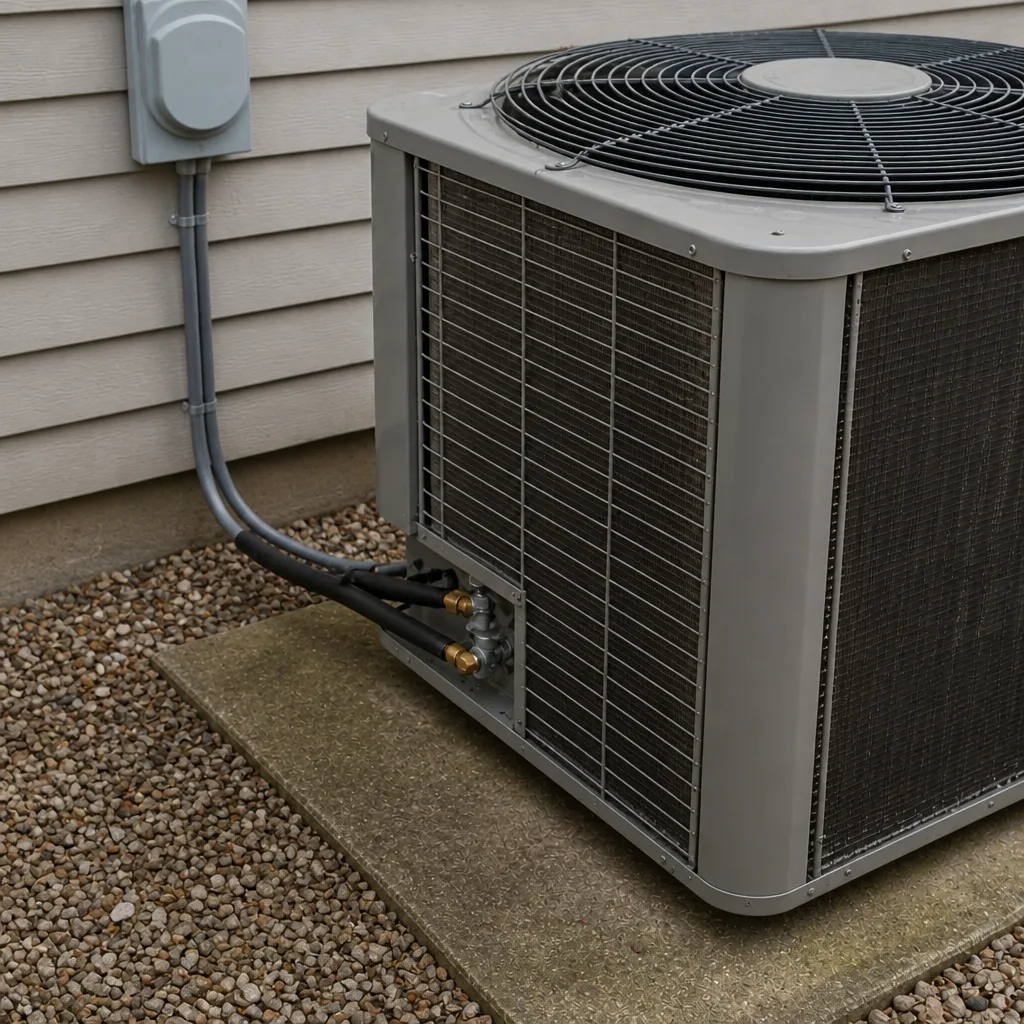 After
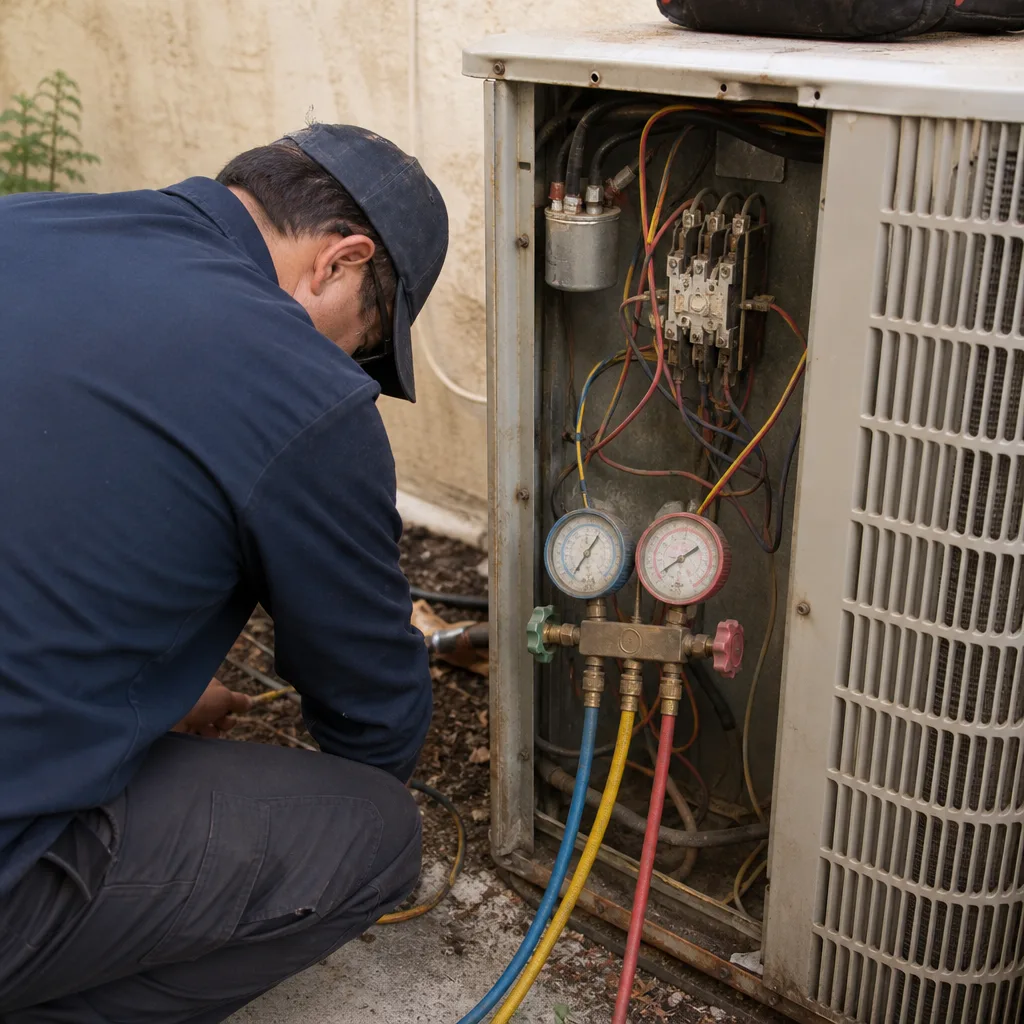 Before
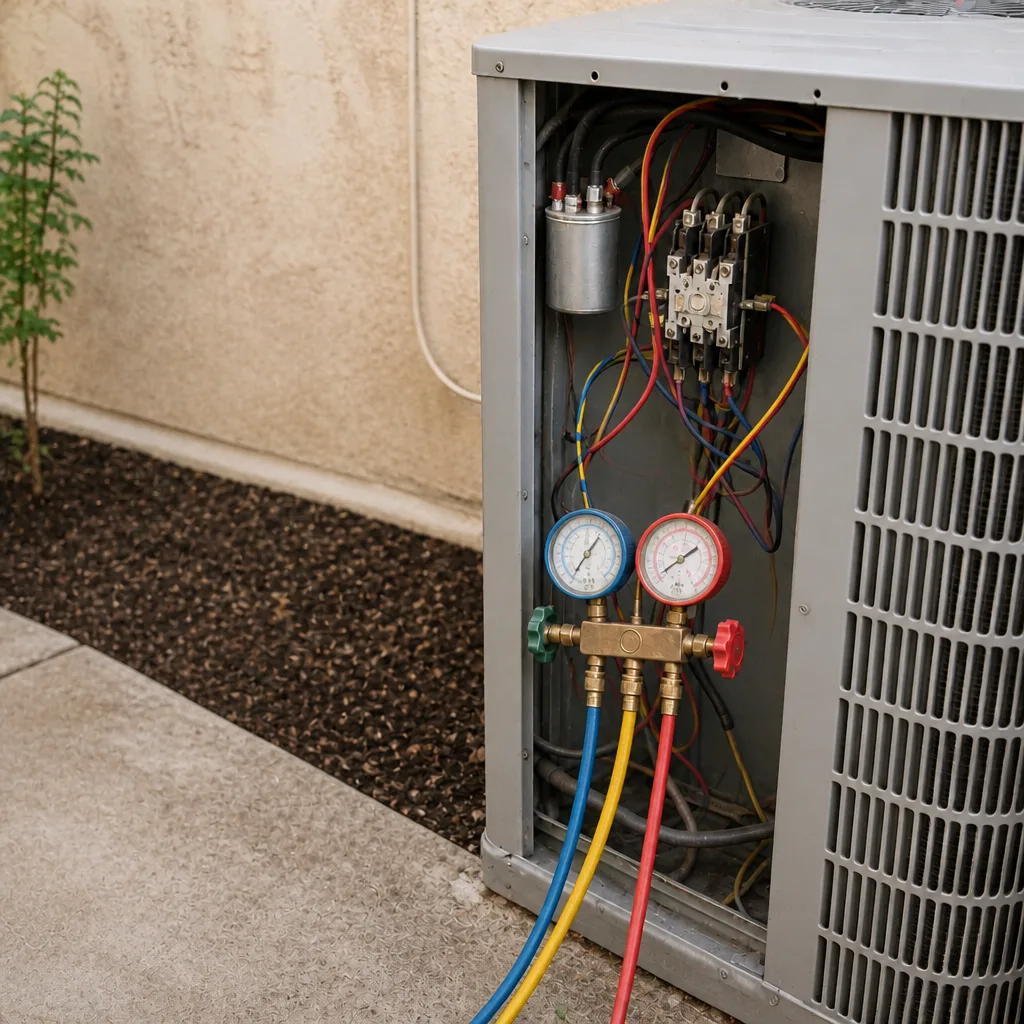 After
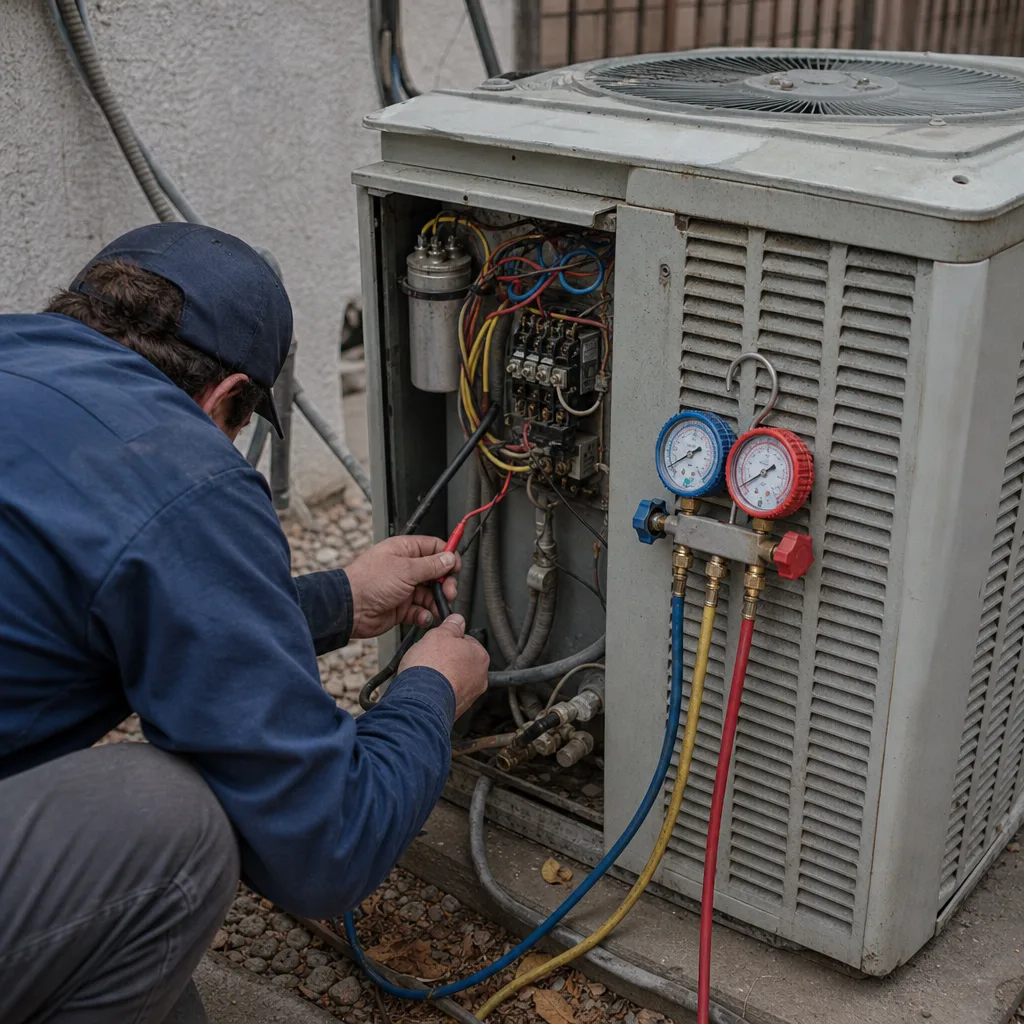 Before
 After
Repair or Replace Your AC in Whitney, NV? Here’s the Honest Answer
Choose repair if your system is under 12 years old, the failure is a single component, and the repair runs under $650. Choose replacement if your Whitney home still has its original 1990s or 2000s builder-grade condenser, the repair quote climbs past $900, or you have already paid for two fixes in three summers. For everything in between, get both numbers on paper before you decide. Fireside Heating & Air Co. Whitney quotes repair and replacement side by side on the same visit - call (866) 329-8069 and you’ll have real figures in hand, not pressure.
That’s the short version. The longer version matters more in Whitney than in most of the valley, because of how and when these homes were built.
Why Whitney’s AC Decisions Don’t Behave Like the Standard Calculator
Three summers ago, a failed dual-run capacitor in a Whitney tract home cost $180 to fix. Last July, the same repair - same part number, same labor time - ran closer to the top of our $150-$650 repair range, and the homeowner waited four days in 112°F heat for the part to arrive. That gap wasn’t random. It’s what happens when hundreds of identically-spec’d builder systems cross the same age threshold in the same heat event.
Whitney is an unincorporated Las Vegas Valley bedroom community, and nearly every house here went up during the 1990s and 2000s tract boom. One- and two-story stucco homes with tile roofs, 1,200 to 2,800 square feet, originally fitted with 10-14 SEER single-stage split systems. Those systems are now 20-plus years old. When the first 110°F+ heat wave hits in late June or July, the condensers in a single subdivision start failing together - often the same dual-run capacitors and contactors, house after house on the same street.
What that does to your repair bill is the part no online calculator accounts for:
- Parts supply tightens. Distributors allocate aging-system components to newer equipment first when demand spikes. The part your 2004 Carrier needs may be backordered valley-wide for days.
- Labor queues stretch. Every HVAC company in the valley is triaging simultaneous no-cool calls. Your repair that would take an afternoon in April takes four days in July.
- The second repair costs more than the first. A 22-year-old system that needed a $300 fix two summers ago often needs a $700 fix this summer - compressor, contactor, or both - because the underlying wear never stopped.
That last point is where the standard “replace when repair exceeds 50% of system cost” rule starts to bend. In a cluster-failure market, the true cost of choosing repair includes the likelihood of paying again within 18 months, plus the days you’ll spend waiting in the heat while you do.
The Age-Adjusted Math for a Whitney Tract Home
A 20-year-old R-22 or early R-410A single-stage system sitting in a Whitney side yard has logged close to continuous summer duty - the AC in this climate runs 2,000+ hours a year against a Mojave Desert load that routinely pushes past 110°F in July and August. Unshaded condensers bake in full sun, which accelerates compressor and capacitor wear further. At that point the system is past its design lifespan, and the next failure - not the current one - is statistically likely within about 18 months.
Running cost is the second half of the equation. Those original 10-14 SEER single-stage units are expensive to operate in a climate where the system never really rests. A modern 16-18 SEER two-stage or variable-speed replacement cuts the energy draw meaningfully across 2,000+ hours of annual runtime. Over the life of the equipment, that difference belongs in the decision right next to the repair quote.
Here’s how the numbers shake out in Whitney today:
| Option | Typical Cost | What You Get |
|---|---|---|
| AC repair (single component) | $150-$650 | Cooling restored, but the rest of a 20-year-old system keeps aging |
| Seasonal tune-up | $80-$200 | Catches small failures before the July cluster rush |
| AC installation (full replacement) | $3,500-$7,500 | New 16-18 SEER two-stage or variable-speed system, lower summer bills, fresh warranty |
| Furnace repair (if bundled) | $150-$700 | Separate line item if the heating side needs attention too |
The honest read: if your repair lands in the lower half of that range and the system is under 15 years old, repair almost always wins. If it lands near the top and the system is a first-generation builder unit, put the repair money toward a replacement instead. For a closer look at what each path involves, our AC Repair & Installation page covers the service side in detail.
How Fireside Handles the Decision - Side by Side, Same Visit
Here’s how we work, step by step, when a Whitney homeowner calls about a failing system:
- Diagnostic first. We find the actual failed component. No guesswork, no “probably the compressor.”
- Quote repair cost explicitly. You see the number for the fix, itemized, before anyone touches a wrench.
- Quote replacement cost on the same visit. Both numbers written down, side by side, no pressure to pick either.
- You decide. We answer questions until you’re comfortable, then we schedule the work - usually within a single visit for the repair itself.
- Backed in writing. Every job carries the 90-Day Done Right Promise.
That last point changes the risk calculus more than people expect. If we repair your unit and it fails again within 90 days for the same underlying cause, we make it right - in writing, no arguing, no paperwork to fight over. For a homeowner who’s leaning toward repair but worried about throwing money at a system that’s about to die anyway, that guarantee puts the risk back on us. Straight talk about repair versus replace is the whole point of the visit.
Our technicians are background-checked, uniformed, train as journeymen, and put on shoe covers without being asked. They work on all nine major residential brands, including Carrier, Trane, Lennox, and American Standard - which matters in Whitney, where the builder installe