
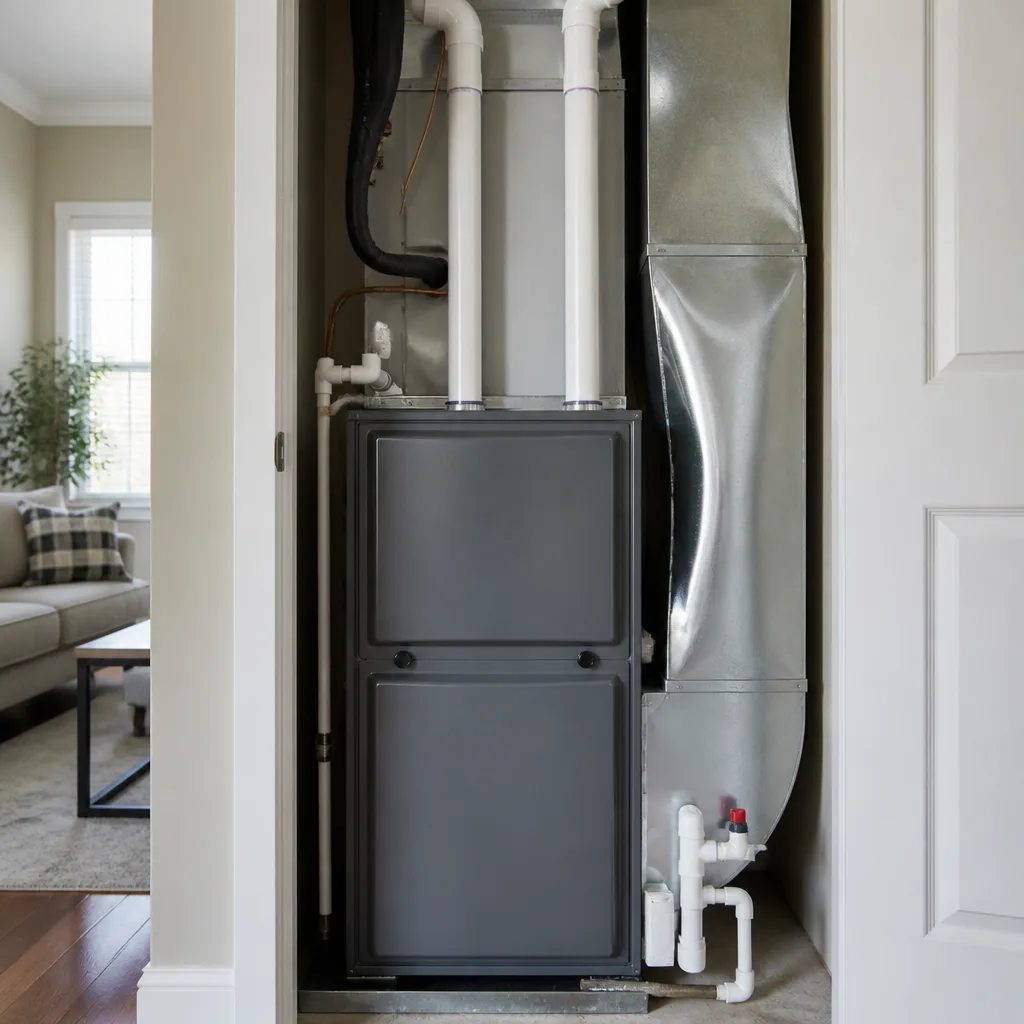
 Furnace & heating
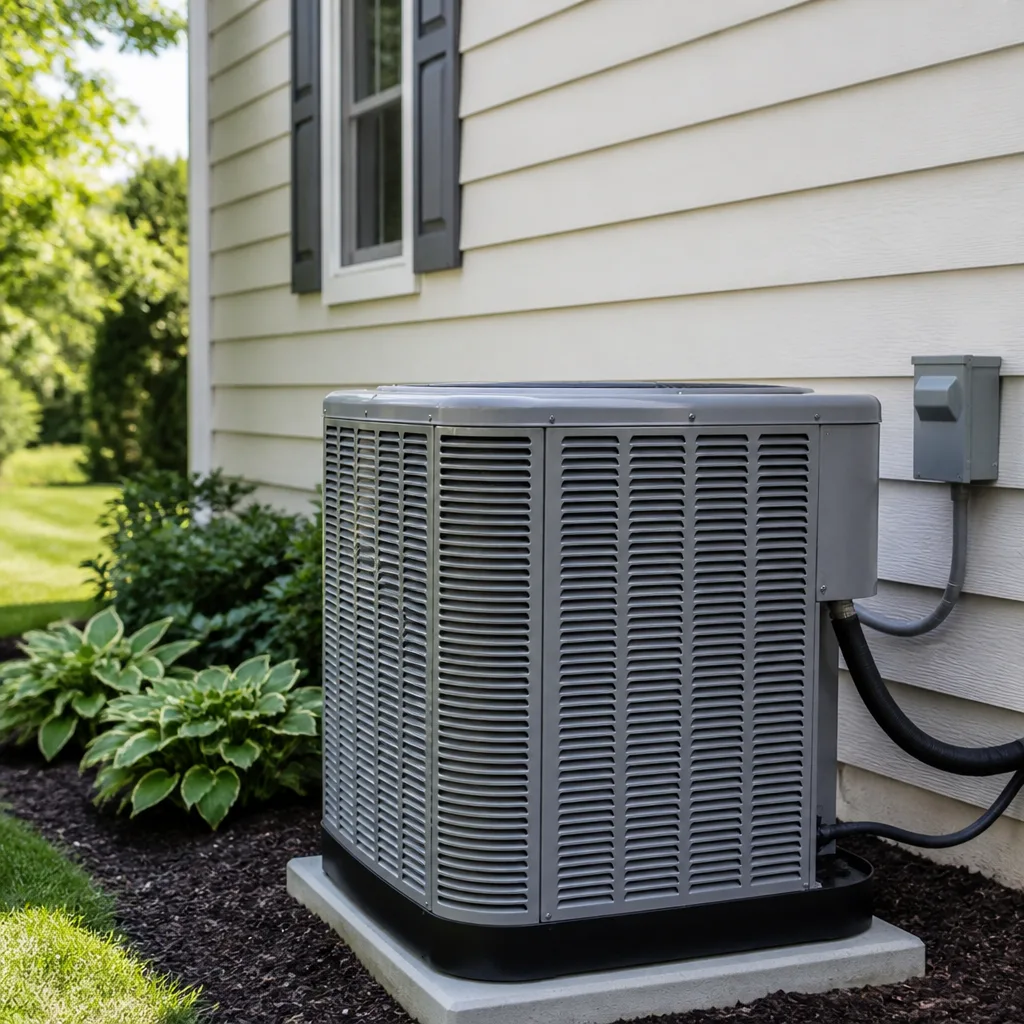 AC repair
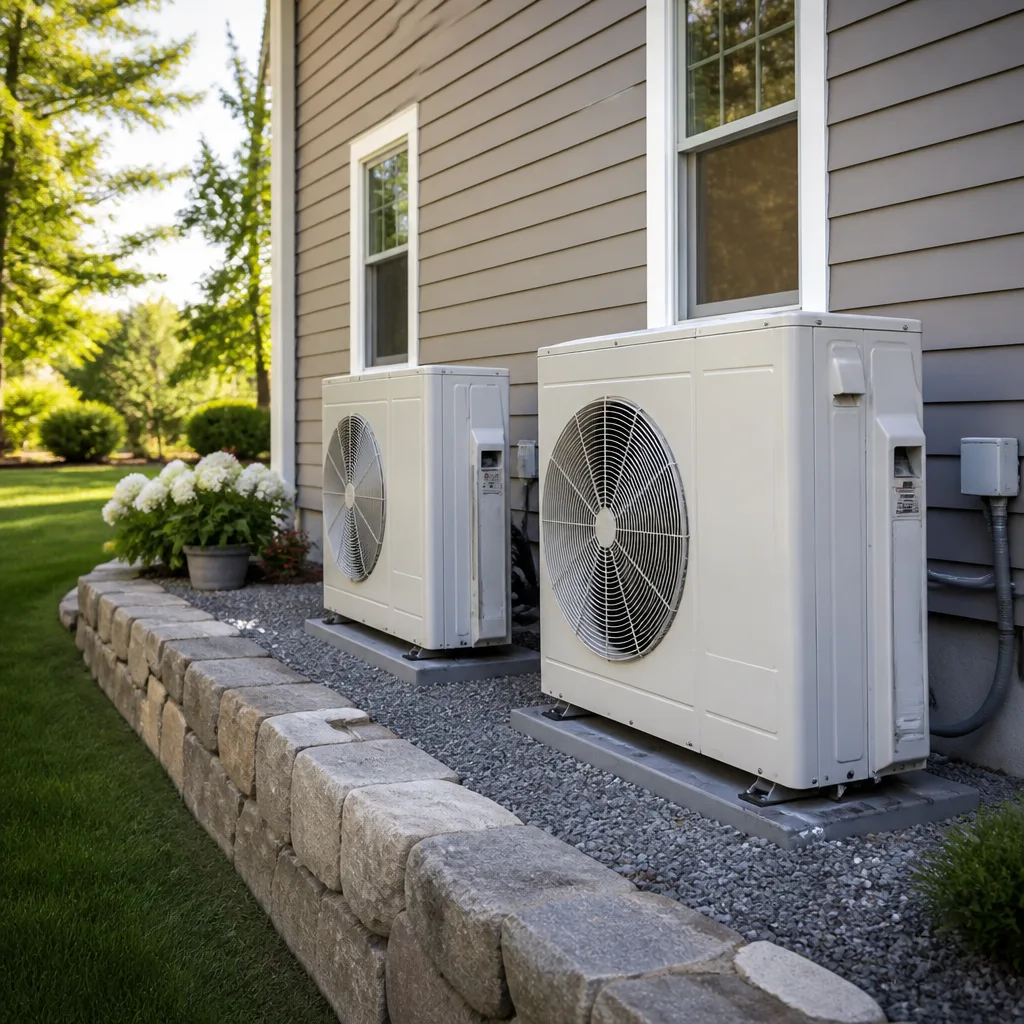 Heat pumps
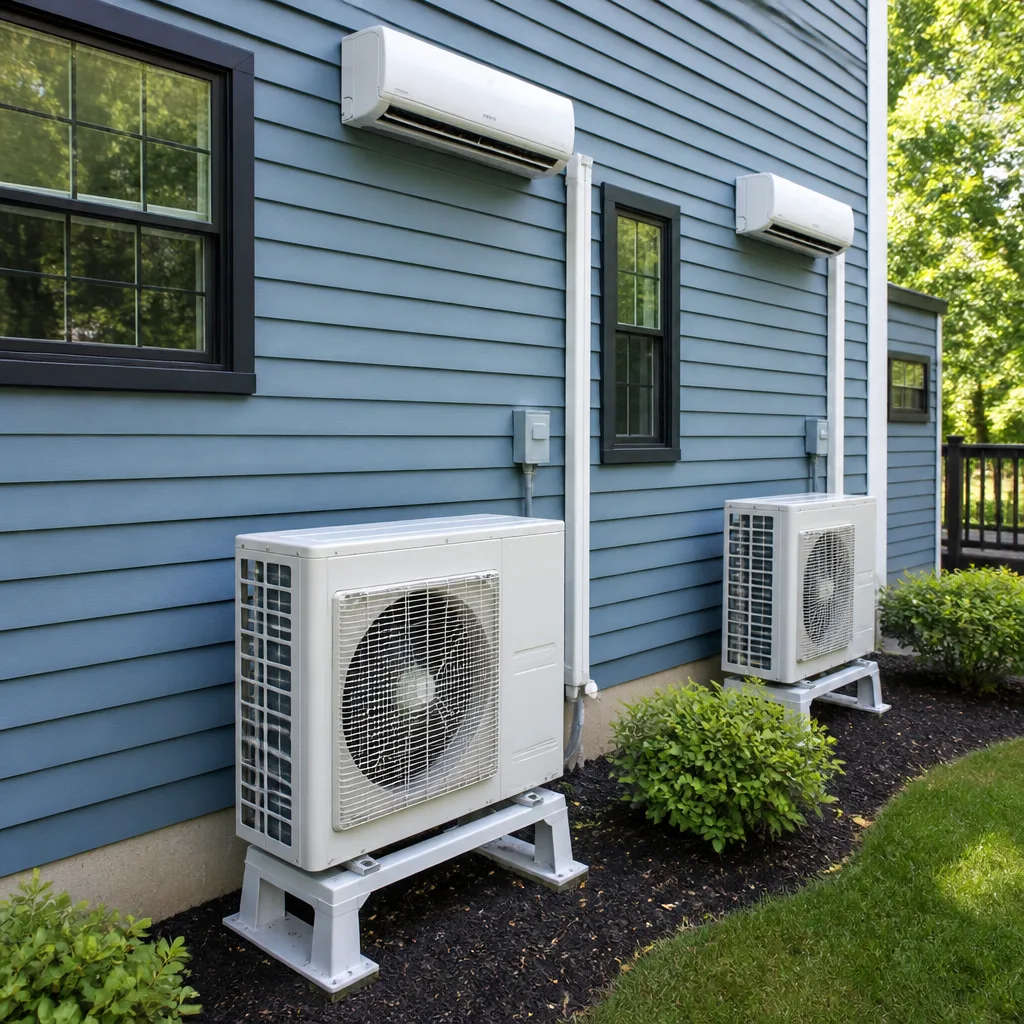 Ductless mini splits
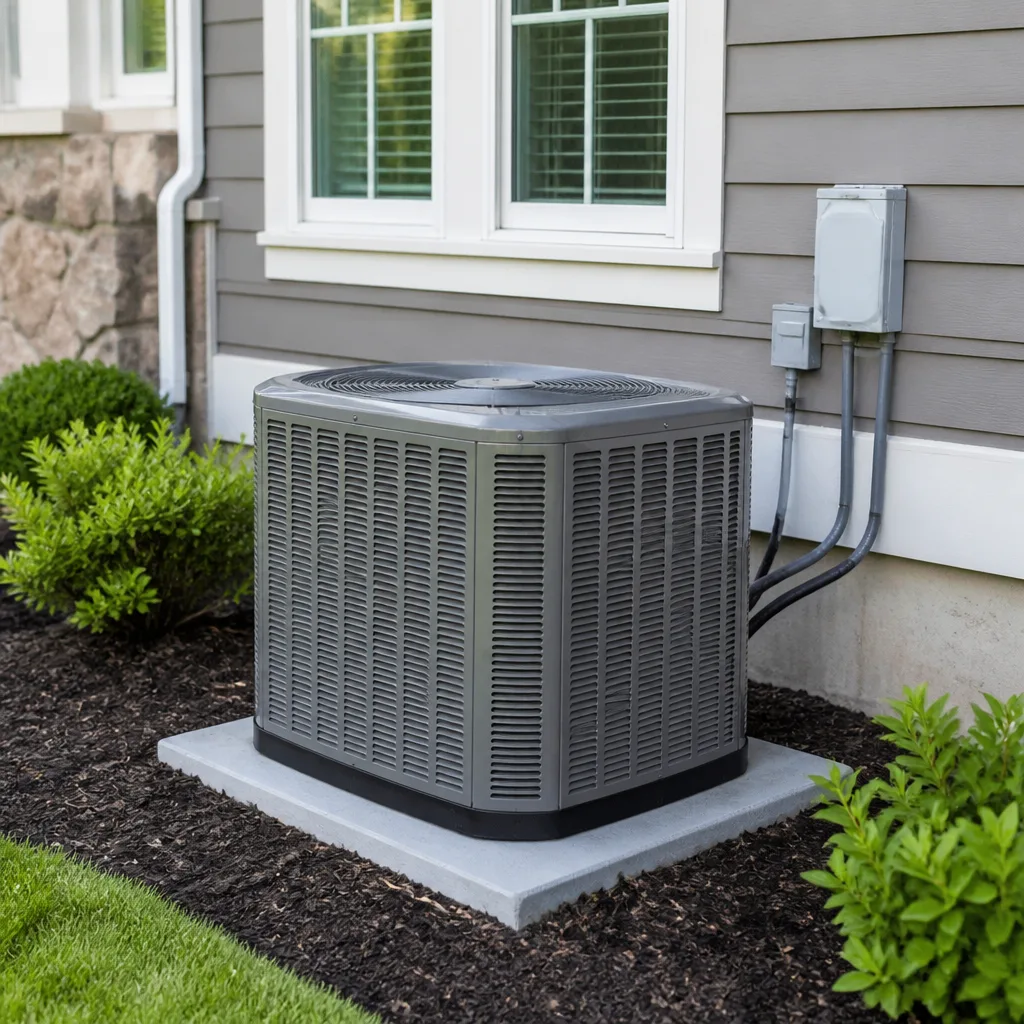 Carrier
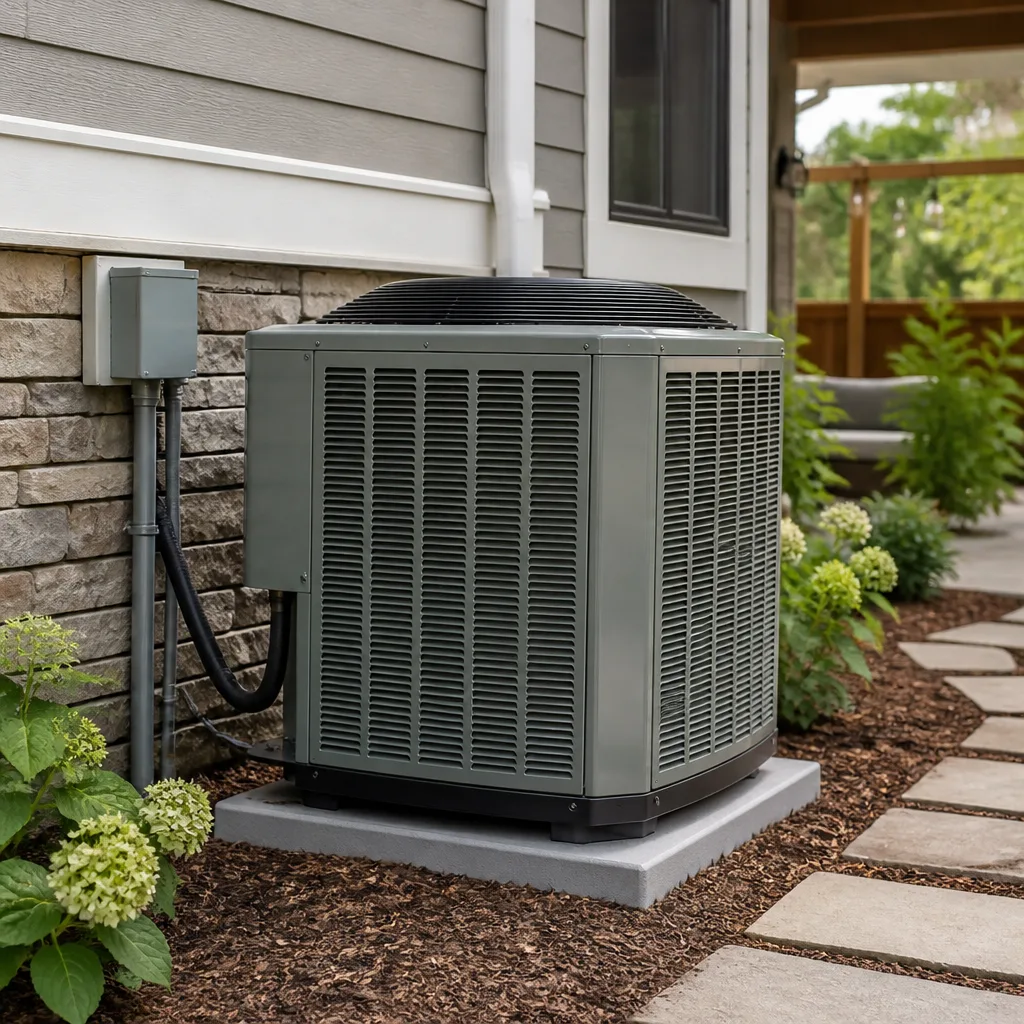 Trane
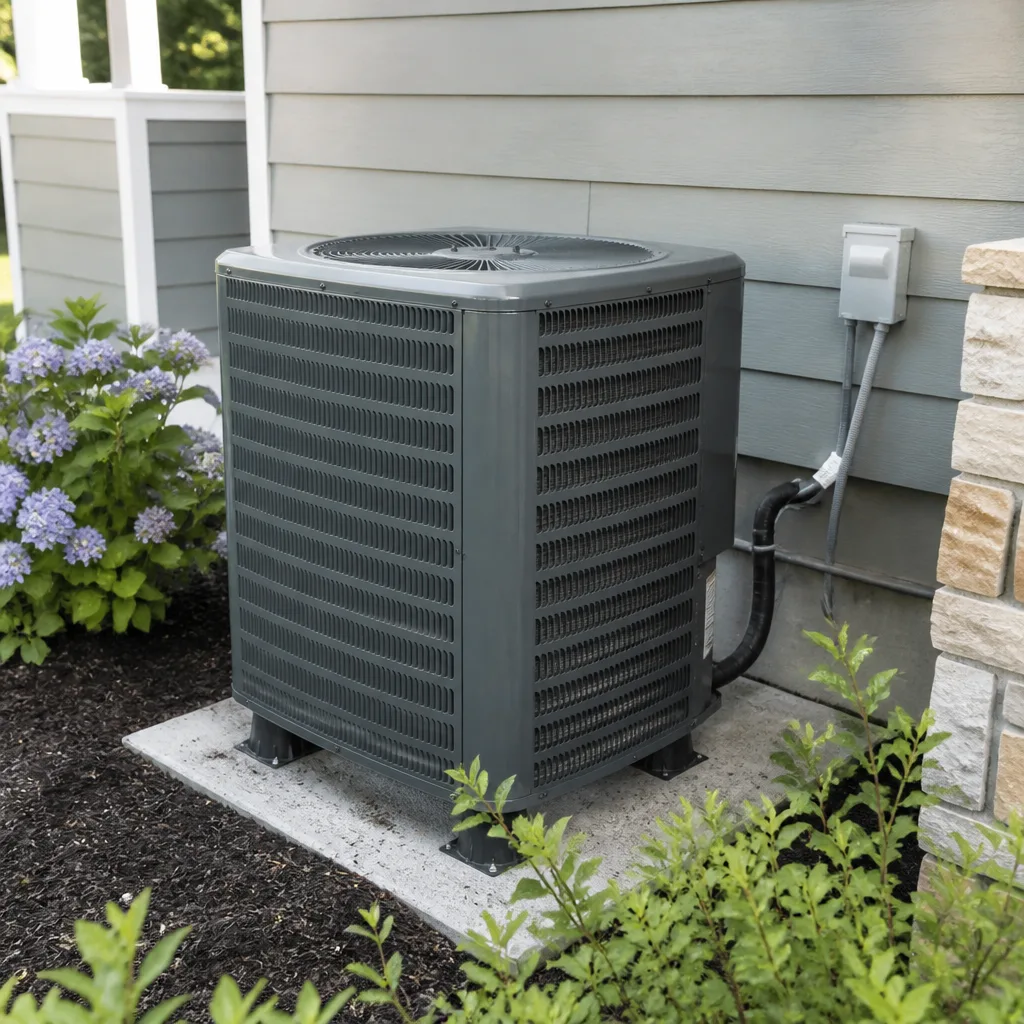 Goodman
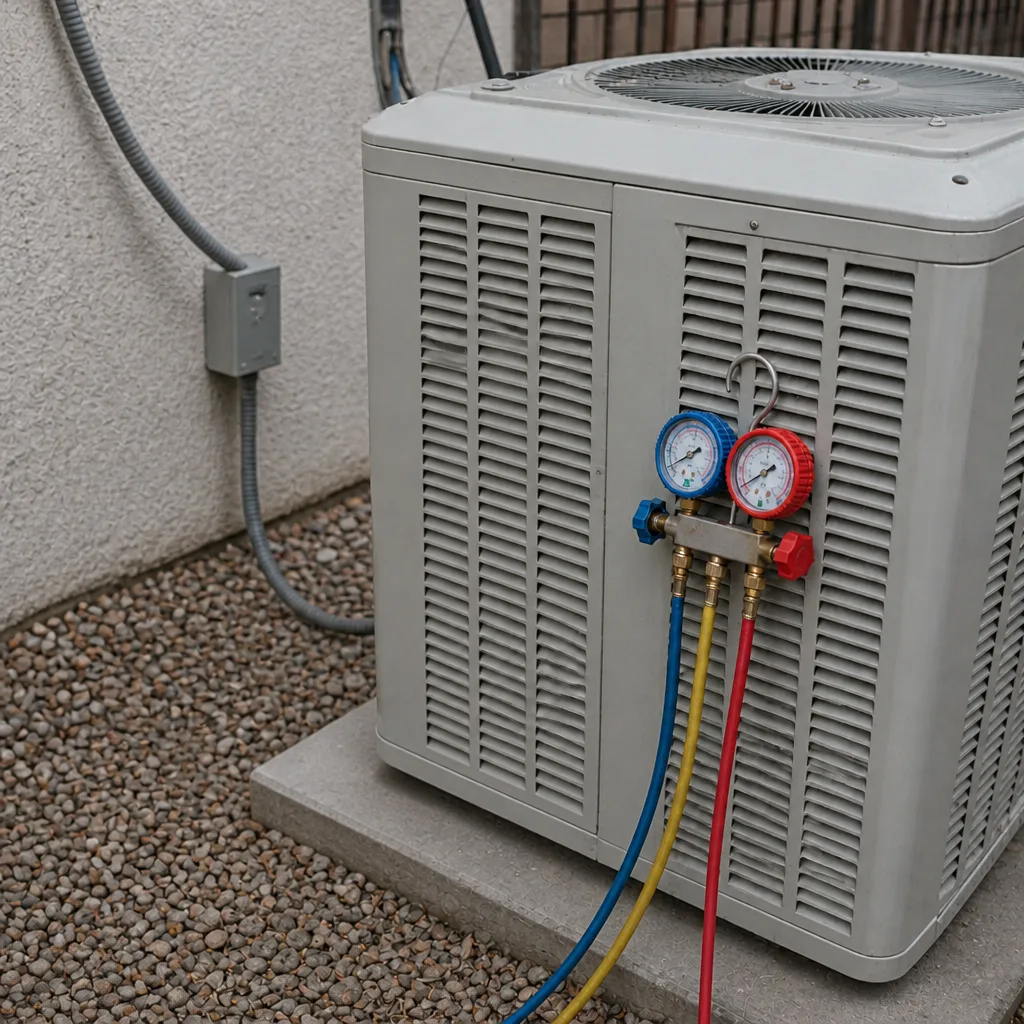
Seasonal tune-up and full diagnostic on your Carrier, Trane, or Goodman system - readings shown to you before any repair is proposed
Diagnosis first, numbers second - you approve the repair price before a single part goes in.
Get your free estimateStyles & brands we work with
- AC repair
- Furnace & heating
- Heat pumps
- Ductless mini splits
- Carrier
- Trane
- Goodman
See the difference
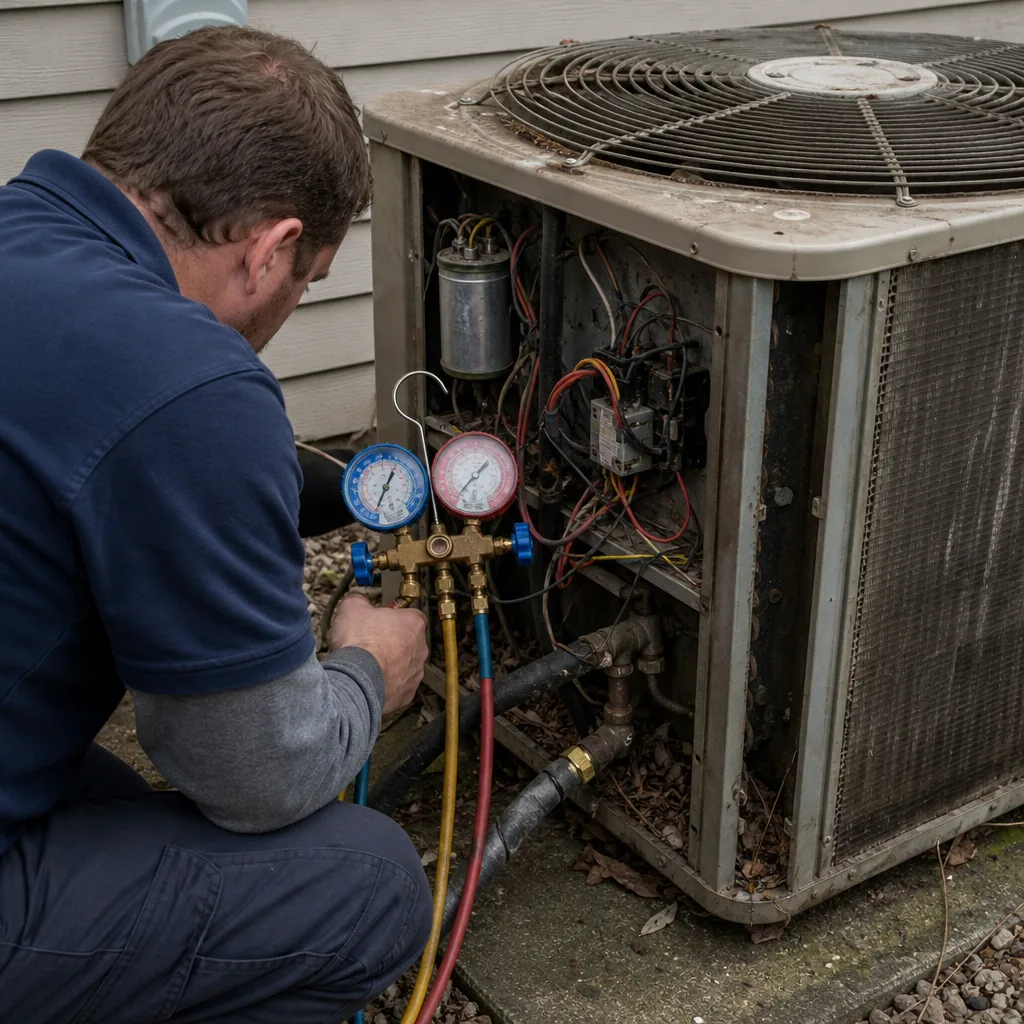 Before
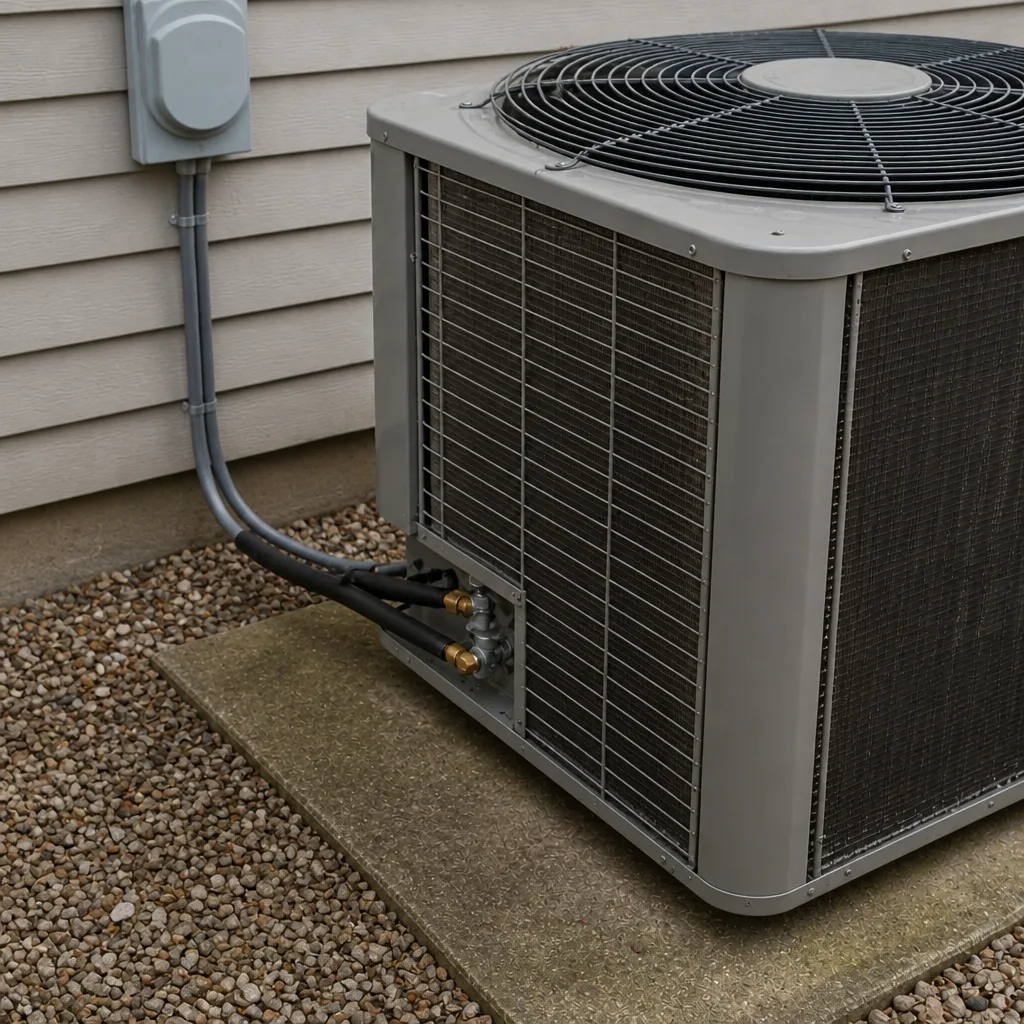 After
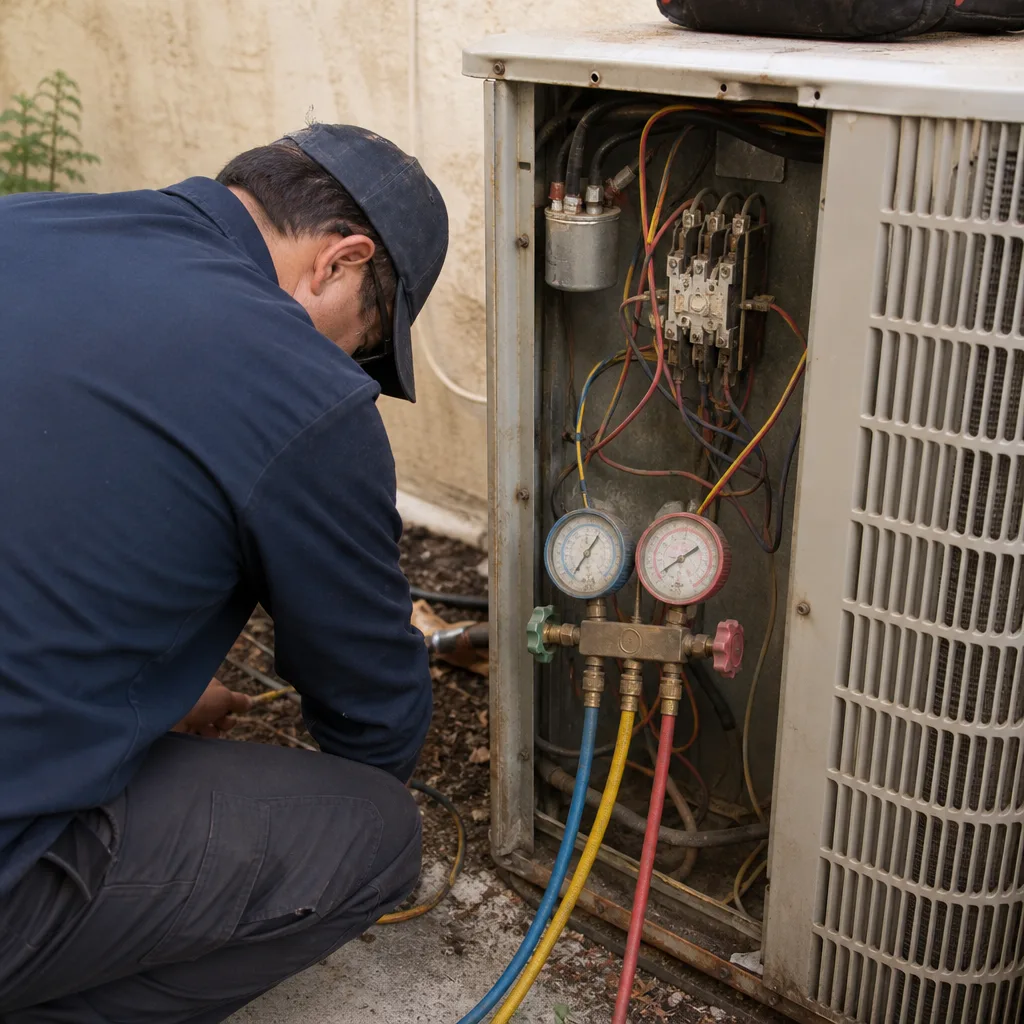 Before
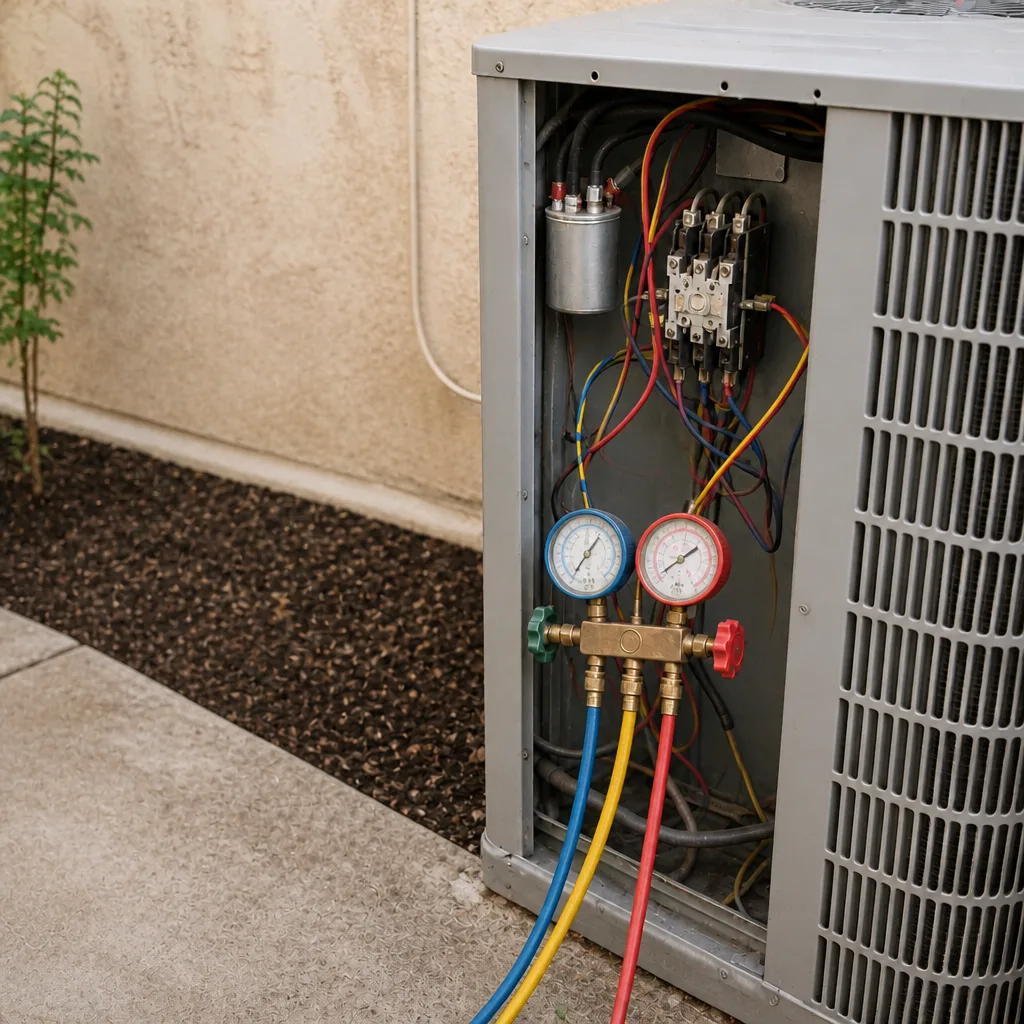 After
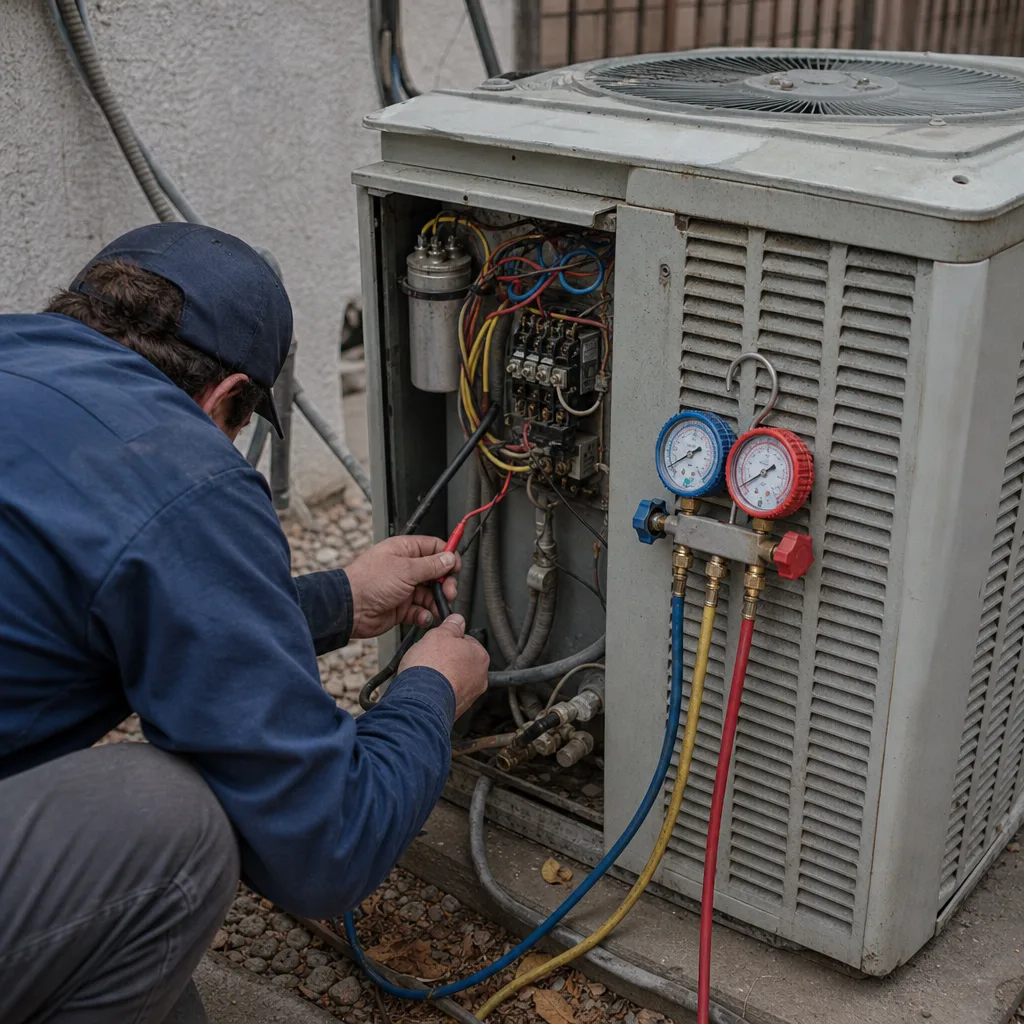 Before
 After
Why Is My AC Not Turning On in Whitney, NV? Check These Three Things First
The three most common reasons a Whitney AC won’t turn on are a tripped 240V double-pole breaker in the main panel, a failed dual-run capacitor that keeps the compressor from starting, and a burned contactor that won’t close the circuit to the condenser. Check them in that order. Most “no cool” calls we run in this part of the Las Vegas Valley trace back to one of those three electrical failure points, and the sequence matters: a breaker that resets and holds is a different problem from one that trips again immediately, and knowing which you have is the difference between a free fix and a service call you didn’t need. If you’d rather have it looked at, call (866) 329-8069 and a live person will pick up.
Whitney is an unincorporated bedroom community where nearly every house went up during the 1990s and 2000s tract boom. That means the systems we work on here are mostly original builder-grade equipment in stucco-and-tile subdivisions, 1,200 to 2,800 square feet, 10 to 14 SEER single-stage splits now hitting end of life. They fail in patterns. When the first 110°F heat wave lands in July, we get waves of simultaneous no-cool calls in the same few subdivisions, often finding the same failed capacitors and contactors in neighboring homes on the same street.
What to Check Before You Call Anyone
Start at the panel. Then work toward the condenser. This order saves the most time because it rules out the cheapest problems first.
- Check the breaker panel for a tripped 240V double-pole breaker. AC condensors run on a two-pole breaker, and when it trips, both halves move together. Look for a breaker that’s sitting halfway between on and off rather than fully to one side. Reset it once. If it holds, you may have caught a transient overload and the system may run fine. If it trips again immediately, stop there and call. A breaker that re-trips right away is telling you there’s a hard fault inside the system, and resetting it a third time risks damage to the compressor or the wiring.
- Confirm the thermostat is actually calling for cooling and the display is live. A blank or dead thermostat screen is its own clue. On many Whitney air handlers, a tripped 5A fuse on the control board cuts power to the thermostat entirely, so nothing reaches the condenser no matter what you set. If the screen is dark, that fuse is the first thing a technician will look at.
- Listen at the condenser. Put your ear near the outdoor unit while the thermostat is calling. A condenser that hums but won’t spin up is almost always a seized dual-run capacitor. The compressor is trying to start and can’t get the jolt it needs. A completely silent condenser points somewhere else, usually the low-voltage signal or the contactor.
That third check is where most homeowners should stop. The capacitor lives inside the condenser cabinet, and opening that panel means working around high-voltage terminals and a stored charge. We don’t recommend it. A trained technician with the right meter can confirm a bad capacitor in a couple of minutes, and it’s the kind of check that belongs to someone who does it every day.
Why Capacitor Failures Cluster in Whitney Every June and July
The capacitors in those original builder-grade Whitney condensers were rated for roughly 85°C to 95°C ambient at the cap itself. On a 115°F day, the interior of a condenser box sitting in full sun on an unshaded south- or west-facing side yard runs hotter than that rating. Heat degrades capacitors faster than the nameplate life suggests, and after twenty summers in the desert, they’re on borrowed time. The same sun that makes a Whitney yard tough on tomatoes makes it tough on a start capacitor.
That’s why the failures come in clusters. Neighbors whose homes went up the same year, with the same builder-grade equipment, hit the same wall in the same week. If your next-door neighbor’s AC died last Tuesday and yours is humming but not spinning today, a failed capacitor is the first thing to suspect.
The High-Pressure Lockout Nobody Warns You About
There’s a fourth failure mode that’s specific to desert heat and often mistaken for a dead system. When ambient temperatures climb past 110°F and the condenser coil is fouled with desert dust, refrigerant head pressure spikes above the safety cutout threshold and the system locks out. It will sometimes restart on its own after 30 minutes of rest in the shade, which fools people into thinking the problem fixed itself. It hasn’t. The coil fouling that caused the lockout is still there, and the next hot afternoon will trip it again. Coil cleaning and a filter change address the cause; ignoring it just moves the failure to a worse day.
When “Nothing Happens Anywhere,” Suspect the Low-Voltage Side
There’s a difference between an AC that won’t start and an AC where nothing happens at all. If the thermostat is dark, the condenser is silent, and the air handler doesn’t respond either, the problem is likely upstream of all of it: a failed 24V transformer or a blown fuse on the air-handler control board. That cuts the signal before it ever reaches the condenser. The 24V low-voltage wiring is thin and easy to damage, and a transformer that’s given out won’t send a call anywhere.
This is the failure that looks most like a dead system and is often the cheapest to fix. It’s also the one homeowners are least likely to diagnose themselves, because it requires a multimeter and a comfort level with the control board. That’s a job for a journeyman, not a homeowner with a flashlight.
What Repairs Actually Cost in Whitney
Here’s what AC work runs in this market. The price quoted is the price paid, and there’s no surprise line item at the end.
| Service | Typical Range |
|---|---|
| AC Repair | $150-$650 |
| Furnace Repair | $150-$700 |
| AC Installation | $3,500-$7,500 |
| Seasonal Tune-Up | $80-$200 |
A capacitor or contactor replacement usually lands at the low end of the AC repair range. A compressor or a control board pushes toward the top. The honest answer to “is it cheaper to repair or replace?” depends on the age of the system and what’s actually failed. On a 20-year-old builder-grade unit in Whitney, a $400 repair on a system nearing the end of its life is worth a straight conversation, not a sales pitch. Fireside Heating & Air Co. Whitney will tell you which way the math points, and we offer a free second opinion on any written estimate if you’ve already gotten one elsewhere.
Fireside has served homeowners in this valley for over 42 years and is trained on nine major brands, including York, Daikin, Bryant, and American Standard. Most jobs are done in a single visit. If the repair is more involved, our AC Repair & Installation page covers the full scope, and our AC Repair & Installation in Whitney page walks through what to expect on a Whitney job specifically. Our technicians have up to 8 years of experience, are background-checked, and put on shoe covers without being asked.
When to Stop Checking and Call
Stop and call a pro the moment one of these happens:
- The breaker trips again immediately after you reset it.
- You smell burning, scorched plastic, or anything electrical near the panel or the condenser.
- Checking the capacitor would mean opening the condenser cabinet. Don’t.
- Nothing happens anywhere, and the thermostat screen is dark.
Those are the points where a trained set of hands saves you money rather than costing you. Fireside answers the phone with a live person 24 hours a day, every day, and carries the common capacitor and contactor sizes on the truck so a journeyman can handle most of these in one visit. Every job is backed by the 90-Day Done Right Promise: done right, or we make it right, in writing, no arguing.
If you’re in the market for a tune-up before the next heat wave, our seasonal tune-up is $89, and there’s a standing $50 off any repair over $250. Seniors and veterans get 5% off, always.
FAQs
In Whitney, the most likely cause is the high-pressure lockout: desert dust fouling the condenser coil drives refrigerant head pressure past the safety cutoff, and the system shuts itself down. It sometimes restarts after 30 minutes of shade, but the coil fouling is still there. Call (866) 329-8069 and we’ll clean the coil and check the charge.
On a system under 15 years old with a single failed part, repair is almost always cheaper, typically $150-$650 versus $3,500-$7,500 for a full replacement. On a 20-year-old original builder-grade unit in one of Whitney’s 1990s tract subdivisions, repeated repairs start to lose their value. Call (866) 329-8069 for a straight answer on which side of that line you’re on.
Same-day service is usually available for no-cool calls in Whitney, and emergency service runs around the clock. Phones are answered by a live person 24/7, never a voicemail tree, so you get a real answer the first time you call. Call (866) 329-8069.
AC repair in Whitney typically runs $150-$650 depending on the part. A capacitor or contactor sits at the low end; a compressor or control board sits at the top. Call (866) 329-8069 for an exact quote. Estimates are free, and the price quoted is the price paid.
If you’d rather have it looked at, Fireside Heating & Air Co. Whitney offers a no-pressure assessment in Whitney, and we’ll tell you plainly what’s wrong and what it costs before any work starts. Call (866) 329-8069 for a free estimate, day or night. You can start with our home page if you’d like to see everything we handle.
Written by the team at Fireside Heating & Air Co. Whitney, serving Whitney, NV.