
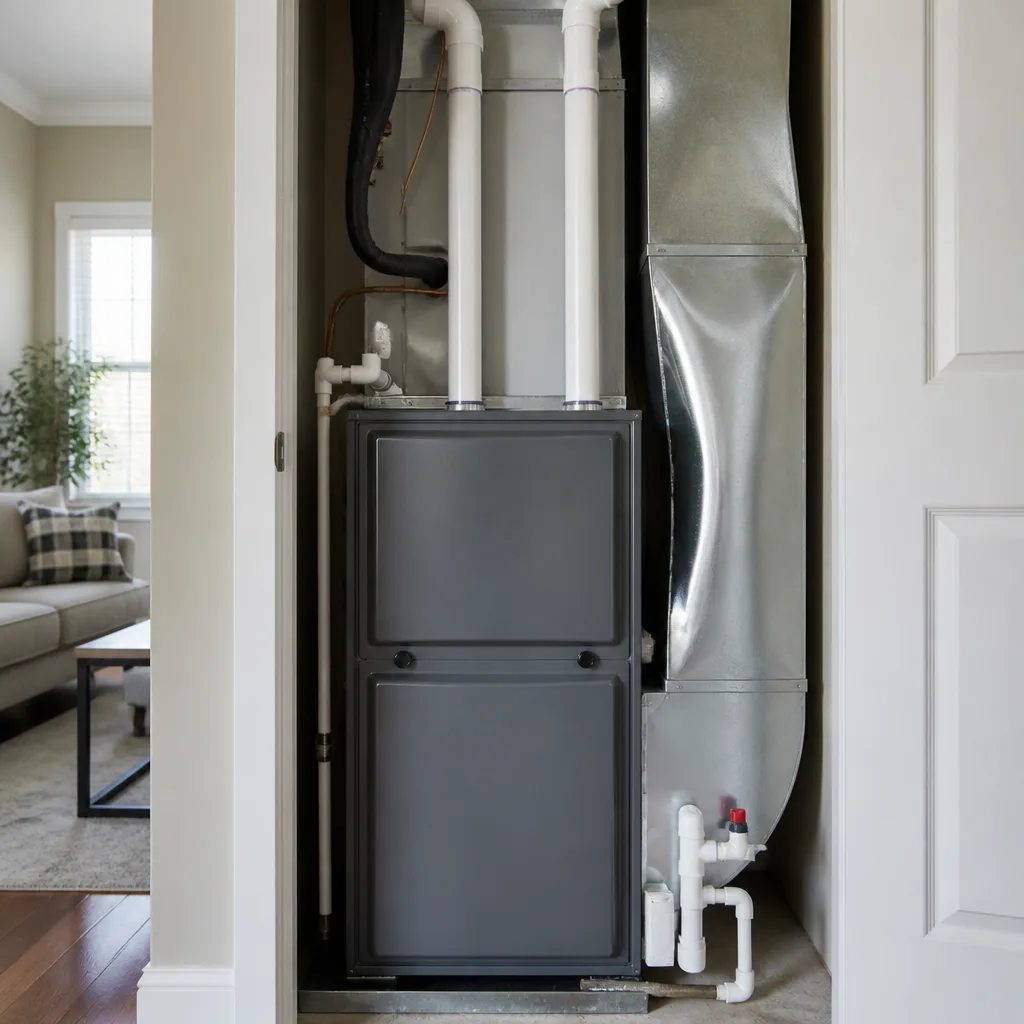
 Furnace & heating
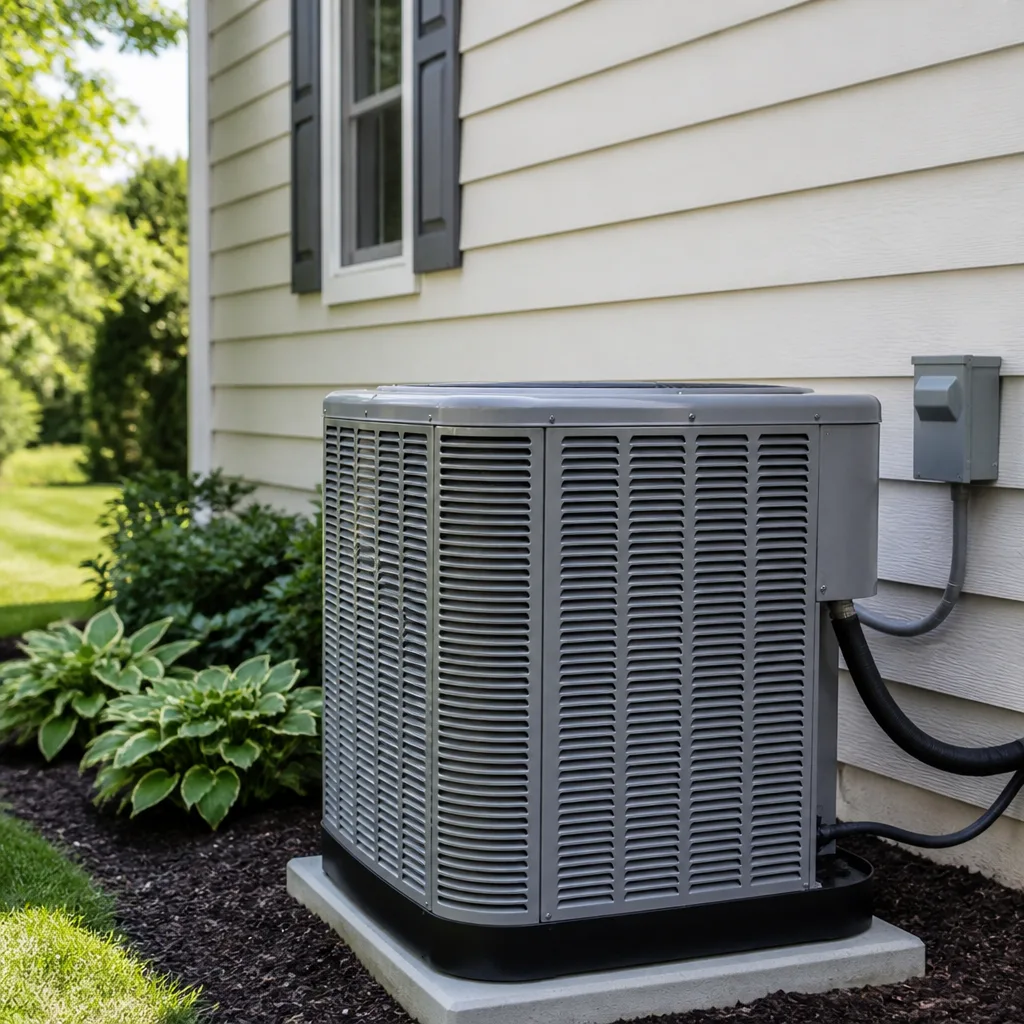 AC repair
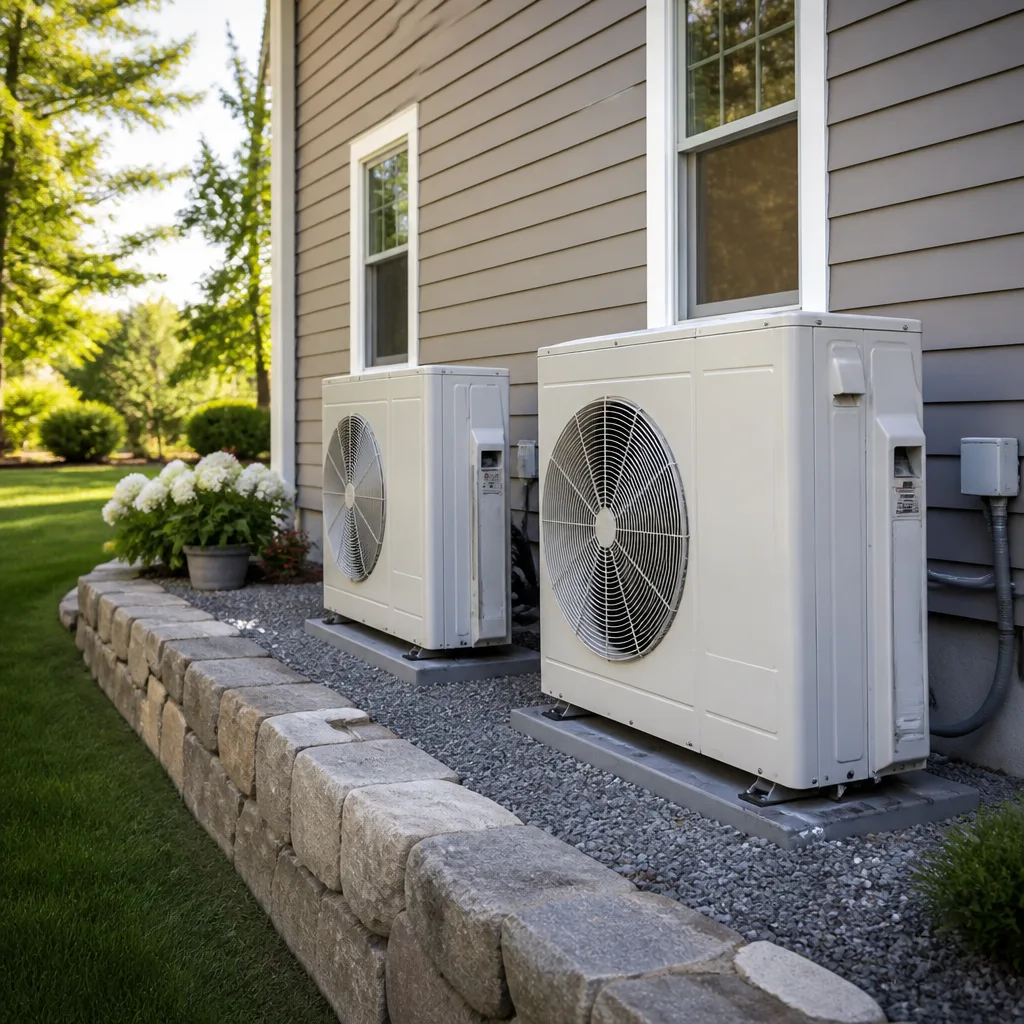 Heat pumps
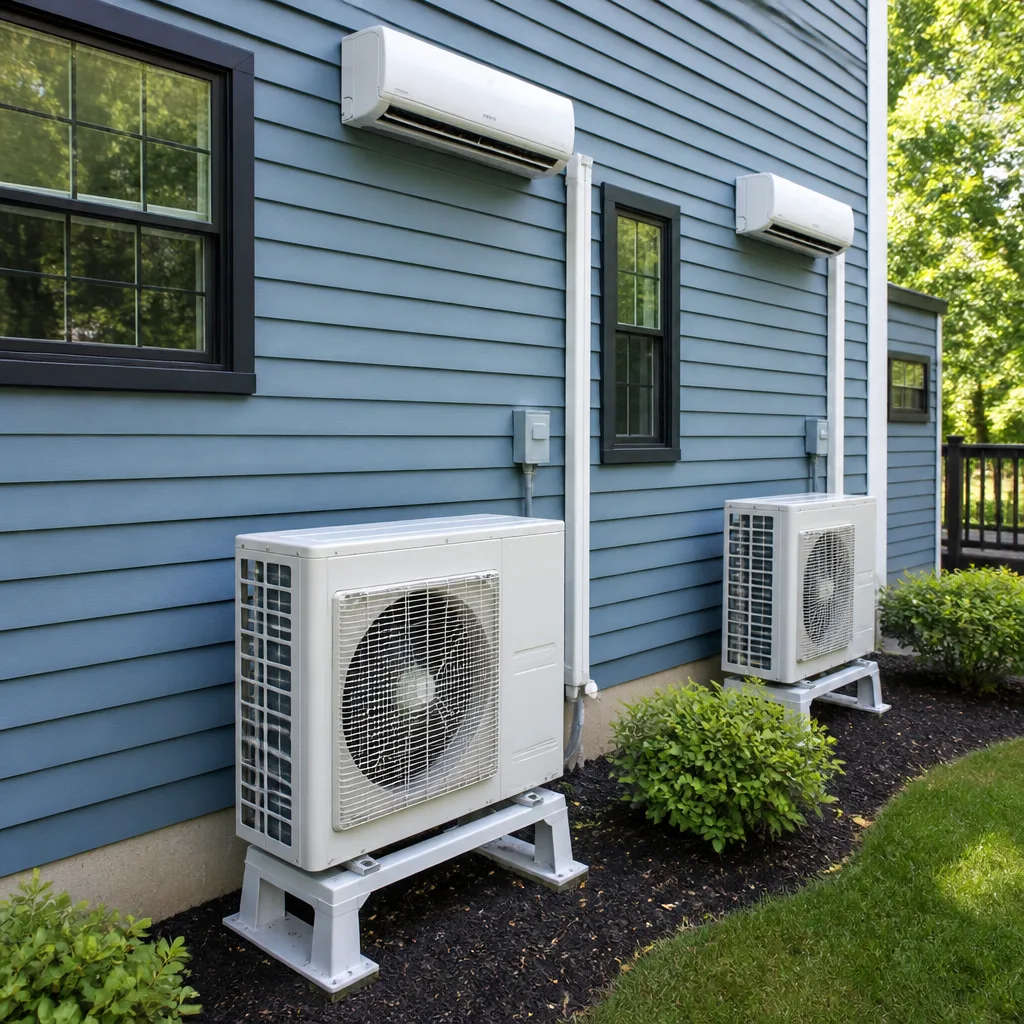 Ductless mini splits
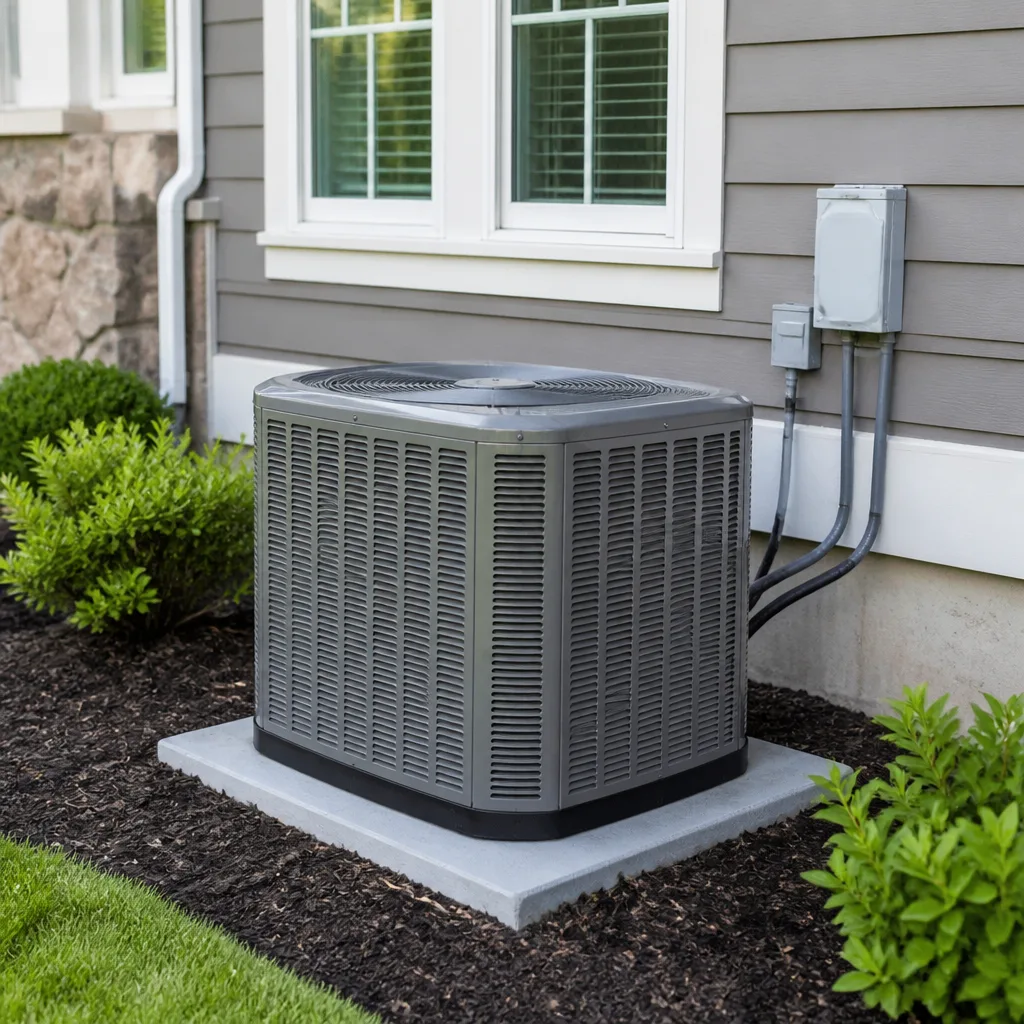 Carrier
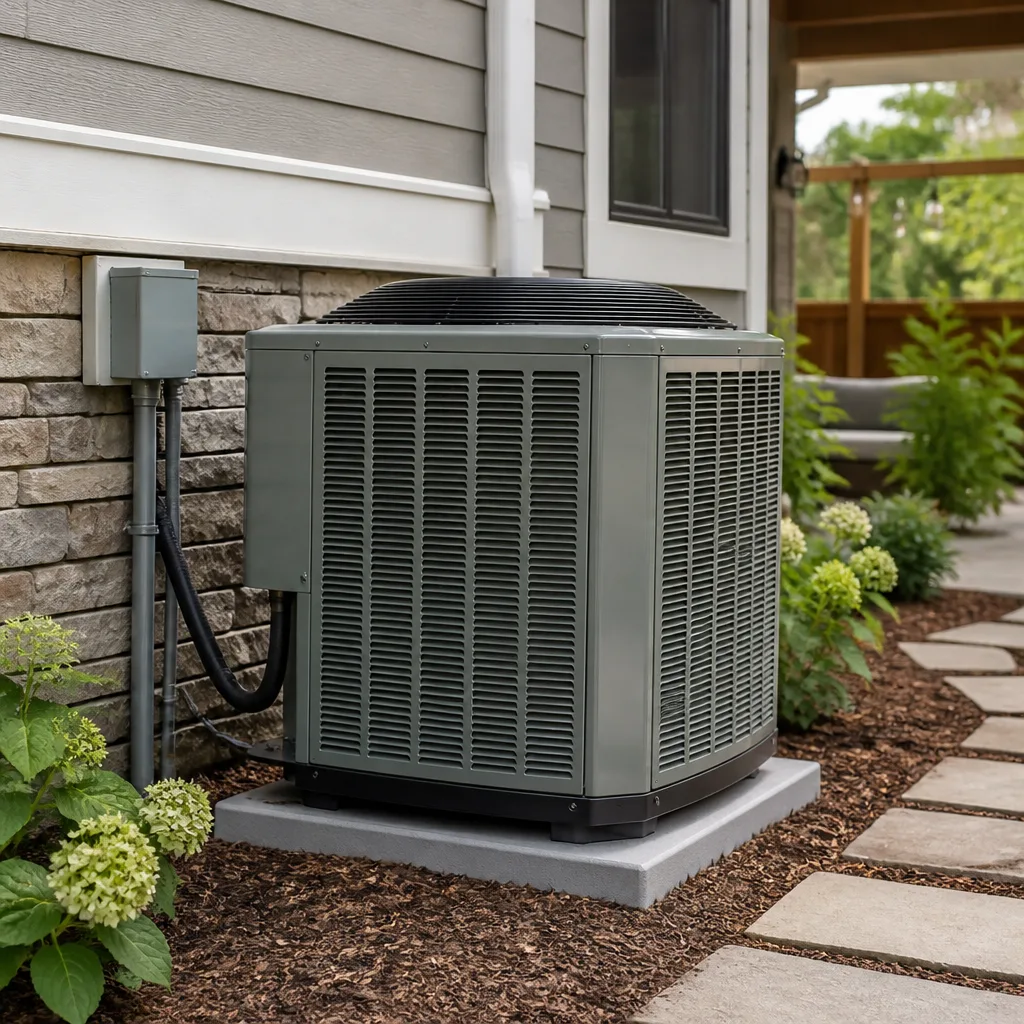 Trane
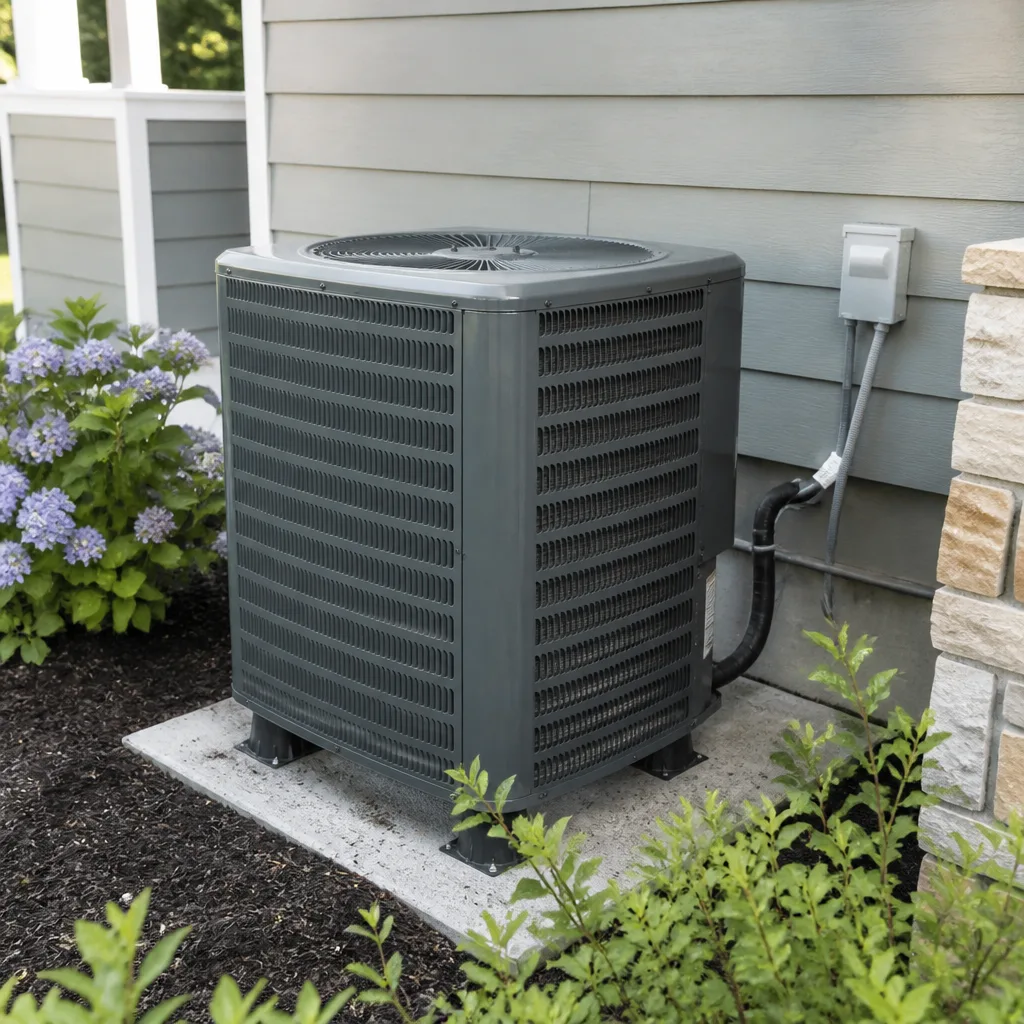 Goodman
Seasonal tune-up and full diagnostic on your Carrier, Trane, or Goodman system - readings shown to you before any repair is proposed
Diagnosis first, numbers second - you approve the repair price before a single part goes in.
Get your free estimateStyles & brands we work with
- AC repair
- Furnace & heating
- Heat pumps
- Ductless mini splits
- Carrier
- Trane
- Goodman
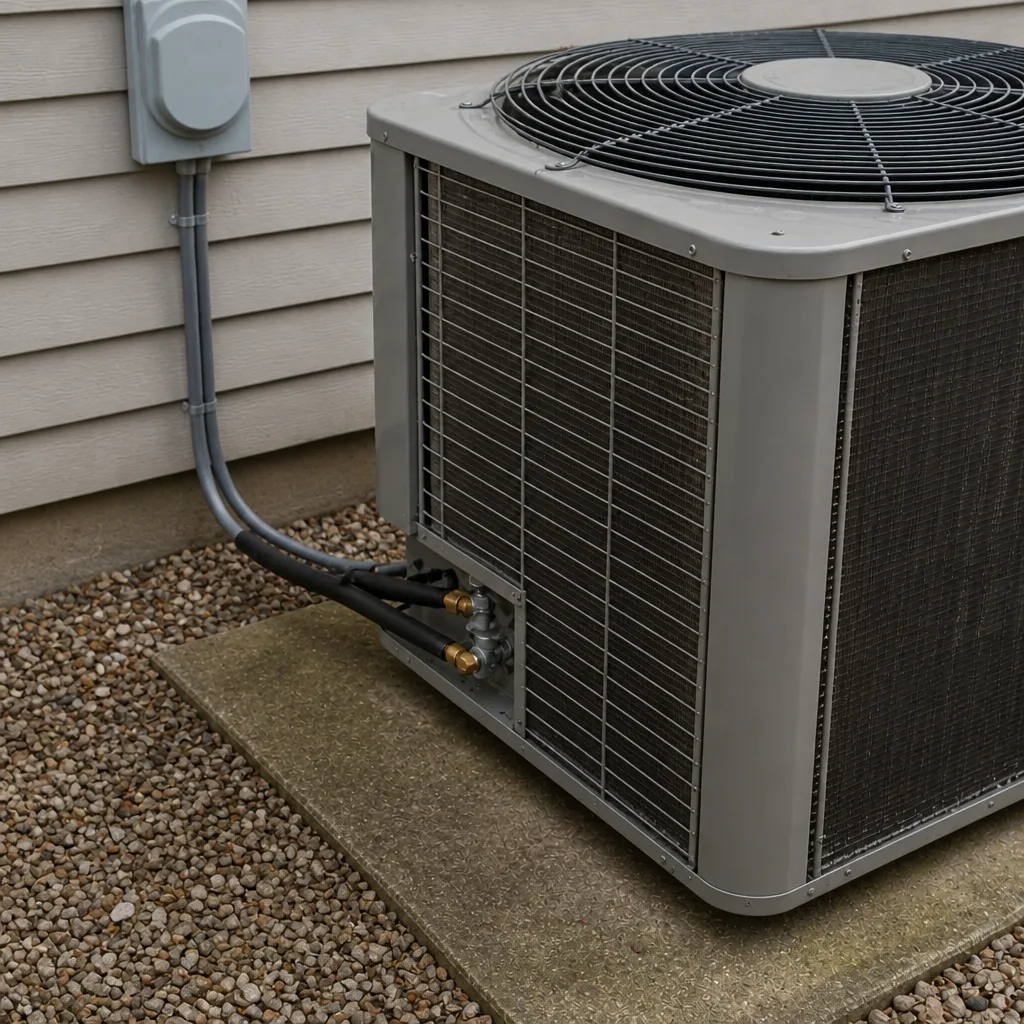
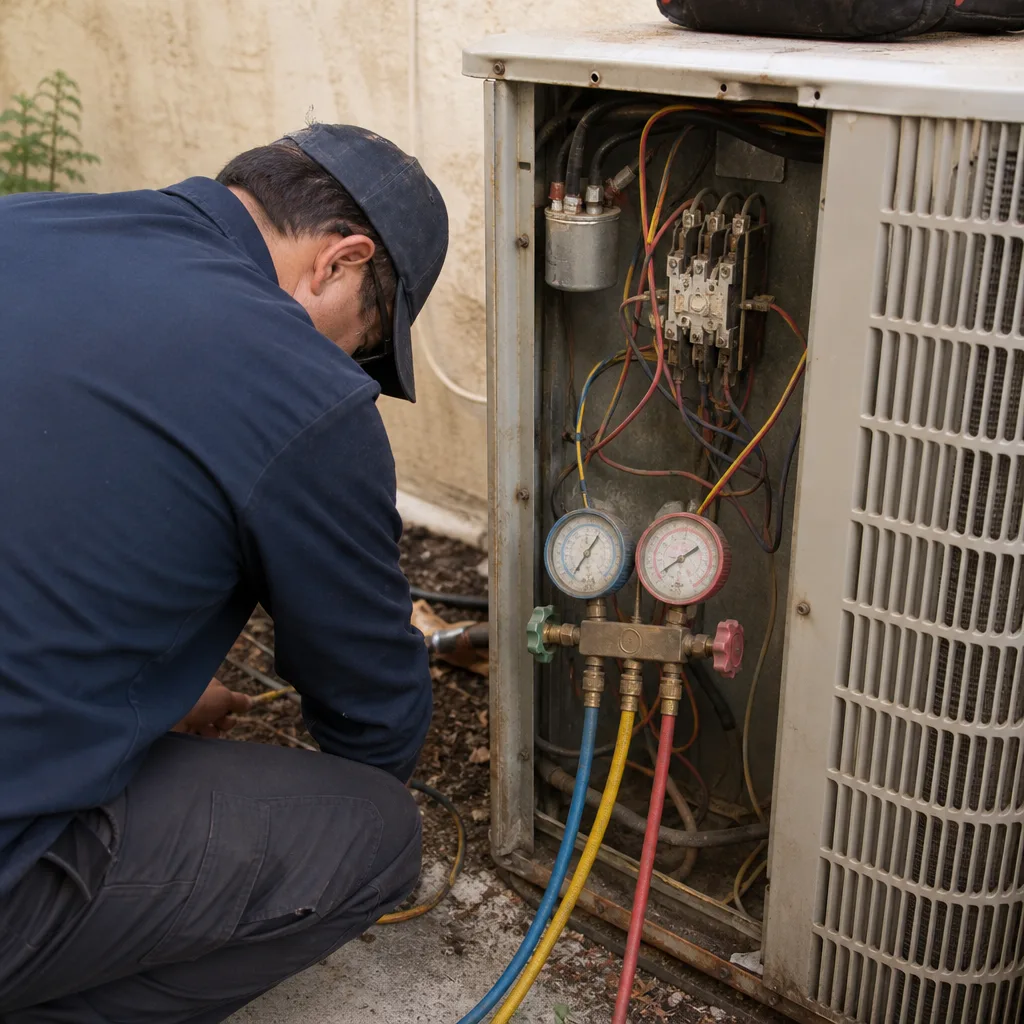
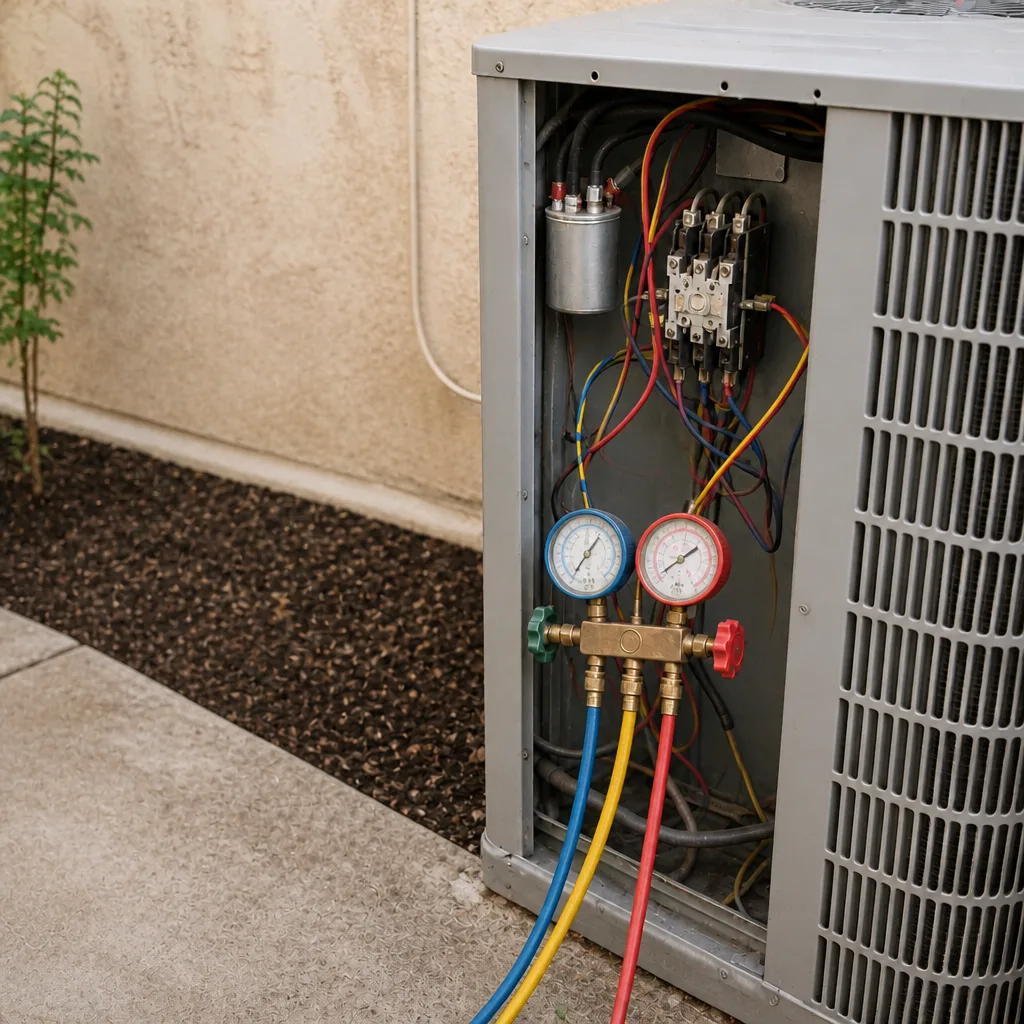
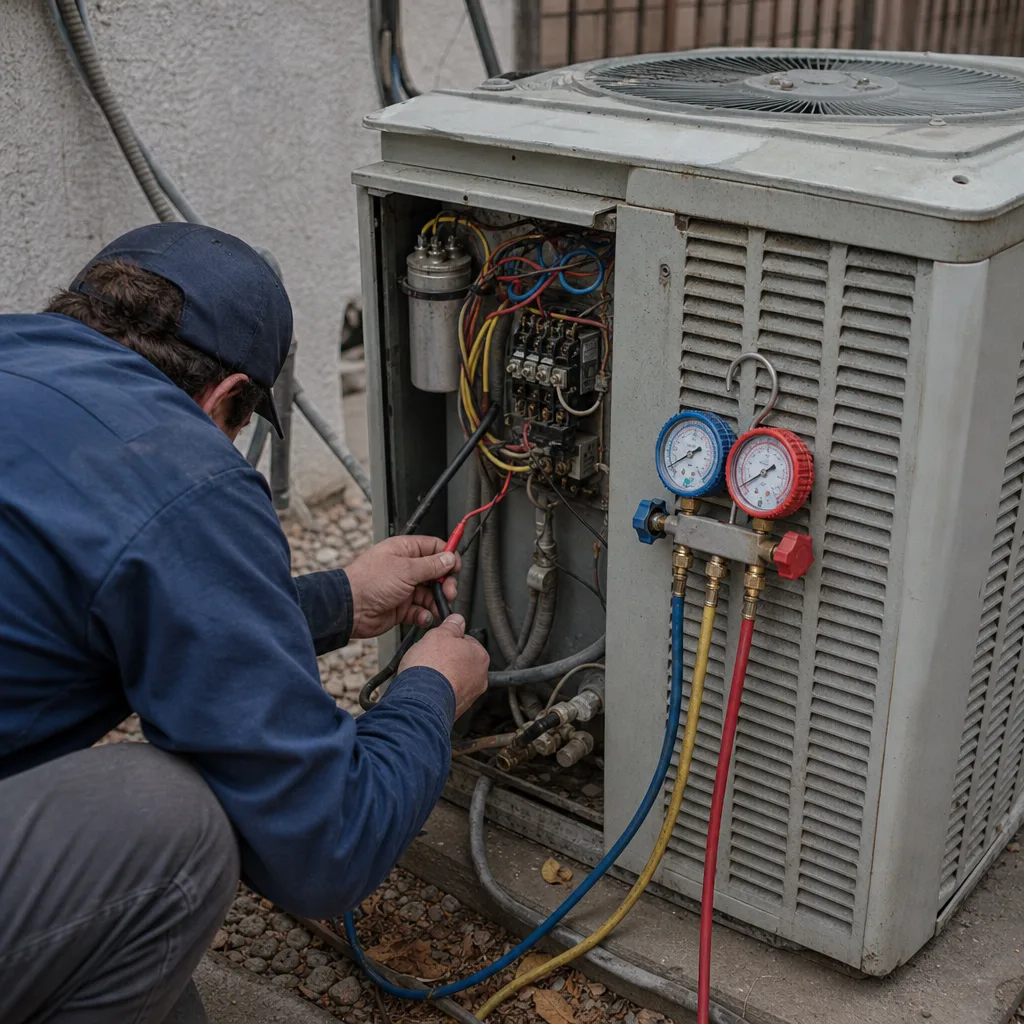
See the difference
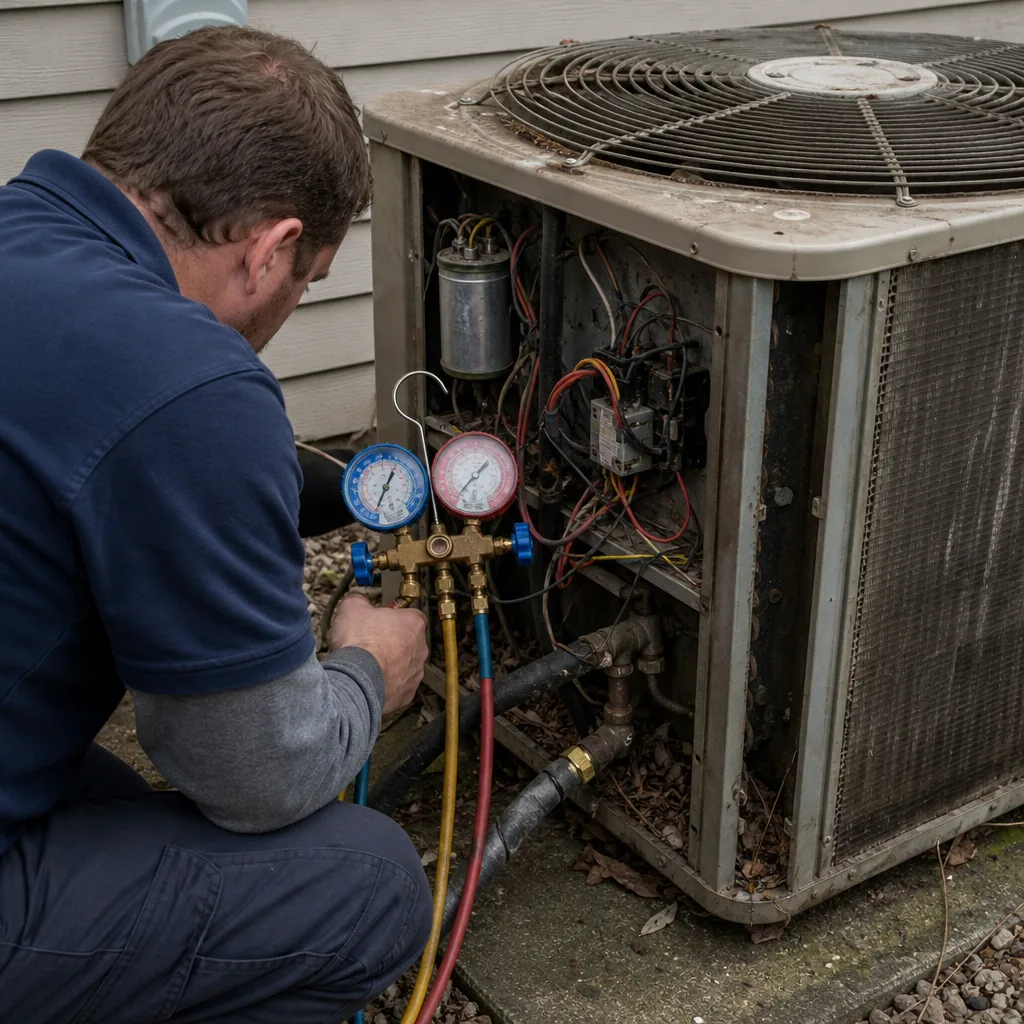 Before
 After
 Before
 After
 Before
 After
Why Is My AC Blowing Warm Air in Whitney, NV?
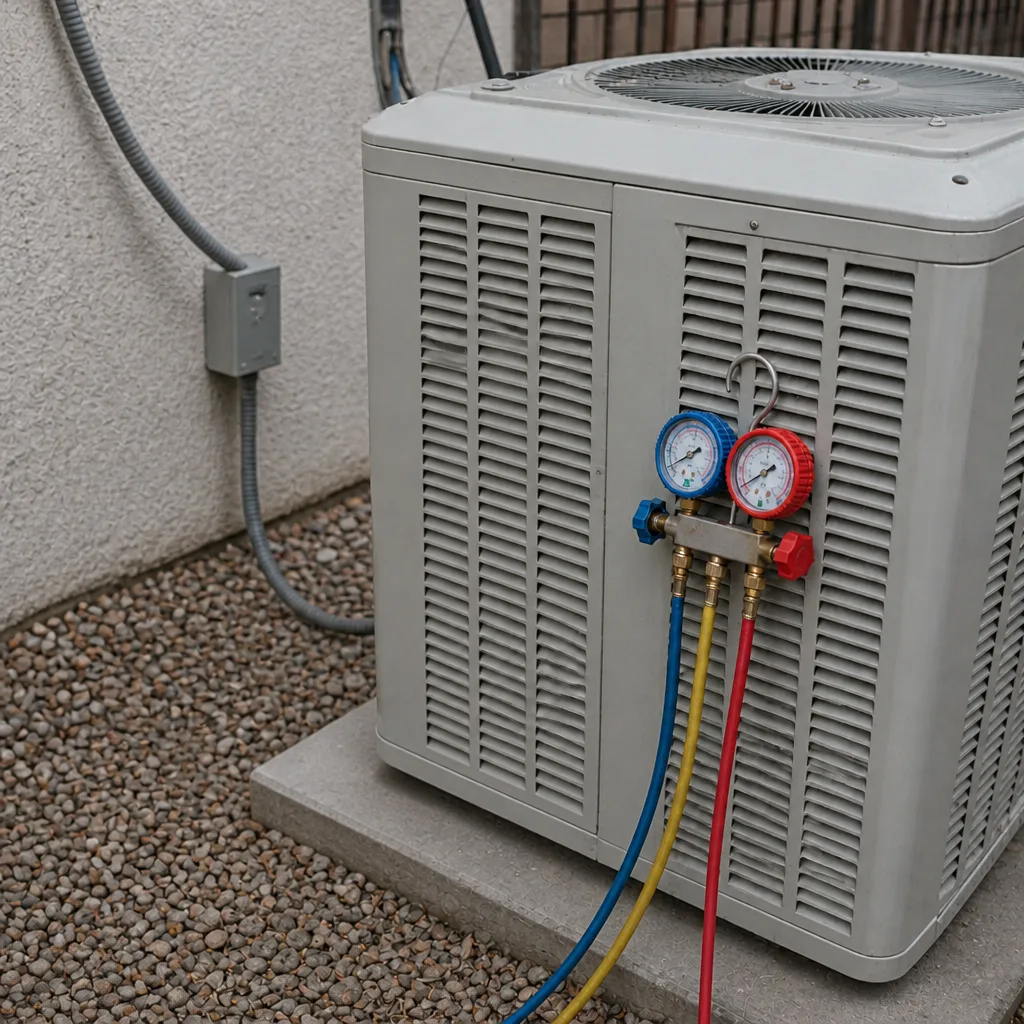
The short answer for most Whitney homes: the AC is blowing warm air because the outdoor condenser has stopped rejecting heat, and in this valley that usually traces to one of three things - a failed dual-run capacitor, a refrigerant leak, or an evaporator coil packed with desert dust. On a 108°F July afternoon, the single most likely culprit is a $25 dual-run capacitor that a technician can confirm with a multimeter in about two minutes. But the second most likely cause is a refrigerant leak that will cost you again next summer if the capacitor swap is all anyone does. If your system is running but the air coming out of the vents feels like room temperature, call (866) 329-8069 and we’ll tell you straight what’s wrong.
The Three Causes That Account for Most Warm-Air Calls in Whitney
Whitney is an unincorporated Las Vegas Valley bedroom community, and nearly every home here went up during the 1990s-2000s tract boom. That matters for diagnosis. The builder-grade condensers that came with these stucco-and-tile subdivisions are now twenty-plus years old and failing in clusters, especially during the first 110°F+ heat wave each summer. We see waves of no-cool calls in the same few streets, and often find the same failed capacitors and contactors across neighboring homes. If you’ve lived in your house for two decades, your system is a first-generation unit under continuous high load from May through September. That load pushes three parts to the front of the line.
1. A failed dual-run capacitor (the most common single cause)
A capacitor gives the compressor and fan motor the jolt they need to start and keep running. Heat is its enemy, and your condenser has sat in full Mojave sun for two decades. When it fails, the compressor may hum and quit, or the outdoor fan may stop while the indoor blower keeps pushing air that never gets cooled. You feel warm air at the vents. This is the cheapest fix on the list, typically $150-$300 as part of a repair visit, and it’s why we diagnose this first.
2. A refrigerant leak (the one that bites you twice)
On 20-year-old systems, leaks show up most often at Schrader valves and along the evaporator coil, where years of expansion and vibration open small gaps. Low refrigerant means the system can’t absorb heat from your home, so it blows air that never really cools. The trap: if a technician only tops off the charge or swaps the capacitor without finding the leak, you’ll be calling again next July. Proper diagnosis means locating the leak and quoting the repair honestly, not just refilling and leaving.
3. A dirty evaporator coil clogged with desert dust
Desert dust intrusion is relentless here. When that dust packs the indoor evaporator coil, airflow drops, the coil can ice over, and the system blows air that feels unconditioned or barely cool. This is a Whitney-specific pattern. Dry desert air means moisture freezes on a cold, restricted coil faster than it would in a humid climate. If you see ice on the indoor coil or the refrigerant lines, turn the system off for two hours before you call. That’s the right move, and it protects the compressor while you wait.
Why a Frozen Coil and a Sun-Baked Condenser Both Fool Homeowners
Two situations in Whitney look like a refrigerant failure but aren’t, and knowing them can save you a service call.
- The frozen evaporator coil. Ice means restricted airflow, usually from a clogged coil or filter. Thawing it out before a technician arrives lets us diagnose the real restriction instead of guessing at refrigerant.
- The full-sun condenser. Many Whitney lots put the condenser in direct western afternoon sun. At 115°F ambient, that unit can trip its high-pressure limit and drop to fan-only mode, blowing room-temperature air. It reads like a refrigerant problem. A little shade or a trimmed-back shrub often resolves it.
There’s a third that gets skipped far too often: the thermostat and its wiring. A 20-year-old Whitney tract home may still have its original thermostat and two-wire low-voltage wiring. A corroded R-wire connection can cause intermittent warm-air complaints that chase a homeowner through multiple service calls before anyone checks the wire. We test the low-voltage side early so you’re not paying for a second visit to find a loose connection.
What to Check Before You Call (90 Seconds, Rules Out Two Common Calls)
Two of the calls we get every week turn out to be simple settings, so run these first. It takes about a minute and a half.
- Set the thermostat to Cool and Auto, not Fan. On fan-only, the blower runs continuously and pushes uncooled air. That’s the single most common “warm air” call we resolve by phone.
- Check that the outdoor condenser is actually running - you should hear the compressor and feel the fan moving air. If only the indoor air handler is running, the problem is outside, not at the thermostat.
- Check the air filter. A clogged filter chokes airflow and can freeze the coil. Swap it if it’s gray with dust.
If those three check out and the air is still warm, the issue is in the equipment. That’s when it’s worth having a trained set of eyes on it. Our technicians have up to 8 years of experience, and every job is backed by our written 90-Day Done Right Promise. Done right, or we make it right.
Straight Talk on Repair Versus Replace
If your Whitney home still has its original 10-14 SEER single-stage system from the tract era, a warm-air diagnosis may lead to a bigger question. A capacitor or a repaired leak on a twenty-year-old unit is often the right call, especially if the rest of the system is sound. But when a compressor is failing and the coil is fouled, the math shifts. We quote both honestly, never push a replacement you don’t need, and stand behind whichever path you choose, in writing, for 90 days.
What Warm-Air Repairs Typically Cost in Whitney
Pricing here reflects the Whitney market and the age of the housing stock. These are the ranges we work within, and the price we quote is the price you pay.
| Service | Typical Range |
|---|---|
| AC repair (capacitor, contactor, common fixes) | $150-$650 |
| Seasonal tune-up | $80-$200 |
| AC installation / replacement | $3,500-$7,500 |
We service the major residential brands, including Goodman, Rheem, and York, so there’s a good chance the unit in your side yard is one we know well. For a fuller look at what repair and replacement involve, see our AC Repair & Installation in Whitney page. You can also read more about AC Repair & Installation in general, or start from the home page.
A note on safety: the capacitor and the refrigerant circuit inside your condenser carry stored charge and high pressure. Confirming a bad capacitor with a multimeter is a job for a technician. Please don’t open the electrical panel or handle refrigerant lines yourself.
FAQs About AC Blowing Warm Air in Whitney
If the indoor fan runs but the air is warm, the outdoor condenser has usually stopped cooling - most often a failed dual-run capacitor, low refrigerant from a leak, or a dust-clogged evaporator coil. The fan moving air doesn’t mean the system is cooling it. Call (866) 329-8069 and we’ll diagnose which one it is; estimates are free.
Afternoon-only warm air usually points to a condenser sitting in direct western sun that trips its high-pressure limit and drops to fan-only mode as afternoon temperatures peak. A clogged filter or coil can worsen it. Shading the unit or trimming shrubs often helps, and a technician can confirm it. Call for an assessment - the second opinion is free.
Often, yes. Whitney warm-air calls cluster during the first big heat wave, and we work to get to the same-day requests first. A live person answers the phone 24/7, so call (866) 329-8069 and we’ll give you a realistic window, not a runaround.
Repair is usually cheaper when it’s a single part like a capacitor or a located leak, while replacement makes more sense when a twenty-year-old compressor and fouled coil both fail. Whitney AC repair runs $150-$650; a full replacement sits at $3,500-$7,500. We quote both honestly and let you decide. Call (866) 329-8069 for a free estimate.
If you’d rather have it looked at than keep guessing, Fireside Heating & Air Co. Whitney offers a no-pressure assessment in Whitney. We’ll tell you what’s wrong, what it costs, and fix it right the first time. Call (866) 329-8069.
Written by the team at Fireside Heating & Air Co. Whitney, serving Whitney, NV.