
Last updated November 18, 2026
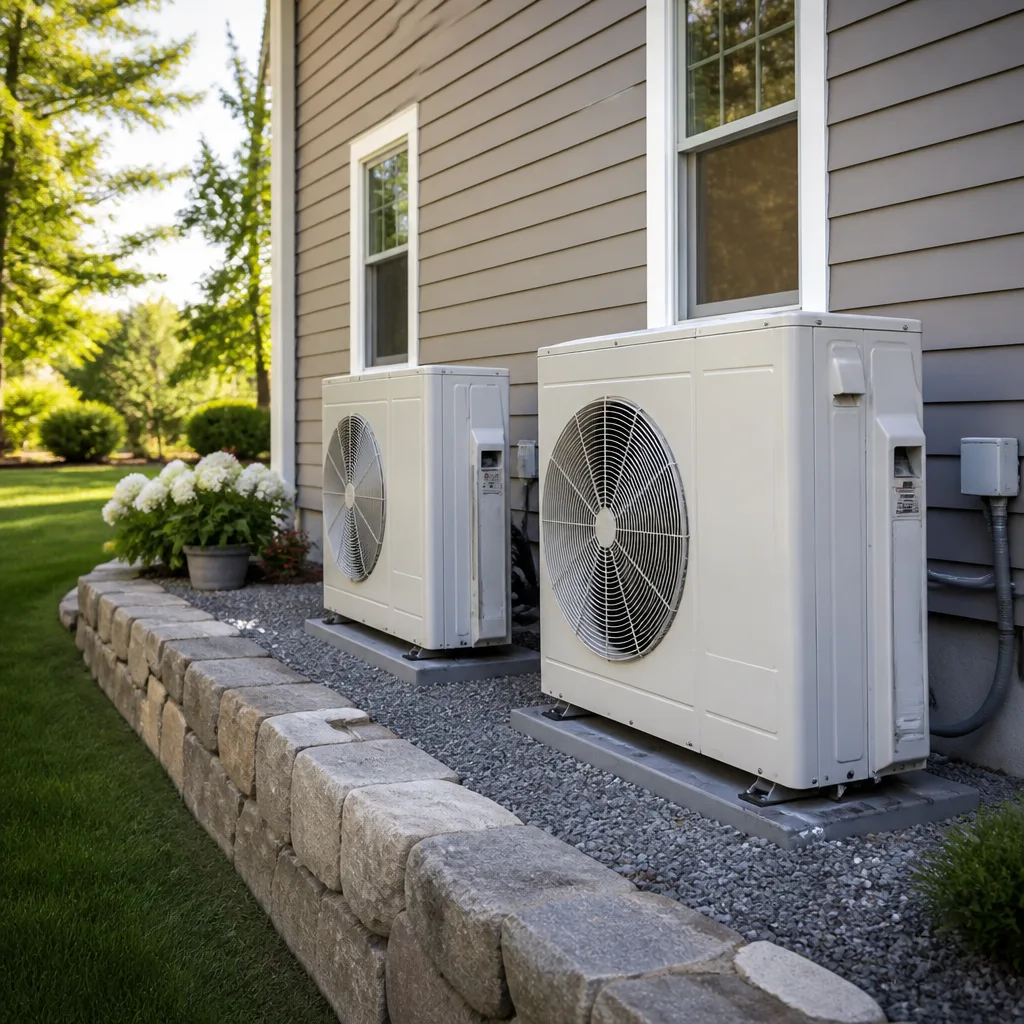 Heat pumps
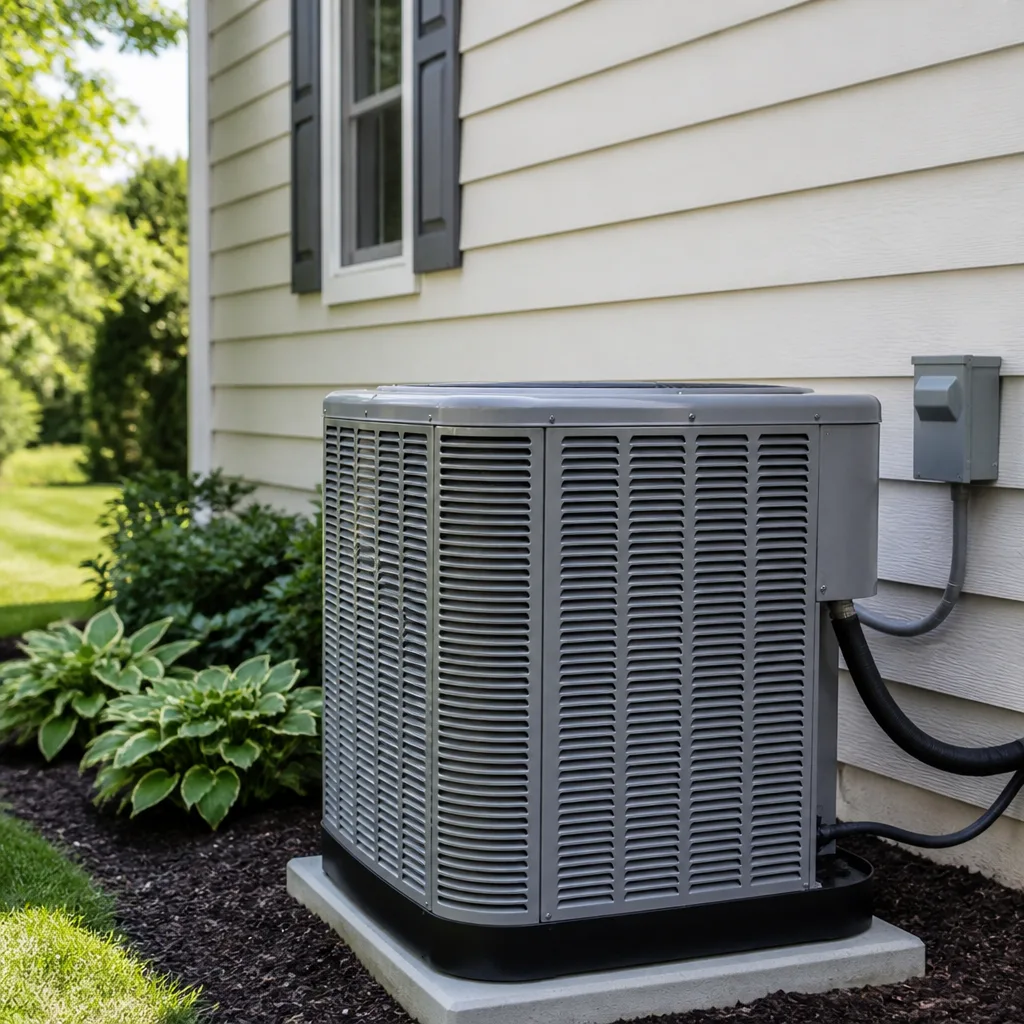 AC repair
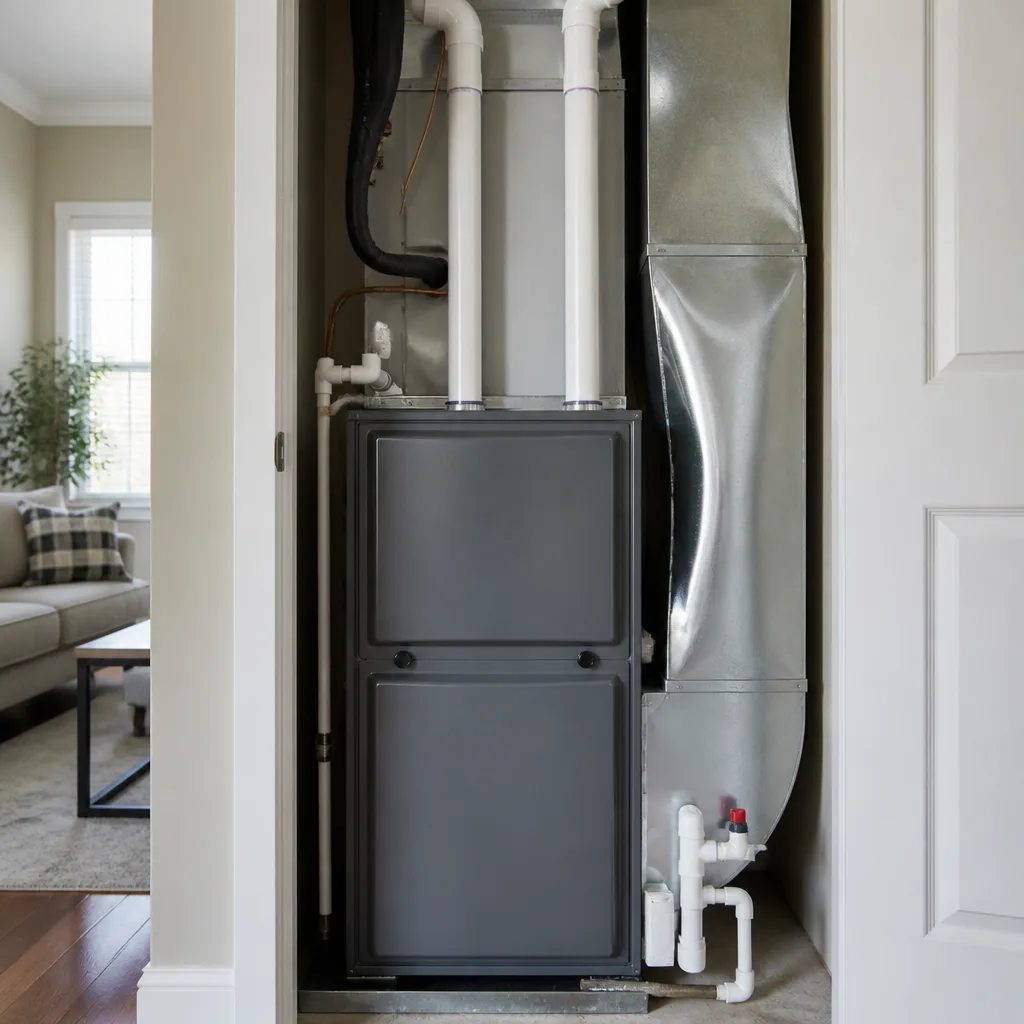 Furnace & heating
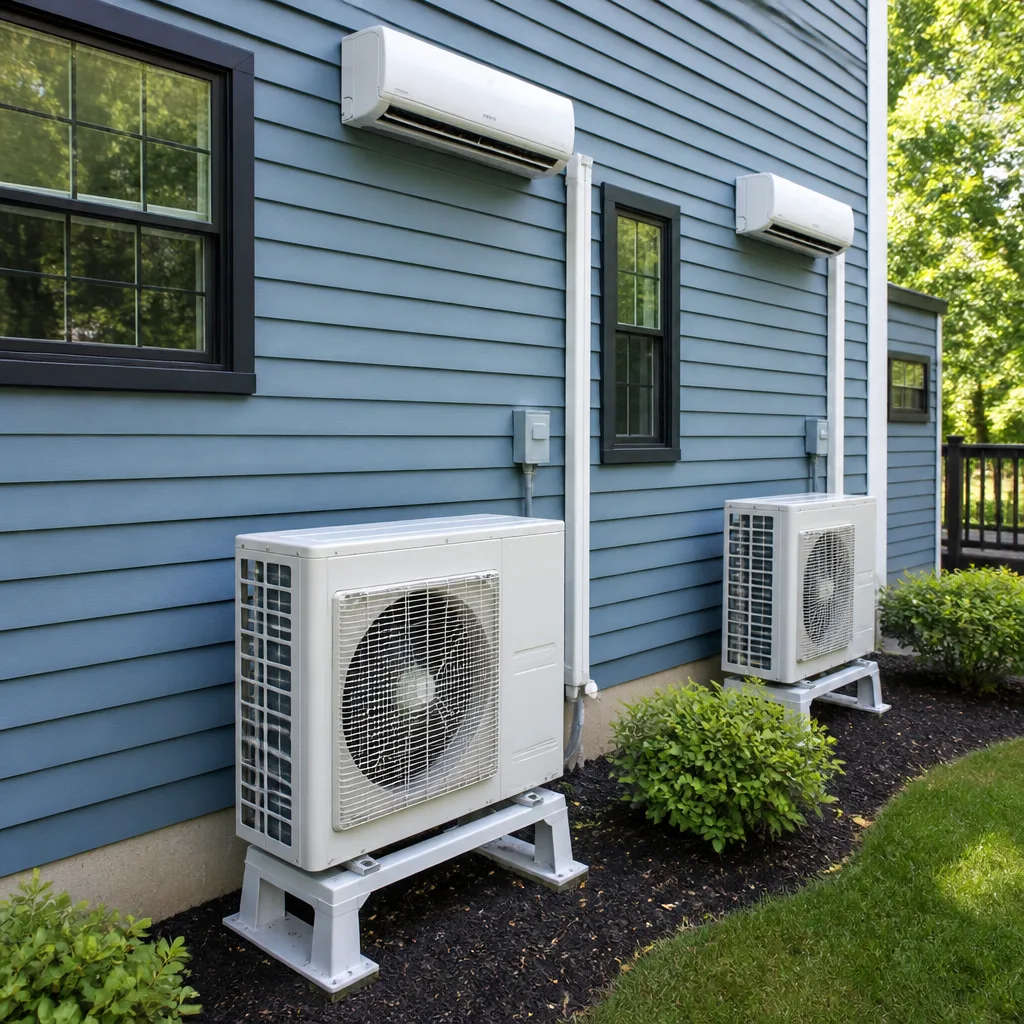 Ductless mini splits
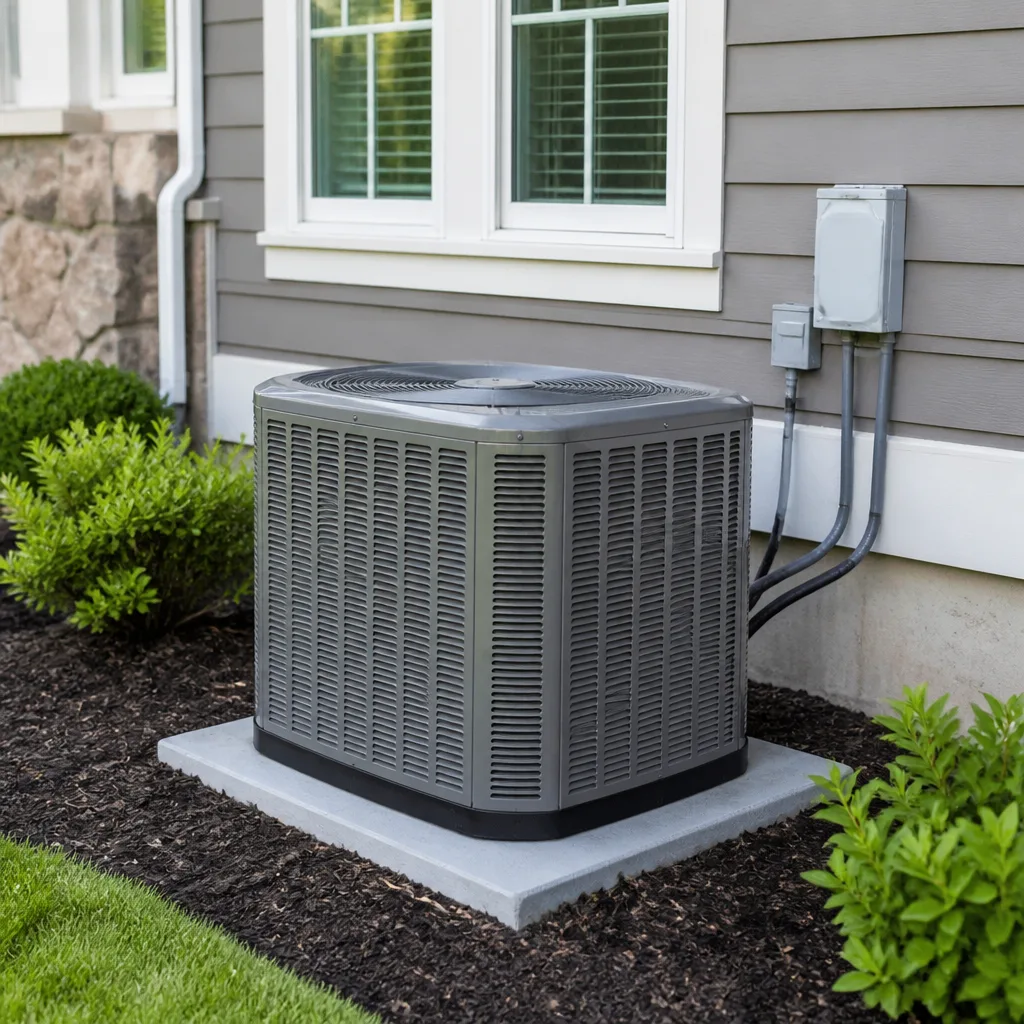 Carrier
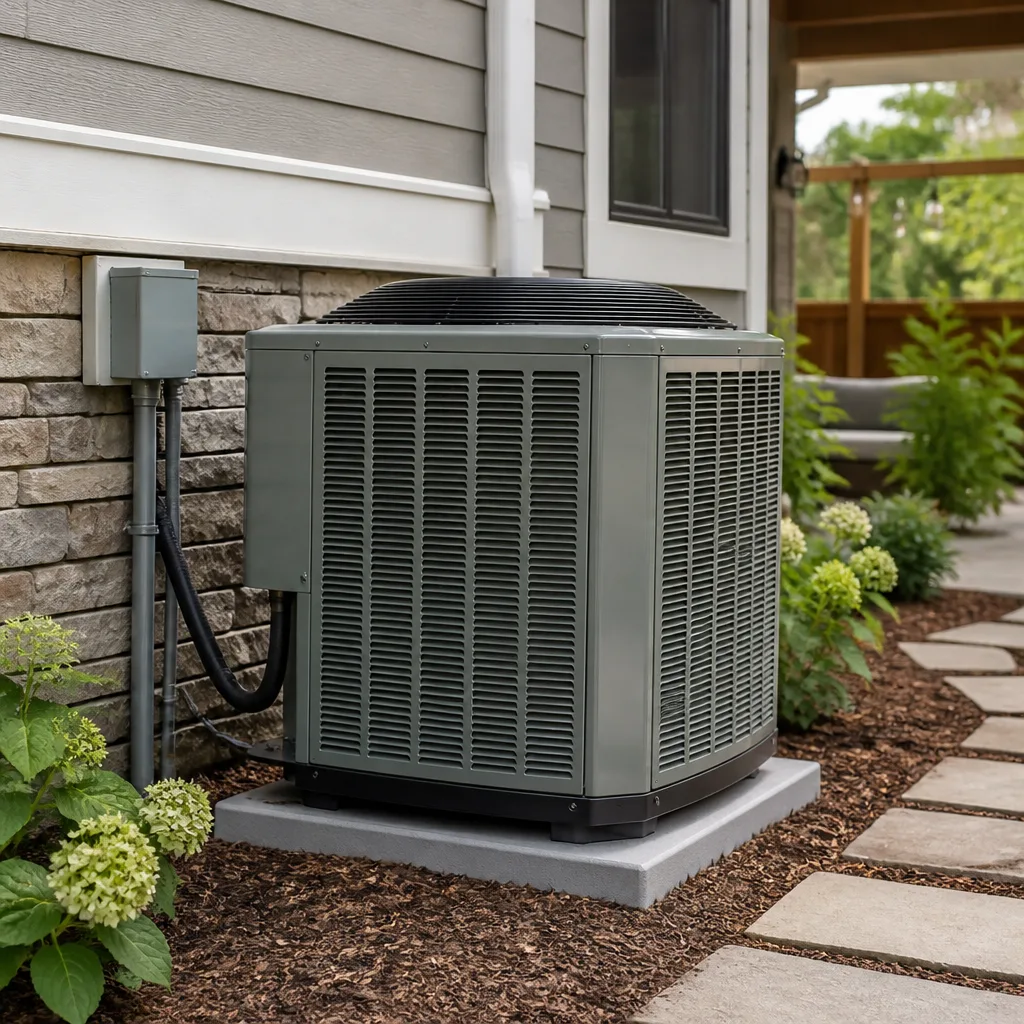 Trane
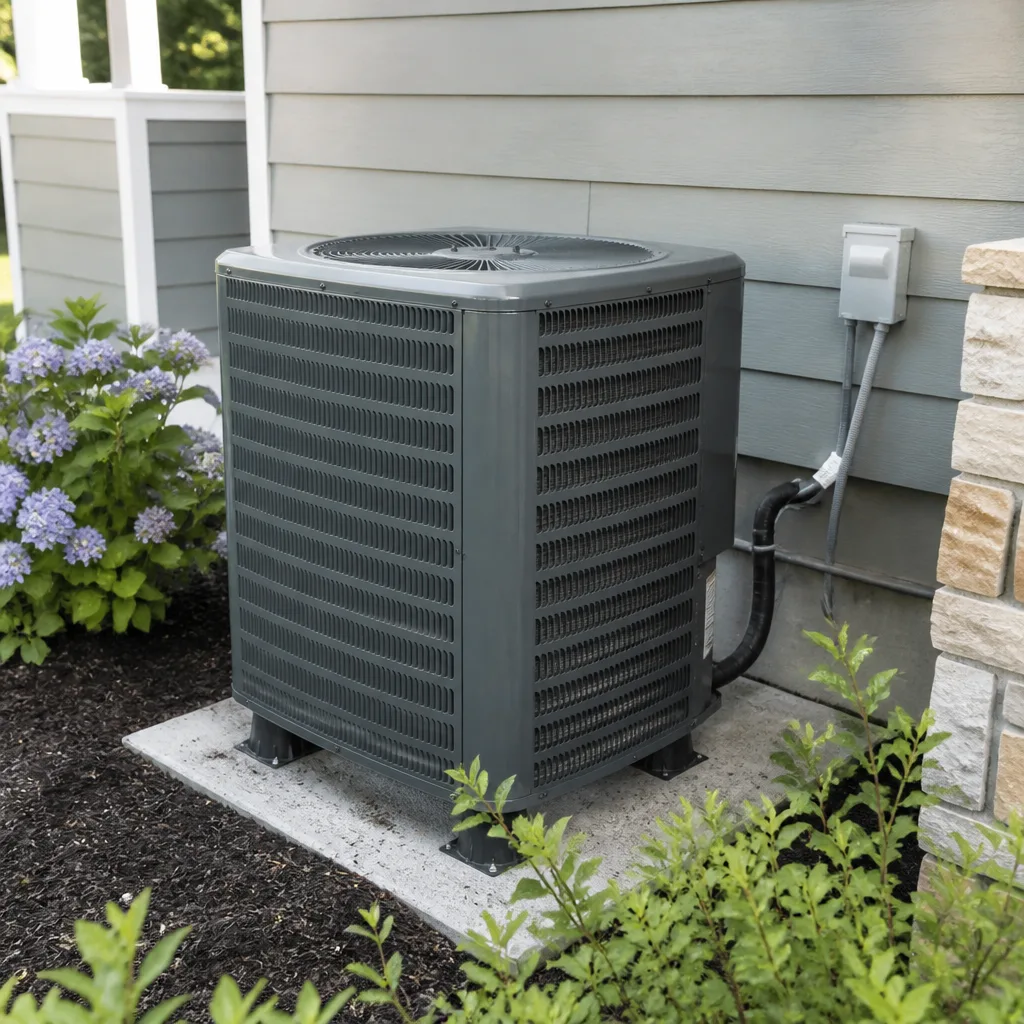 Goodman
Seasonal tune-up and full diagnostic on your Carrier, Trane, or Goodman system - readings shown to you before any repair is proposed
Diagnosis first, numbers second - you approve the repair price before a single part goes in.
Get your free estimateHeat Pump & Mini Split Maintenance Schedule: What to Do and When
The filter cleaning interval printed in your mini split manual assumes roughly average air particulate levels. Whitney’s desert dust loads mean that interval is too long by a factor of two for most of the year, and skipping it is the single most common reason mini splits lose efficiency before their time. Manufacturer schedules are written for an “average” climate that doesn’t exist here. Between the wind-driven dust off the foothills, the UV that eats line set insulation, and the temperature swings that work every fitting, a Whitney heat pump lives a harder life than the same unit in a mild coastal town. What follows is a maintenance calendar built around the seasons this valley actually has, so you know which tasks you can handle in fifteen minutes and which ones need a trained technician with gauges and a torque wrench.
Quick Answer
Run a heat pump or mini split on four anchors: clean or rinse the indoor filters every two to four weeks during dusty stretches, keep the outdoor unit clear of debris and shrubs year-round, and book a professional service visit once in spring before cooling season and once in fall before heating season. In Whitney, that spring visit matters more than the manual suggests because dust and heat arrive earlier and heavier than in the climate the factory tested for. The 15-minute homeowner tasks keep the system breathing; the annual professional tasks keep it safe, efficient, and under warranty.
Styles & brands we work with
- AC repair
- Furnace & heating
- Heat pumps
- Ductless mini splits
- Carrier
- Trane
- Goodman
Table of Contents
- Why Whitney’s Desert Changes the Manual’s Advice
- The Whitney Maintenance Calendar, Month by Month
- The 15-Minute Homeowner Tasks
- What a Professional Visit Should Actually Include
- Outdoor Unit Care: Dust, Shrubs, and UV
- The Maintenance Log Habit
- Common Mistakes to Avoid
- When to Call a Professional
Why Whitney’s Desert Changes the Manual’s Advice
Every maintenance schedule you’ll find in a Carrier, Trane, or American Standard owner’s manual was written for a national average. It assumes moderate dust, moderate humidity, and a mild swing between seasons. Whitney doesn’t offer any of that. The valley runs dry and windy through spring, bakes above 100°F for weeks in summer, and drops fast enough on winter nights that the system switches from cooling to heating in the same week. Each of those conditions hits a different part of the machine.
Dust is the biggest factor most homeowners underestimate. A mini split filter that’s fine in a humid climate clogs in half the time out here because the air carries fine particulate from the surrounding desert and the construction that never quite stops. When the filter clogs, the blower works harder and the coil ices or the head stops throwing cold air, and the homeowner assumes the system is failing when it’s just starved of airflow.
UV is the quiet one. The refrigerant line set insulation that runs along an exterior wall or up to a rooftop unit takes direct sun most of the day. Desert UV breaks that foam down over a few years, it crumbles, and the exposed copper loses efficiency and can eventually pit. Nobody notices until a technician points at it.
Temperature swings work the metal. Expansion and contraction stress electrical connections and refrigerant fittings, which is exactly why the professional checklist includes torque checks and pressure verification rather than just a filter rinse. Understanding this is the difference between maintaining a system and babysitting one. When you’re ready to understand the equipment itself, our Heat Pump & Mini Split in Whitney page covers how these systems are sized and installed for local conditions.
The Whitney Maintenance Calendar, Month by Month
Forget spring and fall as generic categories. Here’s the calendar mapped to what’s actually happening outside in Whitney, organized around four seasonal anchors. Print it, tape it inside the closet door next to the air handler, and check things off as you go.
Pre-Summer Cooling Prep (March through May)
- Deep-clean the indoor filters and note the condition. Heavy buildup from spring winds tells you to shorten the interval through summer.
- Clear all outdoor unit clearance to at least two feet on all sides before the heat arrives. Trim back any desert shrub that has crept in.
- Rinse the outdoor coil fins gently with a garden hose, top to bottom, never side to side. Spring dust settles deep in the fins.
- Book the professional spring visit before the first real heat wave, not during it when every company is slammed.
- Test the system on cooling on a mild day so an issue surfaces before you need it.
Mid-Summer Load Check (June through August)
- Rinse filters every two to four weeks during the dustiest stretch. This is the whole game in Whitney.
- Walk the outdoor unit weekly and clear any new dust or debris off the fins and out of the base pan.
- Watch for ice on the indoor coil or refrigerant lines. Ice means a problem, not a sign it’s working hard.
- Check the condensate drain for slow drainage. In low humidity it moves less water, but a clog still backs up.
Pre-Winter Heating Prep (September through November)
- Book the professional fall visit to verify the reversing valve, defrost cycle, and heating charge before the first cold snap.
- Inspect line set insulation for UV cracking or missing sections, especially on runs facing south or west.
- Clean around the outdoor unit again as summer dust and any leaf drop has accumulated.
- Test the system in heating mode on a cool evening and confirm warm air within a few minutes.
Mid-Winter Performance Verification (December through February)
- Listen for unusual sounds on cold mornings, like rattling or hard-start grinding, which signal a failing component.
- Check that the outdoor unit defrosts properly on frosty nights rather than staying iced over.
- Keep snow or frost clear of the top and sides so the fan can move air.
The 15-Minute Homeowner Tasks
These are the jobs you can and should do yourself. They take minutes, they cost nothing, and they prevent most of the premature-failure calls we see in Whitney. They’re also the tasks a manufacturer expects the homeowner to handle, so skipping them can affect warranty coverage.
- Filter rinse. Pull the indoor filter, rinse it with lukewarm water, let it dry fully, and put it back. Do it every two to four weeks in dusty months, monthly otherwise. A clogged filter is the number-one efficiency killer for a mini split.
- Coil wipe-down. Wipe visible dust off the indoor coil face with a soft cloth or vacuum brush. Don’t bend the fins.
- Condensate drain check. Pour a cup of water into the drain pan and confirm it flows out freely. Slow draining means a partial clog worth clearing before it backs up.
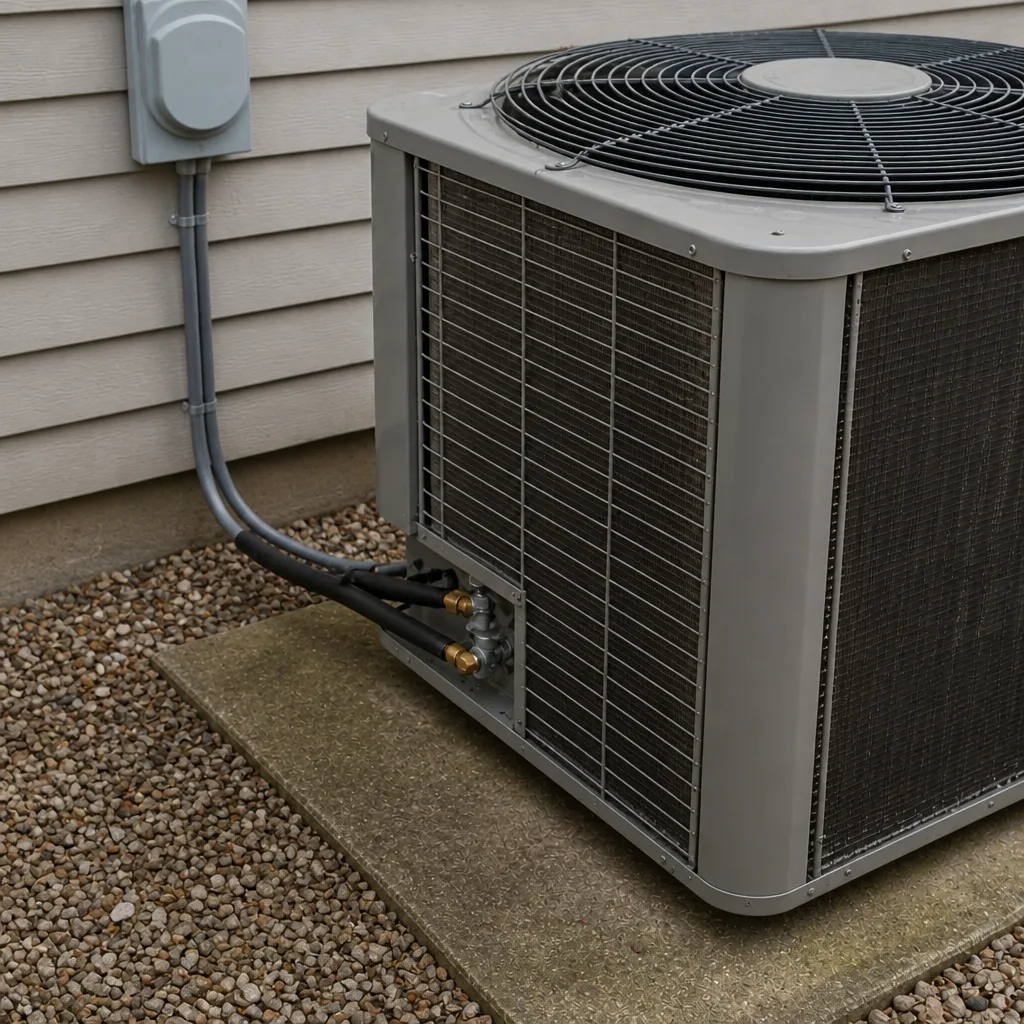
- Outdoor clearance. Clear leaves, tumbleweeds, and debris from the base and sides of the outdoor unit. Trim shrubs back.
- Visual insulation check. Look at the line set insulation for cracks or missing foam and note it for the technician.
Why these stay in your hands: they need no tools, no refrigerant, and no access to electrical components. They’re safe for anyone to do. The moment a task requires opening a panel, testing a circuit, or handling refrigerant, it moves to the professional column, because those jobs involve high voltage and pressurized systems that can injure an untrained person and void a warranty.
What a Professional Visit Should Actually Include
“Tune-up” is a marketing word. A real maintenance visit is a checklist of specific measurements, and you have every right to know what’s on it before you pay. When you book with us at Fireside, or when you’re comparing any local company in Whitney, here’s what a proper heat pump and mini split service should cover.
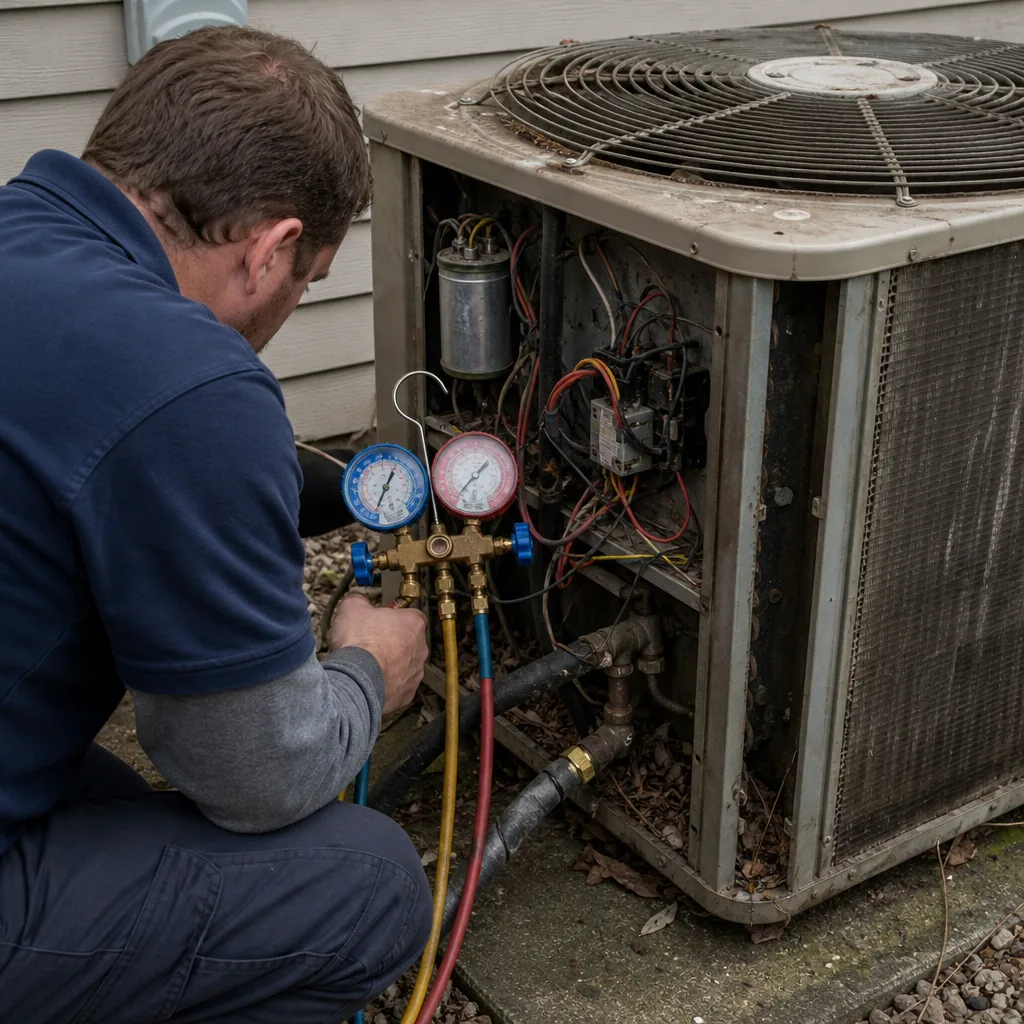
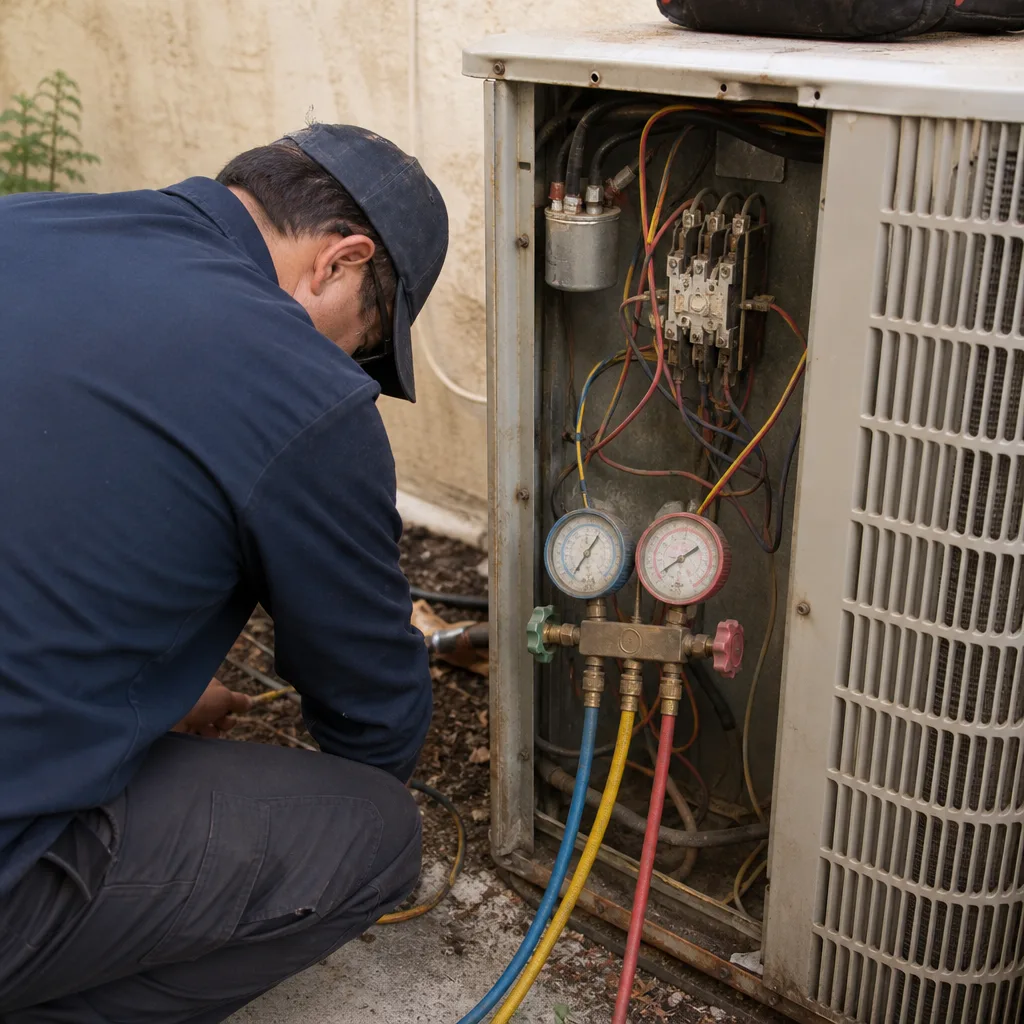
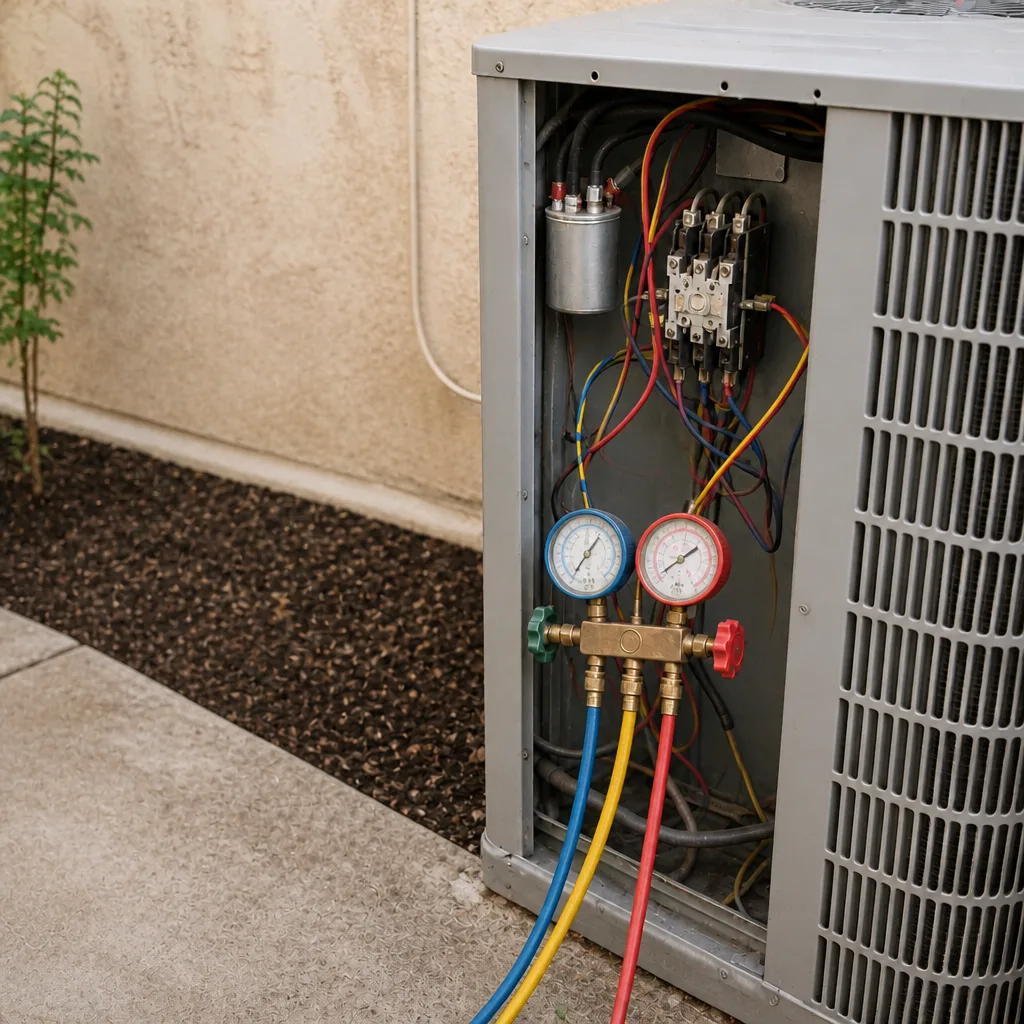
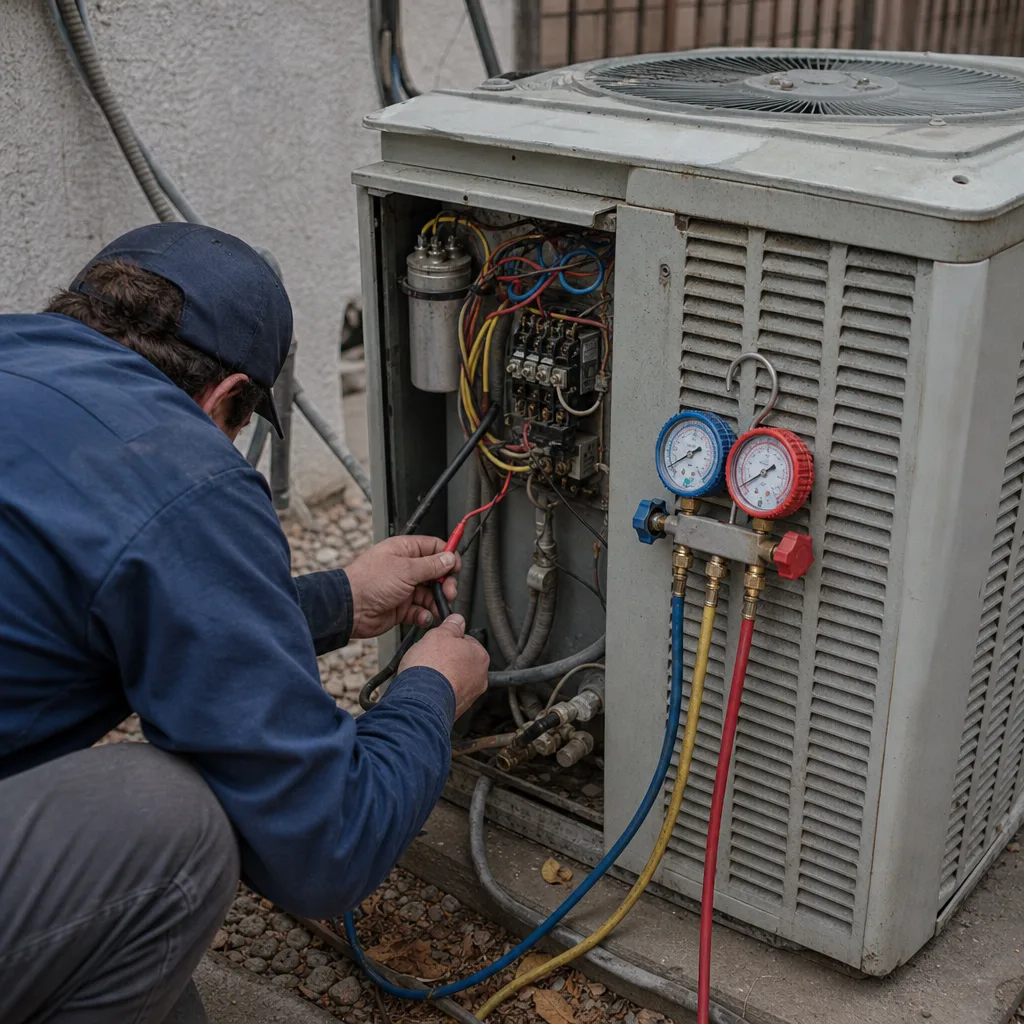
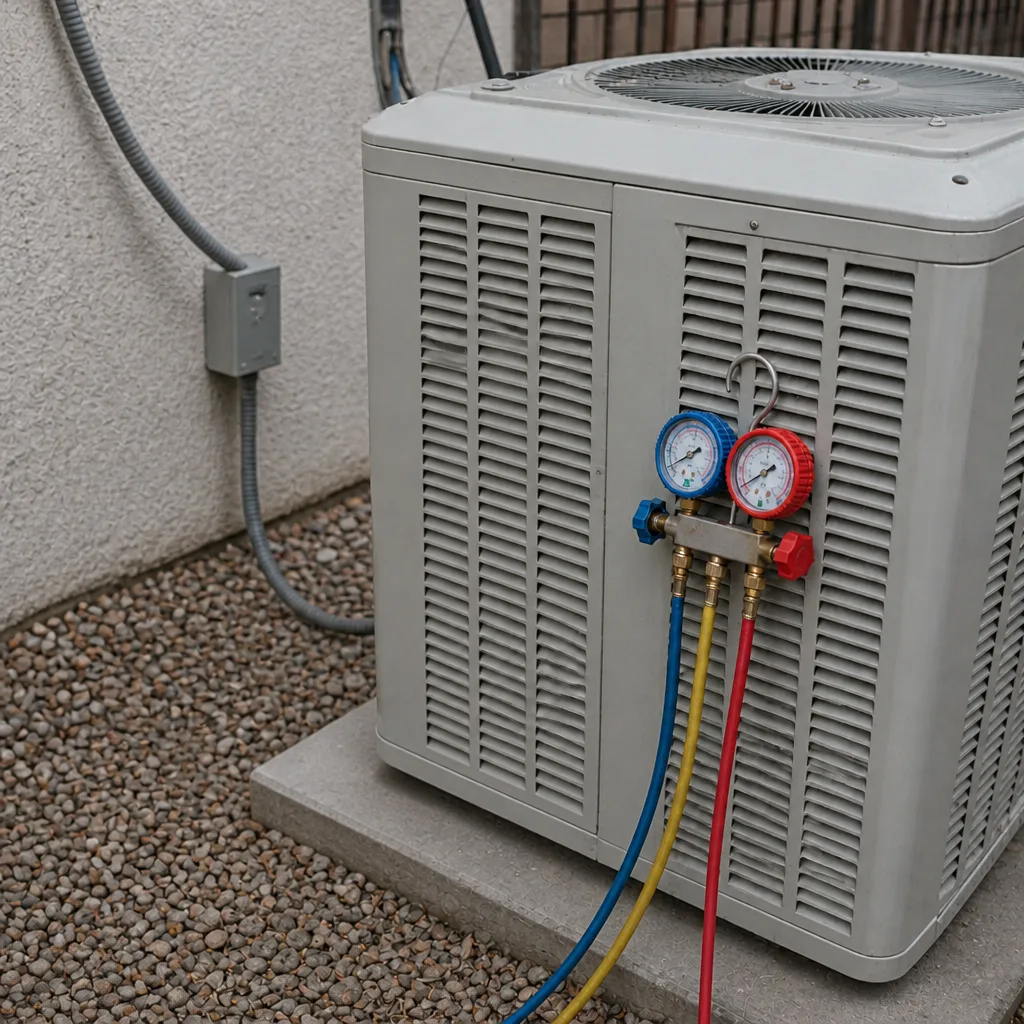
- Refrigerant pressure and charge verification with gauges, comparing against the manufacturer’s spec, not a guess.
- Electrical connection torque check on the terminals at the air handler and outdoor unit. Loose connections from thermal cycling cause resistance, heat, and eventually failure.
- Fan motor amp draw and capacitor test to catch a motor working harder than it should, which in Whitney’s dust is common.
- Coil cleaning of both the indoor evaporator and outdoor condenser fins, done properly, not just a hose spray.
- Condensate drain flush and, where applicable, a treatment tablet to keep algae from clogging it in summer.
- Reversing valve and defrost cycle check on heat pump systems before heating season.
- Line set insulation inspection and replacement of any UV-degraded sections.
- Written report of what was measured and what was found, so you have a record.
That’s the difference between a real check and a look-and-leave. Our technicians are trained across the major brands, including American Standard and Lennox, so they know the specific specs each unit expects. If you want a second opinion on a written estimate from another company, we offer that free, because a square deal should hold up to scrutiny. For the full scope of what we handle, see our AC Repair & Installation in Whitney page.
Outdoor Unit Care: Dust, Shrubs, and UV
The outdoor unit does most of the hard labor and takes most of the abuse in a desert climate. Three local stresses deserve their own attention, because they’re the ones that shorten system life quietly, with no dramatic failure to warn you.
Desert shrub encroachment. Oleander, sagebrush, and the fast-growing shrubs common in Whitney yards will happily grow into the two-foot clearance an outdoor unit needs. Blocked airflow makes the compressor run hotter and longer. Trim once in spring and once in late summer, and don’t park anything against the unit.
Dust accumulation on the fins. The condenser coil is a dense fin pack, and in a wind event it can load up in a single day. Rinse it with a garden hose from the inside out, gently, at least once in spring and again mid-summer. A caked coil can cut efficiency by a double-digit percentage without the homeowner ever noticing until the electric bill climbs.
UV degradation of line set insulation. The black foam insulation that wraps the refrigerant lines takes direct desert sun and breaks down within a few years. Cracked or missing insulation means the lines lose efficiency and the exposed copper can corrode. This is one of the cheapest things to fix and one of the most costly to ignore, and a good technician will flag it every visit.
If your system is older and you’re weighing upkeep against a replacement, our guide on Heating & Furnace in Whitney covers the repair-versus-replace conversation in plain terms.
The Maintenance Log Habit
A spiral notebook or a note on your phone, kept next to the air handler, is worth more than most homeowners realize. It’s a small habit that pays off three ways: warranty, resale, and diagnostics.
- Warranty. Most manufacturers require documented maintenance to honor the full warranty term. A log with dates and what was done is your proof if a part fails and the claim is questioned.
- Resale. Nevada requires a seller’s disclosure on a home sale, and a clean maintenance record shows a buyer the equipment was cared for. It’s a quiet negotiating tool.
- Diagnostics. When a technician arrives, a log tells them what’s been done, when, and what the system has been doing. That history turns guesswork into a real diagnosis and often saves you a diagnostic fee and time.
Record the date, the task, and any odd behavior you noticed. A note that says “ice on the indoor coil July 12” tells a tech far more than a vague memory of “it seemed off last summer.” That’s the kind of history that lets a good company fix it right the first time.
Common Mistakes to Avoid
- Following the manual’s filter interval literally. In Whitney, that interval is roughly twice as long as it should be during dusty months. A clogged filter is the most common cause of a struggling mini split we see.
- Letting shrubs grow against the outdoor unit. Airflow is everything. Two feet of clearance on all sides, trimmed back twice a year, is not optional in this climate.
- Ignoring cracked line set insulation. Desert UV destroys that foam quietly. Exposed copper loses efficiency and corrodes, and nobody notices until it’s a bigger repair.
- Skipping the spring professional visit to “save money.” A clogged condenser coil or a low refrigerant charge caught in March costs far less to fix than a compressor that fails in July.
- Treating ice on the coil as normal. Ice on the indoor coil or refrigerant lines always signals a problem, most often restricted airflow or low charge. Turn it off and call.
- Hiring the cheapest bid without a written checklist. A “tune-up” that’s just a filter rinse and a look-over isn’t maintenance. Ask what gets measured before you book.
- Never keeping a record. No log means no warranty proof, no resale disclosure, and a technician starting from zero every visit.
When to Call a Professional
Some things are homeowner tasks, and some need gauges and training. Call a professional if you see ice on the indoor coil or refrigerant lines, if the system blows warm air in cooling mode or cold air in heating mode, or if you hear grinding, rattling, or hard-starting from the outdoor unit. Electrical and refrigerant work involves high voltage and pressurized systems, so it’s not a do-it-yourself job, and the safety stakes are real. Book the annual spring and fall visits too, even when everything seems fine, because the measurements a technician takes catch small problems before they become expensive ones. Fireside Heating & Air Co. Whitney offers free estimates in Whitney, answers the phone with a live person day or night, and backs every job with our 90-Day Done Right Promise. Call (866) 329-8069.
See the difference
 Before
 After
 Before
 After
 Before
 After
Frequently Asked Questions
Every two to four weeks during dusty months, and once a month the rest of the year. Whitney’s desert particulate levels are higher than the “average” climate most manuals are written for, so the printed interval is often twice as long as it should be. Rinse it, let it dry fully, and put it back.
Yes, for a heat pump that runs both cooling and heating. One spring visit before cooling season and one fall visit before heating season is the standard for this climate. A mini split used only for cooling can sometimes get by on one thorough annual visit, and we’ll tell you honestly which applies to your system.
A tune-up is often a filter rinse and a quick look. Real maintenance measures refrigerant pressure, checks electrical connection torque, tests fan motor draw and capacitors, cleans both coils, and gives you a written report. Ask any company in Whitney what they measure before you book, and hold them to it.
Desert UV breaks down the foam insulation on exterior refrigerant lines within a few years. It’s one of the most common things we replace in Whitney, and leaving it exposed lets the copper lose efficiency and corrode. It’s an inexpensive fix that protects an expensive system.
Yes. Most manufacturers require documented maintenance to honor the full warranty term, and a dated log is your proof if a part fails. It also supports resale disclosure and gives a technician real diagnostic history instead of a guessing game.
It depends on age, refrigerant type, and the cost of the repair relative to a replacement. Our rule of thumb: a repair costing more than a third of replacement on a system past its expected life is usually a sign to weigh replacement. We’ll give you a straight answer, and a free second opinion on any written estimate. Call (866) 329-8069 for an exact quote.
The Bottom Line
Maintenance for a heat pump or mini split in Whitney comes down to two things done on a schedule: the short homeowner tasks you can handle in minutes, and the measured professional visits that keep the machine safe and efficient. Clean the filters more often than the manual says, keep the outdoor unit clear and its insulation intact, book spring and fall service before the seasons turn, and log everything. Those habits protect your warranty, support a smooth home sale one day, and give any technician the history they need to fix it right the first time. Do the small things on time, and the big repair never has to happen. Our team at Fireside Heating & Air Co. Whitney home is here when you need us, and we stand behind the work in writing.
Call (866) 329-8069 for a free estimate, or ask about our $89 seasonal tune-up and the $50 off any repair over $250. A live person answers every call, day or night, and the price quoted is the price paid.
Written by the team at Fireside Heating & Air Co. Whitney.