
Last updated November 18, 2026
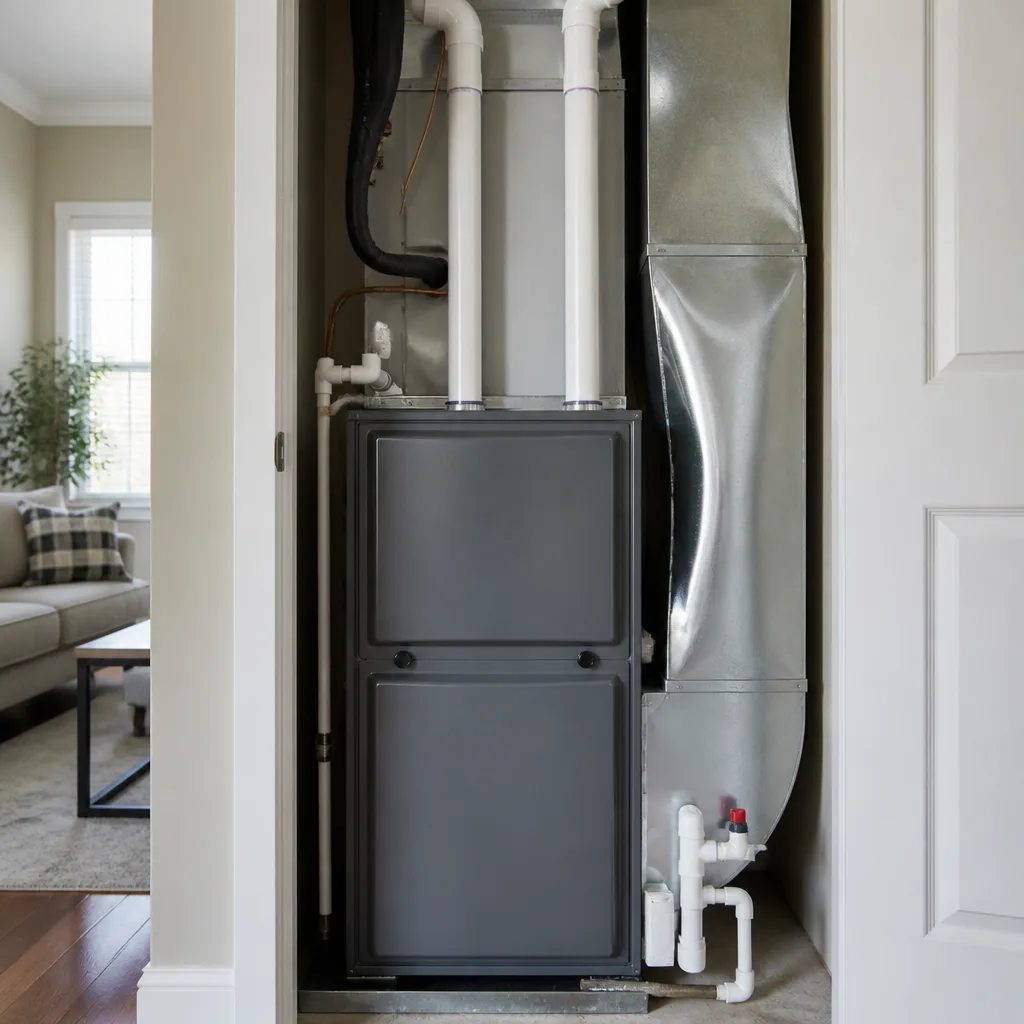 Furnace & heating
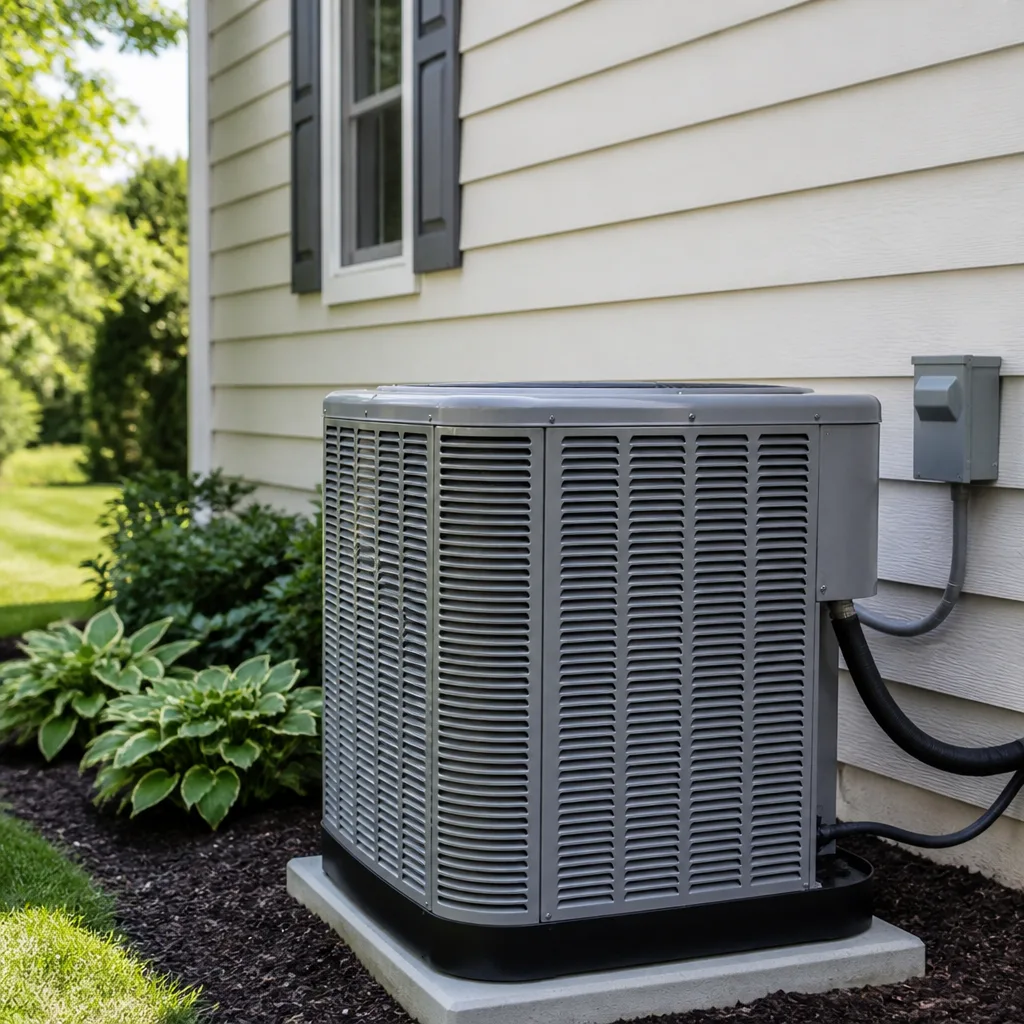 AC repair
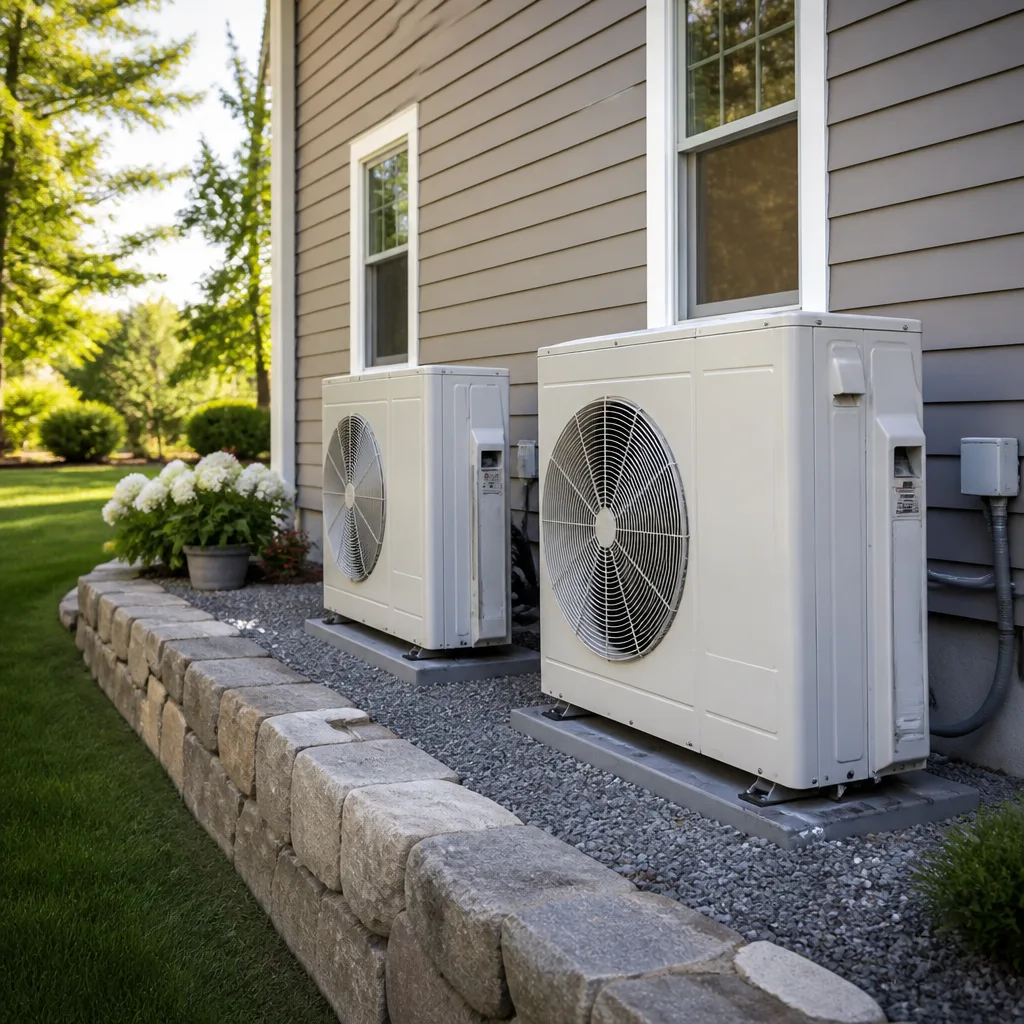 Heat pumps
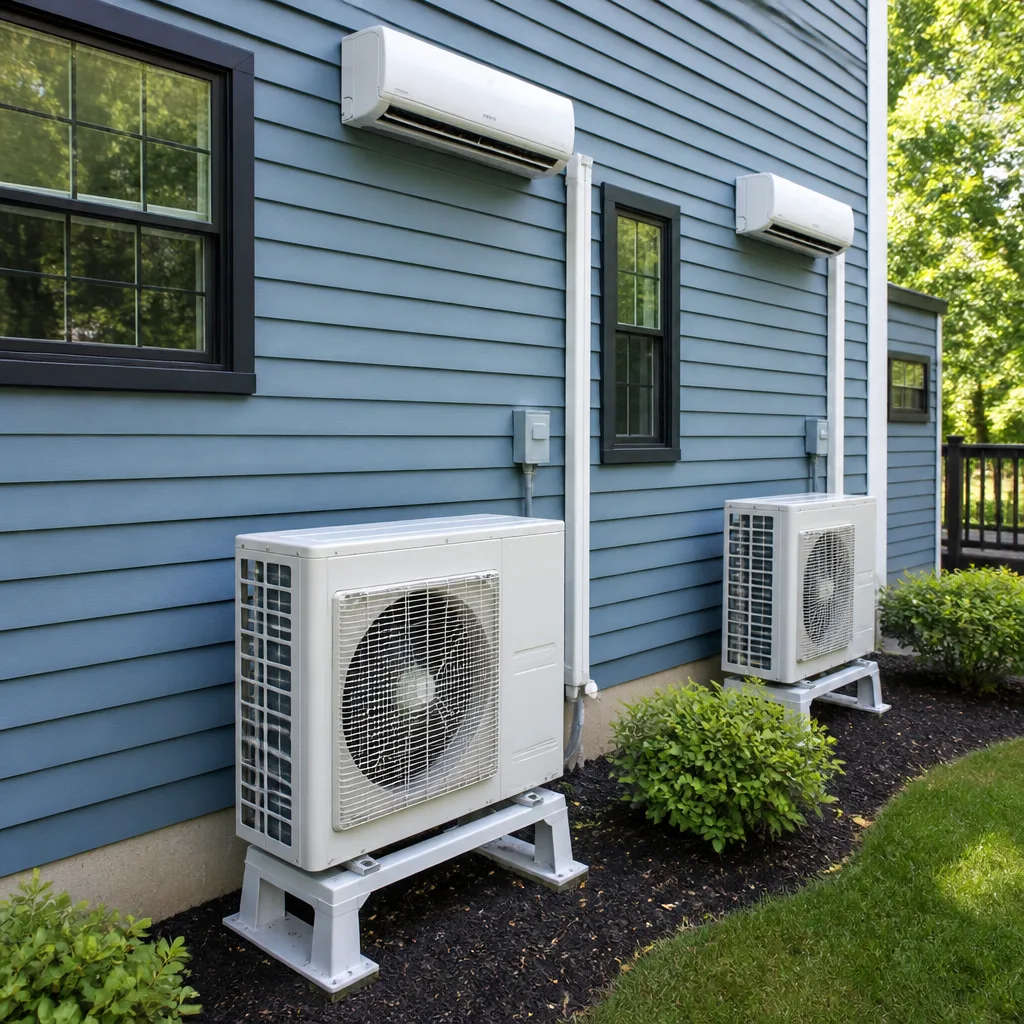 Ductless mini splits
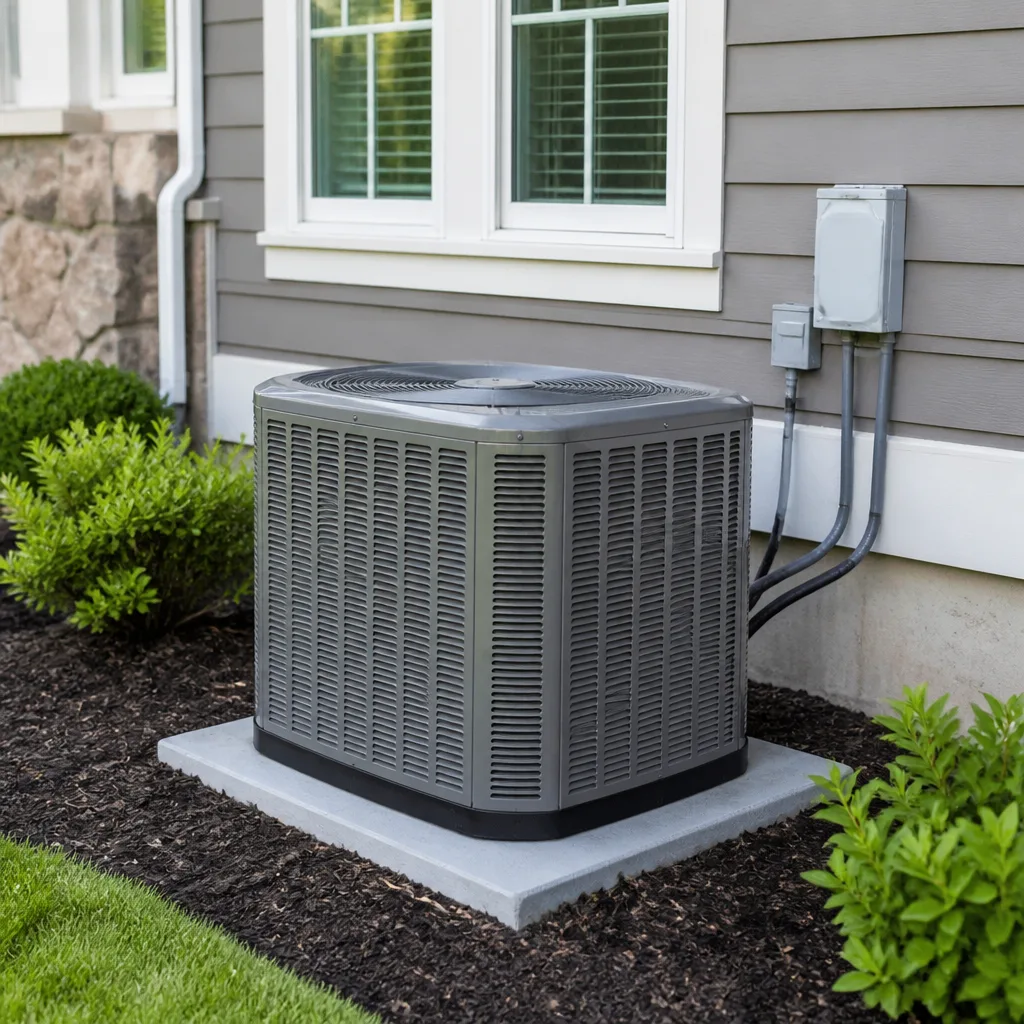 Carrier
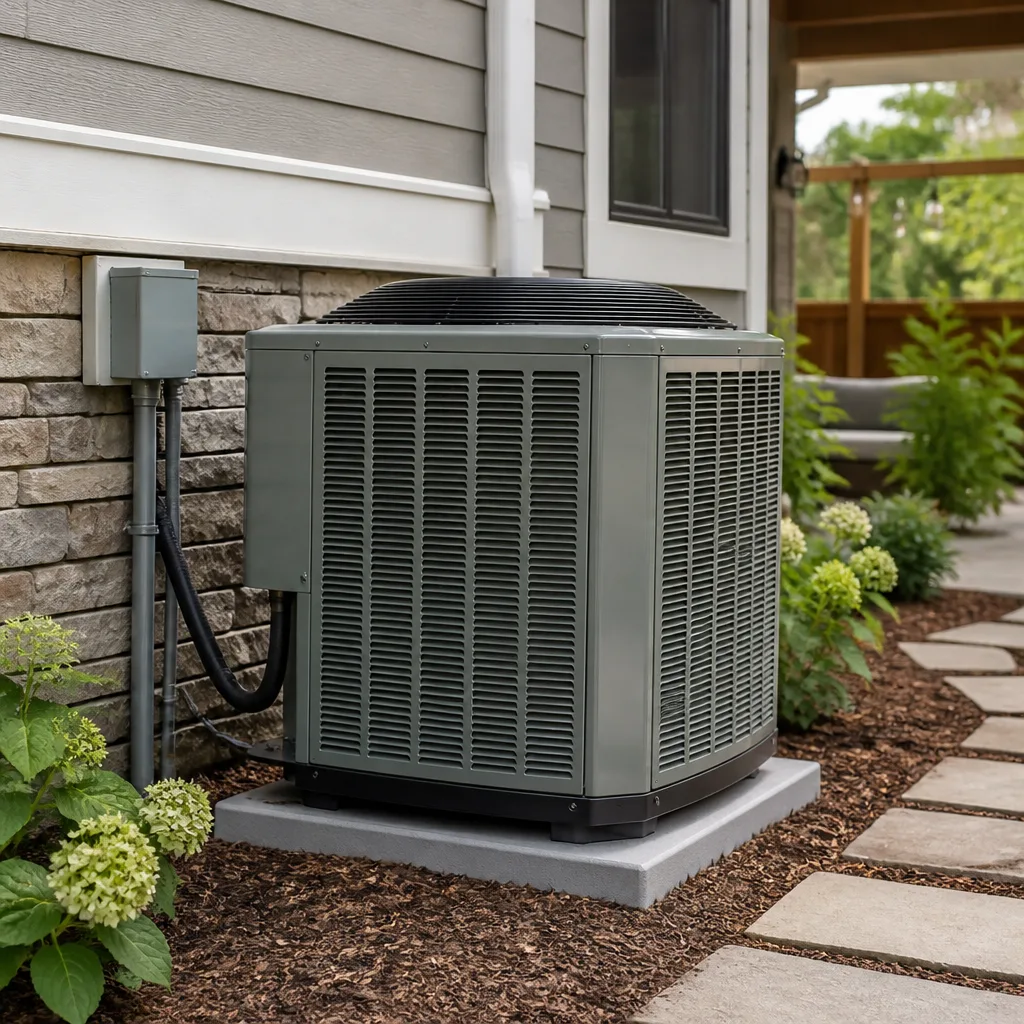 Trane
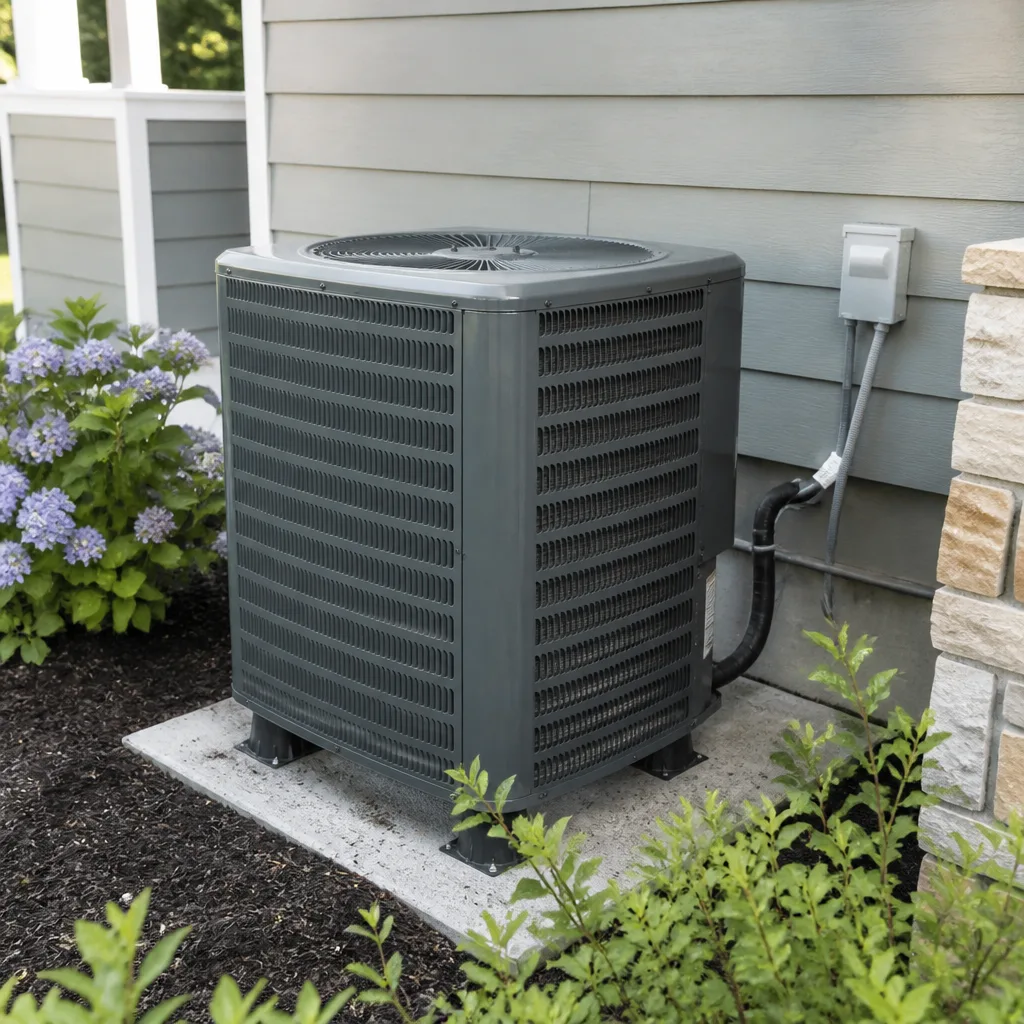 Goodman
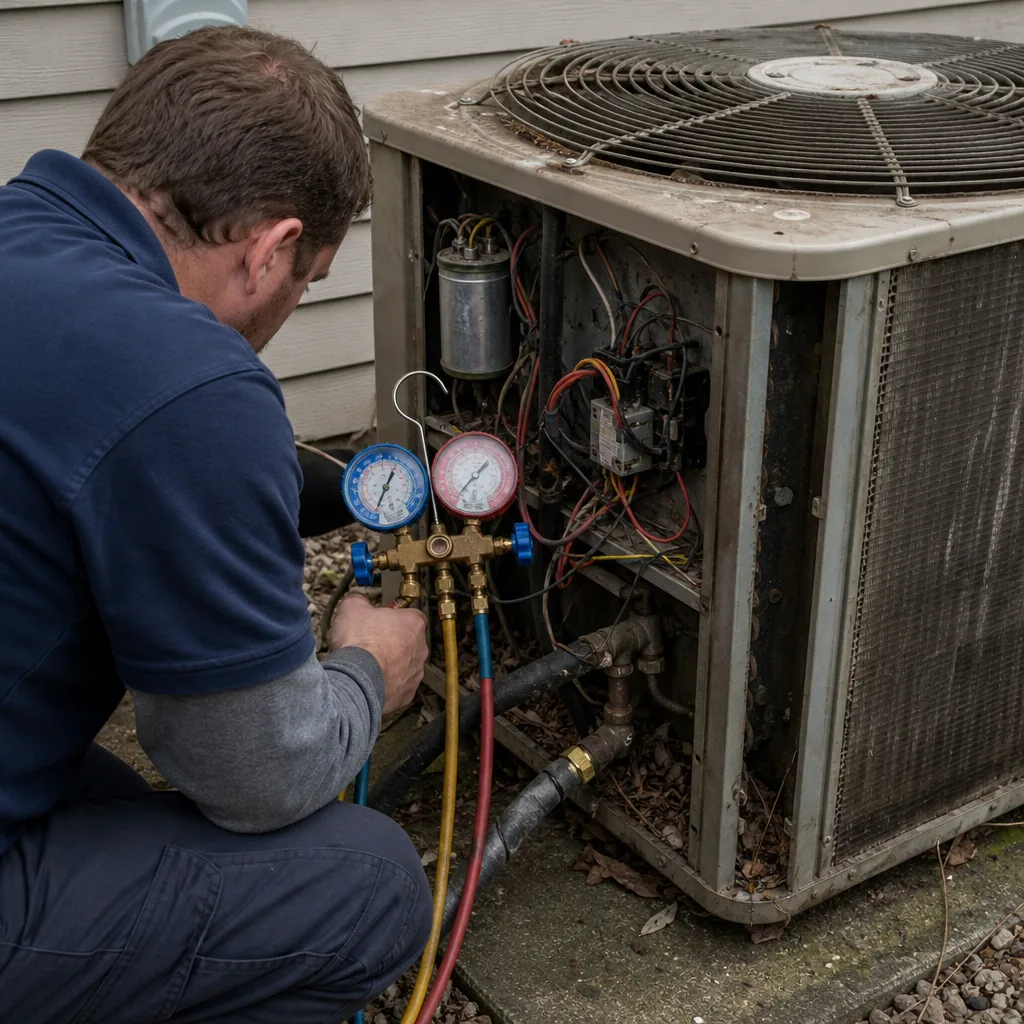
Seasonal tune-up and full diagnostic on your Carrier, Trane, or Goodman system - readings shown to you before any repair is proposed
Diagnosis first, numbers second - you approve the repair price before a single part goes in.
Get your free estimateHeating & Furnace Warning Signs Every Homeowner Should Know
A furnace that short-cycles twice on a cold morning is telling you something specific. It’s not just “acting up.” Most homeowners ignore that signal for two seasons before it turns into a no-heat weekend in January, usually on the coldest night of the year. The signs most guides list, like a yellow pilot flame or a sudden spike on the gas bill, are real, but they’re late-stage. By the time those show up, your system has been struggling for months. This guide teaches you to read the earlier, quieter indicators that hand you weeks of lead time instead of an emergency call. We’re Fireside Heating & Air Co., and we’ve answered a lot of those 2 a.m. calls in Whitney. Here’s how to avoid making one.
Quick Answer
The most important furnace warning signs are short-cycling (running in short bursts), uneven heat between rooms, longer run cycles than usual, a faint metallic or sulfur smell, soot around the flue, and a gas bill that climbs without a rate increase. A cracked heat exchanger or a carbon monoxide detector trip is an immediate shut-it-down signal: stop using the furnace and call a professional. Everything else is a watch-it-closely signal you have time to act on.
Styles & brands we work with
- AC repair
- Furnace & heating
- Heat pumps
- Ductless mini splits
- Carrier
- Trane
- Goodman
Table of Contents
- Immediate Warnings vs. Watch-Closely Warnings
- The Short-Cycle Pattern: What It Means and How to Time It
- What a Rising Gas Bill Actually Tells You
- Uneven Heat and Long Run Cycles
- How Whitney’s Desert Dust Changes the Timeline
- What You Can Safely Check Yourself
- Carbon Monoxide and the Cracked Heat Exchanger
- Repair or Replace: Reading the Signs Together
Immediate Warnings vs. Watch-Closely Warnings
Not every warning sign carries the same weight, and getting the urgency right matters. Treating a minor symptom as a catastrophe wastes a service call. Treating a serious one as minor can put your household at risk. We sort furnace warning signs into two buckets so you can calibrate correctly.
Shut it down and call now:
- Your carbon monoxide detector sounds or shows a reading.
- You smell gas, or a sulfur or rotten-egg odor near the unit.
- You see soot, scorching, or blackening around the flue pipe or the furnace cabinet.
- You feel a persistent headache or nausea that improves when you leave the house.
- The heat exchanger has visible cracks or rust-through (a technician confirms this).
Watch closely and schedule service soon:
- Short-cycling on cold mornings.
- Some rooms warm, others cold.
- Run cycles that stretch longer than they used to.
- A gas bill that creeps up without a rate change.
- New rattles, hums, or a clicking that wasn’t there last winter.
If you live in Whitney and you’re seeing anything on the second list, the right move is a scheduled visit, not a panic call. But don’t wait until spring either. Watch-closely signs almost always get worse. When they do, our heating and furnace service in Whitney can catch the problem before it becomes a no-heat emergency.
The Short-Cycle Pattern: What It Means and How to Time It
Short-cycling is when your furnace fires up, runs for a short time, shuts off, and then repeats that cycle more often than it should. A healthy furnace runs in longer, steady cycles. A short-cycling furnace runs in bursts, maybe three to six minutes at a time, and does it again and again. That’s the signal we want you to learn to read.
Here’s how to time it. On a cold morning, when the furnace comes on, note the time. Write down when it starts and when it stops. Do this for a few cycles. If it’s running under five minutes and shutting off, then restarting within a minute or two, that’s a short-cycle pattern worth investigating. It’s not a diagnosis by itself, but it tells you to look closer.
Short-cycling usually points to one of three root causes:
- A clogged air filter or restricted airflow. The furnace overheats, the safety limit switch trips, and it shuts off. This is the most common cause and the easiest to fix. Change the filter first.
- A failing flame sensor or ignition problem. The sensor doesn’t detect the flame properly, so the furnace shuts down as a safety measure. In Whitney’s dusty air, flame sensors foul faster than the national average, which is a point we’ll return to.
- An oversized furnace or a thermostat problem. If the unit was sized too large for the house, it heats the space fast and shuts off before it should. A faulty thermostat can send the same wrong signals.
Timing the cycles gives a technician a real head start. When you can say “it runs four minutes, off two, all morning,” that’s useful. It narrows the diagnosis and often means the repair gets done in a single visit.
What a Rising Gas Bill Actually Tells You
A climbing gas bill is easy to blame on the utility. But if your rates haven’t changed and your usage habits haven’t changed, a rising bill is telling you something about your furnace’s combustion efficiency. When a furnace burns less efficiently, it needs more gas to produce the same heat. The bill goes up even though the thermostat setting hasn’t moved.
Watch for the pattern where your winter bill climbs a little each month, not in one jump. A single spike usually means a cold snap. A steady month-over-month creep points to degrading combustion. The same amount of heat now costs more fuel.
What drives this?
- A dirty burner that doesn’t burn cleanly.
- A flame sensor or igniter that’s operating at the edge of its range.
- A secondary heat exchanger that’s collecting dust and losing its ability to transfer heat.
- Duct leaks that send heated air into your attic or crawlspace instead of your rooms.
Compare this winter’s usage to last winter’s on your utility statement. Most providers show a year-over-year comparison. If you’re using more gas for the same comfort, the furnace is working harder than it should. That’s a watch-closely signal, and it’s a good reason to book a tune-up before the season gets busy. Our AC repair and installation in Whitney team handles the cooling side of the same house, so if you’re booking one visit, it’s worth asking about both.
Uneven Heat and Long Run Cycles
Two more early signals show up in how your house feels, not in the furnace itself. The first is uneven heat. One room is comfortable, another stays cold no matter what the thermostat says. The second is longer run cycles. The furnace comes on and runs much longer than it used to before reaching the set temperature.
Both point to the same underlying issue: the system isn’t delivering heat efficiently. Possible causes include:
- Blocked or leaking ductwork sending heat where it doesn’t belong.
- A failing blower motor that’s moving less air than it should.
- A dirty evaporator coil or a restricted filter choking airflow.
- A thermostat that’s reading the wrong room, or a zoned system with a stuck damper.
Longer run cycles also wear the furnace down faster. Components that used to run for a few minutes now run for fifteen. That added runtime shortens the life of the blower and the heat exchanger. In our experience, homeowners who notice uneven heat in November often have a failing part by January. Getting ahead of it in the fall is the cheap route.
Whitney’s housing stock includes a fair number of homes built in the 1990s and early 2000s, many of them with original ductwork that’s never been sealed. Duct leakage in those homes is common, and it shows up first as uneven heat. A technician with a duct pressure test can tell you in an hour whether the ducts or the furnace is the culprit.
How Whitney’s Desert Dust Changes the Timeline
Here’s where Whitney’s climate earns its own section. The desert dust that settles over the Valley doesn’t just make your patio furniture dirty. It gets pulled into your furnace’s combustion air and works its way into the components that matter most. That means certain failure modes happen faster here than the national averages suggest.
The two parts most affected are the flame sensor and the secondary heat exchanger. The flame sensor is a small rod that confirms the burner is lit. Dust coats it, its signal weakens, and the furnace shuts off as a safety measure. That’s the short-cycle pattern from earlier, and in Whitney it can develop in a season or two. The secondary heat exchanger in a high-efficiency furnace (the kind most Whitney homes have installed since the 2000s) has narrow passages. Dust and debris collect there, reducing heat transfer and, in worse cases, causing corrosion and cracking.
What this means practically:
- Change your filter more often than the manufacturer’s national guidance suggests. In dusty stretches, monthly is not overkill.
- Watch for the short-cycle pattern in late fall especially, right after the furnace has sat unused through the summer dust season.
- Don’t skip the annual tune-up. A technician can clean the flame sensor and inspect the heat exchanger before the dust has time to do damage.
What we’ve seen in Whitney is that tune-ups done in October prevent the bulk of the January no-heat calls. When homeowners call us in January, the flip side is that the problem has usually been building since September. Our heat pump and mini-split service in Whitney team sees the same dust patterns on the cooling side, and the fix is the same: get ahead of it.
What You Can Safely Check Yourself
There are a few things you can check without removing panels or touching any components. These are the safe inspections, the ones any homeowner can do. We’re careful here because the wrong check can void a warranty or, worse, put you near live electrical parts or gas lines. Everything below is external and safe.
- Check the filter. Pull it out and hold it up to a light. If you can’t see light through it, it’s clogged. Replace it. This is the single most useful thing you can do, and it addresses the most common short-cycle cause.
- Look at the flame color. With the furnace running and the front panel in place, look through the viewing window if there is one. A healthy natural gas flame is blue with a small, steady yellow tip. A mostly yellow, lazy, or orange flame is a warning sign, and it’s time to call a professional.
- Inspect the visible flue pipe. Look at the metal pipe that carries exhaust out of the furnace. Check for rust, white chalky residue, loose joints, or sagging. Any of those means the flue needs professional attention.
- Listen for new sounds. A steady hum is normal. Rhythmic rattling, a high-pitched whine, or a scraping sound is not. Note when you hear it.
- Smell around the unit. A faint dusty smell on first startup is normal. A sulfur or gas smell is not. If you smell gas, leave the house and call from outside.
Don’t remove the furnace panels. The electrical components inside the cabinet can shock you even when the unit is off, and the gas valve and burners aren’t a do-it-yourself area. The checks above are the ones that give you useful information without putting you at risk. If you’d rather have a professional take a look, our team handles the inspection side every day, and the Fireside Heating & Air Co. Whitney home page is the place to start.
Carbon Monoxide and the Cracked Heat Exchanger
This is the one warning sign where we stop talking about lead time and tell you to act now. Carbon monoxide (CO) is colorless and odorless. It’s produced by any gas furnace, and a properly vented system sends it safely outside. A cracked heat exchanger can let it into your home’s air supply. That’s a genuine safety issue, not a comfort issue.
Signs to watch for:
- A CO detector alarm anywhere in the house.
- Headaches, dizziness, or nausea that come on at home and improve when you’re away.
- Soot streaks on the furnace cabinet or around the flue.
- A flame that flips and rolls back when the blower comes on (visible through the viewing window).
- Persistent condensation on windows in winter, out of proportion to humid weather.
If your CO detector sounds, get everyone out of the house and call 911, then the gas utility. Don’t reenter to investigate. If a technician confirms a cracked heat exchanger, the furnace should not be run until it’s repaired or replaced. This is not a “watch it closely” situation. Do not open the cabinet, do not try to check the heat exchanger yourself, and don’t run the furnace in the meantime. A licensed technician has the equipment to inspect it safely.
Repair or Replace: Reading the Signs Together
One warning sign is a repair. Several together, on an aging furnace, is a different conversation. That’s the judgment call we make with homeowners in Whitney all the time, and it’s worth walking through the logic.
Lean toward repair if:
- Your furnace is under ten years old.
- The warning signs are one or two, and they’re recent.
- The repair is a filter change, a flame sensor cleaning, or a thermostat fix.
- The heat exchanger is intact and confirmed by inspection.
Lean toward replacement if:
- The furnace is fifteen years or older and showing three or more watch-closely signs.
- The heat exchanger is cracked or the repair cost approaches half the price of a new unit.
- Your gas bill has climbed for several seasons without a rate change.
- You’ve had the furnace repaired twice in two years.
North Las Vegas valley homes built in the 1990s often have furnaces at or past the fifteen-year mark, and at that age, the repair-versus-replace math usually tips. When it does, a home comfort assessment from Fireside Heating & Air Co. can walk you through a fixed written price before you commit. Our technicians have up to 8 years of experience with the nine major brands, including Lennox, Goodman, Rheem, and York, so they can advise on yours specifically.
Common Mistakes to Avoid
- Ignoring short-cycling because “it still heats.” It does still heat, until it doesn’t. Each short cycle wears the furnace a little more, and the failure comes on a cold morning when you need it most.
- Blaming a rising gas bill on the utility without comparing usage. Whitney homeowners often see a rate change and miss a usage change. Compare year-over-year usage, not just the amount owed.
- Changing the filter only once a season. In desert dust, a filter can clog in six weeks. Check it monthly in dusty stretches and replace it when you can’t see light through it.
- Running a furnace with a confirmed cracked heat exchanger. This is the one mistake with a health consequence. A cracked heat exchanger is not a comfort problem, and the furnace should not run until it’s repaired.
- Delaying a tune-up until the system fails. A tune-up in Whitney in the fall is cheap insurance. A no-heat call in January is not.
- Hiring the lowest bid without a written estimate. A price quoted over the phone and a price you can hold in your hand are not the same thing. Ask for the number in writing before anyone starts work.
- Poking around inside the furnace cabinet to “check it yourself.” The electrical parts and gas valve are not a homeowner area. The external checks in this guide are the safe limit.
See the difference
 Before
 After
 Before
 After
 Before
 After
When to Call a Professional
Call immediately if a CO detector sounds, you smell gas, you see soot or scorching, or a technician has confirmed a cracked heat exchanger. Those are not diy situations, and we’d rather you call too early than too late. Call soon, and schedule a visit, if you’re seeing the watch-closely signs: short-cycling, uneven heat, longer run cycles, or a gas bill that’s climbing without a rate change. Those signs mean the furnace has been struggling for a while, and the repair is usually cheaper now than it will be after a no-heat weekend. Fireside Heating & Air Co. Whitney offers free estimates in Whitney. Call (866) 329-8069, and a live person answers, 24 hours a day. The 90-Day Done Right Promise is in writing on every job.
Frequently Asked Questions
The earliest signs are usually short-cycling, uneven heat between rooms, longer run cycles than in past winters, and a gas bill that creeps up without a rate change. These show up weeks before the late-stage signs like a yellow pilot flame or a no-heat morning. If you’re seeing the early signs, call (866) 329-8069 for a free estimate and get ahead of it.
You shouldn’t run it at all. A cracked heat exchanger can allow carbon monoxide into your home’s air supply, which is a genuine health hazard. If a technician confirms a crack, keep the furnace off until it’s repaired or replaced. If a CO detector sounds, get everyone out and call 911. For a professional inspection, call (866) 329-8069.
Desert dust fouls the flame sensor and clogs filters faster than in milder climates, and both cause short-cycling. Whitney’s dry, dusty air is the reason. Monthly filter checks during dusty stretches and an annual tune-up in the fall keep the problem from settling in. If you’re already seeing short cycles, call (866) 329-8069 and we’ll take a look.
Often, yes. A tune-up includes cleaning the flame sensor, checking the heat exchanger, inspecting the flue, and testing combustion. Those checks catch the watch-closely signs before they become a no-heat call. In Whitney, the fall is the right time, before the summer dust has had a chance to sit in the system all winter. Book one with our $89 seasonal tune-up; call (866) 329-8069.
Not necessarily, but it’s worth checking. If your rates didn’t change and your usage did, a less efficient furnace is a likely cause. Compare year-over-year usage on your utility statement, not just the amount owed. If usage is climbing for the same comfort, call (866) 329-8069 for a free estimate on a combustion inspection.
You can safely check the filter, the flame color through the viewing window, the visible flue pipe, and any new sounds or smells. Don’t remove the panels or touch the components inside. The external checks in this guide are the safe limit. If anything looks off, call (866) 329-8069, and a live person will answer any hour.
The Bottom Line
The warning signs most guides list are late-stage. By the time you see a yellow flame or a no-heat morning, the furnace has been telling you for months. The earlier signals are quieter: short-cycling on cold mornings, uneven heat, longer run cycles, a gas bill that creeps up without a rate change. Those hand you weeks of lead time. In Whitney, desert dust accelerates the timeline, so the fall tune-up and monthly filter check are worth more here than the national guidance suggests. Read the early signs, act on the watch-closely ones before January, and treat the shut-it-down signs with the seriousness they deserve. Fireside Heating & Air Co. is here when you need us. Call (866) 329-8069 for a free estimate, and keep warm.
Written by the team at Fireside Heating & Air Co. Whitney.