
Last updated November 18, 2026
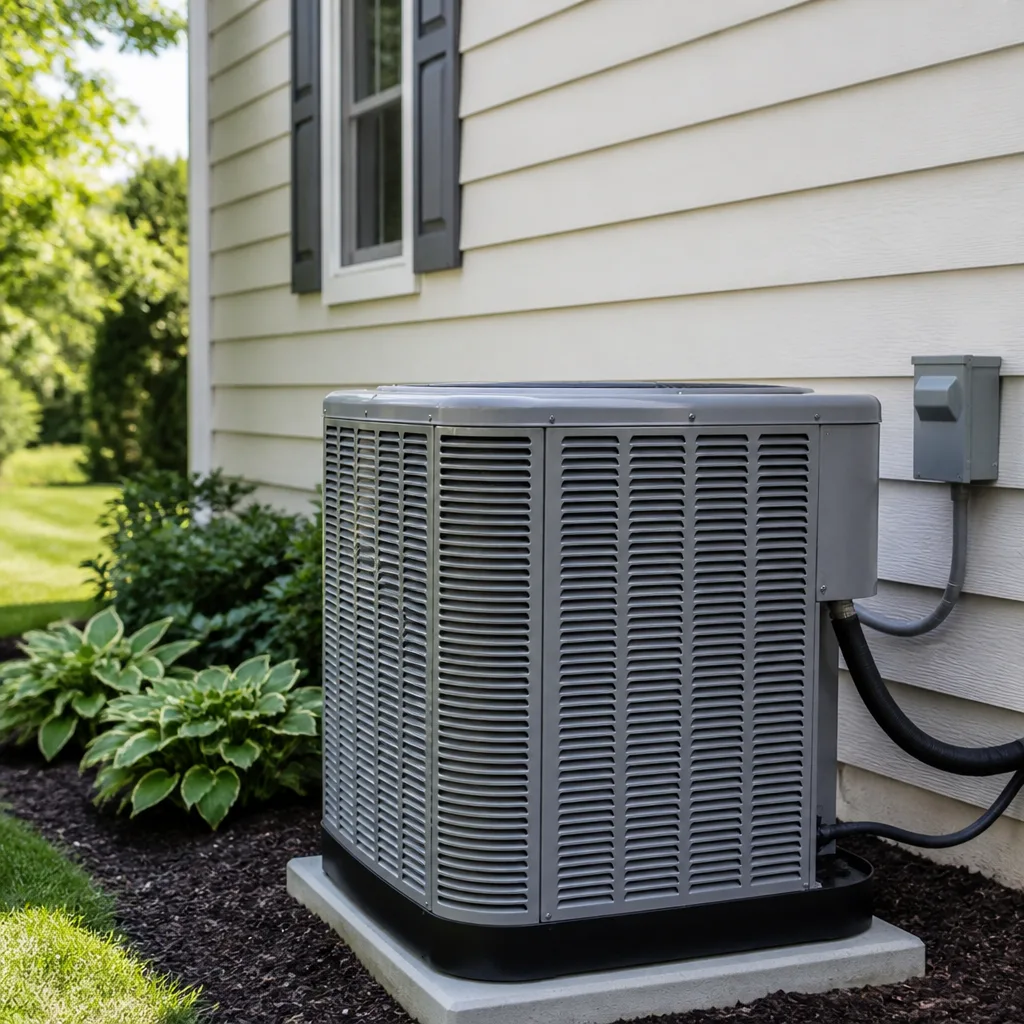 AC repair
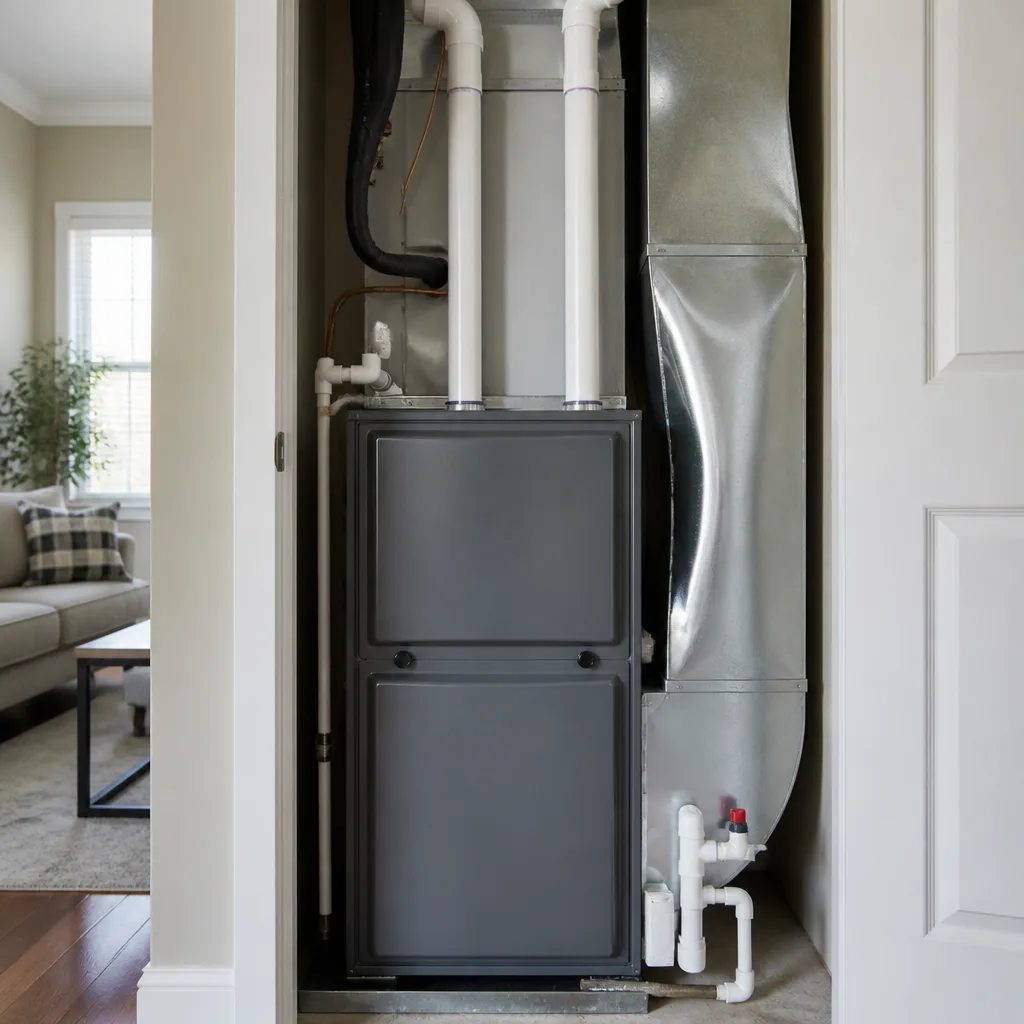 Furnace & heating
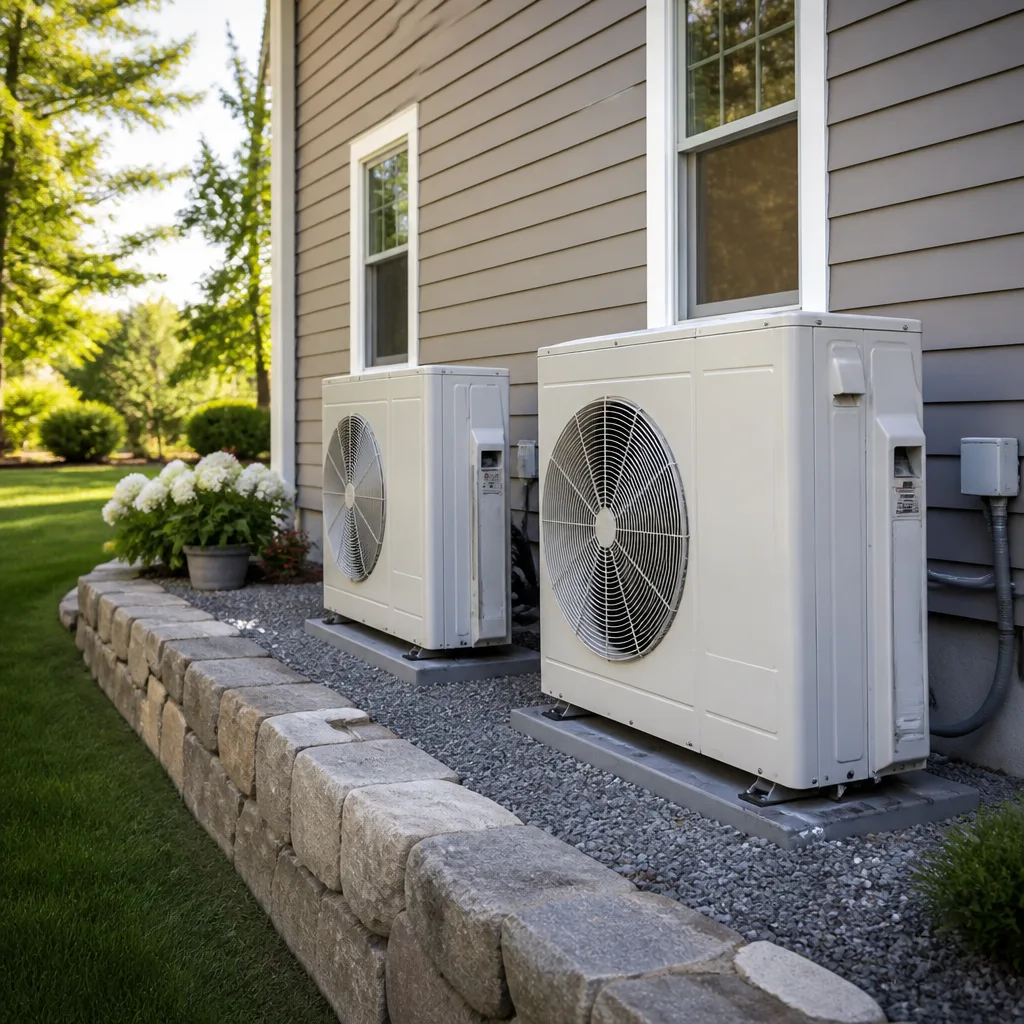 Heat pumps
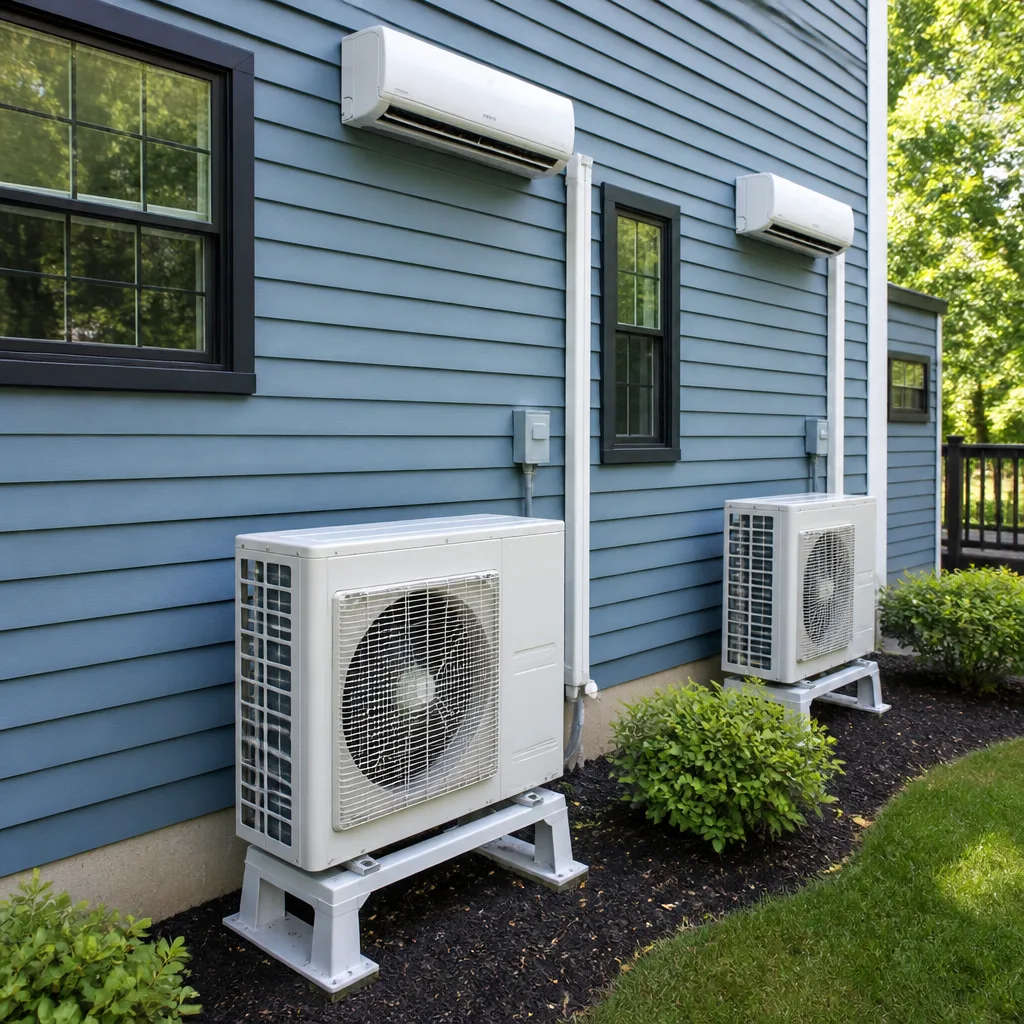 Ductless mini splits
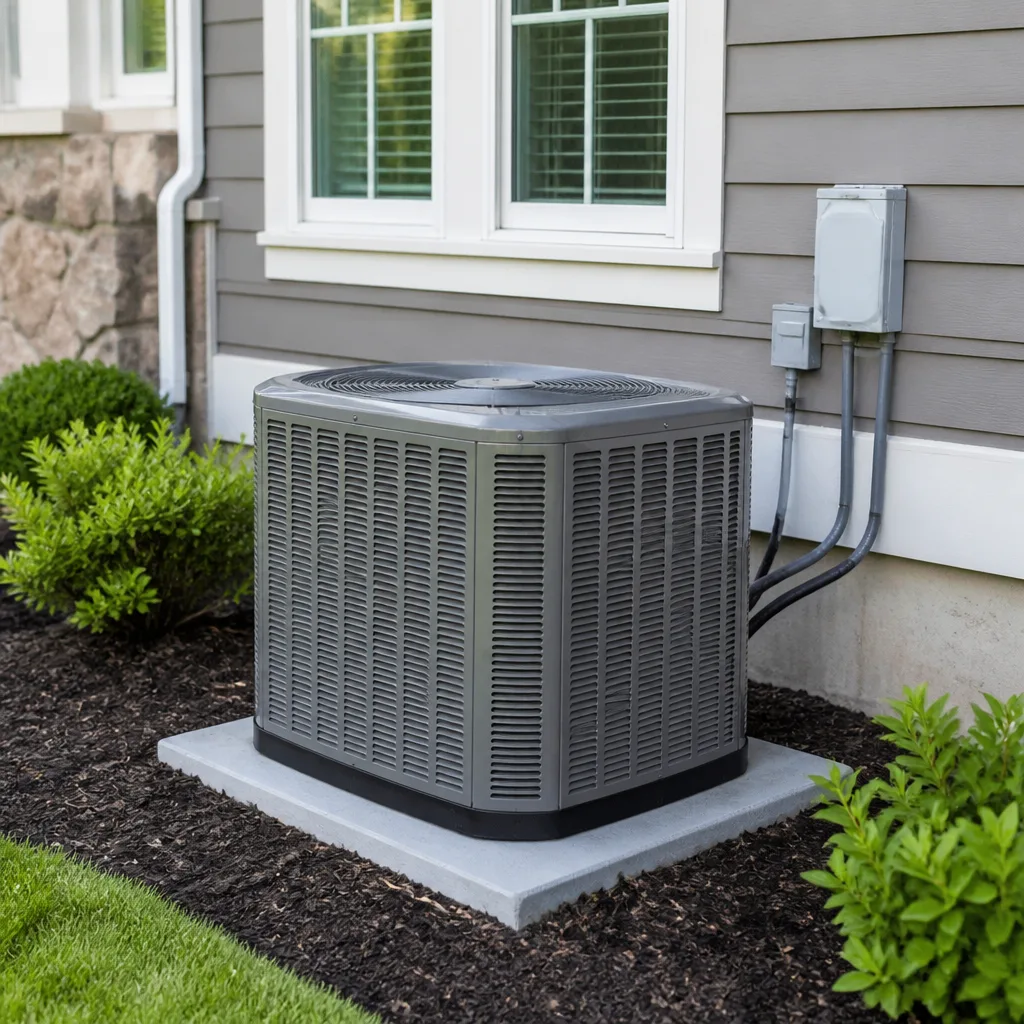 Carrier
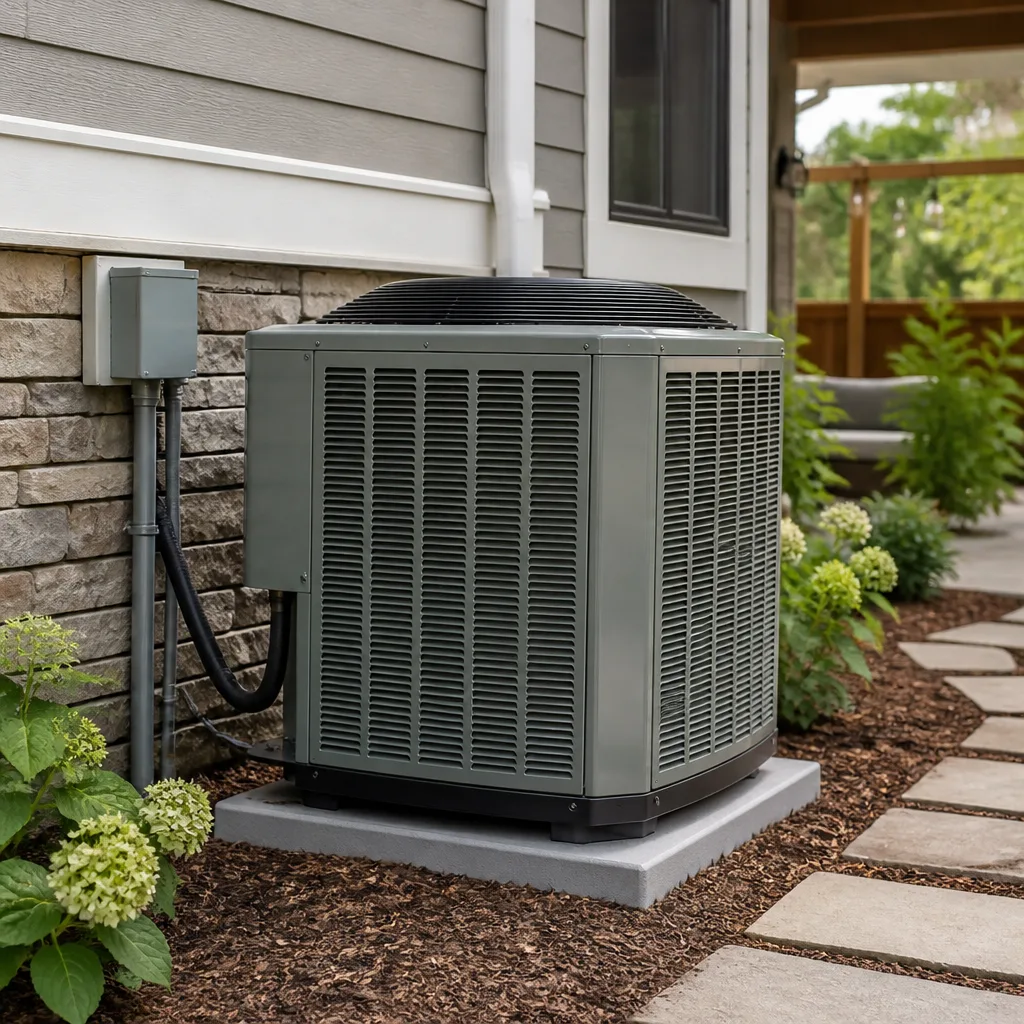 Trane
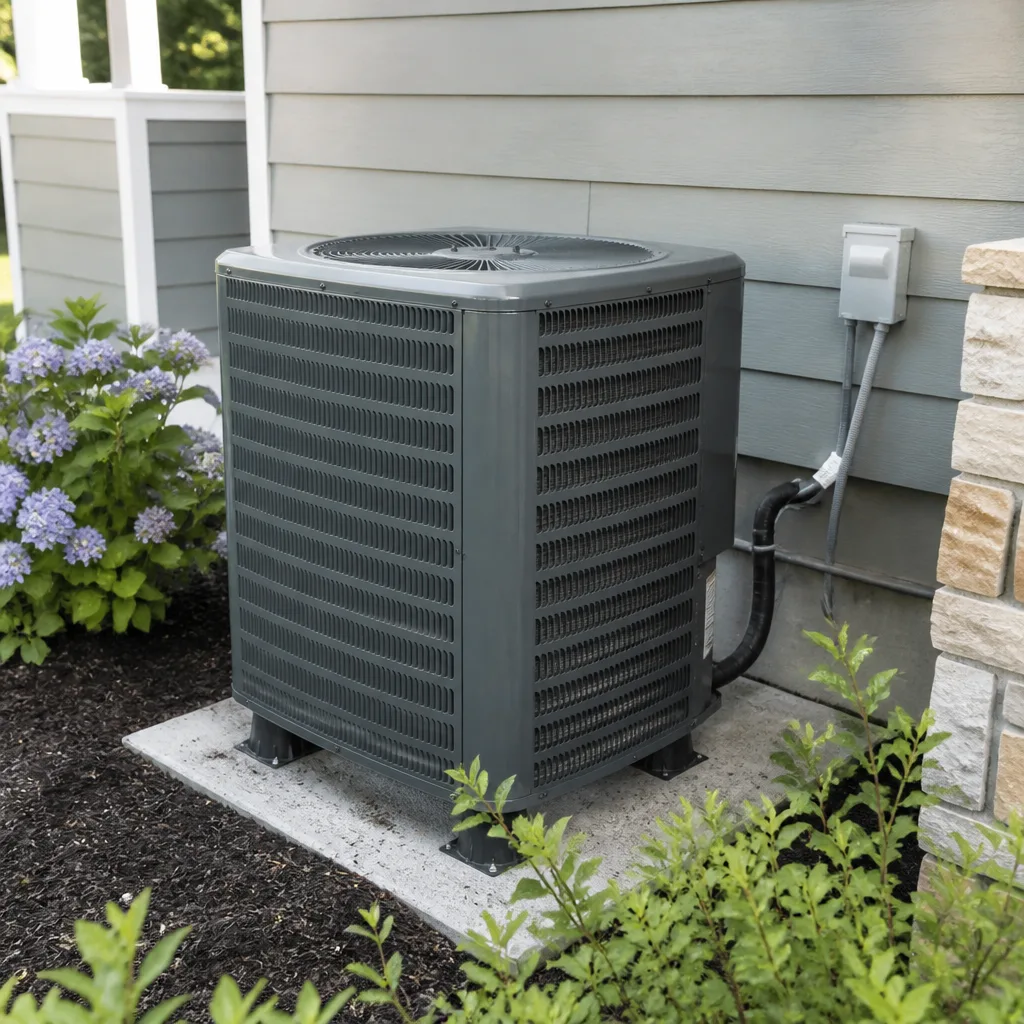 Goodman
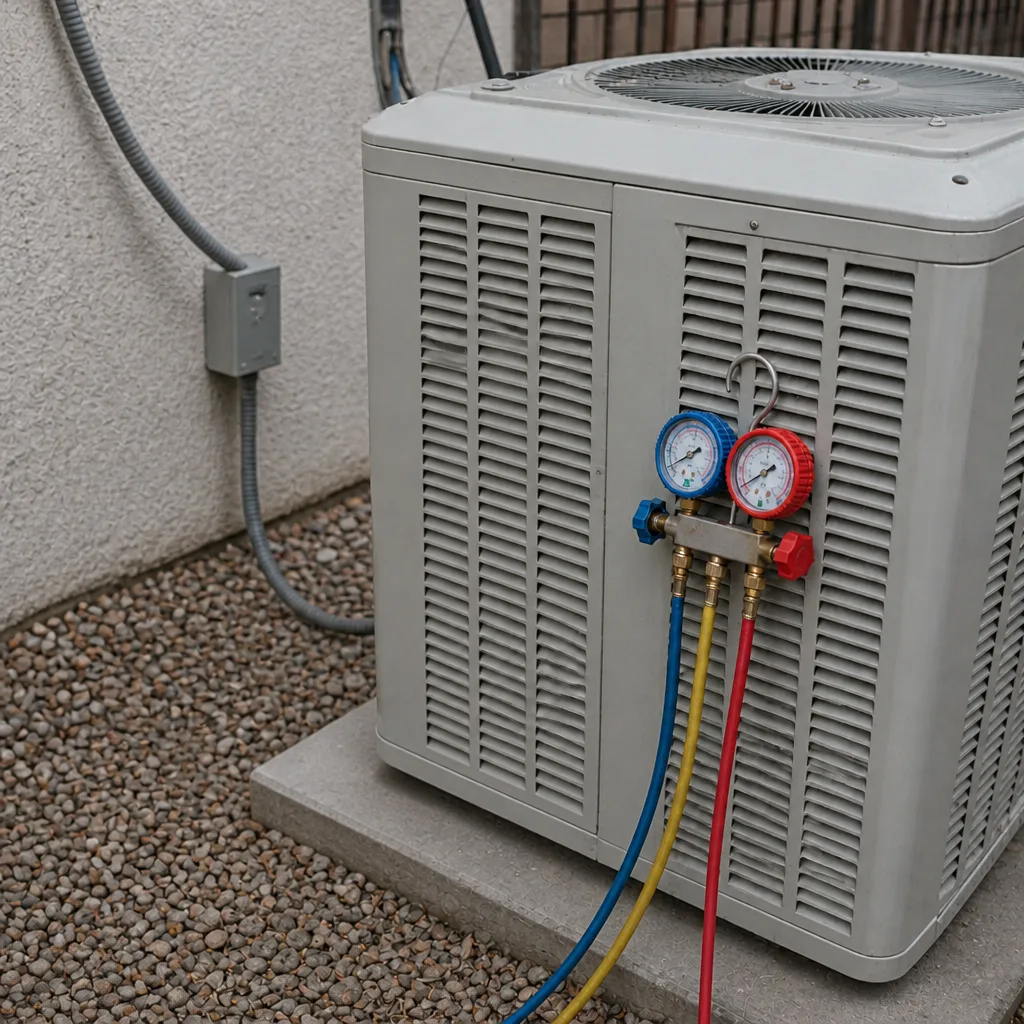
Seasonal tune-up and full diagnostic on your Carrier, Trane, or Goodman system - readings shown to you before any repair is proposed
Diagnosis first, numbers second - you approve the repair price before a single part goes in.
Get your free estimateHVAC Emergency Preparedness Guide for Whitney Homes
Clark County records show heat-related emergency room visits climb on the same July and August afternoons when air conditioners fail in bulk, up over 112°F outdoors. That timing is not a coincidence. The hour you most need an HVAC technician is the same hour every other Whitney homeowner is dialing one, and the queue does not care how hot your house has gotten. An HVAC emergency in Whitney is a health event, not a scheduling hassle. This guide gives you a written plan before the season turns: a pre-failure checklist, the first four hours of safe cooling, the exact words that move you up a dispatcher’s list, and the paperwork that shortens the repair.
Styles & brands we work with
- AC repair
- Furnace & heating
- Heat pumps
- Ductless mini splits
- Carrier
- Trane
- Goodman
Quick Answer
HVAC emergency preparedness in Whitney means three things done before summer: a completed pre-failure checklist that catches the faults we see most, a written room-by-room plan for managing indoor heat for the first four hours after a failure, and a saved copy of your system’s model and serial numbers plus warranty documents. Homes with that preparation get faster diagnostics, cooler first hours, and less risk of heat illness when the system quits on a 112°F afternoon.
Table of Contents
- Why an HVAC Failure in Whitney Is a Health Event
- Your Written Pre-Failure Checklist
- Managing Indoor Temperature for the First Four Hours
- What to Tell a Dispatcher to Get Priority Response
- Real 24-Hour Service vs. Answering Services in Whitney
- What to Have Ready Before the Technician Arrives
- Common Mistakes to Avoid
- When to Call a Professional
- Frequently Asked Questions
- The Bottom Line
Why an HVAC Failure in Whitney Is a Health Event
Whitney sits in the Las Vegas Valley, in the part of Clark County where July and August afternoons regularly cross 112°F and the overnight low sometimes never drops below 90°F. A house without working cooling on one of those days does not just get uncomfortable. It heats like an oven with the door shut, and it heats fast. In our experience, an un-cooled Whitney living room can pass 95°F within four hours of a summer afternoon failure, and the upstairs bedrooms go higher because heat rises and the attic radiates down through the ceiling.
That timeline matters because the people most likely to live through it poorly are the ones who wait. Older adults, anyone on blood pressure or heart medication, and people with breathing conditions lose the ability to regulate body heat sooner than a healthy adult does. A house at 95°F indoors with no cooling plan becomes a genuine health risk well before dinner, not at midnight. The old rule of opening windows to cool a home works in a mild climate. It does nothing in Whitney when the outdoor air is hotter than the indoor air.
This is why we treat HVAC emergency preparedness as a health task, not a home project. The plan has three parts: stop the failure before it happens where you can, manage the indoor temperature safely in the first hours if it does happen, and get a trained technician there with the right information and the right urgency. The rest of this guide walks through all three, in the order that helps you most.
Your Written Pre-Failure Checklist
Most summer failures we get called for in Whitney trace back to a handful of preventable faults. A written checklist completed before Memorial Day catches most of them. Print this list, work it in one pass, and keep the completed copy somewhere you can find it under pressure.
- Change the air filter and note the date. A clogged filter is the single biggest driver of summer failures in Whitney’s dusty air. Check it again in 30 days, and monthly through the peak weeks. A filter choked with valley dust strains the blower motor and ices a coil on a hot afternoon.
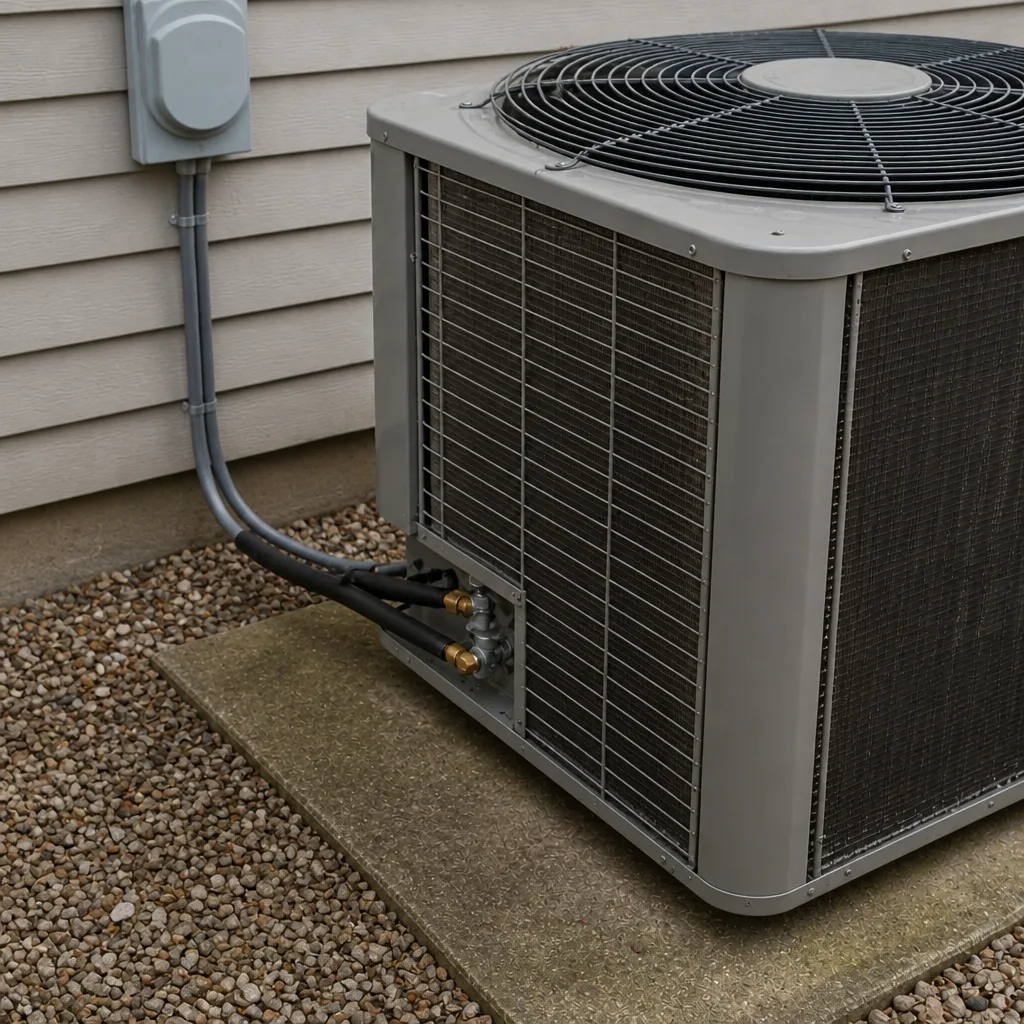
- Clear the outdoor condenser unit. Trim back anything within two feet, clear the leaves and blowing debris, and rinse the coil with a garden hose on low. A condenser starved of airflow in 112°F heat runs a high head pressure and trips a safety switch.
- Test the thermostat early. Switch to cooling, set a temperature you know is below the indoor reading, and confirm the compressor comes on. A thermostat that hesitates or reads wrong shows up as a failure at the worst hour.
- Check the drain line and pan. A clogged condensate drain backs water into the house, trips the float switch, and shuts the system down. Pour a cup of water down the line to confirm it flows.
- Note both model and serial numbers. They are on a plate on the outdoor unit and inside the air handler. Photograph them. You will need them later.
- Locate your air handler’s circuit breaker and label it with tape. In an emergency, a technician may ask you to switch the system off before arrival.
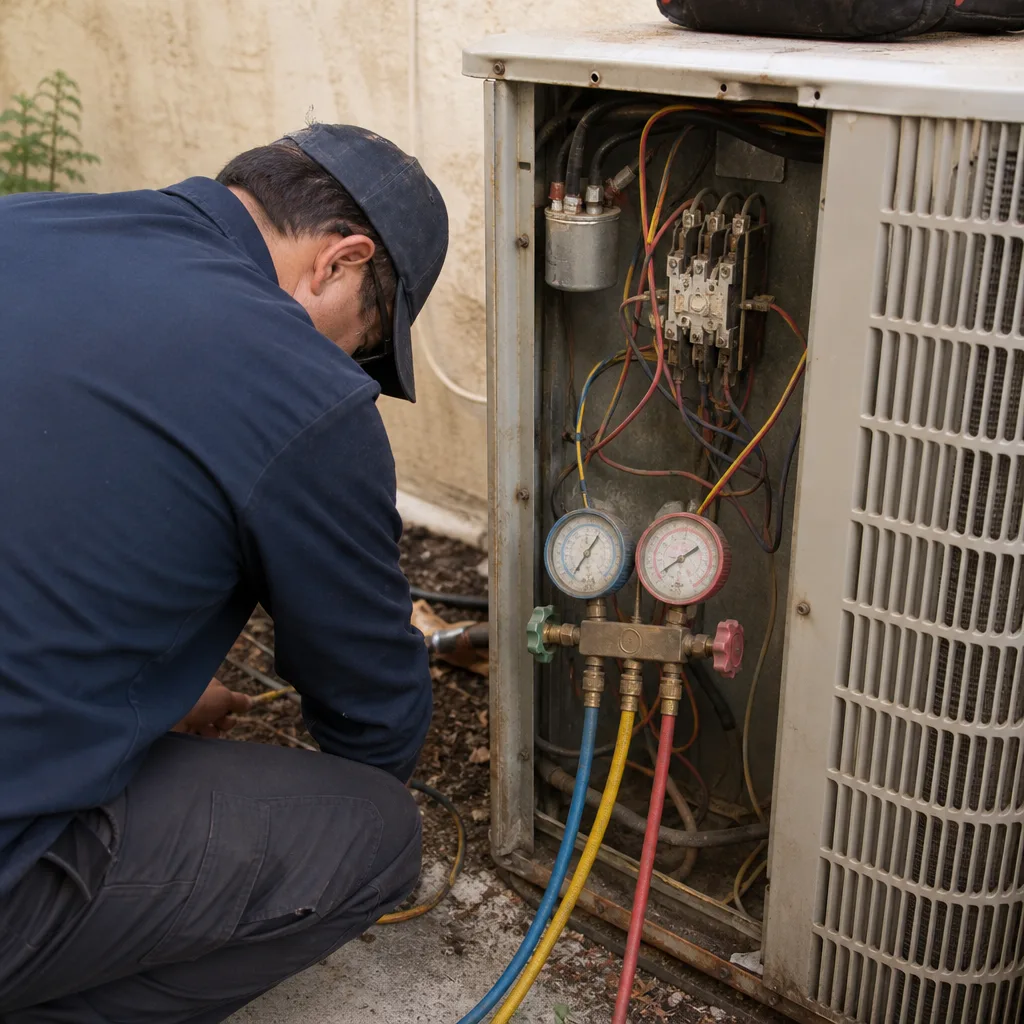
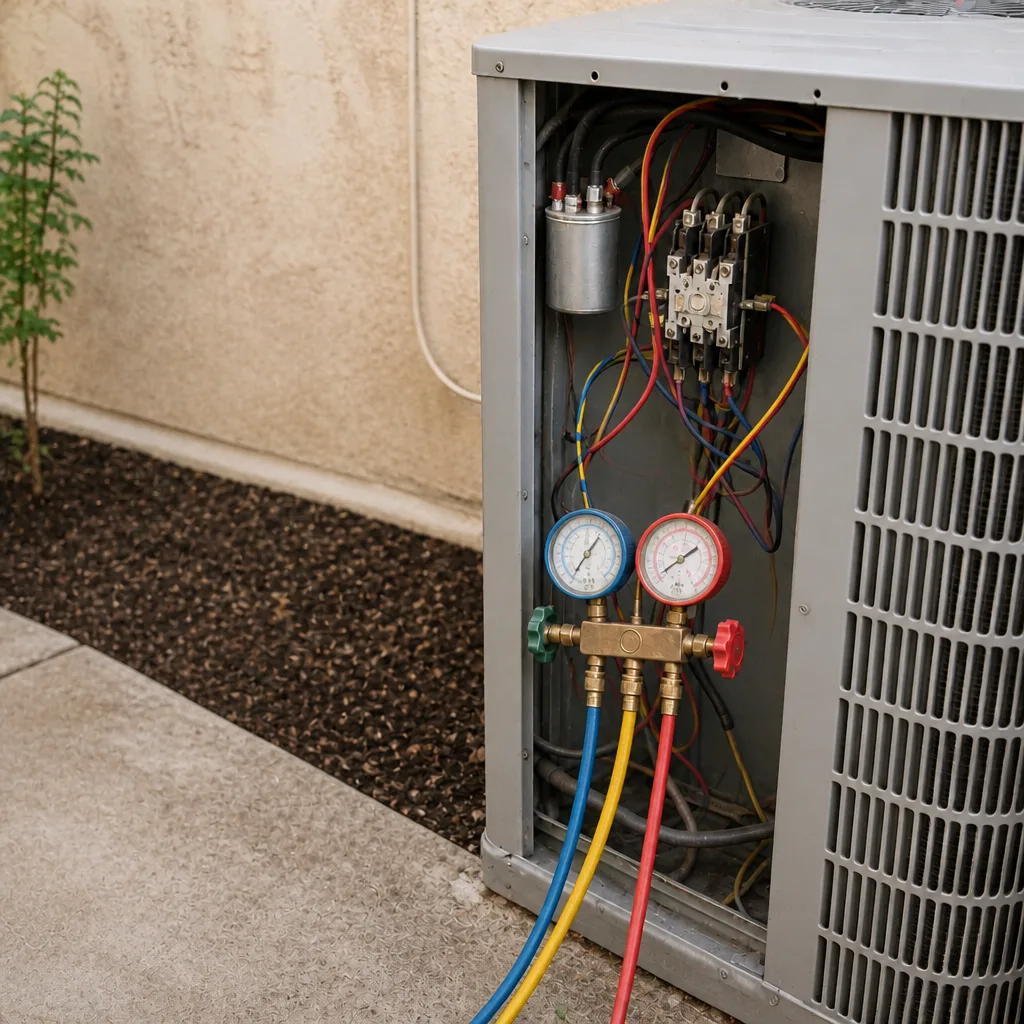
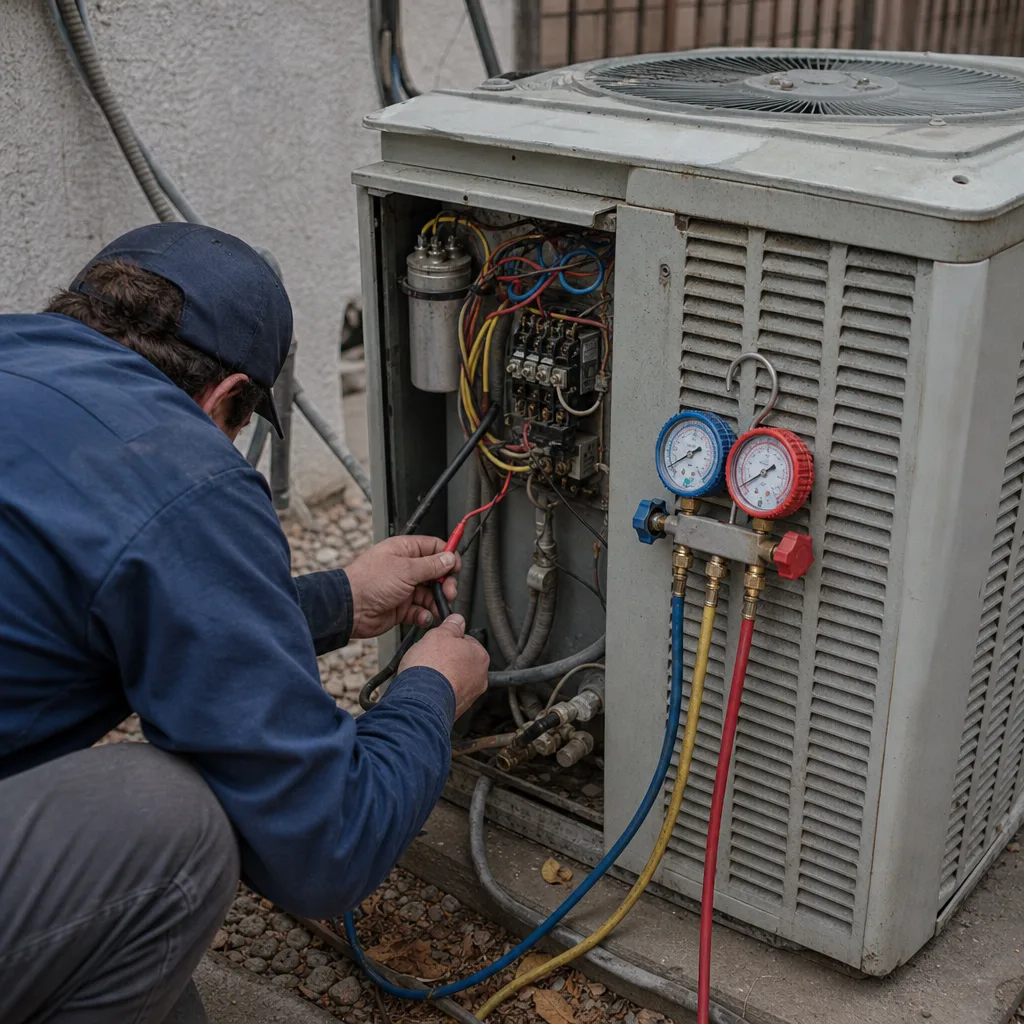
- Book a seasonal tune-up before the peak. A trained technician can catch a failing capacitor, a weak contactor, or a low refrigerant charge before it strands you on a 112°F afternoon.
Those seven steps take about an hour. Done once, they cut the odds that you spend a peak afternoon in a dark house waiting, and they make any repair faster because the technician already has the system’s paperwork. A dedicated tune-up visit covers the same ground more thoroughly, and if the checklist turns up a fault you can’t identify, our AC Repair & Installation in Whitney team can look at it before the heat arrives.
Managing Indoor Temperature for the First Four Hours
The first four hours after a summer AC failure in Whitney decide how comfortable and how safe your household stays. You can’t cool the whole house without a working system, but you can slow the heat and carve out a survivable room. The strategy is to concentrate whatever cooling you have – fans, shutoff windows, one room with cross-ventilation – into the smallest space you can live in until the technician arrives.
Here is the sequence we walk Whitney homeowners through by phone:
- Close every window and door and pull the blinds. When the outdoor air is hotter than the indoor air, opening windows makes the house hotter. Shade every sunny window to cut solar gain.
- Pick one “cool room” per floor, ideally the lowest floor. Ground-floor rooms stay coolest, and interior rooms with no south or west walls stay coolest of all. Corral the household into that space and seal it off from the rest.
- Move hot work out of the house. Cooking, laundry, and any appliance that throws heat raise the indoor temperature and the strain on your body. Save it for a milder evening.
- Use fans to move air over people, not into empty rooms. A box fan aimed at a person speeds sweat evaporation and helps the body cool. A whole-house window fan pulling hot air out of the sealed cool room is worth doing where it fits.
- Drink water on a schedule, and check on anyone older or on medication. Cool baths, cool showers, and damp towels on the neck and wrists work fast. This is the practical safety core of the plan.
- Have a real backup plan for the hottest hours. A neighbor with working cooling, a community cooling center, or an air-conditioned car is a genuine option when the indoor thermometer is climbing and the wait is long.
Rooms that seal well – bedrooms with good doors, a home office, a finished closet of a room – make better cool rooms than a big open living area. Know before summer which room in your Whitney home you’d retreat to, and tell the whole household so no one has to decide under stress.
What to Tell a Dispatcher to Get Priority Response
When a Whitney HVAC call center picks up in the middle of a heat wave, the dispatcher has a list of jobs and a limited number of technicians. The calls that move from the standard queue to a priority response share one trait: the caller tells the dispatcher exactly why this job is a health risk, with a number or a name attached. “My AC is out and I’m hot” reads as routine. “My AC is out, the indoor thermometer reads 97, and my 78-year-old mother with a heart condition is in the house” reads as an emergency.
Here is the language that works, in the order to say it:
- State the failure plainly: “Our air conditioner has been off for [number] hours and it is not cooling.”
- State the indoor temperature: “The thermometer in the living room says [number] degrees.”
- Name the health risk in the household: “There is an [age] year-old on heart medication” or “there is an infant in the home” or “there is someone with COPD who can’t breathe well in the heat.”
- Say you cannot move to a cooler place: “We have no other place to go tonight” or “we’re checking on an elderly neighbor with no way to leave.”
- Give the dispatcher the address, phone, and whether you’ve already tried the circuit breaker. That last part tells a technician what to expect.
Do not exaggerate. A dispatcher who gets a false alarm stops trusting the next call from the same number, and the seniors on our call list get the fastest response because their history is real. If you are calling for a neighbor, say so and say why. A trained dispatcher answers the phone around the clock because emergencies don’t keep office hours, and the honest description of a health risk is the single biggest thing that moves you up the list.
Real 24-Hour Service vs. Answering Services in Whitney
Many Whitney HVAC companies advertise “24-hour emergency service” and then route the 6 p.m. call to a call center that takes a message and promises a callback in the morning. In a heat wave, that difference costs you the night. Before summer, call each company you’re considering at an odd hour – 7 p.m., a Saturday, a holiday if you’re willing – and see who answers. A live person answering is the mark of a real 24-hour operation.
Here is how to sort the real from the advertised:
- A live voice answers, every call. Not a voicemail tree, not a “leave a message after the tone,” not a callback request form. A real 24-hour provider answers the phone with a person who can talk to you.
- The dispatcher can tell you roughly how long a technician will be. A genuine emergency provider knows its overnight capacity and can give you a window, not a vague promise.
- The company has technicians who work overnight. Advertising is easy; staffing a night shift is not. Ask directly whether the technician on the way is on duty right now.
- They can quote a repair price before arrival or shortly after. A business that quotes a price it will honor is a business that planned for the job, not one that improvises after dark.
- They stand behind the work in writing. A written guarantee on a night call means the company expects to be around when you need them next.
Fireside Heating & Air Co. answers the phone with a live person around the clock, every day of the year, and we quote a price before the truck rolls. If you’ve been let down by an after-hours answering service, that difference matters at 2 a.m. in Whitney.
What to Have Ready Before the Technician Arrives
The faster a technician can diagnose your system, the less the repair usually costs and the sooner the house cools. The information you gather before the arrival cuts real time off the job. Gather these six things and set them by the front door while you wait.
- The model and serial numbers of the outdoor condenser and the indoor air handler. These are the single most useful part of the visit. A technician can pull model-specific fault codes and specs before he or she touches the unit.
- Your warranty documents or the name of the installing company. If the system is still under a manufacturer’s parts warranty, that can lower your repair cost, but only if the paperwork is in hand. A Lennox or Goodman system that’s a few years old may still have parts coverage.
- Your service history, if you have one. A written record of the last tune-up and any prior repairs lets a technician skip the guesswork and check the parts most likely to fail.
- Access to the circuit breaker panel. Confirm which breaker feeds the outdoor unit and which feeds the air handler, and tape a label on each. If a breaker is tripped, don’t reset it yourself without asking the technician first – a tripping breaker can signal a short. Let a trained professional handle the electrical side of the diagnosis.
- The filter’s size and change date. A technician will check the filter anyway, but knowing it’s fresh or overdue is a clue about what failed.
- A short note on what happened. “It ran fine, then blew lukewarm air,” or “the thermostat is blank,” or “there was a hum and then nothing” gives the technician a starting point before the unit is even open.
If your failure is a heating problem instead, the same principle applies in winter: have the furnace model and serial numbers and the breaker location ready. Our Heating & Furnace in Whitney team manages the same set of paperwork on a no-heat call. If you’re on a heat pump or a mini-split, the Heat Pump & Mini Split in Whitney team knows those systems’ specific fault patterns, including the ones a standard furnace or AC technician won’t recognize.
Common Mistakes to Avoid
- Opening every window to “air the house out.” In a Whitney 112°F afternoon, you are pulling in valley air hotter than the house. Shut the windows, seal the cool room, and shade the sunny glass.
- Resetting a tripped breaker over and over. A breaker that trips repeatedly is telling you something is wrong with the circuit or the compressor. Reset once, and if it trips again, call a technician and let the system rest.
- Switching a clogged filter to the cheapest fiberglass one and calling it done. A clogged filter on a running system can freeze a coil, and the thaw-and-refreeze cycle is a common summer failure in Whitney. Change it before the season and note the date.
- Trusting a “24-hour” phone number without testing it. Call a shortlisted company at 7 p.m. and listen. An answering service that promises a callback in the morning is not a 24-hour provider, no matter what the ad says.
- Running a portable generator indoors or in the garage. A dangerous mistake in a heat-wave failure or power outage. Carbon monoxide kills quietly. Never run any fuel-burning equipment inside a Whitney home.
- Ignoring a household member who is confused, dizzy, or not sweating. By the time someone stops sweating in a hot house, the situation is serious. Move them to the cool room, give them water, and call for help. The HVAC repair can wait; the person can’t.
- Buying a new system in the panic of a failure. If a technician quotes a replacement in the middle of a hot-house emergency, get the written price and ask for a repair option first. Emergency panic is how people pay for more than the job needed.
When to Call a Professional
Call a professional technician when the failure has been going for more than a short while, when the indoor temperature is climbing fast on a hot day, or when anyone in the house is at risk from the heat. Call immediately when the outdoor unit trips a breaker repeatedly, when the system blows warm air after a long run, when you smell burning or hear a hard metallic rattle, or when the indoor coil has frozen over and won’t thaw. On a heating failure, call same-day for a no-heat situation in winter or when a gas furnace smells of gas – that’s an emergency and the gas should be shut off before anything else. For anything involving refrigerant lines, capacitors, or the electrical panel, let a trained technician handle it. Fireside Heating & Air Co. Whitney offers free estimates in Whitney – call (866) 329-8069. Our technicians have up to 8 years of experience and are background-checked, uniformed, and trained to service nine major residential brands including Carrier, Trane, and American Standard.
Frequently Asked Questions
An un-cooled Whitney living room can pass 95°F within about four hours of a summer afternoon failure, and upstairs rooms can run higher because heat rises and attic radiant heat pushes down through the ceiling. The first four hours are when you should seal the cool room and check on anyone older or on medication.
Yes. Fireside Heating & Air Co. answers every call with a live person 24 hours a day, every day of the year, including the 2 a.m. no-heat emergency. Call (866) 329-8069 and a person will pick up, not a voicemail tree.
Most Whitney emergency AC repairs fall in a range that depends on the failed part – a common capacitor or contactor repair is typically the lower end, while a compressor, blower motor, or refrigerant leak repair runs higher. We quote a price before the truck rolls and the quoted price is the price paid. Call (866) 329-8069 for an exact quote; estimates are free.
State the health risk in the household with a number or a name: “the indoor thermometer reads 97, and my 78-year-old mother with a heart condition is in the house.” A dispatcher can hear an emergency in a plain, specific sentence and route it accordingly, but only if you say it clearly.
In most cases a well-maintained system under 12 – 15 years old is worth repairing, especially if the failed part is a capacitor, contactor, or blower motor, and a repair carries a written guarantee. If the compressor has failed, the system is older than that, and the repair bill is more than half the cost of a replacement, replacement is worth discussing. Get the repair price in writing and ask for a free second opinion on the replacement estimate before you decide.
Yes. Our technicians are trained to service nine major residential brands – Carrier, Trane, Lennox, Goodman, Rheem, York, Daikin, Bryant, and American Standard – including the Lennox, Goodman, Rheem, and York systems we see most often in Whitney homes. Call (866) 329-8069 to schedule.
The Bottom Line
An HVAC emergency in Whitney is a health event because the summer heat in the valley is unforgiving and the timing of a failure is the worst possible. The homeowners who come through it best have done the work in advance: a completed pre-failure checklist that catches the common faults, a written cool-room plan for the first four hours, a real 24-hour provider they’ve already tested with a call, and the paperwork ready so a technician can diagnose fast. Fireside Heating & Air Co. has served homeowners for over 42 years, and every job is backed by the 90-Day Done Right Promise – done right, or we make it right, in writing. Phones are answered live around the clock. If you want a plan on paper before the peak, or a technician on the way now, call (866) 329-8069 for a free estimate.
Fireside Heating & Air Co. Whitney home
Written by the team at Fireside Heating & Air Co. Whitney.
See the difference
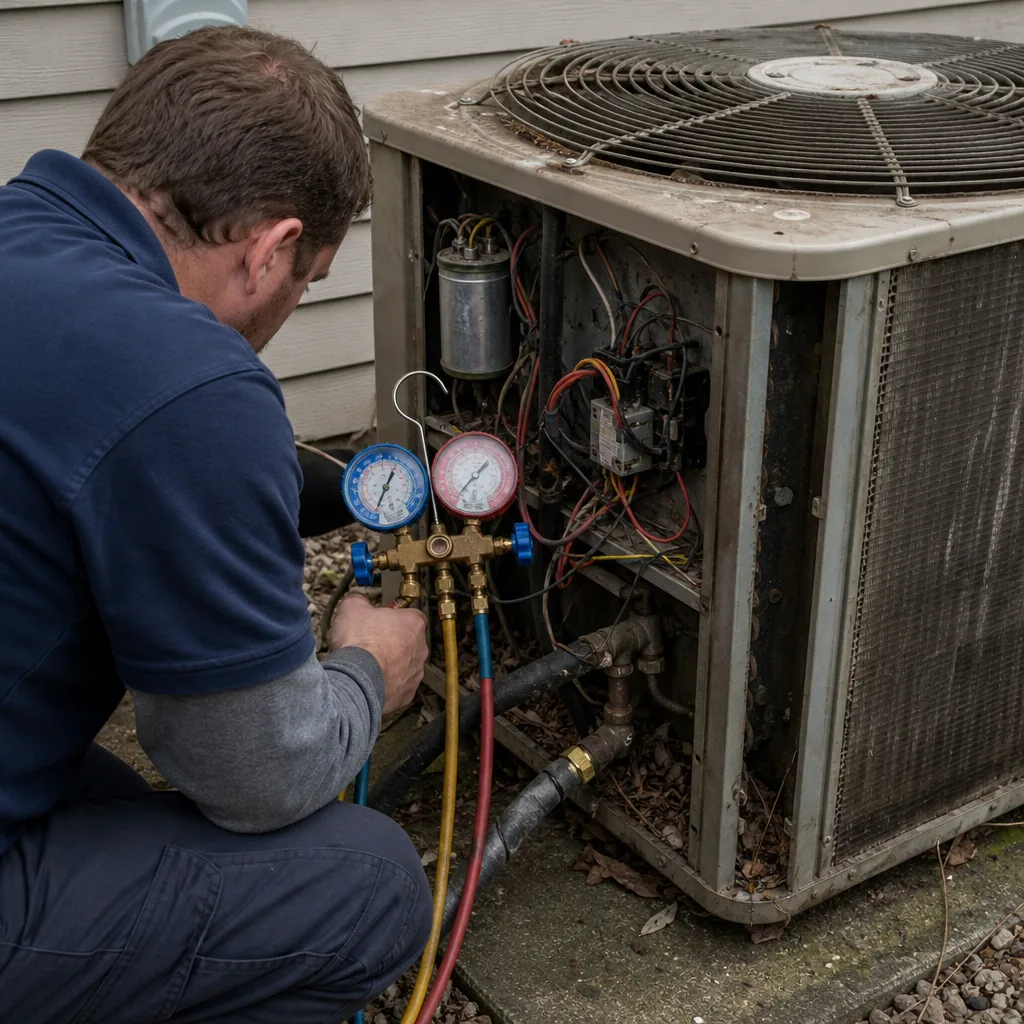 Before
 After
 Before
 After
 Before
 After